Welcome, fellow dessert lovers! Today, we’re embarking on a sweet journey to create one of India’s most beloved and elegant sweets: Rasmalai. If you’ve ever dreamt of biting into those delicate, spongy cheese dumplings soaked in fragrant, creamy milk, but felt intimidated by the process, fear not! This guide is designed to make homemade rasmalai an absolute breeze, even for beginners. Get ready to impress your friends and family with this incredibly satisfying and surprisingly simple recipe.
A Sweet Journey – The History of Rasmalai

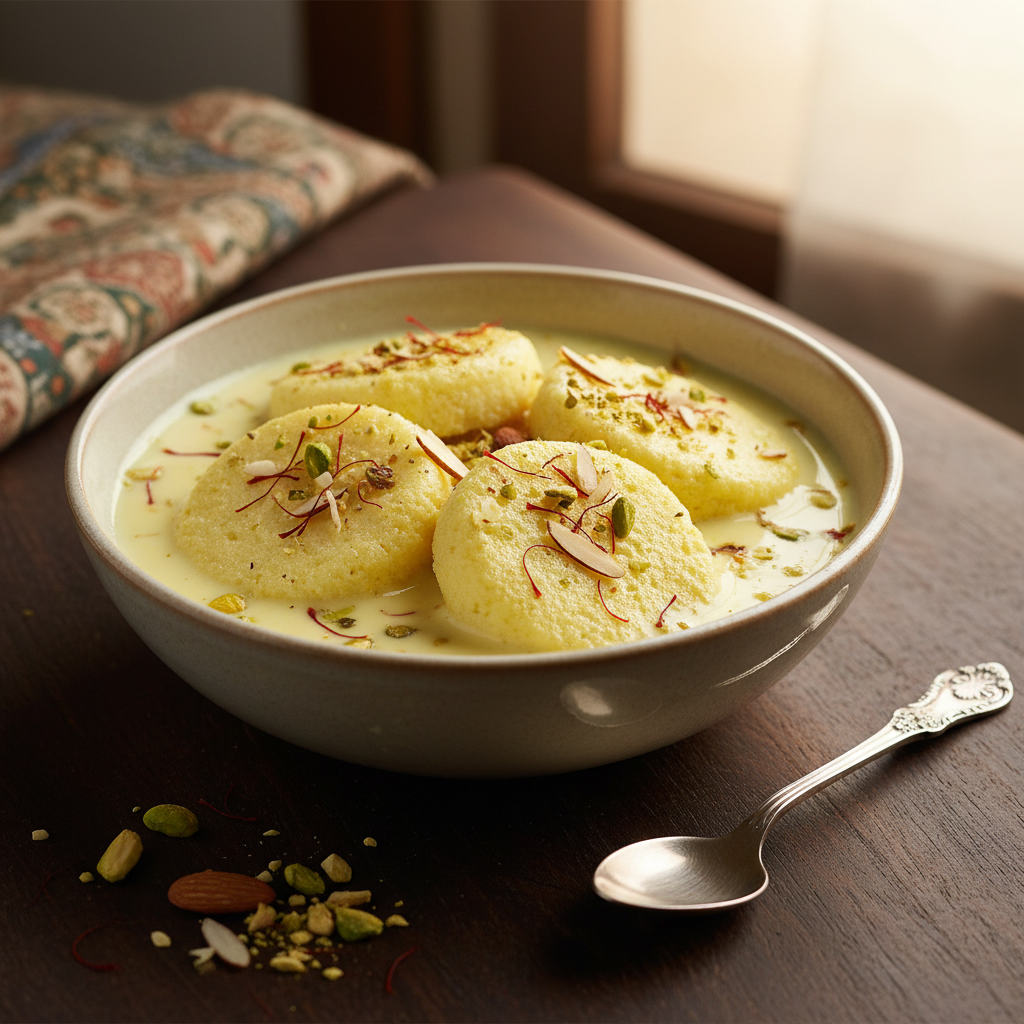
Rasmalai, a name that literally translates to ‘juice’ (ras) and ‘cream’ (malai), is a classic Bengali dessert that has captured hearts across India and beyond. Originating from the eastern states of Bengal and Odisha, this sweet treat is a cousin to the famous Rasgulla, sharing the same base of fresh cheese dumplings (chenna). However, instead of a light sugar syrup, Rasmalai features these soft, spongy discs swimming in a rich, thickened, sweetened milk (rabri) often flavored with cardamom, saffron, and nuts.
Historically, Indian sweets have a deep cultural significance, often prepared for festivals, celebrations, and special occasions. Rasmalai, with its delicate flavors and luxurious texture, quickly became a staple, symbolizing joy and hospitality. While its exact origins are debated, its popularity is undeniable, evolving from simple home kitchens to gourmet sweet shops, always maintaining its comforting and indulgent appeal.
Why You Will Adore This Homemade Rasmalai

There are so many reasons to fall in love with making Rasmalai at home. Here are just a few:
- Incredibly Delicious The taste is simply heavenly – a perfect balance of sweetness, creaminess, and delicate chewiness.
- Surprisingly Simple Despite its elegant appearance, the process is straightforward with a few key steps.
- Fresher Ingredients You control the quality of milk and other components, leading to a superior taste.
- Customizable Flavors Easily adjust sweetness and add your favorite spices or nuts.
- Impressive Dessert It looks beautiful and is always a crowd-pleaser, perfect for special occasions.
- No Preservatives Enjoy a pure, wholesome dessert without any artificial additives.
Essential Ingredients for Perfect Rasmalai

Making delicious Rasmalai starts with understanding your ingredients. Here’s a breakdown of what you’ll need and why:
- Whole Milk This is the star! You’ll need whole milk (full-fat) for both the chenna (cheese curds) and the rabri (sweetened milk sauce). Full-fat milk ensures a richer, creamier texture and better yield for your chenna.
- Lemon Juice or Vinegar These acidic agents are crucial for curdling the milk to create chenna. Lemon juice offers a subtle citrus aroma, while white vinegar is also effective.
- Granulated Sugar Sweetens both the simmering syrup for cooking the chenna and the rabri. Adjust to your preference.
- Cardamom Pods or Powder Essential for that authentic, aromatic flavor in the rabri.
- Saffron Strands Optional, but highly recommended for a beautiful golden hue and luxurious aroma in the rabri.
- Pistachios and Almonds For garnishing, adding a lovely crunch and visual appeal.
- Water Used for the sugar syrup in which the chenna discs are cooked.
Tools for Rasmalai Success
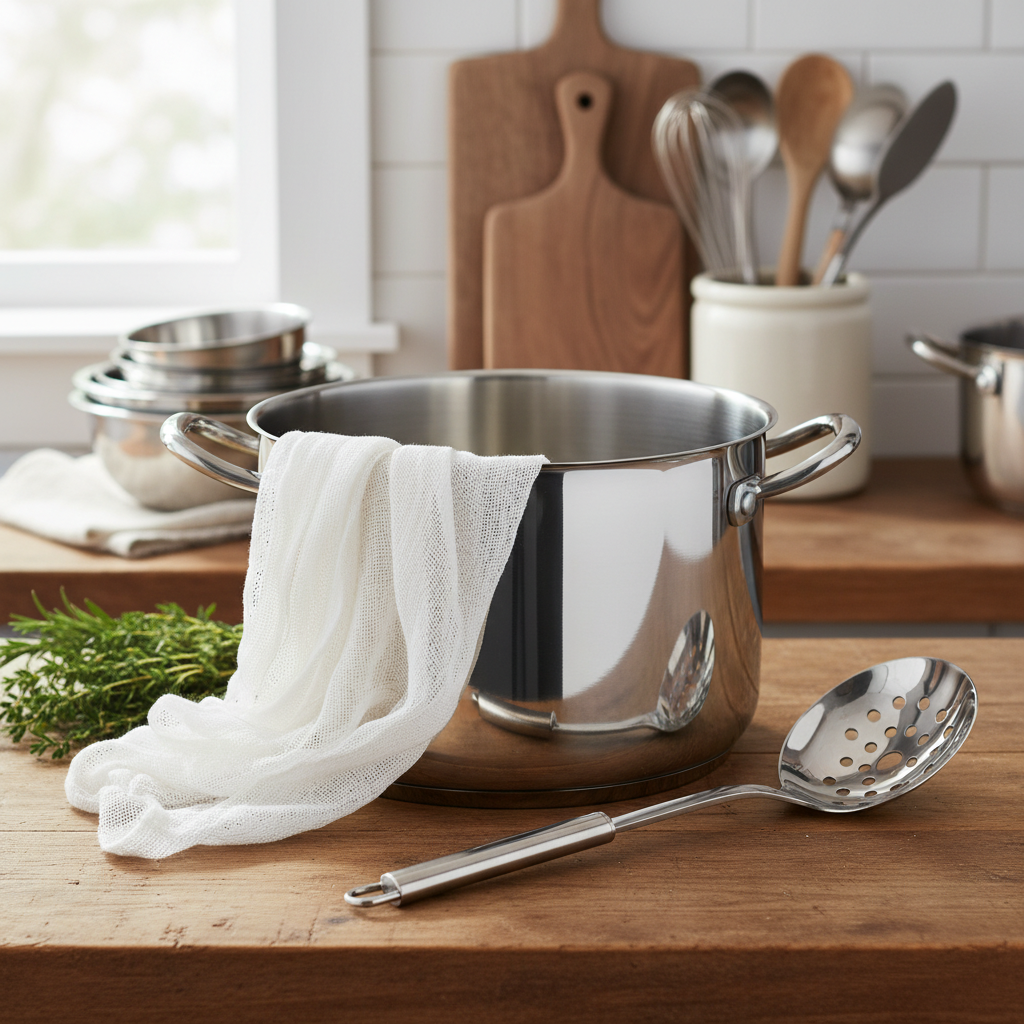
Having the right equipment makes the process much smoother. Here’s what you’ll need:
- Large Heavy-Bottomed Pot or Pan For boiling milk and simmering the rabri.
- Another Large Pot or Pressure Cooker For cooking the chenna discs in sugar syrup.
- Fine-Mesh Sieve or Colander To drain the curdled milk.
- Cheesecloth or Muslin Cloth Essential for straining the chenna and squeezing out excess water.
- Spatula or Wooden Spoon For stirring milk and rabri.
- Measuring Cups and Spoons For accurate ingredient amounts.
- Slotted Spoon For carefully handling the delicate chenna discs.
- Mixing Bowl For kneading the chenna.
- Shallow Dish or Tray For arranging the finished rasmalai.
The Ultimate Homemade Rasmalai Recipe Card
Ingredients
- 1 gallon (about 3.8 liters) full-fat whole milk (divided: 1 liter for chenna, 2.8 liters for rabri)
- 4 tablespoons lemon juice (or white vinegar), diluted with 4 tablespoons water
- 1.5 cups granulated sugar (divided: 1 cup for syrup, 0.5 cup for rabri)
- 6-8 green cardamom pods, lightly crushed (or 1 teaspoon cardamom powder)
- A pinch of saffron strands (optional)
- 2 cups water (for sugar syrup)
- 2 tablespoons slivered pistachios and almonds for garnish
Step-by-Step Instructions
- Prepare the Chenna (Cheese Curds)
In a large heavy-bottomed pot, bring 1 liter of whole milk to a rolling boil over medium-high heat, stirring occasionally to prevent scorching. - Once boiling, reduce heat to low and slowly add the diluted lemon juice (or vinegar), stirring gently. The milk will begin to curdle. Continue to stir for a minute or two until the milk fully separates into greenish whey and white curds. If it doesn’t curdle completely, add a little more diluted lemon juice.
- Turn off the heat. Immediately line a colander with a clean cheesecloth or muslin cloth and place it over a large bowl. Pour the curdled milk through the cloth to separate the chenna.
- Gather the edges of the cheesecloth and rinse the chenna under cold running water for 2-3 minutes. This removes any lemony/vinegary taste and stops the cooking process.
- Squeeze out all excess water from the chenna. This is a critical step; squeeze firmly but gently until no more water drips out. The chenna should be crumbly but still moist. Hang it for 30-60 minutes to ensure proper draining, but do not let it dry out completely.
- Knead the Chenna
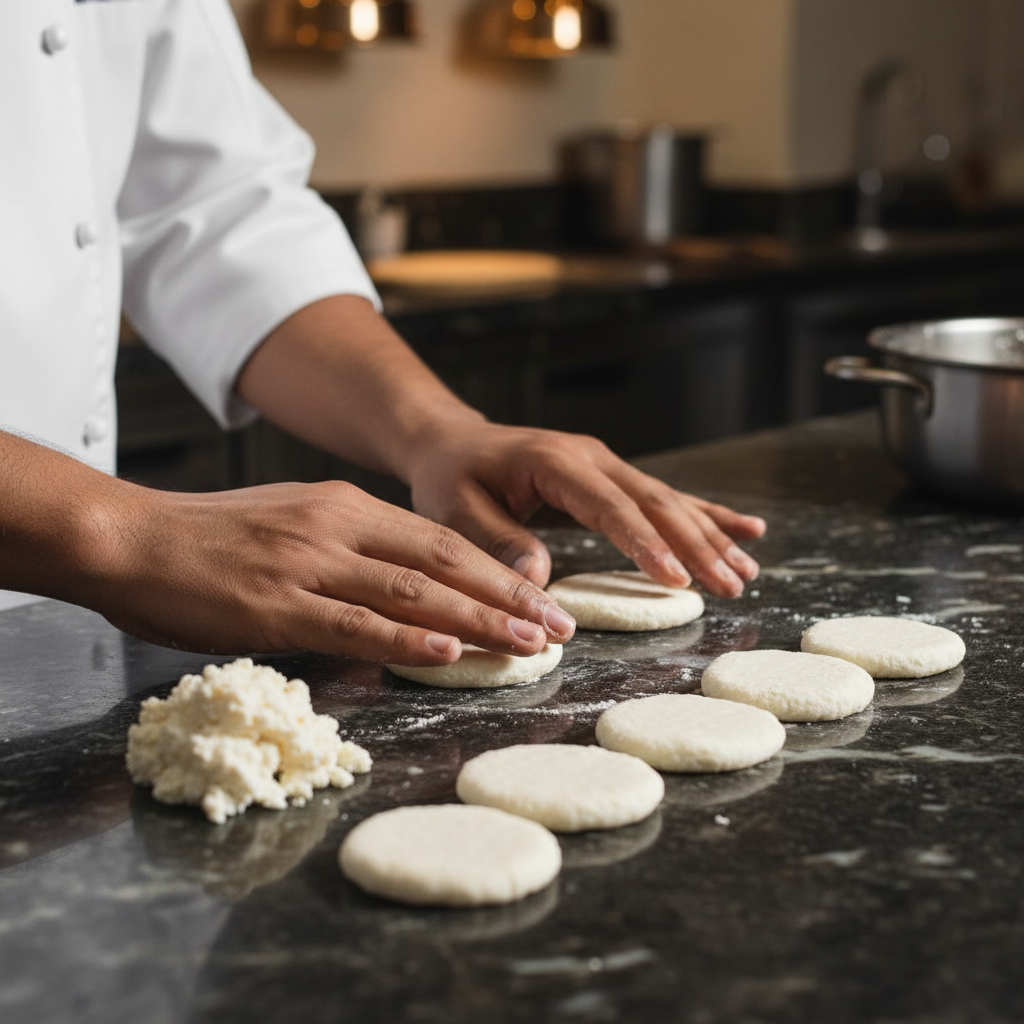
Transfer the drained chenna to a large mixing bowl. Knead it with the heel of your palm for 8-10 minutes until it becomes smooth, soft, and free of any graininess. It should feel like a smooth dough. This step is crucial for soft, spongy rasmalai. - Divide the chenna into 12-15 equal portions. Gently roll each portion into a smooth ball, then flatten slightly into a disc, about 1.5-2 inches in diameter and 0.25 inch thick. Set aside.
- Prepare the Sugar Syrup
In a large pot or pressure cooker, combine 1 cup granulated sugar and 2 cups water. Bring to a boil over medium-high heat, stirring until the sugar dissolves completely. - Once the syrup is boiling rapidly, carefully slide the chenna discs into the boiling syrup. Do not overcrowd the pot; cook in batches if necessary.
- Cover the pot and cook on medium-high heat for 10-12 minutes (if using a regular pot) or 1 whistle in a pressure cooker (then reduce heat and cook for 5 minutes). The discs will puff up significantly.
- Turn off the heat. Gently remove the puffed chenna discs from the syrup using a slotted spoon and immediately transfer them to a bowl of cold water (or ice water) for 5 minutes. This stops the cooking and helps them retain their shape and sponginess.
- Gently squeeze each disc between your palms to remove excess syrup, then set aside.
- Prepare the Rabri (Sweetened Milk)
In another large heavy-bottomed pot, bring the remaining 2.8 liters of whole milk to a boil over medium heat. Reduce heat to low and let it simmer. - Add the remaining 0.5 cup sugar, crushed cardamom pods (or powder), and saffron strands (if using). Stir well until the sugar dissolves.
- Continue to simmer the milk on low heat, stirring frequently, for 30-40 minutes, or until it has reduced by about one-third and thickened slightly. It should coat the back of a spoon lightly. Scrape down the sides of the pot occasionally to incorporate the cream layer.
- Assemble the Rasmalai
Once the rabri has thickened, gently add the squeezed chenna discs into the simmering milk. - Simmer for another 5-7 minutes, allowing the discs to soak up the creamy milk and absorb the flavors.
- Turn off the heat and let the rasmalai cool to room temperature.
- Chill the rasmalai in the refrigerator for at least 4-6 hours, or preferably overnight, for the best flavor and texture.
- Serve
Garnish with slivered pistachios and almonds before serving. Enjoy your homemade soft and spongy Rasmalai!
Chef’s Notes
The key to perfect rasmalai is in the kneading of the chenna. Don’t rush this step! A well-kneaded chenna results in smooth, soft, and spongy dumplings. Also, ensure your milk curdles completely, and you squeeze out just the right amount of water – not too much (which makes them dry) and not too little (which makes them crumbly).
Creative Tips and Delicious Variations
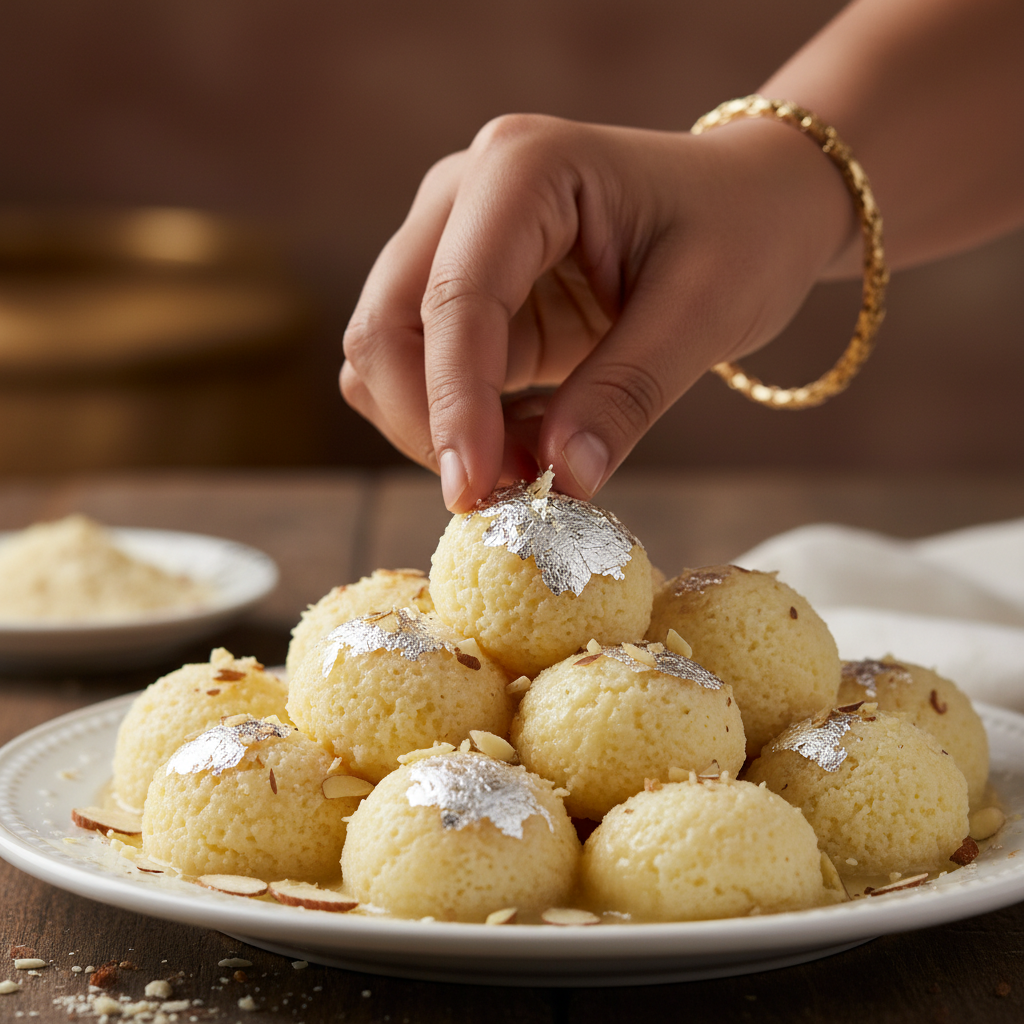
- Rose Flavor Add a few drops of food-grade rose water to the rabri for a delicate floral aroma.
- Mango Rasmalai Blend some fresh mango pulp into the cooled rabri for a seasonal twist.
- Pistachio Rasmalai Increase the amount of pistachios in the rabri and garnish for an extra nutty flavor.
- Sugar-Free Option Use a sugar substitute in both the syrup and rabri for a healthier version.
- Instant Rasmalai For a quicker version, use store-bought paneer (fresh cheese), crumble it, knead, and follow the cooking steps.
Unlock Professional Secrets for Rasmalai Perfection
- Use Fresh Milk Always opt for fresh, full-fat milk. Ultra-pasteurized milk can be harder to curdle effectively.
- Gentle Hand When kneading the chenna, use gentle but firm pressure. Over-kneading can make the chenna oily and tough, while under-kneading leaves it crumbly.
- Correct Syrup Consistency The sugar syrup for cooking the chenna should be thin and rapidly boiling when you add the discs. This helps them puff up properly.
- Chill Thoroughly Rasmalai tastes best when thoroughly chilled. The flavors meld and deepen, and the texture becomes perfectly soft.
- Don’t Overcook Chenna When cooking the chenna discs in syrup, overcooking can make them tough. Keep an eye on them; they should be plump and spongy.
Steer Clear of These Rasmalai Pitfalls

Even seasoned cooks can stumble, but knowing common mistakes helps you avoid them:
- Not Squeezing Enough Water from Chenna This leads to soft, mushy rasmalai that might disintegrate in the syrup.
- Squeezing Too Much Water from Chenna This results in dry, hard chenna that won’t knead properly and will yield tough, crumbly rasmalai.
- Not Kneading Chenna Enough The chenna will be grainy and the discs might crack or break during cooking.
- Overcrowding the Pot When cooking chenna discs, give them space to expand in the syrup. Overcrowding reduces the boiling temperature and prevents proper puffing.
- Not Chilling Long Enough The flavors need time to infuse into the chenna discs, and the rabri needs to thicken properly.
Storing Your Delicious Rasmalai
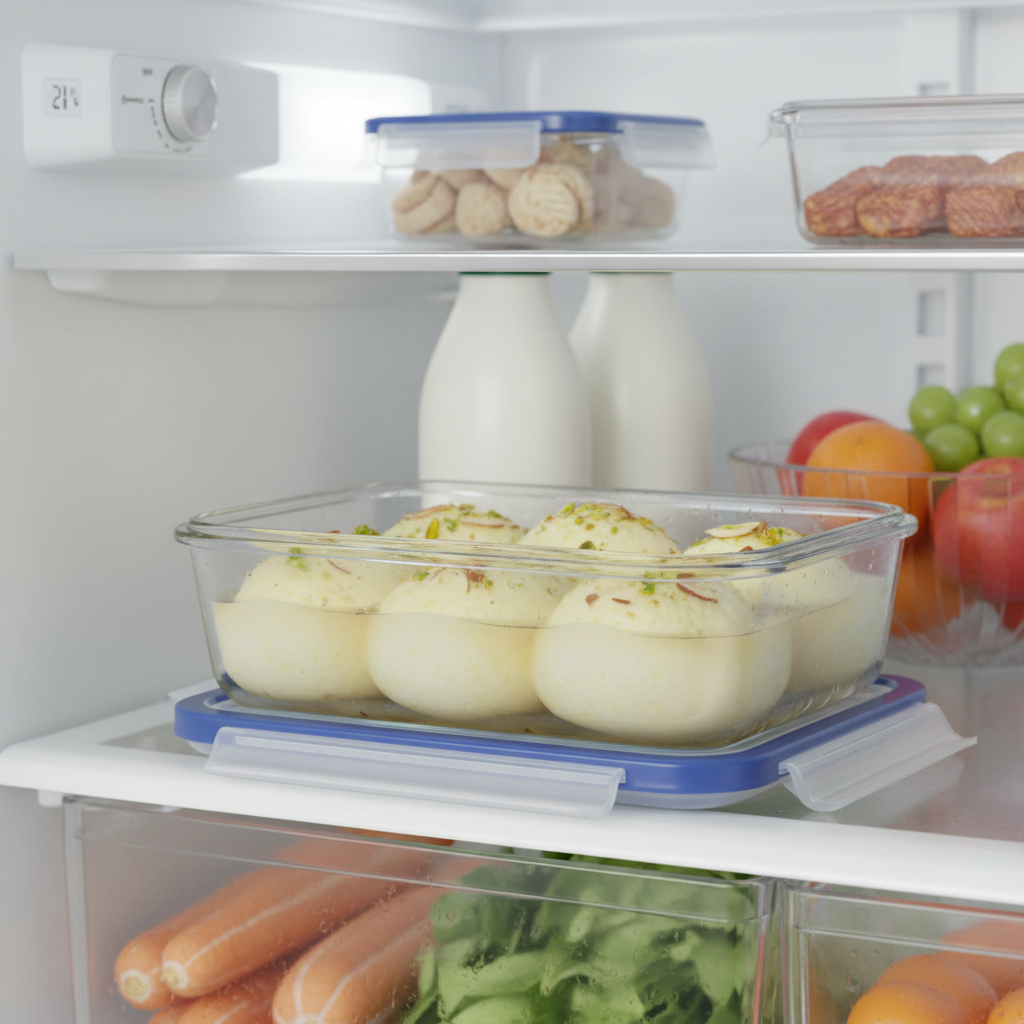
Rasmalai is a delicate dessert that benefits from proper storage. Once completely cooled, transfer your homemade rasmalai to an airtight container. It can be stored in the refrigerator for up to 3-4 days. The flavors will deepen and meld beautifully over time, often tasting even better on the second day!
Plan Ahead Make-Ahead and Freezer Tips
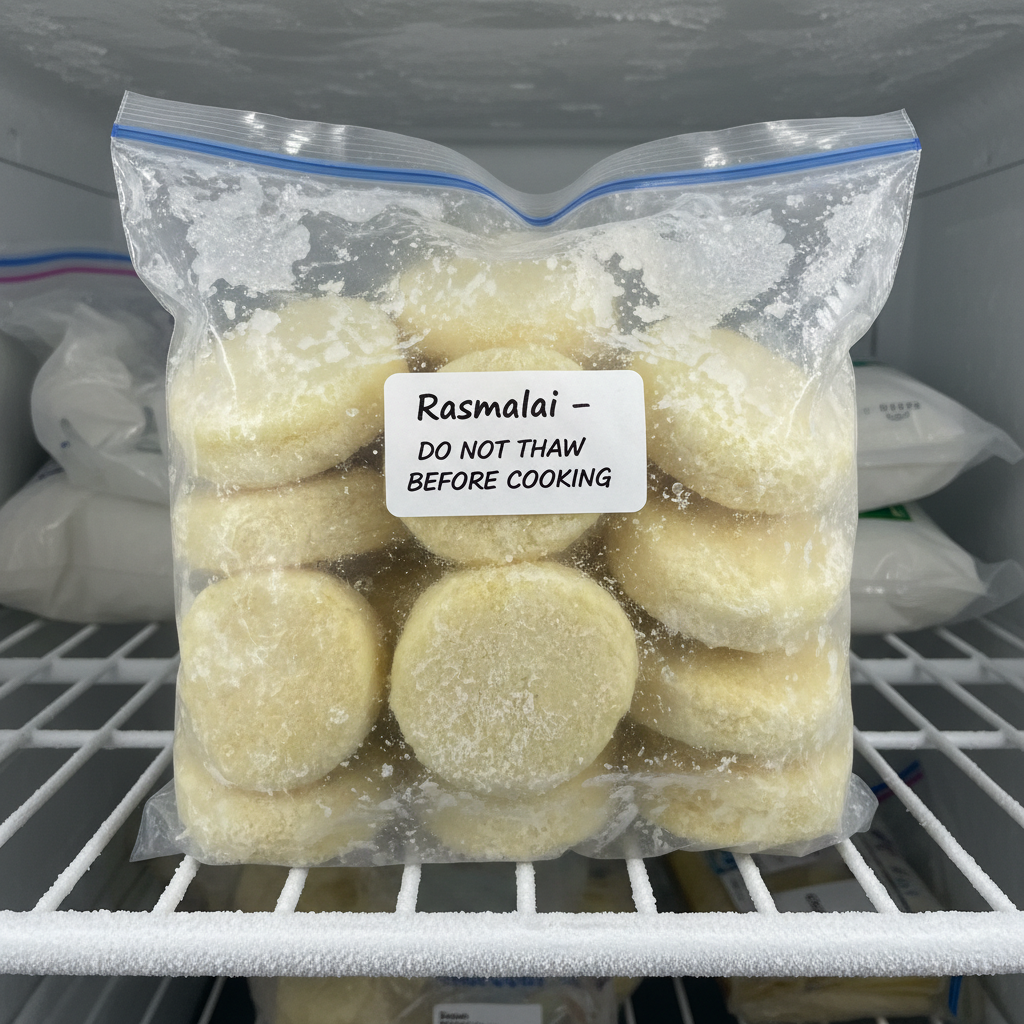
You can definitely prepare components of rasmalai in advance:
- Make Chenna Discs Ahead Prepare the chenna discs and cook them in the sugar syrup. Once cooled and squeezed of excess syrup, you can freeze them in a single layer on a tray, then transfer to a freezer-safe bag for up to 1 month. Thaw in the refrigerator before adding to warm rabri.
- Prepare Rabri Ahead The rabri can be made 1-2 days in advance and stored in an airtight container in the refrigerator. Gently reheat it before adding the chenna discs.
- Full Dish Freezer Note While you can freeze the cooked chenna discs, freezing the fully assembled rasmalai (chenna in rabri) is not recommended as it can alter the texture of the chenna and make it rubbery.
Delightful Ways to Serve Rasmalai

Rasmalai is a showstopper on its own, but here are some serving suggestions to make it even more special:
- Chilled Perfection Always serve rasmalai well-chilled. The cool, creamy texture is part of its charm.
- Garnish Generously Don’t skimp on the garnishes! Slivers of pistachios, almonds, a few saffron strands, or even dried rose petals add visual appeal and extra flavor.
- Pair with Tea A small bowl of rasmalai pairs wonderfully with a cup of hot chai or a light herbal tea.
- Dessert Platter Include rasmalai as part of a larger Indian dessert platter for festive gatherings.
- Individual Servings Serve in small, elegant bowls to highlight its beauty.