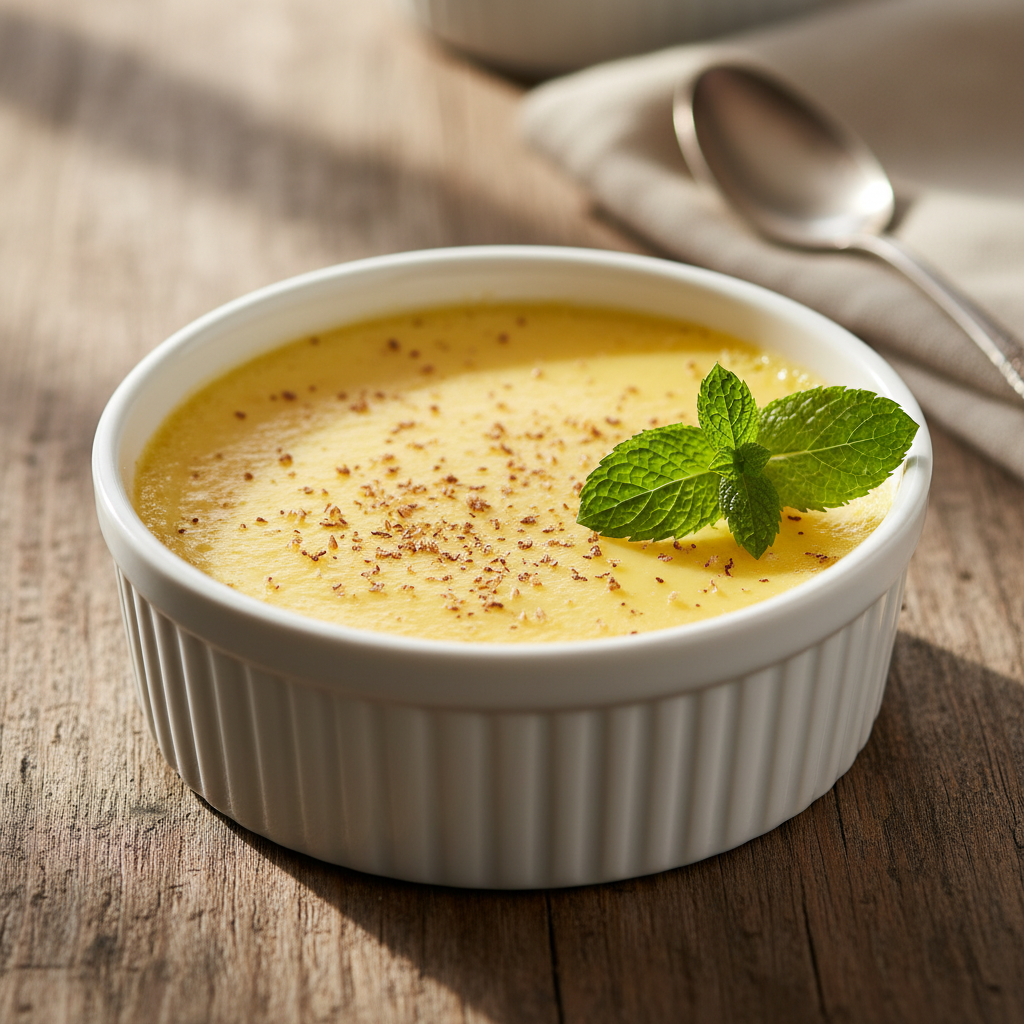
There’s something truly magical about a classic egg custard. It’s a dessert that whispers comfort, a gentle hug in a bowl, and a timeless treat that brings smiles to faces young and old. If you’ve ever dreamt of creating a custard that’s perfectly creamy, wonderfully smooth, and melts in your mouth, you’re in the right place. Forget complicated techniques or intimidating ingredients; this recipe is designed for everyone, from kitchen novices to seasoned bakers.
We’ll walk you through every step, ensuring your homemade egg custard turns out flawlessly every single time. Get ready to impress your family and friends with this delightful, old-fashioned dessert!
History and Background

Custards have a rich and fascinating history, dating back centuries. These delightful, dairy-based dishes were a staple in medieval European cuisine, often enriched with eggs and sweetened with honey or sugar. They were incredibly versatile, appearing in both savory and sweet forms, and could be baked, boiled, or even fried.
The concept of using eggs to thicken milk or cream is ancient, found in various cultures worldwide. From the French crème brûlée to the Spanish flan, and the British baked custard, the humble egg custard has evolved into countless beloved variations. Our recipe celebrates the simple elegance of the traditional baked egg custard, emphasizing that smooth, velvety texture that everyone adores.
Why You’ll Love This Recipe

- Unbelievably Creamy: Achieves that perfect, silky-smooth texture you crave.
- Simple Ingredients: Uses everyday pantry staples you likely already have.
- Beginner-Friendly: Detailed, step-by-step instructions make it easy for anyone to master.
- Versatile Dessert: Delicious on its own or paired with your favorite toppings.
- Pure Comfort Food: A classic dessert that brings warmth and nostalgia.
- Minimal Effort, Maximum Reward: Looks impressive but is surprisingly simple to make.
Ingredient Notes
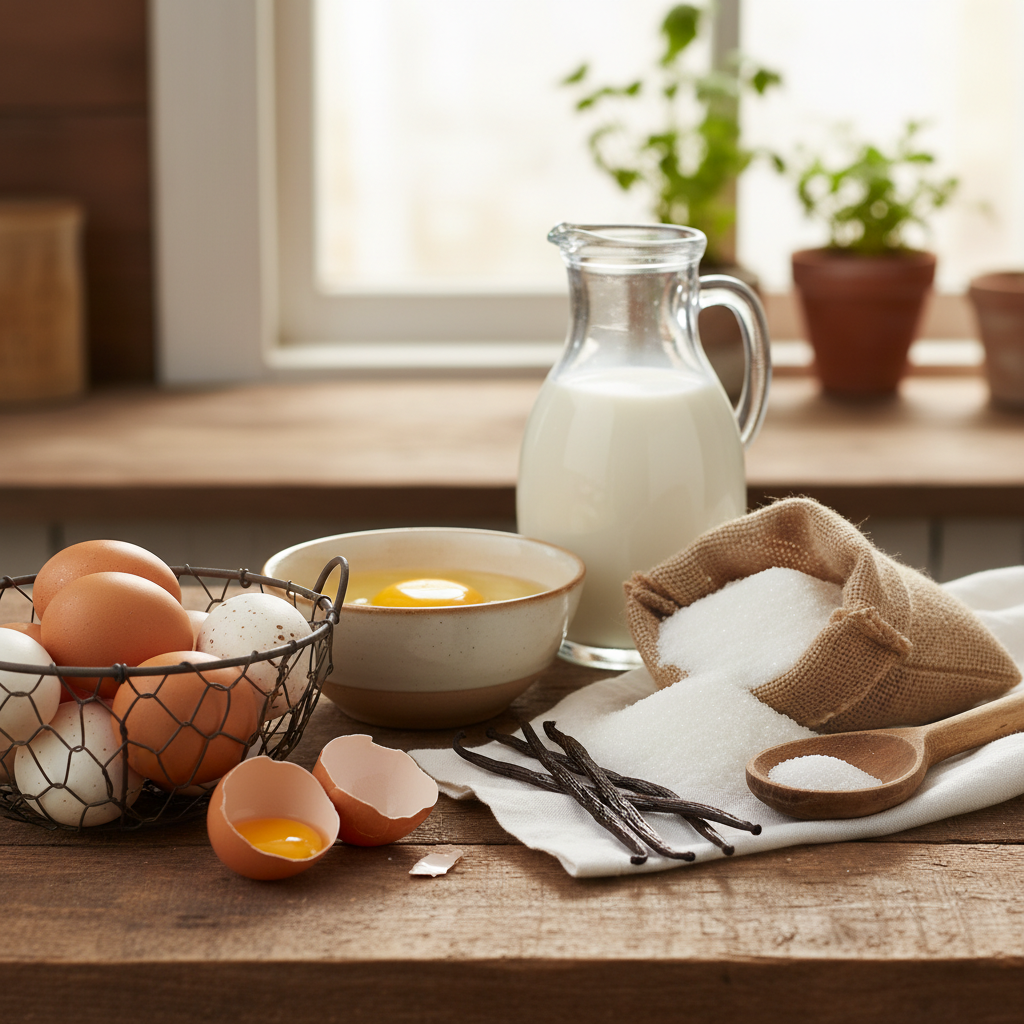
The beauty of egg custard lies in its simplicity. High-quality ingredients truly shine here, so choose them wisely!
- Eggs: Fresh, large eggs are key. They provide the structure and richness. Room temperature eggs blend more easily.
- Milk: Whole milk is our go-to for the creamiest texture and richest flavor. You can use 2% milk, but the custard might be slightly less decadent. Heavy cream can be added for an even richer custard.
- Sugar: Granulated sugar is perfect. It dissolves beautifully and provides just the right amount of sweetness.
- Vanilla Extract: A good quality pure vanilla extract makes all the difference. For an extra special touch, consider using vanilla bean paste or scraping seeds from a vanilla bean.
- Nutmeg: A pinch of freshly grated nutmeg is traditional and adds a wonderful aromatic warmth. It’s optional, but highly recommended!
Equipment Needed
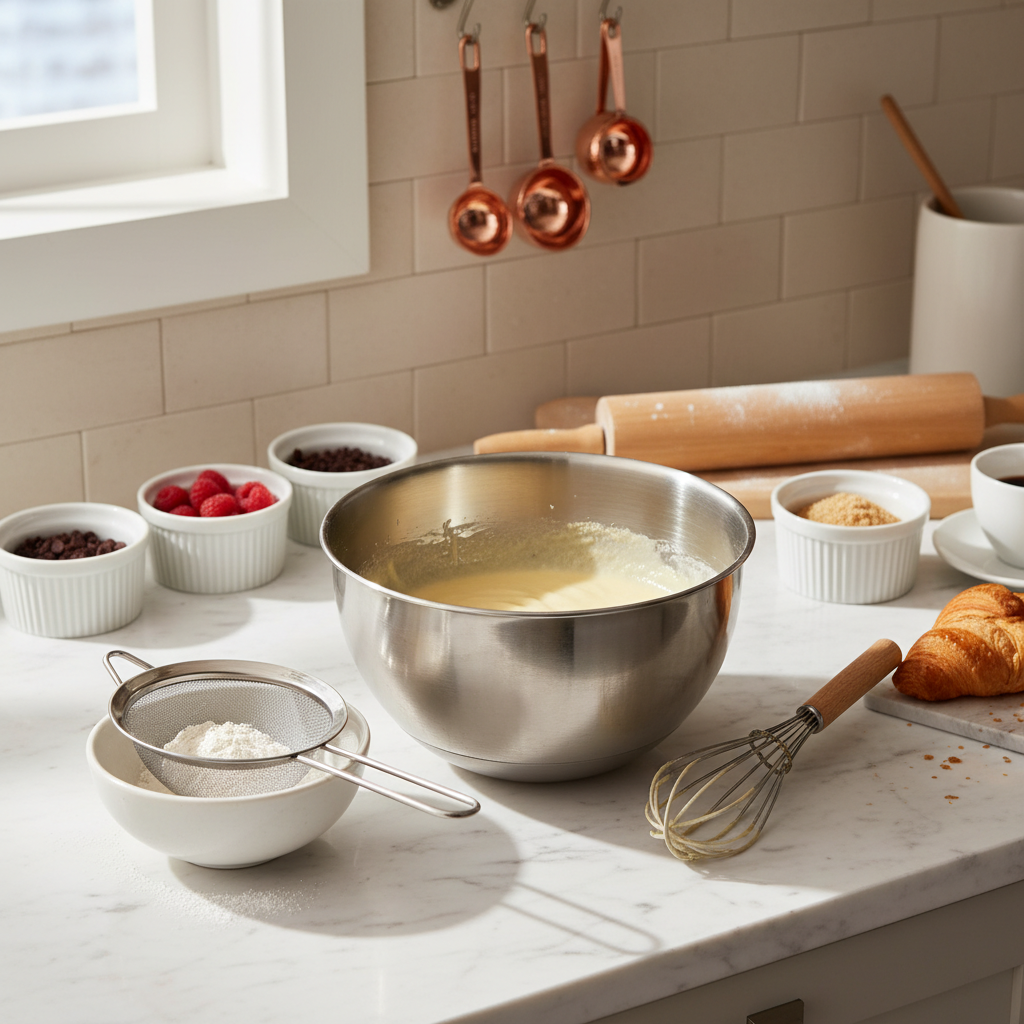
Gathering your tools beforehand makes the process smooth and enjoyable.
- Mixing Bowls: A couple of medium-sized bowls for whisking ingredients.
- Whisk: Essential for combining eggs and sugar, and for stirring the milk mixture.
- Fine-Mesh Sieve: CRITICAL for achieving that perfectly smooth, lump-free custard. Don’t skip this step!
- Ramekins or Baking Dish: Individual ramekins (4-6 oz capacity) are classic, but you can also use a larger oven-safe baking dish (like an 8×8 inch square or a 9-inch pie plate).
- Large Roasting or Baking Pan: Needed for the water bath (bain-marie), which ensures even, gentle cooking.
- Measuring Cups and Spoons: For accurate ingredient measurements.
Full Recipe Card
Ready to create your masterpiece? Here’s how to make the most delicious, creamy, and smooth egg custard.
Ingredients
- 4 large eggs
- 1/2 cup granulated sugar
- 2 cups whole milk
- 1 teaspoon pure vanilla extract
- Pinch of freshly grated nutmeg (for garnish, optional)
Instructions
- Preheat Oven and Prepare Ramekins: Preheat your oven to 325°F (160°C). Lightly grease your ramekins or baking dish with butter or non-stick spray.
- Whisk Eggs and Sugar: In a medium bowl, whisk the eggs and granulated sugar together until well combined and slightly pale.
- Heat Milk and Vanilla: In a small saucepan, gently heat the whole milk over medium heat until it’s warm but not boiling. You’ll see small bubbles forming around the edges. Remove from heat and stir in the vanilla extract.
- Temper the Eggs: Slowly pour the warm milk mixture into the egg mixture, whisking constantly. This crucial step, called tempering, prevents the eggs from scrambling. Pour in a thin, steady stream.
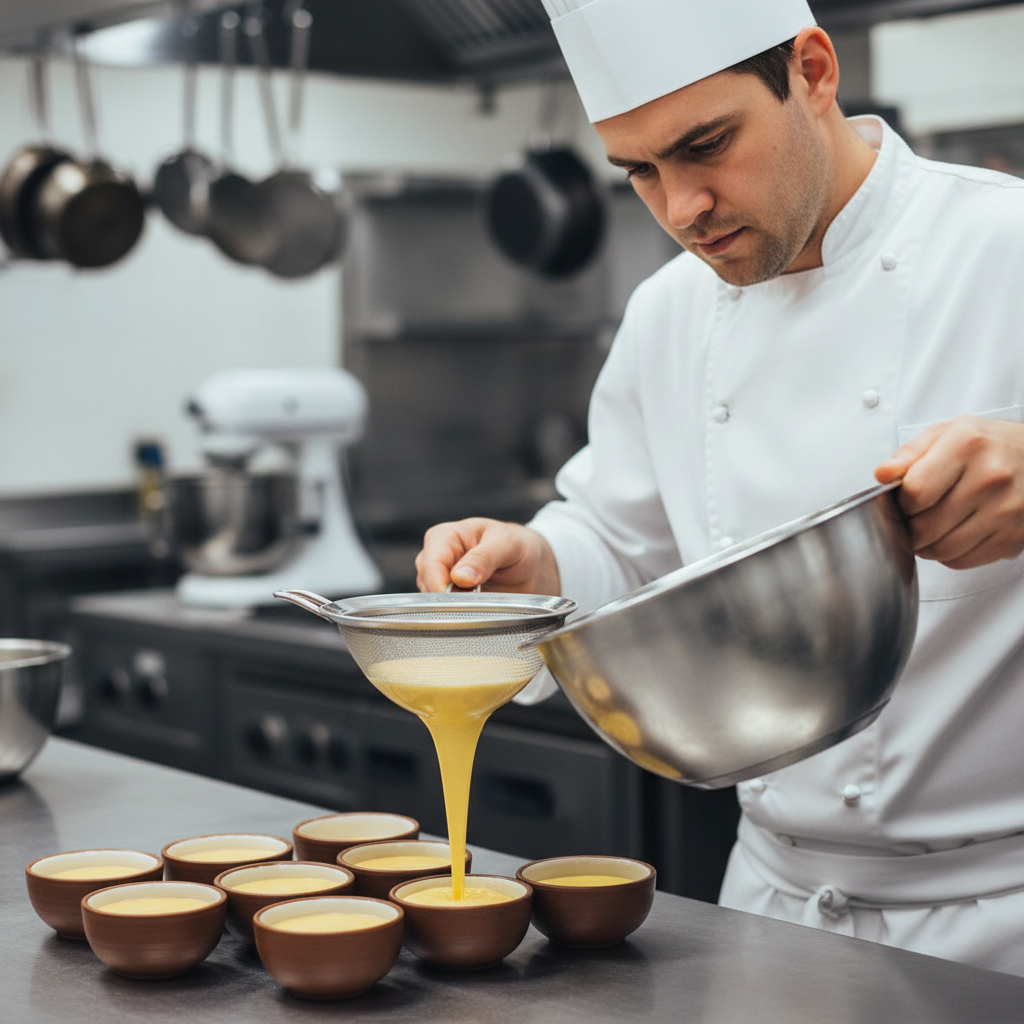
- Strain for Smoothness: Pour the entire custard mixture through a fine-mesh sieve into a clean bowl or a large liquid measuring cup. This removes any bits of cooked egg or chalazae, ensuring a silky-smooth custard.
- Fill Ramekins and Prepare Water Bath: Divide the strained custard evenly among your prepared ramekins or pour into your baking dish. Place the ramekins/dish into a large roasting or baking pan.
- Add Water Bath: Carefully pour hot water into the larger pan, reaching about halfway up the sides of the ramekins or baking dish. This water bath (bain-marie) creates a gentle, moist cooking environment, preventing cracks and ensuring even cooking.
- Bake: Carefully transfer the baking pan with the water bath and custards to the preheated oven. Bake for 35-45 minutes for individual ramekins, or 50-65 minutes for a larger dish. The custard is done when the edges are set, but the center still has a slight jiggle when gently shaken.
- Cool and Chill: Carefully remove the large pan from the oven. Let the custards cool in the water bath for about 15-20 minutes. Then, remove the ramekins/dish from the water bath, let them cool completely on a wire rack, and then chill in the refrigerator for at least 2-3 hours, or preferably overnight, before serving.
Recipe Notes
- Always use a water bath for the creamiest, crack-free custard.
- Don’t overbake! A slight jiggle in the center is perfect; it will continue to set as it cools.
- Chilling is essential for the best texture and flavor.
Tips and Variations
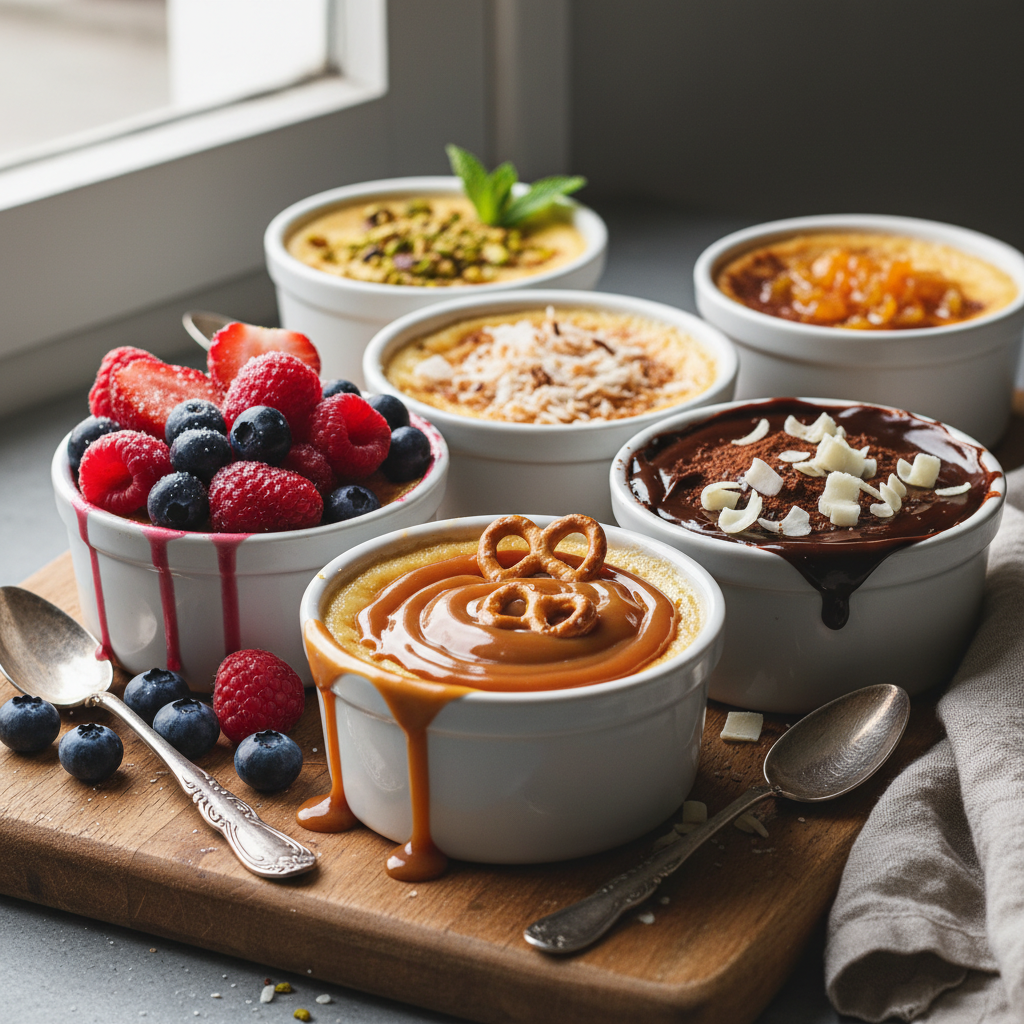
Once you’ve mastered the basic recipe, feel free to get creative!
- Citrus Zest: Add a teaspoon of lemon or orange zest to the milk as it heats for a bright, refreshing flavor. Strain it out before tempering.
- Spiced Custard: Infuse the milk with a cinnamon stick, star anise, or cardamom pods. Remove before tempering.
- Chocolate Custard: Whisk 2-3 tablespoons of unsweetened cocoa powder into the sugar before adding the eggs, or melt 2 ounces of good quality dark chocolate into the warm milk.
- Coconut Custard: Substitute half of the whole milk with full-fat coconut milk for a tropical twist.
- Crème Brûlée Style: After chilling, sprinkle the top of the custard with a thin, even layer of granulated sugar and caramelize with a kitchen torch until golden and bubbly.
Pro Chef Tips
Elevate your custard game with these expert insights:
- Gentle Heat for Milk: When heating the milk, avoid bringing it to a rolling boil. Scalded milk can impart an off-flavor and contribute to a less smooth texture. Warm it just until steam rises and small bubbles form around the edges.
- Thorough Whisking: Whisk the eggs and sugar until the mixture is light in color and slightly frothy. This incorporates air and helps create a smoother base.
- The Power of Tempering: Always add the warm milk to the eggs slowly, whisking continuously. This gradually raises the temperature of the eggs, preventing them from cooking too quickly and scrambling.
- Don’t Skip the Sieve: Straining is non-negotiable for a truly silky custard. It catches any bits of chalazae (the stringy white bits in eggs), tiny egg solids, or spices that might create a lumpy texture.
- Perfect Water Bath: Ensure the water in your bain-marie is hot, but not boiling, when you add it to the pan. This helps maintain a consistent, gentle temperature during baking.
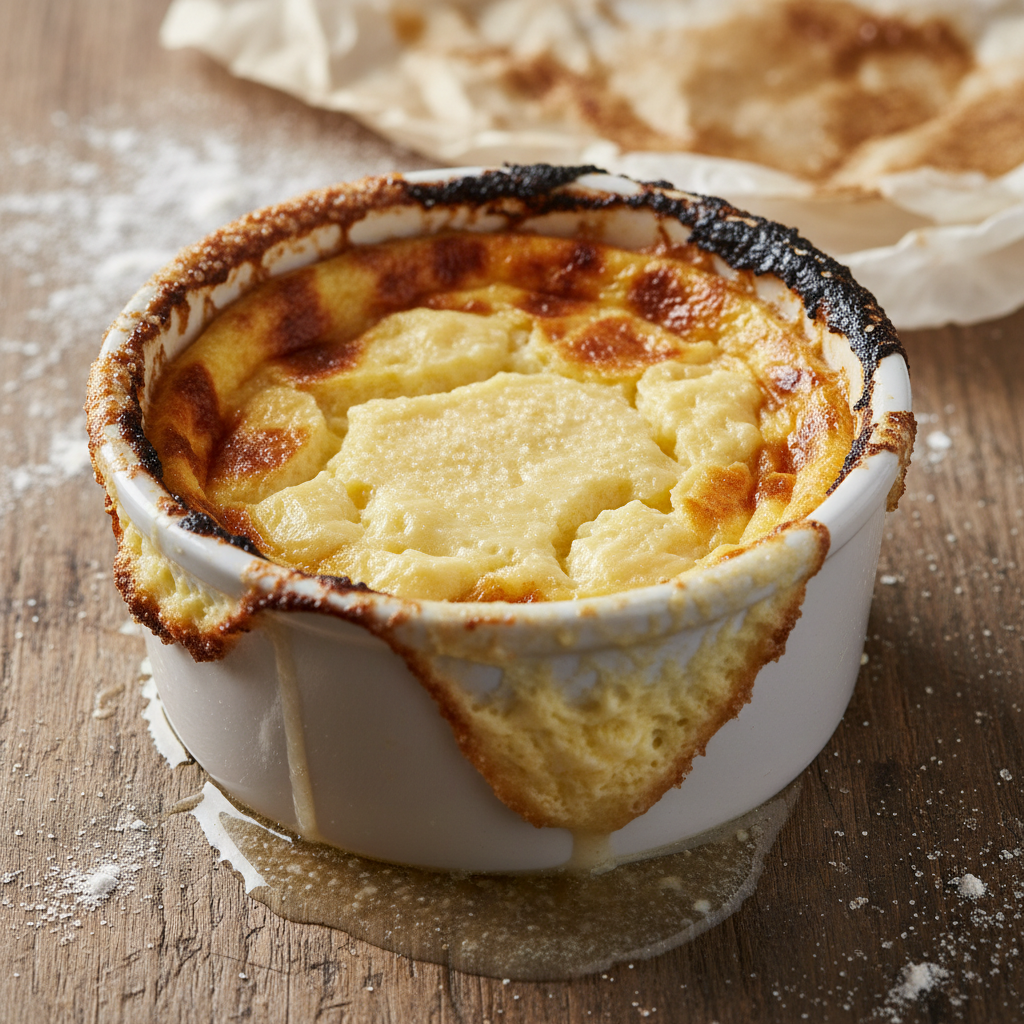
- Know When It’s Done: The custard should be mostly set around the edges but still have a slight wobble in the very center. It will firm up as it cools. Overbaking leads to a rubbery texture and can cause cracks.
Common Mistakes to Avoid
Even the best chefs make mistakes, but knowing what to watch out for can save your custard!
- Scrambled Eggs: This happens if you pour hot milk into cold eggs too quickly without whisking. Always temper the eggs slowly and continuously whisk.
- Lumpy Custard: Forgetting to strain the custard mixture through a fine-mesh sieve is the main culprit. Bits of egg or undissolved sugar can cause lumps.
- Cracked Surface: This usually indicates overbaking or not using a water bath. The water bath provides a moist, even cooking environment, preventing the top from drying out and cracking.
- Rubbery Texture: Another sign of overbaking. Custard should be delicate and creamy, not firm and bouncy.
- Not Chilling Enough: Custard needs time to set completely and for flavors to meld. Rushing this step results in a runny, less flavorful dessert.
Storage and Meal Prep
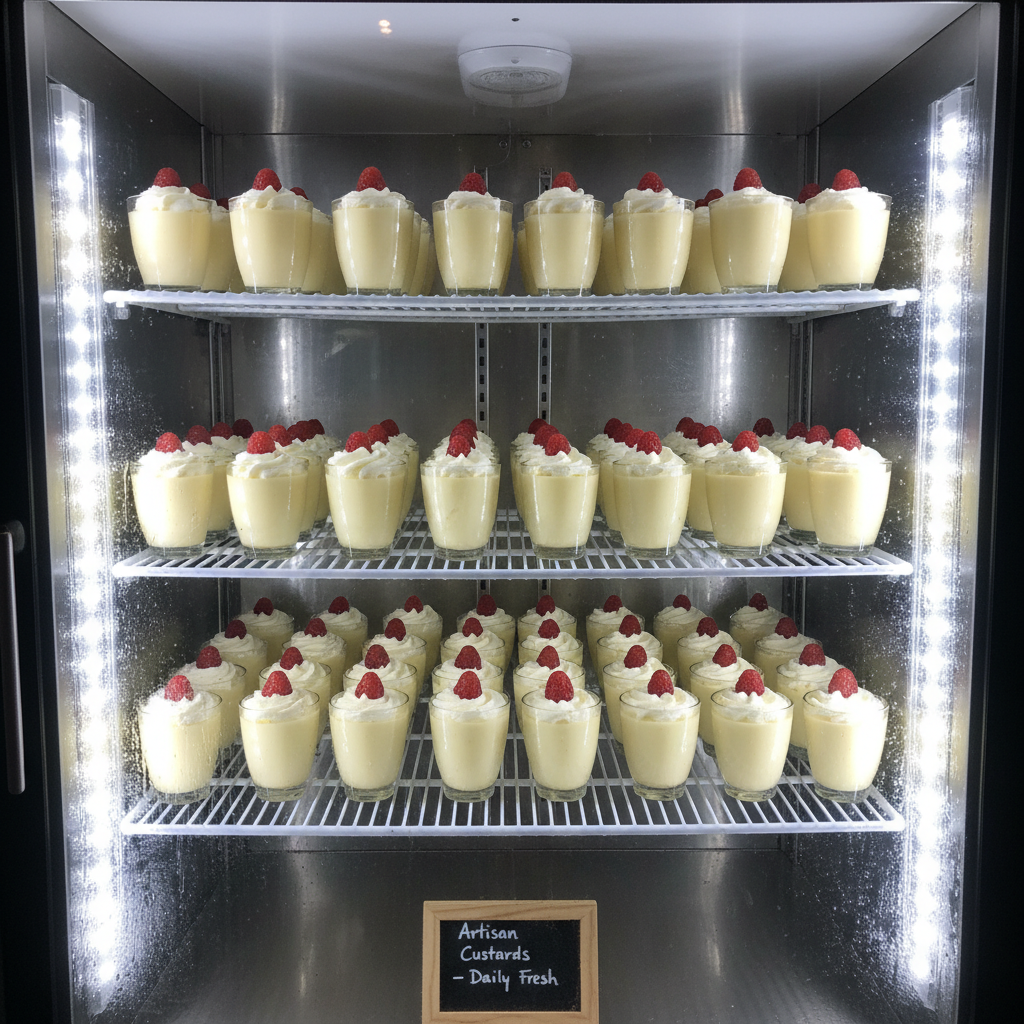
Good news! Egg custard stores beautifully, making it a fantastic make-ahead dessert.
- Refrigeration: Once completely cooled, cover individual ramekins with plastic wrap or transfer a larger custard to an airtight container. Store in the refrigerator for up to 3-4 days.
- Serving Temperature: Custard is best served chilled, straight from the refrigerator.
Make-Ahead and Freezer Notes
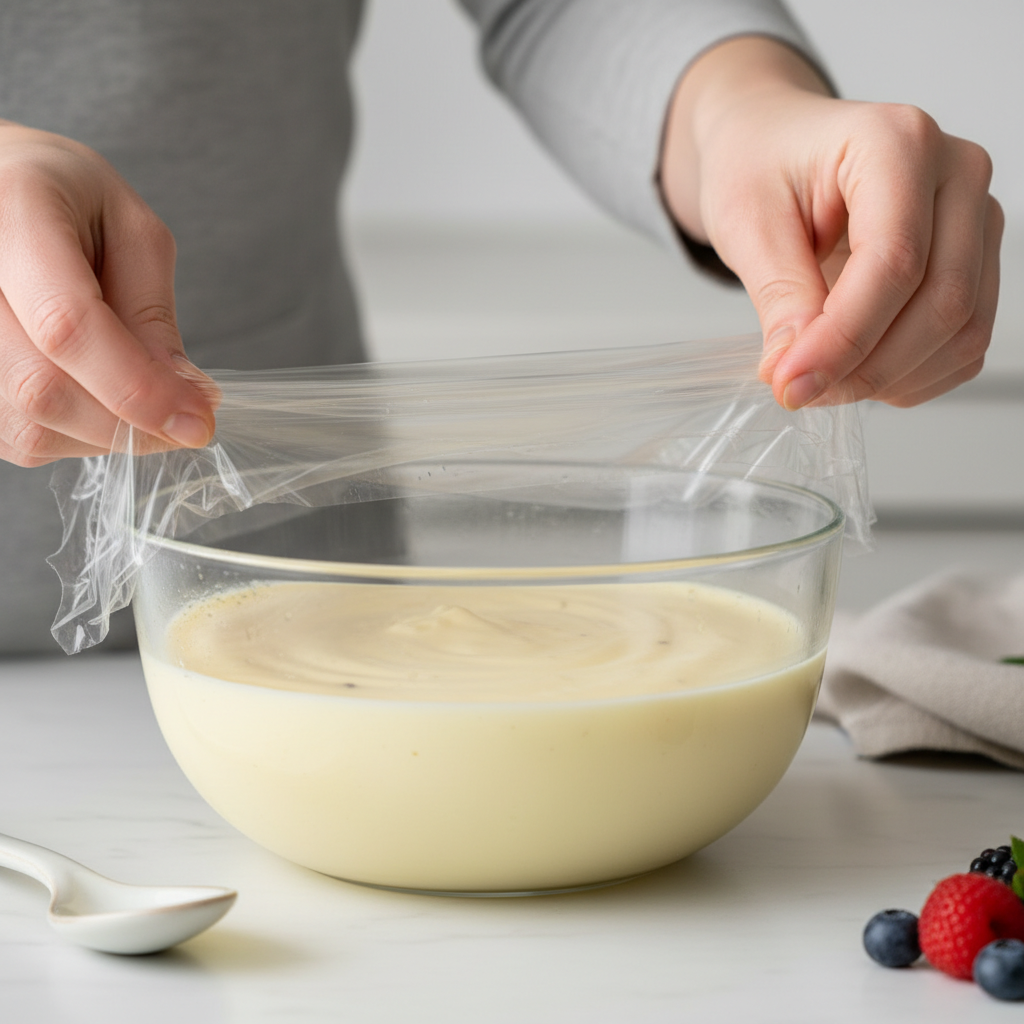
This recipe is ideal for making ahead of time, especially for entertaining. Prepare it the day before, chill it overnight, and it will be perfectly set and ready to serve.
Freezing: We generally do not recommend freezing baked egg custard. The delicate texture can become grainy and watery upon thawing, losing its signature creaminess. It’s truly best enjoyed fresh and chilled.
Serving Suggestions

While delicious on its own, egg custard can be elevated with a few simple additions:
- Fresh Berries: A handful of fresh raspberries, blueberries, or sliced strawberries adds a burst of freshness and color.
- Caramel Sauce: A drizzle of homemade or store-bought caramel sauce is a classic pairing.
- Whipped Cream: A dollop of lightly sweetened whipped cream adds extra indulgence.
- Fruit Compote: A warm or chilled fruit compote (like cherry or apple) provides a lovely contrast in texture and flavor.
- Cookie Crumbs: Crushed shortbread or ginger snaps add a delightful crunch.