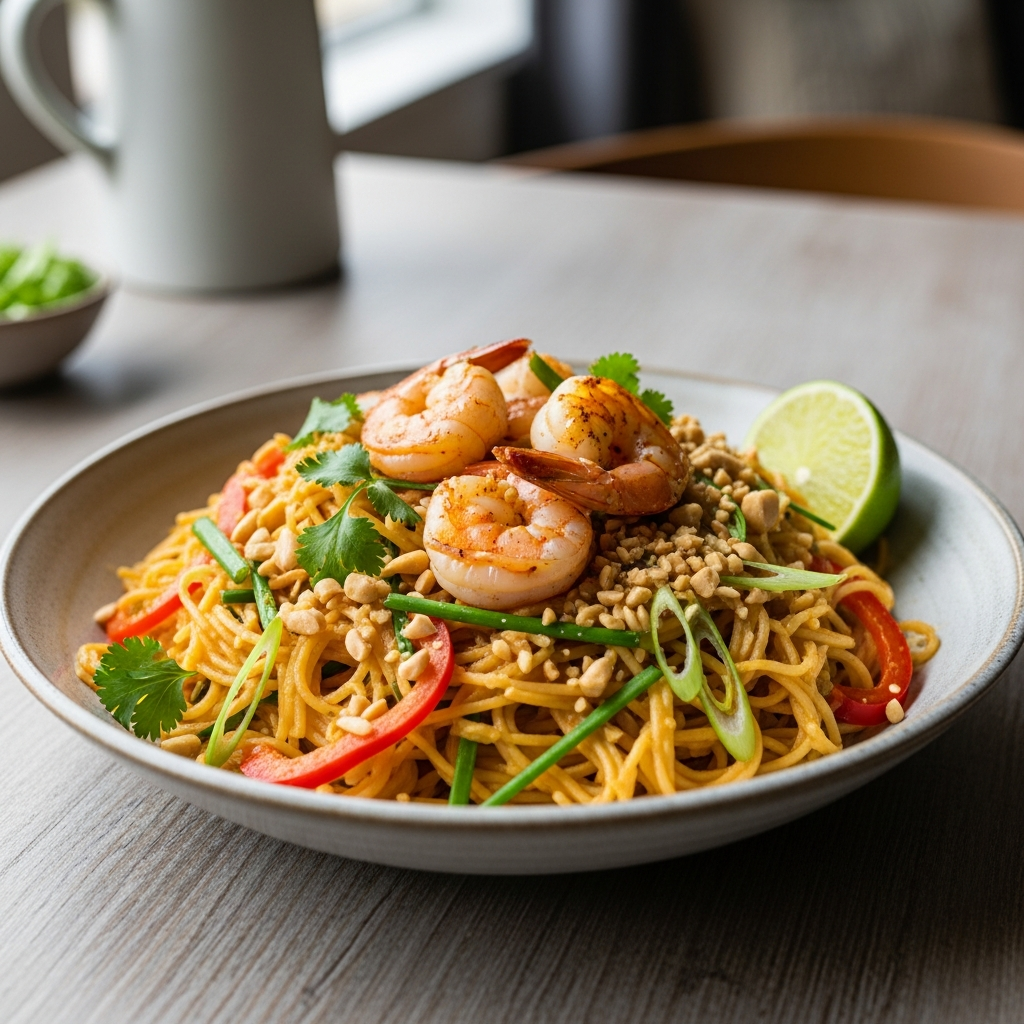
Hello, lovely food explorers! Are you ready for a delicious journey that combines your love for vibrant Thai flavors with a clever, healthy twist? If you’re looking for a light dinner option that’s bursting with taste but won’t weigh you down, you’ve come to the right place. Today, we’re diving into the wonderful world of Spaghetti Squash Pad Thai.
Imagine all the sweet, sour, savory, and slightly spicy notes of your favorite Pad Thai, but instead of traditional noodles, we’re using tender, strand-like spaghetti squash. It’s a brilliant way to enjoy a classic dish, making it naturally lower in carbs and packed with extra veggies. Get ready to transform your dinner routine with this incredible, satisfying, and easy-to-make recipe!
History / Background
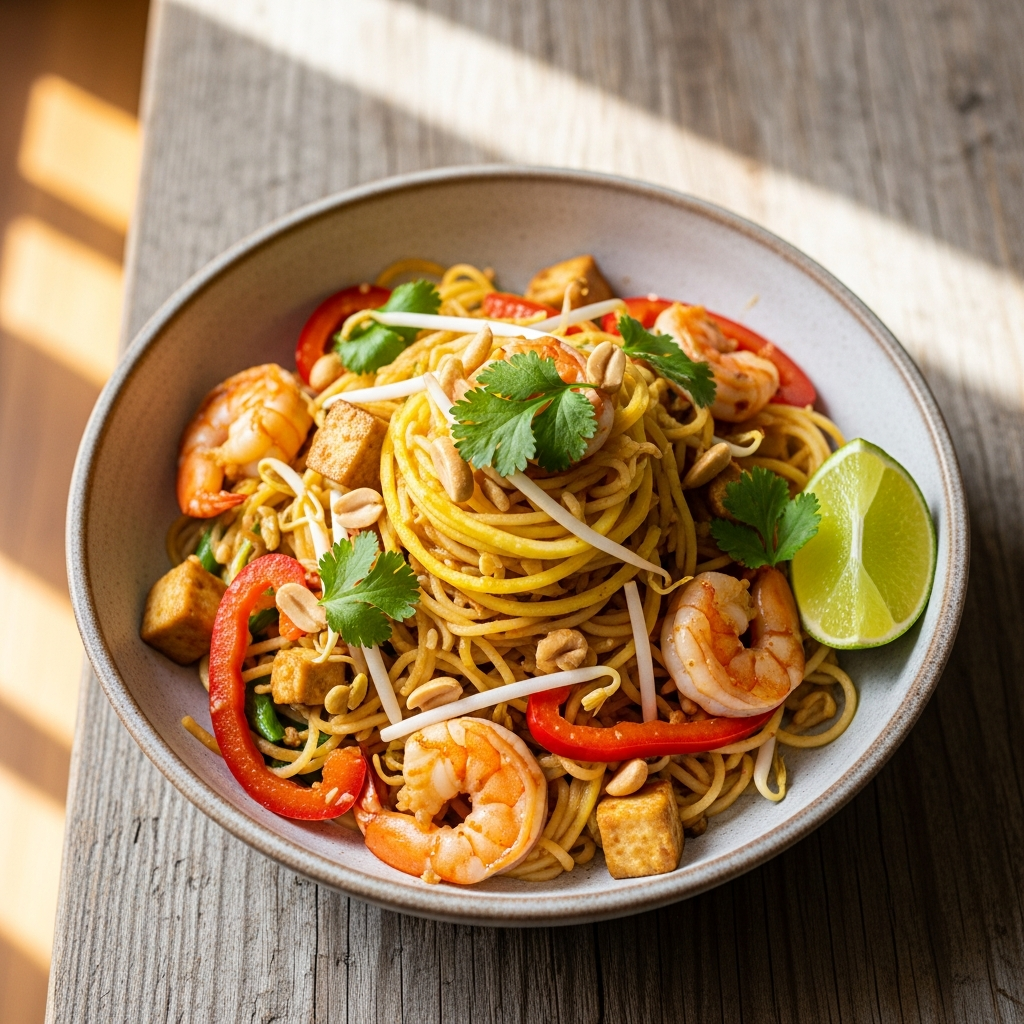
Let’s chat a little about where this amazing dish comes from and how our clever twist came to be.
Pad Thai, which literally means “Thai-style stir-fried noodles,” is one of Thailand’s most iconic national dishes. Its origins are quite fascinating! It really took off in the 1930s and 40s during a period of nationalism in Thailand. The government encouraged its citizens to eat this noodle dish to promote national identity and reduce rice consumption during wartime. It quickly became a beloved street food, known for its unique balance of sweet, sour, salty, and spicy flavors.
Spaghetti squash, on the other hand, is a winter squash that has been around for centuries, but its popularity as a pasta alternative is a more modern phenomenon. When cooked, its flesh naturally separates into strands that resemble spaghetti, making it a fantastic low-carb, gluten-free, and nutrient-rich swap for traditional noodles.
Our Spaghetti Squash Pad Thai is a beautiful fusion of these two worlds. It takes the beloved flavors and cooking style of authentic Pad Thai and marries it with the wholesome simplicity of spaghetti squash. This innovative take allows us to enjoy the rich, complex flavors of Thai cuisine in a lighter, more vegetable-forward way, perfect for a guilt-free and satisfying dinner.
Why You’ll Love This Recipe
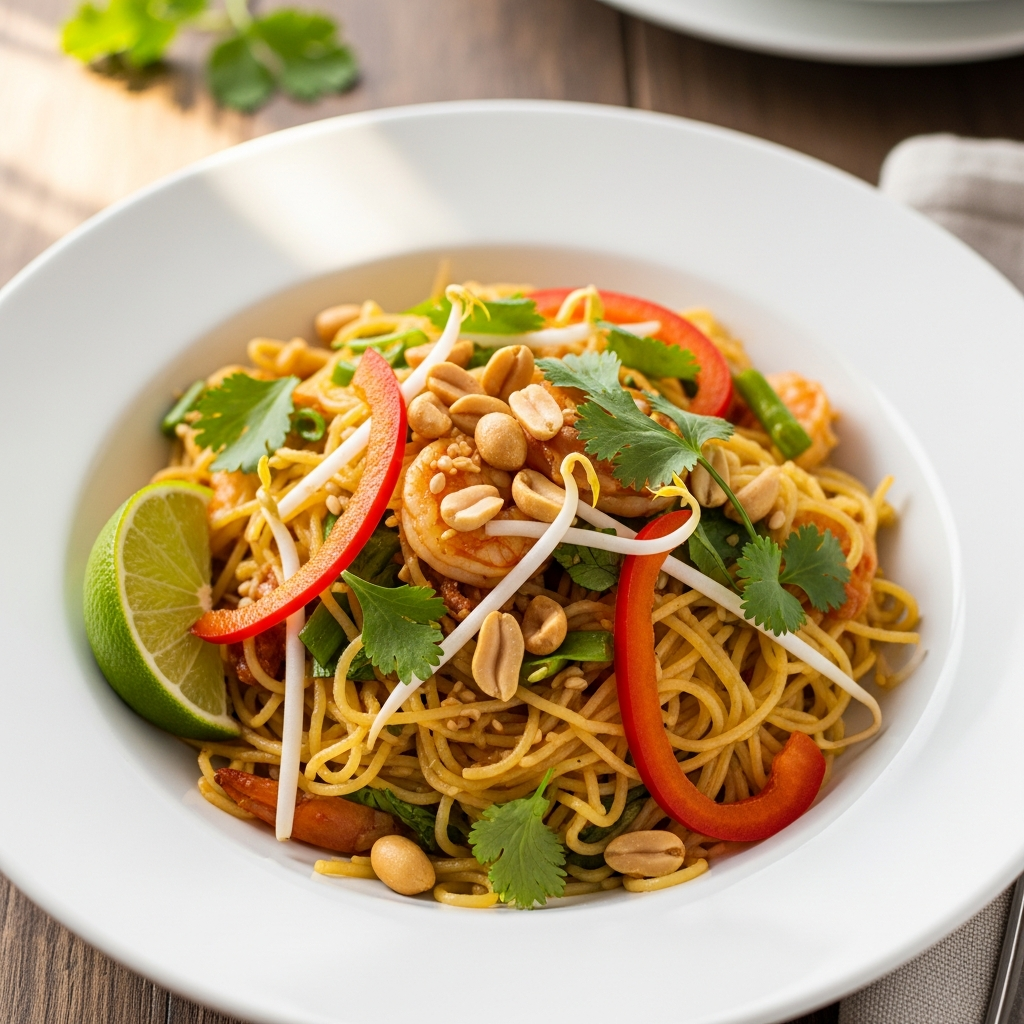
There are so many reasons to fall head over heels for Spaghetti Squash Pad Thai. Here are just a few:
* It’s light and healthy: Using spaghetti squash significantly reduces the carb count compared to traditional rice noodles, making it a fantastic choice for a lighter meal.
* Packed with flavor: All the classic Pad Thai flavors are here – sweet, sour, savory, and a hint of spice. It’s truly a party for your taste buds!
* Naturally gluten-free: For those avoiding gluten, spaghetti squash is a wonderful natural alternative. Just ensure your other ingredients, like soy sauce (use tamari), are also gluten-free.
* Nutrient-rich: Spaghetti squash brings along its own set of vitamins and minerals, adding to the health benefits of your dinner.
* Customizable: You can easily adjust the protein (chicken, shrimp, tofu, egg), add more veggies, or play with the spice level to suit your preferences.
* Satisfying without being heavy: You’ll feel full and happy without that heavy, sluggish feeling often associated with rich meals.
* Beginner-friendly: While it might look fancy, making this dish is surprisingly straightforward, even for novice cooks.
* Great for meal prep: Many components can be prepped ahead of time, making weeknight dinners a breeze.
Ingredient Notes
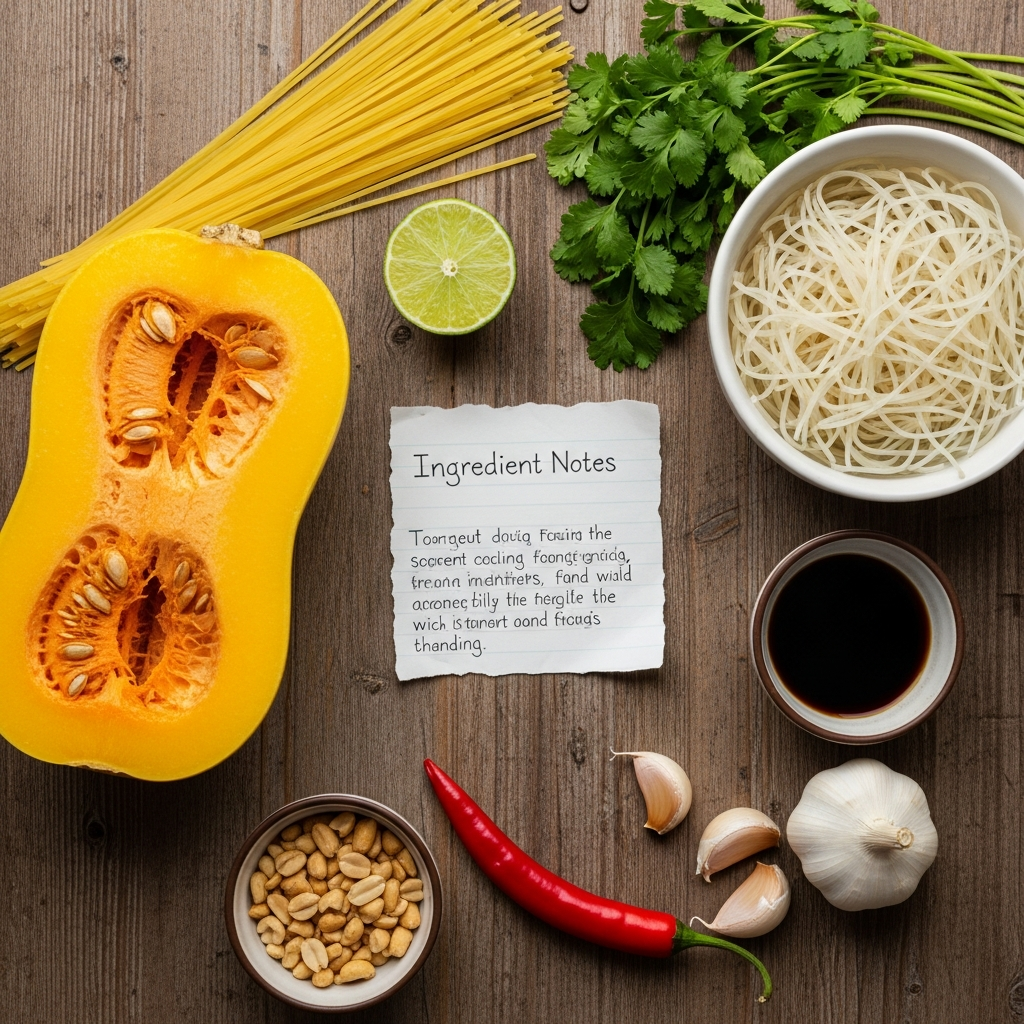
Let’s talk about the key players in our Spaghetti Squash Pad Thai. Each ingredient plays an important role in creating that signature flavor!
* Spaghetti Squash: Choose a firm, unblemished squash that feels heavy for its size. This is our “noodle” base, so it’s quite important!
* Tamarind Paste: This is the secret ingredient for authentic Pad Thai tanginess. Look for it in Asian markets or the international aisle of larger supermarkets. A good quality tamarind paste (sometimes called tamarind concentrate) will make a big difference. Don’t skip it if you can help it!
* Fish Sauce: Another cornerstone of Thai cuisine, providing that essential savory, umami flavor. Good quality fish sauce is worth it.
* Sweetener: Brown sugar or maple syrup works wonderfully to balance the sour and salty notes. Adjust to your preference.
* Lime Juice: Freshly squeezed lime juice adds brightness and another layer of tang.
* Chili Garlic Sauce: For a touch of heat. Adjust the amount to your desired spice level. Sriracha can also work in a pinch.
* Protein: Chicken breast or thighs (thinly sliced), shrimp, or firm/extra-firm tofu (pressed and cubed) are all excellent choices. You can also add an egg.
* Veggies: Bean sprouts and green onions are traditional. Carrots, bell peppers, or snap peas can also be added for extra color and crunch.
* Oil: A neutral oil like avocado oil, peanut oil, or canola oil is best for stir-frying.
* Garnishes: Roasted peanuts (chopped), fresh cilantro, and extra lime wedges are essential for serving. They add texture, freshness, and another burst of flavor.
Equipment Needed
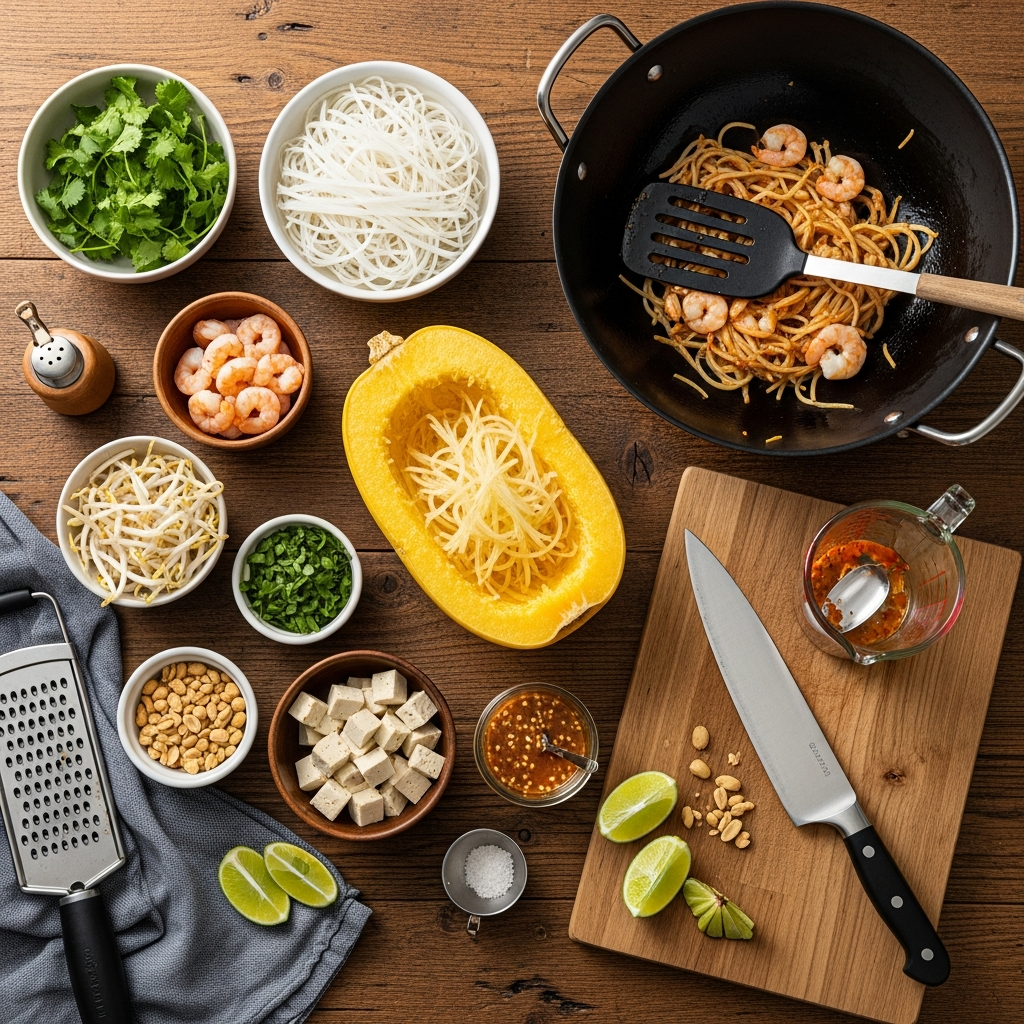
Good news! You probably have most of these items in your kitchen already.
* Large baking sheet: For roasting the spaghetti squash.
* Large skillet or wok: Essential for stir-frying. A wok gives the best results due to its shape and heat distribution.
* Sharp knife: For cutting the squash and other ingredients.
* Cutting board: Keep those fingers safe!
* Large mixing bowl: For tossing the cooked squash with the sauce.
* Measuring cups and spoons: For precise ingredient amounts.
* Small whisk: For mixing the Pad Thai sauce.
Full Recipe Card
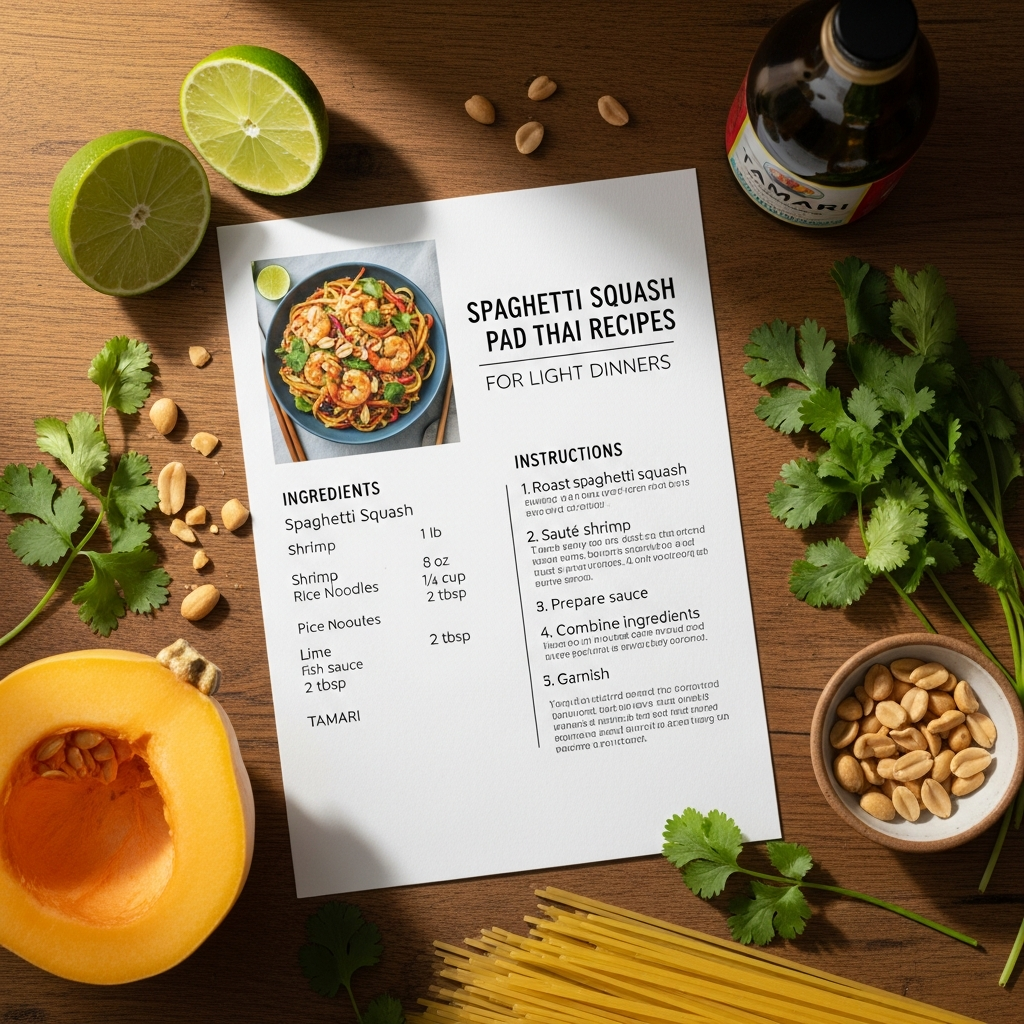
Here’s how to make your very own Spaghetti Squash Pad Thai!
Yield: 2-3 servings
Prep time: 20 minutes
Cook time: 35-40 minutes
Ingredients
For the Pad Thai Sauce:
* 2 tablespoons tamarind paste (or concentrate)
* 2 tablespoons fish sauce
* 2 tablespoons brown sugar or maple syrup
* 1 tablespoon fresh lime juice
* 1 teaspoon chili garlic sauce (adjust to taste)
* 2 tablespoons warm water
For the Spaghetti Squash:
* 1 medium spaghetti squash (about 2-3 pounds)
* 1 tablespoon olive oil
* Salt and black pepper to taste
For the Stir-Fry:
* 1 tablespoon neutral oil (peanut, avocado, or canola)
* 8 ounces protein of choice (thinly sliced chicken breast, shrimp, or pressed extra-firm tofu cubes)
* 1 large egg, lightly beaten (optional)
* 2 cloves garlic, minced
* 1/2 cup shredded carrots
* 1/2 cup sliced red bell pepper (optional)
* 1 cup fresh bean sprouts
* 2 green onions, sliced (white and green parts separated)
For Garnish:
* 1/4 cup chopped roasted peanuts
* Fresh cilantro, chopped
* Extra lime wedges
Instructions
1. Cook the Spaghetti Squash:
* Preheat your oven to 400°F (200°C).
* Carefully cut the spaghetti squash in half lengthwise. Scoop out the seeds and stringy bits.
* Brush the cut sides with olive oil and sprinkle with salt and pepper.
* Place the squash cut-side down on a baking sheet.
* Roast for 30-40 minutes, or until fork-tender. The time depends on the size of your squash.
* Once cooked, use a fork to scrape out the spaghetti-like strands into a large mixing bowl. Set aside.
2. Make the Pad Thai Sauce:
* In a small bowl, whisk together the tamarind paste, fish sauce, brown sugar or maple syrup, lime juice, chili garlic sauce, and warm water until well combined. Taste and adjust sweetness, sourness, or spice as needed.
3. Prepare Your Protein:
* If using chicken or shrimp: Heat 1 tablespoon of neutral oil in a large skillet or wok over medium-high heat. Add your protein and cook until fully cooked through (about 3-5 minutes for chicken, 2-3 minutes for shrimp). Remove from the pan and set aside.
* If using tofu: Cook until golden brown and slightly crispy on all sides. Remove and set aside.
4. Stir-Fry the Veggies:
* If your pan is dry, add another teaspoon of oil. Add minced garlic and the white parts of the green onions. Stir-fry for 30 seconds until fragrant.
* Add shredded carrots and red bell pepper (if using). Stir-fry for 2-3 minutes until slightly softened but still crisp.
* Push the vegetables to one side of the pan. If using an egg, pour the lightly beaten egg into the empty side of the pan and scramble it. Once cooked, break it into smaller pieces and mix with the vegetables.
5. Combine Everything:
* Add the cooked spaghetti squash strands back to the skillet with the vegetables and egg.
* Pour the Pad Thai sauce over everything.
* Add the cooked protein (chicken, shrimp, or tofu) back into the pan.
* Add the bean sprouts and the green parts of the green onions.
* Toss everything together gently but thoroughly, ensuring the squash is evenly coated with the sauce. Cook for just 1-2 minutes, allowing the sauce to warm through and coat everything beautifully. Don’t overcook, or the sprouts will get mushy.
6. Serve and Garnish:
* Transfer the Spaghetti Squash Pad Thai to serving plates.
* Garnish generously with chopped roasted peanuts, fresh cilantro, and a lime wedge on the side. Enjoy immediately!
Notes:
* For a vegetarian option, omit the protein and egg, or use pressed tofu. Ensure your fish sauce is vegan (there are good plant-based alternatives available).
* For extra heat, add a pinch of red pepper flakes or more chili garlic sauce.
* Don’t overcook the squash! You want it tender but still with a bit of bite, similar to al dente pasta.
Tips & Variations
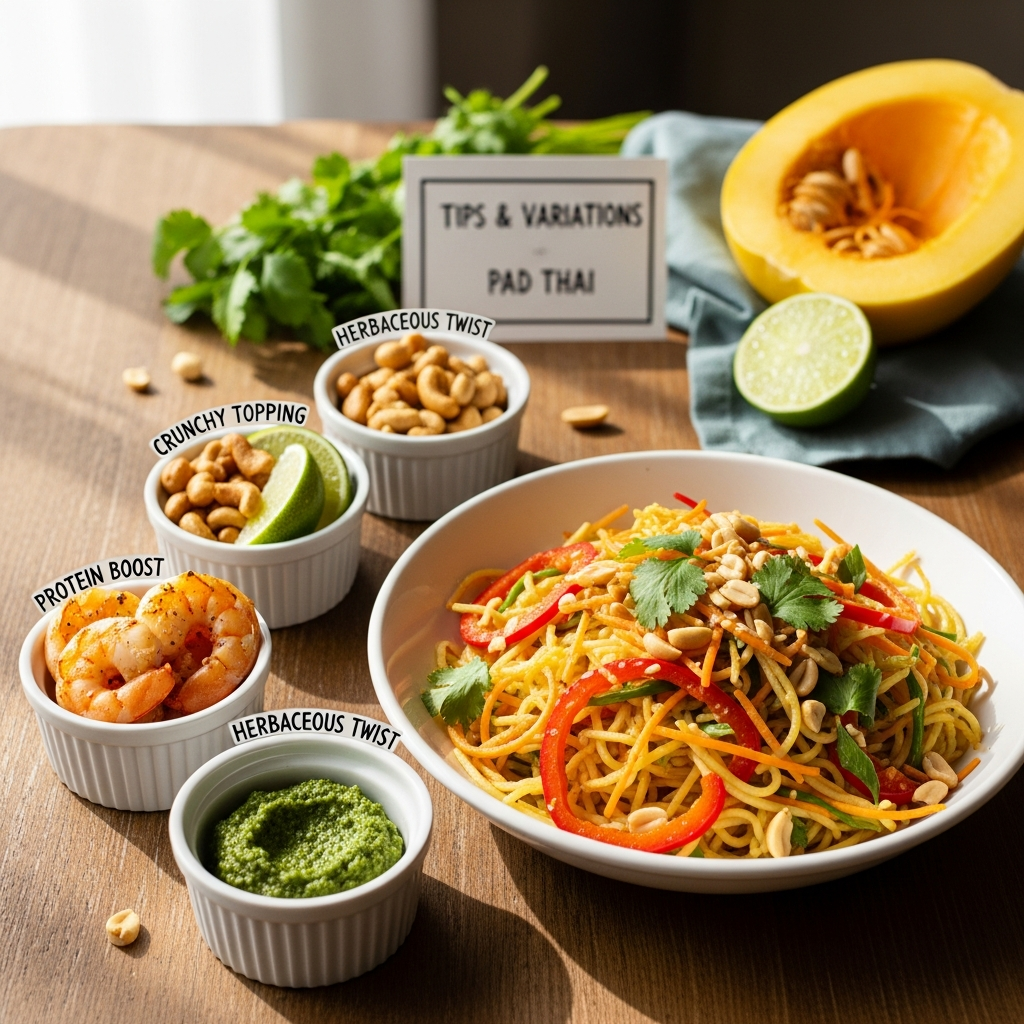
One of the best things about this recipe is how adaptable it is!
Protein Power-Ups
* Chicken: Slice chicken breast or thighs very thinly against the grain for quick cooking and tender results.
* Shrimp: Shrimp cooks super fast, so add it at the very end to avoid rubberiness.
* Tofu: For the best crispy tofu, make sure to press out as much water as possible before frying. You can also marinate it in a bit of soy sauce or tamari beforehand.
* Eggs: Scrambled eggs are classic in Pad Thai. You can also make a thin omelet, roll it up, and slice it into ribbons.
Veggie Boosts
* Broccoli florets, snap peas, sliced mushrooms, or thin strips of bell pepper (any color!) can be added to the stir-fry for extra nutrition and texture.
* Add more bean sprouts and green onions right before serving for maximum freshness and crunch.
Spice It Up
* If you love heat, increase the amount of chili garlic sauce in the Pad Thai sauce. You can also add a finely minced fresh red chili (like bird’s eye chili) or a dash of Sriracha when serving.
Nut-Free Option
* If you have a nut allergy, simply omit the peanuts and garnish with toasted sesame seeds or crispy fried onions instead.
Vegan Version
* To make this completely vegan, use extra-firm pressed tofu as your protein, omit the egg, and swap regular fish sauce for a vegan fish sauce alternative (often made from seaweed and mushrooms). Ensure your brown sugar is vegan-friendly (some are processed with bone char).
Pro Chef Tips
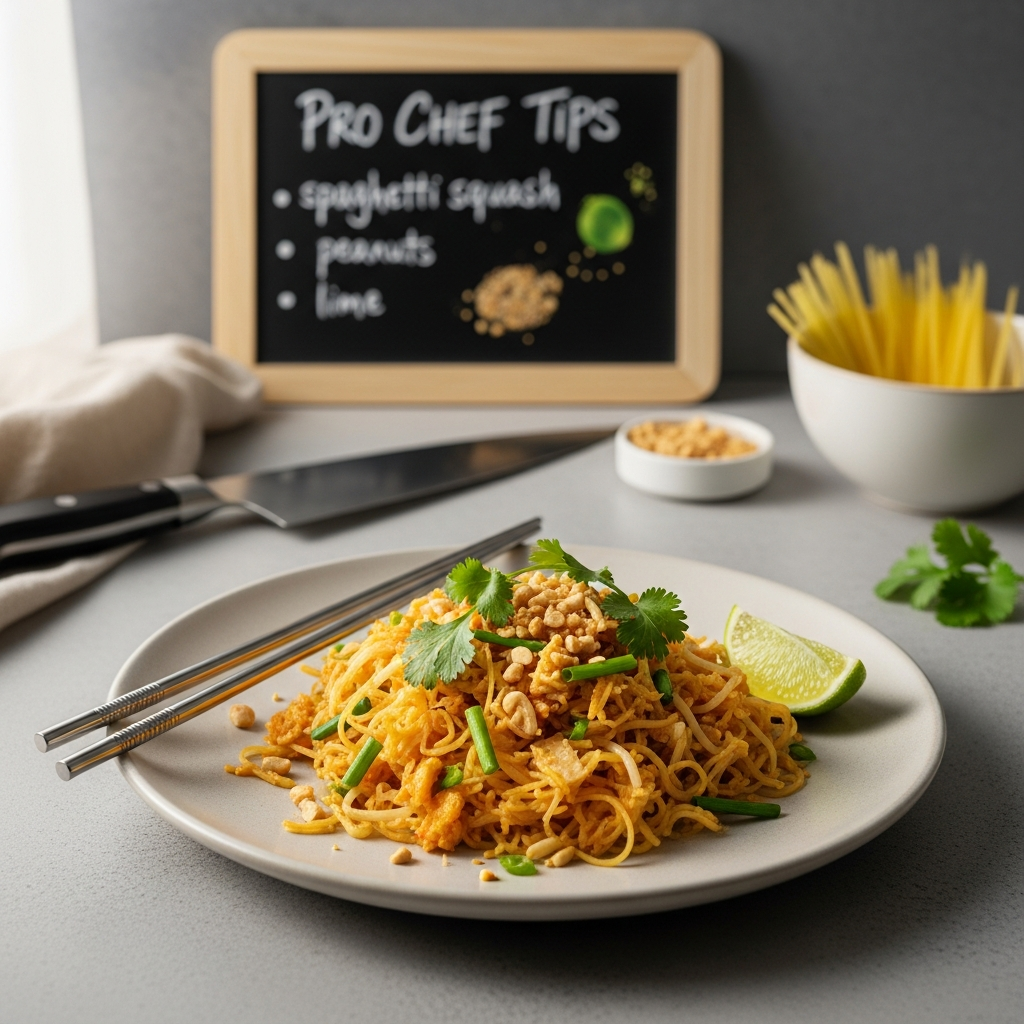
Want to take your Spaghetti Squash Pad Thai to the next level? Here are some professional pointers:
* Don’t Overcook the Squash: This is crucial! You want the squash strands to be tender but still have a slight bite, just like perfectly cooked al dente pasta. Mushy squash will make the dish watery and less appealing.
* Mise en Place: This French term means “everything in its place.” Before you even turn on the stove, have all your ingredients prepped, measured, and ready to go. Stir-frying is fast, so you won’t have time to chop or measure mid-cook.
* Hot Wok, Not a Warm Pan: Use a large skillet or, even better, a wok, and get it really hot before adding oil. A hot pan ensures your ingredients stir-fry and caramelize instead of steaming.
* Don’t Overcrowd the Pan: If you’re making a larger batch, cook your protein and veggies in smaller batches. Overcrowding cools the pan and leads to steamed, soggy ingredients instead of beautifully seared ones.
* Taste and Adjust the Sauce: The balance of sweet, sour, and savory is key in Pad Thai. Always taste your sauce before adding it to the pan. Add more lime for tang, more sugar for sweetness, or more fish sauce for saltiness.
Common Mistakes to Avoid
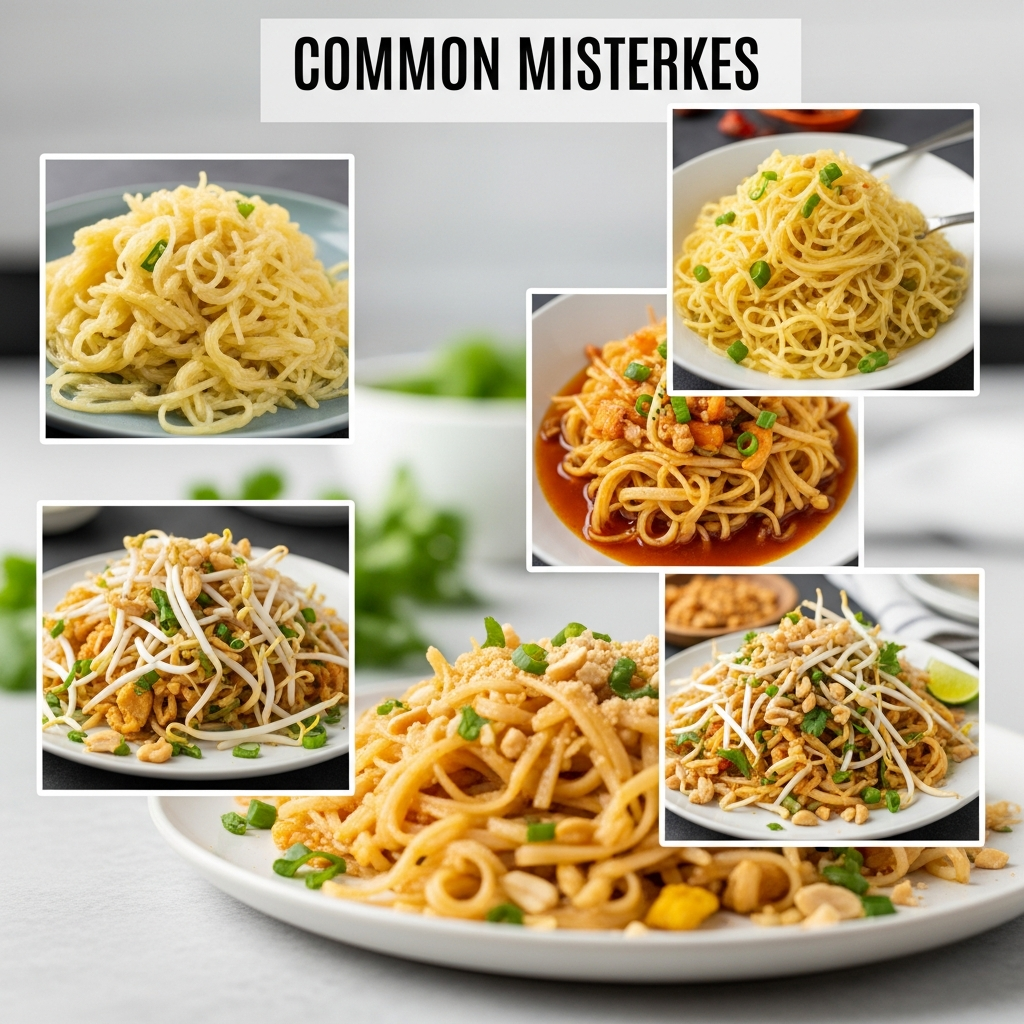
Even experienced cooks can stumble! Here are some pitfalls to steer clear of:
* Overcooking Spaghetti Squash: As mentioned, this is the biggest culprit for a lackluster dish. Watch it closely in the oven and pull it out when it’s just tender.
* Not Pressing Tofu: If you’re using tofu, failing to press out excess water will result in soggy, bland tofu that won’t crisp up nicely.
* Using a Cold Pan: Starting with a cold pan means your ingredients will steam instead of stir-fry, losing that delicious wok hei (breath of the wok) flavor and texture.
* Not Having Ingredients Ready: Stir-frying moves quickly. If you’re scrambling to chop garlic while your protein is cooking, you’re setting yourself up for burnt bits or unevenly cooked food.
* Skipping Tamarind Paste: While alternatives exist, true Pad Thai flavor relies on the unique sourness of tamarind. Substituting with just lime juice won’t give you the same depth.
Storage & Meal Prep
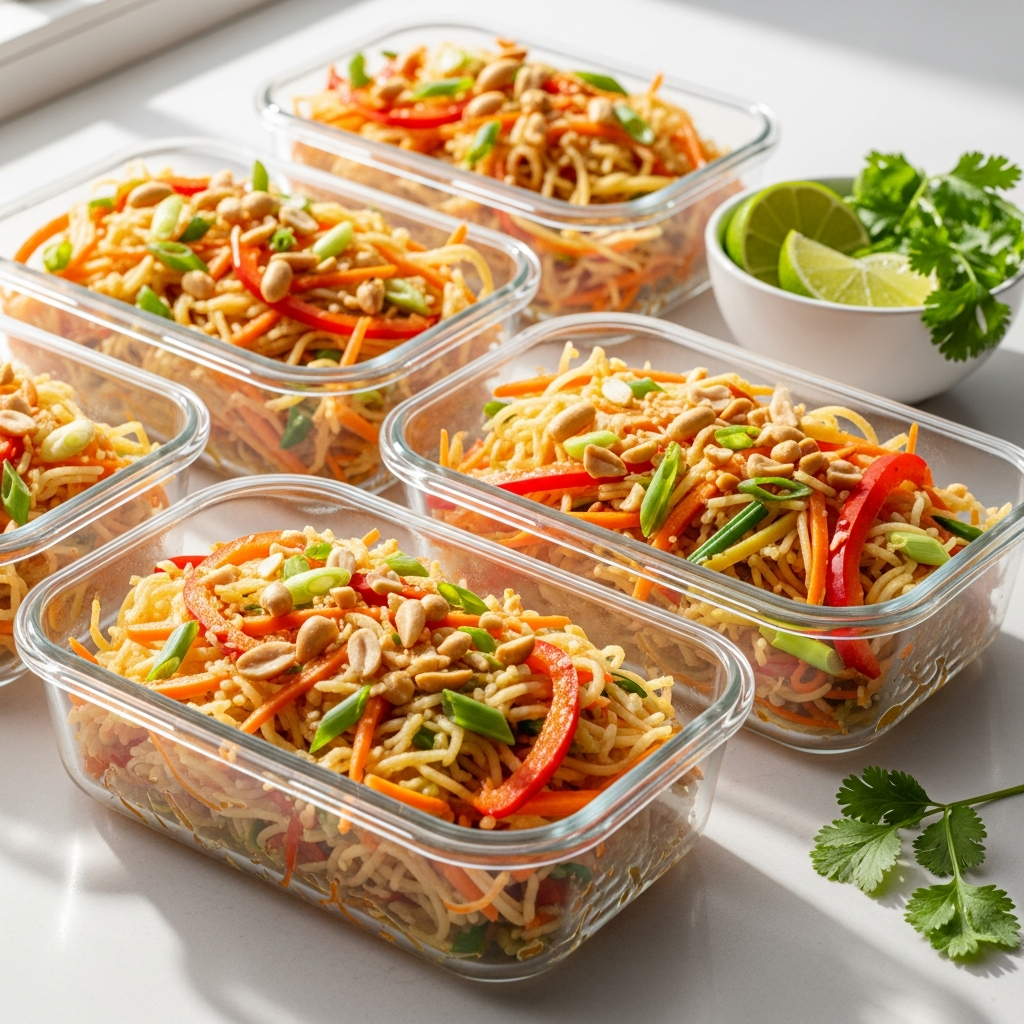
This dish makes for fantastic leftovers!
* Storage: Store any leftover Spaghetti Squash Pad Thai in an airtight container in the refrigerator for up to 3-4 days.
* Reheating: Reheat gently in a skillet over medium heat, stirring frequently, until warmed through. You can also microwave it, but the skillet method helps retain some texture. Avoid over-reheating, which can make the squash mushy.
* Meal Prep: You can cook the spaghetti squash ahead of time and store the strands in the fridge. The Pad Thai sauce can also be mixed and stored in an airtight container for up to a week. You can also prep and chop all your vegetables. Then, when it’s dinner time, it’s just a quick stir-fry assembly!
Make-Ahead & Freezer Notes
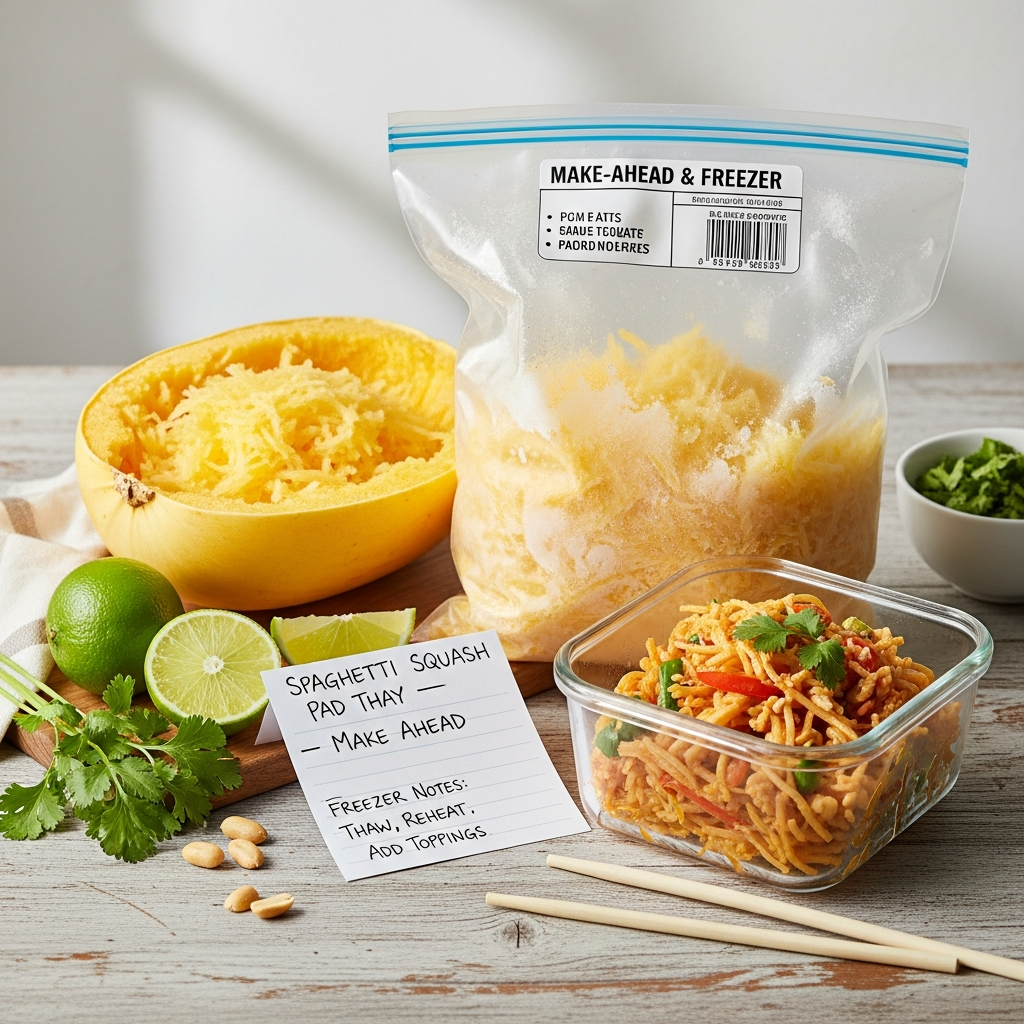
This recipe is quite friendly for making ahead, especially certain components.
* Sauce: The Pad Thai sauce can be made up to a week in advance and stored in the refrigerator. This is a huge time-saver!
* Spaghetti Squash: Cook the squash, scrape out the strands, and store them in an airtight container in the fridge for 3-4 days. When ready to cook, add them directly to the hot pan.
* Whole Dish: While you can make the entire dish ahead, the spaghetti squash can become a bit softer upon reheating, and the bean sprouts might lose some of their crispness. It’s best eaten fresh, but leftovers are still very enjoyable.
* Freezing: Freezing the entire dish is not recommended. The spaghetti squash texture changes significantly when frozen and thawed, often becoming very watery and mushy. However, the cooked protein (chicken or tofu) can be frozen separately for later use in other dishes.
Serving Suggestions
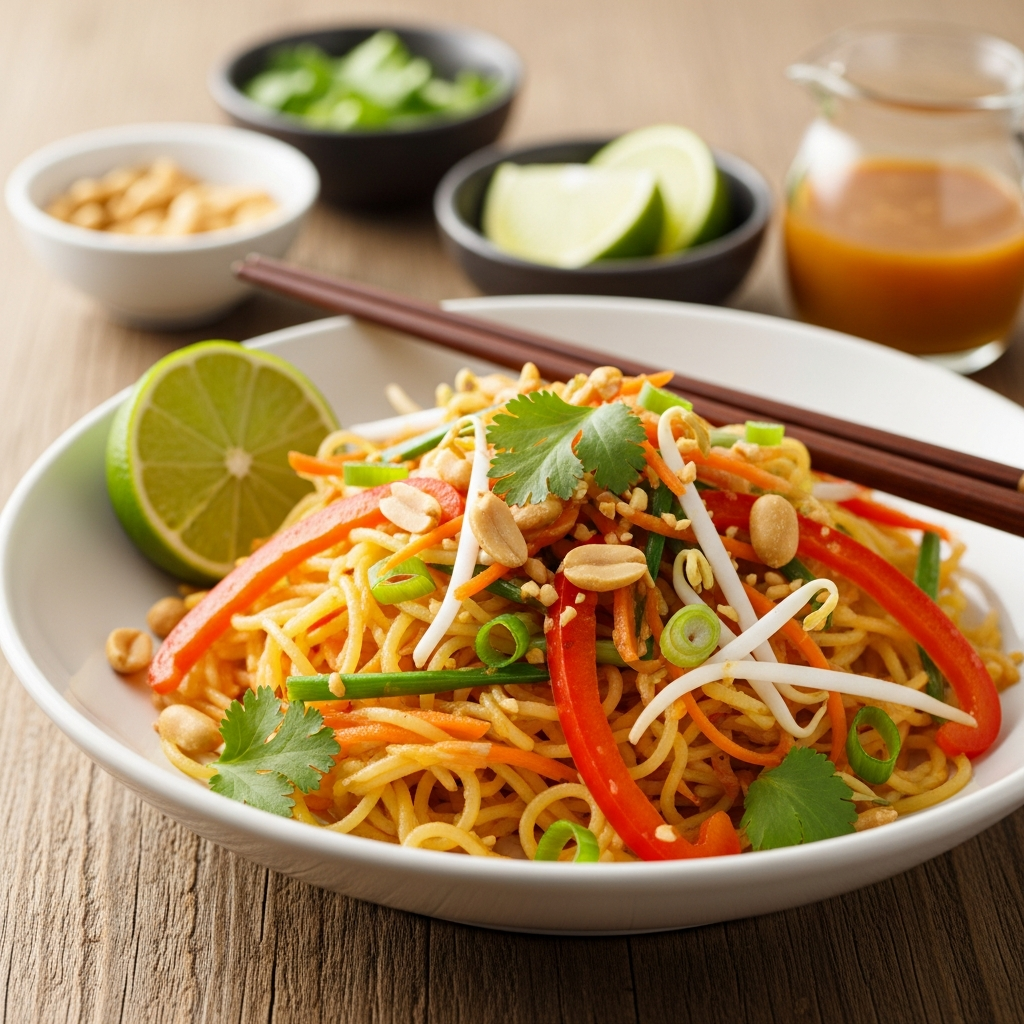
Presentation makes a difference! Here’s how to serve your beautiful Spaghetti Squash Pad Thai:
* Fresh Lime Wedges: Always, always serve with extra lime wedges. A squeeze of fresh lime juice just before eating brightens all the flavors.
* Chopped Roasted Peanuts: Don’t skimp on these! They add a delightful crunch and nutty flavor.
* Fresh Cilantro: A sprinkle of fresh cilantro not only adds color but also a burst of fresh, herbaceous taste.
* Extra Chili: If you like it extra spicy, offer a side of sriracha, chili flakes, or fresh sliced chilies.
* A Simple Side: A light green salad with a ginger-sesame dressing, or some steamed edamame, would complement this dish beautifully.
* Beverage: A glass of refreshing Thai iced tea or even just some cold water with a lime wedge would be perfect.