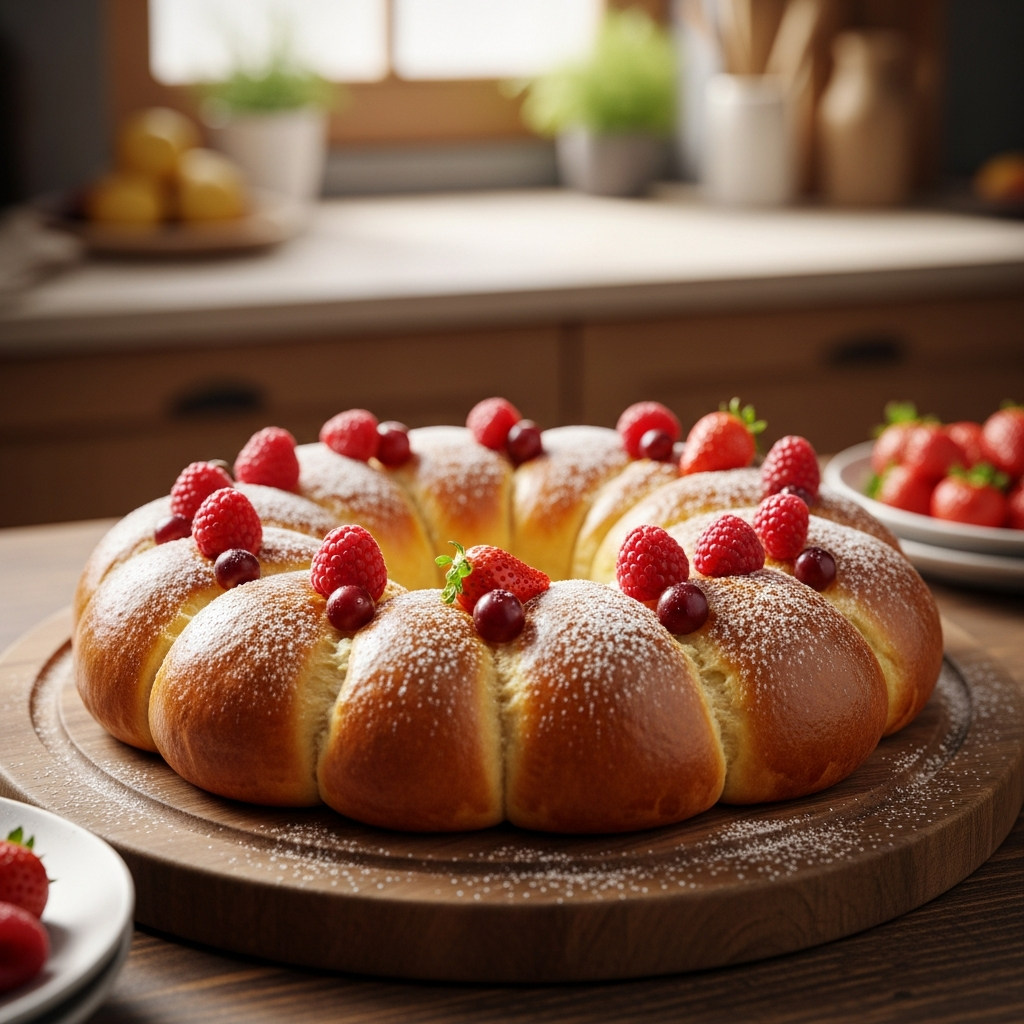
There’s something truly magical about baking with sourdough. The slow fermentation, the incredible depth of flavor it brings, and the pure satisfaction of creating something from scratch are unmatched. Now, imagine combining that ancient magic with the luxurious richness of brioche, then shaping it into a stunning wreath. That, my friends, is what we’re diving into today: a sourdough brioche wreath that doesn’t just taste heavenly, but also looks like it came straight from a fancy patisserie window.
This isn’t just a recipe; it’s an experience. The process is a labor of love, but every step is rewarding, leading to a showstopper that will impress everyone who sees (and tastes) it. Whether it’s for a holiday brunch, a special gathering, or just to treat yourself to something extraordinary, this sourdough brioche wreath is absolutely worth the effort. And don’t worry, even if you’re new to sourdough or brioche, I’ll walk you through it, making it simple and fun.
History / Background
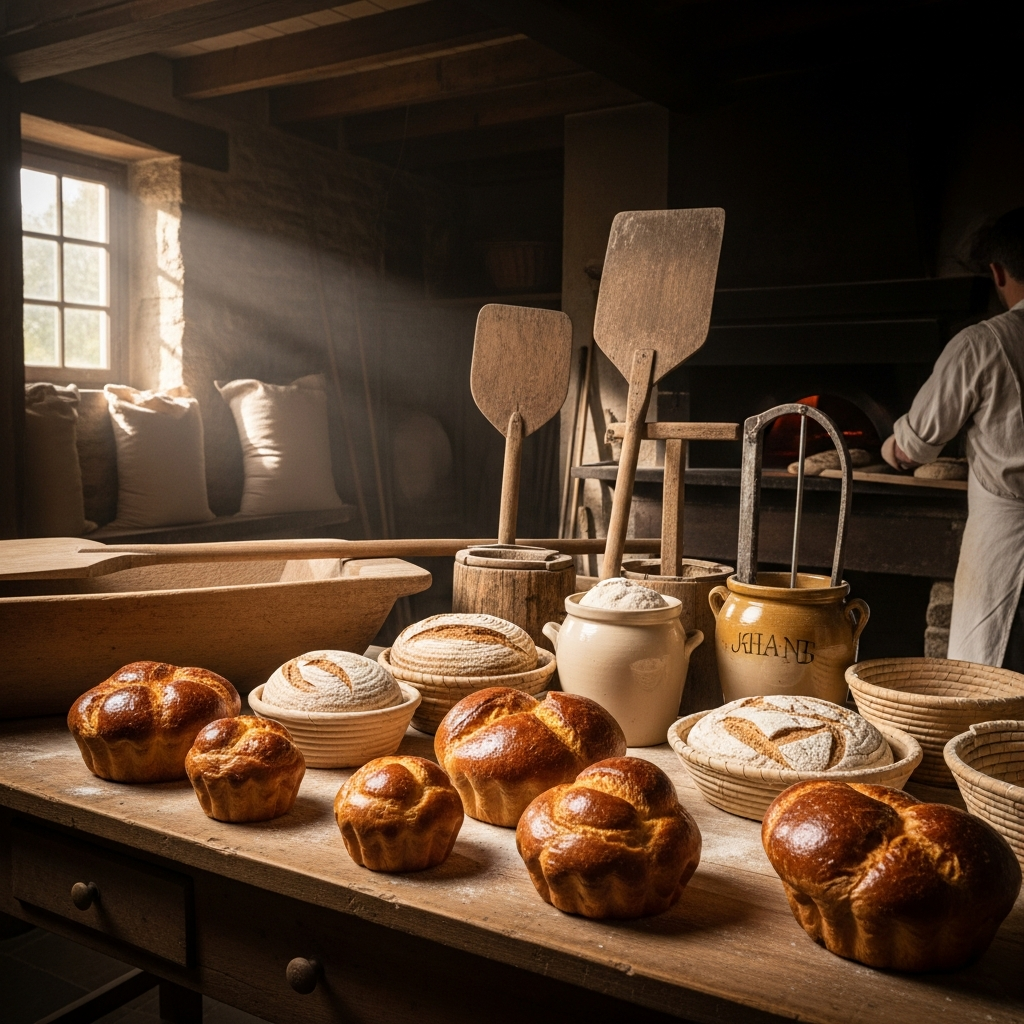
Let’s take a quick peek into the delicious past that brought us this amazing bread. Brioche, as we know it, originated in France. It’s a pastry that blurs the line between bread and cake, famous for its rich content of eggs, butter, and milk. Early versions of brioche date back to the 15th century, but it really took off in the 17th and 18th centuries, becoming a staple of French baking and a symbol of indulgence.
Sourdough, on the other hand, has a much longer and more ancient lineage. It’s one of the oldest forms of leavened bread, dating back thousands of years. Before commercial yeast was a thing, people relied on a ‘starter’ – a fermented mixture of flour and water – to make their bread rise. This starter is packed with wild yeasts and good bacteria, which give sourdough its characteristic tangy flavor and chewy texture.
Bringing these two traditions together creates a truly special bread. The sourdough starter gives the brioche a wonderful depth of flavor, a subtle tang that balances the richness, and often results in a more tender, nuanced crumb. Shaping it into a wreath adds a festive touch, a tradition often seen in holiday breads across many cultures, symbolizing continuity and celebration. It’s a beautiful marriage of history, flavor, and artistry.
Why You’ll Love This Recipe

- It’s absolutely bakery-worthy: Seriously, the finished product looks incredibly professional and impressive.
- Unforgettable flavor: The tang of sourdough beautifully complements the sweet, rich notes of brioche. It’s pure delight.
- Amazingly soft and airy texture: Despite its richness, this brioche has a light, melt-in-your-mouth crumb.
- Satisfying baking process: There’s joy in every step, from feeding your starter to shaping the beautiful wreath.
- Perfect for special occasions: It makes an incredible centerpiece for brunches, holidays, or any celebratory meal.
- Customizable: You can easily adapt it with different flavors, fillings, or toppings to suit your taste.
- A fantastic way to use your sourdough starter: If you’re looking for a new way to bake with your active starter, this is it!
Ingredient Notes
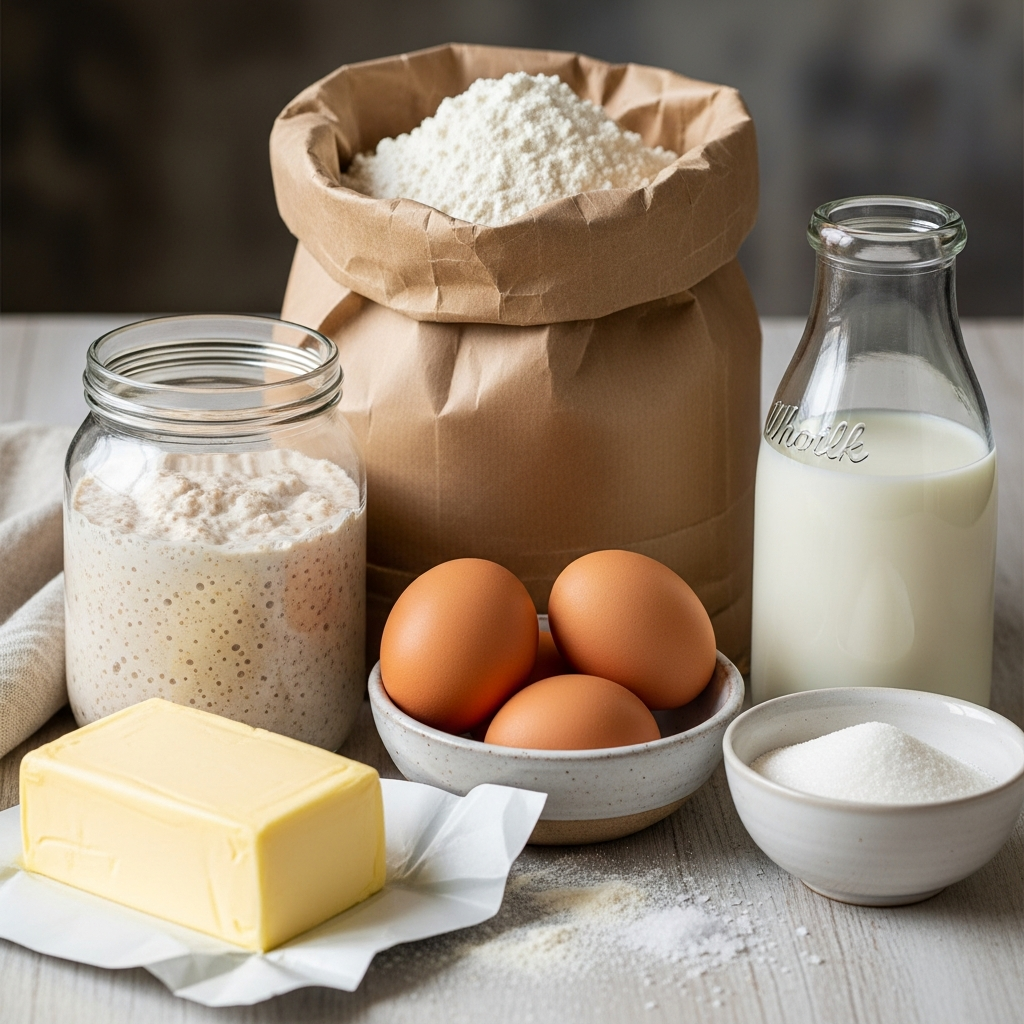
Using good quality ingredients really makes a difference in brioche. Here’s what you’ll need and why:
Active Sourdough Starter
This is the heart of our recipe. Your starter should be fed and active, ideally within 4-8 hours of its last feeding when it’s at its peak, bubbly and fragrant. A lazy starter means lazy bread, and we want a beautiful rise!
Strong Bread Flour
Bread flour has a higher protein content than all-purpose flour, which helps develop strong gluten. This is crucial for a rich dough like brioche, allowing it to rise beautifully and achieve that characteristic airy, yet chewy, crumb.
Large Eggs
Eggs contribute to brioche’s richness, color, and structure. Make sure they are at room temperature; this helps them incorporate better into the dough without chilling the butter, which can affect gluten development. You’ll need extra for an egg wash!
Unsalted Butter
High-quality unsalted butter is non-negotiable for brioche. It provides the signature tender crumb and luxurious flavor. It needs to be very soft, almost pomade-like, but not melted, to incorporate smoothly into the dough. Using unsalted butter gives you control over the overall salt content.
Whole Milk
Whole milk adds moisture and more richness. Like eggs, it should be at room temperature to maintain an optimal dough temperature for fermentation.
Granulated Sugar
Sugar isn’t just for sweetness; it also feeds the yeast in your starter and helps with browning the crust. It provides balance to the sourdough’s tang without making the brioche overly sweet.
Fine Sea Salt
Salt is vital for flavor and also plays a role in controlling fermentation. It enhances all the other flavors in the brioche. Don’t skip it, even if you’re making a sweet brioche!
Equipment Needed
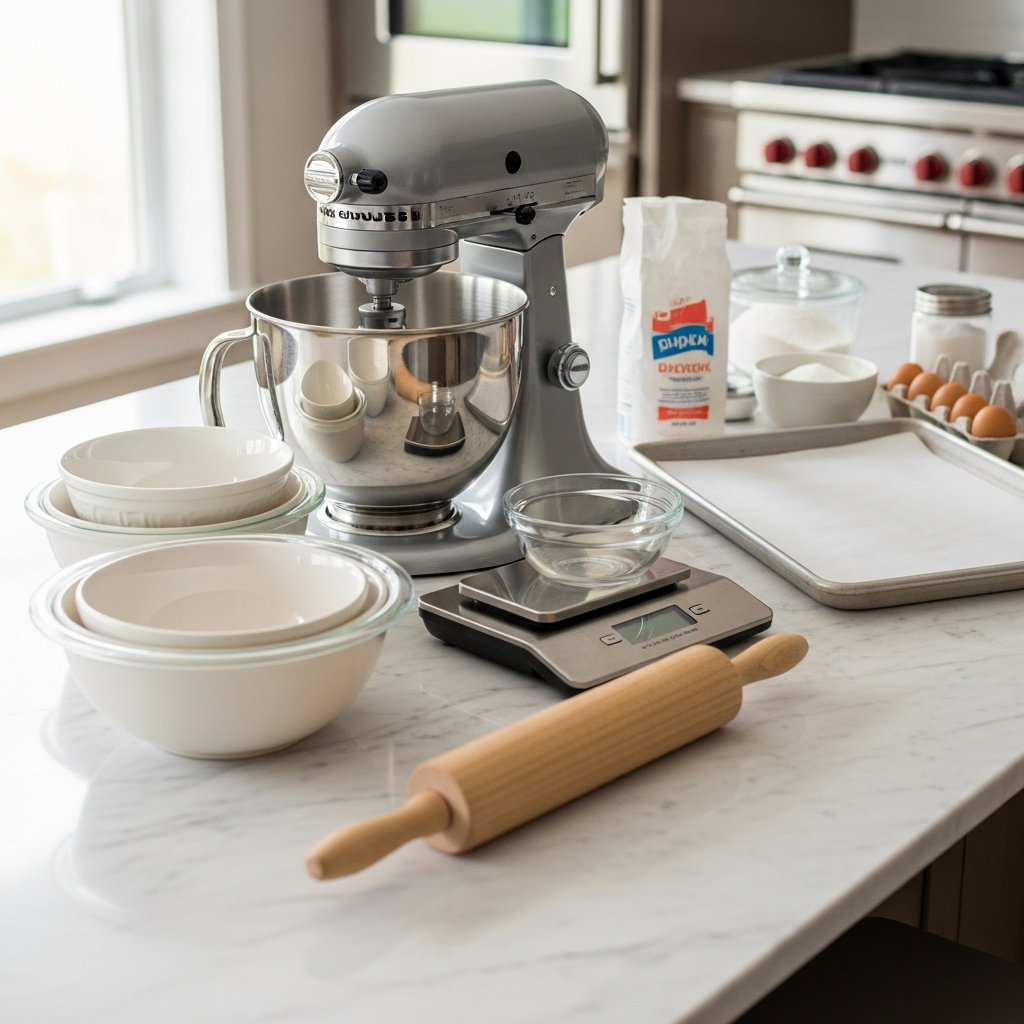
- Stand Mixer with Dough Hook: Essential for developing the strong gluten needed for brioche dough. Hand kneading this rich dough is a serious workout!
- Large Mixing Bowls: You’ll need a couple for mixing, proofing, and holding ingredients.
- Kitchen Scale: For precise measurements of flour, water, and starter, which is crucial in sourdough baking.
- Measuring Cups and Spoons: For smaller quantities.
- Rolling Pin: To roll out the dough evenly for shaping.
- Large Baking Sheet: To bake your beautiful wreath.
- Parchment Paper: Prevents sticking and makes cleanup a breeze.
- Pastry Brush: For applying the egg wash.
- Wire Rack: For cooling the baked brioche to prevent a soggy bottom.
Full Recipe Card
Ingredients:
- 150g active sourdough starter (fed and bubbly)
- 300g whole milk, at room temperature
- 2 large eggs + 1 for egg wash, at room temperature
- 500g strong bread flour
- 70g granulated sugar
- 10g fine sea salt
- 150g unsalted butter, very soft (but not melted)
Instructions:
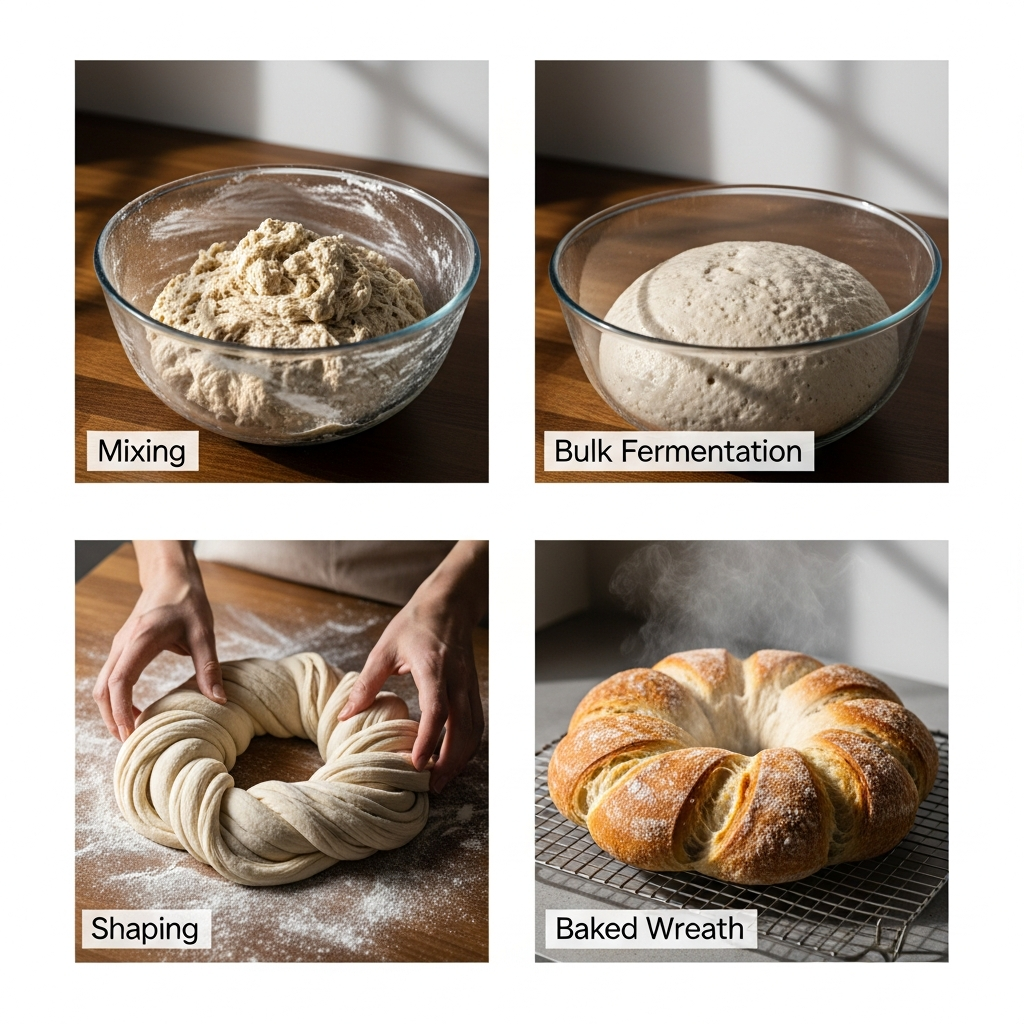
1. Mix the Dough (Autolyse optional, but recommended for beginners): In the bowl of your stand mixer, combine the bread flour, sugar, and milk. Mix on low speed with the dough hook until just combined and no dry spots remain. Cover the bowl and let it rest for 30 minutes to an hour. This step, called autolyse, helps the flour hydrate and gluten start developing, making kneading easier. If you skip this, just mix all initial ingredients together from step 2.
2. Add Starter, Eggs, and Salt: After the rest, add the active sourdough starter, 2 room temperature eggs, and the salt to the dough mixture. Mix on low speed for 5-7 minutes until everything is well incorporated and the dough starts to come together. It will be sticky, which is perfectly normal for brioche dough.
3. Incorporate the Butter: Increase the mixer speed to medium-low. Add the very soft butter, one tablespoon at a time, making sure each piece is fully incorporated before adding the next. This step takes patience. Scrape down the sides of the bowl as needed. The dough will look messy and slippery at first, but keep going!
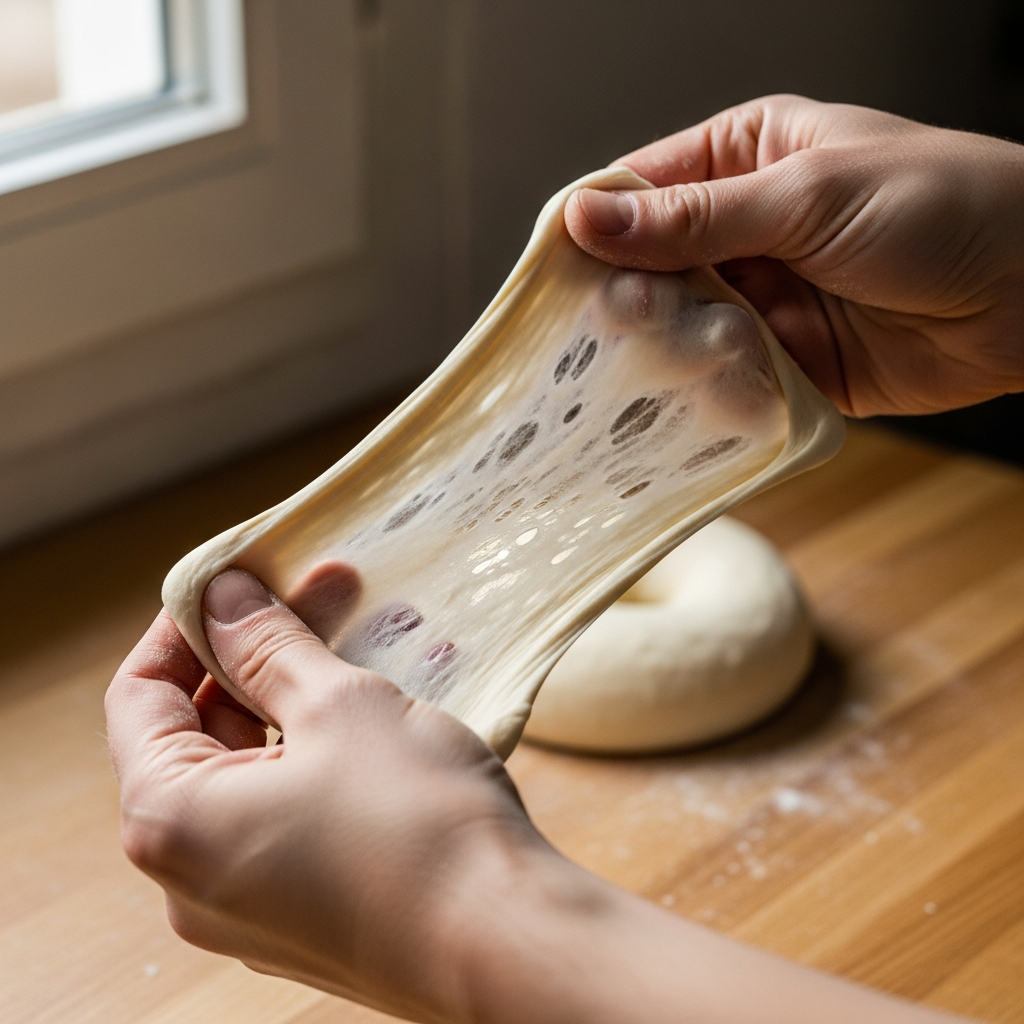
4. Knead Until Smooth: Once all the butter is in, increase the mixer speed to medium and knead for another 10-15 minutes. The dough should become smooth, elastic, and pull away from the sides of the bowl. It should pass the ‘windowpane test’ – where you can stretch a small piece thin enough to see light through it without tearing.
5. Bulk Fermentation (First Rise): Transfer the dough to a lightly oiled large bowl. Cover it tightly with plastic wrap or a shower cap. Let it bulk ferment at room temperature (around 72-75°F / 22-24°C) for 4-6 hours, or until it has increased by about 50% in volume. You can also refrigerate it overnight (8-12 hours) for a slower, deeper flavor development.
6. Shape the Wreath: Gently turn the dough out onto a lightly floured surface. Divide the dough into 3 equal pieces. Roll each piece into a long rope, about 18-20 inches (45-50 cm) long. Try to make them as even as possible. Lay the three ropes parallel to each other and braid them tightly. Once braided, gently form the braid into a circle and pinch the ends together to seal, creating a wreath shape.
7. Second Proof (Final Rise): Carefully transfer the shaped wreath to a large baking sheet lined with parchment paper. Cover it loosely with plastic wrap or a large overturned bowl. Let it proof at room temperature for another 2-4 hours, or until it looks visibly puffy and has increased by about 30-40%. It should feel light and airy.
8. Preheat Oven and Prepare Egg Wash: About 30 minutes before baking, preheat your oven to 375°F (190°C). In a small bowl, whisk the remaining egg with a tablespoon of milk or water for the egg wash. This will give your brioche that gorgeous golden shine.
9. Bake: Gently brush the entire surface of the proofed brioche wreath with the egg wash. Be careful not to deflate it. Place the baking sheet in the preheated oven and bake for 25-35 minutes, or until deeply golden brown and cooked through. If it starts browning too quickly, you can loosely tent it with foil.
10. Cool: Once baked, remove the brioche wreath from the oven and immediately transfer it to a wire rack to cool completely. This prevents the bottom from becoming soggy. Resist the urge to slice it warm; it needs time to set. But just barely resist, a slightly warm slice with butter is heavenly!
Notes:
- Starter Activity: A healthy, active starter is key. If your starter isn’t robust, feed it a few times over 24-48 hours until it’s consistently bubbly and rising after feeding.
- Dough Temperature: For best results, aim for a dough temperature around 75-78°F (24-25°C) after mixing. This can be achieved by adjusting the temperature of your milk slightly.
- Gentle Handling: Brioche dough is delicate. Handle it gently, especially during shaping and after the second proof, to avoid deflating all that precious air.
- Egg Wash Variations: For a glossier finish, you can add a pinch of sugar to your egg wash. For a richer color, use only egg yolk mixed with a little water or milk.
Tips & Variations
Tips for Success:
- Don’t Rush Proofing: Sourdough takes time. The bulk fermentation and second proof are crucial for flavor and texture. Watch the dough, not the clock.
- Use a Humid Environment for Proofing: If your kitchen is dry, place a cup of hot water in the oven (turned off!) with your covered dough to create a warm, humid environment.
- Avoid Over-Flouring: When shaping, use as little extra flour as possible. Too much flour can make the brioche dry and tough.
- Don’t Overbake: Brioche should be golden brown. Overbaking can lead to a dry, less tender crumb. Use an instant-read thermometer; it’s done when the internal temperature reaches 200-205°F (93-96°C).
Delicious Variations:
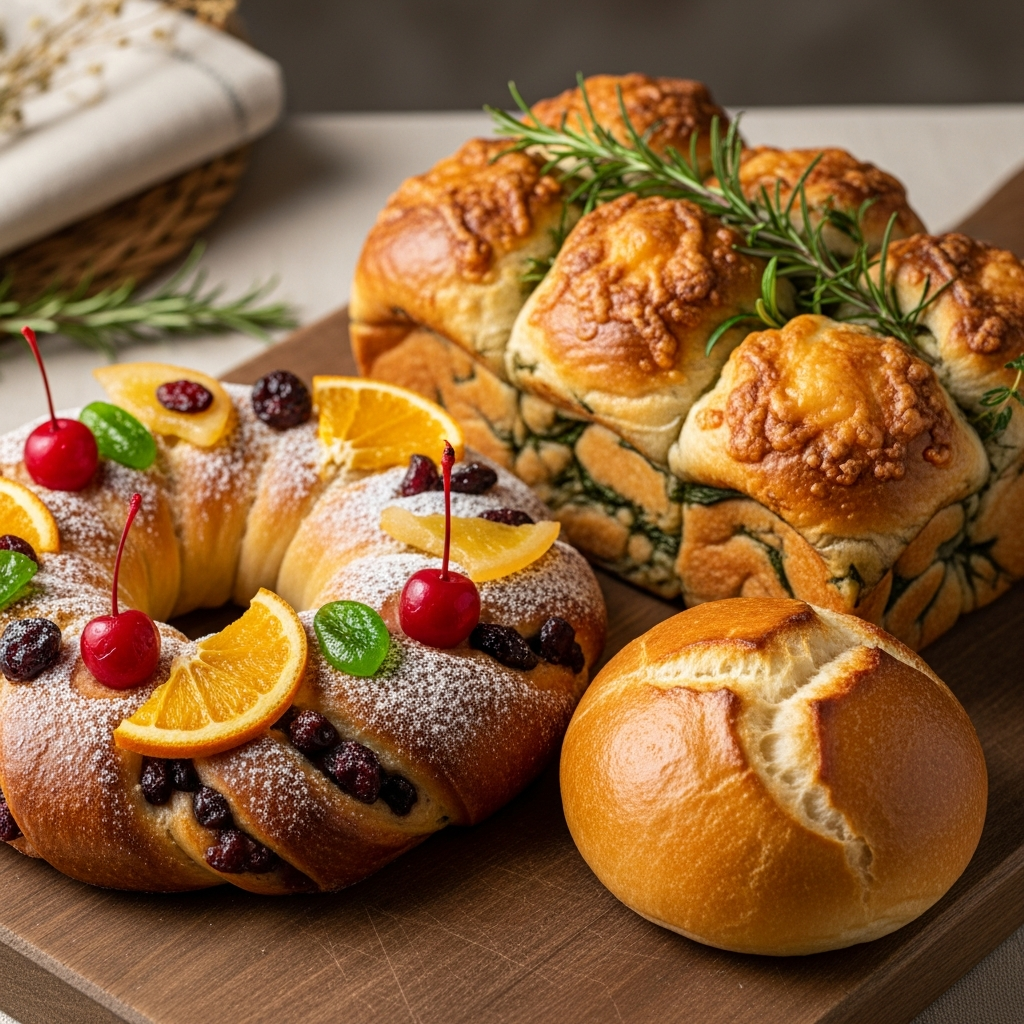
- Sweet Orange & Cardamom: Add 1 tablespoon of orange zest and 1 teaspoon of ground cardamom to the dough along with the flour for a fragrant twist.
- Chocolate Chip Swirl: Gently fold in 1 cup of good quality chocolate chips during the last few minutes of kneading. Or, after rolling out each rope, spread a thin layer of softened butter and sprinkle with chocolate chips before rolling up and braiding.
- Cinnamon Sugar Swirl: After rolling out the ropes, brush them with melted butter and sprinkle generously with a mixture of cinnamon and sugar before braiding.
- Candied Fruit & Nut: Incorporate 1/2 cup of mixed candied fruit and 1/2 cup of chopped nuts (like pecans or almonds) into the dough during the last few minutes of kneading.
- Savory Herb & Cheese: Reduce sugar to 30g. Add 2 tablespoons of finely chopped fresh herbs (rosemary, thyme, chives) and 1/2 cup of shredded hard cheese (Parmesan, Gruyère) to the dough. Great served with soups or savory dishes.
- Different Shapes: Instead of a wreath, you can divide the dough into 12 equal pieces for individual brioche buns, or shape it into a traditional brioche loaf in a loaf pan.
Pro Chef Tips
Want to elevate your sourdough brioche to truly professional levels? Here are a few secrets from the pros:
- Cold Fermentation for Flavor: While a room temperature bulk ferment works, refrigerating your dough for the first rise (8-18 hours) dramatically enhances the sourdough flavor and develops a more complex crumb structure. It also makes the dough much easier to handle.
- The Windowpane Test: Don’t skip this! It’s your ultimate guide to proper gluten development. When you can stretch a small piece of dough thin enough to see light through it without tearing, your gluten is perfectly developed for that tender brioche crumb.
- Temperature Control: Yeast is sensitive. A slightly cooler liquid can compensate for a warm kitchen, and vice versa. Aim for a final dough temperature of 75-78°F (24-25°C) after mixing for optimal fermentation.
- Enriched Dough Hydration: For very rich doughs like brioche, sometimes an extra small splash of milk (a teaspoon or two) can be added during kneading if the dough seems too stiff, but only do so if it’s struggling to come together after ample kneading.
- Double Egg Wash: For an extra glossy, deep golden finish, apply a thin egg wash, let it dry for 5-10 minutes, and then apply a second thin coat before baking. This layering creates a beautiful sheen.
- Steam in the Oven: While not strictly necessary for brioche, a small pan of hot water in the bottom of your oven for the first 10-15 minutes of baking can help create a slightly crisper crust and better oven spring.
Common Mistakes to Avoid
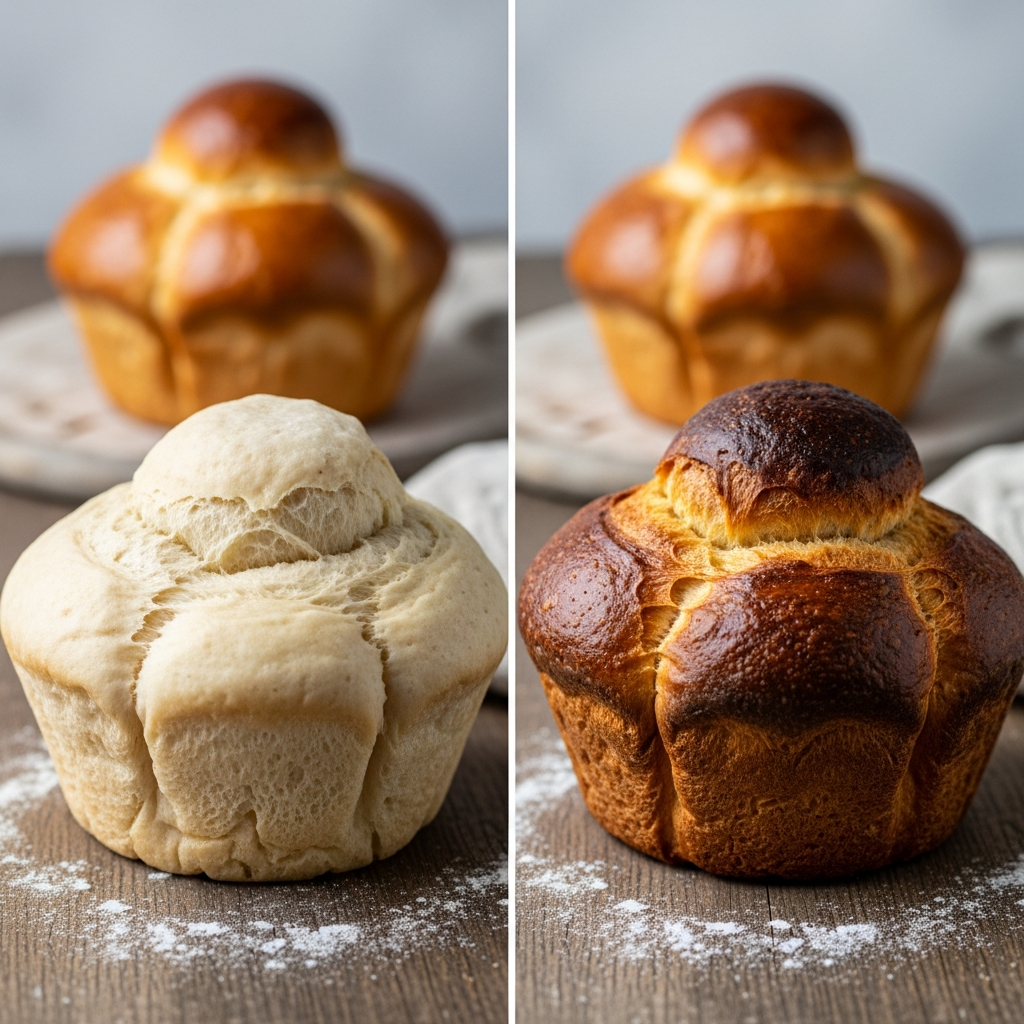
Even experienced bakers make mistakes, especially with enriched doughs. Here’s what to watch out for to ensure your sourdough brioche wreath turns out perfectly:
- Using an Inactive Starter: If your starter isn’t bubbly and active, your brioche won’t rise properly. Always feed it 4-8 hours before you plan to mix your dough and ensure it’s at its peak.
- Not Kneading Enough: Brioche needs extensive kneading to develop strong gluten due to all the fat. If you don’t knead enough, your brioche will be dense and crumbly, not light and airy. Trust the windowpane test!
- Rushing the Proofing: Sourdough takes time, especially with a rich dough. Don’t try to speed up the bulk fermentation or final proof too much. Patience is key for flavor and texture development.
- Adding Too Much Flour: Resist the urge to add extra flour if the dough feels sticky during kneading or shaping. Brioche dough is meant to be very soft and somewhat sticky. Over-flouring leads to dry, tough bread.
- Overbaking: Brioche has a high sugar content, so it browns easily. Keep an eye on it. If it gets too dark too quickly, loosely tent it with foil. Overbaking will dry out your beautifully rich brioche.
- Not Cooling Properly: Cutting into warm brioche can cause the texture to become gummy. Always allow it to cool completely on a wire rack for the best texture and to prevent a soggy bottom.
Storage & Meal Prep
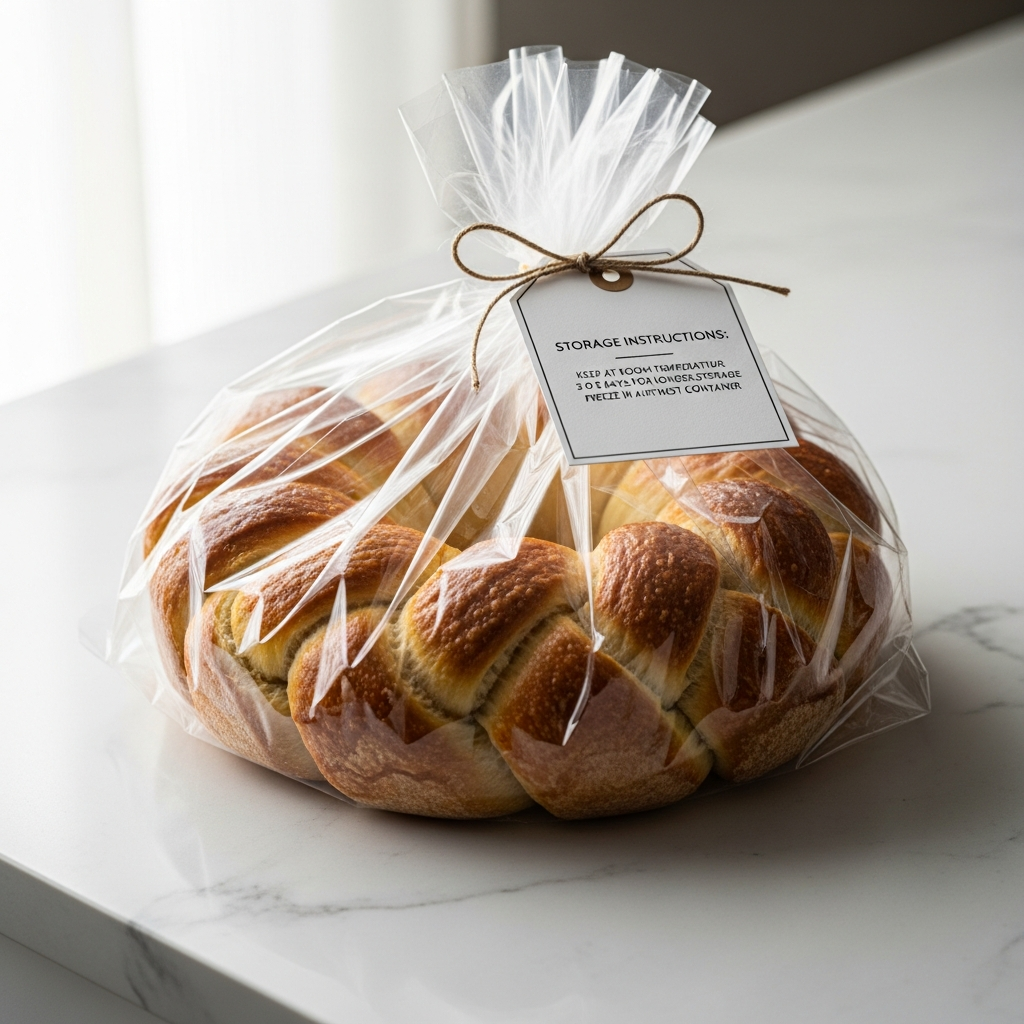
You’ve worked hard on your gorgeous brioche wreath, so let’s make sure it stays fresh and delicious for as long as possible.
Room Temperature Storage:
Sourdough brioche is best enjoyed on the day it’s baked, especially while slightly warm. However, it will keep well at room temperature for 2-3 days. Store it in an airtight container or a clean bread bag to prevent it from drying out. Avoid refrigerating fully baked brioche, as it can dry out and become stale faster.
Reheating Tips:
To revive day-old brioche, you can lightly toast slices, or warm whole pieces in a preheated oven (300°F / 150°C) for 5-10 minutes. This brings back some of its soft texture and aroma.
Make-Ahead & Freezer Notes
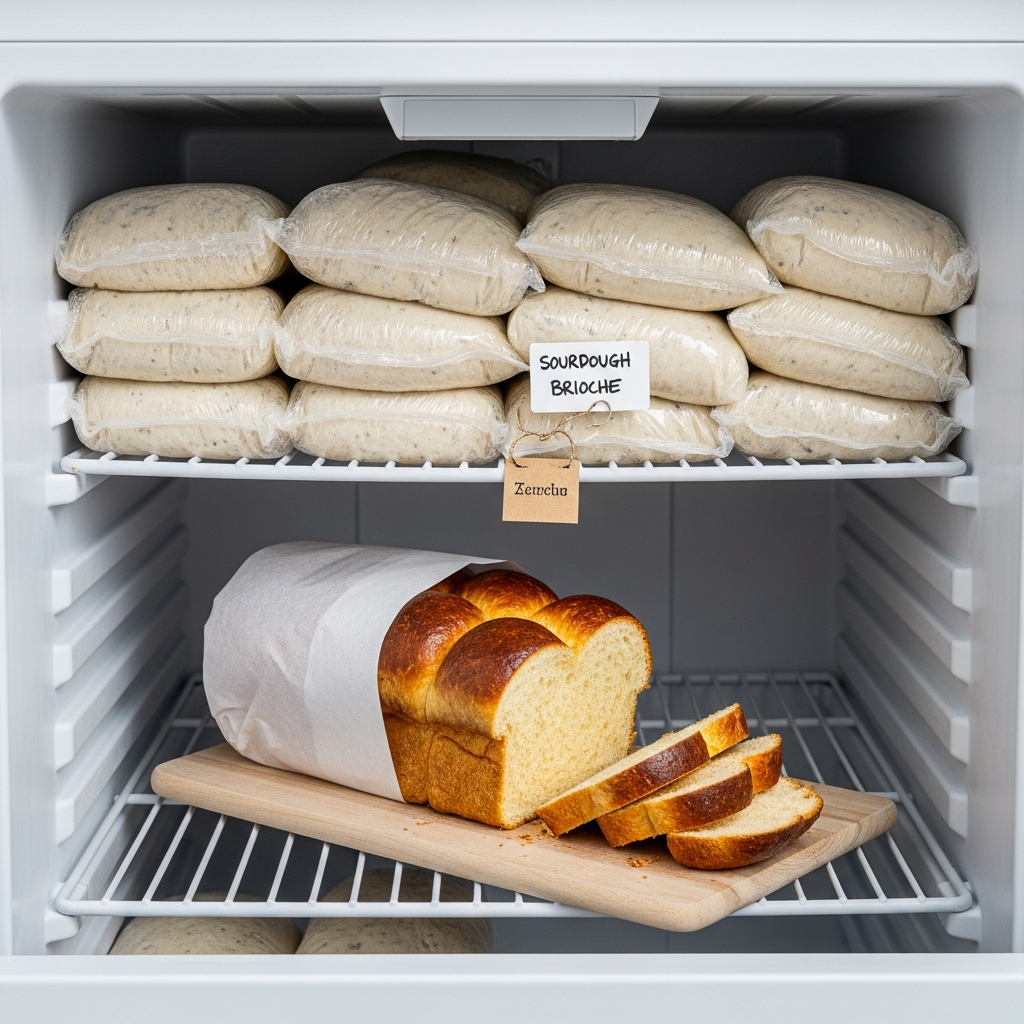
This recipe is surprisingly flexible for make-ahead options, which is fantastic for busy schedules or if you want fresh brioche for a special event.
Make-Ahead Dough (Cold Fermentation):
The best way to make this ahead is to perform the bulk fermentation (first rise) in the refrigerator. After kneading, place the dough in a lightly oiled bowl, cover it tightly, and refrigerate for 8-18 hours. This slows down the fermentation, deepens the sourdough flavor, and makes the dough much easier to handle when cold.
When you’re ready to bake, take the dough out, let it warm up on the counter for about 30-60 minutes (this is often called a ‘bench rest’), then proceed with shaping and the second proof as usual. The second proof might take a little longer if the dough is still quite cold.
Freezing Baked Brioche:
Once your brioche wreath is completely cooled, you can freeze it whole or in slices. Wrap it tightly in plastic wrap, then again in aluminum foil to prevent freezer burn. It will keep well for up to 3 months. Thaw at room temperature, then warm gently in the oven for a freshly baked taste.
Freezing Unbaked Shaped Dough:
After shaping your wreath and before the second proof, you can freeze it. Place the shaped wreath on a parchment-lined baking sheet and freeze until solid (1-2 hours). Once solid, wrap it tightly in plastic wrap and then foil. Store in the freezer for up to 1 month.
To bake from frozen, unwrap the dough and place it back on a parchment-lined baking sheet. Cover loosely and let it proof at room temperature until doubled in size, which can take 6-10 hours depending on your kitchen temperature. Then egg wash and bake as directed.
Serving Suggestions

This sourdough brioche wreath is a star on its own, but here are some delightful ways to serve it, whether for a cozy breakfast or an elegant brunch:
Sweet Delights:
- Classic Butter and Jam: A generous smear of good quality butter and your favorite fruit preserves is simple perfection.
- Honey or Maple Syrup: Drizzle with warm honey or maple syrup for an extra touch of sweetness.
- Chocolate Hazelnut Spread: For an indulgent treat, spread with Nutella or another chocolate hazelnut spread.
- Fresh Berries and Cream: Top slices with fresh seasonal berries and a dollop of whipped cream or crème fraîche.
- French Toast: Day-old brioche makes the most incredible French toast. Its rich flavor and tender crumb are perfect for soaking up custard.
- Powdered Sugar: A simple dusting of powdered sugar adds an elegant finishing touch right before serving.
Savory Pairings:
- With Cheese: Serve with a selection of artisanal cheeses, perhaps a creamy brie or a sharp cheddar, for a sophisticated appetizer.
- Breakfast Sandwich Base: Use slices as a base for gourmet breakfast sandwiches with eggs, bacon, or sausage.
- Alongside Soup or Salad: If you opted for a savory variation (like herb and cheese), it makes a wonderful accompaniment to a hearty soup or a fresh green salad.
- Smoked Salmon and Cream Cheese: A truly decadent pairing for a special brunch. Toast lightly, then top with cream cheese, smoked salmon, and fresh dill.