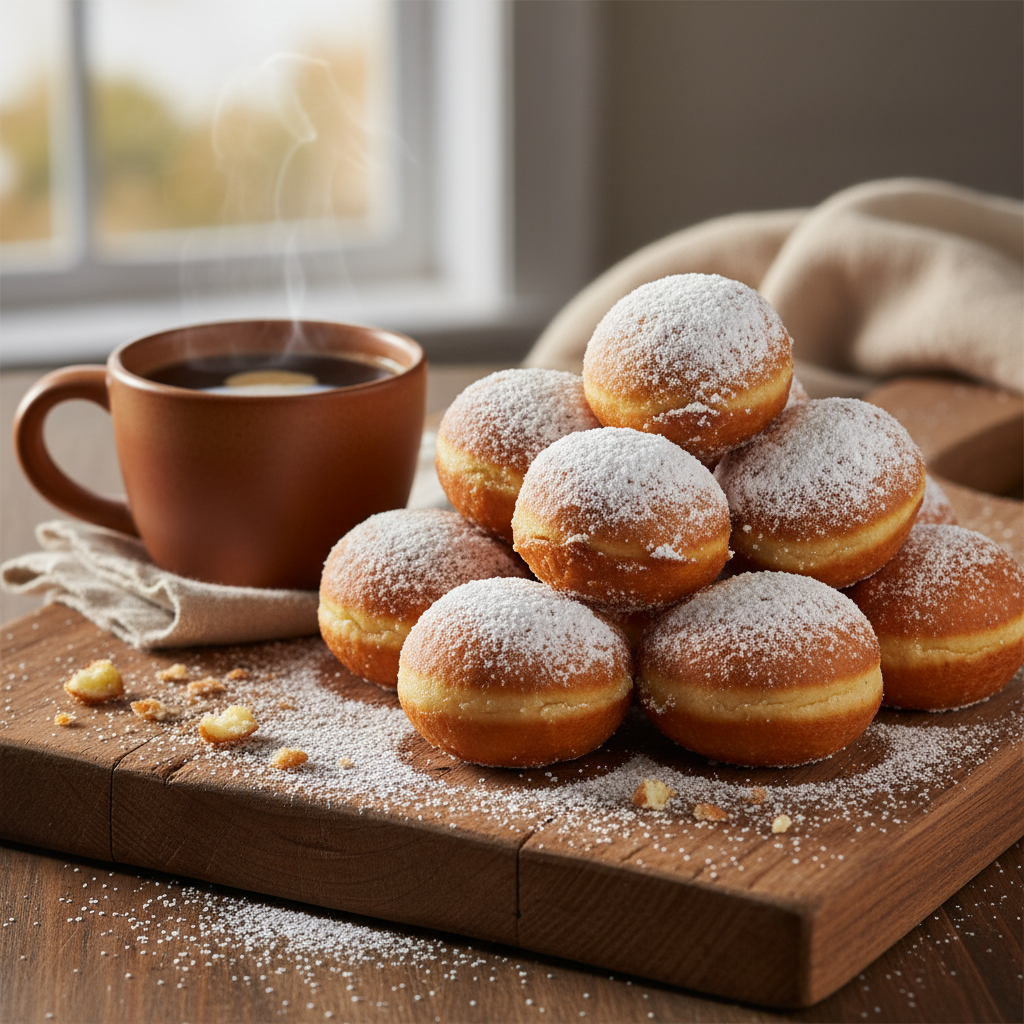
Welcome, fellow sweet tooth! There’s something undeniably magical about a fresh, warm donut. But who has time for complicated yeast doughs and deep-frying messes on a regular Tuesday? Not us! That’s why we’re so excited to share our absolute favorite recipe for quick donut holes. These little bites of heaven are incredibly simple to make, require minimal ingredients, and deliver maximum joy. Get ready to impress your family and friends (or just yourself!) with this easy dessert that tastes like it came straight from a gourmet bakery.
History / Background of Donut Holes

Donuts, in various forms, have a long and rich history spanning centuries and cultures. From Dutch ‘olykoeks’ (oily cakes) to the fried pastries enjoyed in medieval Europe, the concept of sweet, fried dough is far from new. The iconic hole in the center is often attributed to a 19th-century American ship captain, Hanson Gregory, who reportedly punched a hole in his mother’s fried dough to ensure even cooking and easier handling while at the ship’s wheel.
Donut holes, as we know them today, are essentially a delightful byproduct. When cutting out traditional ring donuts, the center piece of dough is often fried separately, creating these perfectly poppable treats. Over time, they became popular in their own right, celebrated for their bite-sized convenience and irresistible charm. Our recipe skips the ring-cutting altogether, focusing solely on crafting these delightful spheres of sugary goodness from scratch, but with a modern, simplified approach.
Why You’ll Love This Recipe

- Lightning Fast: From mixing bowl to plate in under 30 minutes.
- Beginner Friendly: No fancy techniques or special skills required.
- Minimal Ingredients: You likely have everything in your pantry right now.
- Incredibly Delicious: Soft, fluffy, and perfectly sweet every single time.
- Versatile: Easy to customize with different glazes and toppings.
- Perfect for Any Occasion: Breakfast, dessert, or a spontaneous treat.
Ingredient Notes
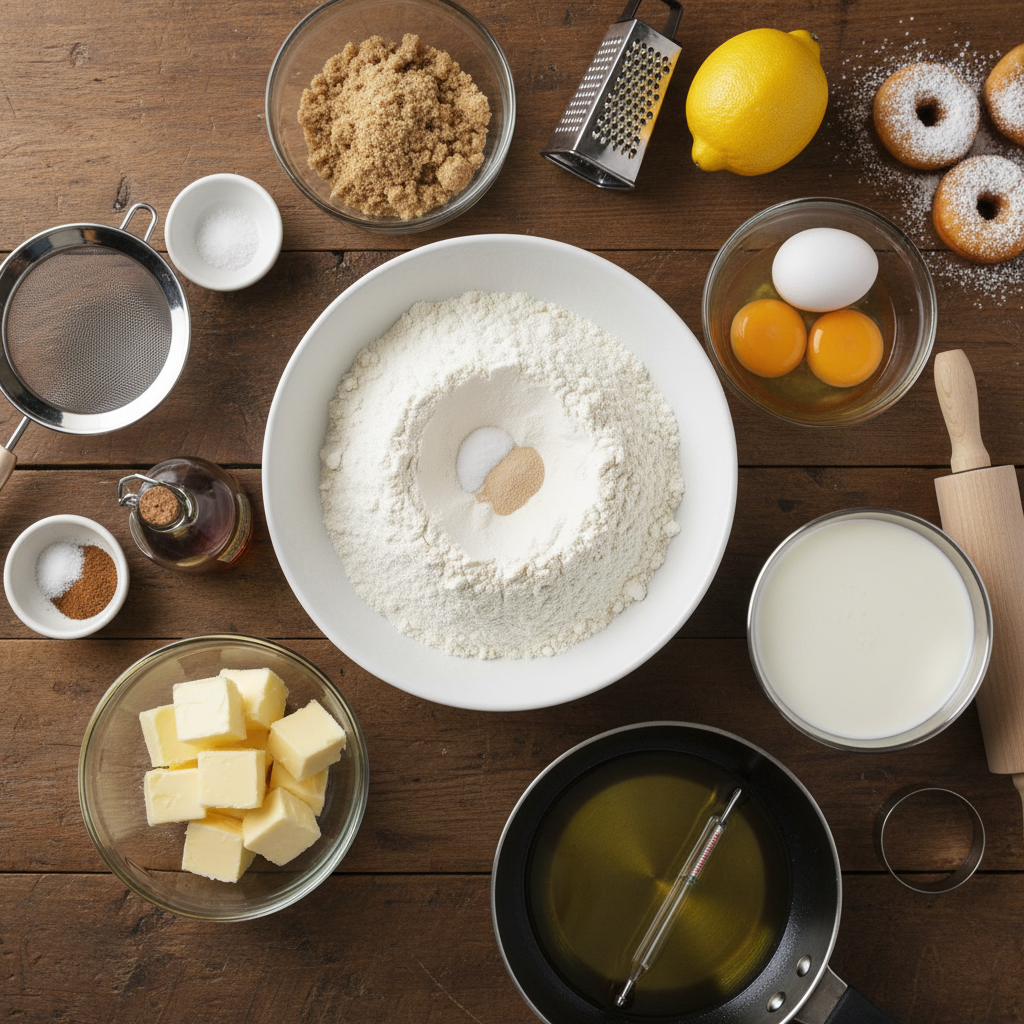
Let’s talk ingredients! The beauty of this recipe lies in its simplicity. You won’t find any obscure items here, just everyday pantry staples that come together to create something truly special.
- All-Purpose Flour: The backbone of our donut holes. Make sure it’s fresh for the best texture.
- Granulated Sugar: Adds sweetness to the dough and helps with browning.
- Baking Powder: Our leavening agent! This is what gives our donut holes their wonderful rise and fluffy texture without yeast.
- Salt: Just a pinch to balance the sweetness and enhance all the other flavors.
- Milk: Any type of milk (dairy or non-dairy) will work. It provides moisture and helps bring the dough together.
- Egg: Acts as a binder and adds richness to the dough.
- Vanilla Extract: Essential for that classic, warm donut flavor. Don’t skip it!
- Unsalted Butter: Melted butter adds richness and tenderness. If using salted butter, reduce the added salt slightly.
- Powdered Sugar (for dusting): The classic finish! You can also use cinnamon sugar or a simple glaze.
- Vegetable Oil (for frying): Choose a neutral-flavored oil with a high smoke point, like canola, sunflower, or peanut oil.
Equipment Needed
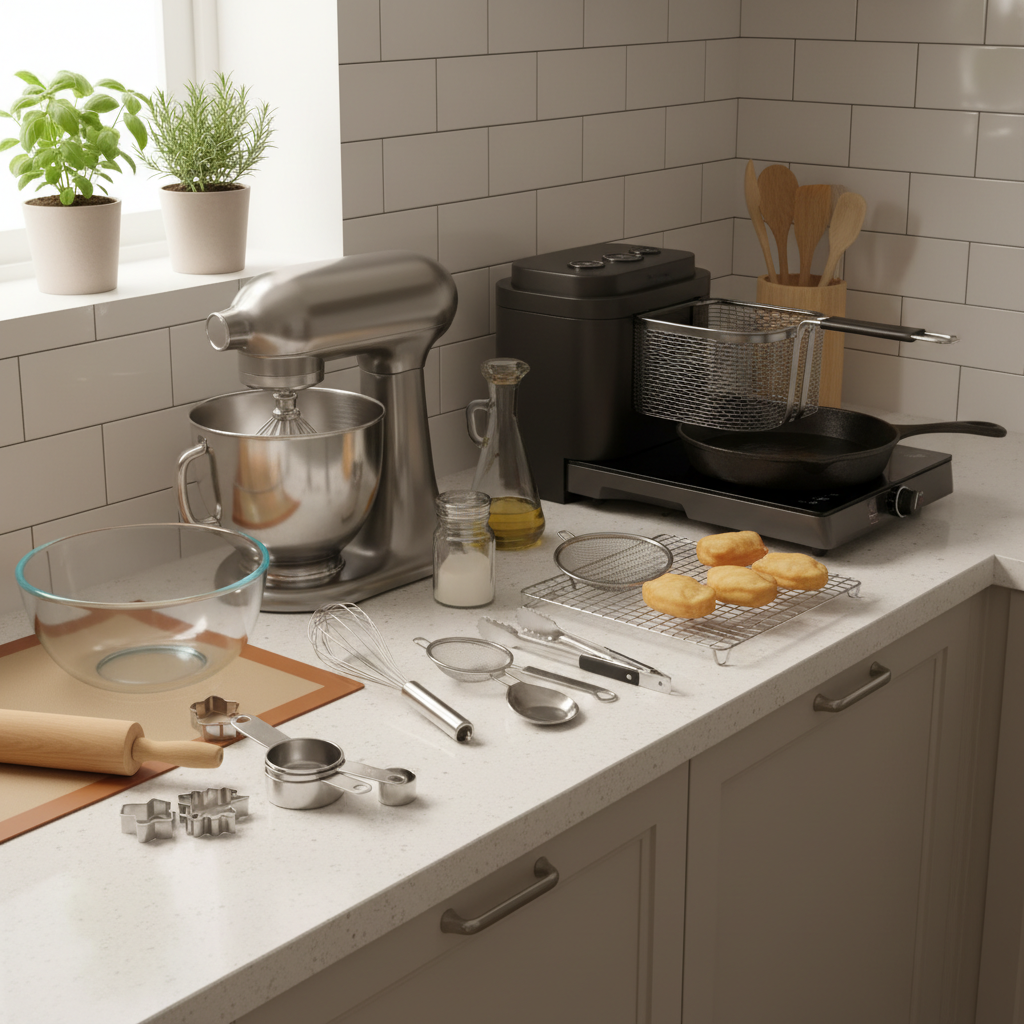
You don’t need a professional kitchen for these donut holes. Here’s what will make your cooking experience smooth and easy:
- Large Mixing Bowl: For combining your dry and wet ingredients.
- Whisk and Spatula: For mixing.
- Measuring Cups and Spoons: Accuracy is key in baking!
- Heavy-Bottomed Pot or Dutch Oven: Ideal for frying, as it maintains a consistent oil temperature.
- Slotted Spoon or Spider Strainer: For safely removing the donut holes from the hot oil.
- Paper Towel-Lined Plate or Wire Rack: For draining excess oil.
- Small Bowl or Plate: For dusting with powdered sugar.
- Candy Thermometer (optional but recommended): For precise oil temperature control, ensuring perfect frying.
Full Recipe Card
Yields 24-30 donut holesPrep time 10 minutesCook time 15 minutes
Ingredients
- 1 ½ cups all-purpose flour
- ½ cup granulated sugar
- 2 teaspoons baking powder
- ½ teaspoon salt
- ½ cup milk
- 1 large egg
- 1 teaspoon vanilla extract
- 2 tablespoons unsalted butter, melted
- 3-4 cups vegetable oil, for frying
- ½ cup powdered sugar, for dusting (or more, to taste)
Instructions
- Combine Dry Ingredients In a large mixing bowl, whisk together the all-purpose flour, granulated sugar, baking powder, and salt. Make sure there are no lumps.
- Combine Wet Ingredients In a separate medium bowl, whisk together the milk, egg, vanilla extract, and melted butter until well combined.
- Form the Dough Pour the wet ingredients into the dry ingredients. Stir with a spatula until just combined. Be careful not to overmix the dough; a few lumps are okay. Overmixing can lead to tough donut holes.
- Heat the Oil In a heavy-bottomed pot or Dutch oven, heat 3-4 cups of vegetable oil over medium heat until it reaches 350-360°F (175-180°C). If you don’t have a thermometer, you can test the oil by dropping a tiny bit of dough in; it should sizzle immediately and float to the top within a few seconds.
- Fry the Donut Holes Using a small cookie scoop (about 1 tablespoon size) or two spoons, carefully drop spoonfuls of dough into the hot oil. Do not overcrowd the pot; fry in batches of 4-6 at a time to maintain oil temperature.
- Cook Until Golden Fry for 2-3 minutes, turning occasionally with a slotted spoon or spider strainer, until the donut holes are golden brown and cooked through.
- Drain Excess Oil Remove the donut holes from the oil and place them on a paper towel-lined plate or a wire rack set over paper towels to drain excess oil.
- Dust with Sugar While still warm, transfer the donut holes to a small bowl with powdered sugar. Toss gently to coat completely.
- Serve Immediately Enjoy your warm, fresh donut holes!
Notes
- For extra flavor, add a pinch of nutmeg to the dry ingredients.
- Ensure oil temperature is consistent for even cooking. Too hot, they burn outside and are raw inside. Too cool, they absorb too much oil.
- Donut holes are best enjoyed fresh, but see storage tips below.
Tips & Variations
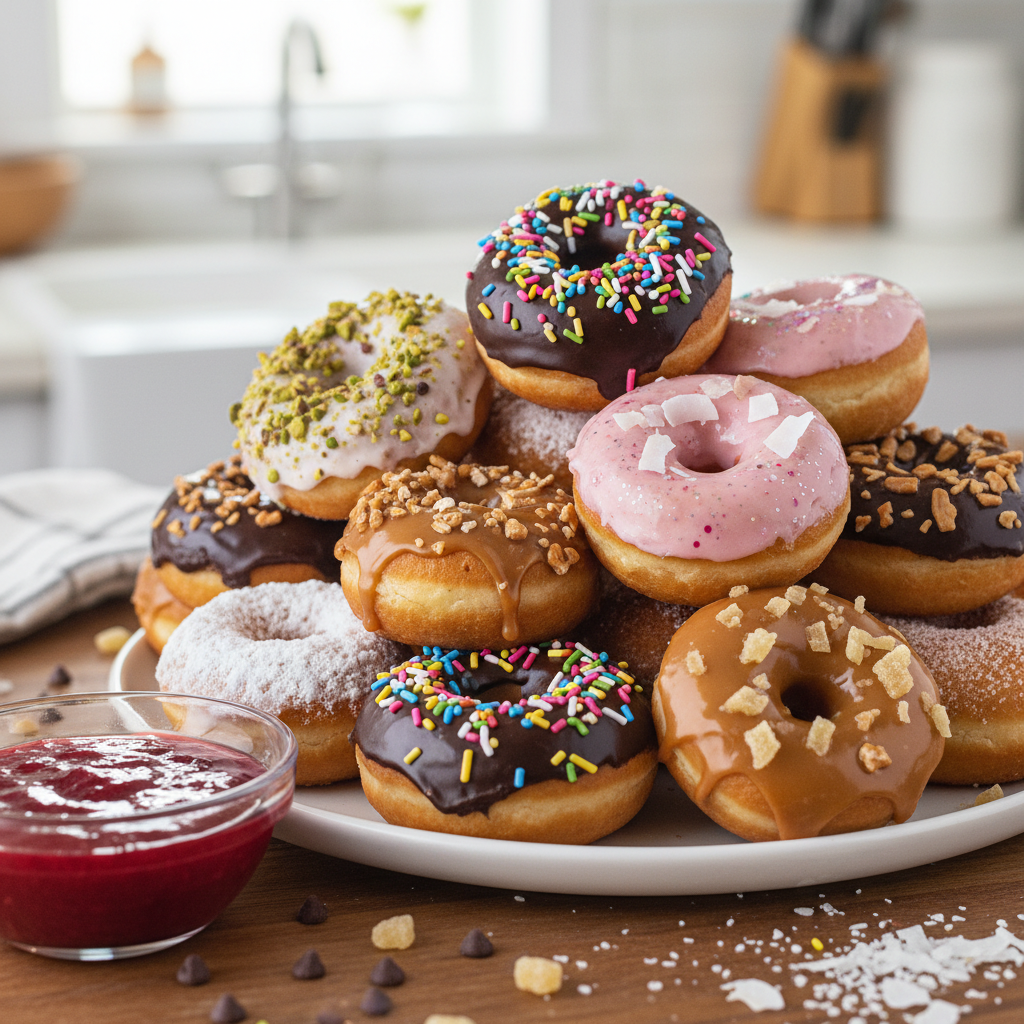
While these donut holes are perfect as is, a little creativity can take them to the next level! Here are some ideas to inspire you:
- Cinnamon Sugar Coating: Instead of powdered sugar, toss warm donut holes in a mixture of ½ cup granulated sugar and 1 tablespoon ground cinnamon.
- Simple Glaze: Whisk together 1 cup powdered sugar, 2-3 tablespoons milk, and ½ teaspoon vanilla extract until smooth. Dip warm donut holes into the glaze.
- Chocolate Glaze: Melt ½ cup chocolate chips with 2 tablespoons milk and 1 teaspoon butter. Dip warm donut holes.
- Citrus Zest: Add 1 teaspoon of lemon or orange zest to the dry ingredients for a bright flavor.
- Nutmeg Boost: A pinch of freshly grated nutmeg in the dough enhances that classic donut shop taste.
- Mini Chocolate Chips: Fold a handful of mini chocolate chips into the dough for a delightful surprise.
Pro Chef Tips
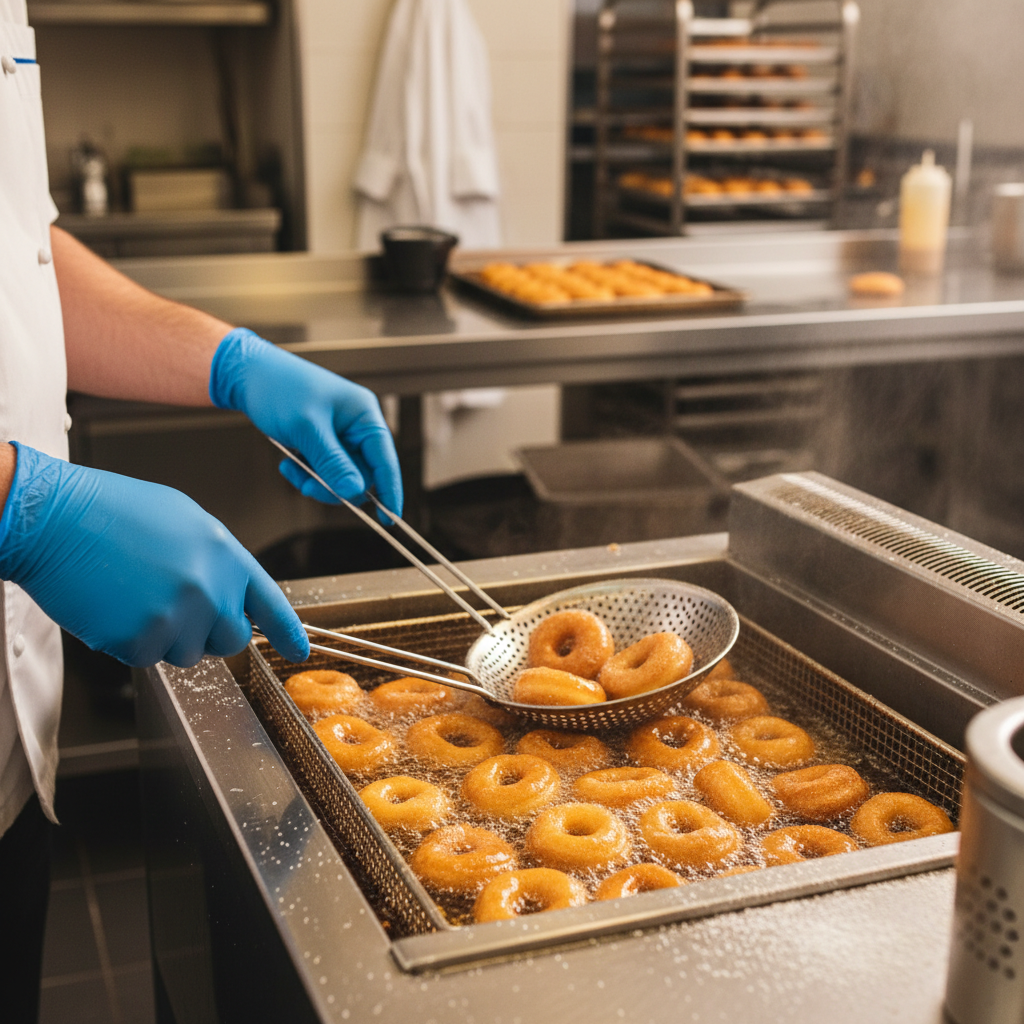
Even the simplest recipes benefit from a few professional insights. Here are some pointers to ensure your donut holes are absolutely perfect every time:
- Don’t Overmix the Dough: This is crucial! Overmixing develops gluten, leading to tough, chewy donut holes instead of light and fluffy ones. Mix until just combined.
- Maintain Consistent Oil Temperature: Use a candy thermometer if possible. If the oil is too hot, the donut holes will burn on the outside before cooking through. If it’s too cool, they’ll absorb too much oil and become greasy. Aim for 350-360°F (175-180°C).
- Fry in Small Batches: Overcrowding the pot will drop the oil temperature significantly, leading to uneven cooking and greasy donuts. Give them space!
- Drain Thoroughly: After frying, immediately transfer donut holes to a paper towel-lined plate or wire rack. This helps wick away excess oil, preventing them from becoming soggy.
- Coat While Warm: For the best adhesion, coat your donut holes with powdered sugar or glaze while they are still warm, but not piping hot.
Common Mistakes to Avoid

We’ve all been there! Learning from common pitfalls can save you time and ensure a delicious outcome. Keep an eye out for these:
- Using Cold Ingredients: Ensure your milk and egg are at room temperature for better incorporation into the dough.
- Overmixing the Batter: As mentioned, this is the enemy of tender donut holes. Mix until just combined.
- Incorrect Oil Temperature: Too hot equals burnt exteriors and raw interiors. Too cool equals greasy, oil-soaked donuts. Invest in a thermometer!
- Overcrowding the Frying Pot: This significantly drops the oil temperature and leads to unevenly cooked results.
- Not Draining Properly: Leaving donut holes in a pile without draining can make them greasy.
- Waiting Too Long to Coat: If donut holes cool completely before coating, the sugar won’t stick as well.
Storage & Meal Prep
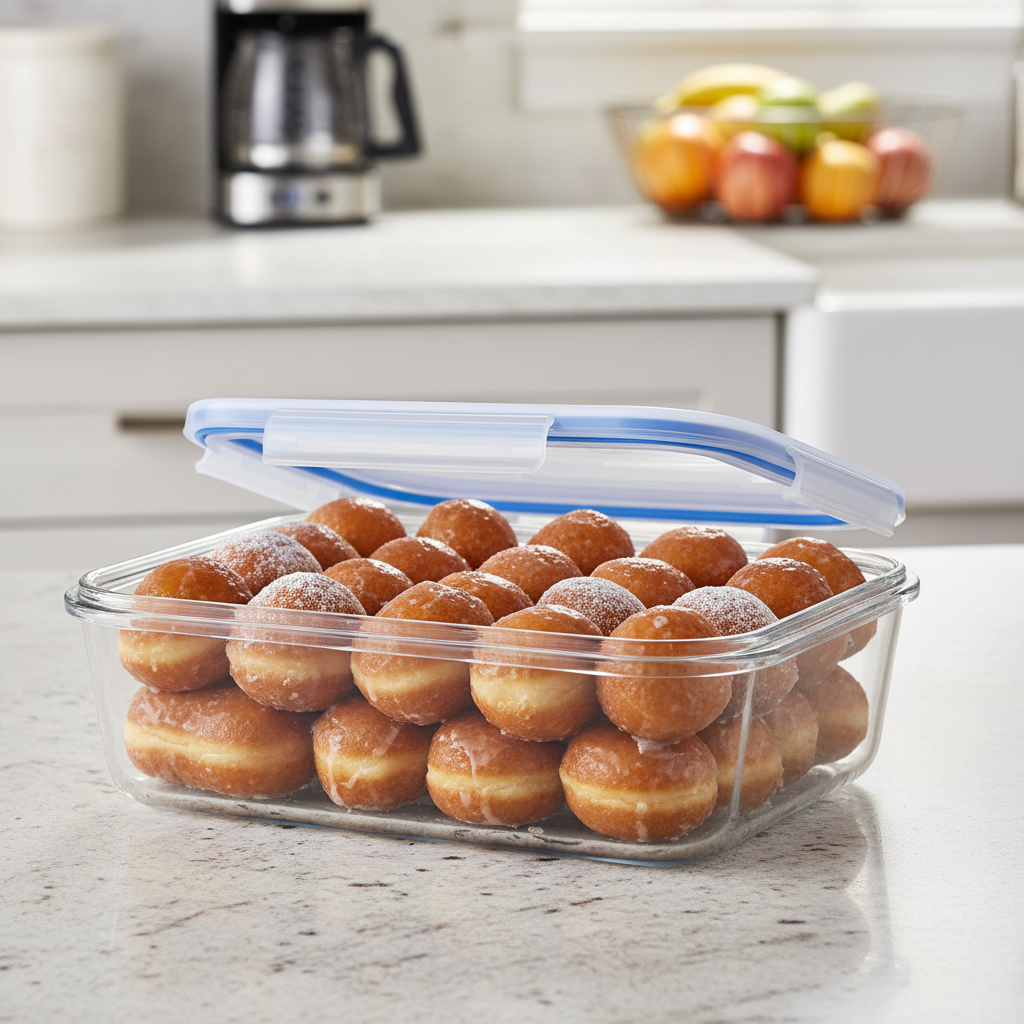
Donut holes are best enjoyed fresh, but if you have leftovers, here’s how to store them:
- At Room Temperature: Store uncoated donut holes in an airtight container at room temperature for up to 1-2 days. If they are coated with powdered sugar, they can also be stored this way, though the sugar might absorb some moisture over time.
- Reheating: To refresh them, pop them in a microwave for 10-15 seconds or a toaster oven at 300°F (150°C) for a few minutes until warm. Recoat with fresh powdered sugar if desired.
Make-Ahead & Freezer Notes
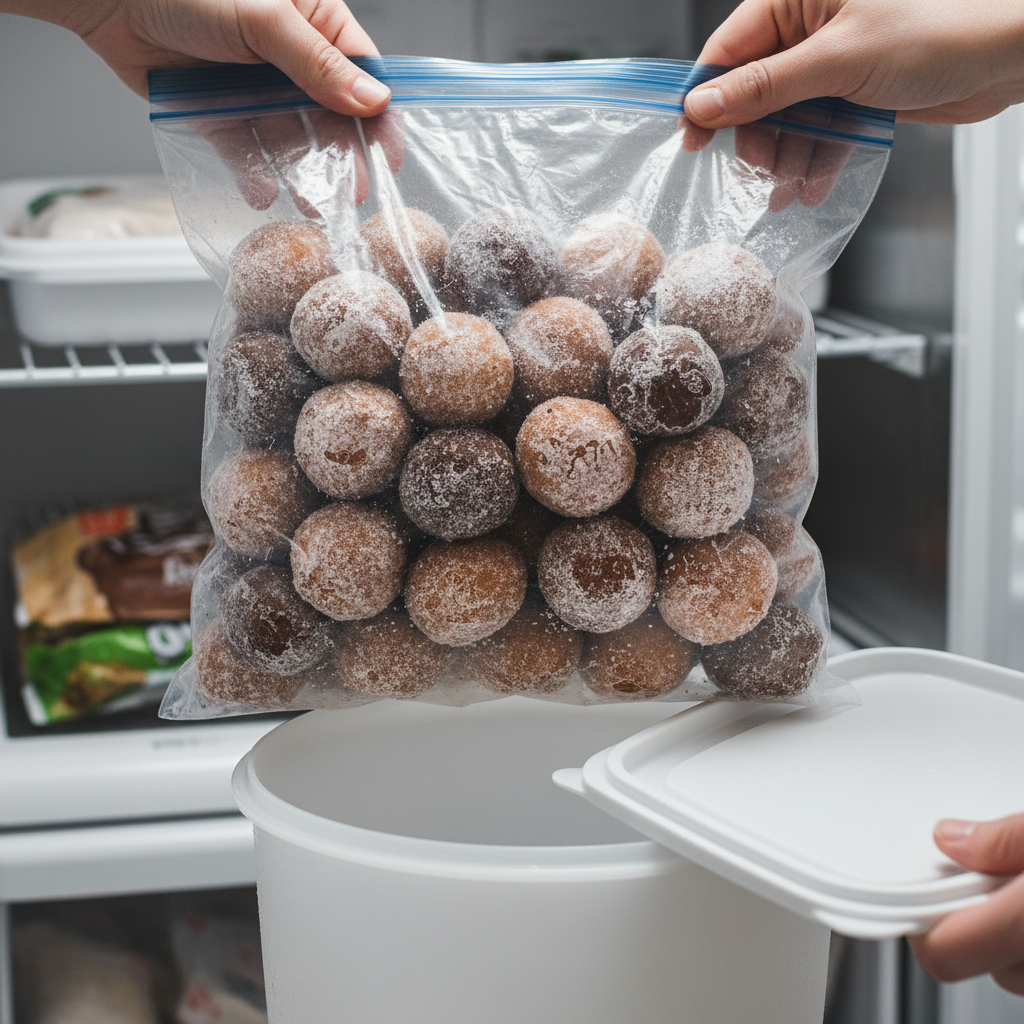
While this recipe is quick enough that make-ahead isn’t usually necessary, here are some options:
- Dough: You can prepare the dough up to a few hours in advance and store it covered in the refrigerator. Let it come to room temperature for about 15-20 minutes before frying.
- Freezing Cooked Donut Holes: Uncoated, cooled donut holes can be frozen for up to 1 month. Place them in a single layer on a baking sheet and freeze until solid, then transfer to a freezer-safe bag or container. Thaw at room temperature and reheat as desired. You can then coat them with powdered sugar or glaze.
Serving Suggestions

These quick donut holes are incredibly versatile and can be served in many delightful ways:
- Classic Dusting: Simply tossed in powdered sugar while warm is always a winner.
- With Coffee or Tea: A perfect accompaniment to your morning brew or afternoon tea.
- Dipping Sauces: Serve with chocolate sauce, caramel sauce, fruit preserves, or even a cream cheese frosting for dipping.
- Brunch Spread: A fantastic addition to any brunch table, alongside fresh fruit, bacon, and eggs.
- Dessert Platter: Arrange them beautifully on a dessert platter with other small treats.
- Ice Cream Topping: Crumble a few warm donut holes over a scoop of vanilla ice cream for an indulgent treat.