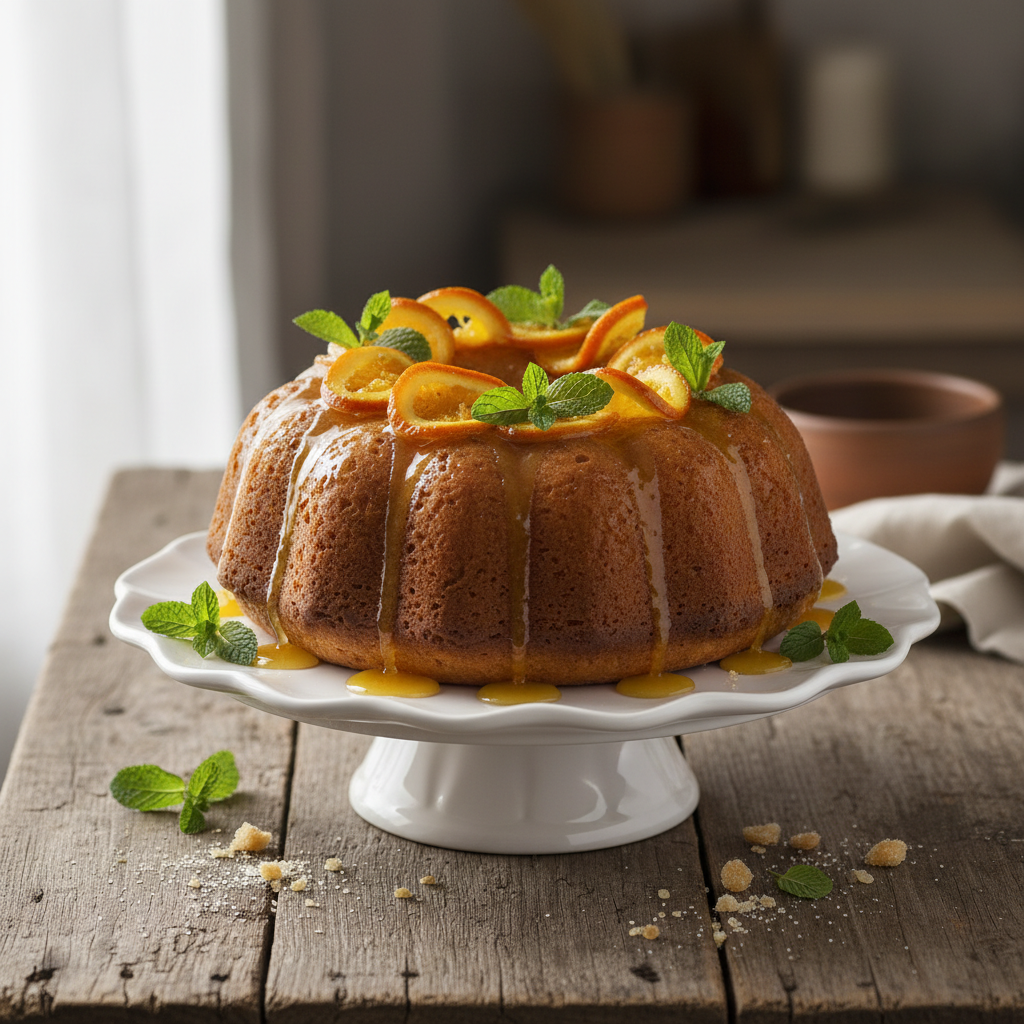
There’s something truly magical about the aroma of a freshly baked orange cake filling your kitchen. It’s a scent that instantly brings warmth, comfort, and a touch of sunshine into your home. If you’ve been searching for that perfect cake — one that’s incredibly moist, bursting with bright citrus flavor, and wonderfully easy to make — then your search ends here. This orange cake recipe is designed for everyone, from novice bakers to seasoned pros, promising a delightful treat that will impress without any fuss. Get ready to bake a cake that’s not just a dessert, but a pure moment of joy!
History and Background of Citrus Cakes

Citrus fruits have been treasured in baking for centuries, particularly in regions where they thrive. Oranges, with their vibrant color and refreshing flavor, became a popular ingredient in cakes, tarts, and pastries across the Mediterranean and beyond. Early recipes often involved infusing cakes with orange zest and juice, not just for flavor, but also for their natural acidity which can tenderize the crumb. As global trade expanded, oranges became more accessible, and orange cake evolved into the beloved dessert we know today – a staple in many cultures, often associated with celebrations and cozy gatherings. This recipe draws on that rich tradition, simplifying it for the modern home baker while retaining all the classic charm.
Why You Will Love This Recipe
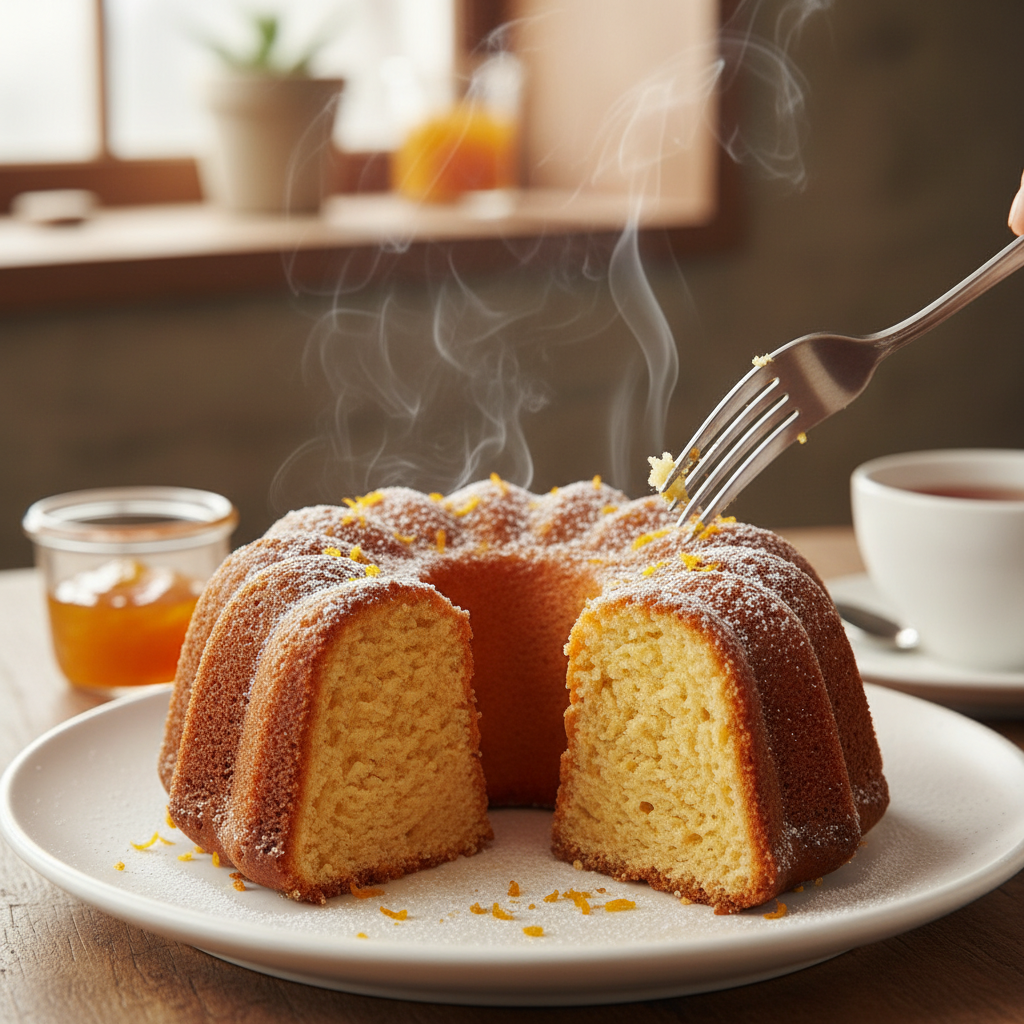
- Unbelievably Moist: Thanks to fresh orange juice and zest, this cake stays incredibly tender for days.
- Bright Citrus Flavor: Every bite is packed with refreshing, zesty orange goodness.
- Simple to Make: No complicated techniques, just straightforward steps for a perfect bake.
- Beautiful Presentation: Looks stunning with a simple glaze and optional garnishes.
- Versatile: Great for breakfast, dessert, or an afternoon tea treat.
- Beginner-Friendly: Perfect for new bakers looking for a reliable and delicious recipe.
Ingredient Notes
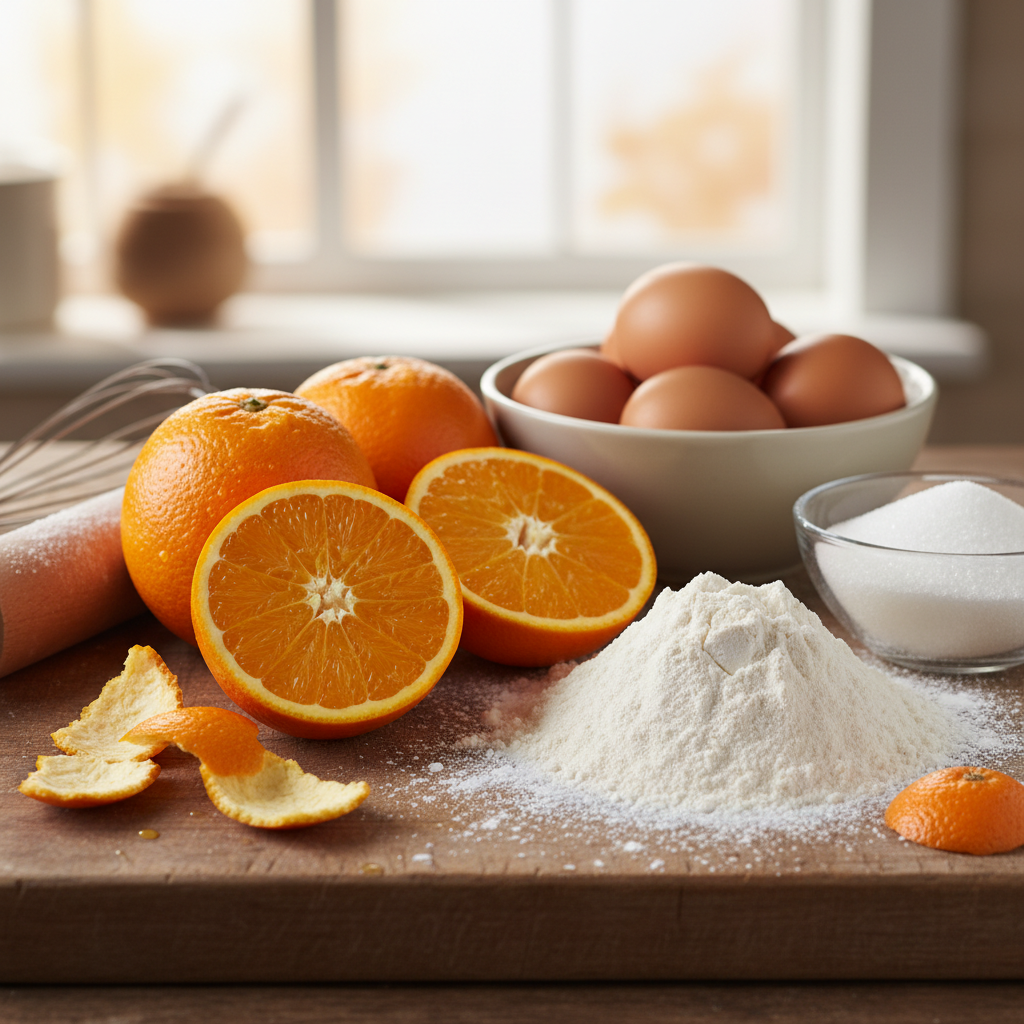
The beauty of this orange cake lies in its simple, readily available ingredients. Using fresh, good-quality components will make all the difference to the final taste and texture.
- All-Purpose Flour: The backbone of our cake. Make sure to measure it correctly, preferably by weight, to avoid a dense cake.
- Granulated Sugar: Provides sweetness and helps with browning and moisture.
- Baking Powder and Baking Soda: Our leavening agents. Ensure they are fresh for the best rise.
- Salt: A pinch enhances all the other flavors. Don’t skip it!
- Unsalted Butter: Room temperature butter creams beautifully and gives a rich flavor.
- Large Eggs: Also at room temperature, they help bind the ingredients and add structure.
- Fresh Oranges: This is where our star flavor comes from! You’ll need both the zest and the juice. Choose firm, heavy oranges with smooth skin.
- Whole Milk: Adds moisture and richness to the batter.
- Powdered Sugar: For the simple, delicious glaze.
Equipment Needed
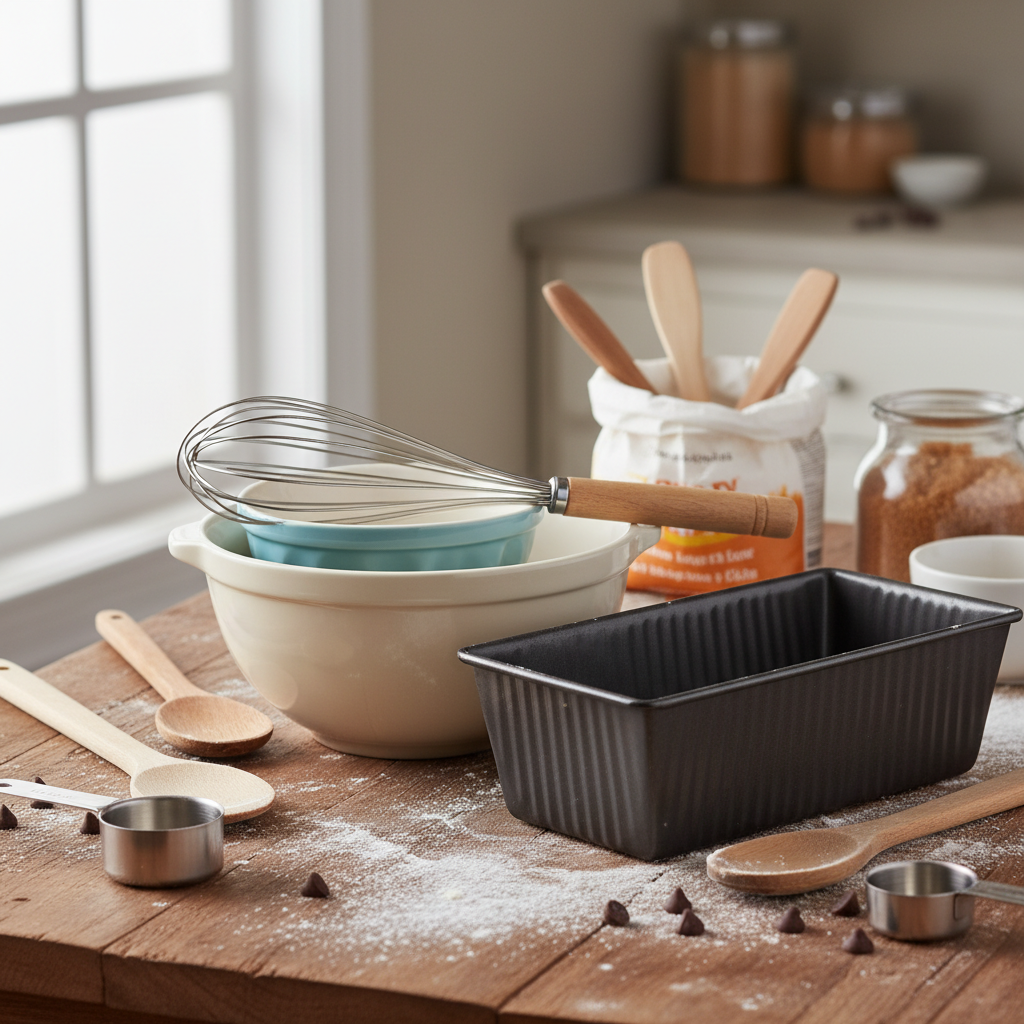
You don’t need a fancy kitchen to make this cake! Here’s what you’ll need:
- 9×13 inch baking pan or a bundt pan: Choose your preferred shape. A bundt pan makes for a more decorative cake.
- Large mixing bowls: For combining your wet and dry ingredients.
- Electric mixer (handheld or stand mixer): Essential for creaming butter and sugar, and for incorporating air.
- Whisk: For dry ingredients and mixing the glaze.
- Rubber spatula: For scraping down bowls and folding ingredients.
- Measuring cups and spoons: For accurate ingredient measurement.
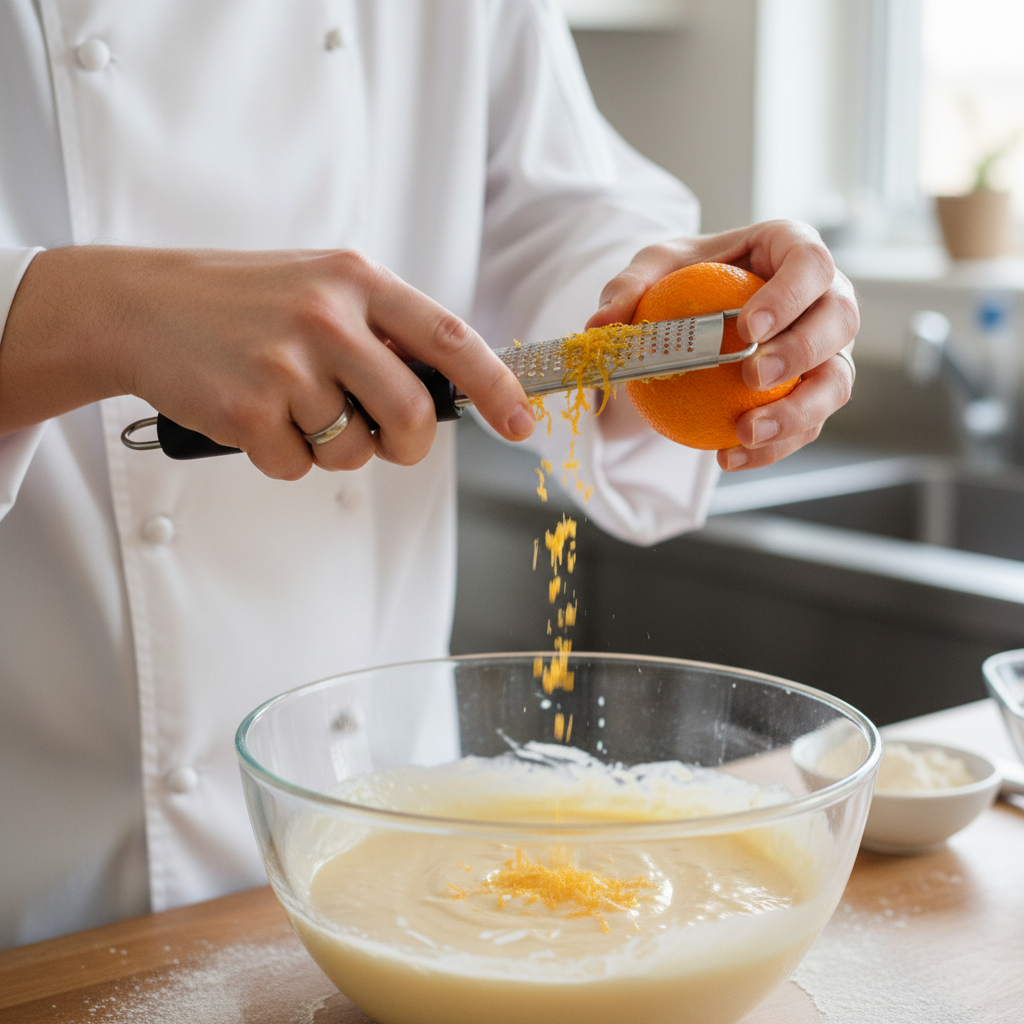
- Zester or microplane: To get that wonderful orange zest.
- Juicer: For fresh orange juice.
Full Recipe Card
Let’s get baking! Follow these steps carefully for the perfect soft and citrusy orange cake.
Ingredients
- 2 1/2 cups (300g) all-purpose flour
- 1 1/2 cups (300g) granulated sugar
- 1 tablespoon baking powder
- 1/2 teaspoon baking soda
- 1/2 teaspoon salt
- 1 cup (226g) unsalted butter, softened
- 3 large eggs, room temperature
- 1/2 cup (120ml) fresh orange juice (from 2-3 oranges)
- 1/4 cup (60ml) whole milk
- 2 tablespoons orange zest (from 2-3 oranges)
For the Orange Glaze
- 1 1/2 cups (180g) powdered sugar
- 3-4 tablespoons fresh orange juice
Instructions
- Prepare Your Pan: Preheat your oven to 350°F (175°C). Grease and flour a 9×13 inch baking pan or a 10-cup bundt pan. Set aside.
- Combine Dry Ingredients: In a medium bowl, whisk together the flour, granulated sugar, baking powder, baking soda, and salt.
- Cream Butter and Sugar: In a large bowl, using an electric mixer, cream the softened butter and granulated sugar on medium speed until light and fluffy, about 3-4 minutes.
- Add Eggs: Beat in the eggs one at a time, mixing well after each addition until fully incorporated. Scrape down the sides of the bowl as needed.
- Combine Wet Ingredients: In a separate small bowl, whisk together the fresh orange juice, milk, and orange zest.
- Alternate Dry and Wet: With the mixer on low speed, gradually add the dry ingredients to the wet ingredients in three additions, alternating with the orange juice mixture in two additions. Begin and end with the dry ingredients. Mix until just combined; do not overmix. A few small lumps are okay.
- Bake the Cake: Pour the batter into your prepared pan and spread evenly. Bake for 30-35 minutes for a 9×13 pan, or 45-55 minutes for a bundt pan, or until a wooden skewer inserted into the center comes out clean.
- Cool: Let the cake cool in the pan on a wire rack for 10-15 minutes before inverting it onto the rack to cool completely.
- Make the Glaze: Once the cake is completely cool, whisk together the powdered sugar and orange juice in a small bowl until smooth. Add more juice a teaspoon at a time if needed to reach a pourable consistency.
- Glaze and Serve: Drizzle the glaze over the cooled cake. Let the glaze set for a few minutes before slicing and serving. Enjoy!
Notes
- For an extra burst of flavor, soak the zest from one orange in the orange juice for 30 minutes before mixing.
- Do not open the oven door during the first 20 minutes of baking to prevent the cake from sinking.
- Ensure all cold ingredients are at room temperature for a smooth, emulsified batter.
Tips and Variations
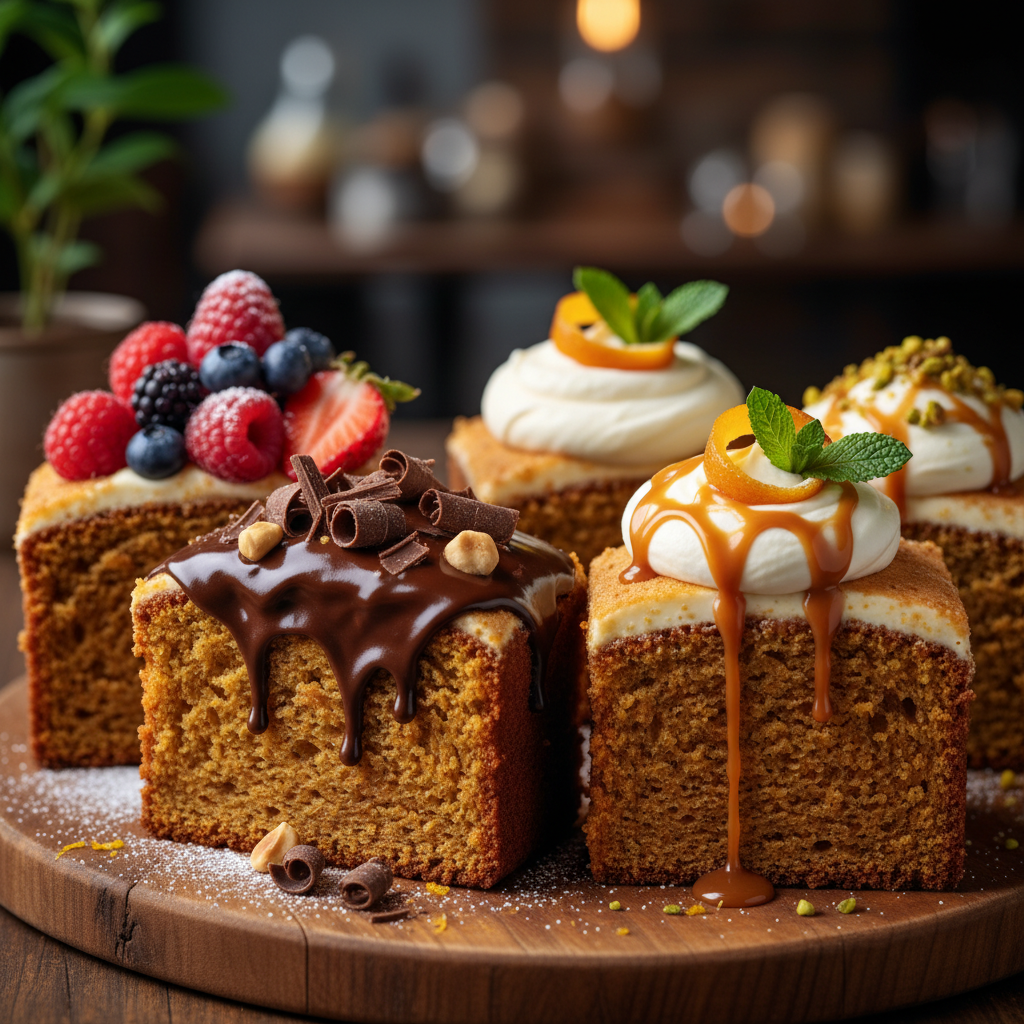
- Orange Extract Boost: For an even stronger orange flavor, add 1/2 teaspoon of orange extract to the wet ingredients.
- Citrus Medley: Replace some of the orange juice/zest with lemon or lime for a delightful mixed citrus cake.
- Yogurt or Sour Cream: Substitute 1/4 cup of milk with plain Greek yogurt or sour cream for an even moister crumb.
- Candied Orange Peel: Garnish with homemade candied orange peel for an elegant touch.
- Bundt Cake Design: If using a bundt pan, ensure it’s thoroughly greased and floured (or use baking spray with flour) to prevent sticking.
Pro Chef Tips
- Don’t Overmix: Overmixing develops the gluten in the flour, leading to a tough, dry cake. Mix until just combined.
- Room Temperature Ingredients: This is crucial! Room temperature butter and eggs emulsify better with other ingredients, creating a smoother batter and a finer crumb.
- Zest Before Juicing: It’s much easier to zest an orange when it’s whole and firm.
- Fresh Juice is Key: Bottled orange juice can be used in a pinch, but fresh juice provides a brighter, more authentic flavor.
- Cool Completely: Always glaze a completely cooled cake. Glazing a warm cake will cause the glaze to melt and soak into the cake, rather than forming a nice coating.
Common Mistakes to Avoid
- Using Cold Ingredients: As mentioned, this can lead to a lumpy batter and a less tender cake.
- Overmixing the Batter: Results in a dense, tough cake. Mix until just combined, no more.
- Not Greasing and Flourishing the Pan Properly: This is a common culprit for cakes sticking to the pan. Take your time with this step!
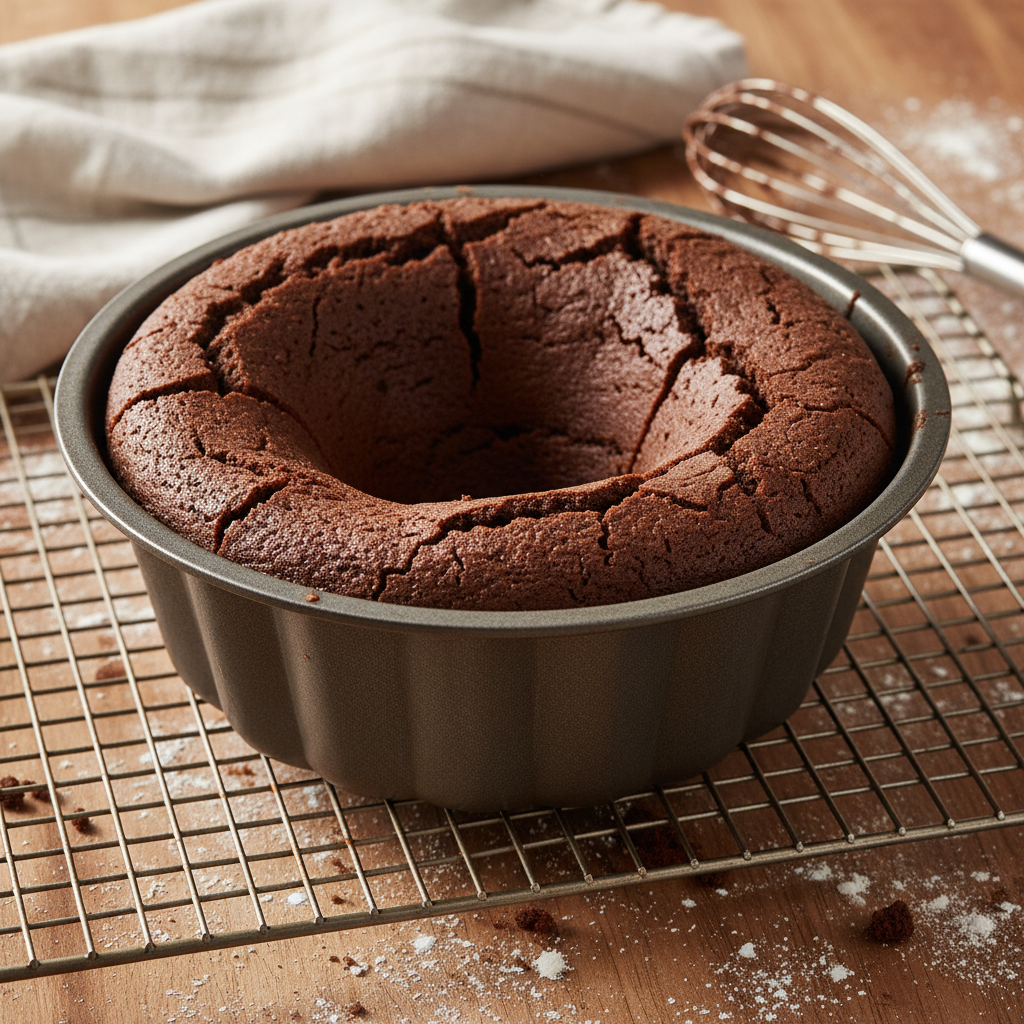
- Opening the Oven Door Too Soon: Can cause the cake to sink in the middle due to sudden temperature changes.
- Baking at the Wrong Temperature: An oven thermometer can be a baker’s best friend, as oven temperatures can vary.
Storage and Meal Prep
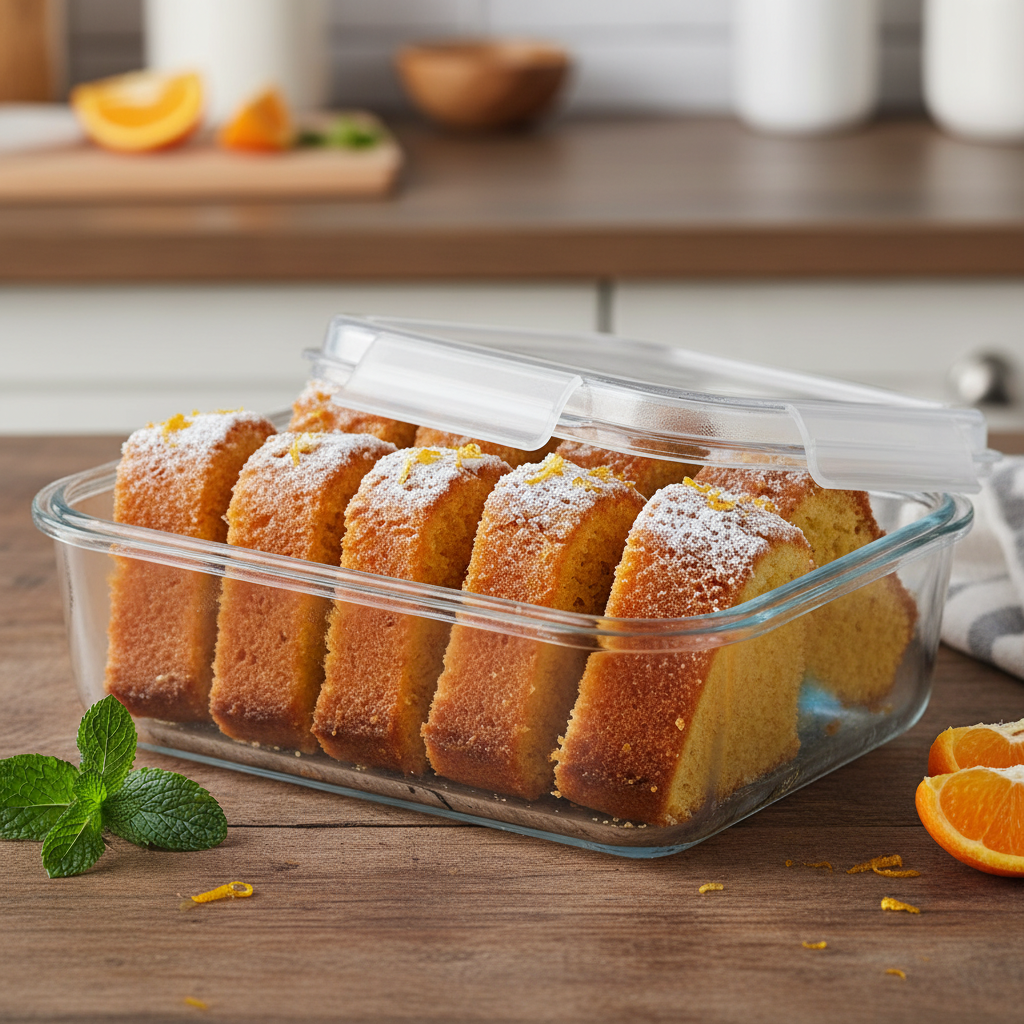
This orange cake stores beautifully, making it excellent for meal prepping or enjoying throughout the week.
- Room Temperature: Store glazed orange cake in an airtight container at room temperature for up to 3 days. The glaze helps seal in moisture.
- Refrigeration: If you need to keep it longer, or if your kitchen is particularly warm, you can refrigerate the cake in an airtight container for up to 5-7 days. Bring to room temperature before serving for the best flavor and texture.
Make-Ahead and Freezer Notes
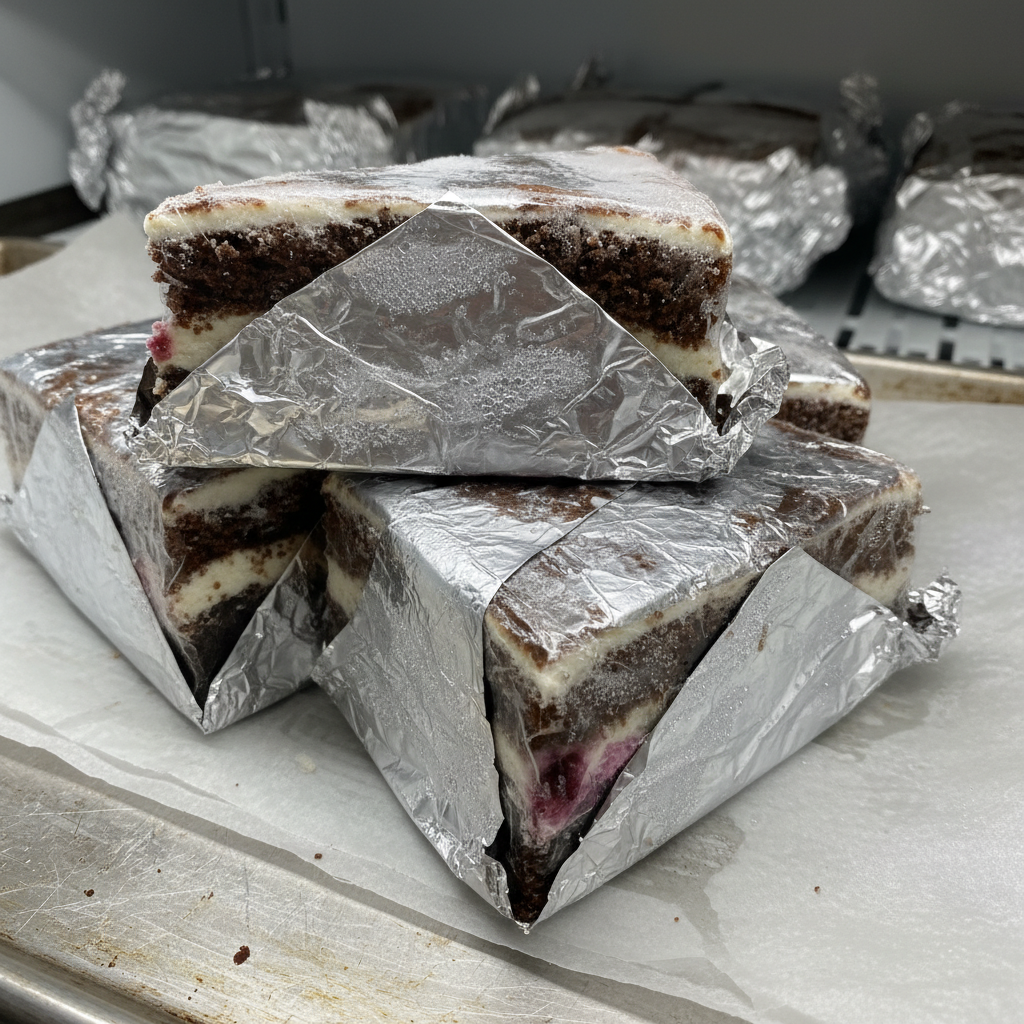
Want to get ahead? This cake is freezer-friendly!
- Un-glazed Cake: Bake the cake and let it cool completely. Wrap it tightly in plastic wrap, then in aluminum foil. It can be frozen for up to 2-3 months. Thaw overnight in the refrigerator before glazing and serving.
- Individual Slices: You can also freeze individual slices, wrapped in plastic and foil, for quick treats.
- Glaze: The glaze is best made fresh just before serving.
Serving Suggestions
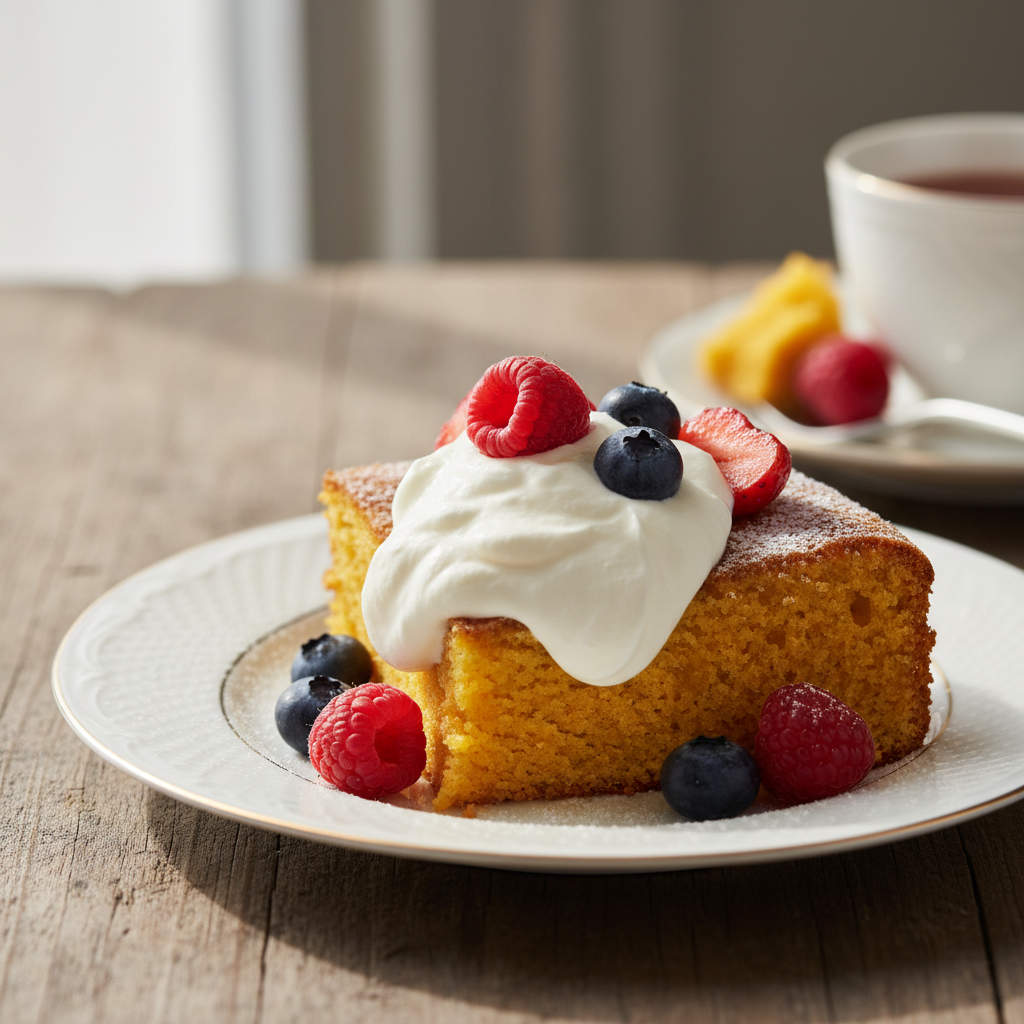
This soft and citrusy orange cake is delicious on its own, but here are a few ideas to elevate your serving experience:
- Simple Perfection: A slice with a cup of hot tea or coffee is pure bliss.
- Whipped Cream or Ice Cream: A dollop of lightly sweetened whipped cream or a scoop of vanilla bean ice cream complements the citrus beautifully.
- Fresh Berries: A handful of fresh raspberries or blueberries adds a lovely contrast in color and flavor.
- Citrus Salad: Serve alongside a small fruit salad featuring oranges, grapefruit, and mint for an extra refreshing dessert.