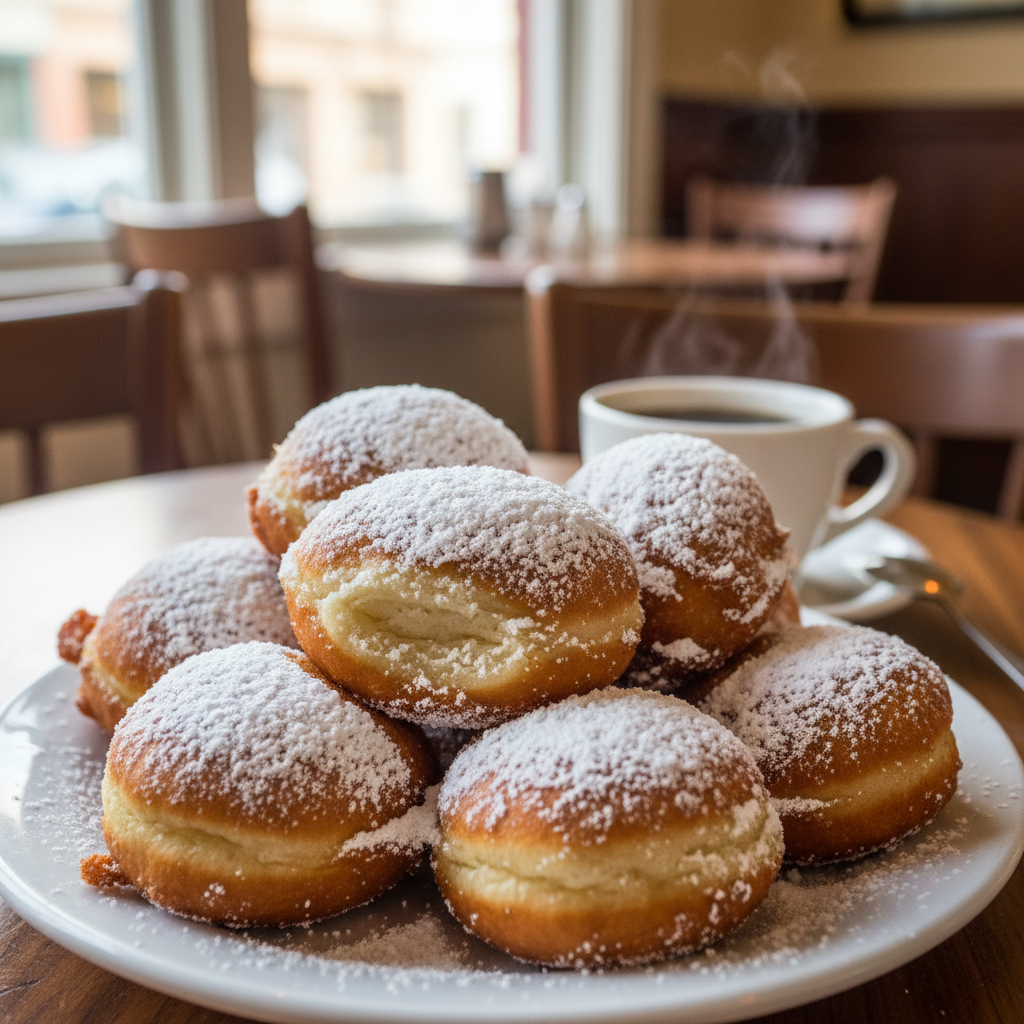
Welcome, fellow food lovers! Today, we’re taking a delicious trip straight to the heart of Louisiana to bring you a taste of pure magic—New Orleans Beignets. If you’ve ever dreamt of biting into a warm, pillowy cloud of fried dough, generously dusted with powdered sugar, then you’re in the right place. This isn’t just a recipe; it’s an invitation to experience a culinary tradition that’s as rich and vibrant as the city itself. Forget complicated techniques; we’re breaking it down into simple, easy-to-follow steps so you can create these iconic treats right in your own kitchen. Get ready to fill your home with the sweet aroma of freshly made beignets and delight everyone you share them with!
History – A Sweet Tale from the Big Easy
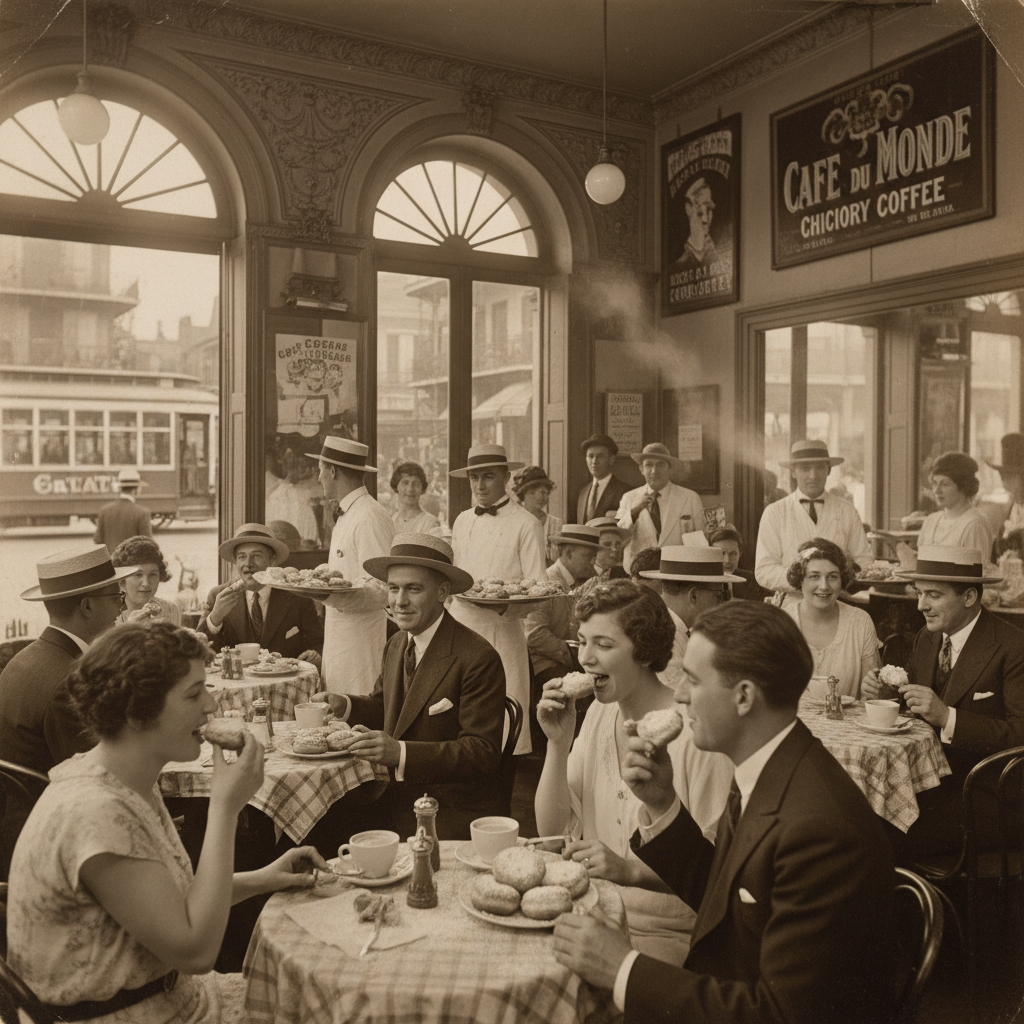
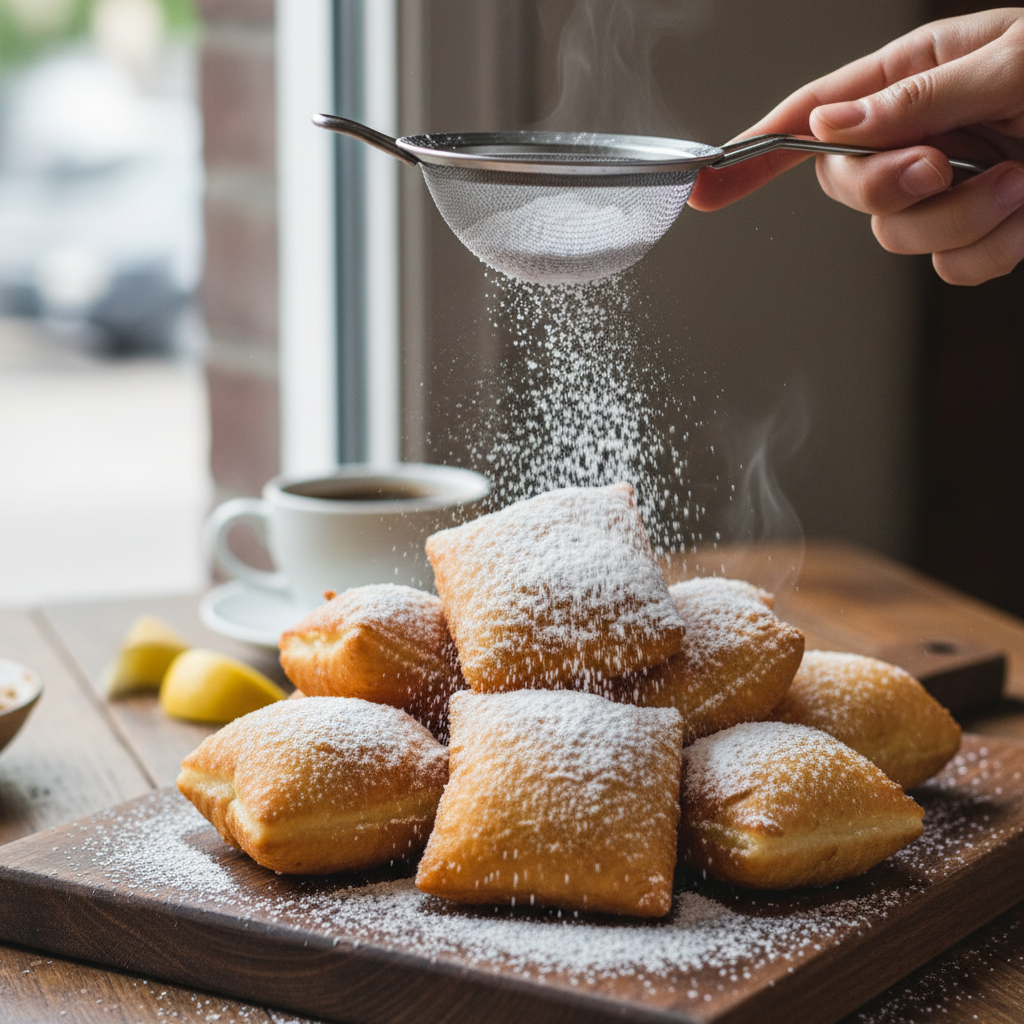
The story of beignets in New Orleans is as captivating as their taste. These delightful fried dough pastries actually have roots stretching back to ancient Rome, making their way through France and eventually across the Atlantic with French colonists. When the Acadians, or Cajuns, were expelled from Canada and settled in Louisiana, they brought their culinary traditions, including a version of these fritters. However, it was truly in New Orleans that the beignet found its most famous home. It became a staple at the iconic Café Du Monde, a landmark institution that has been serving coffee and beignets 24/7 since 1862. Traditionally, beignets are square pieces of dough, fried until golden and puffy, and then showered with a mountain of powdered sugar. They’re more than just a dessert; they’re a symbol of New Orleans culture, often enjoyed with a cup of strong café au lait. Making them at home connects you to this wonderful, delicious history.
Why You’ll Love This Recipe
- Beginner-Friendly This recipe is designed for home cooks of all skill levels.
- Authentic Flavor Experience the true taste of New Orleans without leaving your kitchen.
- Light and Fluffy Texture Achieve that perfect, airy, melt-in-your-mouth consistency.
- Perfect for Sharing Ideal for breakfasts, brunches, or special dessert occasions.
- Customizable Easy to adapt with your favorite toppings or flavor variations.
Ingredient Notes
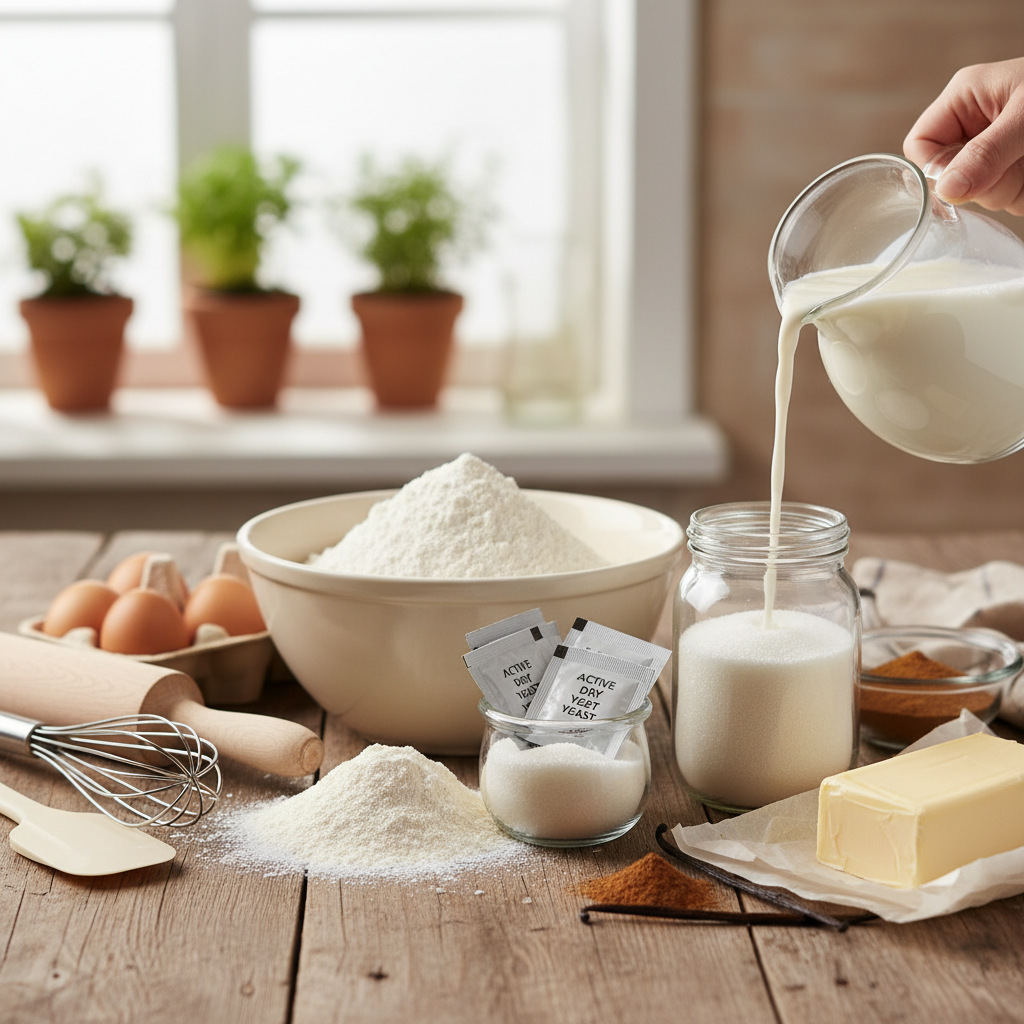
Making great beignets starts with understanding your ingredients. While the list is simple, each component plays a crucial role.
- Active Dry Yeast This is what gives your beignets their signature fluffy texture. Make sure it’s fresh for the best rise.
- Warm Water and Milk The liquid base helps activate the yeast and creates a tender dough. Ensure the temperature is just right—around 105-115°F (40-46°C)—not too hot to kill the yeast, not too cold to inhibit it.
- Granulated Sugar Sweetens the dough subtly and aids in yeast activation.
- Egg Adds richness, flavor, and helps bind the dough.
- All-Purpose Flour The main structure of your beignet. Don’t overmix once added.
- Salt Balances the sweetness and enhances flavor.
- Unsalted Butter Adds tenderness and a lovely buttery flavor to the dough.
- Vegetable Oil (for frying) Choose a neutral oil with a high smoke point like canola, peanut, or vegetable oil.
- Powdered Sugar (for dusting) The essential finishing touch!
Equipment Needed
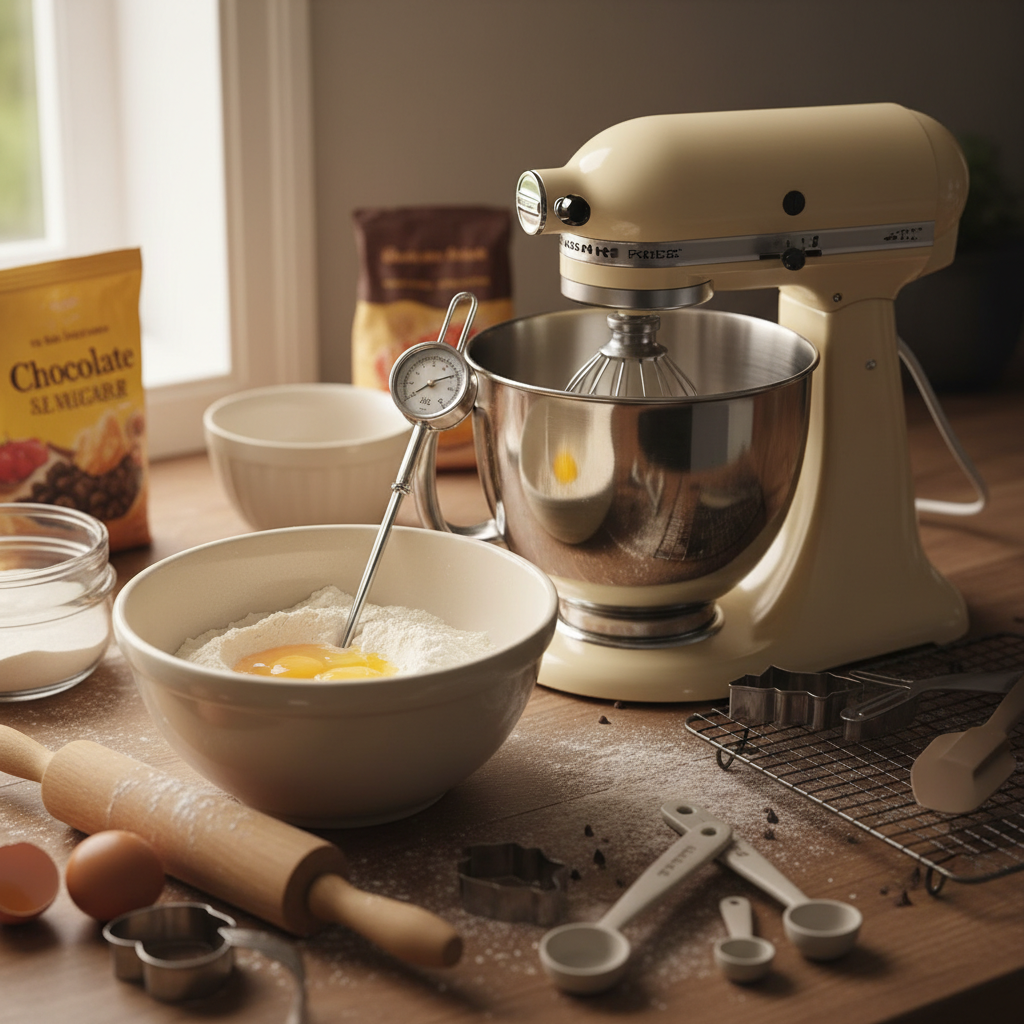
Having the right tools makes the process smoother and more enjoyable.
- Large Mixing Bowl or Stand Mixer For mixing and kneading the dough. A stand mixer with a dough hook makes it effortless.
- Measuring Cups and Spoons For accurate ingredient measurements.
- Heavy-Bottomed Pot or Dutch Oven Essential for safe and even deep frying.
- Deep-Fry Thermometer Crucial for maintaining the correct oil temperature.
- Slotted Spoon or Spider Skimmer For safely removing fried beignets from the oil.
- Paper Towel-Lined Baking Sheet For draining excess oil from the fried beignets.
- Fine-Mesh Sieve For dusting powdered sugar evenly.
Full Recipe Card
Ingredients
- 1 ½ cups warm water (105-115°F / 40-46°C)
- 1 packet (2 ¼ teaspoons) active dry yeast
- ½ cup granulated sugar, plus 1 teaspoon
- 1 teaspoon salt
- 1 cup warm milk (105-115°F / 40-46°C)
- 1 large egg, beaten
- 7 cups all-purpose flour, divided
- ¼ cup unsalted butter, melted
- Vegetable oil, for deep frying
- Powdered sugar, for dusting
Instructions
- Activate the Yeast In a large mixing bowl or the bowl of a stand mixer, combine the warm water, yeast, and 1 teaspoon of granulated sugar. Let it sit for 5-10 minutes until foamy. This indicates the yeast is active.
- Combine Wet Ingredients To the foamy yeast mixture, add the remaining ½ cup granulated sugar, salt, warm milk, beaten egg, and melted butter. Mix well until combined.
- Add Flour Gradually add 6 cups of the all-purpose flour, one cup at a time, mixing until just combined after each addition. The dough will be sticky.
- Knead the Dough If using a stand mixer, attach the dough hook and knead on medium-low speed for 8-10 minutes, or until the dough is smooth and elastic, adding the remaining 1 cup of flour as needed to prevent excessive stickiness. If kneading by hand, turn the dough out onto a lightly floured surface and knead for 10-15 minutes.
- First Rise Lightly grease a large bowl. Place the dough in the bowl, turning once to coat. Cover the bowl with plastic wrap or a clean kitchen towel and let it rise in a warm place for 1.5-2 hours, or until doubled in size.
- Chill the Dough Once doubled, gently punch down the dough. You can either proceed to frying immediately or, for best results and easier handling, cover and refrigerate the dough for at least 4 hours, or preferably overnight. Chilled dough is less sticky and easier to roll.
- Prepare for Frying On a lightly floured surface, roll out the chilled dough to about ¼ inch thickness. Using a sharp knife or pizza cutter, cut the dough into 2-inch squares.
- Heat the Oil In a heavy-bottomed pot or Dutch oven, pour enough vegetable oil to reach a depth of 3-4 inches. Heat the oil over medium-high heat to 350°F (175°C). Use a deep-fry thermometer to monitor the temperature.
- Fry the Beignets Carefully place 3-4 beignet squares into the hot oil, ensuring not to overcrowd the pot. Fry for 1-2 minutes per side, or until golden brown and puffed up.
- Drain and Dust Using a slotted spoon or spider skimmer, remove the fried beignets and place them on a paper towel-lined baking sheet to drain excess oil.
- Serve Immediately While still warm, generously dust the beignets with powdered sugar using a fine-mesh sieve. Serve immediately and enjoy!
Notes
- For the best texture, ensure your yeast is active.
- Maintain consistent oil temperature for even cooking.
- Don’t overcrowd the pot when frying, as it lowers the oil temperature.
- Beignets are best served fresh and warm.
Tips & Variations
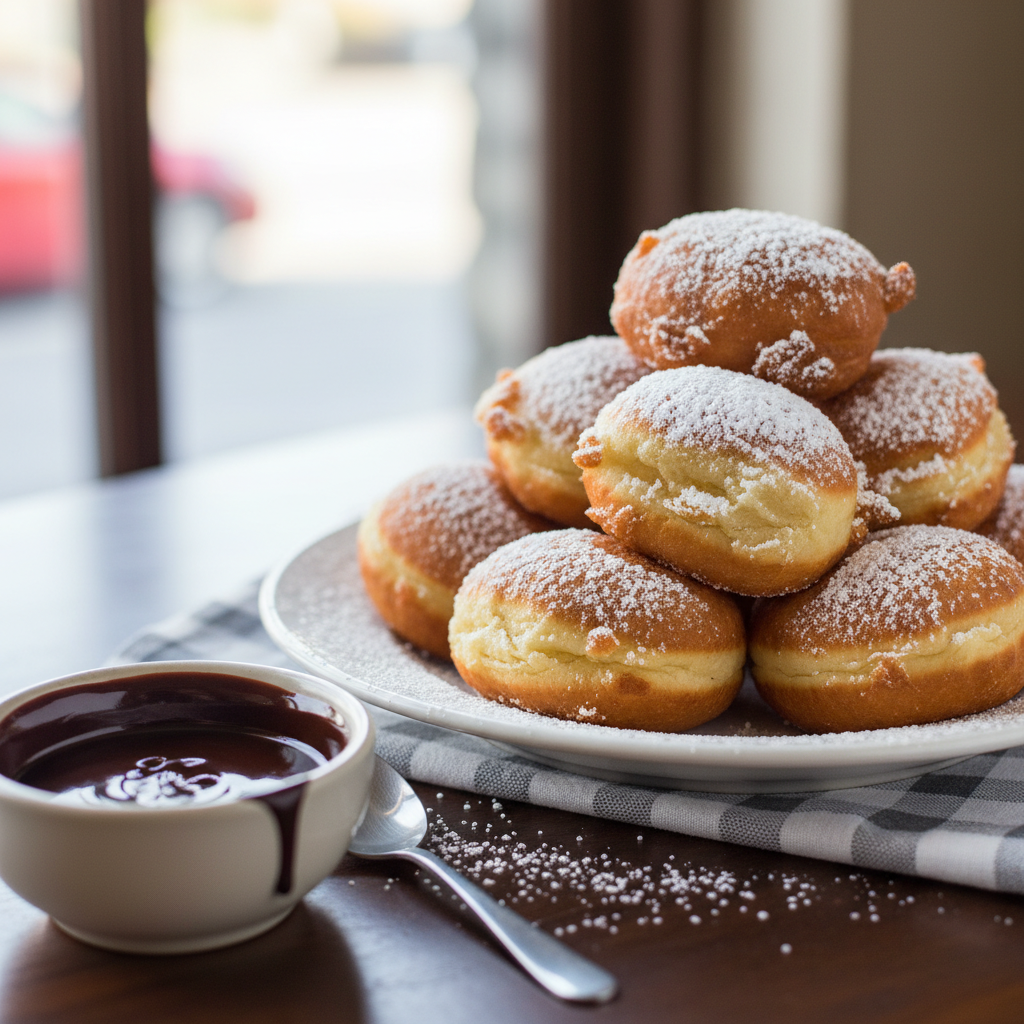
- Flavor Boost Add a teaspoon of vanilla extract or a pinch of nutmeg to the dough for extra flavor.
- Citrus Zest Incorporate orange or lemon zest into the dough for a bright, refreshing twist.
- Chocolate Drizzle After dusting with powdered sugar, drizzle with a warm chocolate sauce for an indulgent treat.
- Savory Beignets For a fun variation, omit the sugar in the dough and serve with savory toppings like cheese or herbs.
Pro Chef Tips
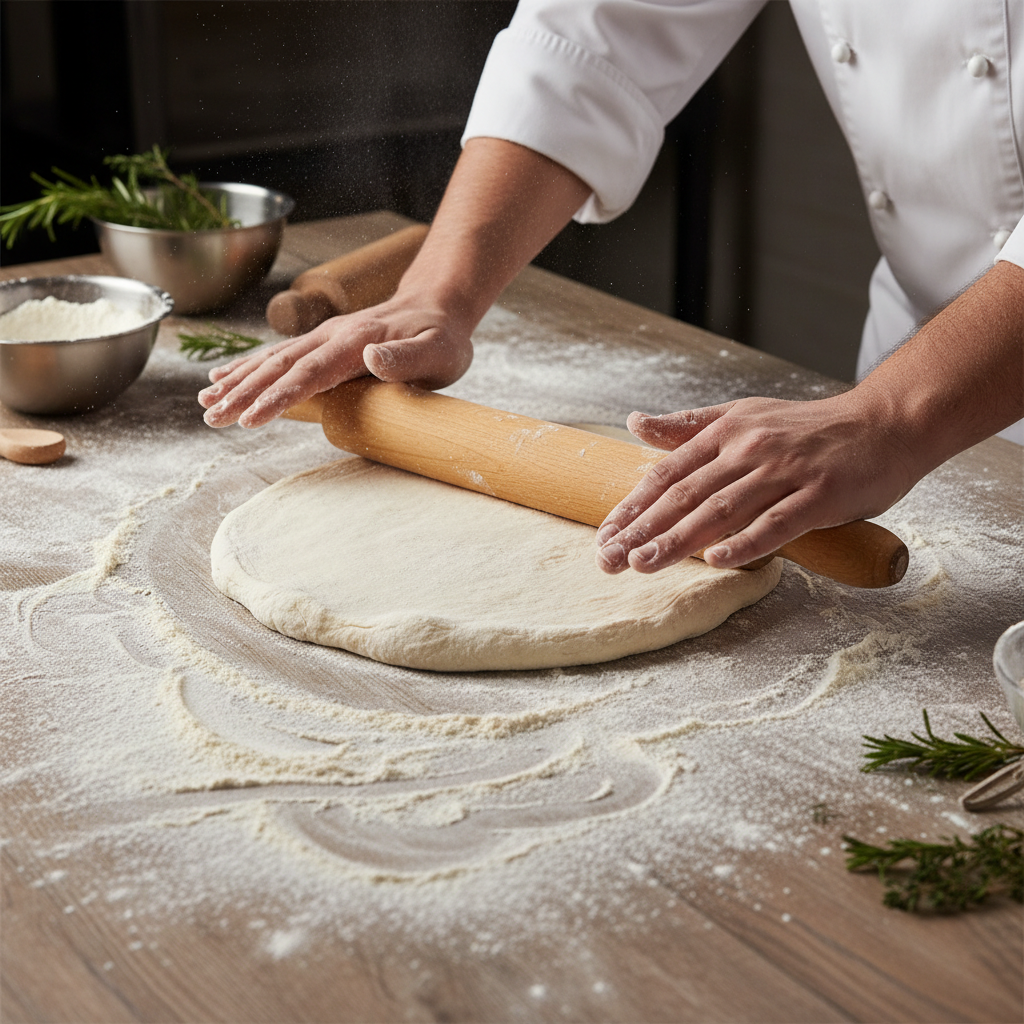
- Don’t Rush the Rise Patience is key for light, airy beignets. Allow the dough ample time to rise.
- Chilling is Your Friend Chilling the dough overnight makes it much easier to handle and cut, resulting in cleaner edges and a more consistent fry.
- Temperature Control A deep-fry thermometer is non-negotiable. Consistent oil temperature prevents greasy beignets or burnt exteriors with raw interiors.
- Dust Generously Don’t be shy with the powdered sugar! It’s part of the authentic experience. Dust them while they’re warm so the sugar adheres nicely.
Common Mistakes to Avoid
- Overworking the Dough This can lead to tough, chewy beignets instead of light and fluffy ones. Mix until just combined, then knead only until smooth and elastic.
- Incorrect Oil Temperature Too low, and your beignets will absorb too much oil and be greasy. Too high, and they’ll burn on the outside before cooking through.
- Overcrowding the Pot This drops the oil temperature significantly, leading to unevenly cooked and greasy beignets. Fry in small batches.
- Not Sifting Powdered Sugar Sifting ensures a smooth, even coating without clumps.
Storage & Meal Prep
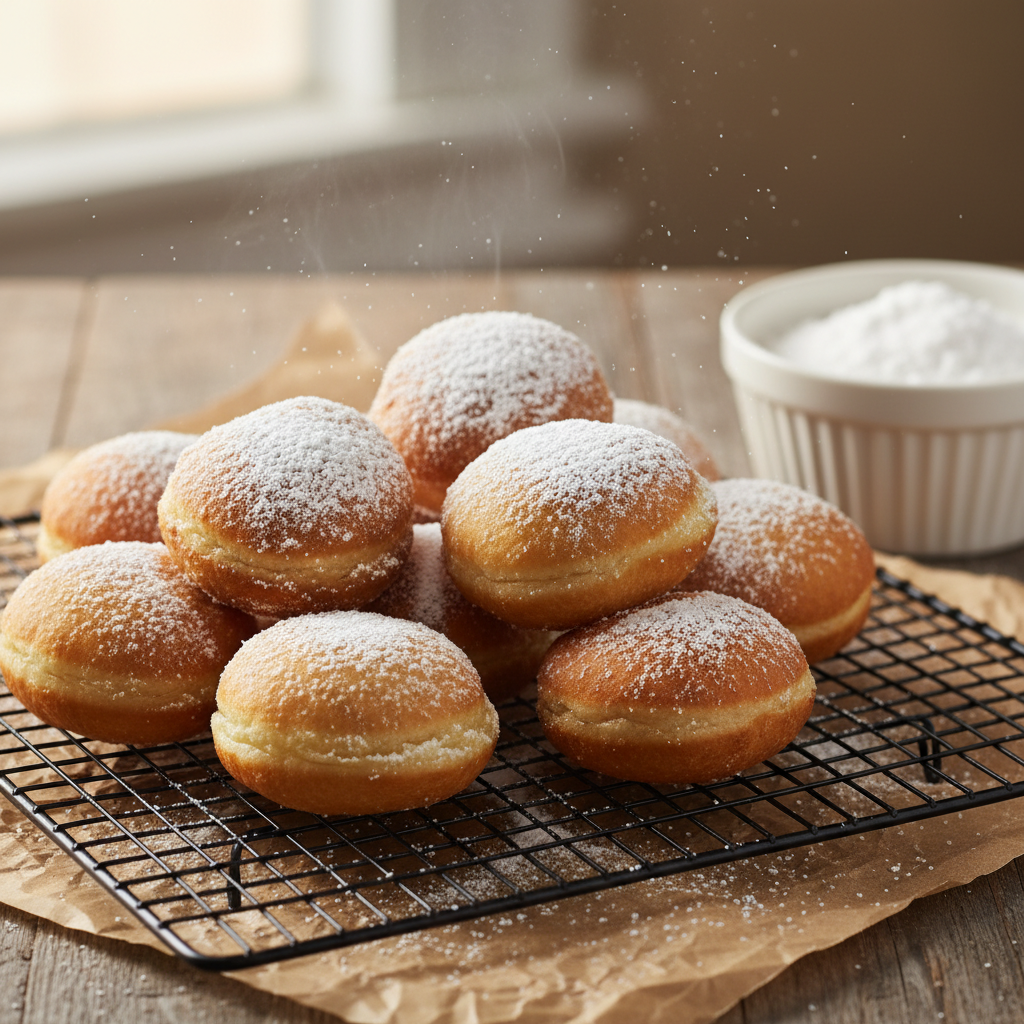
Beignets are truly best enjoyed fresh and warm, right after frying. However, if you have leftovers, you can store them in an airtight container at room temperature for up to 1 day. They will lose some of their crispness and fluffiness, but they’ll still be tasty. Reheat them briefly in a toaster oven or air fryer to regain some warmth and crispness, then dust with fresh powdered sugar.
Make-Ahead & Freezer Notes
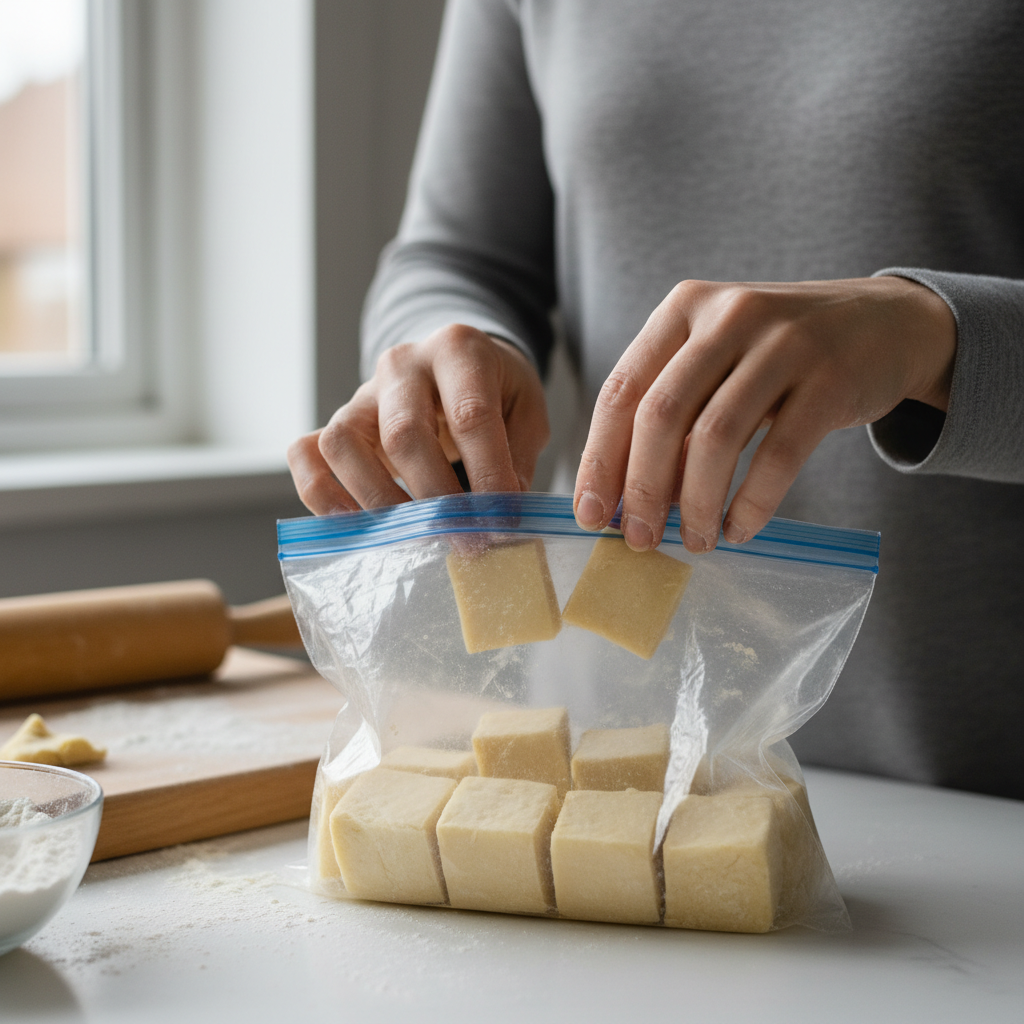
You can prepare the dough ahead of time! After the first rise, punch down the dough and refrigerate it for up to 24 hours. This actually improves the flavor and makes the dough easier to handle. You can also freeze the un-fried dough squares. Cut the dough into squares, arrange them in a single layer on a baking sheet, and freeze until solid. Once frozen, transfer them to a freezer-safe bag or container for up to 1 month. When ready to fry, thaw the dough squares in the refrigerator for a few hours, then bring them to room temperature for about 30 minutes before frying as usual.
Serving Suggestions
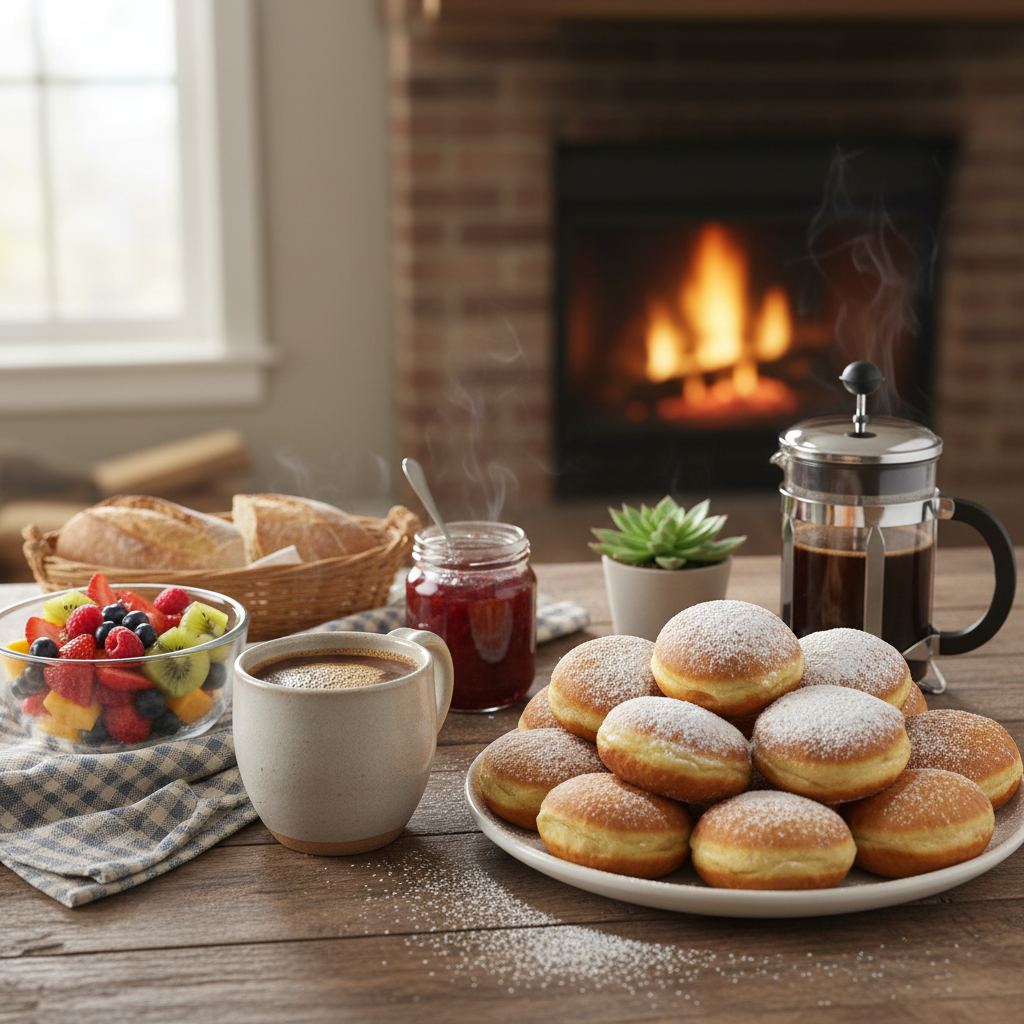
Traditionally, beignets are served hot with a generous dusting of powdered sugar and a strong cup of café au lait. But don’t stop there! Here are a few other delightful ways to enjoy your homemade beignets:
- With Coffee or Tea The classic pairing that never disappoints.
- Dipping Sauces Offer a side of warm chocolate sauce, caramel sauce, or a berry compote.
- Fresh Fruit A light counterpoint to the sweetness—serve with sliced strawberries, blueberries, or raspberries.
- Brunch Star Make them the star of your next brunch spread alongside eggs, bacon, and