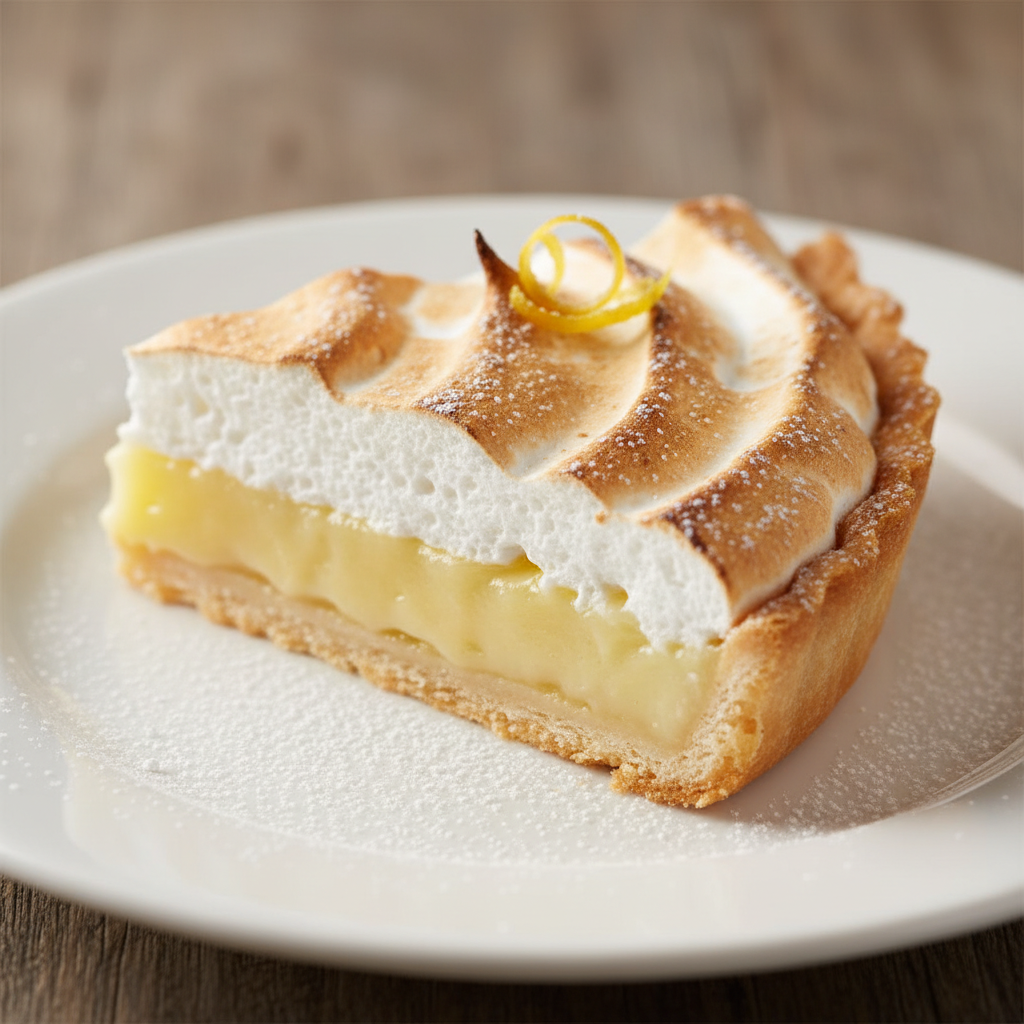
Oh, the joy of a perfect Lemon Meringue Pie! It’s a dessert that truly sings, isn’t it? That irresistible combination of bright, tangy lemon custard, a cloud of sweet, airy meringue, and a crisp, buttery crust is pure magic. If you’ve ever dreamt of baking this iconic American dessert from scratch but felt a little intimidated, you’ve come to the right place. We’re about to embark on a delicious journey that will have you whipping up a show-stopping Lemon Meringue Pie that tastes like sunshine on a plate. Get ready to impress!
A Sweet History and Background

While the exact origins of lemon meringue pie are a bit debated, its popularity soared in America during the 19th century. Early versions of lemon custard pies existed, and meringue itself dates back much further in European cuisine. However, it was truly in American kitchens that the two came together to create the beloved dessert we know today. It became a staple at family gatherings, potlucks, and holiday tables, cherished for its vibrant flavor and elegant presentation. It’s a dessert with a comforting, nostalgic feel, often passed down through generations.
Why You’ll Love This Recipe
- Beginner-Friendly: We break down each step so it’s easy to follow, even if you’re new to pie making.
- Perfect Balance of Flavors: The lemon filling is wonderfully tart, perfectly complemented by the sweet meringue.
- Impressive Presentation: This pie looks absolutely stunning, making it perfect for any special occasion.
- Classic Comfort: It’s a timeless dessert that brings a smile to everyone’s face.
- Fresh Ingredients Shine: Using fresh lemon juice makes all the difference!
Ingredient Notes

Every great recipe starts with great ingredients. Here’s a quick rundown of what you’ll need and why they’re important:
- For the Crust: A good store-bought pie crust works wonderfully for convenience, or try your hand at a homemade one for extra flakiness. Butter is key for flavor!
- For the Lemon Filling:
- Fresh Lemons: Don’t skimp here! Freshly squeezed lemon juice and zest provide that vibrant, tangy flavor.
- Granulated Sugar: Balances the tartness of the lemon.
- Cornstarch: Our secret weapon for a perfectly thick, set filling.
- Egg Yolks: Give the filling richness and a beautiful yellow color.
- Butter: Adds silkiness and flavor to the cooked filling.
- For the Meringue:
- Egg Whites: The star of the show! Make sure they are at room temperature for the best volume.
- Granulated Sugar: Stabilizes the meringue and adds sweetness.
- Cream of Tartar (optional but recommended): Helps stabilize the egg whites, making your meringue more robust.
- Vanilla Extract: A touch for extra flavor.
Equipment Needed

You don’t need a professional kitchen, but a few key tools will make your pie-making experience much smoother:
- 9-inch pie plate
- Medium saucepan
- Whisk
- Rubber spatula
- Measuring cups and spoons
- Hand mixer or stand mixer with whisk attachment
- Small heatproof bowls
- Zester/grater (for lemon zest)
- Juicer (for fresh lemon juice)
Full Recipe Card
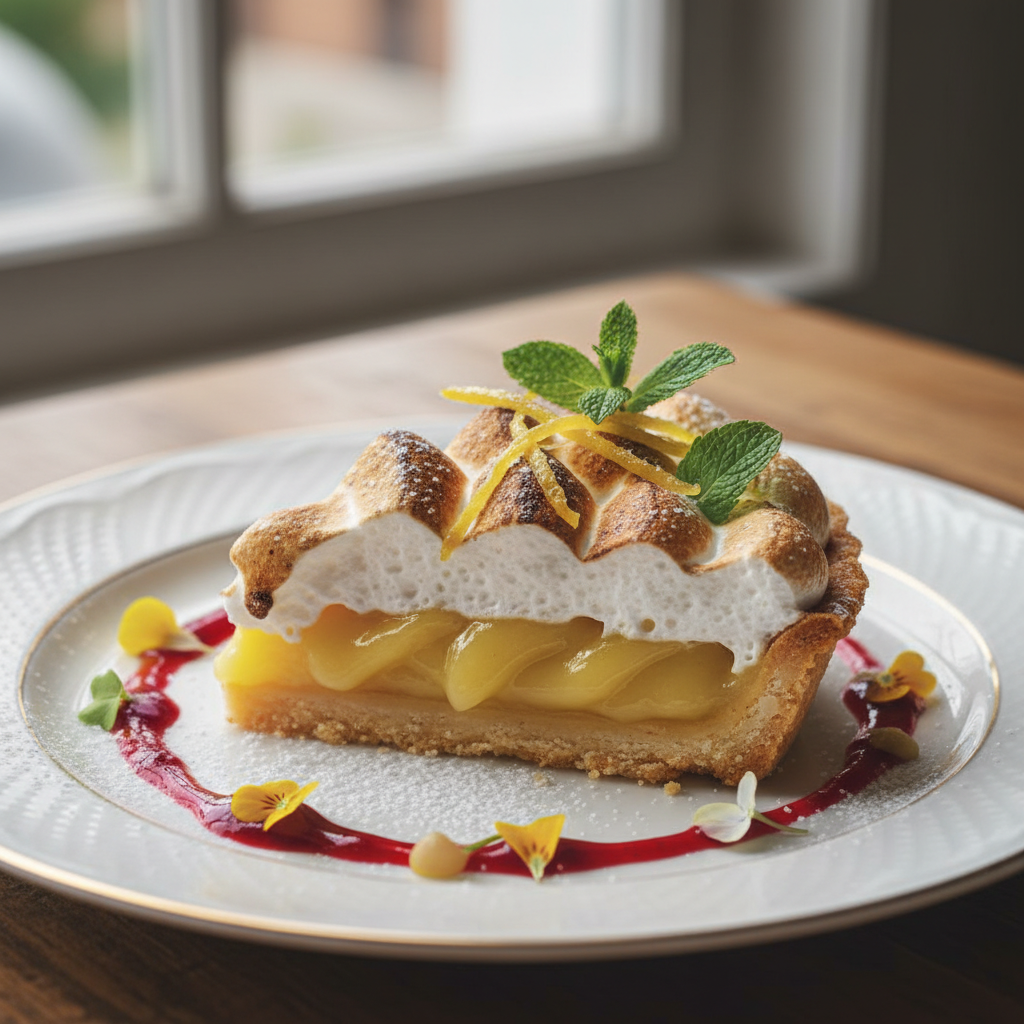
Let’s get baking!
Ingredients
For the Pie Crust
- 1 (9-inch) unbaked pie crust (store-bought or homemade)
For the Lemon Filling
- 1 ½ cups granulated sugar
- ¼ cup cornstarch
- ¼ teaspoon salt
- 1 ½ cups cold water
- 4 large egg yolks, lightly beaten
- ½ cup fresh lemon juice (from about 3-4 lemons)
- 2 tablespoons lemon zest
- 4 tablespoons unsalted butter, cut into pieces
For the Meringue
- 4 large egg whites (room temperature)
- ¼ teaspoon cream of tartar (optional)
- ½ cup granulated sugar
- ½ teaspoon vanilla extract
Instructions
- Prepare the Pie Crust: Preheat your oven to 375°F (190°C). Prick the bottom and sides of the pie crust with a fork. Bake for 12-15 minutes, or until lightly golden. Remove from oven and let cool completely on a wire rack. Reduce oven temperature to 350°F (175°C).
- Make the Lemon Filling: In a medium saucepan, whisk together 1 ½ cups sugar, cornstarch, and salt. Gradually whisk in the cold water until smooth.
- Cook the Filling: Cook over medium heat, stirring constantly, until the mixture thickens and comes to a boil. Boil for 1 minute, stirring. Remove from heat.
- Temper Egg Yolks: In a small bowl, whisk the beaten egg yolks. Slowly drizzle about ½ cup of the hot sugar mixture into the egg yolks, whisking constantly to temper them. This prevents the eggs from scrambling.
- Combine and Cook Again: Pour the tempered egg yolk mixture back into the saucepan with the remaining hot mixture. Return to medium-low heat and cook, stirring constantly, for 1-2 minutes, until thickened. Do not boil.
- Finish the Filling: Remove from heat. Stir in the lemon juice, lemon zest, and butter until the butter is melted and fully incorporated. Pour the hot lemon filling into the cooled, pre-baked pie crust.
- Prepare the Meringue: In a clean, dry bowl of a stand mixer (or using a hand mixer), beat the room temperature egg whites and cream of tartar (if using) on medium speed until soft peaks form.
- Add Sugar to Meringue: Gradually add the ½ cup granulated sugar, 1 tablespoon at a time, beating on high speed until stiff, glossy peaks form and the sugar is dissolved. Beat in the vanilla extract.
- Top the Pie: Spoon or pipe the meringue over the hot lemon filling, spreading it all the way to the edges of the crust to seal it (this prevents the meringue from shrinking). Create decorative swirls with the back of a spoon.
- Bake the Pie: Bake at 350°F (175°C) for 12-15 minutes, or until the meringue is golden brown.
- Cool and Chill: Let the pie cool completely on a wire rack at room temperature for at least 3-4 hours, then chill in the refrigerator for another 2-3 hours before slicing and serving. This allows the filling to fully set.
Notes
For the best results, ensure your egg whites for the meringue are completely free of any yolk or grease, as this can prevent them from whipping up properly. Using a glass or metal bowl is often recommended over plastic, which can retain grease.
Tips & Variations

- Lime Meringue Pie: Swap out lemon juice and zest for fresh lime for a zesty twist.
- Toasted Coconut Meringue: Fold a quarter cup of toasted shredded coconut into your meringue before topping the pie.
- Graham Cracker Crust: For a different texture, use a graham cracker crust instead of a traditional pastry crust.
- Individual Tarts: Bake in mini tart shells for charming individual servings.
- Extra Zest: If you love a super lemony flavor, feel free to add an extra teaspoon of lemon zest to the filling.
Pro Chef Tips
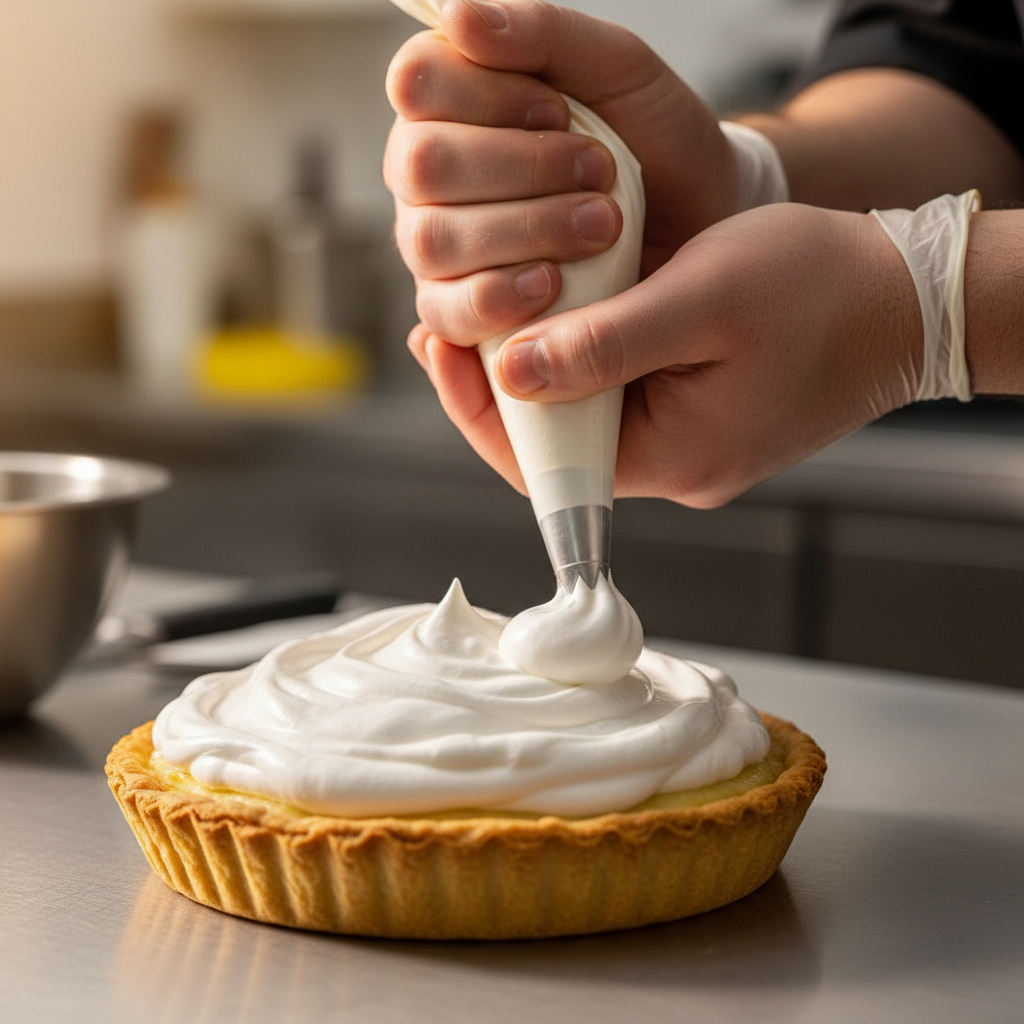
- Room Temperature Eggs: For the meringue, using room temperature egg whites helps them whip up to maximum volume and stability.
- Clean Bowl for Meringue: Any trace of fat (from yolks or grease) will prevent your egg whites from whipping. Ensure your bowl and whisk are impeccably clean.
- Temper the Yolks Properly: Don’t rush the tempering process. Slowly adding hot mixture to the yolks while whisking prevents them from curdling.
- Seal the Meringue: Make sure the meringue touches the crust all around the edge. This ‘seals’ the meringue and helps prevent it from weeping or shrinking.
- Cool Completely: Patience is a virtue here! Cooling the pie completely, first at room temperature and then in the fridge, is crucial for the filling to set properly and for clean slices.
Common Mistakes to Avoid
- Scrambled Egg Filling: Adding hot liquid to egg yolks too quickly without tempering will cook the yolks into scrambled eggs. Go slow!
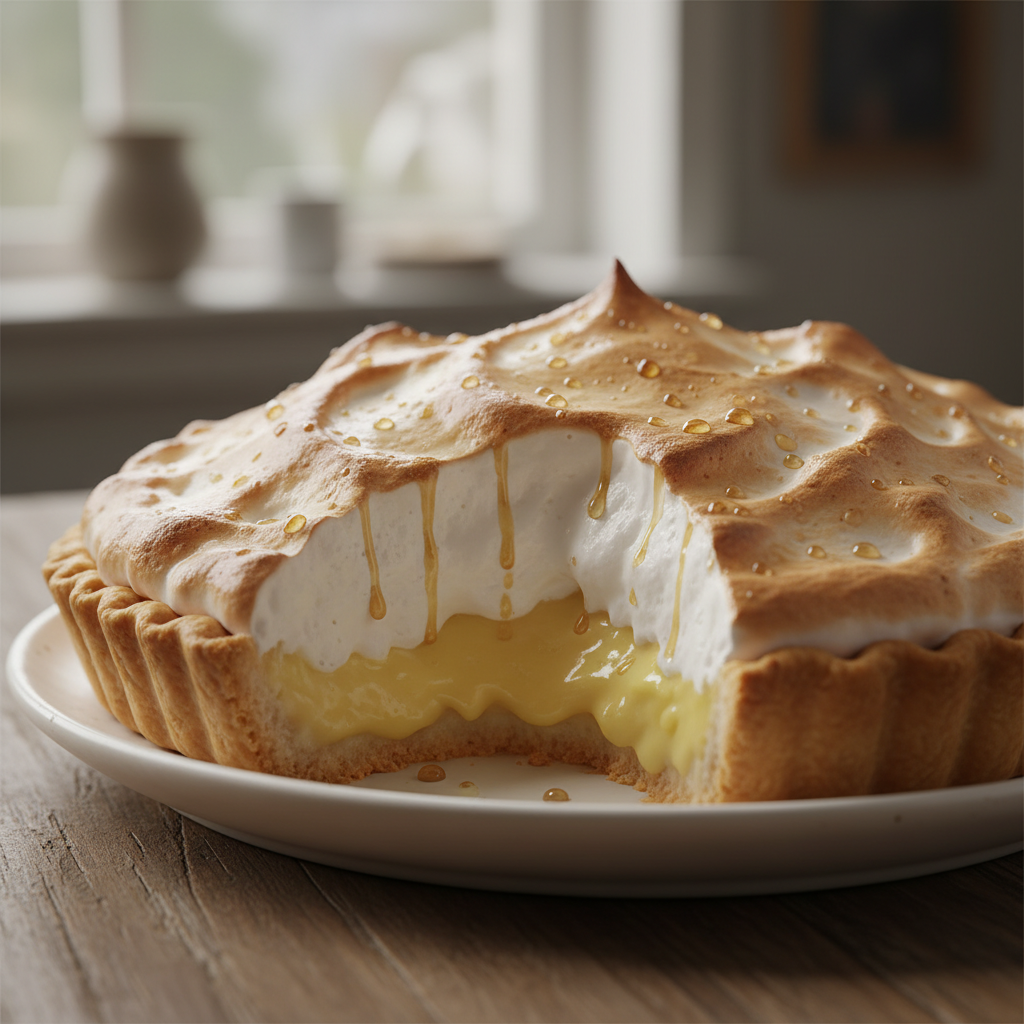
- Weeping Meringue: This often happens if the meringue isn’t cooked enough, or if it’s placed on a cold filling. Ensure your filling is still warm when you top it with meringue, and bake until golden. Overbeating egg whites can also cause weeping.
- Shrinking Meringue: Not sealing the meringue to the crust’s edge can cause it to pull back from the sides as it cools.
- Soggy Crust: Undercooking the crust or not cooling it completely before adding the filling can lead to a soggy bottom.
- Cloudy Filling: Not cooking the cornstarch mixture long enough can result in a cloudy, rather than clear, lemon filling.
Storage & Meal Prep
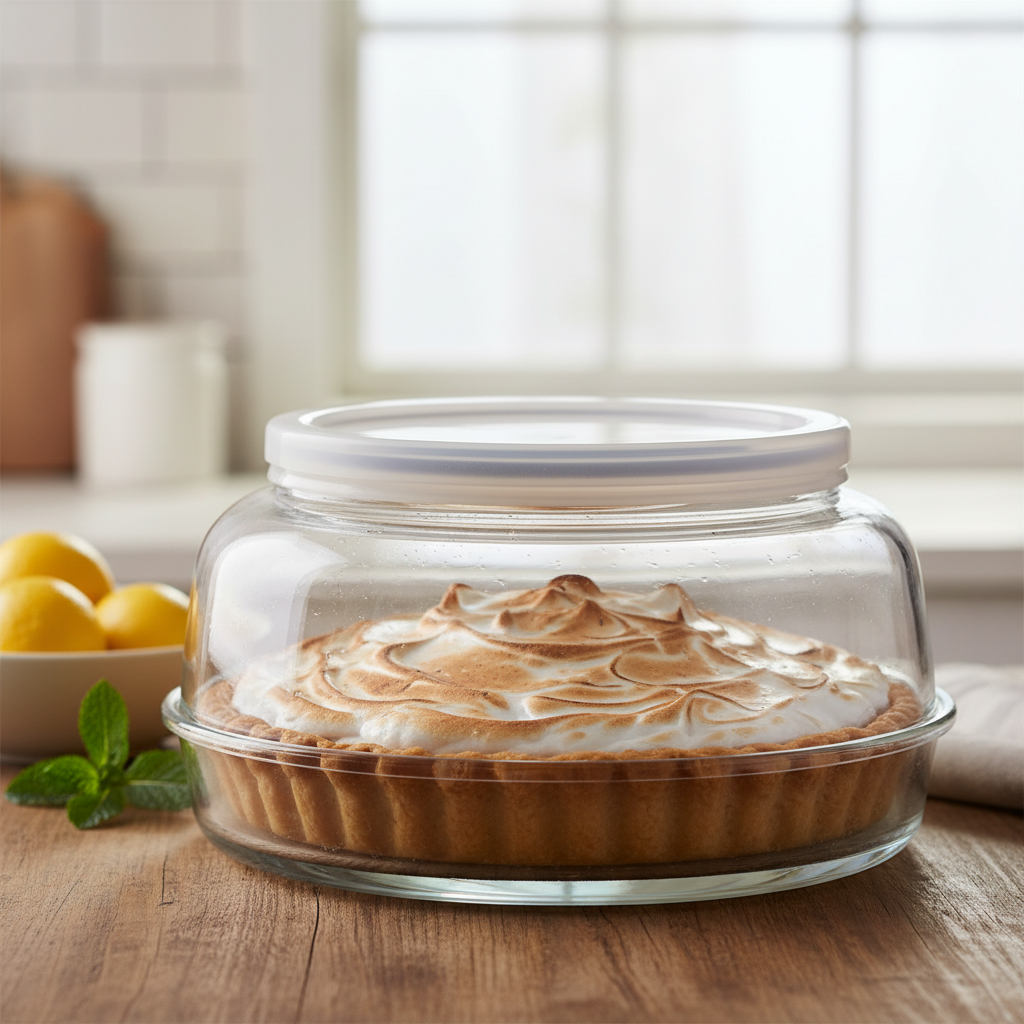
Lemon meringue pie is best enjoyed fresh, but you can certainly store leftovers. Keep the pie loosely covered with plastic wrap or in an airtight container in the refrigerator for up to 2-3 days. The meringue tends to soften and