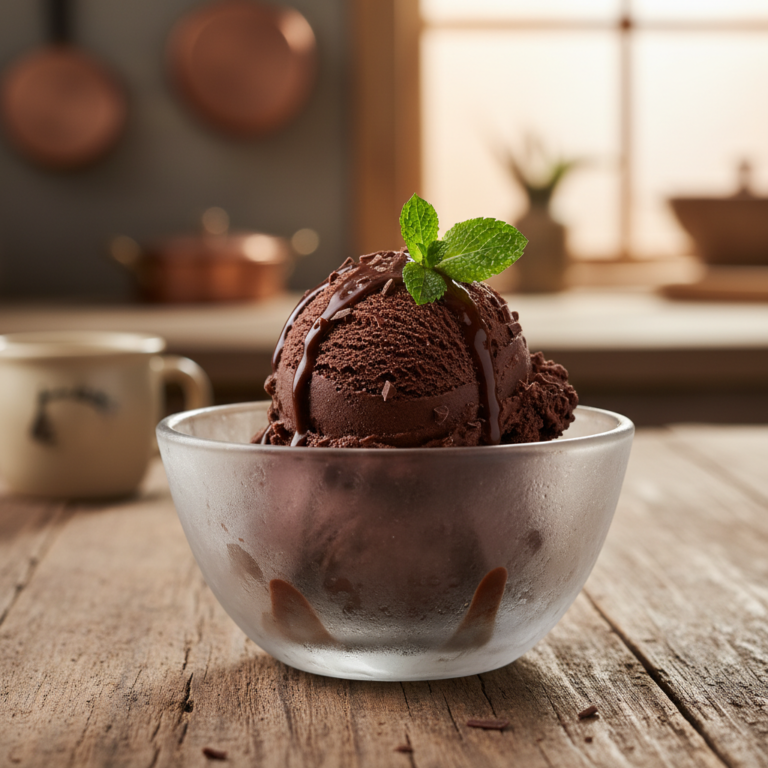
Is there anything more nostalgic and satisfying than biting into a perfect ice cream sandwich on a warm day? That combination of soft, chewy cookies with creamy, cold ice cream in the middle is pure summer magic. But here’s the thing: homemade ice cream sandwiches are about a million times better than anything you can buy at the store, and they’re surprisingly easy to make!
Today, I’m sharing my ultimate ice cream sandwich recipe that uses soft, bakery-style chocolate cookies and your favorite ice cream to create the most amazing frozen treats. These aren’t those rock-hard, cardboard-tasting sandwiches from the supermarket. These are the real deal with cookies that stay soft and chewy even when frozen, and generous layers of ice cream that won’t squeeze out when you take a bite. Whether you’re making these for a summer party, a special treat for the kids, or just because you deserve something wonderful, this recipe will become your go-to. Let me show you exactly how to make ice cream sandwich perfection!
History / Background
The ice cream sandwich has a delightfully debated history with several people claiming to have invented this beloved frozen treat. The most widely accepted story dates back to 1899 in New York City, where a pushcart vendor supposedly placed a scoop of ice cream between two thin graham wafers, creating an easy-to-eat portable dessert for busy New Yorkers.
However, the ice cream sandwich as we know it today really took off in the early 1900s during the rise of ice cream parlors and soda fountains. These establishments began serving ice cream between cookies or wafers as a convenient way for customers to enjoy their frozen treats without needing a spoon or sitting down. It was the original grab-and-go dessert!
The commercial ice cream sandwich gained massive popularity in 1945 when Jerry Newberg created a machine that could mass-produce them. This innovation made ice cream sandwiches affordable and accessible to everyone, and they quickly became a staple of ice cream trucks and convenience stores across America. Those classic chocolate wafer versions with vanilla ice cream became synonymous with childhood summers and warm afternoons.
In recent decades, ice cream sandwiches have undergone a gourmet makeover. Bakeries and ice cream shops started making artisanal versions with oversized cookies, unique ice cream flavors, and creative additions like rolled edges in sprinkles, nuts, or chocolate chips. This artisan approach inspired home bakers to create their own versions, proving that the best ice cream sandwiches don’t come from a box, they come from your own kitchen!
Today, homemade ice cream sandwiches represent the perfect blend of nostalgia and creativity. You can customize everything from cookie flavor to ice cream choice, creating combinations that are uniquely yours and infinitely better than store-bought versions.
Why You’ll Love This Recipe
- Incredibly Soft Cookies: These cookies stay soft and chewy even when frozen, so you don’t have to wait for them to thaw before eating.
- Completely Customizable: Choose any ice cream flavor you love and mix and match to create endless combinations.
- Kid-Friendly Project: Children love helping make these! It’s a fun activity that results in a delicious reward.
- No Special Equipment Needed: You don’t need an ice cream maker or any fancy tools, just basic baking supplies.
- Make-Ahead Perfection: These freeze beautifully for up to 2 months, so you can always have a stash ready.
- Better Ingredients: You control exactly what goes into your treats, no weird additives or preservatives.
- Impressive Presentation: Rolled edges in sprinkles or mini chocolate chips make these look bakery-professional.
- Budget-Friendly: Making these at home costs less than buying premium ice cream sandwiches from the store.
- Perfect for Parties: Make a batch ahead and pull them out when guests arrive. Everyone loves them!
- Fun Flavor Combinations: Try cookies and cream, mint chocolate chip, strawberry with chocolate cookies, the possibilities are endless.
- Great Gift Idea: Package them in a cooler for a unique and thoughtful homemade gift.
Ingredient Notes
For the Chocolate Cookies:
All-Purpose Flour: The base of your cookies. Measure by spooning flour into your measuring cup and leveling it off. Don’t pack it down or scoop directly from the bag, this adds too much flour and makes cookies cakey instead of chewy.
Dutch-Process Cocoa Powder: This creates rich, dark chocolate cookies. Dutch-process cocoa is treated to reduce acidity, giving a smoother, deeper chocolate flavor. If you only have natural cocoa powder, that works too, but the cookies will be slightly lighter in color.
Baking Soda: This is your leavening agent that helps the cookies spread slightly and creates a tender texture. Make sure yours is fresh for the best results.
Salt: Enhances the chocolate flavor and balances the sweetness. Don’t skip it!
Unsalted Butter: Use real butter at room temperature for the best flavor and texture. Room temperature means soft enough to leave an indentation when pressed, but still holding its shape.
Granulated Sugar: Provides sweetness and helps create that slightly crispy edge while keeping the center soft.
Brown Sugar: Adds moisture and that wonderful caramel-like flavor. Light or dark brown sugar both work, dark gives a deeper molasses flavor.
Egg: Binds everything together and adds richness. Use a large egg at room temperature for best incorporation.
Vanilla Extract: Use pure vanilla extract for the best flavor. It enhances the chocolate and adds depth.
For the Ice Cream:
Your Favorite Ice Cream: This is where you get to be creative! Use any flavor you love. Slightly softened ice cream is easier to spread but shouldn’t be melted. Let it sit at room temperature for 5 to 10 minutes before assembling.
Optional Roll-Ins: Mini chocolate chips, sprinkles, chopped nuts, crushed cookies, or anything else you’d like to roll the edges in for decoration and extra flavor.
Equipment Needed
Baking Sheets: You’ll need at least two, preferably three, since you’ll be baking multiple batches of cookies. Line them with parchment paper or silicone baking mats.
Parchment Paper: Essential for preventing sticking and ensuring easy cleanup. Don’t skip this!
Stand Mixer or Hand Mixer: Makes mixing the cookie dough much easier, though you can mix by hand if needed.
Large Mixing Bowl: For combining your cookie dough.
Measuring Cups and Spoons: Accurate measurements ensure consistent results every time.
Cookie Scoop or Spoon: A 2-tablespoon cookie scoop creates uniform cookies that are perfect for sandwiches. Uniform size is important so all your sandwiches match!
Cooling Rack: Allows air to circulate around cookies as they cool, preventing sogginess.
Offset Spatula or Butter Knife: For spreading ice cream evenly on the cookies.
Plastic Wrap or Wax Paper: For wrapping individual ice cream sandwiches before freezing.
Freezer-Safe Container or Bags: For storing your finished ice cream sandwiches.
Small Shallow Dish (optional): If you’re rolling the edges in sprinkles or chips, a shallow dish makes this easy.
Full Recipe Card
Homemade Ice Cream Sandwiches
Prep Time: 30 minutes
Bake Time: 10 to 12 minutes per batch
Chill Time: 3 hours minimum
Total Time: 4 hours
Yield: 12 ice cream sandwiches
Difficulty: Easy
Ingredients
For the Chocolate Cookies:
- 1¾ cups (220g) all-purpose flour
- ¾ cup (65g) Dutch-process cocoa powder
- 1 teaspoon baking soda
- ½ teaspoon salt
- ¾ cup (1½ sticks/170g) unsalted butter, room temperature
- ¾ cup (150g) granulated sugar
- ¾ cup (165g) packed light brown sugar
- 1 large egg, room temperature
- 2 teaspoons pure vanilla extract
For Assembly:
- 1½ quarts (about 6 cups) ice cream, any flavor
- 1 cup mini chocolate chips, sprinkles, or chopped nuts (optional, for rolling edges)
Instructions
Step 1: Prepare for Baking
Position your oven racks in the upper and lower thirds of your oven and preheat to 350°F (175°C). Line two or three baking sheets with parchment paper and set them aside. This prep work ensures smooth baking when you’re ready.
Step 2: Mix Dry Ingredients
In a medium bowl, whisk together the flour, cocoa powder, baking soda, and salt. Whisk for about 30 seconds to make sure everything is evenly distributed, breaking up any lumps in the cocoa powder. Set this bowl aside.
Step 3: Cream Butter and Sugars
In your stand mixer bowl fitted with the paddle attachment (or using a hand mixer in a large bowl), beat the softened butter on medium speed for about 1 minute until smooth. Add both the granulated sugar and brown sugar. Beat on medium-high speed for 3 to 4 minutes until the mixture is light, fluffy, and pale. This creaming process is important for creating soft, tender cookies!
Step 4: Add Egg and Vanilla
Turn your mixer to medium speed and add the egg and vanilla extract. Beat for about 1 minute until fully incorporated and the mixture looks smooth. Scrape down the sides of the bowl with a rubber spatula to make sure everything is mixing evenly.
Step 5: Combine Wet and Dry
With your mixer on low speed, gradually add the flour mixture to the butter mixture. Mix just until you don’t see any more dry flour streaks. Don’t overmix! The dough should be thick, soft, and slightly sticky. If it seems too sticky to scoop, refrigerate it for 15 to 20 minutes.
Step 6: Shape the Cookies
Using a 2-tablespoon cookie scoop (or a regular spoon), scoop portions of dough and roll them into balls. Place them on your prepared baking sheets, spacing them about 2 inches apart. You should get about 24 cookies total. Gently flatten each ball slightly with your palm or the bottom of a glass, pressing to about ½ inch thickness. This ensures even baking and creates flat surfaces perfect for sandwiching.
Step 7: Bake
Bake for 10 to 12 minutes, rotating the baking sheets halfway through. The cookies are done when they look set around the edges but still slightly soft in the center. They’ll look a bit underdone, but they continue to set as they cool. Don’t overbake or they’ll be too hard when frozen!
Step 8: Cool Completely
Let the cookies cool on the baking sheets for 5 minutes, then transfer them to a cooling rack. Allow them to cool completely before assembling, at least 30 minutes. Warm cookies will melt your ice cream instantly!
Step 9: Prepare Ice Cream
While your cookies cool, remove your ice cream from the freezer and let it soften at room temperature for about 10 minutes. You want it soft enough to spread easily but not melted. If you’re using roll-ins like sprinkles or mini chips, pour them into a shallow dish and set aside.
Step 10: Assemble the Sandwiches
Turn half of your cookies flat-side up on your work surface (these will be the bottoms). Using an offset spatula or butter knife, spread a generous layer of ice cream (about ½ cup) on each bottom cookie, spreading it nearly to the edges. Work quickly so the ice cream doesn’t melt too much. Top with another cookie, flat-side down, pressing gently to spread the ice cream to the edges.
Step 11: Roll the Edges (Optional)
If you’re adding sprinkles, chips, or nuts, hold each sandwich on its side and gently roll the exposed ice cream edge through your toppings. Press lightly to help them adhere. This step is optional but makes them look incredibly professional!
Step 12: Freeze
Immediately wrap each ice cream sandwich individually in plastic wrap or wax paper. Place all wrapped sandwiches in a freezer-safe container or large freezer bag. Freeze for at least 3 hours or until completely firm. They’re best after freezing overnight!
Recipe Notes
- The cookies should be soft when they come out of the oven. They firm up as they cool and will be perfect when frozen.
- Work quickly when assembling so the ice cream doesn’t melt. If it starts getting too soft, pop it back in the freezer for 10 minutes.
- For perfectly uniform sandwiches, try to make all cookies the same size. A cookie scoop helps tremendously with this.
- These cookies stay soft even when frozen thanks to the brown sugar and proper baking time. Don’t overbake!
- Let sandwiches sit at room temperature for 2 to 3 minutes before eating for the best texture and flavor.
Tips & Variations
Cookie Flavor Variations: Make vanilla sugar cookies instead of chocolate for a different base. Try peanut butter cookies with chocolate ice cream, or snickerdoodles with cinnamon ice cream. The cookie possibilities are endless!
Ice Cream Flavor Ideas: Classic vanilla is wonderful, but try cookies and cream, mint chocolate chip, strawberry, coffee, salted caramel, cookie dough, or rocky road. Mix and match cookies and ice cream for unique combinations.
Peanut Butter Version: Use peanut butter cookies and chocolate ice cream for a frozen version of a peanut butter cup. Roll the edges in chopped peanuts for extra crunch.
Neapolitan Style: Use three different ice cream flavors (chocolate, vanilla, and strawberry) in layers for a striped effect when you bite in.
Brownie Ice Cream Sandwiches: Use thin, fudgy brownies instead of cookies. Cut them to size and follow the same assembly method.
Cookie Dough Addition: Press small pieces of edible cookie dough into the ice cream layer for an extra special treat.
S’mores Version: Use graham cracker cookies, chocolate ice cream, and roll the edges in crushed graham crackers and mini marshmallows.
Double Chocolate: Add ½ cup of mini chocolate chips to the cookie dough for extra chocolatey cookies.
Pro Chef Tips
Uniform Cookie Size: Use a cookie scoop for consistent sizing. This ensures all your cookies bake evenly and creates matching pairs that look professional. If you don’t have a cookie scoop, use a measuring spoon to portion the dough.
Flatten for Assembly: Pressing the dough balls flat before baking creates cookies with flat tops and bottoms, perfect for stacking. Without this step, rounded cookies create sandwiches that are hard to bite into.
Slightly Underbake: The secret to soft, chewy cookies that stay soft when frozen is to slightly underbake them. They should look barely set when you remove them from the oven. They’ll continue cooking on the hot pan.
Ice Cream Temperature: The ice cream should be soft enough to spread but not melting. If it’s too hard, you’ll crack your cookies trying to spread it. If it’s too soft, it will ooze everywhere. That 10-minute softening time is crucial!
Work in Batches: If your kitchen is warm, assemble only 3 to 4 sandwiches at a time, then immediately freeze them before continuing. This prevents the ice cream from getting too melty.
The Roll Technique: When rolling edges in toppings, hold the sandwich firmly and roll gently. Don’t press too hard or you’ll squeeze the ice cream out. Light pressure is all you need.
Double Wrap: For the longest freezer life and best texture, wrap each sandwich in plastic wrap first, then place all sandwiches in a freezer bag or container. This prevents freezer burn and ice crystals.
Room Temperature Rest: Before eating, let sandwiches sit at room temperature for 2 to 3 minutes. This makes the cookies slightly softer and the ice cream easier to bite into without being too hard.
Common Mistakes to Avoid
Overbaking the Cookies: This is the biggest mistake! Overbaked cookies become hard and difficult to bite into when frozen. Remove them when they look slightly underdone. They’ll firm up perfectly as they cool.
Skipping the Flattening Step: If you don’t flatten the dough balls before baking, you’ll get puffy, rounded cookies that don’t stack well. Flat cookies with flat surfaces are essential for good ice cream sandwiches.
Using Ice Cream That’s Too Hard: Rock-hard ice cream is impossible to spread and will crack your cookies. Let it soften slightly, but don’t let it melt. Find that middle ground.
Making Cookies Too Thick: Cookies that are too thick are hard to bite through when frozen. Aim for about ½ inch thickness before baking. They’ll puff slightly but stay relatively flat.
Not Cooling Cookies Completely: Warm or even slightly warm cookies will instantly melt your ice cream. They must be completely cool before assembly. Be patient!
Squeezing Too Hard: When pressing the top cookie onto the ice cream, use gentle pressure. Squeezing too hard pushes all the ice cream out the sides. A light press is enough.
Uneven Cookie Sizes: Cookies of different sizes create lopsided sandwiches that are awkward to eat. Take time to portion the dough evenly.
Not Wrapping Well: Unwrapped or loosely wrapped sandwiches develop ice crystals and freezer burn. Wrap each one snugly and store in an airtight container.
Eating Them Too Frozen: Sandwiches straight from the freezer are too hard and cold to really taste. That 2 to 3 minute rest makes a huge difference!
Storage & Meal Prep
Freezer Storage: Properly wrapped ice cream sandwiches will keep in the freezer for up to 2 months, though they’re best within the first month. Store them in a single layer if possible, or separate layers with parchment paper to prevent sticking.
Individual Wrapping: Wrapping each sandwich individually means you can grab just one or two at a time without exposing the whole batch to temperature fluctuations. This keeps them fresher longer.
Container Choice: Store wrapped sandwiches in a rigid freezer-safe container rather than just a bag. This prevents them from getting squished or misshapen. A container also protects them from absorbing freezer odors.
Cookie Storage: If you want to prep ahead, baked and cooled cookies can be stored in an airtight container at room temperature for up to 3 days before assembling, or frozen for up to 3 months. Thaw frozen cookies completely before using.
Batch Baking: Make a double batch of cookies and freeze half for future ice cream sandwiches. Having cookies ready to go means you can make fresh ice cream sandwiches anytime!
Prevent Sticking: If you’re stacking sandwiches, place parchment paper or wax paper between layers to prevent them from freezing together.
Make-Ahead & Freezer Notes
Complete Make-Ahead: You can make these ice cream sandwiches up to 2 months in advance. They’re the ultimate make-ahead frozen treat for parties, gatherings, or just having on hand.
Cookie Prep: Bake the cookies up to 2 days ahead and store at room temperature, or bake and freeze them for up to 3 months. This makes assembly day much faster.
Assembly Line: Set up an assembly line when making large batches. Lay out all bottom cookies, spread all the ice cream quickly, top with remaining cookies, then wrap them all. Work fast and efficiently!
Flash Freeze Before Wrapping: If you want perfectly shaped sandwiches, freeze them unwrapped on a baking sheet for 1 hour first, then wrap. This prevents the plastic wrap from sticking to the ice cream and distorting the shape.
Frozen Cookie Dough: You can freeze scooped cookie dough balls for up to 3 months. Bake from frozen, adding 1 to 2 minutes to the baking time. This means you can have fresh-baked cookies anytime!
Thawing Not Needed: These don’t need to thaw before eating. Just let them sit at room temperature for 2 to 3 minutes to soften slightly, and they’re ready to enjoy.
Gift Preparation: For gifting, assemble sandwiches and freeze solid, then pack in an insulated cooler with ice packs. Include instructions to freeze immediately upon arrival.
Serving Suggestions
Classic Presentation: Serve on a platter at parties, letting guests grab their own. The individual wrapping makes them easy to handle and prevents mess.
Ice Cream Social: Set up a DIY ice cream sandwich bar with different cookie flavors, ice cream options, and various toppings for rolling the edges. Let everyone create their own custom sandwiches!
Pool Party Treat: These are perfect for hot summer days by the pool. The cookies won’t crumble and fall apart like cones, making them much less messy for outdoor eating.
Birthday Alternative: Instead of traditional cake, serve ice cream sandwiches at birthday parties. Kids love them, and you can customize flavors to match the party theme.
After Dinner Dessert: Serve these for a simple yet impressive dessert after dinner. They’re sweet enough to satisfy without being too heavy.
Lunchbox Surprise: Pack a frozen ice cream sandwich in your child’s lunchbox (in the morning) with an ice pack. It’ll be perfectly softened by lunch time for a special treat.
Movie Night Snack: These are less messy than bowls of ice cream and easier to eat while watching movies. Make a batch in advance and have them ready in the freezer.
Campfire Treat: Bring pre-made sandwiches camping in a cooler. They’re much less fussy than s’mores but equally delicious!
Holiday Flavors: Make peppermint stick ice cream sandwiches for Christmas, pumpkin spice for fall, or strawberry for Valentine’s Day to match the season.
Coffee Pairing: The chocolate cookies pair beautifully with coffee. Serve alongside espresso or iced coffee for a sophisticated afternoon treat.
FAQs
Why do my cookies get too hard when frozen?
This usually means the cookies were overbaked. Cookies need to be slightly underdone when they come out of the oven. They should look barely set. Also, using brown sugar in the recipe helps keep them soft. If you overbake them, they’ll be hard as rocks when frozen.
Can I use store-bought cookies instead of homemade?
Absolutely! Soft-batch chocolate chip cookies, sugar cookies, or brownies from the store work fine. Just make sure they’re soft and fresh, not crispy or stale. However, homemade cookies really do taste better and stay softer when frozen.
How do I prevent the ice cream from squeezing out the sides?
Don’t overfill, about ½ cup of ice cream per sandwich is plenty. When pressing the top cookie on, use very gentle pressure, just enough to spread the ice cream to the edges. If it does squeeze out, use a knife to scrape off the excess before freezing.
Can I make these with non-dairy ice cream?
Yes! Any non-dairy ice cream works perfectly. The assembly process is exactly the same. This makes the recipe perfect for those with dairy allergies or dietary restrictions.
My ice cream melts too fast while assembling. Help!
Work in a cool kitchen if possible, and assemble just 3 to 4 sandwiches at a time, freezing each batch before continuing. If the ice cream gets too soft, pop it back in the freezer for 10 minutes to firm up before continuing.
How long should I let them sit before eating?
About 2 to 3 minutes at room temperature. This softens the cookies slightly and makes the ice cream easier to bite into without being hard. Right out of the freezer, they’re too frozen to really enjoy.
Can I make mini ice cream sandwiches?
Definitely! Use a smaller cookie scoop (about 1 tablespoon) to make smaller cookies, and reduce baking time to 8 to 9 minutes. These mini versions are perfect for kids or for parties where people want a smaller portion.
What if I don’t have a cookie scoop?
Use a regular spoon or tablespoon measure. Just try to make each portion the same size so all your cookies match. You can roll them into balls with your hands to make them uniform.
Can I use different cookies for top and bottom?
Absolutely! Try chocolate cookies on one side and vanilla on the other for a fun twist. Just make sure both types are the same size and similarly soft.
Conclusion
You’ve just learned how to make the most amazing homemade ice cream sandwiches that will blow any store-bought version out of the water! These aren’t just frozen treats, they’re edible memories waiting to happen. Every bite combines that perfect soft cookie texture with creamy ice cream in a way that just makes you smile.
The beautiful thing about this recipe is how flexible and forgiving it is. Yes, there are some tips and techniques that help create the best possible sandwiches, but even if your first batch isn’t picture-perfect, they’ll still taste absolutely incredible. And with each batch you make, you’ll get better at gauging the right ice cream softness, perfecting your cookie timing, and assembling them efficiently.
Think about all the possibilities ahead of you! You can create different flavor combinations for different occasions, let the kids help design their own custom sandwiches, or make fancy versions for adult gatherings. These ice cream sandwiches adapt to any situation and always deliver joy.
Don’t wait for a special occasion to make these. Sometimes the best memories come from ordinary days when someone does something a little bit special. Surprise your family on a random Tuesday afternoon, make them for your book club meeting, or simply stock your freezer so you always have something wonderful waiting. The effort is minimal, but the happiness they bring is enormous.
So grab that ice cream, preheat your oven, and get ready to create something that’s so much better than anything from a box. Your freezer is about to become the most popular spot in your house. Happy baking, and may your ice cream sandwiches always be soft, delicious, and absolutely perfect!