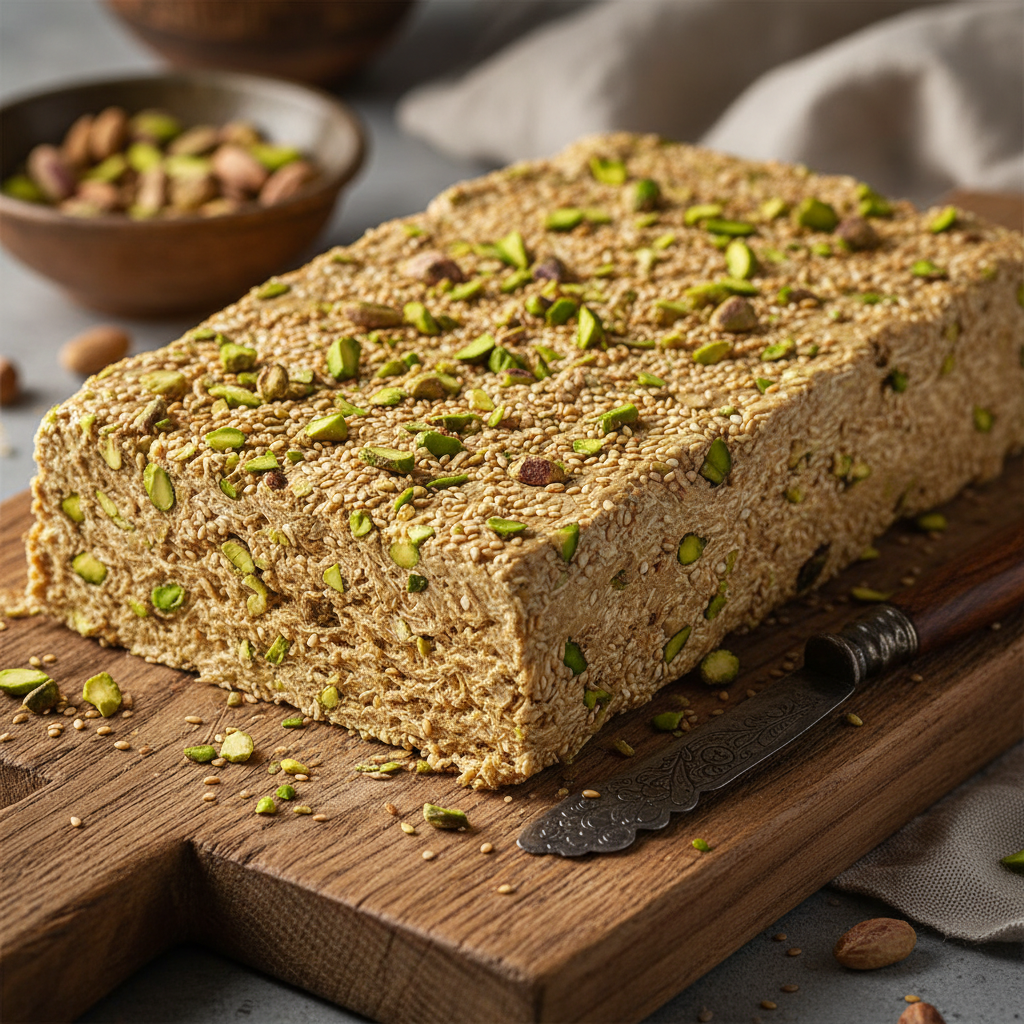
Welcome, fellow food lovers! Today, we’re embarking on a delightful culinary journey to create a truly magical treat—homemade halvah. If you’ve ever savored the sweet, nutty, and uniquely crumbly texture of halvah, you know it’s an experience unlike any other. And if you haven’t, prepare to be amazed! Forget store-bought versions; making halvah at home is incredibly rewarding, surprisingly simple, and allows you to customize it to perfection. Get ready to impress your taste buds and your friends with this ancient confection.
History and Background of Halvah

Halvah, also spelled halva or halwa, boasts a rich and fascinating history that spans centuries and continents. Its origins can be traced back to the Middle East, with references dating as far back as the 7th century in Persia. The word ‘halvah’ itself comes from the Arabic word ‘halwa,’ meaning ‘sweet confection.’ Over time, this beloved dessert traveled across the Silk Road, adapting to local ingredients and tastes, becoming a staple in various cultures from the Balkans to India, and even parts of Eastern Europe.
Traditionally, halvah is made from tahini (sesame paste) and a sugar syrup, but there are countless regional variations incorporating nuts, spices, chocolate, and even different types of flour or semolina. It’s often enjoyed as a dessert, a snack, or even a breakfast treat, cherished for its unique texture—both dense and flaky, melting delightfully in your mouth. Our recipe focuses on the classic tahini-based version, bringing that timeless flavor right into your kitchen.
Why You’ll Love This Recipe
- Simple Ingredients You only need a few basic pantry staples.
- Beginner-Friendly Clear, detailed steps make it easy for anyone to master.
- Customizable Add your favorite nuts, spices, or flavors.
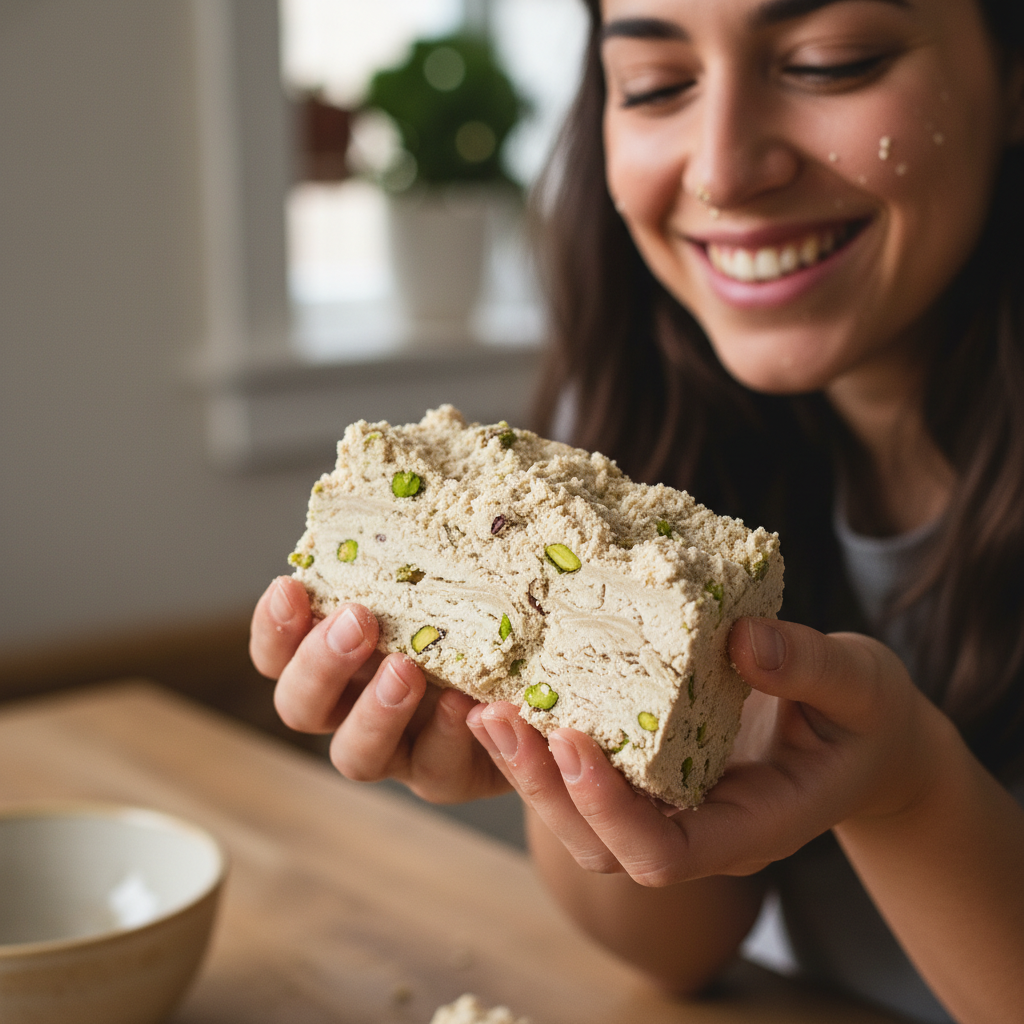
- Unique Texture Experience the crumbly, melt-in-your-mouth goodness.
- Impressive A delightful treat that looks and tastes gourmet.
- No Special Equipment Most items you’ll already have in your kitchen.
Ingredient Notes

- Tahini This is the star of our show! Use good quality, smooth tahini for the best flavor and texture. Light-colored tahini usually indicates a milder flavor. Stir it well before measuring, as the oil can separate.
- Granulated Sugar Provides the sweetness and helps create the syrup base.
- Water Essential for dissolving the sugar and forming the syrup.
- Vanilla Extract Enhances the flavor profile and adds a lovely aroma. Use pure vanilla extract for the best results.
- Salt A tiny pinch balances the sweetness and brings out the nutty notes of the tahini.
- Optional Add-ins Pistachios, almonds, walnuts, cocoa powder, or a dash of cardamom can elevate your halvah.
Equipment Needed
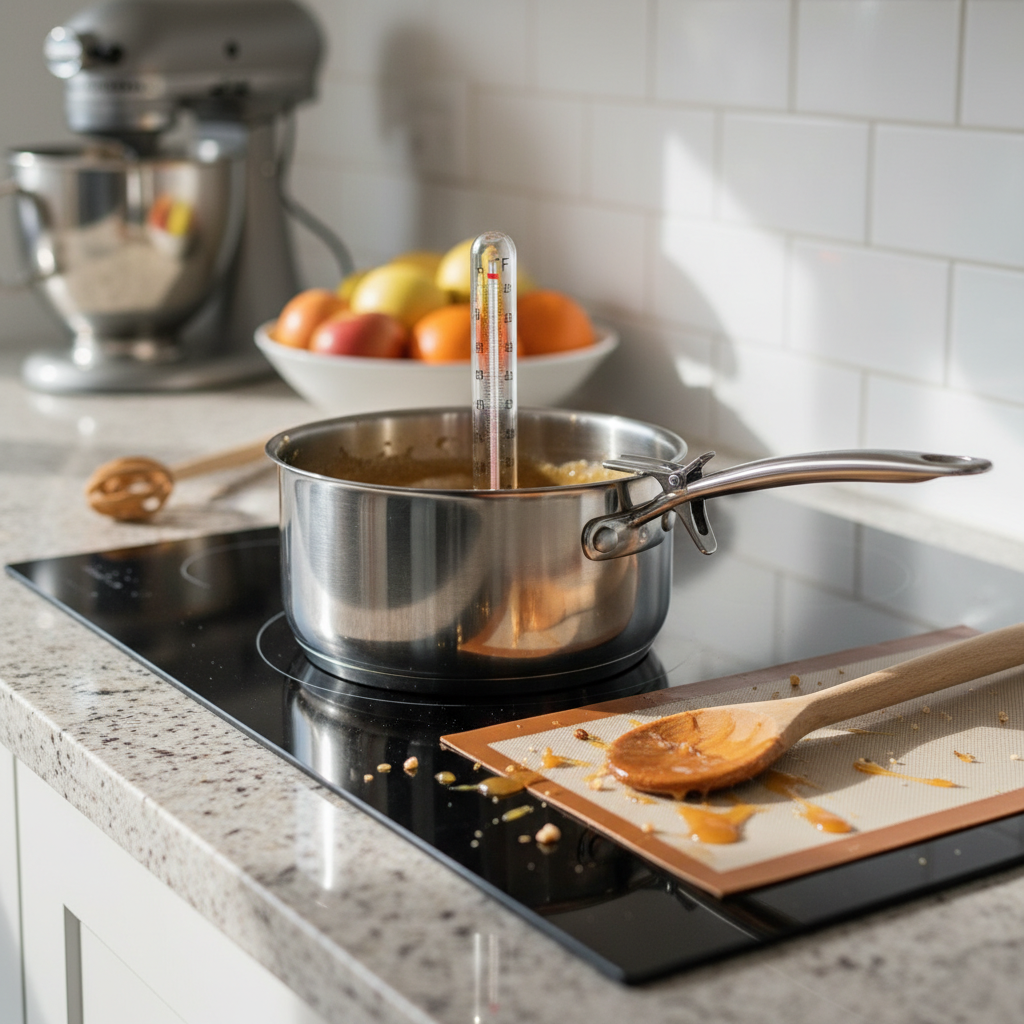
- Heavy-Bottomed Saucepan Crucial for even heating and preventing the sugar syrup from burning.
- Candy Thermometer An absolute must for achieving the correct syrup temperature, which dictates the final texture of your halvah.
- Whisk and Spatula For stirring the syrup and mixing the tahini.
- Mixing Bowl For combining the tahini and flavorings.
- 8×4 inch Loaf Pan or Small Square Pan For shaping and setting the halvah. Line it with parchment paper for easy removal.
Full Recipe Card
Ingredients
- 1 ½ cups (360g) granulated sugar
- ½ cup (120ml) water
- ¼ teaspoon salt
- 1 teaspoon pure vanilla extract (or other flavorings like rose water, orange blossom water)
- 1 ½ cups (360g) good quality tahini, stirred well
- ½ cup chopped pistachios or other nuts (optional, for mixing in or garnish)
Instructions
- Prepare Your Pan Line an 8×4 inch loaf pan or a small square pan with parchment paper, leaving an overhang on the sides for easy lifting.
- Make the Sugar Syrup In your heavy-bottomed saucepan, combine the sugar, water, and salt. Stir gently just to combine the ingredients.
- Heat the Syrup Place the saucepan over medium-high heat. Insert your candy thermometer. Bring the mixture to a boil without stirring.
- Reach Temperature Continue to boil the syrup until it reaches 250°F (121°C) on your candy thermometer. This is the firm-ball stage. Do NOT stir once it starts boiling.
- Prepare Tahini Mixture While the syrup is heating, pour the tahini into a large, heatproof mixing bowl. Add the vanilla extract and any optional flavorings like rose water. If adding nuts, have them ready.
- Combine Once the syrup reaches 250°F (121°C), immediately remove it from the heat. Carefully and slowly pour the hot syrup into the tahini mixture while continuously stirring with a sturdy spatula or a wooden spoon. Stir vigorously for 2-3 minutes until the mixture thickens considerably and starts to pull away from the sides of the bowl. If adding nuts, fold them in now.
- Set the Halvah Quickly transfer the thick halvah mixture into your prepared loaf pan. Press it down firmly and evenly with the back of a spoon or your hands (lightly greased if it’s too sticky).
- Cool and Chill Allow the halvah to cool completely at room temperature for about 1-2 hours, then transfer it to the refrigerator to chill for at least 4 hours, or preferably overnight, to firm up completely.
- Serve Once firm, use the parchment paper overhang to lift the halvah out of the pan. Slice it into desired pieces and enjoy!
Notes
- For a softer halvah, aim for 245°F (118°C). For a firmer, more crumbly texture, stick to 250°F (121°C).
- Working quickly after the syrup is added is key, as the mixture sets rapidly.
- Experiment with different extracts or spices for unique flavors.
Tips and Variations
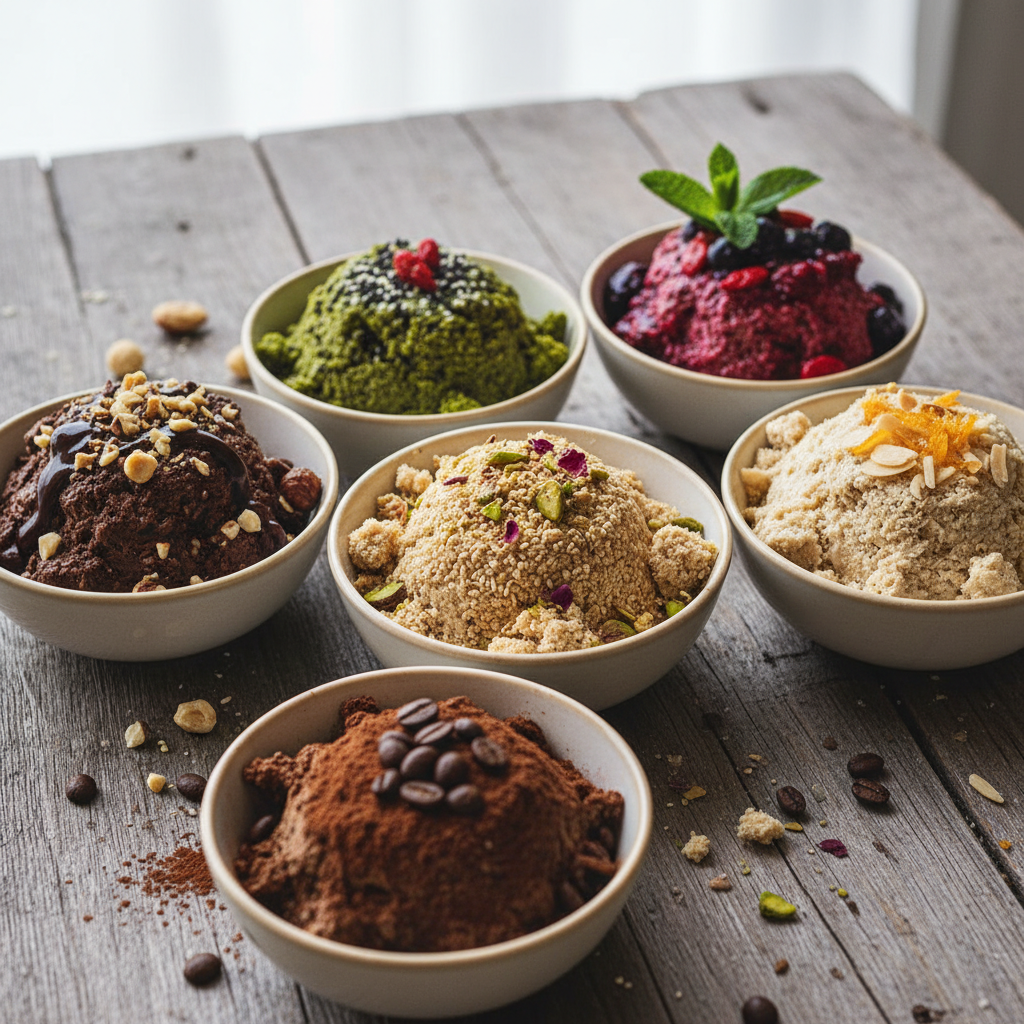
- Nutty Halvah Fold in toasted chopped pistachios, almonds, or walnuts into the mixture just before pressing into the pan.
- Chocolate Swirl Melt a few squares of dark chocolate and swirl it through a portion of the halvah mixture before setting.
- Spice It Up Add a pinch of ground cardamom, cinnamon, or even a tiny amount of chili powder for an adventurous twist.
- Citrus Zest A teaspoon of orange or lemon zest can add a bright, refreshing note.
- Marble Effect Divide the tahini mixture in half, flavor one half with cocoa powder, then gently swirl the two colors together before pressing into the pan.
Pro Chef Tips
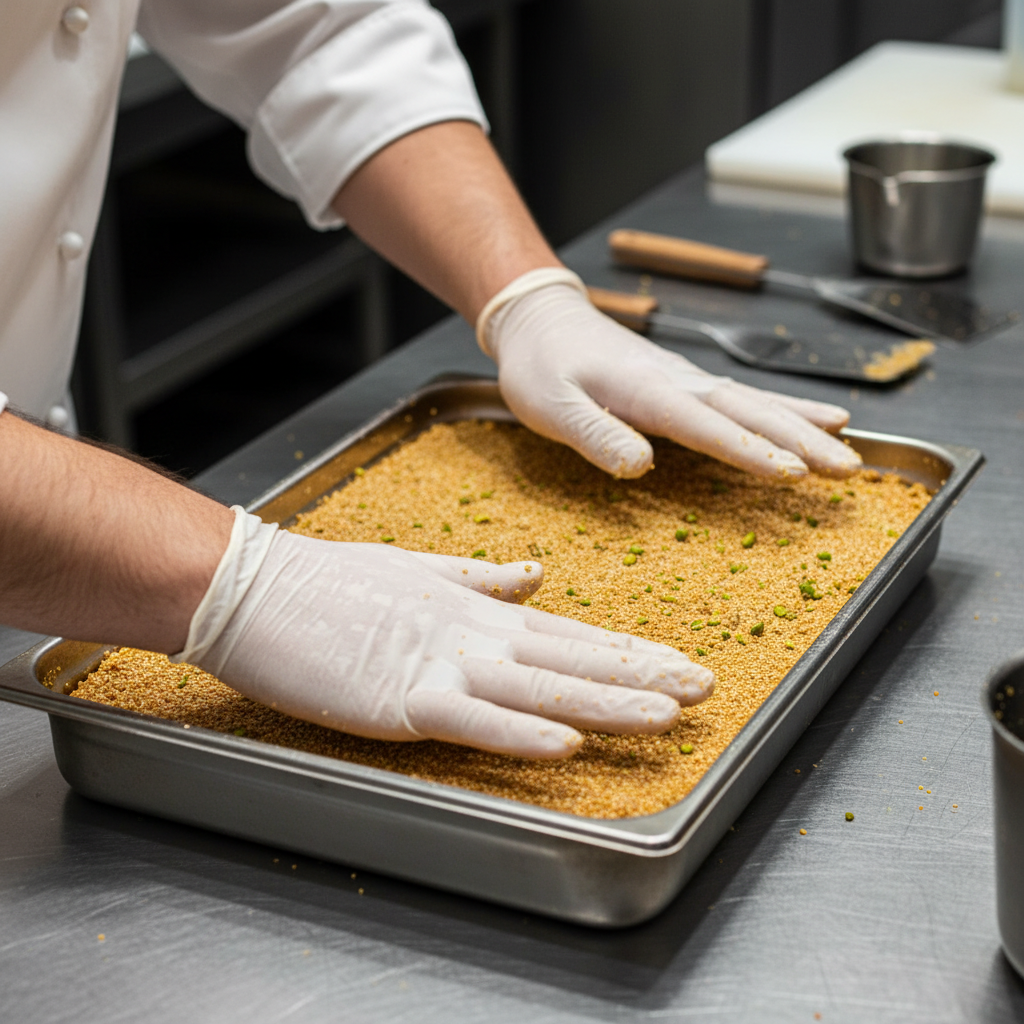
- Use a Reliable Candy Thermometer This is non-negotiable for consistent results. An inaccurate thermometer can lead to runny or rock-hard halvah.
- Work Quickly and Decisively Once the syrup is at temperature, the setting process begins almost immediately upon mixing with tahini. Have everything prepped and ready.
- Stir Vigorously The stirring process after combining the syrup and tahini is crucial for developing the characteristic crumbly texture. Don’t be afraid to put some muscle into it!
- Quality Tahini Matters Invest in a good quality tahini. It’s the primary flavor, and a bitter or poor-quality tahini will affect the entire batch.
- Don’t Overcook the Syrup Going beyond 250°F (121°C) can result in dry, overly crumbly, or even burnt-tasting halvah.
Common Mistakes to Avoid
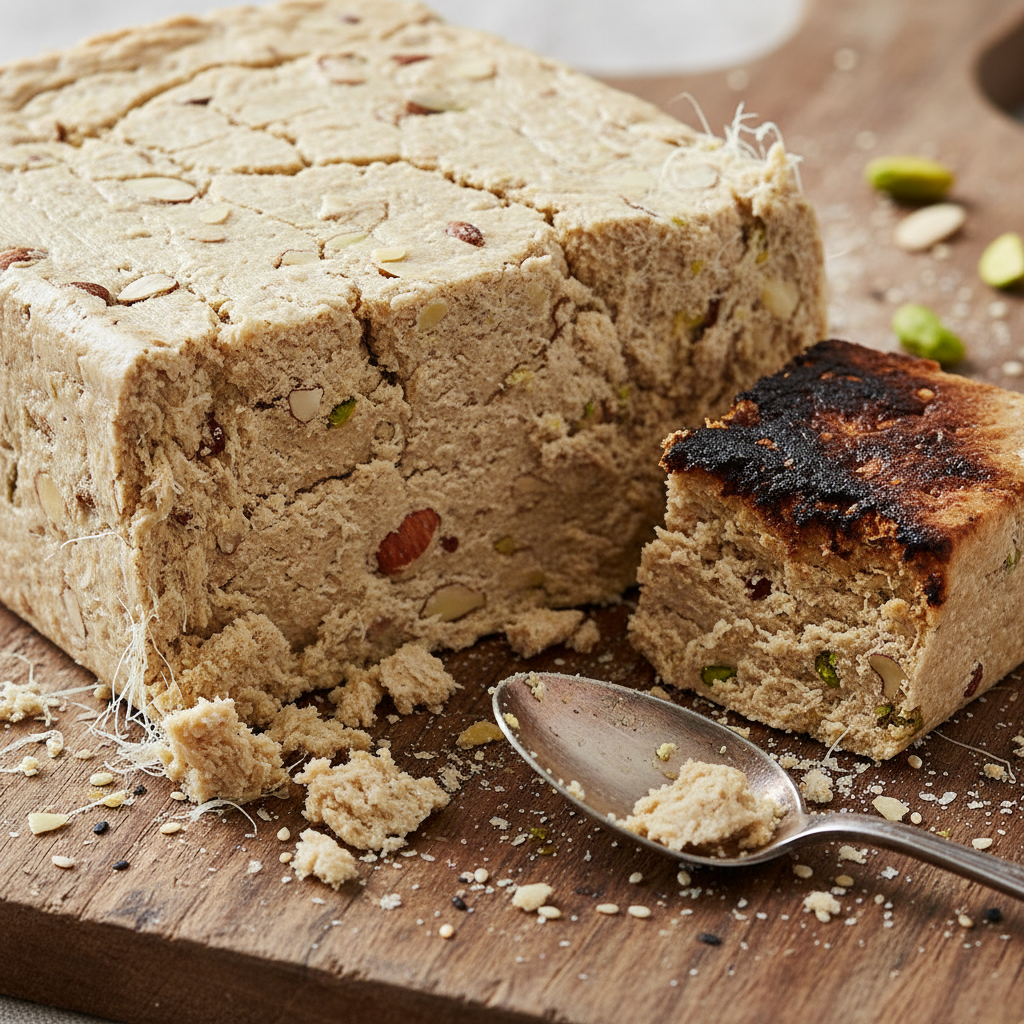
- Not Using a Candy Thermometer Guessing the syrup temperature is the quickest way to disaster.
- Stirring the Sugar Syrup While Boiling This can cause sugar crystals to form, leading to a grainy texture.
- Not Stirring Tahini Well Unmixed tahini can lead to an inconsistent flavor and texture.
- Not Working Fast Enough The mixture sets quickly, so hesitation can result in uneven texture or difficulty pressing into the pan.
- Over-Flavoring Halvah has a delicate, nutty flavor. Start with small amounts of extracts or spices and adjust to taste.
Storage and Meal Prep
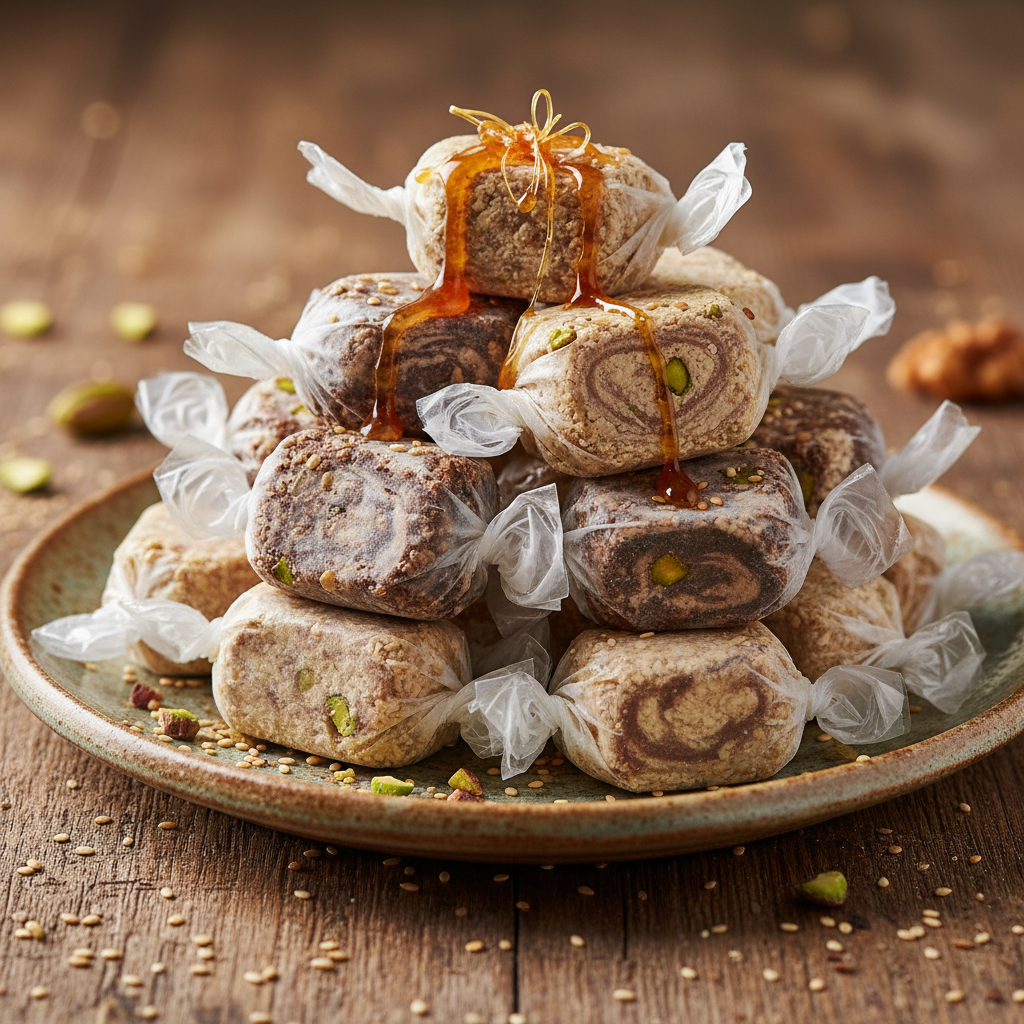
Once your homemade halvah has completely set, it’s quite stable and easy to store. Keep it in an airtight container at room temperature for up to 2-3 weeks. For longer storage, you can refrigerate it for up to a month. The texture might become a little firmer when cold, but it will soften slightly at room temperature. Avoid direct sunlight or humid environments, as these can affect its texture and freshness.
Make-Ahead and Freezer Notes
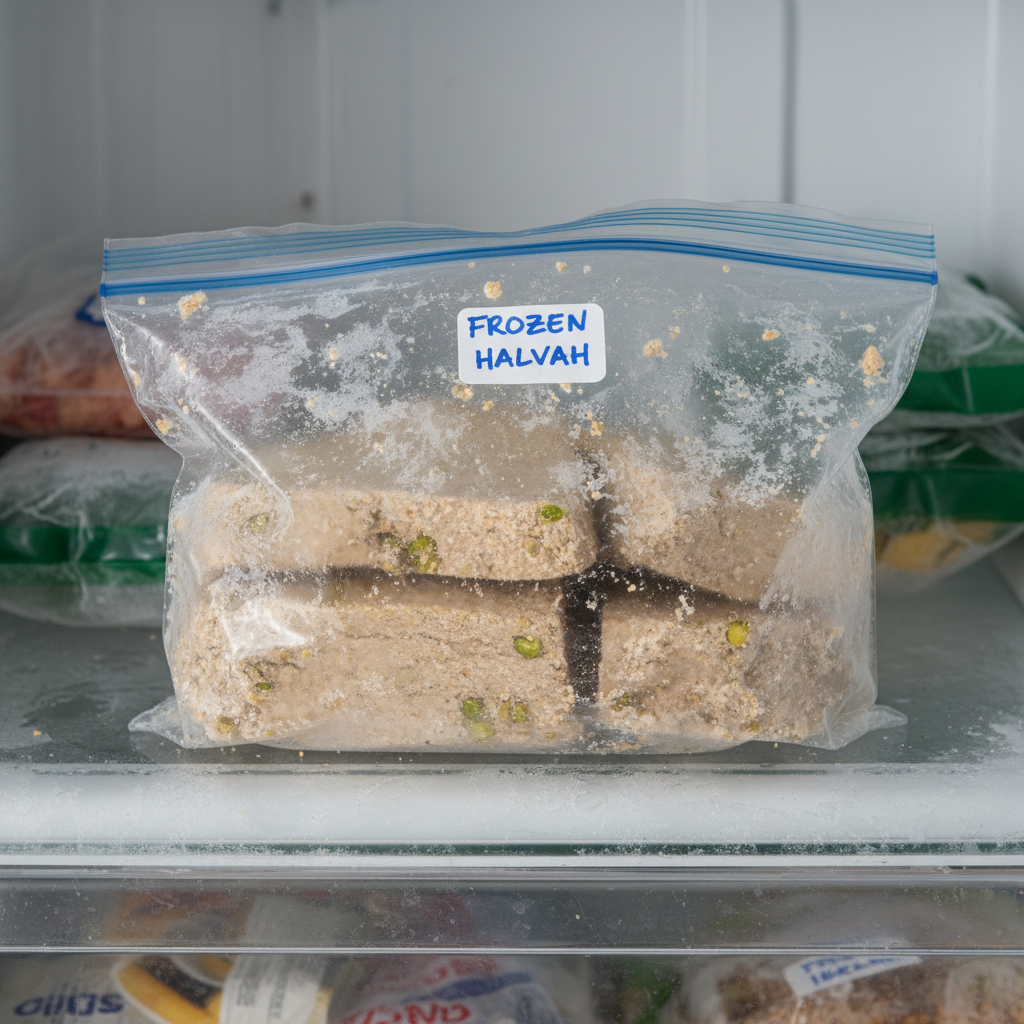
Halvah is an excellent make-ahead treat! You can prepare a batch days or even weeks in advance. For longer storage, halvah freezes beautifully. Wrap individual pieces tightly in plastic wrap, then place them in a freezer-safe bag or container. It can be frozen for up to 3 months. Thaw frozen halvah at room temperature for a few hours before serving. This makes it perfect for gifting or having a sweet treat ready whenever a craving strikes.
Serving Suggestions
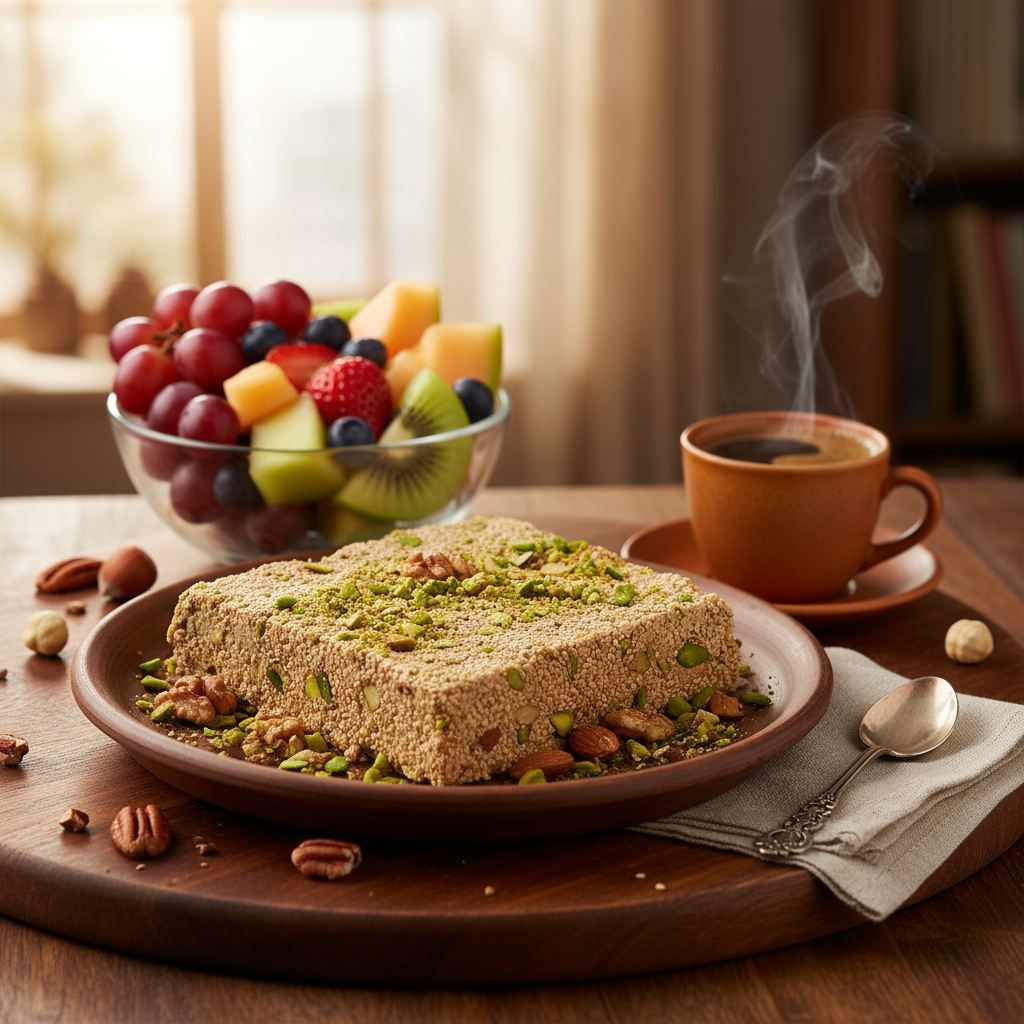
Halvah is incredibly versatile and can be enjoyed in many ways:
- On its Own The simplest and often best way to appreciate its unique flavor and texture.
- With Coffee or Tea A classic pairing, especially in Mediterranean and Middle Eastern cultures.
- As a Dessert Topping Crumble it over ice cream, yogurt, or even fruit salad for an added layer of sweetness and crunch.
- In Baked Goods Incorporate chopped halvah into cookies, brownies, or muffins for a delightful surprise.
- With Fresh Fruit Pair it with slices of apple, pear, or figs for a balanced snack.
- On Toast or Crackers A thin slice of halvah can be a sweet spread for breakfast or a light snack.