Introduction
Little bites of cake on a stick, covered in chocolate and sprinkles… what’s not to love?
Cake pops are one of those desserts that look like they came from a professional bakery, but you can absolutely make them at home, even if you are a complete beginner. They are cute, fun, and surprisingly forgiving. If your cake is a bit crumbly or your frosting is not perfectly smooth, that’s okay – it all gets rolled into a ball and dipped in chocolate anyway.
This guide will show you how to make perfect homemade cake pops with a simple, clear, and very beginner-friendly method. We’ll start with baked cake (homemade or from a box mix), crumble it, mix it with frosting, roll into balls, chill, and then dip into melted coating. After that, the fun part: decorating with sprinkles, drizzle, or whatever you like.
These cake pops are:
- Moist and soft inside
- Smooth and shiny on the outside
- Easy to customize with colors and flavors
- Great for birthdays, parties, holidays, bake sales, and gifts
By the end of this article, you’ll know exactly how to make cake pops that look impressive and taste delicious, even if this is your first time.
Let’s get started!
History / Background
Cake pops are actually a fairly modern dessert. While cake balls (cake mixed with frosting and rolled into balls) have been around for a while, cake pops – with sticks and fancy decorations – really grew popular in the late 2000s.
Some fun background:
- In 2008, a baker and blogger named Bakerella (Angie Dudley) helped make cake pops famous with her creative designs and book.
- At the same time, more bakeries and coffee shops (like Starbucks) started selling cake pops in their display cases.
- Social media, especially Pinterest and Instagram, made them even more popular, because they are so cute and photogenic.
The idea is simple:
- Take leftover or fresh cake
- Crumble it and mix it with frosting
- Roll it into balls
- Put them on sticks and dip in chocolate or candy coating
This method is brilliant because:
- You don’t need a perfect sponge or decorating skills.
- It’s a great way to use leftover cake.
- Kids can help with rolling and decorating.
Today, cake pops come in every shape and style – from simple sprinkle-covered spheres to detailed characters and themed designs. In this recipe, we’ll focus on the ultimate easy, classic round cake pops, which are perfect for beginners but still look showstopping.
Why You’ll Love This Recipe
• Beginner-friendly method – Step-by-step instructions that are easy to follow, even if you’ve never made cake pops before.
• Uses simple ingredients – Cake, frosting, chocolate or candy melts, and sprinkles. Nothing fancy or hard to find.
• Works with box cake mix or homemade cake – Use whatever you’re comfortable with or have on hand.
• Moist and flavorful – The cake-frosting mix makes a rich, truffle-like center that stays soft.
• Perfect for parties and gifts – Easy to serve, easy to transport, and always a hit with kids and adults.
• Customizable – Change cake flavors, frosting, coating colors, and decorations for any theme or holiday.
• Fun project – Great for baking with kids, friends, or as a creative, relaxing activity.
• Make-ahead friendly – You can prepare parts in advance and decorate later.
• Great way to use leftover cake – Turn cake scraps into something beautiful and new.
• Looks impressive – Your friends and family will think you spent hours (you don’t have to tell them how simple it really is!).
Ingredient Notes
Let’s look at each ingredient and what role it plays in making perfect homemade cake pops.
Cake
You can use:
- A box cake mix, baked according to package directions
- Homemade cake (any simple sponge or butter cake)
- Leftover cake from another recipe
Best cake flavors:
- Vanilla
- Chocolate
- Red velvet
- Lemon
- Funfetti (birthday cake style)
The cake should be:
- Completely cooled before you crumble it
- Not too moist (very wet cakes may need less frosting)
- Frosting-free (scrape off thick frosting if using leftover cake, or just reduce added frosting)
Frosting
Frosting holds the cake crumbs together and adds sweetness and moisture.
You can use:
- Store-bought frosting (buttercream-style from a can)
- Homemade buttercream
- Cream cheese frosting for red velvet or carrot cake pops
Start with a small amount of frosting and add more as needed. Too much frosting makes the cake pops heavy, wet, and more likely to fall off the stick.
Coating (Candy Melts or Chocolate)
This is what you’ll dip the cake pops in.
Good options:
- Candy melts / candy coating – Made for melting and dipping. Comes in many colors and sets firm and shiny.
- White chocolate or almond bark – Tastes great, but you may need to thin it a bit.
- Milk or dark chocolate chips – Also work, but must be melted gently and may need thinning.
To thin the coating:
- Use a tiny bit of vegetable oil, shortening, or a special candy melt thinner.
- Don’t use water – it will cause the chocolate to seize and become grainy.
Sprinkles and Decorations
This is where you can get creative:
- Sprinkles (jimmies, nonpareils, confetti)
- Crushed cookies
- Colored sugar
- Drizzled white or dark chocolate
- Edible glitter or gold dust (for special occasions)
Add decorations right after dipping, before the coating sets.
Lollipop Sticks
You’ll need:
- Lollipop sticks, cake pop sticks, or sturdy paper straws cut in half.
They come in various lengths; 4–6 inches is a good general size.
Optional Flavorings
You can add a little extra flavor to the cake-frosting mixture:
- Vanilla extract
- Almond extract
- Lemon zest
- Cocoa powder (for extra chocolate flavor)
Use these lightly so they don’t overpower the main cake flavor.
Equipment Needed
You don’t need a lot of special equipment to make cake pops, but a few tools help a lot.
Essential Equipment
- 9×13 inch baking pan (if baking the cake from scratch or from a mix)
- Large mixing bowl (for crumbling cake and mixing with frosting)
- Spoon or spatula
- Baking sheet lined with parchment paper (for chilling cake balls)
- Lollipop sticks or cake pop sticks
- Microwave-safe bowls for melting coating
- Styrofoam block, cake pop stand, or a box with holes (to hold pops upright while they set)
- Measuring cups and spoons
Nice-to-Have Equipment
- Cookie scoop or small ice cream scoop (for even-sized cake balls)
- Food processor (optional, for very fine cake crumbs)
- Piping bags (for chocolate drizzle)
- Toothpicks (for small touch-ups or removing air bubbles from the coating)
If you don’t have a Styrofoam block, you can turn an empty cardboard box upside down and poke small holes in it to hold the sticks.
Full Recipe Card (ingredients, instructions, notes)
Perfect Homemade Cake Pops – Ultimate Easy Recipe (Fun for Beginners)
Yield: About 24–30 cake pops (depending on size)
Prep Time: 45–60 minutes (active)
Bake Time: 25–35 minutes (for cake, if baking)
Chill Time: 1½–2 hours
Total Time: Around 3–4 hours (including chilling, mostly hands-off)
Difficulty: Easy
Ingredients
For the Cake
- 1 box (about 15.25 oz / 432 g) cake mix (any flavor: vanilla, chocolate, red velvet, etc.)
- Ingredients listed on the box (usually eggs, oil, and water)
OR about 9×13 inch pan worth of homemade cake, fully cooled
For the Cake Pop Mixture
- ½ cup (about 115 g) frosting (start with less and add as needed; you may use ⅓–¾ cup total)
- Buttercream or cream cheese frosting works well
For the Coating
- 12–16 oz (340–450 g) candy melts or chocolate (white, milk, or dark)
- 1–2 teaspoons vegetable oil or shortening (optional, to thin the coating)
For Decorating
- Sprinkles, colored sugar, crushed cookies, or other decorations
- Lollipop sticks (about 24–30)
Instructions
Step 1: Bake and Cool the Cake
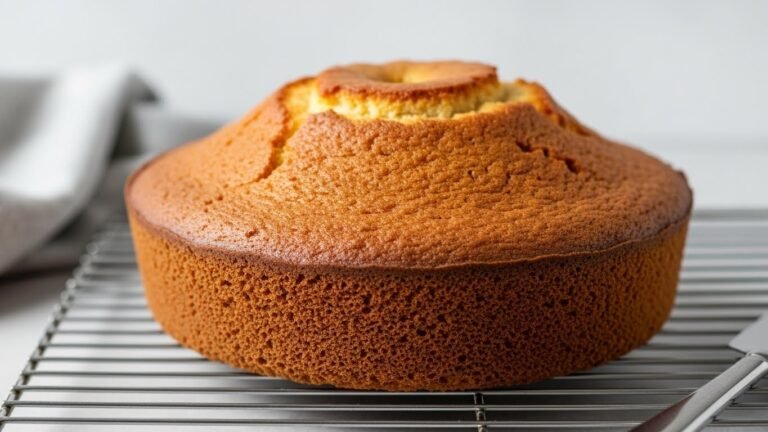
- Bake your cake according to the box or recipe instructions in a 9×13 inch pan.
- Let the cake cool completely in the pan at room temperature.
- Once cooled, remove any thick, crusty edges if you want a softer texture (optional).
Step 2: Crumble the Cake
- Transfer the cooled cake to a large mixing bowl.
- Using clean hands or a fork, crumble the cake into fine crumbs.
- There should be no big chunks. The finer the crumbs, the smoother your cake pops will be.
Step 3: Mix with Frosting
- Add 2–3 tablespoons of frosting to the cake crumbs and mix with a spatula or your hands.
- Add frosting a little at a time and mix well after each addition.
- Check the texture:
- The mixture should hold together when you squeeze it in your hand.
- It should feel moist but not sticky or wet.
- If it crumbles apart, add a bit more frosting.
- If it feels too soft or greasy, add a little extra cake crumb (if you have any reserved).
Most of the time, ⅓ to ½ cup frosting is enough for one 9×13 cake, but it can vary based on cake moisture.
Step 4: Roll into Balls
- Line a baking sheet with parchment paper.
- Use a cookie scoop or spoon to portion out equal amounts of the mixture (about 1 tablespoon each for small pops, 1½ tablespoons for larger pops).
- Roll each portion between your hands to form smooth balls.
- Place the cake balls on the lined baking sheet.
Tip: Aim for golf ball size or slightly smaller so they don’t become too heavy for the sticks.
Step 5: Chill the Cake Balls
- Place the baking sheet with cake balls in the refrigerator for at least 1–2 hours, or in the freezer for 20–30 minutes, until the balls are firm but not frozen solid.
- Chilling helps them stay on the stick and hold their shape during dipping.
Step 6: Prepare the Coating
- Place your candy melts or chopped chocolate in a microwave-safe bowl.
- Microwave in 20–30 second bursts, stirring well after each time, until completely melted and smooth.
- If the coating seems too thick, add ½ teaspoon of oil or shortening at a time, stirring until you reach a smooth, slightly runny consistency (like heavy cream).
- Do not add water.
You’ll get the easiest dipping if the bowl is deep and narrow, so you can fully dip the cake pop.
Step 7: Attach Cake Balls to Sticks
- Remove a few cake balls from the fridge at a time (keep the rest chilled).
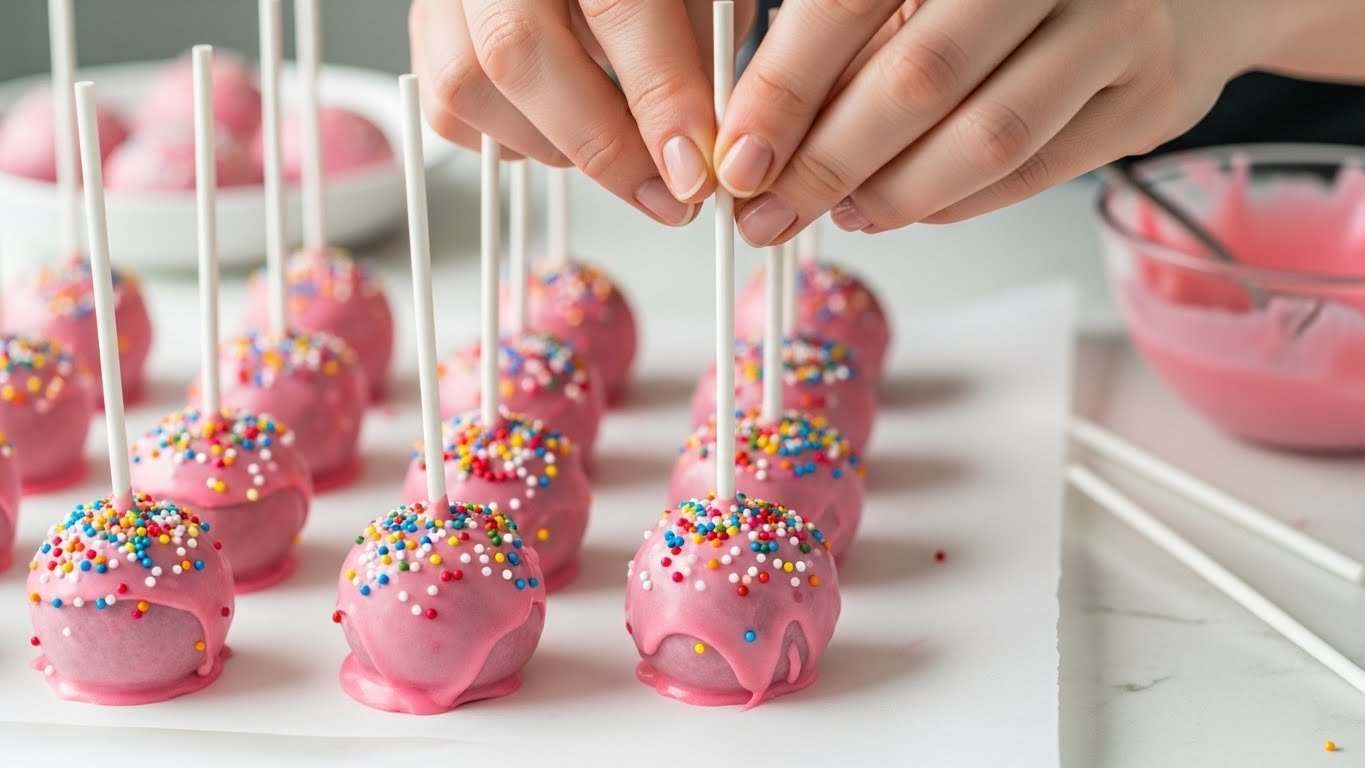
- Dip about ½ inch (1–1.5 cm) of one end of a lollipop stick into the melted coating.
- Push the dipped end of the stick into a cake ball, about halfway through the center.
- The melted coating acts like glue to help hold the ball on the stick.
- Repeat with several cake balls, then place them back in the fridge or freezer for 10–15 minutes to set the coating at the base.
Step 8: Dip the Cake Pops
- Once the sticks are firmly attached and the balls are chilled, you’re ready to dip.
- Working with one pop at a time, hold the stick and gently dip the cake ball straight down into the melted coating.
- Gently lift it straight up and let the extra coating drip back into the bowl.
- You can very gently tap your wrist or the stick against the edge of the bowl, turning the pop slowly to get a smooth, even finish.
- Be gentle so the cake ball doesn’t fall off the stick.
- While the coating is still wet, add sprinkles or decorations if desired.
Step 9: Let the Cake Pops Set
- Place the dipped cake pops upright in a Styrofoam block, cake pop stand, or a box with holes so they can dry without touching each other.
- Let them sit at room temperature until the coating is completely set and firm (about 30–60 minutes).
- You can also put them in the fridge to speed up the process.
Your homemade cake pops are ready to enjoy!
Recipe Notes
- If using chocolate instead of candy melts, melt gently and avoid overheating. White chocolate can be trickier and may need more oil.
- You can color white candy melts with oil-based candy coloring (not water-based food coloring).
- For a richer taste, use real chocolate; for easier handling and bright colors, use candy melts.
- One 9×13 cake usually makes 24–30 pops, depending on size.
Tips & Variations
Once you master the basic method, you can have fun with different flavors and designs.
Flavor Variations
- Classic Vanilla: Vanilla cake + vanilla frosting + white candy coating + rainbow sprinkles.
- Double Chocolate: Chocolate cake + chocolate frosting + dark chocolate coating + chocolate sprinkles.
- Red Velvet: Red velvet cake + cream cheese frosting + white candy coating + red sprinkles or crumbs.
- Lemon: Lemon cake + lemon or vanilla frosting + white coating + lemon zest or yellow sprinkles.
- Funfetti Birthday Pops: Funfetti cake + vanilla frosting + white coating + colorful confetti sprinkles.
Design Ideas
- Drizzle Style: Dip in one color, let set, then drizzle with a contrasting melted candy coating or chocolate.
- Glittery Pops: Roll freshly dipped pops in edible glitter or shimmer sugar for a fancy look.
- Holiday Pops:
- Red and green sprinkles for Christmas.
- Pastel colors for Easter.
- Orange and black for Halloween.
- Red and pink for Valentine’s Day.
- Theme Pops: Match colors and sprinkles to a party theme (unicorn, princess, superhero, sports team).
Other Shapes
Round balls are easiest, but once you’re confident, you can gently shape cake balls into:
- Hearts
- Eggs (for Easter)
- Simple animals (bunny ears, etc.) – just add decorations or mini marshmallows and candy.
Pro Chef Tips
These tips will help your cake pops look and taste like they came from a professional bakery.
- Don’t overdo the frosting
The most common mistake is using too much frosting. Start small. The mixture should hold together without feeling wet or greasy. - Chill, but don’t freeze rock hard
Cake balls should be firm but still slightly soft inside. If they are completely frozen, the coating may crack as they warm up. - Keep coating at the right temperature
If the melted coating is too hot, it can slide right off or crack later. Let it cool slightly so it’s just warm and fluid, not steaming. - Work in small batches
Only take a few cake balls out of the fridge at a time so they stay firm until it’s their turn to be dipped. - Dip, don’t swirl
Dip the cake pop straight down and up rather than stirring it around in the coating. Swirling can make it fall off the stick. - Tap gently from your wrist, not your elbow
To remove excess coating, hold the stick and tap your wrist lightly while turning the pop. This gives you control and reduces the risk of the ball falling off. - Use a deep, narrow container for dipping
A mug or deep bowl helps you fully submerge the cake pop with less coating and less effort. - Decorate quickly
Add sprinkles or toppings right after dipping, before the coating starts to set, so they stick well.
Common Mistakes to Avoid
Even experienced bakers run into cake pop problems. Here’s how to avoid the most common ones.
1. Cake Pops Falling Off the Stick
Causes:
- Cake mixture too soft or too much frosting
- No “glue” (coating) used when inserting the stick
- Balls not chilled enough before dipping
- Coating too thick and heavy
Fix:
- Use less frosting; mixture should be firm.
- Always dip the stick in coating before inserting into the ball.
- Chill balls until firm.
- Thin the coating slightly with oil or shortening.
2. Cracked Coating
Causes:
- Cake pops too cold when dipped (frozen)
- Coating too hot
- Rapid temperature change
Fix:
- Chill cake pops until firm but not frozen.
- Let coating cool slightly after melting.
- Avoid moving them from very cold to very hot environments quickly.
3. Lumpy or Thick Coating
Causes:
- Overheated candy melts or chocolate
- Not enough oil/shortening
- Using water or water-based coloring
Fix:
- Melt gently in short bursts and stir frequently.
- Add a little oil or shortening to thin.
- Use oil-based coloring for candy melts and avoid adding water.
4. Cake Pops Too Wet or Squishy Inside
Causes:
- Too much frosting
- Very moist cake plus normal frosting amount
Fix:
- Add frosting slowly and test the texture.
- Next time, use a cake that’s slightly drier or reduce the frosting.
Storage & Meal Prep
Cake pops are great for making ahead and storing.
Storing Cake Pops
- Once the coating is fully set, store cake pops in an airtight container.
- Keep them at cool room temperature for up to 2–3 days if your room is not hot.
- If your kitchen is warm or you used cream cheese frosting, keep them in the refrigerator for up to 5–7 days.
If storing in the fridge:
- Place parchment paper between layers to prevent sticking.
- Let them sit at room temperature for about 15–20 minutes before serving for the best texture.
Meal Prep Tips
- Make the cake and crumble it a day ahead.
- Roll and chill the cake balls the day before dipping.
- Dip and decorate the cake pops the day of your event, or one day ahead.
Make-Ahead & Freezer Notes
Make-Ahead
You can break the process into stages over a few days:
- Day 1: Bake the cake and let it cool.
- Day 2: Crumble, mix with frosting, roll into balls, and chill.
- Day 3: Dip in coating and decorate.
Freezing
You can freeze cake pops at certain stages:
- Freeze uncoated cake balls:
- Place on a baking sheet and freeze until solid.
- Transfer to a freezer bag or container.
- Freeze for up to 2 months.
- Thaw in the fridge, then dip as usual.
- Freeze finished cake pops (less ideal):
- You can freeze them, but condensation may appear when thawing, making the coating slightly sticky.
- Freeze in a single layer, well-wrapped.
- Thaw in the fridge in the container to reduce condensation.
For best appearance, it’s usually better to freeze just the cake balls and dip fresh.
Serving Suggestions
Cake pops are very easy to serve and display.
Simple Serving Ideas
- Arrange cake pops upright in a stand or in a foam block wrapped with pretty paper.
- Place them in a wide jar or vase filled with rice, sugar, or beans to hold sticks in place.
- Serve on a platter, laying them down like small candies.
For Parties
- Match colors to your party theme.
- Use ribbons tied around sticks for a festive touch.
- Create “bouquets” of cake pops as centerpieces.
- Wrap individual cake pops in clear treat bags with ribbons as party favors.
For Gifts
- Wrap several cake pops in a gift box with tissue paper.
- Place them in a mug or small pot and wrap in cellophane with a bow.
- Add a little tag with the flavor and a friendly note.
FAQs
Q: Can I use leftover cake for cake pops?
A: Yes! Leftover cake is perfect. Just remove any thick frosting, or use less additional frosting when mixing.
Q: Do I have to use box cake mix?
A: No. You can use homemade cake. Just make sure it’s completely cooled and not too moist.
Q: Can I make cake pops without frosting?
A: You need some kind of binder. Some people use cream cheese, ganache, or thick jam, but traditional cake pops use frosting. You can use less if you don’t like them too sweet.
Q: Why are my cake pops cracking?
A: Usually because the cake balls were too cold and the coating too hot. Let the cake balls sit out a few minutes after chilling and allow the coating to cool slightly before dipping.
Q: Can I color white chocolate with regular food coloring?
A: Regular water-based food coloring can cause chocolate to seize. Use oil-based candy colors, or buy colored candy melts.
Q: Are cake pops supposed to be refrigerated?
A: It depends. If your room is cool and you used shelf-stable ingredients, room temperature is okay. If it’s warm or you used cream cheese frosting, store them in the fridge.
Q: How do I make my cake pops perfectly round?
A: Make sure the cake mixture is smooth and well-combined. Roll each ball between your hands until it’s very smooth. Chill well before inserting sticks.
Q: My coating is streaky. What can I do?
A: Overheated or old candy melts can cause streaks. Melt gently, stir well, and add a tiny bit of oil if needed for smoothness.
Conclusion (friendly and encouraging)
You’ve just gone through a complete, step-by-step guide to making perfect homemade cake pops – an ultimate easy recipe that really is fun for beginners.
What sounds complicated at first (“crumbled cake + frosting + sticks + dipping + decorating”) quickly becomes simple once you do it. And the best part is that cake pops are very forgiving. If your cake is a little too crumbly, you add a touch more frosting. If your coating is a bit thick, you thin it. If your decorations are not perfectly even, they still look charming and homemade.
Don’t worry if your first batch isn’t absolutely flawless. They will still taste delicious, and each time you make them, you’ll learn little tricks that work best in your kitchen. Soon you’ll be the person everyone asks to bring cake pops to parties, birthdays, and holidays.
So preheat that oven, bake a simple cake, and start rolling. Turn on some music, invite a friend or a child to help with sprinkles, and enjoy the process.