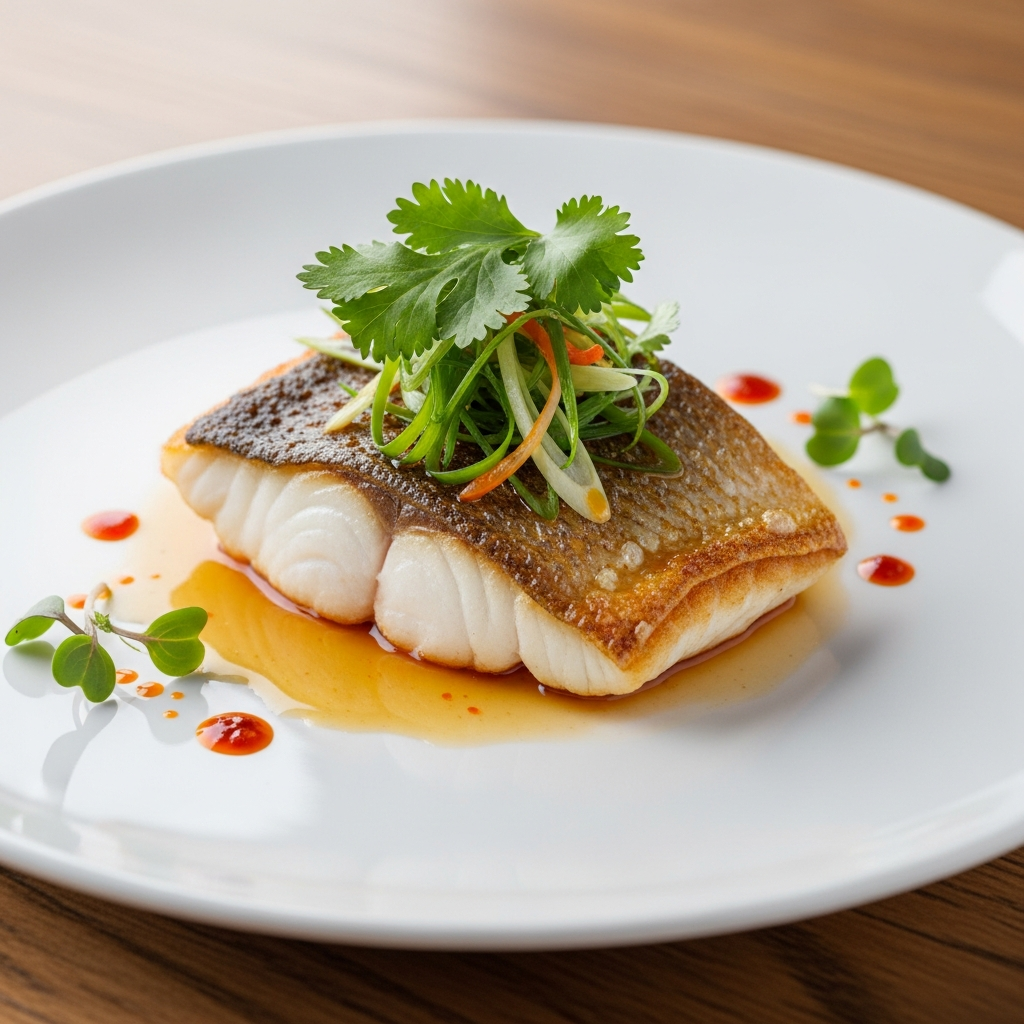
Hello there, fellow food lovers! Are you ready to dive into a recipe that’s not just incredibly delicious but also surprisingly simple and truly elegant? Today, we’re talking about Hakka Style Halibut. If you’ve ever wanted to create a dish that looks like it came straight out of a fancy restaurant but is totally achievable in your own kitchen, then you’re in for a treat.
Halibut, with its firm, flaky texture and mild, sweet flavor, is already a star in the seafood world. But when you pair it with the vibrant, aromatic flavors of Hakka cuisine, it transforms into something truly special. We’re talking about a delicate balance of savory, aromatic, and just a hint of zest that will make your taste buds sing. It’s perfect for a weeknight dinner that feels like a celebration, or for impressing guests without breaking a sweat.
History / Background

The Hakka people are a unique subgroup of the Han Chinese, known for their resilient spirit and a culinary tradition that’s both hearty and incredibly flavorful. Originating from northern China, they embarked on several migrations, eventually settling in various parts of southern China, Taiwan, and Southeast Asia. Their cuisine reflects this journey, often featuring preserved ingredients and robust flavors, yet also showcasing a refined touch with fresh produce.
Hakka food is all about making the most of what’s available, focusing on fresh, quality ingredients and simple, effective cooking methods. Steaming, stir-frying, and braising are common techniques. For fish, especially a delicate one like halibut, steaming is often preferred as it preserves the fish’s natural sweetness and tender texture. Our Hakka-style halibut recipe draws inspiration from these traditions, using classic Hakka aromatics and a light, flavorful sauce to elevate the fish.
This particular style emphasizes freshness and a balanced flavor profile, often featuring ginger, garlic, scallions, and a touch of soy sauce, sometimes with fermented black beans or chili. It’s a cuisine that’s both comforting and sophisticated, and once you try this halibut, you’ll understand exactly what we mean.
Why You’ll Love This Recipe
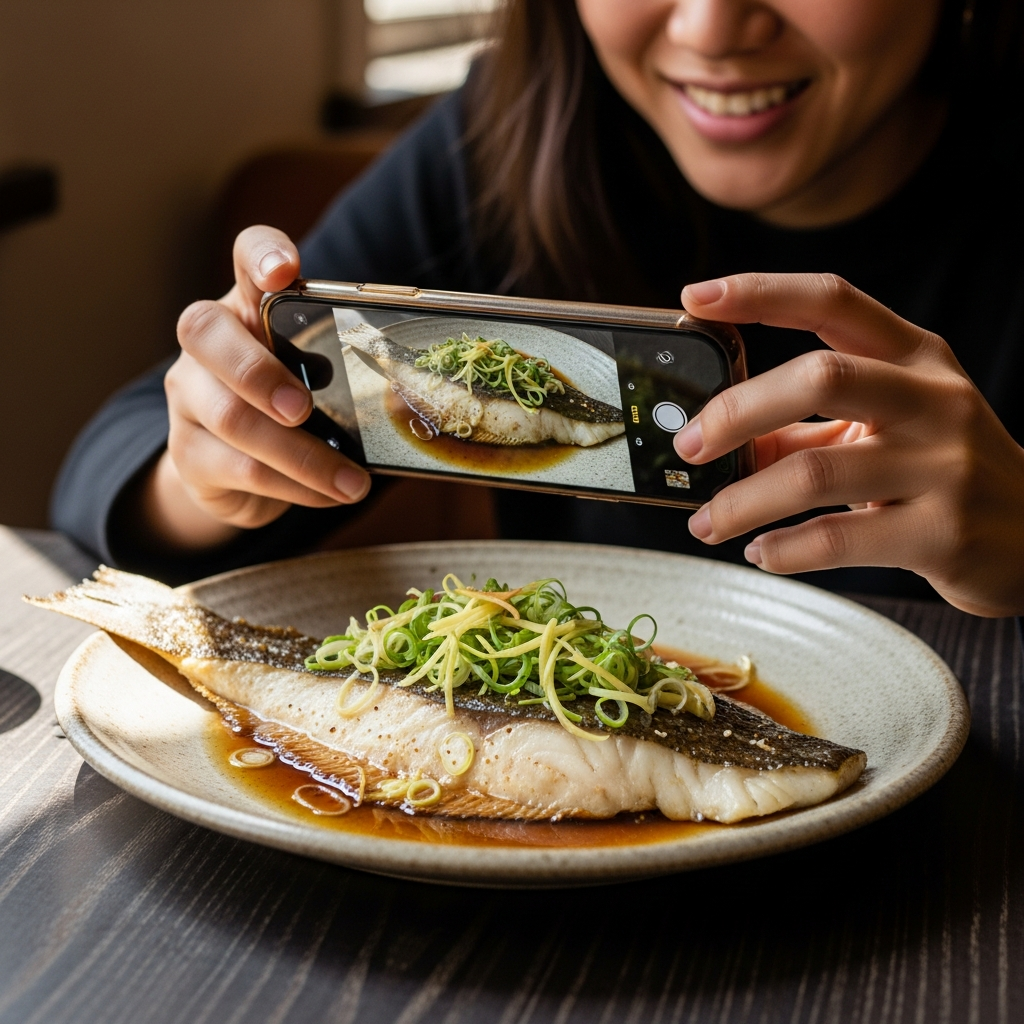
- It’s Incredibly Flavorful: The combination of fresh ginger, garlic, scallions, and a savory sauce creates a symphony of flavors that perfectly complements the halibut.
- It’s Elegant and Impressive: This dish looks like it belongs in a high-end restaurant, making it perfect for dinner parties or special occasions.
- It’s Quick to Prepare: Steaming fish is super fast, meaning you can have a gourmet meal on the table in under 30 minutes.
- It’s Healthy and Light: Halibut is a lean protein, and steaming is a gentle cooking method that requires minimal added fat.
- It’s Beginner-Friendly: Despite its elegant appearance, the steps are straightforward and easy to follow, even for novice cooks.
- It’s Versatile: You can easily adjust the spices and herbs to suit your personal taste or what you have on hand.
Ingredient Notes
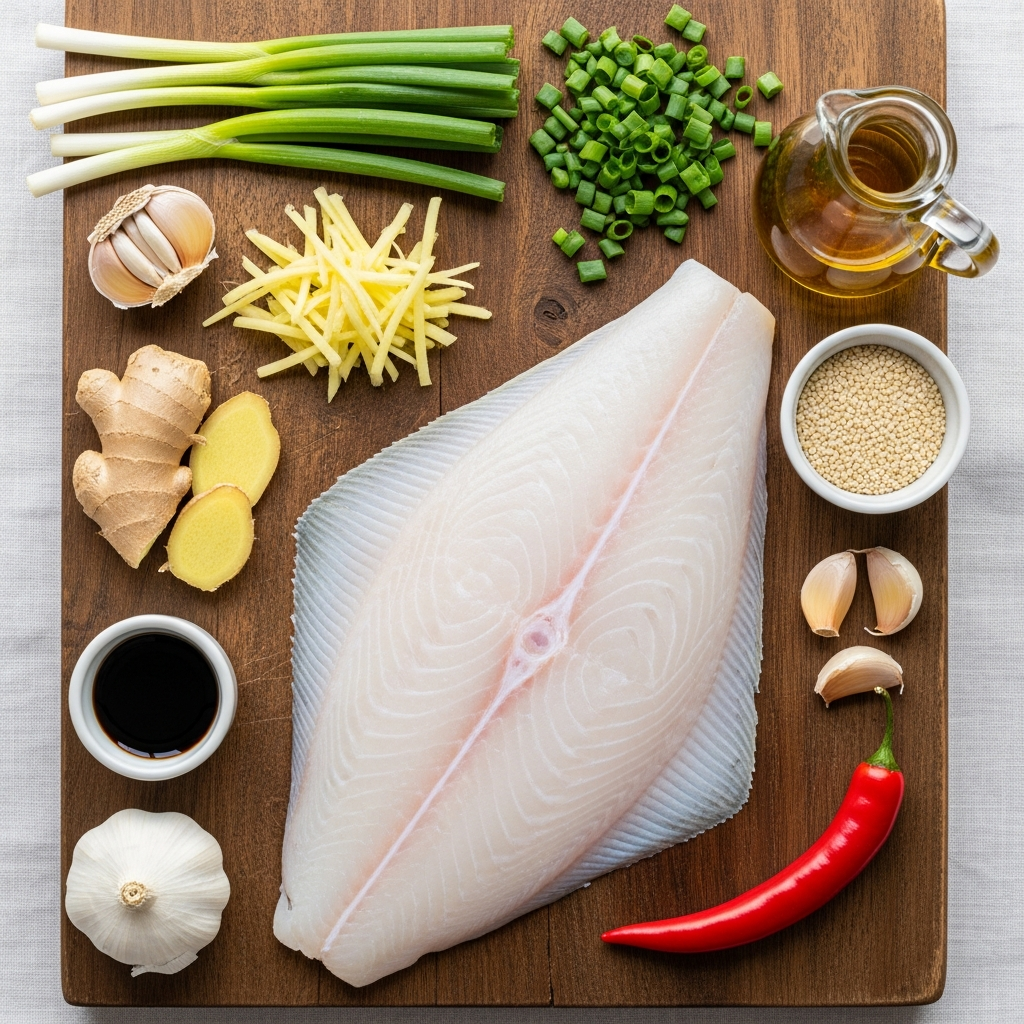
Let’s talk about the stars of our show! Getting good quality ingredients is half the battle won when it comes to a recipe like this.
- Halibut Fillets: Aim for fresh, wild-caught halibut if possible. Look for firm, translucent flesh with no strong fishy odor. If using frozen, thaw completely in the refrigerator overnight and pat dry thoroughly before cooking. Thicker fillets (about 1-inch thick) work best for steaming.
- Fresh Ginger: Don’t skimp on the fresh ginger! It provides a warm, spicy aroma and is a hallmark of Hakka cuisine. Slice it thinly or julienne it for maximum flavor release. Choose firm, smooth ginger roots.
- Scallions (Green Onions): These add a wonderful mild oniony flavor and a pop of color. We’ll use both the white and green parts, often sliced thinly on the bias for a pretty presentation.
- Garlic: Freshly minced garlic is always best. It provides a pungent, aromatic base that complements the ginger and fish.
- Soy Sauce: Use a good quality light soy sauce. This is different from dark soy sauce, which is thicker and sweeter. We want a clear, savory umami flavor. Low-sodium is a great option if you’re watching your salt intake.
- Sesame Oil: Just a drizzle of toasted sesame oil at the end adds a beautiful nutty aroma and sheen. A little goes a long way.
- White Pepper: A pinch of white pepper provides a subtle warmth that is characteristic of many East Asian dishes.
- Neutral Oil: A high smoke point oil like canola, grapeseed, or vegetable oil is needed for heating and infusing the aromatics. This oil will be poured hot over the fish.
- Optional – Fresh Chili: For a touch of heat, a thinly sliced red bird’s eye chili or a few drops of chili oil can be added. This is totally customizable to your preference.
Equipment Needed
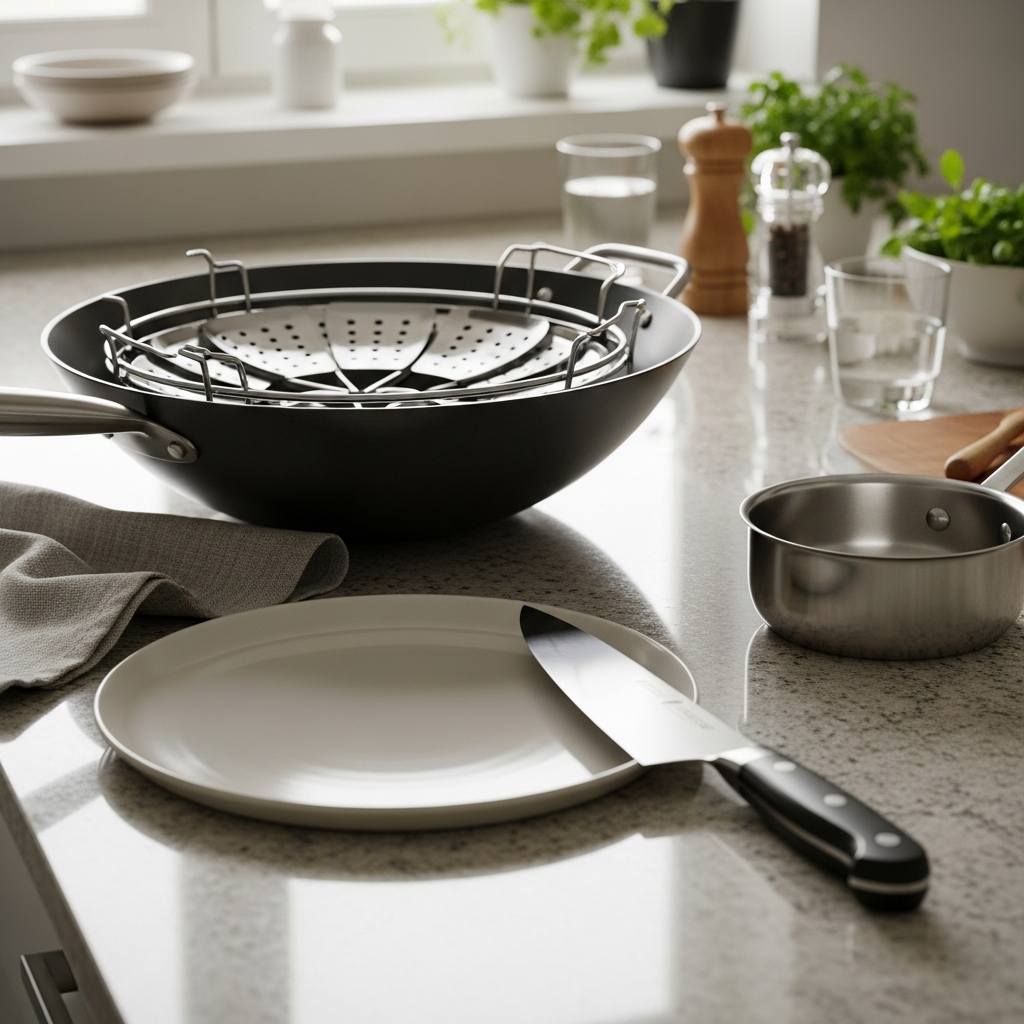
Good news! You don’t need a lot of fancy gadgets for this recipe. Most of these items you probably already have in your kitchen.
- Steamer setup: This could be a traditional bamboo steamer basket, a metal steamer insert for a pot, or even a large pot with a colander and a lid. The key is to have something that can hold water at the bottom and a raised platform for your plate of fish.
- Heatproof plate: Make sure it fits comfortably inside your steamer. Ceramic or porcelain plates work best. It should have a slight lip to hold the juices.
- Sharp knife and cutting board: Essential for preparing the ginger, garlic, and scallions.
- Small saucepan: For heating the oil and making the sauce.
- Small bowl: For mixing the sauce ingredients.
- Tongs or spatula: For carefully transferring the cooked fish.
- Measuring spoons and cups: For accuracy with ingredients.
Full Recipe Card: Steamed Hakka Style Halibut
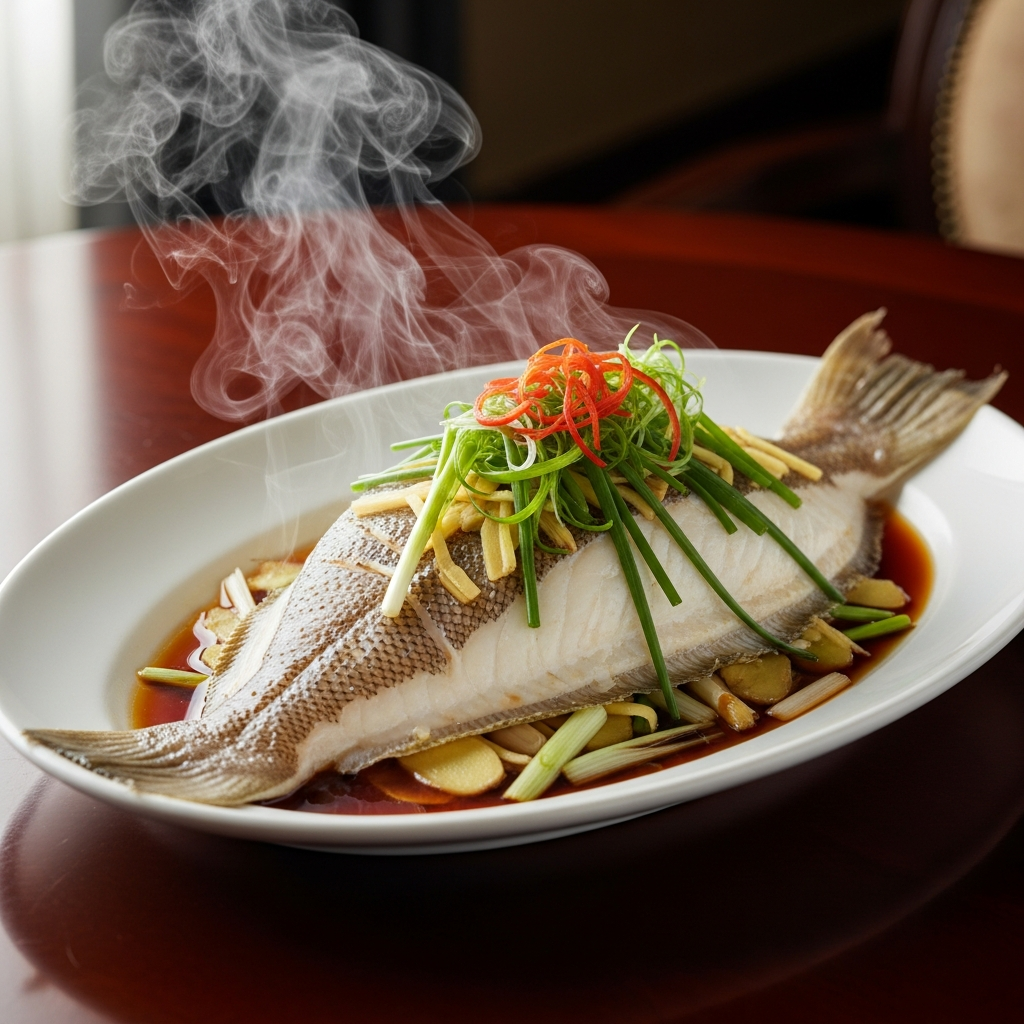
Yields: 2 servings
Prep time: 10 minutes
Cook time: 8-12 minutes
Ingredients:
- 2 halibut fillets (about 6-8 oz each, 1-inch thick)
- 1-inch piece fresh ginger, half thinly sliced, half julienned
- 4 scallions (green onions), white and light green parts thinly sliced, green parts julienned for garnish
- 2 cloves garlic, minced
- 1/4 cup light soy sauce
- 1 tablespoon rice vinegar (optional, for a little tang)
- 1 teaspoon sugar
- 1/2 teaspoon white pepper
- 1 tablespoon neutral oil (like canola or grapeseed)
- 1 teaspoon toasted sesame oil
- Optional garnishes: fresh cilantro sprigs, thinly sliced red chili, lemon wedges
Instructions:
1. Prepare the Halibut: Rinse the halibut fillets under cold water and pat them thoroughly dry with paper towels. Season both sides lightly with a pinch of salt and a sprinkle of white pepper. Arrange the halibut fillets on a heatproof plate that fits into your steamer. Scatter the thinly sliced ginger (the half you sliced, not julienned) and the sliced white and light green parts of the scallions over and around the fish.
2. Set up the Steamer: Fill your wok or large pot with about 1-2 inches of water. Bring the water to a rolling boil over high heat. Once boiling, carefully place the plate with the halibut onto a steamer rack inside the pot. Ensure the water level is below the plate, so the fish is steamed, not boiled.
3. Steam the Fish: Cover the pot with a tight-fitting lid. Steam the halibut for 8 to 12 minutes, depending on the thickness of the fillets. The fish is cooked when it turns opaque throughout and flakes easily with a fork. Be careful not to overcook, as halibut can dry out quickly.
4. Prepare the Sauce: While the fish is steaming, combine the light soy sauce, optional rice vinegar, and sugar in a small bowl. Stir well until the sugar dissolves. In a separate small saucepan, heat the 1 tablespoon of neutral oil over medium-high heat until it shimmers and is very hot (almost smoking). Add the minced garlic and sauté for about 30 seconds until fragrant, being careful not to burn it.
5. Finish and Serve: Once the fish is cooked, carefully remove the plate from the steamer. You might notice some liquid on the plate; you can discard most of this if you prefer a cleaner sauce, or leave a little for extra flavor. Drizzle the soy sauce mixture evenly over the steamed halibut. Immediately sprinkle the julienned green parts of the scallions and the julienned ginger (the other half) over the fish.
6. Sizzle with Hot Oil: Now, carefully pour the hot, garlic-infused oil from the saucepan directly over the scallions and ginger on the fish. You should hear a satisfying sizzle as the hot oil cooks the aromatics, releasing their incredible fragrance. Finally, drizzle with toasted sesame oil.
7. Garnish and Enjoy: Garnish with fresh cilantro sprigs and thinly sliced red chili, if using. Serve immediately with steamed white rice and your favorite stir-fried or steamed vegetables. Enjoy your elegant Hakka Style Halibut!
Notes:
- Customize Heat: For more spice, add extra fresh chili slices or a dash of chili oil.
- Fish Type: This recipe also works beautifully with other firm white fish like cod, sea bass, or snapper.
- Vegetable Base: You can steam the fish on a bed of bok choy or spinach for a complete meal.
- Salt Balance: Adjust soy sauce to your taste. Some soy sauces are saltier than others. Always taste and adjust before drizzling.
Tips & Variations
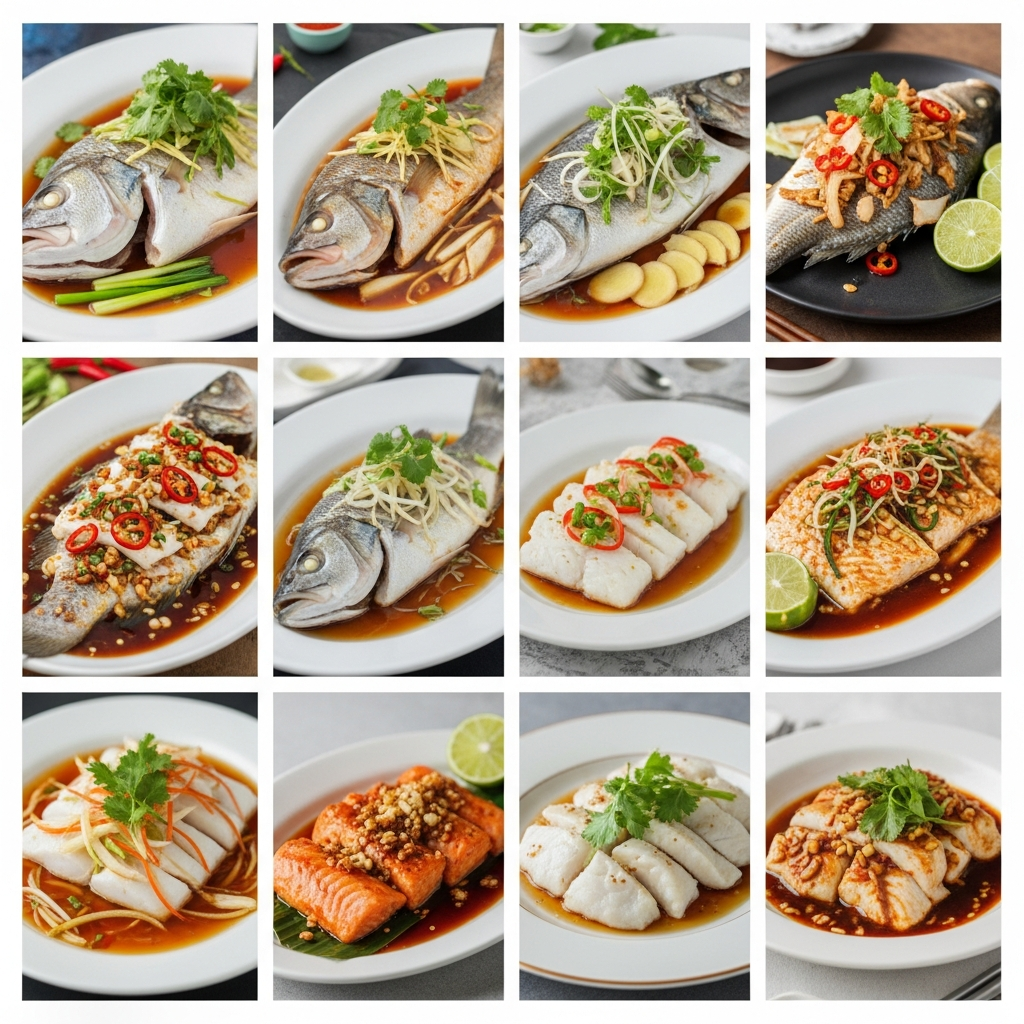
This recipe is fantastic as is, but there are always ways to make it your own or adapt it to what you have on hand. Don’t be afraid to experiment a little!
- Add Fermented Black Beans: For a deeper, more savory umami punch, add 1 teaspoon of rinsed and roughly chopped fermented black beans (douchi) to the garlic when you’re heating the oil. This is a classic Hakka flavor.
- Citrus Zest: A tiny bit of lemon or lime zest added with the scallions before steaming can give a bright, fresh note.
- Different Herbs: While cilantro is traditional, feel free to try a sprinkle of fresh mint or Thai basil for a different aromatic profile.
- Vegetable Bed: Place a bed of thinly sliced mushrooms, Napa cabbage, or bok choy on the plate before adding the halibut. The vegetables will steam beautifully underneath the fish and absorb its delicious juices.
- Spice It Up: Incorporate a pinch of Sichuan peppercorns or a bit of dried red chili flakes into the hot oil for an extra layer of heat and numbing sensation.
- Sauce Boosters: A dash of oyster sauce or fish sauce can be added to the soy sauce mixture for more complexity.
- Ginger Marinade: For even more ginger flavor, rub a little grated ginger directly onto the halibut fillets about 10 minutes before steaming.
Pro Chef Tips
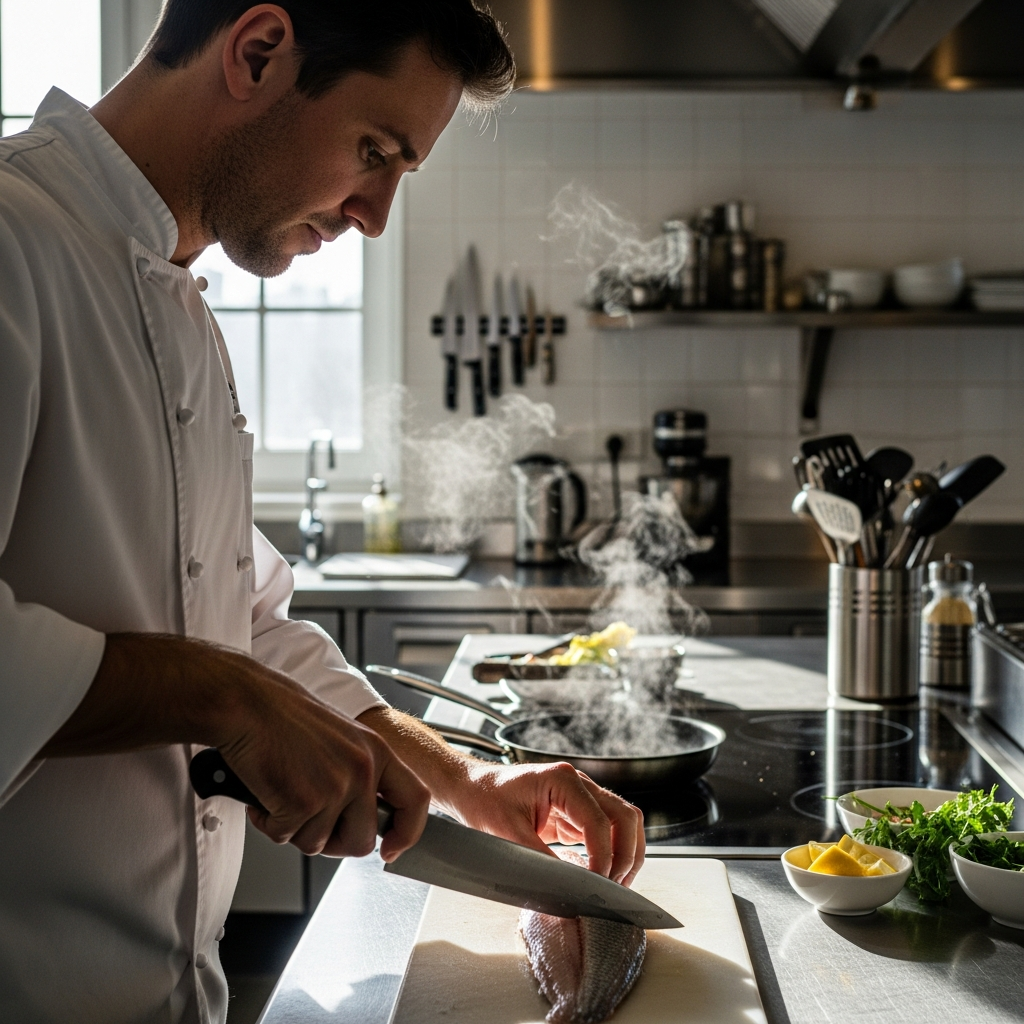
Want to take your Hakka halibut from good to truly gourmet? Here are a few secrets from the pros that will elevate your dish.
- Pat Dry, Pat Dry, Pat Dry: This cannot be emphasized enough! Excess moisture on the fish can lead to a watery dish and dilute the flavors. A perfectly dry fillet steams more evenly and absorbs the sauce better.
- Don’t Overcrowd the Steamer: If you’re cooking more than two fillets, use multiple plates or steam in batches. Overcrowding reduces steam circulation and leads to uneven cooking.
- Hot Oil is Key: The sizzling hot oil isn’t just for show. It quickly cooks the raw aromatics (scallions, julienned ginger, chili) right on the fish, releasing their potent flavors and creating an irresistible aroma. Ensure it’s shimmering hot, but not smoking to the point of burning.
- Temperature Control: Keep the water at a steady rolling boil. If the steam lessens, the cooking time will be longer and the fish might not cook as evenly. A consistent, high steam is what you’re after.
- Fish Thickness Matters: Adjust steaming time based on the thickness. For thinner fillets (under 1-inch), check at 6-7 minutes. For very thick fillets (over 1.5 inches), it might take up to 15 minutes. A general rule of thumb is 8-10 minutes per inch of thickness.
- Pre-warm Your Plate: For an extra touch, you can lightly warm your serving plate before placing the cooked fish on it. This helps keep the dish warm longer, especially important for fish.
- Clean the Steamer: Always ensure your steamer and plate are spotless. Any residue can impart unwanted flavors to your delicate fish.
Common Mistakes to Avoid

Even the simplest recipes have pitfalls. Knowing what to avoid will ensure your Hakka halibut turns out perfect every single time.
- Overcooking the Fish: This is the biggest sin when it comes to fish! Overcooked halibut becomes dry, tough, and loses its delicate flavor. Start checking for doneness at the shorter end of the cooking time range.
- Using Cold Oil: Pouring cool or lukewarm oil over the aromatics won’t create that essential sizzle and flavor infusion. The oil needs to be very hot to
- Using Cold Oil: Pouring cool or lukewarm oil over the aromatics won’t create that essential sizzle and flavor infusion. The oil needs to be very hot to
- Using Cold Oil: Pouring cool or lukewarm oil over the aromatics won’t create that essential sizzle and flavor infusion. The oil needs to be very hot to
- Using Cold Oil: Pouring cool or lukewarm oil over the aromatics won’t create that essential sizzle and flavor infusion. The oil needs to be very hot to
- Using Cold Oil: Pouring cool or lukewarm oil over the aromatics won’t create that essential sizzle and flavor infusion. The oil needs to be very hot to activate the flavors.
- Not Patting the Fish Dry: As mentioned, wet fish equals bland fish. Take the extra minute to pat it down.
- Too Much Sauce: While the sauce is delicious, too much can overpower the delicate flavor of the halibut. A light drizzle is perfect.
- Burning the Garlic: When heating the oil with minced garlic, keep a close eye on it. Garlic burns quickly and becomes bitter. Just a quick sauté until fragrant is all you need.
- Not Using Fresh Aromatics: Dried ginger or garlic powder simply won’t give you the same vibrant, fresh flavors that are crucial for this Hakka style dish.
Storage & Meal Prep

This dish is best enjoyed fresh, right off the steamer, but sometimes you have leftovers or want to get a head start. Here’s how to handle it.
- Storage: Leftover Hakka style halibut should be stored in an airtight container in the refrigerator. It will keep well for up to 1-2 days. The fresh aromatics tend to lose their crispness over time, but the flavor will still be good.
- Reheating: To reheat, gently warm the fish in a microwave on a low setting or in a covered oven-safe dish at a low temperature (around 275°F or 135°C) until just warmed through. Be careful not to overcook, as it can dry out quickly. Steaming it for a few minutes is also an excellent way to reheat without drying.
- Meal Prep (Partial): You can slice and julienne all your ginger, garlic, and scallions ahead of time. Store them in separate airtight containers in the refrigerator for up to 2-3 days. Mix the soy sauce blend and store it separately. This way, when it’s time to cook, all your prep work is done, and the actual cooking takes mere minutes.
Make-Ahead & Freezer Notes
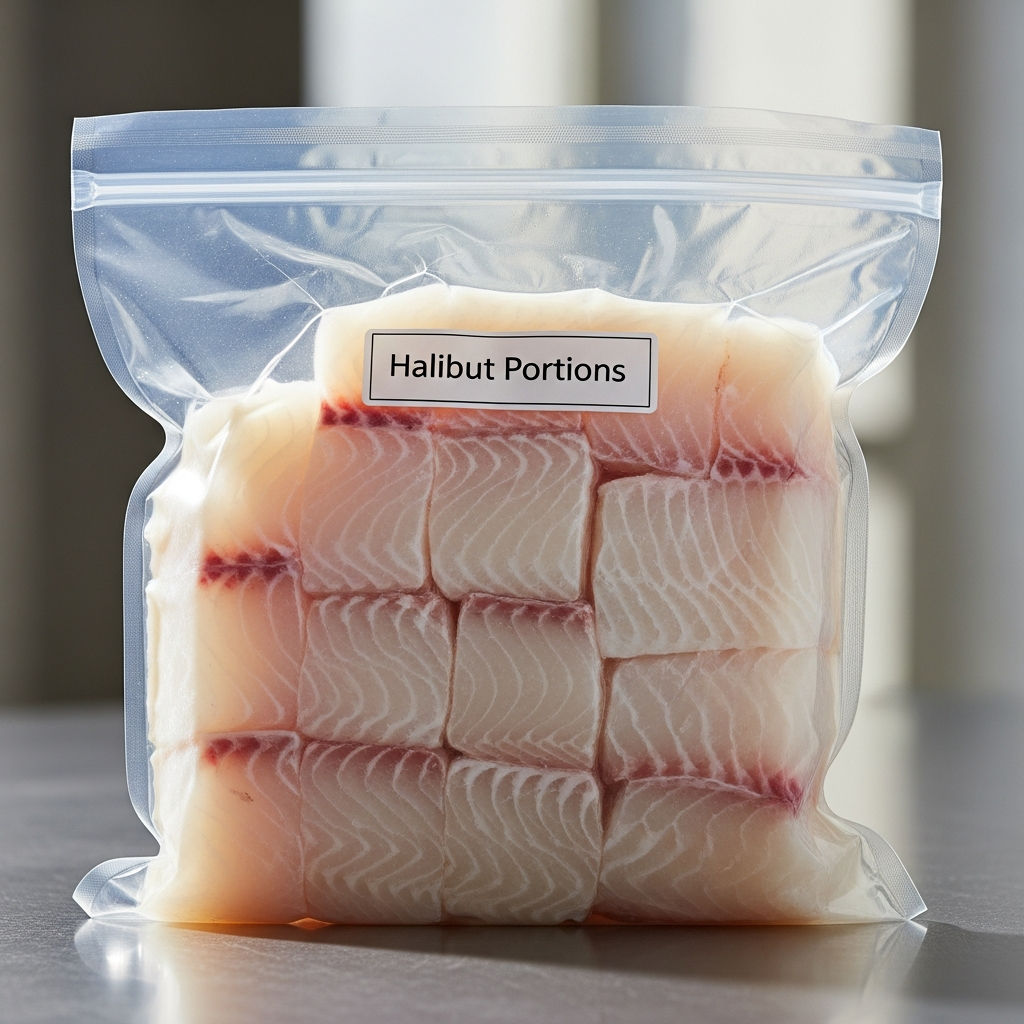
While steaming is quick, knowing how to prep ingredients in advance or freeze components can be a real time-saver.
- Halibut: Raw halibut fillets freeze beautifully. Wrap individual fillets tightly in plastic wrap, then place them in a freezer-safe bag or container. They can be stored for up to 3 months. Thaw overnight in the refrigerator before cooking.
- Sauce Components: The soy sauce, rice vinegar, and sugar mixture can be mixed ahead of time and stored in a sealed jar in the refrigerator for up to a week. Do not add the fresh aromatics to this mixture until just before serving.
- Aromatics: As mentioned, ginger, garlic, and scallions can be prepped and stored for a few days. However, the true ‘sizzle’ effect from the hot oil is best achieved with freshly cut aromatics right before serving.
- Cooked Fish: Cooked steamed fish generally does not freeze well, as it can become mushy and lose its delicate texture upon thawing and reheating. It’s best to enjoy this dish fresh or as refrigerated leftovers within a day or two.
Serving Suggestions
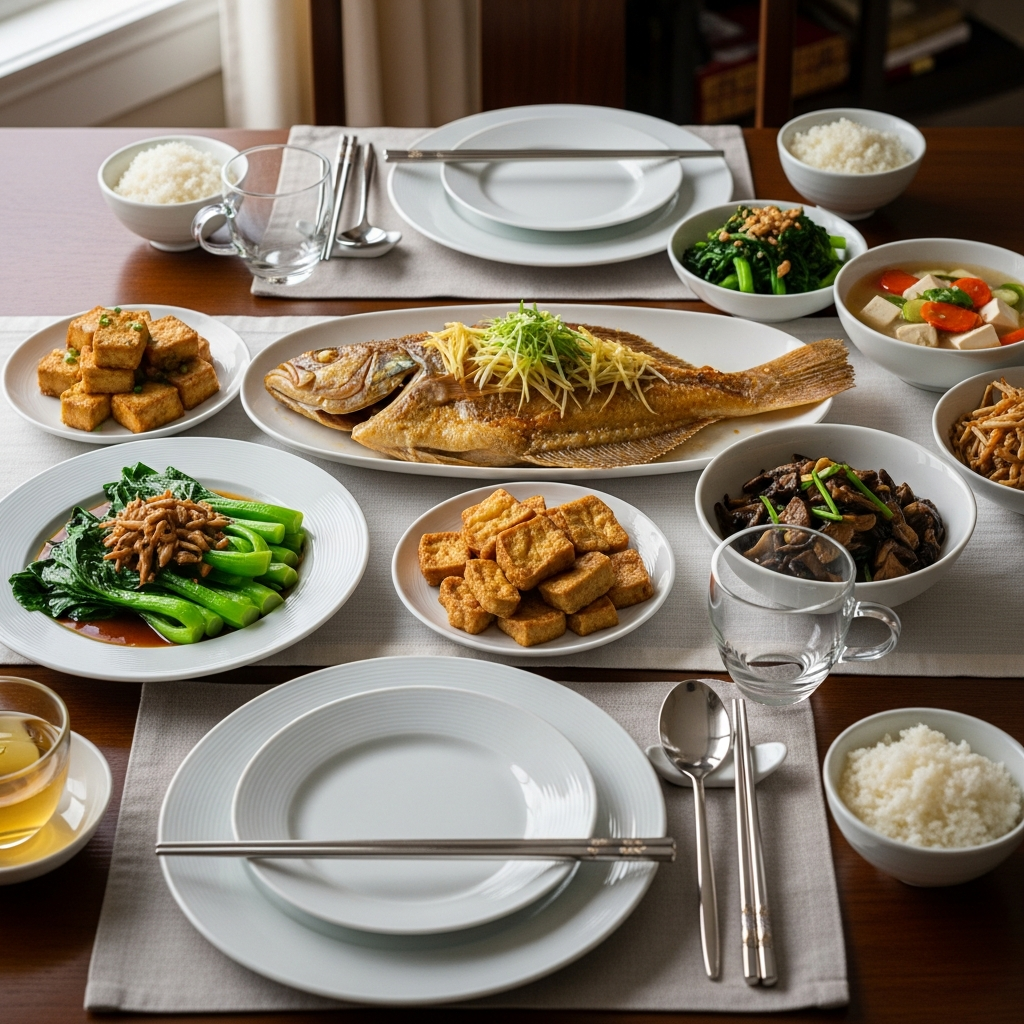
This elegant Hakka style halibut deserves to be part of a well-rounded and delicious meal. Here are some ideas to complete your culinary experience.
- Steamed White Rice: A classic pairing! Fluffy jasmine or basmati rice is perfect for soaking up all the delicious juices and sauce from the fish.
- Stir-fried Greens: Quickly stir-fry some bok choy, gai lan (Chinese broccoli), or spinach with a little garlic and soy sauce. The fresh green crunch provides a lovely contrast.
- Steamed Vegetables: Lightly steam some broccoli florets, asparagus, or sugar snap peas. A drizzle of sesame oil and a pinch of salt is all they need.
- Congee (Rice Porridge): For a comforting and nourishing meal, especially if you’re feeling under the weather, serve the halibut alongside a simple congee.
- Cucumber Salad: A refreshing side salad of thinly sliced cucumbers dressed with a light vinaigrette (rice vinegar, a touch of sugar, sesame oil) can cut through the richness and cleanse the palate.
- Mushroom Medley: Sautéed mixed mushrooms (shiitake, oyster, enoki) with a splash of soy sauce and ginger would make a wonderful earthy accompaniment.
- Light Noodle Soup: If you want a more substantial meal, a small bowl of clear noodle soup with delicate broth would pair beautifully.