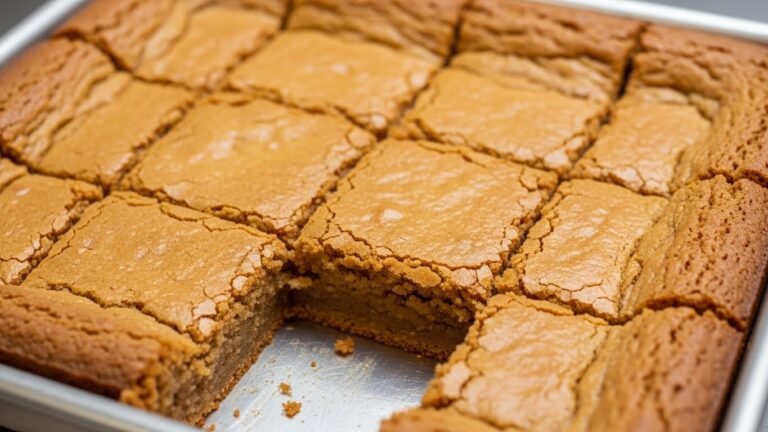
Welcome, fellow baking enthusiasts! There’s something truly magical about French Madeleines. These delicate, shell-shaped cakes, often mistaken for cookies, offer a heavenly soft, buttery texture and a subtle sweetness that’s simply irresistible. They’re perfect for a quiet afternoon tea, a sophisticated dessert, or a delightful treat any time you need a little touch of French elegance. If you’ve always dreamt of baking these beauties but felt intimidated, fear not! This guide is designed to make the process simple, enjoyable, and incredibly rewarding, even for absolute beginners. Get ready to create madeleines with that coveted ‘hump’ and a melt-in-your-mouth tenderness.
A Little History and Background
The Madeleine has a rich history, often associated with the Lorraine region of France. Legend has it that the cake was named after a young cook, Madeleine Paulmier, who served them to the Duke of Lorraine in the 18th century. These little cakes gained widespread fame and became a symbol of French pastry, famously immortalized by Marcel Proust in his novel ‘In Search of Lost Time’. Proust’s description of dipping a Madeleine in tea and being transported back to his childhood made these humble treats a literary icon. Today, they remain a beloved classic, cherished for their simplicity and profound deliciousness.
Why You’ll Absolutely Love This Recipe
- Beginner-Friendly This recipe breaks down each step, making it accessible even if you’re new to French baking.
- Achieve the Perfect Hump We’ll guide you to get that signature dome every time.
- Buttery and Soft Texture The madeleines will be wonderfully tender with a rich, delicate flavor.
- Versatile Treat Perfect for breakfast, dessert, or a delightful snack with coffee or tea.
- Impressive Results Guests will be amazed by your homemade French pastries!
Essential Ingredient Notes
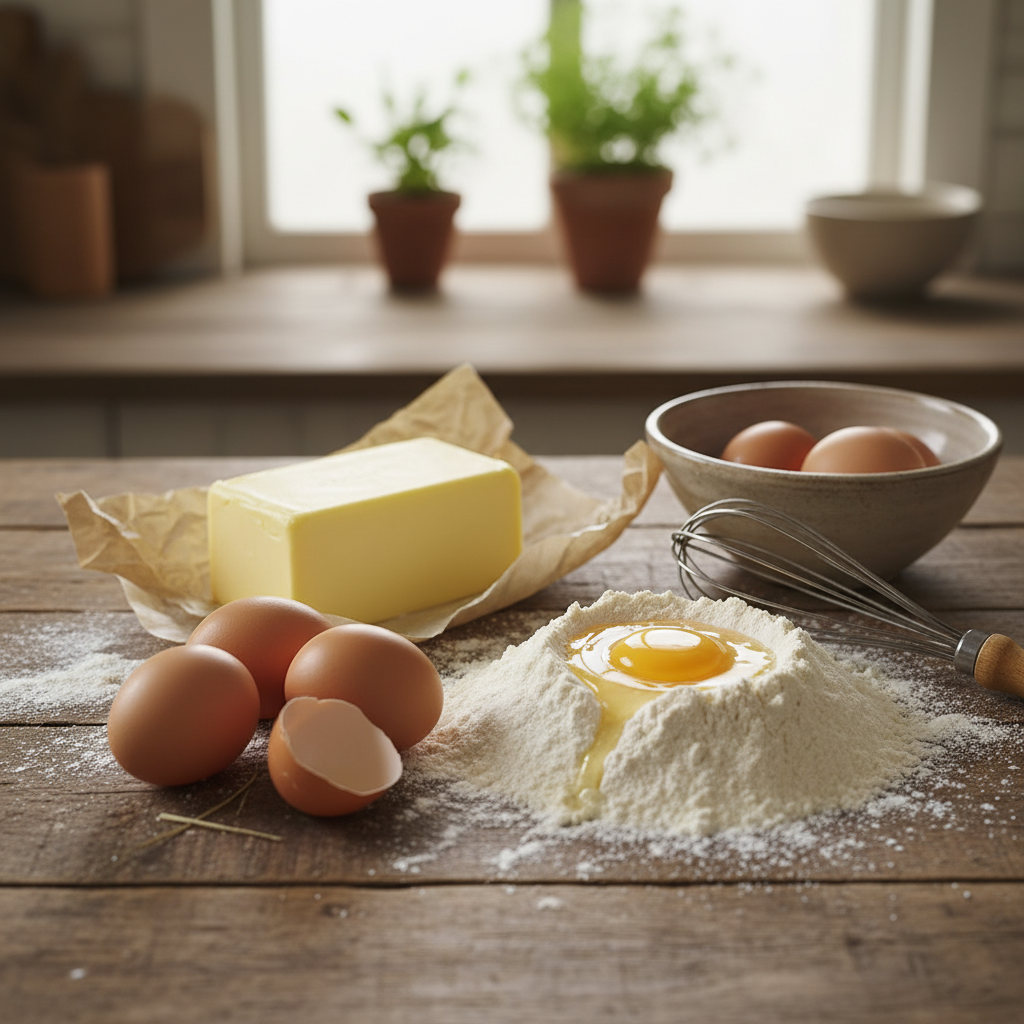
While the ingredients for madeleines are simple, their quality truly shines through. Using good quality ingredients makes a noticeable difference in the final taste and texture.
- Unsalted Butter This is the heart of the Madeleine’s flavor. Melting it and then browning it slightly (beurre noisette) adds an incredible depth.
- All-Purpose Flour Standard flour works perfectly. Sifting it ensures a light, airy texture.
- Granulated Sugar Provides sweetness and helps with browning.
- Eggs Crucial for structure and richness. Ensure they are at room temperature for better emulsification.
- Vanilla Extract A good quality vanilla extract enhances the overall flavor.
- Baking Powder This is what gives the madeleines their signature hump.
- Salt Just a pinch balances the sweetness.
- Lemon Zest (Optional but Recommended) Adds a bright, subtle citrus note that complements the butter wonderfully.
Equipment You’ll Need
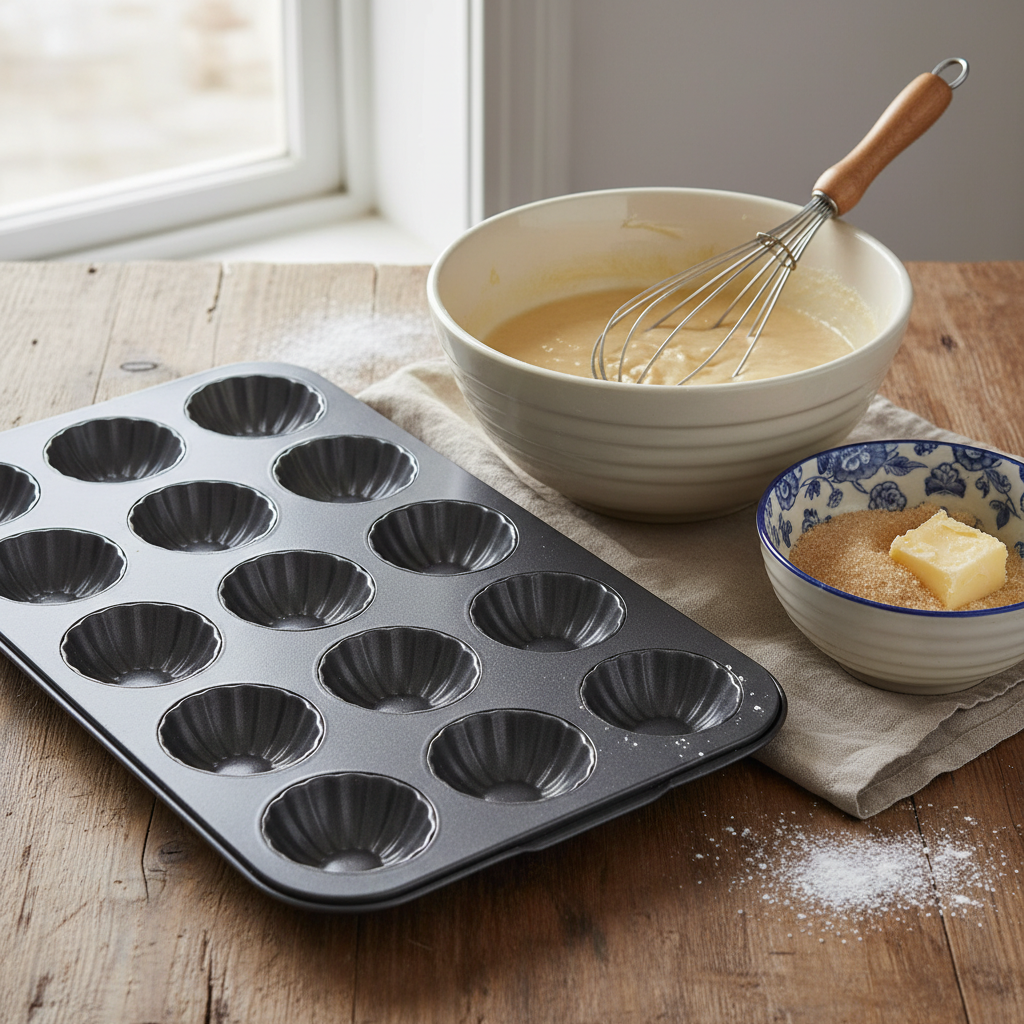
You don’t need a lot of fancy tools for madeleines, but one piece of equipment is non-negotiable for that iconic shape:
- Madeleine Pan This is essential for achieving the shell shape. Non-stick pans are highly recommended. If you have a metal pan, ensure you butter and flour it thoroughly.
- Mixing Bowls A couple of medium-sized bowls will be handy.
- Whisk For combining ingredients.
- Rubber Spatula For folding and scraping down the sides of the bowl.
- Small Saucepan For melting the butter.
- Pastry Brush For buttering the pan.
- Wire Rack For cooling the baked madeleines.
The Full Madeleine Recipe Card
Ingredients
- 100g (about 7 tablespoons) unsalted butter, plus extra for greasing
- 2 large eggs, at room temperature
- 100g (about 1/2 cup) granulated sugar
- 1 teaspoon vanilla extract
- 100g (about 3/4 cup + 2 tablespoons) all-purpose flour, sifted
- 1 teaspoon baking powder
- Pinch of salt
- Zest of 1/2 lemon (optional)
- Powdered sugar for dusting (optional)
Instructions
- Prepare the Butter In a small saucepan, melt the 100g unsalted butter over medium-low heat. Continue to cook, swirling occasionally, until the butter turns golden brown and smells nutty. This is called ‘beurre noisette’ (brown butter). Remove from heat immediately and pour into a small heatproof bowl to cool slightly.
- Whisk Eggs and Sugar In a medium mixing bowl, whisk the room temperature eggs and granulated sugar together vigorously until light in color and slightly thickened, about 2-3 minutes.
- Add Flavorings Stir in the vanilla extract and lemon zest (if using) into the egg mixture.
- Combine Dry Ingredients In a separate small bowl, whisk together the sifted all-purpose flour, baking powder, and pinch of salt.
- Fold Dry into Wet Gradually add the dry ingredients to the egg mixture, folding gently with a rubber spatula until just combined. Be careful not to overmix.
- Incorporate Butter Slowly drizzle the slightly cooled brown butter into the batter, folding until fully incorporated and the batter is smooth. Do not overmix.
- Chill the Batter (Crucial Step) Cover the bowl with plastic wrap and refrigerate the batter for at least 1 hour, or ideally 2-3 hours. This chilling step is key to developing the famous ‘hump’.
- Prepare the Pan Preheat your oven to 190°C (375°F). Generously butter and lightly flour your Madeleine pan, tapping out any excess flour. This ensures a perfect release.
- Fill the Pan Spoon about 1 tablespoon of chilled batter into the center of each shell cavity. Do not overfill.
- Bake Bake for 8-12 minutes, or until the edges are golden brown and the madeleines have risen with their distinctive hump.
- Cool and Serve Immediately invert the madeleines onto a wire rack to cool completely. Dust with powdered sugar if desired before serving.
Recipe Notes
For best results, use a metal Madeleine pan. Silicone pans can work but may not give as pronounced a hump. Ensure all ingredients are at room temperature (except the chilled batter) for a smoother batter.
Tips and Delicious Variations
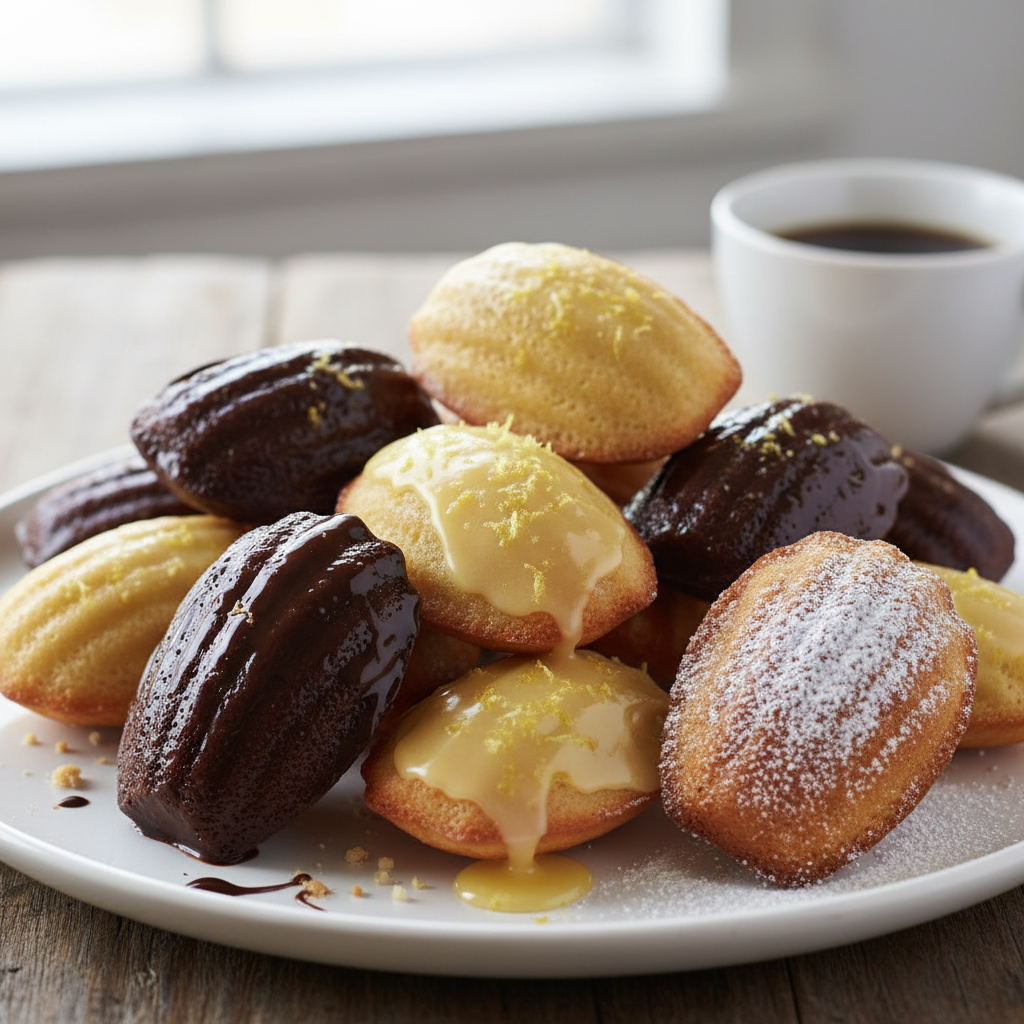
- Citrus Twist In addition to lemon zest, try orange or lime zest for a different aromatic touch.
- Chocolate Dipped Once cooled, dip half of each Madeleine in melted dark or milk chocolate. Sprinkle with sea salt for an extra gourmet touch.
- Glazed Madeleines Whisk together powdered sugar with a little lemon juice or milk to create a simple glaze. Dip or drizzle over cooled madeleines.
- Matcha Madeleines Replace 1 tablespoon of flour with 1 tablespoon of matcha powder for a beautiful green color and earthy flavor.
Pro Chef Tips for Perfect Madeleines
- The Chill is Key Don’t skip chilling the batter! A cold batter hitting a hot oven creates thermal shock, which helps the madeleines rise dramatically and form that coveted hump.
- Perfect Pan Prep Even with a non-stick pan, buttering and flouring (or using a baking spray with flour) is crucial for easy release and a crisp exterior.
- Don’t Overmix Overmixing develops gluten, leading to tough madeleines. Mix until just combined.
- Hot Oven, Then Reduce Some bakers start with a very hot oven (200°C/400°F) for the first 3-5 minutes, then reduce it to 180°C (350°F) for the remainder. This can further encourage the hump.
- Tap the Pan Once filled, gently tap the Madeleine pan on the counter a few times to release any air bubbles and help the batter settle evenly.
Common Mistakes to Avoid
- Overfilling the Molds This will cause your madeleines to spread too much and lose their distinct shell shape.
- Not Chilling the Batter As mentioned, this is the most common reason for a flat Madeleine.
- Opening the Oven Door Too Early Resist the urge to peek! Opening the oven door can cause the madeleines to deflate.
- Under-Greasing the Pan Leads to sticking and broken madeleines. Be generous with butter and flour.
- Overbaking Madeleines bake quickly. Overbaking will result in dry, crumbly cakes instead of soft, tender ones. Keep a close eye on them.
Storage and Meal Prep
Madeleines are best enjoyed fresh, ideally on the day they are baked. Their delicate texture and flavor are at their peak shortly after coming out of the oven. However, they can be stored for a short period.
- Countertop Store cooled madeleines in an airtight container at room temperature for up to 2-3 days. They will lose some of their tenderness but will still be delicious.
- Reviving If they’ve lost a bit of their freshness, you can warm them briefly in a microwave for 10-15 seconds or in a preheated oven at 150°C (300°F) for 5 minutes.
Make-Ahead and Freezer Notes
- Make-Ahead Batter The batter can be made up to 24 hours in advance and stored, covered, in the refrigerator. This allows for convenient fresh baking whenever you crave them. Just give it a gentle stir before filling the molds.
- Freezing Baked Madeleines Cooled madeleines can be frozen. Arrange them in a single layer on a baking sheet and freeze until solid. Then transfer them to an airtight freezer-safe bag or container for up to 1 month. Thaw at room temperature or gently warm in the oven.
Serving Suggestions
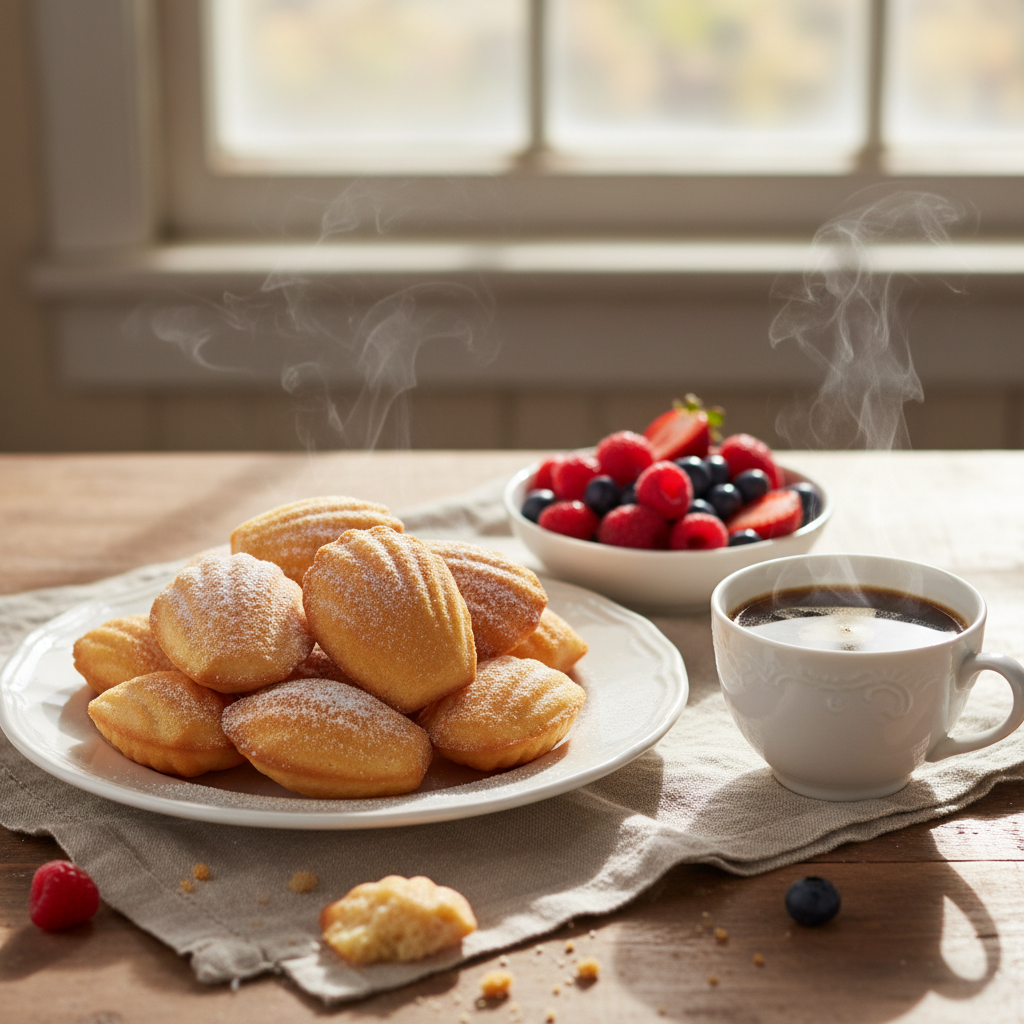
Madeleines are incredibly versatile and can be enjoyed in many ways:
- Classic Tea Time Pair them with a warm cup of coffee or your favorite tea.
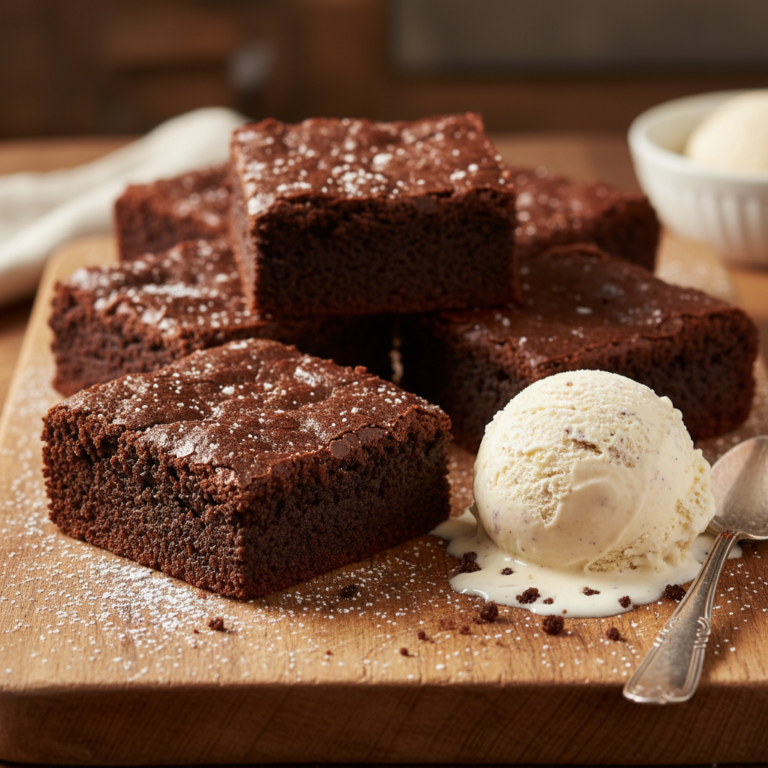
- Dessert Platter Serve them alongside fresh berries, a dollop of whipped cream, or a scoop of vanilla ice cream.
- Breakfast Treat Enjoy them lightly warmed with a spread of jam or lemon curd.
- Dipping Delight Their shape makes them perfect for dipping into hot chocolate or coffee.