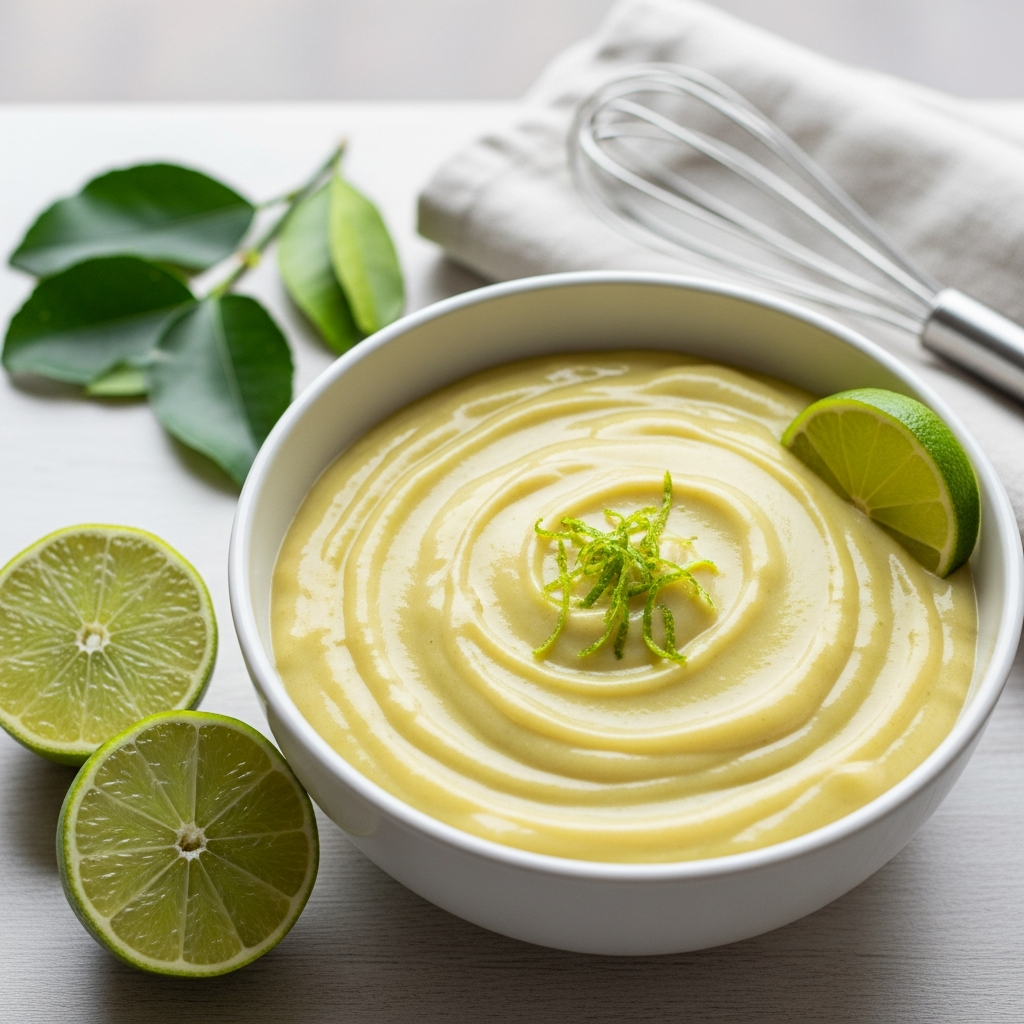
Hello, fellow food lovers! Get ready to discover a truly delightful treat that will brighten your day and tickle your taste buds. We’re diving into the wonderful world of coconut lime curd, a luscious concoction that brings together tropical sweetness with a zesty kick. If you’ve ever enjoyed a classic lemon curd, prepare for a delicious adventure with this exotic twist.
This isn’t just any curd; it’s a celebration of flavors. Imagine a silky-smooth cream, bursting with the sunny brightness of fresh lime and the creamy, subtle sweetness of coconut. It’s truly a spoonful of sunshine! Whether you’re a seasoned baker or just starting your culinary journey, this recipe is designed to be approachable, fun, and absolutely rewarding.
We’ll walk you through everything you need to know to create a perfectly smooth and wonderfully tangy coconut lime curd right in your own kitchen. From understanding the ingredients to mastering the technique, and even exploring creative ways to enjoy it, you’re in for a treat. Let’s get cooking!
History / Background
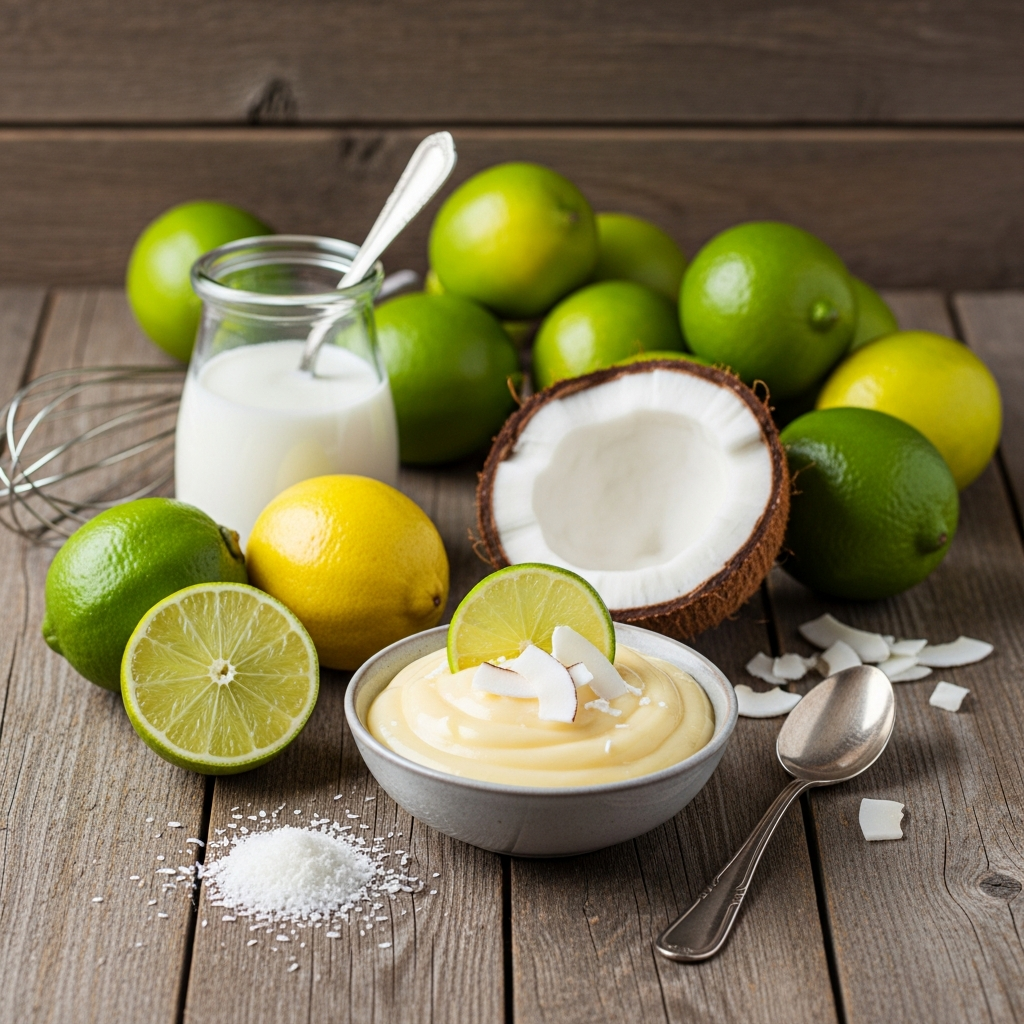
Fruit curds have a rich history, with their origins tracing back to England in the late 19th century. Originally, they were often served with bread or scones for afternoon tea, much like jam. Lemon curd is arguably the most famous, prized for its vibrant flavor and velvety texture.
Over time, as culinary traditions evolved and ingredients became more globally accessible, cooks began experimenting with other fruits. The idea of a tropical curd, incorporating flavors like coconut and lime, emerged as a refreshing and exciting variation. It captures the essence of island desserts and brings a taste of the tropics to any table. Our coconut lime curd is a modern nod to these classic traditions, blending the best of both worlds.
Why You’ll Love This Recipe
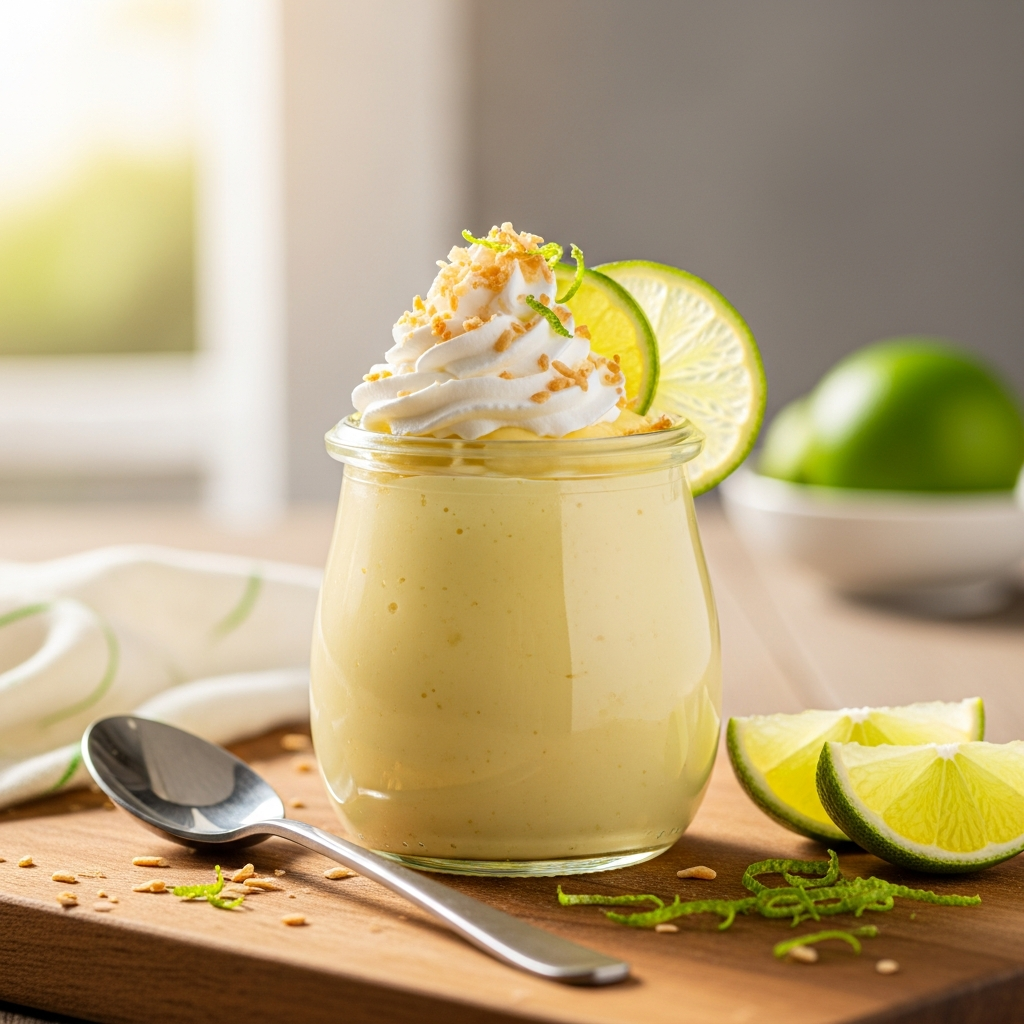
This coconut lime curd isn’t just a recipe; it’s an experience. Here’s why you’ll absolutely fall in love with it:
* It has an incredible flavor profile, perfectly balancing the tartness of lime with the creamy sweetness of coconut.
* The texture is wonderfully smooth and velvety, making every bite a delight.
* It is surprisingly simple to make, even for beginner cooks, with clear, step-by-step instructions.
* It is incredibly versatile and can be used in countless desserts or enjoyed on its own.
* It uses common ingredients you likely already have or can easily find at any grocery store.
* It’s a fantastic way to impress guests with minimal effort but maximum flavor impact.
* It offers a delicious escape to a tropical paradise with every spoonful.
Ingredient Notes

Creating the perfect coconut lime curd starts with understanding your ingredients. Each one plays a crucial role in achieving that desirable smooth texture and tangy-sweet flavor.
Full-Fat Coconut Milk
This is the star for creaminess and coconut flavor. Make sure you use full-fat canned coconut milk, not the lighter version or the drinkable kind from a carton. The fat content is essential for richness and proper thickening. Shake the can well before opening to combine the cream and water.
Fresh Lime Juice and Zest
Always use fresh limes! Bottled lime juice simply doesn’t compare in terms of brightness and flavor. The zest is incredibly important too, as it contains essential oils that give a much deeper, more aromatic lime flavor than juice alone. Make sure to only zest the green part of the lime, avoiding the bitter white pith underneath.
Granulated Sugar
Sugar not only adds sweetness but also contributes to the curd’s smooth texture and helps it set. You can adjust the amount slightly to your preference, but it’s important for the overall balance.
Large Eggs and Egg Yolks
Eggs are what make the curd thicken beautifully. Using a combination of whole eggs and extra egg yolks creates a richer, more luxurious texture and a deeper yellow color. Ensure your eggs are fresh.
Unsalted Butter
Butter adds a wonderful silkiness, richness, and shine to the curd. Make sure it’s unsalted so you can control the overall saltiness of the finished product. Cutting it into small cubes helps it melt faster and incorporate smoothly into the hot curd.
A Pinch of Salt
Just a tiny bit of salt helps to balance all the flavors, making the lime tang brighter and the coconut sweetness more pronounced. Don’t skip it!
Equipment Needed
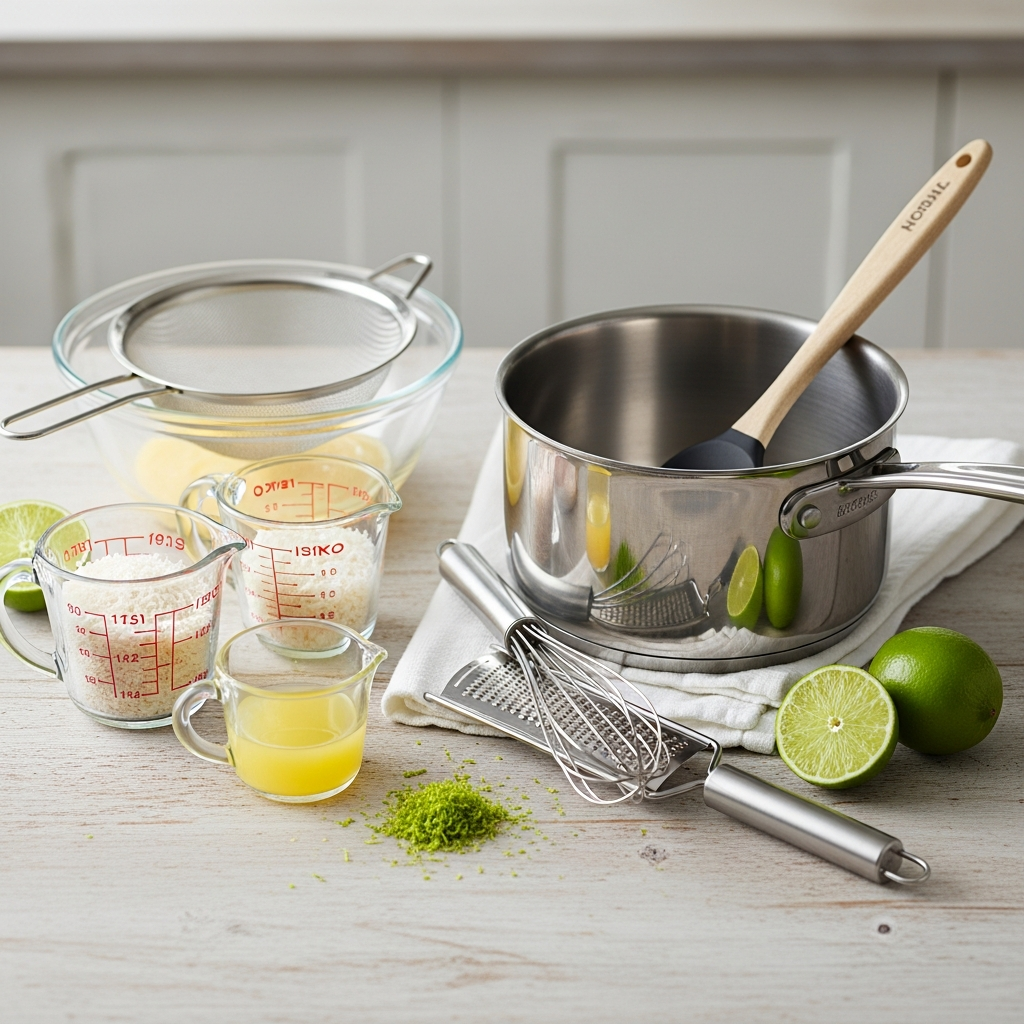
Having the right tools makes the process much smoother and more enjoyable. Here’s what you’ll need:
* A medium saucepan: For cooking the curd gently.
* A whisk: Essential for constant stirring to prevent lumps and ensure even cooking.
* A heatproof bowl: For combining ingredients and whisking eggs.
* A fine-mesh sieve: Crucial for straining the curd to achieve that wonderfully smooth texture.
* Rubber spatula: For scraping down the sides of the pan and bowl.
* Measuring cups and spoons: For accurate ingredient measurements.
* A glass jar or airtight container: For storing your finished curd.
* A double boiler setup (optional but recommended): If you are nervous about cooking eggs directly over heat, a double boiler offers a gentler, more controlled cooking environment. This means placing your heatproof bowl over a simmering pot of water.
Full Recipe Card
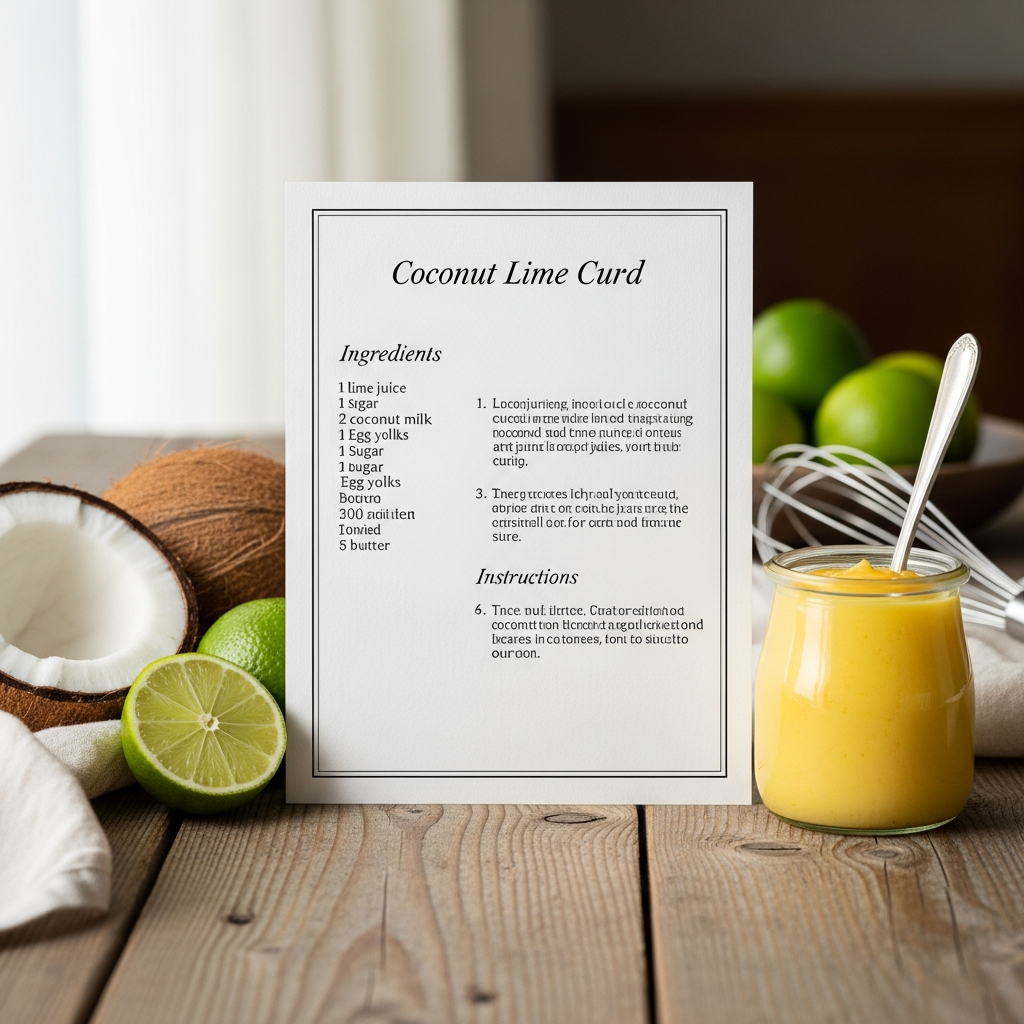
Here’s how to make that dreamy coconut lime curd!
Ingredients
* 1 (13.5 ounce) can full-fat coconut milk
* 1/2 cup fresh lime juice (from about 3-4 limes)
* 2 tablespoons lime zest (from about 3-4 limes)
* 1 cup granulated sugar
* 3 large eggs
* 2 large egg yolks
* 1/2 cup unsalted butter, cut into small cubes
* Pinch of salt
Instructions
1. Prepare your workstation: Have all your ingredients measured out and ready. Have a fine-mesh sieve set over a clean heatproof bowl ready for straining.
2. Combine base ingredients: In a medium saucepan (or the top of a double boiler), whisk together the coconut milk, lime juice, lime zest, and granulated sugar. Heat over medium-low heat, stirring occasionally, until the sugar has fully dissolved and the mixture is warm but not simmering.
3. Whisk eggs: In a separate heatproof bowl, whisk together the whole eggs and egg yolks until well combined and slightly frothy.
4. Temper the eggs: Slowly ladle about half a cup of the warm coconut-lime mixture into the whisked eggs while whisking constantly. This is called tempering and prevents the eggs from scrambling. Continue to slowly add another half cup, whisking all the while.
5. Return to saucepan: Pour the tempered egg mixture back into the saucepan with the remaining coconut-lime mixture.
6. Cook the curd: Return the saucepan to medium-low heat (or continue cooking over the double boiler). Cook, whisking constantly, until the curd thickens significantly. It should coat the back of a spoon and register between 170°F and 175°F (77°C and 79°C) on an instant-read thermometer. This usually takes about 8-12 minutes. Do not let it boil, as this can curdle the eggs.
7. Add butter and salt: Remove the saucepan from the heat. Add the cubed unsalted butter and the pinch of salt. Whisk until the butter is completely melted and fully incorporated, making the curd smooth and glossy.
8. Strain the curd: Immediately pour the hot curd through the fine-mesh sieve into your prepared clean bowl. Use a rubber spatula to press any thicker bits through the sieve, ensuring a perfectly smooth texture. Discard any solids left in the sieve.
9. Cool the curd: Cover the surface of the curd directly with plastic wrap to prevent a skin from forming. Let it cool at room temperature for about an hour, then transfer it to the refrigerator to chill completely for at least 3-4 hours, or preferably overnight, until it is firm and cold.
Notes
* Constant whisking is key to prevent scrambling the eggs and burning the bottom.
* If using a double boiler, the cooking time might be a bit longer but it offers more control.
* The curd will thicken considerably more as it chills in the refrigerator.
Tips & Variations
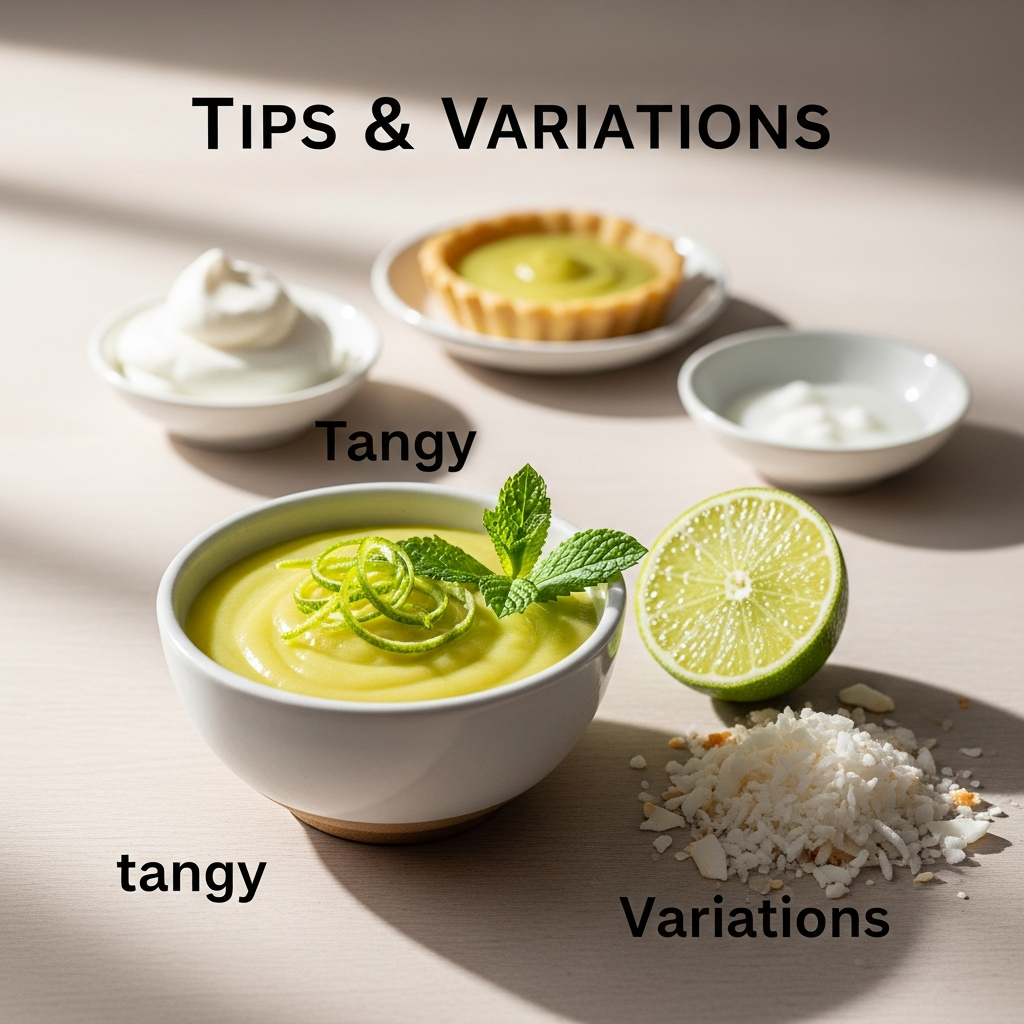
This coconut lime curd is fantastic as is, but here are some ideas to play with the flavors and textures!
Flavor Variations
Other Citrus
Try a blend of lime and lemon, or even a touch of orange zest for a slightly sweeter, brighter flavor. Grapefruit could also add a lovely bitter tang.
Tropical Twist
Add a splash of rum extract or a tiny bit of grated fresh ginger to the curd for an extra layer of tropical warmth.
Vanilla Bean
Scrape the seeds from half a vanilla bean into the mixture along with the coconut milk for an elegant, fragrant addition.
Texture Variations
Thicker Curd
If you prefer a very firm curd for tarts, you can add one more egg yolk to the recipe. Just be careful not to overcook.
Lighter Curd
For a slightly lighter, more spreadable curd, you can reduce the butter by about 1-2 tablespoons.
Dietary Adjustments
Less Sugar
You can reduce the sugar by about 1/4 cup if you prefer a very tart curd. Taste and adjust as you go, keeping in mind sugar also helps with texture.
Dairy-Free
This recipe is already dairy-free if you use a dairy-free butter alternative. Make sure to check the ingredients of your coconut milk and butter for any hidden dairy.
Pro Chef Tips
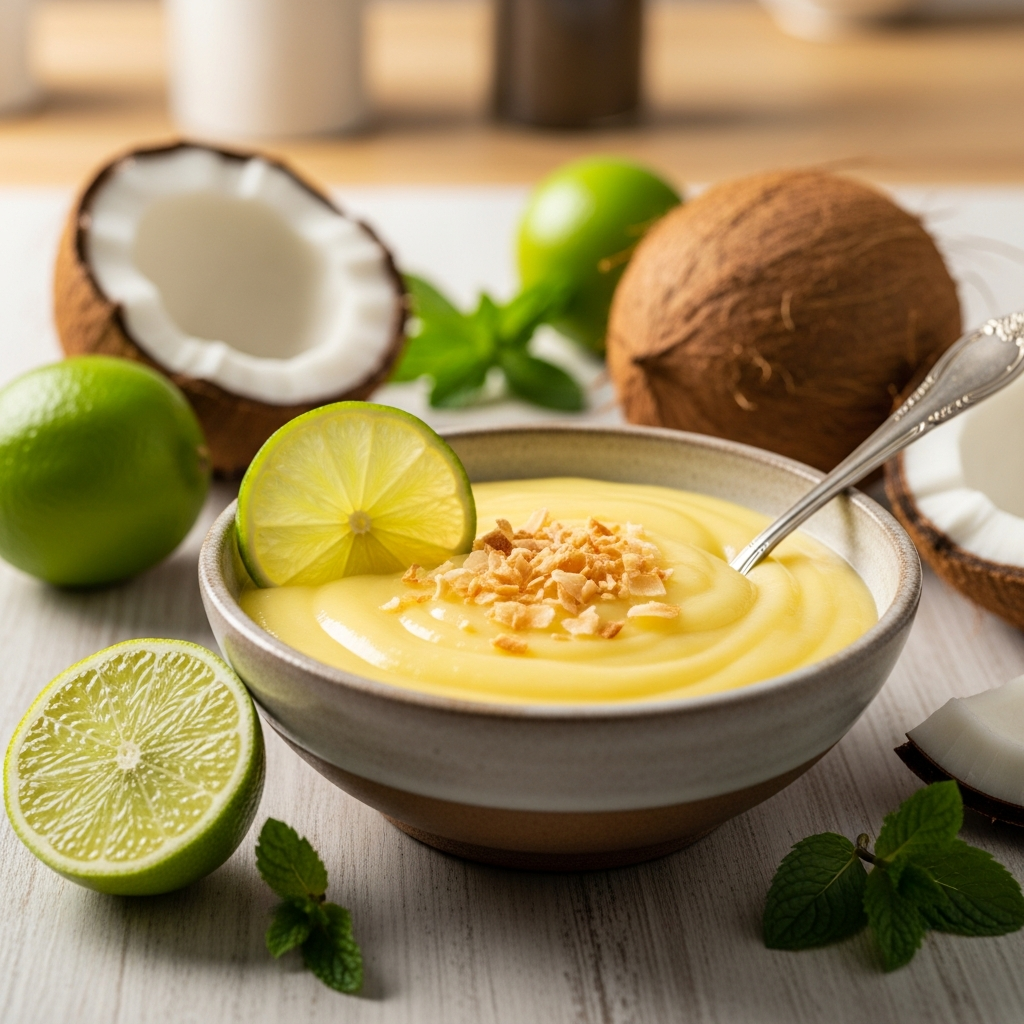
Want your coconut lime curd to be absolutely perfect? Here are some insider tips that professional chefs use.
Weigh Your Ingredients
For ultimate precision, especially with sugar and butter, weigh your ingredients using a kitchen scale rather than measuring cups. This ensures consistent results every time.
Tempering is Non-Negotiable
Never rush the tempering step. Slowly adding the hot liquid to the eggs while continuously whisking is essential. It gently brings the eggs up to temperature, preventing them from scrambling.
Watch the Temperature
An instant-read thermometer is your best friend here. Cooking the curd to between 170°F and 175°F (77°C and 79°C) ensures it is safely cooked and will thicken properly without overcooking. Anything higher risks scrambled eggs.
The Whisk is Your Partner
Whisk, whisk, whisk! Constant whisking prevents the eggs from setting on the bottom of the pan and ensures a smooth, lump-free consistency. Pay attention to the corners and edges of the pan.
Don’t Skip Straining
Even if you think your curd looks perfectly smooth, strain it. This step catches any tiny bits of cooked egg or zest that could compromise the silky texture. It makes a huge difference.
Chill Thoroughly
Patience is a virtue! The curd needs adequate time in the refrigerator to fully set and firm up. Resist the urge to use it before it’s thoroughly chilled; it will be worth the wait.
Common Mistakes to Avoid
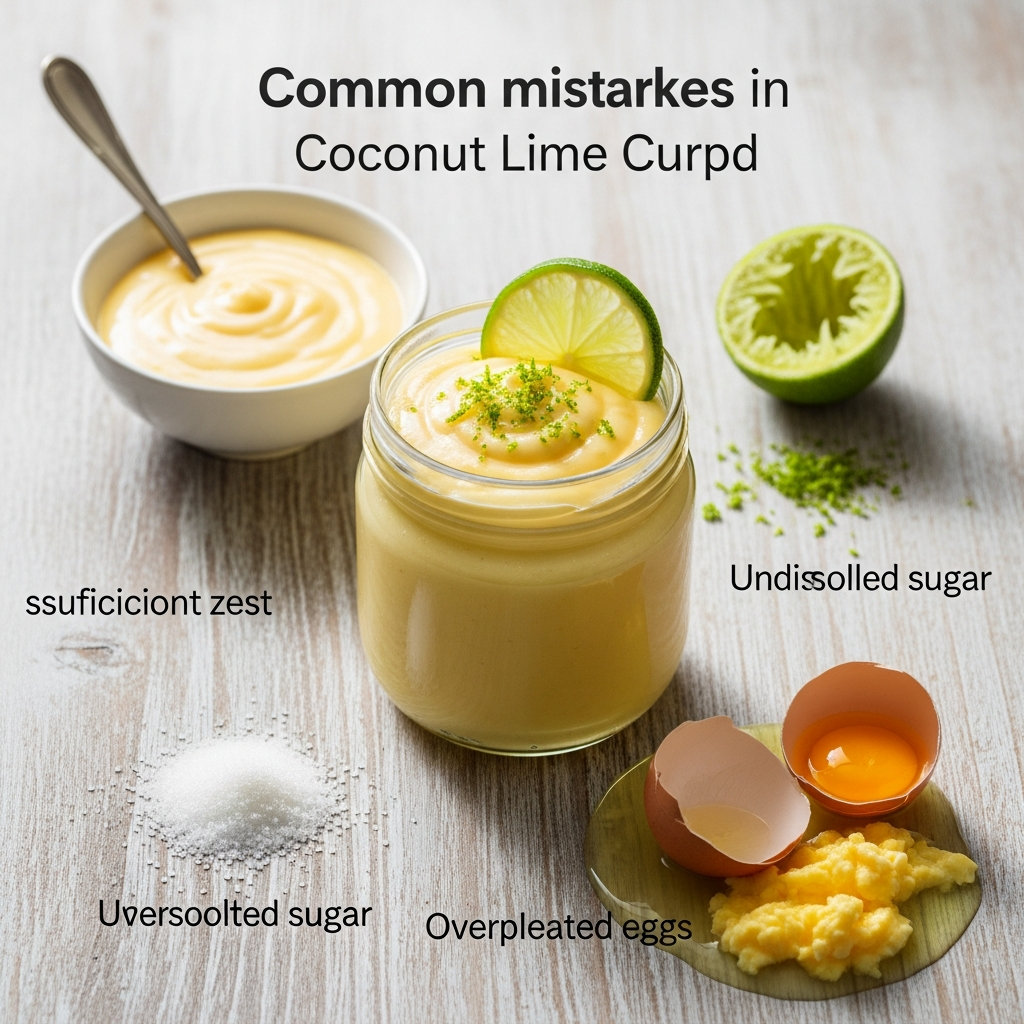
Even the simplest recipes can have pitfalls. Here’s what to watch out for to ensure your coconut lime curd is a success.
Scrambled Eggs
This is the most common mistake. It happens if you add hot liquid to cold eggs too quickly without whisking, or if you cook the curd over too high a heat. Always temper your eggs carefully and cook over low to medium-low heat.
Grainy Texture
A grainy texture can be due to sugar not fully dissolving or eggs cooking unevenly. Constant whisking and making sure the sugar is dissolved before adding eggs helps. Straining also catches any small grains.
Not Thick Enough
If your curd isn’t thickening, it usually means it hasn’t cooked long enough or hasn’t reached the correct temperature. Make sure it coats the back of a spoon and register 170-175°F. Remember it will also thicken significantly as it chills.
Too Watery
Using light coconut milk instead of full-fat, or adding too much lime juice can result in a watery curd. Stick to the specified measurements.
Curdled Curd
Overcooking, especially allowing the curd to boil, can cause it to curdle. Keep the heat low and steady, and remove it from the heat once it reaches the correct thickness and temperature.
Not Covering Properly
If you don’t press plastic wrap directly onto the surface of the curd while it cools, a rubbery skin will form. This doesn’t affect flavor but ruins the smooth texture.
Storage & Meal Prep
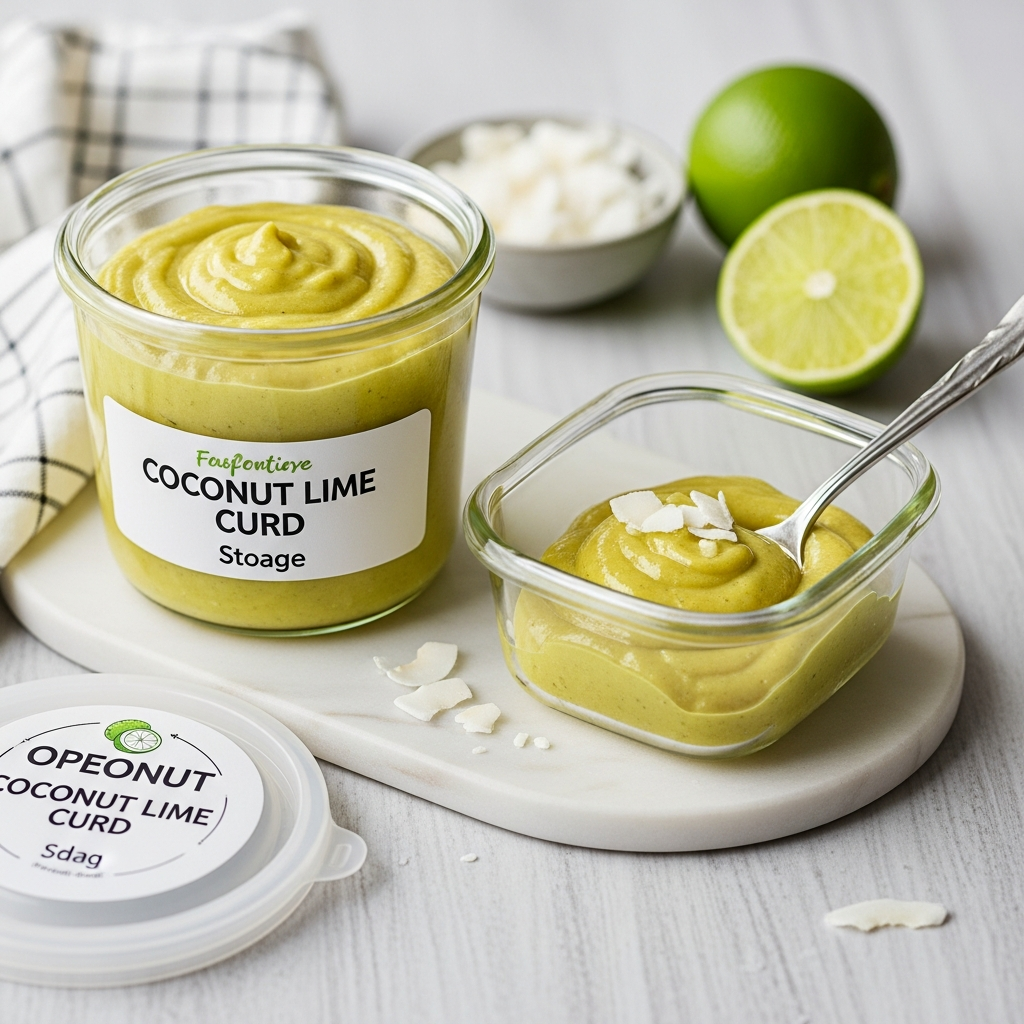
Making a batch of coconut lime curd is a fantastic way to have a delicious treat ready to go. Here’s how to store it and integrate it into your meal prep.
Refrigeration
Once chilled, transfer your coconut lime curd to an airtight container or a clean glass jar. It will keep beautifully in the refrigerator for up to 1-2 weeks. Always ensure the lid is tightly sealed to prevent it from absorbing other odors from your fridge.
Checking for Spoilage
Always trust your senses. If the curd develops any off odors, mold, or a change in color, it’s best to discard it.
Meal Prep
Coconut lime curd is perfect for meal prep! Make a batch on the weekend and portion it into small containers. It’s great for adding to yogurt parfaits, overnight oats, or simply enjoying by the spoonful as a quick, delightful snack throughout the week.
Make-Ahead & Freezer Notes
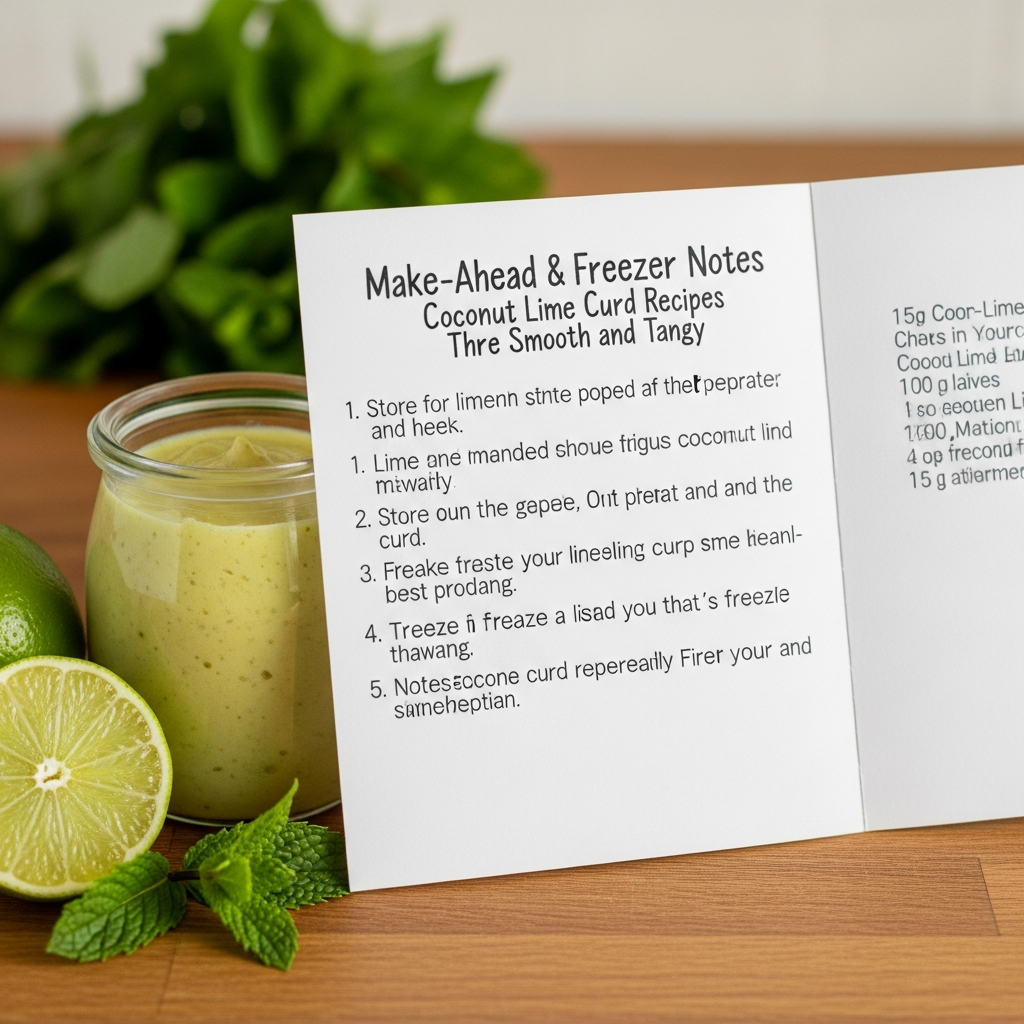
This curd is an excellent make-ahead component for various desserts, saving you time when you need it most.
Make-Ahead
You can easily prepare the coconut lime curd several days in advance. In fact, its flavor often deepens and improves after a day or two in the fridge. Just store it as described above. This makes it perfect for dinner parties or holiday baking when you want to get a head start.
Freezer Notes
Yes, you can freeze coconut lime curd! It freezes very well.
* To freeze: Transfer the completely chilled curd into freezer-safe containers or jars, leaving about half an inch of headspace to allow for expansion. Label with the date.
* Storage time: It can be stored in the freezer for up to 2-3 months.
* Thawing: When you’re ready to use it, transfer the frozen curd to the refrigerator to thaw overnight.
* Texture after thawing: It might separate slightly after thawing, but a quick whisk will bring it back to its smooth, creamy consistency.
Serving Suggestions
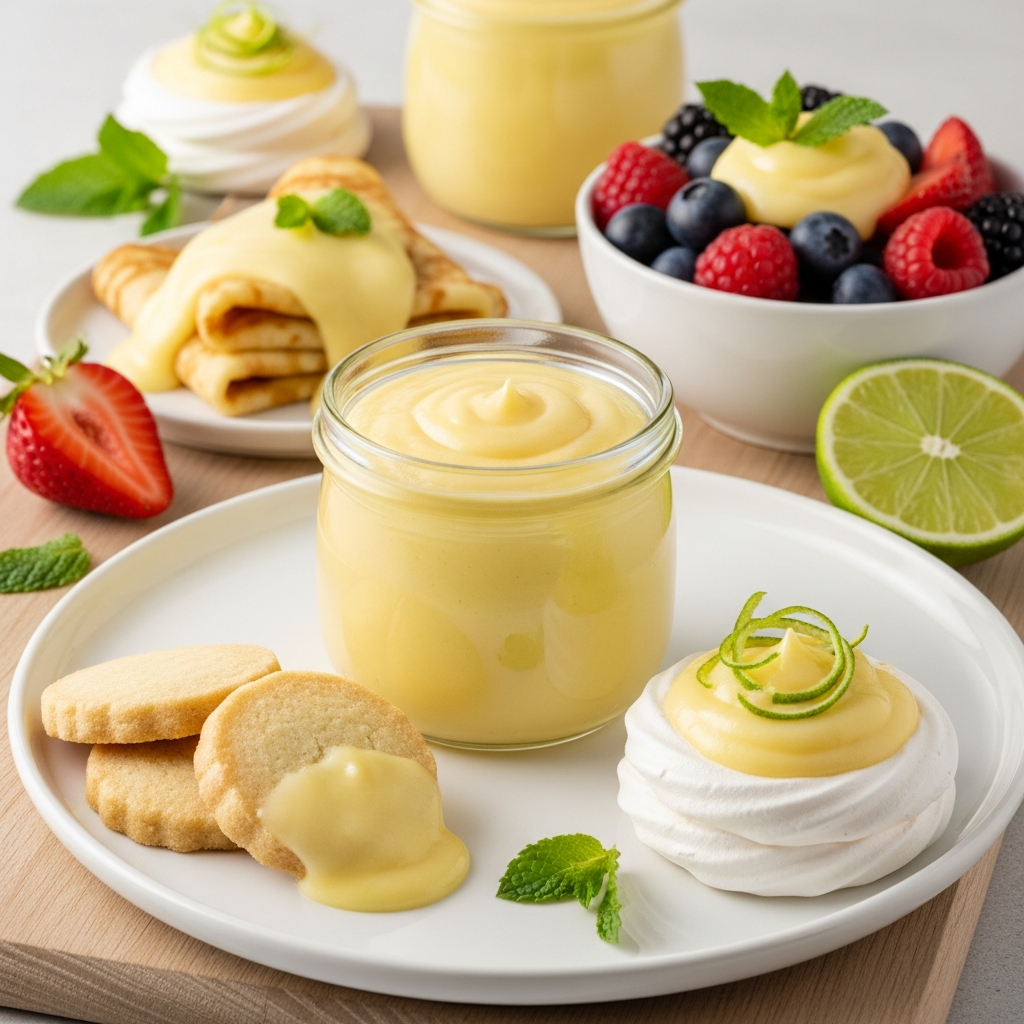
Now for the fun part: how to enjoy your gorgeous coconut lime curd! Its versatility is one of its best features.
* Toast and Scones: Spread it generously on warm toast, English muffins, crumpets, or fresh-baked scones for a luxurious breakfast or brunch.
* Yogurt or Granola: Swirl a spoonful into plain Greek yogurt, top with granola, and fresh berries for a vibrant and satisfying breakfast.
* Cakes and Cupcakes: Use it as a filling for layer cakes, cupcakes, or even as a topping for cheesecakes.
* Tarts and Pies: It makes an exquisite filling for mini tarts, a classic pie, or a beautiful meringue pie.
* Pavlova or Meringues: A dollop of coconut lime curd is heavenly alongside crisp meringues or a fluffy pavlova with fresh fruit.
* Fruit Parfaits: Layer it with fresh tropical fruits like mango, pineapple, and shredded coconut for an elegant parfait.
* Ice Cream Topping: Warm it slightly and drizzle it over vanilla ice cream or sorbet for an instant gourmet dessert.
* Thumbprint Cookies: Use it as the sweet, tangy center for delicate shortbread thumbprint cookies.
* Just a Spoonful: Honestly, sometimes the best way to enjoy it is simply straight from the spoon!