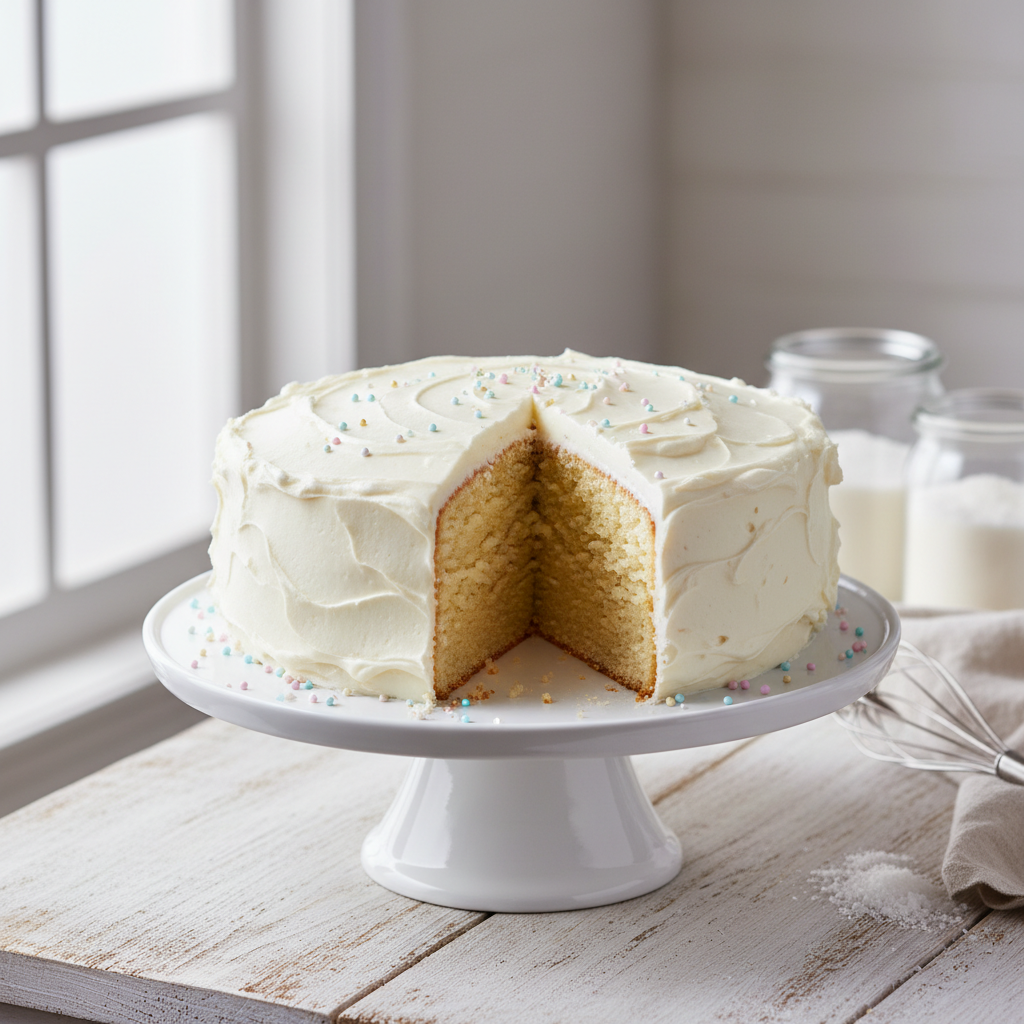
Welcome, fellow bakers and sweet tooths! There’s something truly magical about a classic sheet cake. It’s unassuming, often overlooked, yet it consistently delivers pure joy. Forget complicated layers or fancy decorations; a sheet cake is all about simple, unadulterated deliciousness. It’s the kind of cake that brings back childhood memories, perfect for potlucks, birthdays, or just a Tuesday afternoon treat. If you’ve been searching for that go-to recipe that’s incredibly soft, wonderfully moist, and utterly foolproof, your quest ends here. Get ready to bake a cake that will have everyone asking for seconds!
A Sweet Journey – History and Background
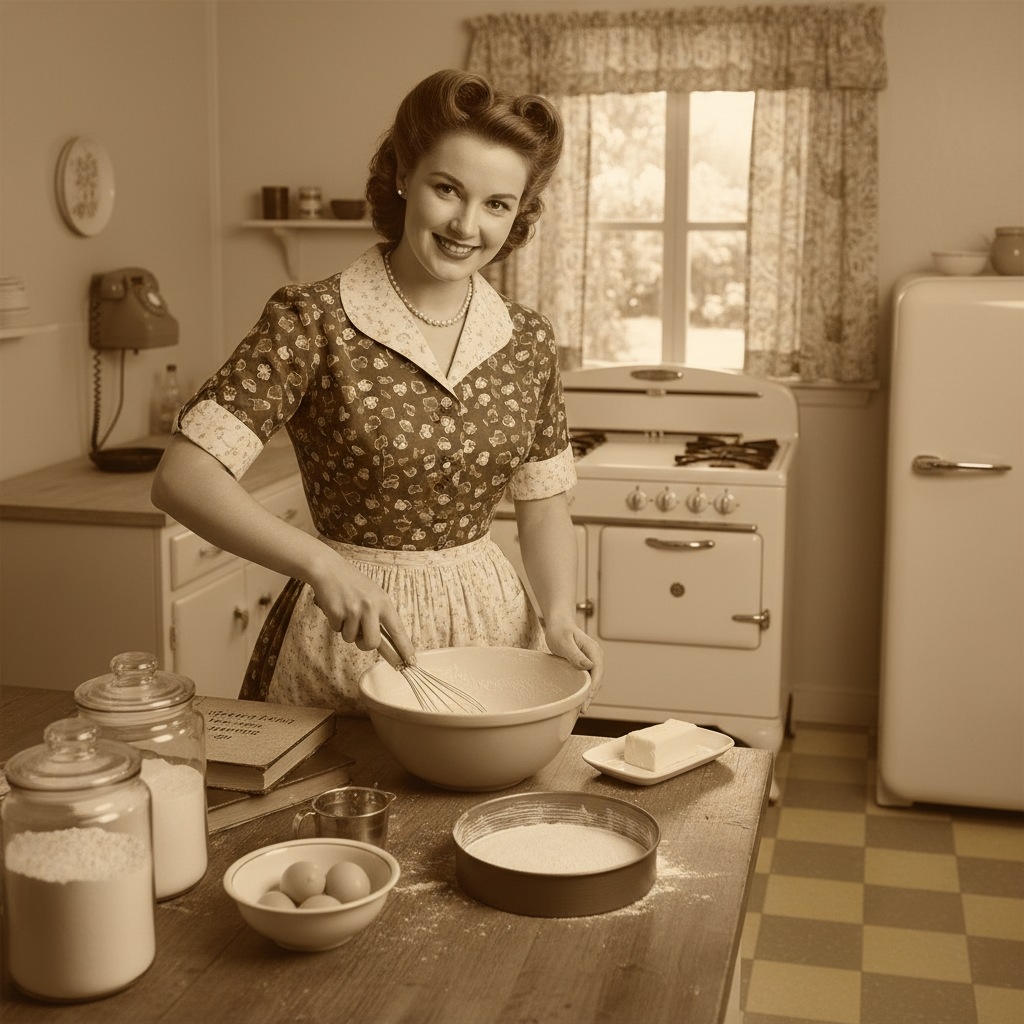
The humble sheet cake has a fascinating history, deeply rooted in American culinary tradition. While elaborate tiered cakes graced formal occasions, the sheet cake emerged as a practical, efficient, and equally delightful alternative. Its origins can be traced back to the early 20th century when home baking became more accessible and popular. The large, flat surface made it ideal for feeding a crowd, easy to transport, and incredibly versatile for decorating. Over the decades, it evolved from a simple utilitarian dessert into a beloved classic, a staple at family gatherings, school events, and community picnics. It’s a testament to the idea that sometimes, the simplest things are the best.
Why You’ll Love This Recipe

- Beginner-Friendly This recipe is designed for bakers of all skill levels, especially those new to baking.
- Consistently Moist We use specific techniques to ensure your cake is never dry, always perfectly tender.
- Incredibly Versatile Easy to adapt with different frostings, extracts, and toppings.
- Feeds a Crowd Perfect for parties, potlucks, or when you need a generous dessert.
- Pure Comfort Food A classic flavor that evokes warmth and nostalgia.
- Simple Ingredients Uses everyday pantry staples you likely already have.
Ingredient Notes
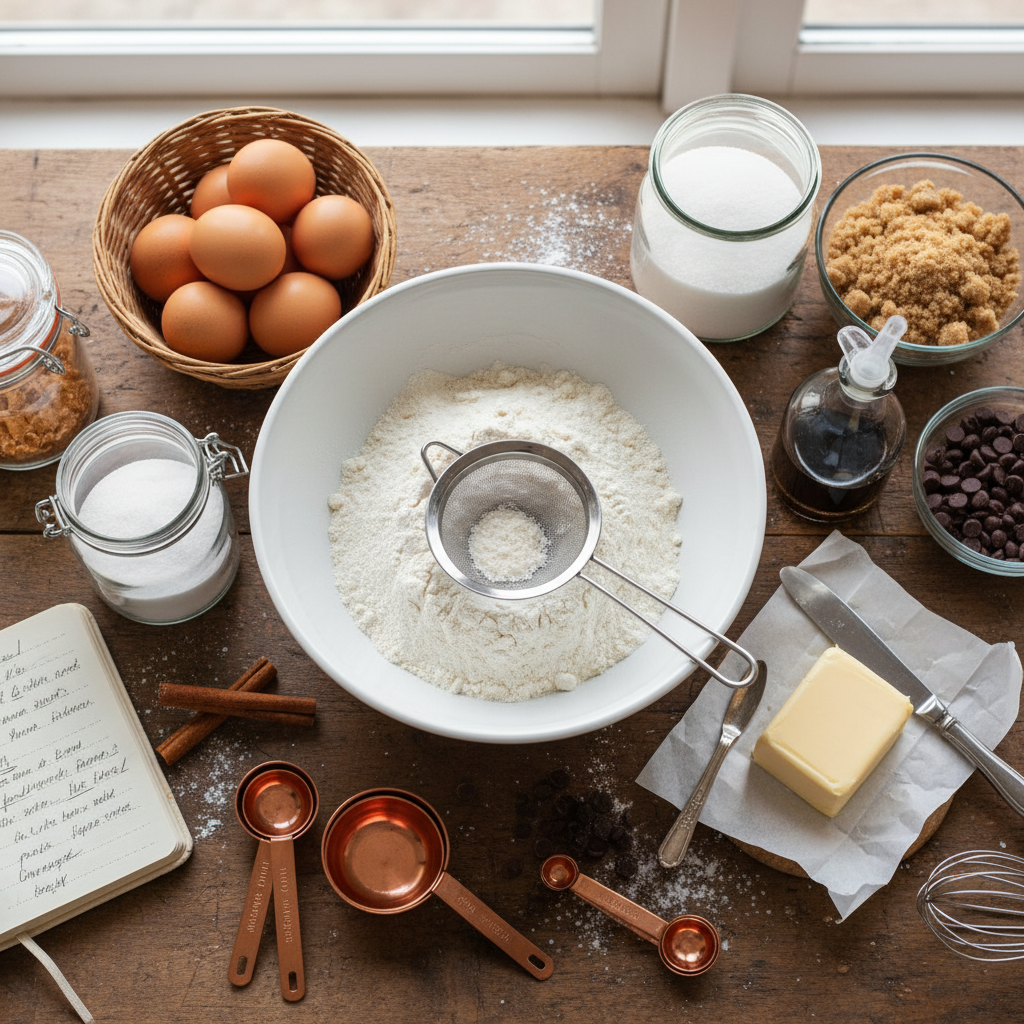
Let’s talk about the stars of our show – the ingredients! Each one plays a crucial role in creating that perfect soft and moist texture.
- All-Purpose Flour The backbone of our cake. Sifting it helps create a lighter crumb.
- Granulated Sugar Provides sweetness and helps with browning and moisture.
- Baking Powder and Baking Soda Our leavening agents, ensuring a light and airy rise. Make sure they’re fresh!
- Salt Balances the sweetness and enhances all the other flavors.
- Unsalted Butter Room temperature butter creams beautifully, creating air pockets for a tender cake.
- Large Eggs Also at room temperature, they bind ingredients and add richness.
- Whole Milk or Buttermilk Adds moisture and tenderness. Buttermilk also reacts with baking soda for extra lift.
- Vanilla Extract Use good quality vanilla for the best flavor.
Equipment Needed
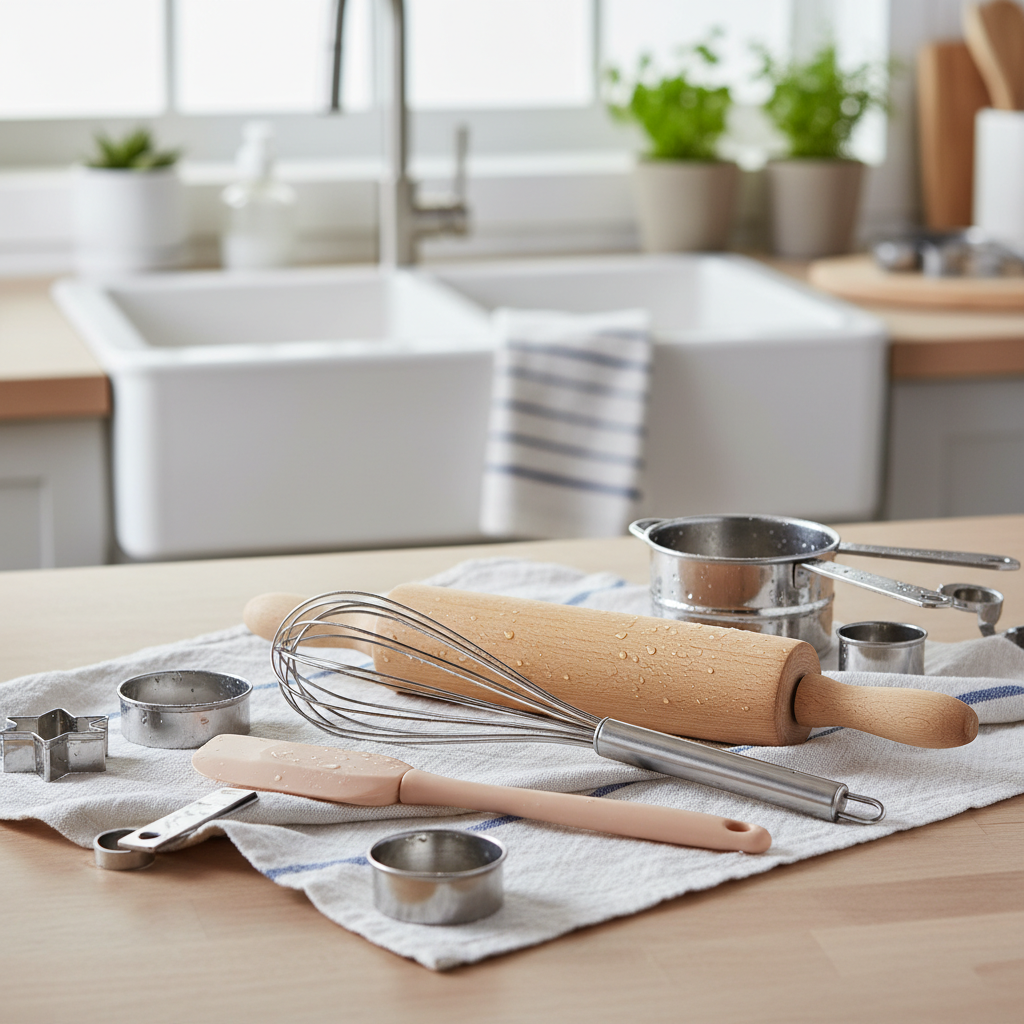
No fancy gadgets required, just a few kitchen essentials!
- 9×13 Inch Baking Pan The star of the show for our sheet cake.
- Large Mixing Bowls You’ll need at least two.
- Electric Mixer Stand mixer or hand mixer for creaming butter and sugar.
- Whisk For dry ingredients.
- Rubber Spatula For scraping bowls and folding.
- Measuring Cups and Spoons Accuracy is key in baking.
- Parchment Paper For easy cake removal and cleanup.
- Wire Rack For cooling the cake completely.
Full Recipe Card – Classic Sheet Cake
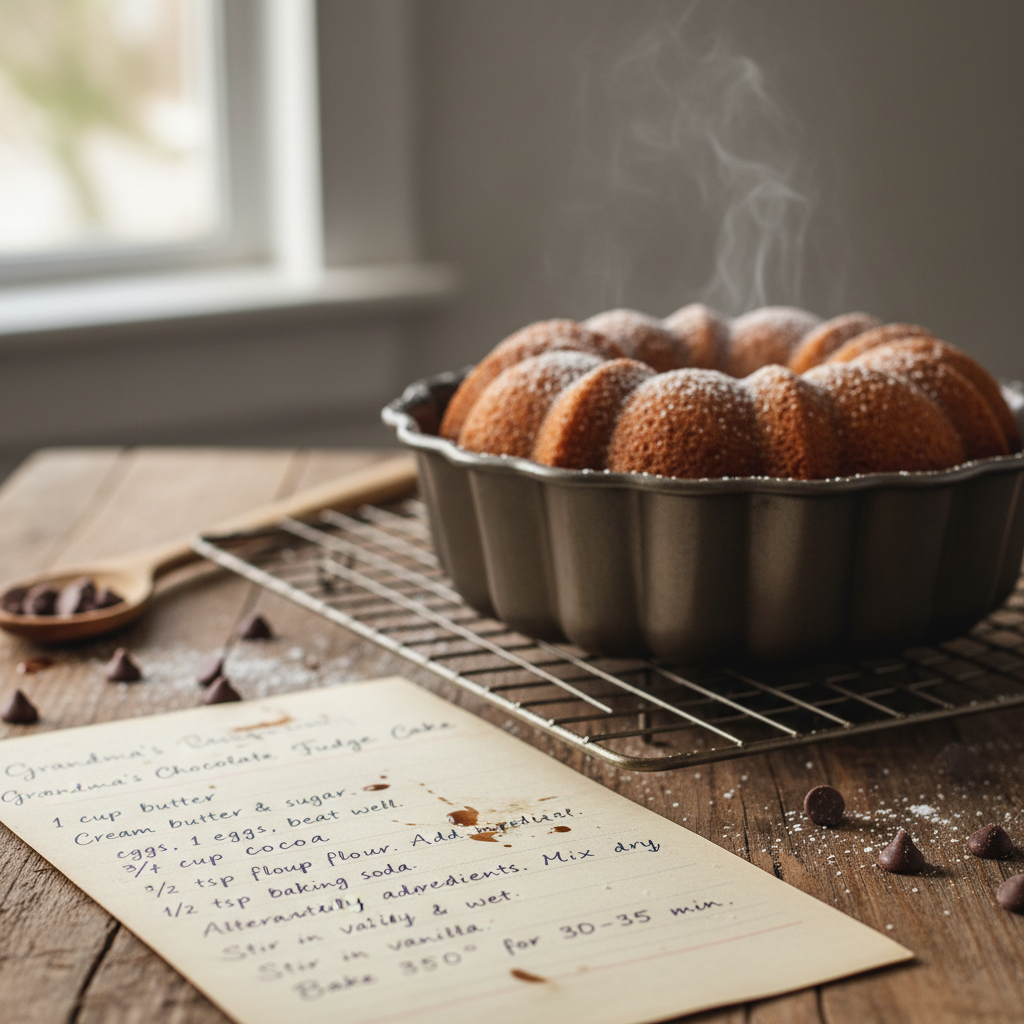
Ingredients for the Cake
- 2 ½ cups all-purpose flour, sifted
- 1 ½ cups granulated sugar
- 1 tablespoon baking powder
- ½ teaspoon baking soda
- ½ teaspoon salt
- ½ cup (1 stick) unsalted butter, softened to room temperature
- 2 large eggs, room temperature
- 1 cup whole milk or buttermilk, room temperature
- 2 teaspoons pure vanilla extract
Ingredients for the Vanilla Buttercream Frosting
- 1 cup (2 sticks) unsalted butter, softened
- 4 cups powdered sugar, sifted
- ¼ cup whole milk or heavy cream
- 1 teaspoon pure vanilla extract
- Pinch of salt
Instructions
- Preheat and Prep Preheat your oven to 350°F (175°C). Grease and flour a 9×13 inch baking pan, or line with parchment paper, leaving an overhang on the sides for easy lifting.
- Combine Dry Ingredients In a large bowl, whisk together the sifted flour, sugar, baking powder, baking soda, and salt. Set aside.
- Cream Wet Ingredients In a separate large bowl, using an electric mixer, cream together the softened butter and eggs until light and fluffy, about 3-4 minutes.
- Alternate Additions Gradually add the dry ingredients to the wet ingredients, alternating with the milk, beginning and ending with the dry ingredients. Mix on low speed until just combined. Do not overmix! Stir in the vanilla extract.
- Bake the Cake Pour the batter evenly into the prepared baking pan. Bake for 30-35 minutes, or until a wooden skewer inserted into the center comes out clean.
- Cool Completely Let the cake cool in the pan on a wire rack for 15 minutes, then carefully invert it onto the wire rack to cool completely. This is crucial before frosting!
- Make the Frosting While the cake cools, make the frosting. In a large bowl, using an electric mixer, beat the softened butter until creamy. Gradually add the sifted powdered sugar, alternating with the milk/cream, vanilla extract, and salt. Beat on medium-high speed until light and fluffy, about 3-5 minutes.
- Frost and Serve Once the cake is completely cool, spread the frosting evenly over the top. Slice and enjoy!
Notes
- Prep time 20 minutes
- Cook time 30-35 minutes
- Yields 12-16 servings
- Pro Tip Don’t open the oven door during the first 20 minutes of baking to prevent the cake from sinking.
Tips and Variations
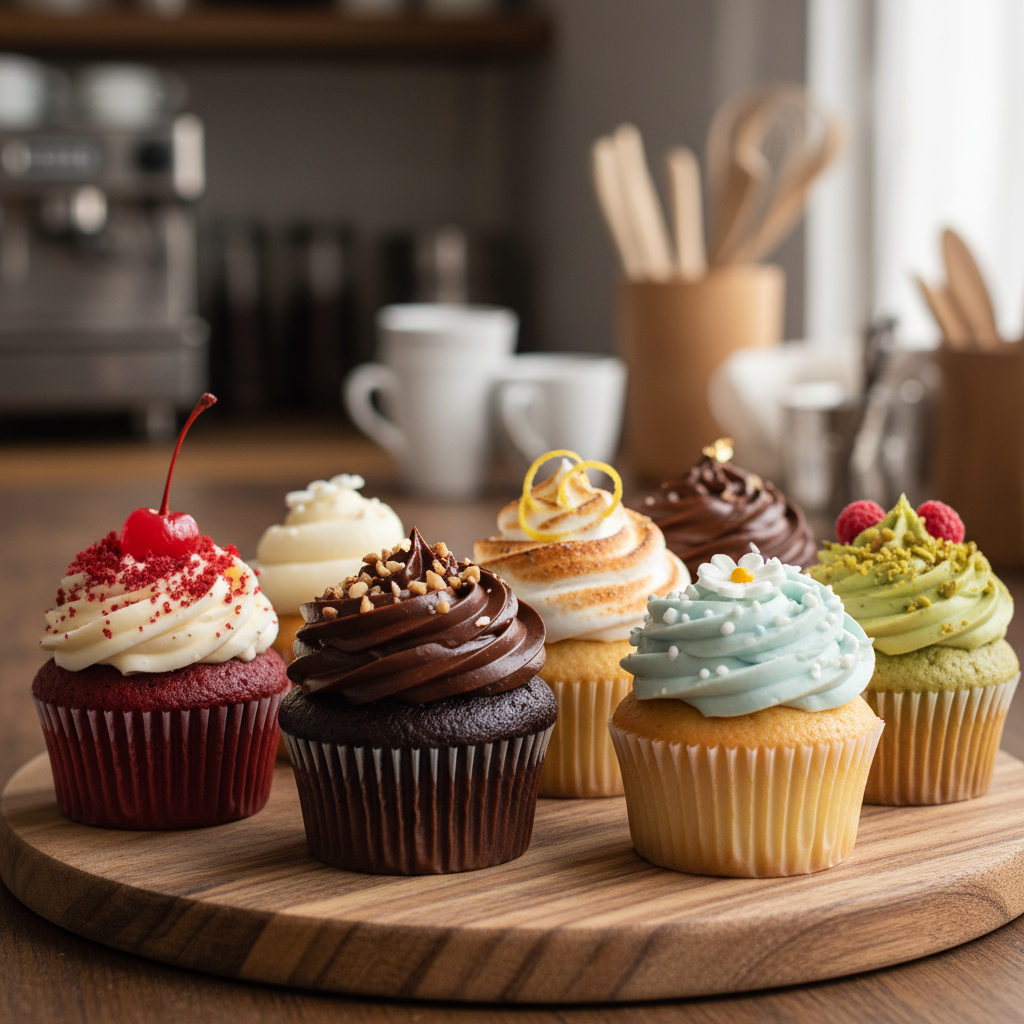
This classic recipe is a fantastic base for endless creativity!
- Citrus Zest Add the zest of one lemon or orange to the batter for a bright, tangy twist.
- Almond Flavor Swap half of the vanilla extract for almond extract for a subtle nutty flavor.
- Chocolate Chips Fold in ½ cup of mini chocolate chips into the batter before baking.
- Coffee Cake Swirl a cinnamon-sugar mixture into the top of the batter before baking for a coffee cake vibe.
- Different Frostings Experiment with chocolate buttercream, cream cheese frosting, or even a simple glaze.
Pro Chef Tips
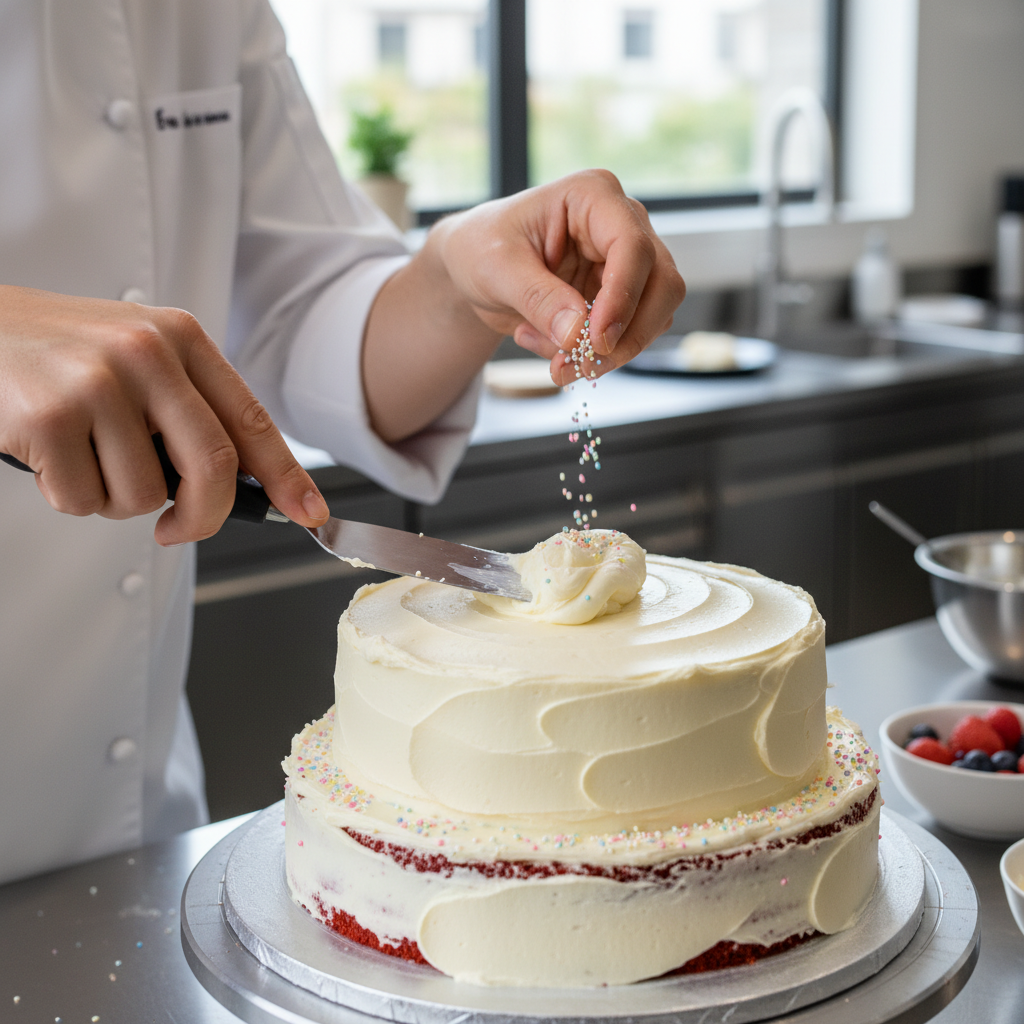
Even simple recipes benefit from a few professional touches!
- Room Temperature Ingredients This is not a suggestion, it’s a rule! Room temperature butter, eggs, and milk emulsify better, creating a smoother batter and a more uniform texture.
- Do Not Overmix Once you add the flour, mix only until just combined. Overmixing develops the gluten, leading to a tough, dry cake.
- Measure Flour Correctly Spoon flour into your measuring cup and level it off with a straight edge. Scooping directly can compact the flour, adding too much.
- Parchment Paper is Your Friend It makes removing the cake from the pan a breeze and ensures no sticking.
- Cool Completely Before Frosting Frosting a warm cake will result in melted, runny frosting. Patience is key!
Common Mistakes to Avoid
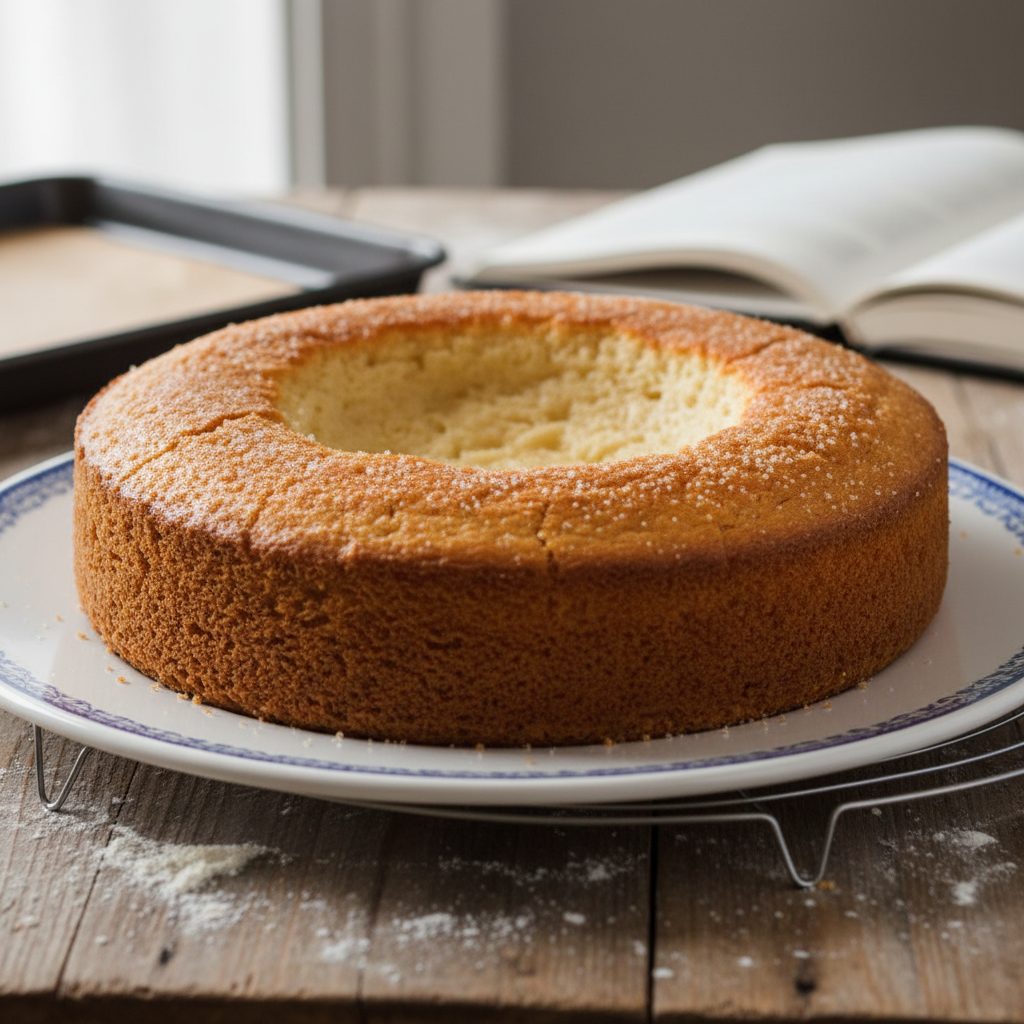
We all make mistakes, especially in baking. Here are some common pitfalls to sidestep:
- Using Cold Ingredients As mentioned, cold ingredients don’t emulsify properly, leading to a less cohesive batter and a denser cake.
- Overmixing the Batter This is the most common culprit for a tough cake. Mix until just combined, no more.
- Not Measuring Accurately Baking is a science. Use proper measuring tools and techniques.
- Opening the Oven Door Too Soon A sudden drop in temperature can cause the cake to sink in the middle.
- Not Greasing Your Pan Properly Nothing is more frustrating than a cake stuck to the pan. Take the time to grease and flour (or use parchment) thoroughly.
Storage and Meal Prep
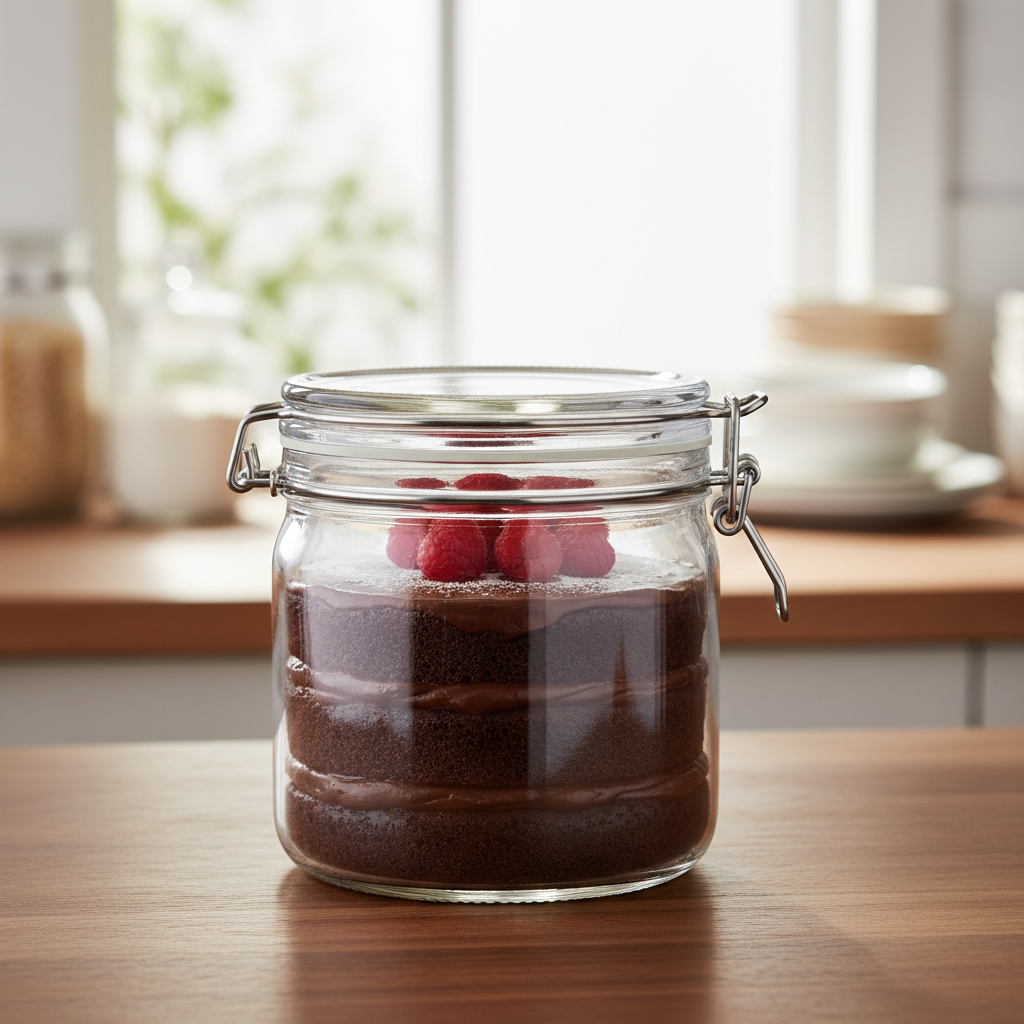
Good news! This sheet cake stores beautifully, making it perfect for meal prep or enjoying over several days.
- Countertop Store frosted cake in an airtight container at room temperature for up to 3 days. If it’s very warm in your kitchen, you might want to refrigerate it.
- Refrigeration For longer storage, or if your frosting contains perishable ingredients like cream cheese, store in an airtight container in the refrigerator for up to 5-7 days. Bring to room temperature before serving for the best texture.
Make-Ahead and Freezer Notes
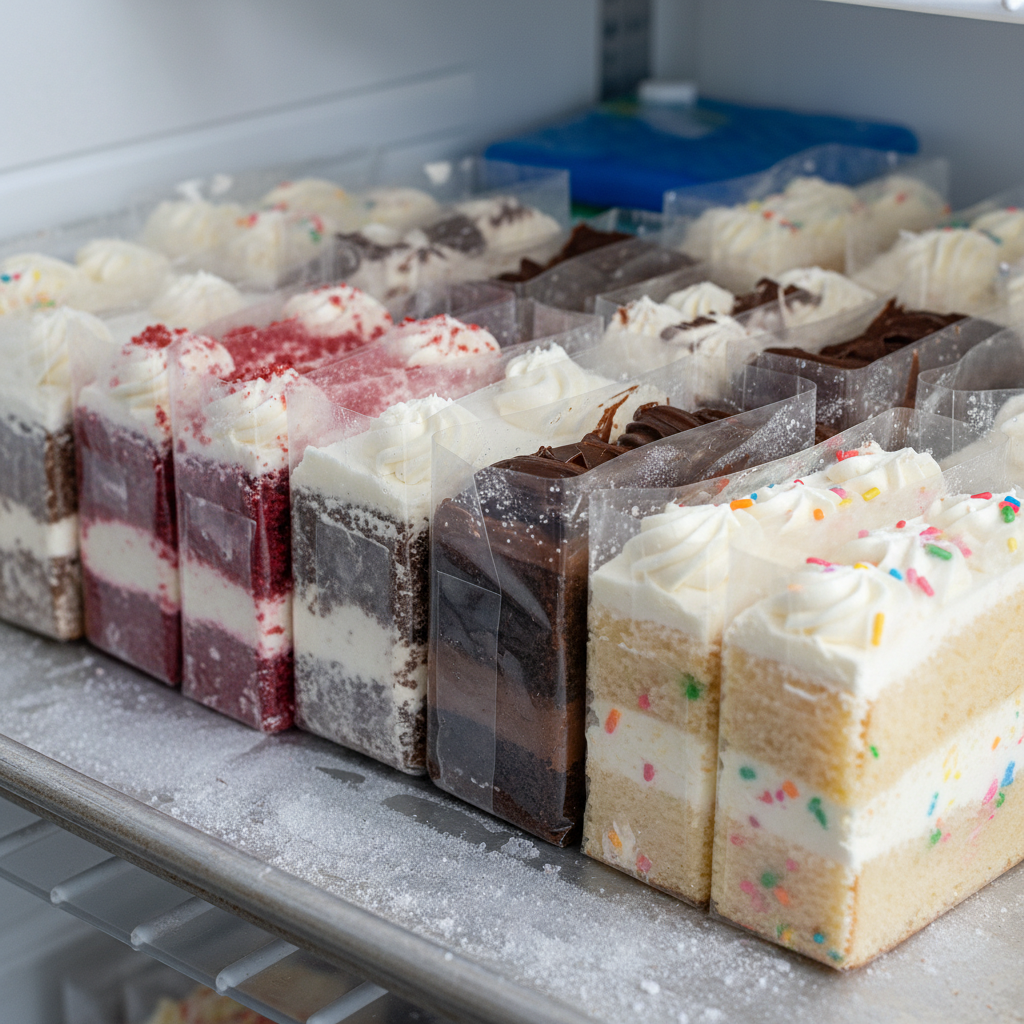
Planning ahead? This recipe is freezer-friendly!
- Unfrosted Cake Bake and cool the cake completely. Wrap it tightly in plastic wrap, then in aluminum foil. Freeze for up to 2-3 months. Thaw overnight in the refrigerator before frosting.
- Frosted Cake For best results, freeze individual slices. Place slices on a baking sheet to freeze solid, then wrap each slice tightly in plastic wrap and foil. Store in a freezer-safe bag or container for up to 1 month. Thaw at room temperature for a few hours before enjoying.
Serving Suggestions
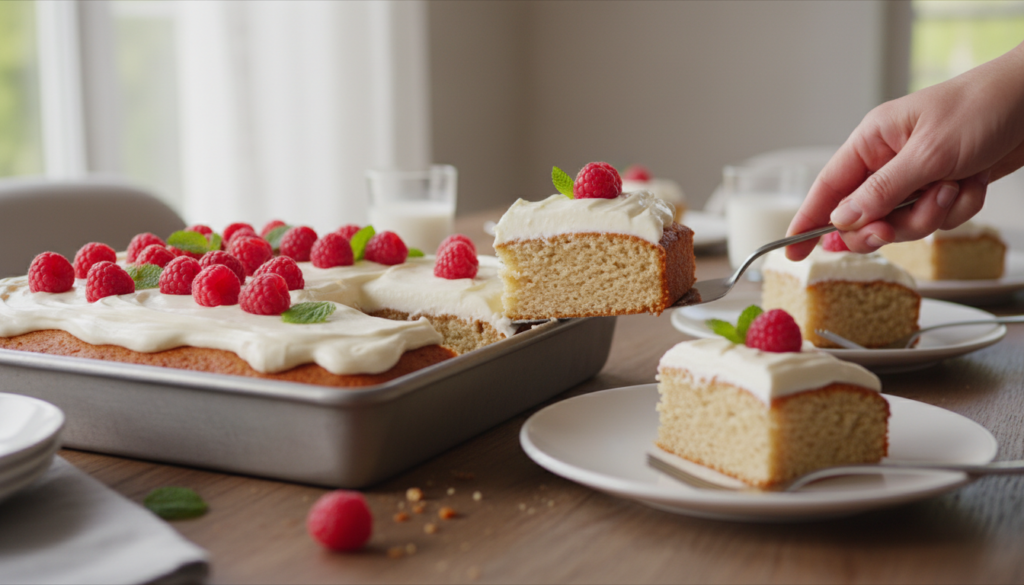
While delicious on its own, a classic sheet cake can be elevated with simple accompaniments:
- A Scoop of Ice Cream Vanilla bean, strawberry, or even a coffee ice cream pairs wonderfully.
- Fresh Berries A handful of raspberries, blueberries, or sliced strawberries adds freshness and a pop of color.
- Whipped Cream A dollop of freshly whipped cream is always a welcome addition.
- Chocolate Shavings A sprinkle of dark or milk chocolate shavings adds elegance.
- A Drizzle of Sauce Caramel sauce or a berry coulis can take it up a notch.