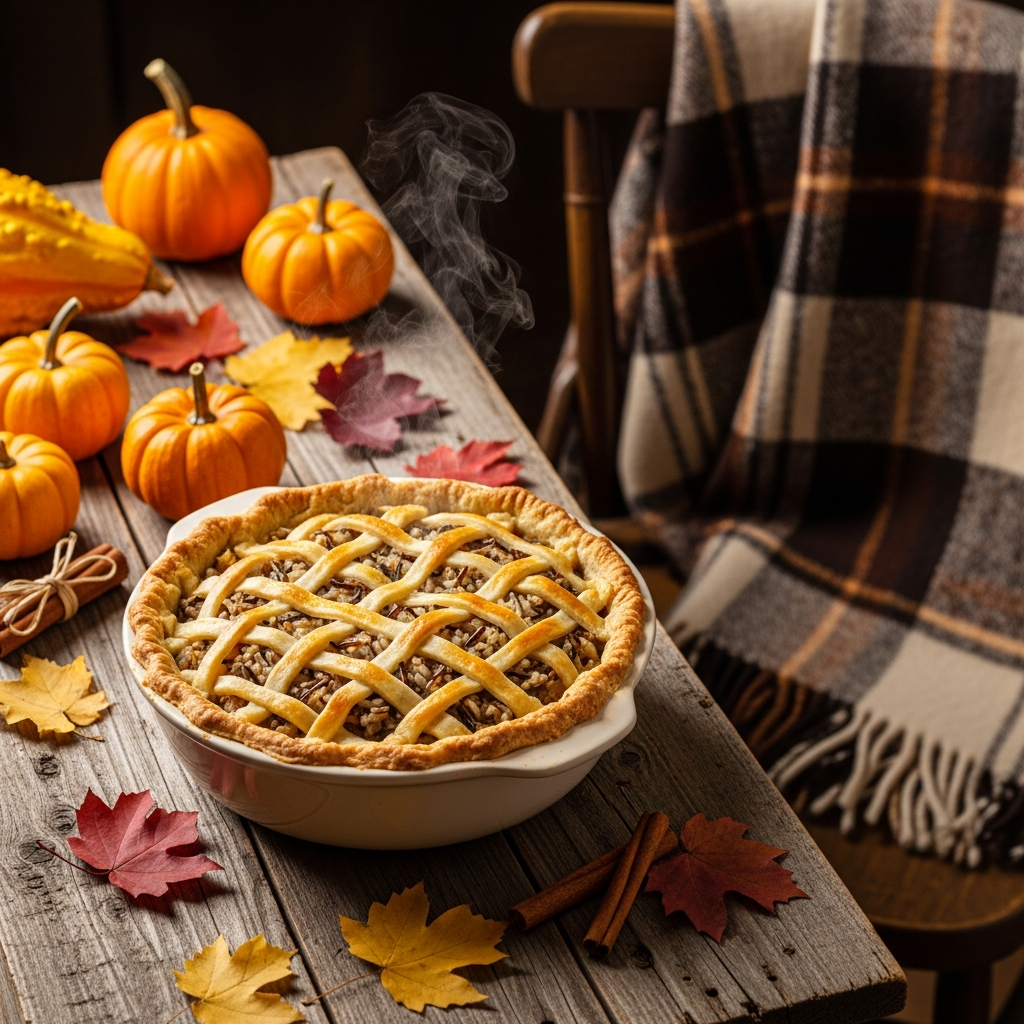
Oh, the magic of a chilly evening! There’s something truly special about the air getting crisp, the leaves changing colors, and the irresistible urge to snuggle up indoors. And what better way to embrace those cozy vibes than with a hearty, comforting meal that warms you from the inside out? That’s where our beloved chicken pot pie comes in, but with a wonderful, earthy twist: wild rice!
Forget everything you thought you knew about classic comfort food. We are elevating a timeless favorite, adding a layer of wholesome goodness and a delightful chewiness that only wild rice can provide. This isn’t just a meal; it’s an experience, a warm hug on a plate, perfect for those nights when all you want is delicious, soul-satisfying food.
So, grab your coziest blanket, light a candle, and let’s dive into the world of chicken pot pie wild rice. It’s simpler to make than you might think, incredibly rewarding, and promises to become a staple in your cold-weather cooking repertoire. Get ready to impress your taste buds and everyone at your table!
History / Background

The story of the pot pie is a long and storied one, dating back centuries. Historians believe the concept of encasing meat in a pastry crust for baking originated with the ancient Romans. These early pies were often called ‘coffin’ pies, not because they were morbid, but because the thick, inedible crust served as a practical container, preserving the contents and allowing them to be transported.
Over time, these savory pies evolved, becoming a staple in medieval Europe. The crusts eventually became thinner and more palatable, transforming into the delicious, flaky pastry we know and love today. Different regions developed their own unique fillings, but the fundamental idea of a hearty stew baked under a crust remained a comforting constant.
Now, let’s talk about wild rice, a truly North American treasure. Despite its name, wild rice isn’t actually rice at all! It’s the seed of an aquatic grass (Zizania aquatica) native to the shallow waters of the Great Lakes region and other areas of North America. For thousands of years, it has been a sacred and staple food for Indigenous communities, particularly the Anishinaabeg (Ojibwe) people, who call it ‘manoomin,’ meaning ‘the good berry.’
Wild rice is known for its distinct nutty, earthy flavor and satisfying chewy texture, along with its impressive nutritional profile. It’s packed with protein, fiber, and various vitamins and minerals. Combining this ancient grain with the classic comfort of chicken pot pie creates a dish that bridges historical culinary traditions with a modern, healthful twist, offering a unique depth of flavor and texture.
Why You’ll Love This Recipe

- Unbeatable Comfort: It’s the ultimate cozy meal, perfect for chilly evenings, family dinners, or simply when you need a little culinary hug. The rich, creamy filling combined with the flaky crust is pure bliss.
- Flavorful Twist: The wild rice adds an incredible nutty, earthy depth and a satisfying chewy texture that takes this classic dish to a whole new level. It’s a delightful surprise!
- Wholesome Goodness: Wild rice is a nutritional powerhouse, packed with fiber, protein, and essential nutrients. It makes the pot pie more substantial and adds a healthy boost.
- Family-Friendly: This is a dish that appeals to almost everyone, from picky eaters to gourmet palates. It’s hearty, satisfying, and incredibly comforting, making it a guaranteed crowd-pleaser.
- Customizable: Easy to adapt with your favorite vegetables, different proteins, or even vegetarian options. It’s a versatile base for your culinary creativity.
- Make-Ahead Friendly: You can prepare components in advance or even assemble the entire pie to bake later, making it perfect for busy weeknights or entertaining.
- Economical: A great way to use up leftover cooked chicken or Thanksgiving turkey. It stretches your ingredients and minimizes waste.
Ingredient Notes
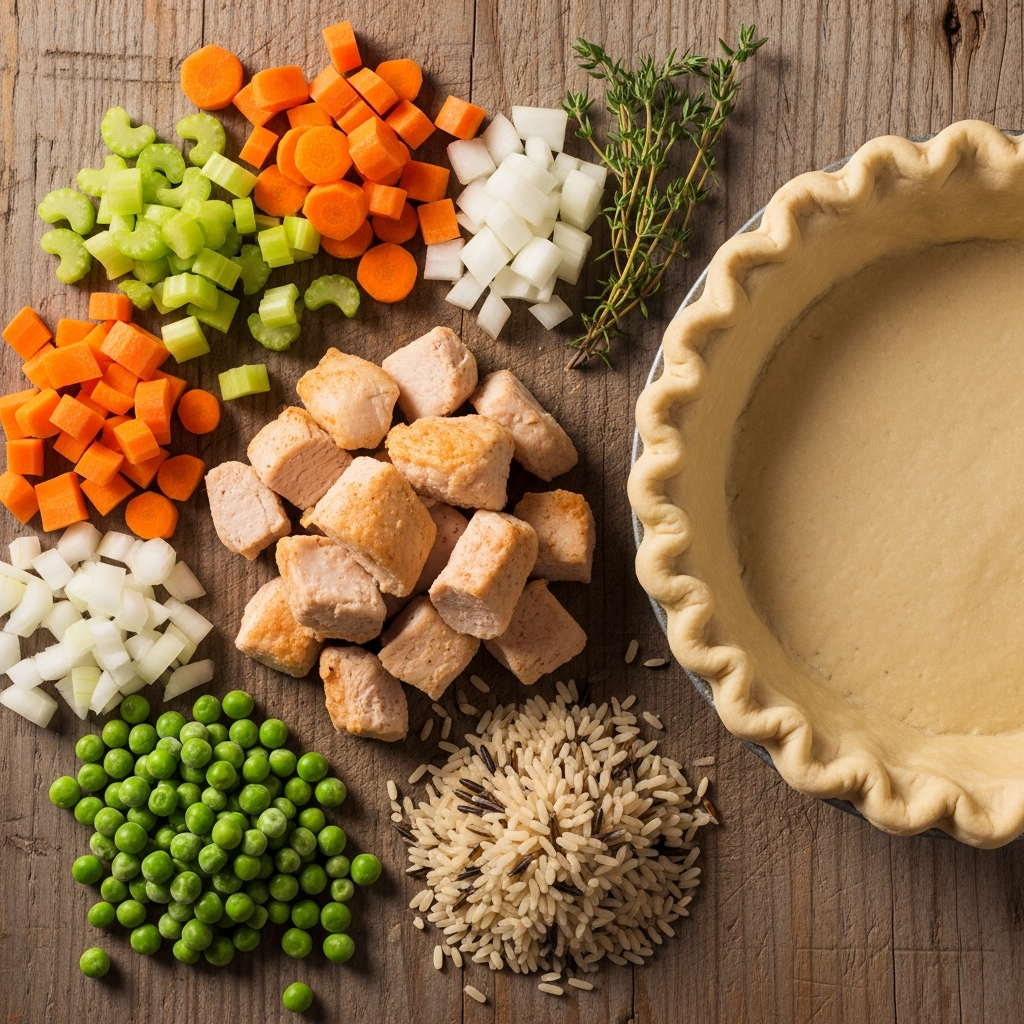
While the recipe might look like it has a few steps, each ingredient plays a crucial role in creating that perfect, comforting flavor. Let’s break down some of the key components to help you understand their importance and potential substitutions.
The Chicken
Cooked chicken is key here. You have a few great options: a store-bought rotisserie chicken is a fantastic time-saver, offering tender, flavorful meat. Alternatively, you can boil or bake chicken breasts or thighs until cooked through, then shred or dice them. About 3 cups of cooked chicken is what you’re aiming for. Feel free to use leftover turkey too!
The Wild Rice
As we mentioned, wild rice is not actually rice! It’s a grass seed with a distinctively nutty and earthy flavor. It takes longer to cook than white rice, typically around 45-60 minutes, and expands quite a bit. Look for 100% wild rice, not a wild rice blend, to get that true flavor and texture. Pre-cooking it before adding to the pie filling ensures it’s perfectly tender.
The Vegetables
The classic trio of carrots, celery, and onion (mirepoix) forms the aromatic base of our filling. Dice them relatively small so they cook evenly and integrate well into the pie. Frozen peas and corn are wonderful additions that add color, sweetness, and nutrition. No need to thaw them before adding to the hot filling; they’ll warm up nicely.
The Broth and Dairy
Good quality chicken broth is essential for a rich, savory base. Use low-sodium broth if you want more control over the salt content. For creaminess, we often use a combination of milk and half-and-half, or even heavy cream for an extra decadent pie. The fat in the dairy helps create that luxurious mouthfeel.
The Thickener
All-purpose flour is used to create a roux with butter, which thickens the filling to that perfect, spoonable consistency. Make sure to cook the flour for a minute or two to get rid of any raw flour taste.
Seasonings
Fresh thyme and dried sage are classic pot pie herbs that provide a warm, aromatic flavor. Don’t skimp on salt and pepper; proper seasoning is what makes all the other flavors sing. A pinch of nutmeg can also add a subtle warmth.
The Pie Crust
While a homemade pie crust is divine, using store-bought refrigerated pie crusts is a fantastic shortcut that doesn’t sacrifice much on taste for convenience. You’ll need two crusts: one for the bottom and one for the top. Puff pastry is also a delicious alternative for a lighter, flakier top.
Equipment Needed
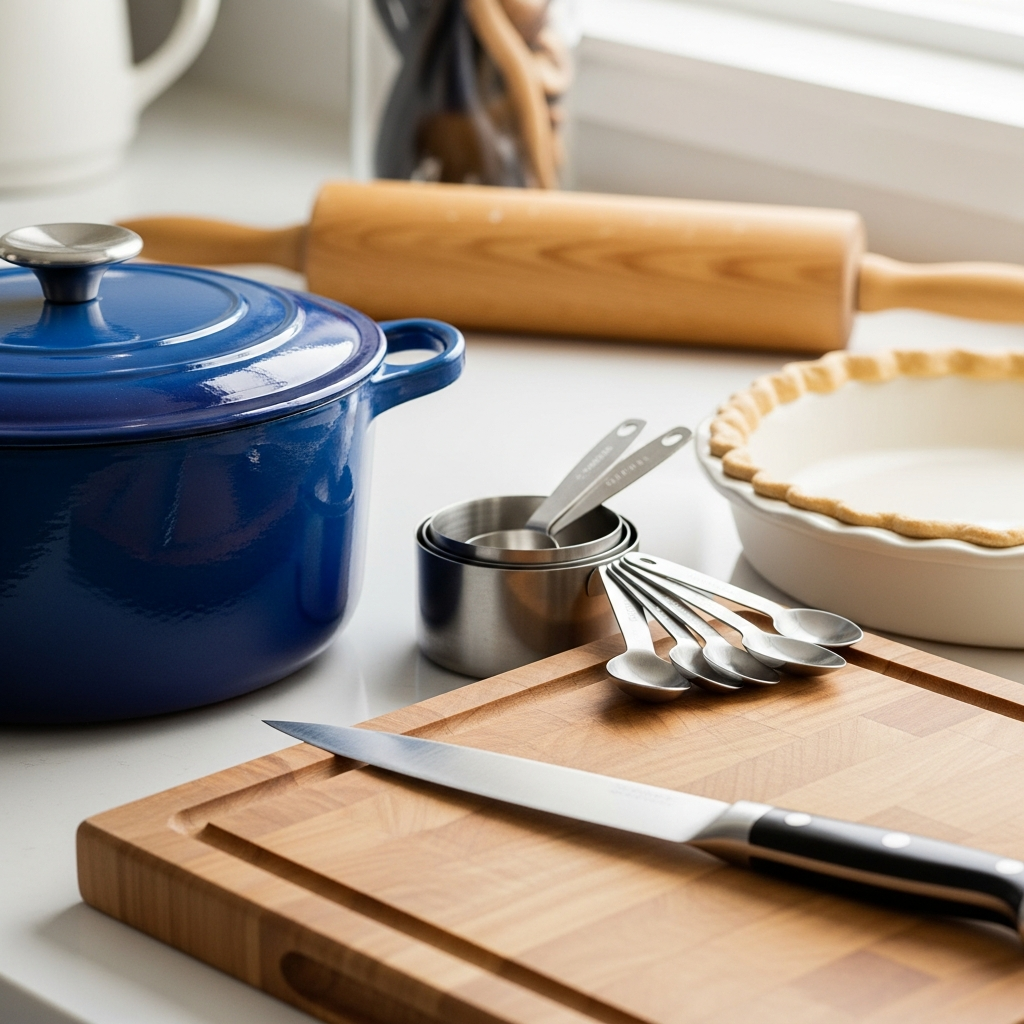
- Large Dutch Oven or Heavy-Bottomed Pot: For cooking the filling.
- Large Skillet: If you prefer to cook your chicken fresh.
- 9-inch Deep Dish Pie Plate: Essential for holding all that delicious filling.
- Cutting Board and Sharp Knife: For chopping vegetables and chicken.
- Measuring Cups and Spoons: For accurate ingredient proportions.
- Whisk: To smoothly combine liquids and thickeners.
- Spatula or Wooden Spoon: For stirring and sautéing.
- Rolling Pin: If you’re making your own pie crust.
- Pastry Brush: For applying egg wash (optional, but recommended for golden crust).
Full Recipe Card: Chicken Pot Pie Wild Rice
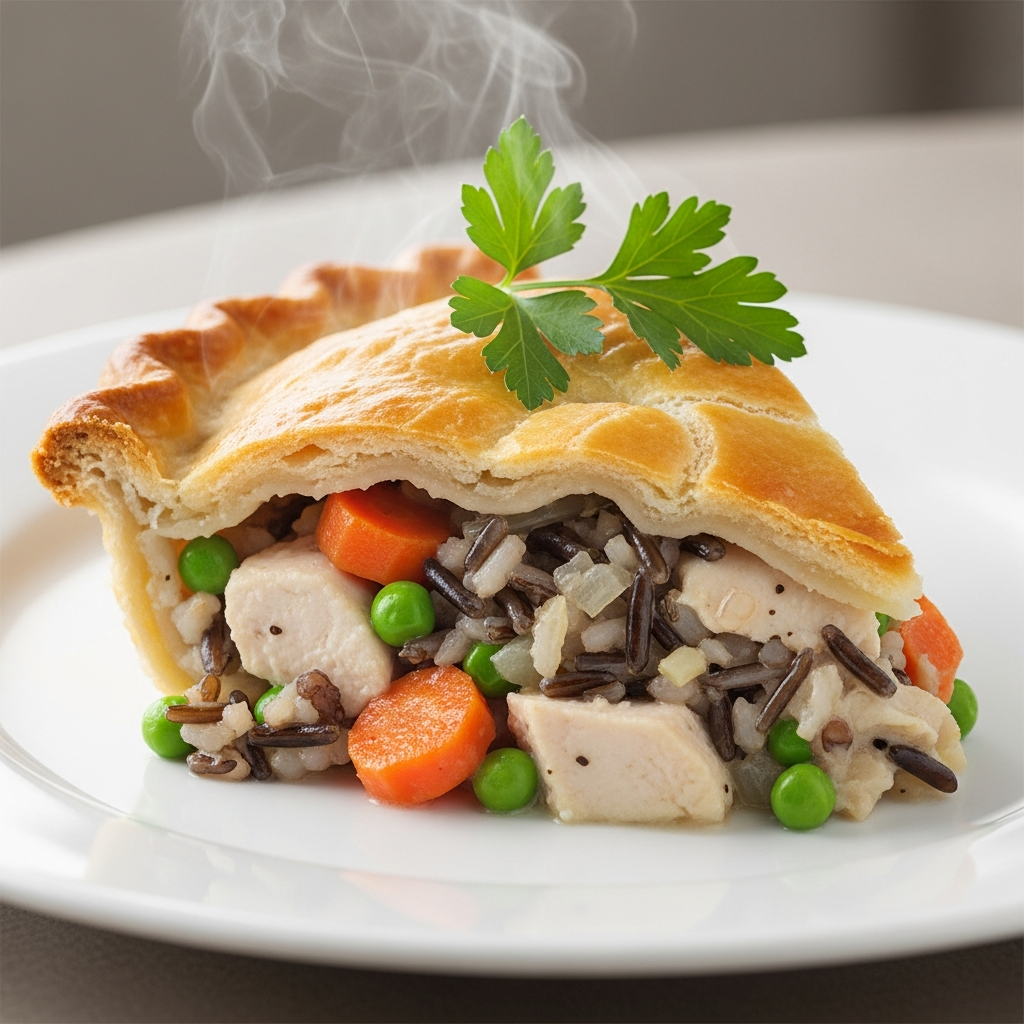
This recipe yields a generous 9-inch deep-dish pie, perfect for 6-8 servings. Feel free to double it for a larger crowd!
Ingredients
- 1 cup uncooked wild rice
- 3 cups cooked chicken, shredded or diced
- 2 tablespoons olive oil or unsalted butter
- 1 cup chopped yellow onion (about 1 medium)
- 1 cup chopped carrots (about 2 medium)
- 1 cup chopped celery (about 2 stalks)
- 1/2 cup unsalted butter
- 1/2 cup all-purpose flour
- 2 cups chicken broth (low sodium recommended)
- 1 cup milk (whole or 2%)
- 1/2 cup half-and-half (or heavy cream for richer taste)
- 1 teaspoon dried thyme
- 1/2 teaspoon dried sage
- 1/2 teaspoon salt, or to taste
- 1/4 teaspoon black pepper, or to taste
- 1 cup frozen peas (do not thaw)
- 1 cup frozen corn (do not thaw)
- 2 sheets refrigerated pie crusts (from a 14.1-ounce package)
- 1 egg, beaten (for egg wash, optional)
Instructions
- Step 1: Cook the Wild Rice. Rinse the wild rice thoroughly. In a medium saucepan, combine 1 cup wild rice with 3 cups water or chicken broth. Bring to a boil, then reduce heat to low, cover, and simmer for 45-60 minutes, or until the rice is tender and has started to burst open. Drain any excess liquid. Set aside.
- Step 2: Preheat Oven & Prepare Crust. Preheat your oven to 400°F (200°C). Lightly grease a 9-inch deep-dish pie plate. Carefully unroll one pie crust and fit it into the bottom and up the sides of the prepared pie plate. Flute the edges if desired. Set aside.
- Step 3: Sauté Vegetables. In a large Dutch oven or heavy-bottomed pot, heat olive oil or 2 tablespoons butter over medium heat. Add the chopped onion, carrots, and celery. Cook for 8-10 minutes, stirring occasionally, until the vegetables are tender-crisp.
- Step 4: Make the Roux. Push the cooked vegetables to one side of the pot. Add the remaining 1/2 cup butter to the empty side and let it melt. Once melted, sprinkle in the all-purpose flour over the melted butter. Stir constantly for 1-2 minutes to create a smooth paste (roux). This cooks out the raw flour taste.
- Step 5: Create the Creamy Base. Gradually whisk in the chicken broth, then the milk, and finally the half-and-half into the roux until smooth. Make sure there are no lumps. Bring the mixture to a gentle simmer, stirring constantly, until it thickens, about 5-7 minutes. It should be thick enough to coat the back of a spoon.
- Step 6: Combine Filling. Stir in the cooked chicken, cooked wild rice, dried thyme, dried sage, salt, and black pepper into the thickened sauce. Add the frozen peas and corn. Stir everything gently to combine well. Taste and adjust seasonings if needed.
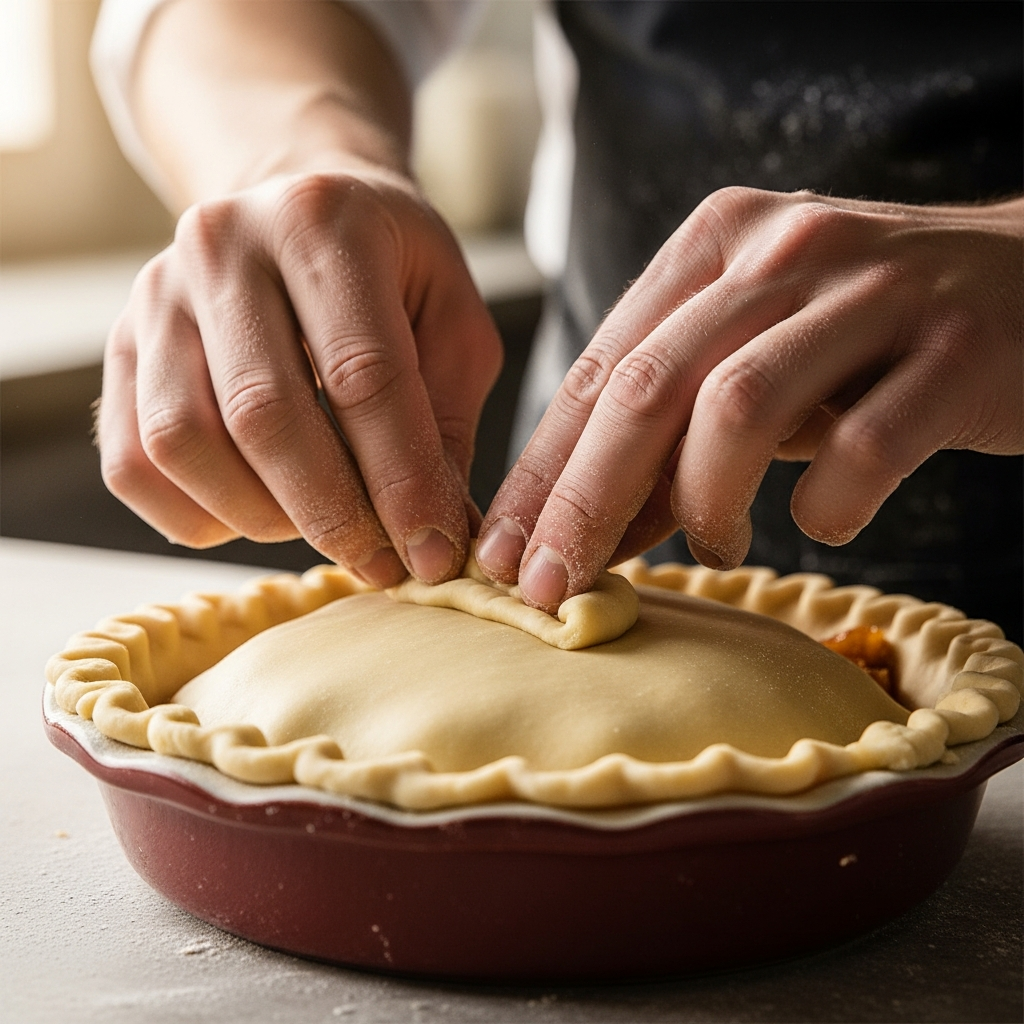
- Step 7: Assemble the Pie. Pour the chicken and wild rice filling evenly into the pie crust in the prepared pie plate. Unroll the second pie crust and place it over the filling. Trim any excess dough from the edges, leaving about a 1/2-inch overhang. Crimp the edges of the top and bottom crusts together to seal, or press with a fork.
- Step 8: Vent and Egg Wash. Cut a few slits in the top crust to allow steam to escape during baking. For a golden, shiny crust, brush the top with the beaten egg wash (optional).
- Step 9: Bake. Place the pie on a baking sheet (to catch any potential drips) and bake for 35-45 minutes. The crust should be golden brown, and the filling should be bubbly. If the crust starts to brown too quickly, you can loosely tent it with aluminum foil.
- Step 10: Rest and Serve. Once baked, remove the pie from the oven and let it rest for at least 10-15 minutes before slicing and serving. This allows the filling to set slightly and prevents it from being too runny.
Notes
For a richer flavor, you can use chicken bone broth. If you don’t have half-and-half, you can use more milk for a lighter pie, or more heavy cream for an even richer one. Feel free to add other vegetables like diced potatoes, mushrooms, or green beans to the filling. Just make sure any harder vegetables are cooked until tender before baking.
Tips & Variations
- Gluten-Free Option: Use a gluten-free all-purpose flour blend for the roux and gluten-free pie crusts. Ensure your chicken broth is also gluten-free.
- Dairy-Free Option: Replace butter with a dairy-free butter alternative, and milk/half-and-half with unsweetened dairy-free milk (like almond or oat milk) and dairy-free cream. The texture may vary slightly.
- Vegetarian Pot Pie: Omit the chicken. Increase the vegetables, adding diced mushrooms, potatoes, or chickpeas. Use vegetable broth instead of chicken broth. A great option is to add sautéed plant-based chicken strips.
- Different Proteins: Swap cooked chicken for leftover cooked turkey (especially after holidays!), shredded pork, or even cooked and crumbled plant-based ‘chicken’ for a vegan version.
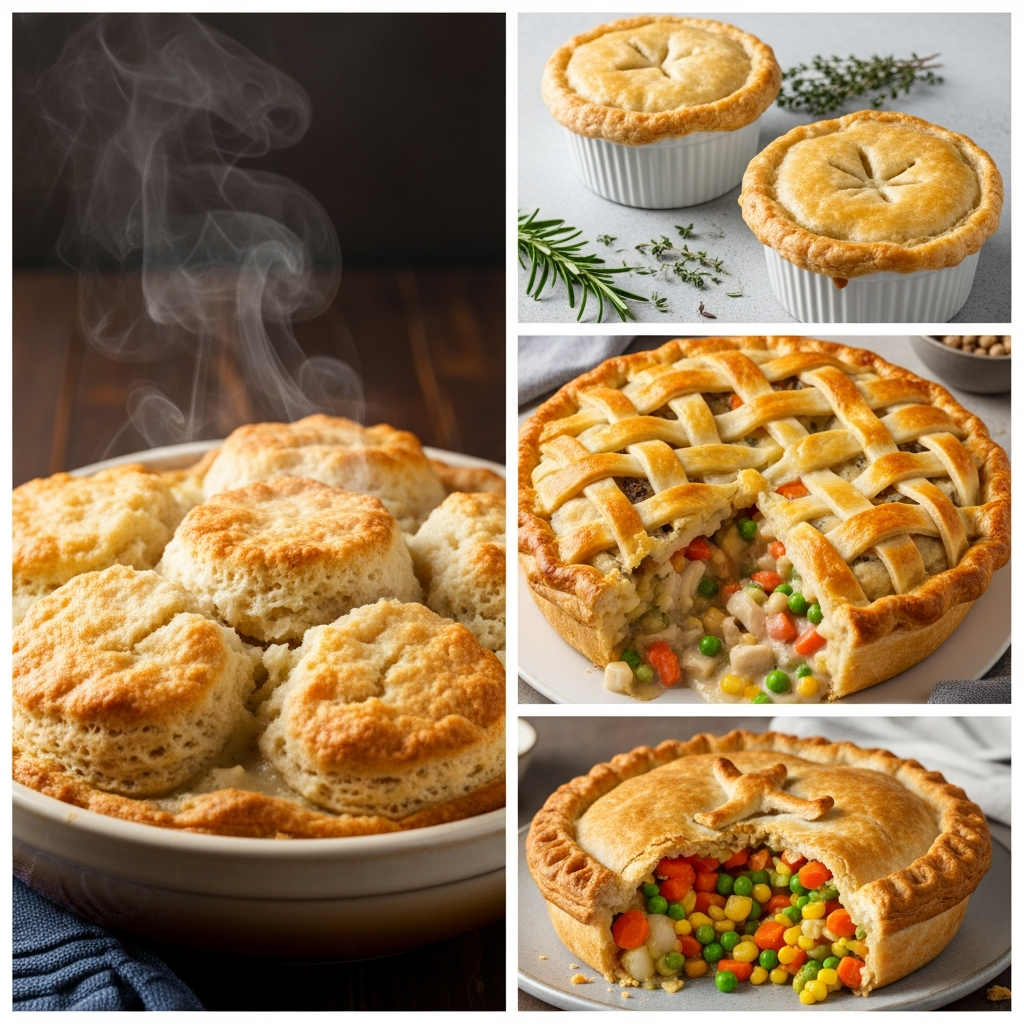
- Crust Alternatives: Instead of a double crust, consider a single top crust with a biscuit topping (drop biscuit dough over the hot filling before baking), or a puff pastry top for a light, flaky finish. You can also make individual mini pot pies in ramekins.
- Herb Variations: Experiment with other herbs like rosemary or parsley. A pinch of nutmeg can also enhance the savory flavors.
- Spice It Up: For a bit of heat, add a pinch of red pepper flakes to the filling.
- Add Cheese: Stir in some shredded sharp cheddar or Gruyere cheese into the filling for an extra layer of flavor and creaminess.
- Make it Healthier: Reduce the amount of butter in the roux and use skim milk, or replace half the butter with a healthier oil like olive oil. Load up on extra vegetables!
Pro Chef Tips
- Build Flavor Layers: Start with a good sauté of your aromatic vegetables (onions, carrots, celery) until they are softened and slightly caramelized. This deepens the base flavor of your pot pie significantly.
- Cook Your Roux Properly: When making the roux, ensure you cook the flour and butter mixture for at least 1-2 minutes after combining. This eliminates the raw flour taste and ensures a smooth, non-gritty sauce.
- Gradual Liquid Addition: When adding broth and milk to your roux, do it gradually while whisking constantly. This prevents lumps and helps create a perfectly smooth, velvety sauce for your filling.
- Season as You Go: Don’t wait until the very end to season. Add salt and pepper with your vegetables, then again after adding the broth and milk. Taste and adjust before pouring into the crust. Remember, the flavors will meld and intensify during baking.
- Don’t Overfill: Leave about 1/2 to 1 inch of space from the top of your pie dish to prevent the filling from bubbling over and making a mess in your oven. A baking sheet underneath is always a good idea for insurance.
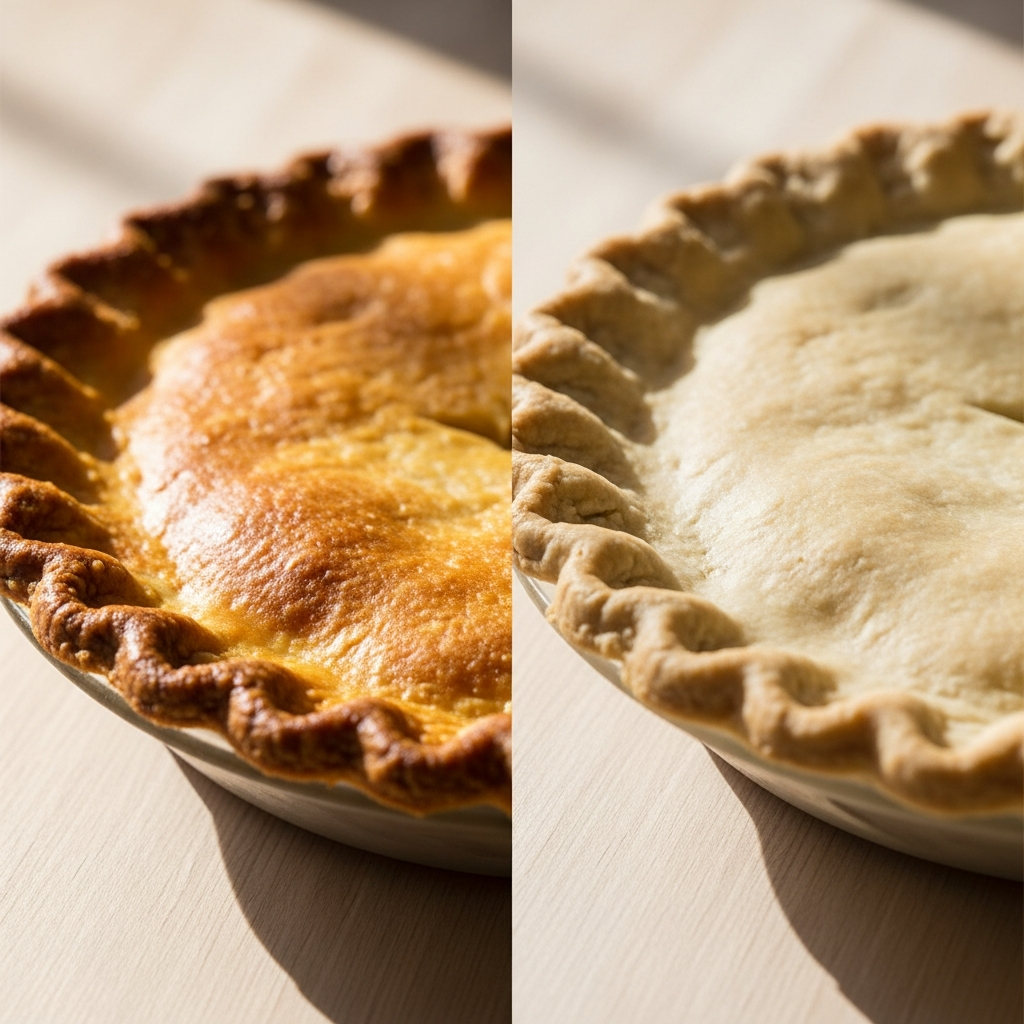
- Egg Wash for Shine: Brushing the top crust with a simple egg wash (one beaten egg with a tablespoon of water) before baking gives it that beautiful, golden-brown, professional-looking sheen.
- Ventilation is Key: Always cut slits in the top crust. This allows steam to escape, preventing the crust from puffing up excessively and ensuring the filling cooks evenly without becoming watery.
- Rest the Pie: Resist the urge to cut into the pie immediately after it comes out of the oven. Letting it rest for 10-15 minutes allows the filling to set, making for cleaner slices and a less runny experience.
- Pre-Cook Firm Vegetables: If adding harder vegetables like potatoes or sweet potatoes, give them a quick steam or boil before adding them to the filling. This ensures they are tender by the time the pie finishes baking.
Common Mistakes to Avoid
- Soggy Bottom Crust: This is a common pitfall. To avoid it, make sure your filling isn’t too wet. Also, baking the pie on a hot baking sheet (preheated in the oven) can help create a crisper bottom crust. Ensure the bottom crust is properly sealed to the top crust.
- Bland Filling: Don’t be shy with seasoning! Chicken pot pie needs a good amount of salt, pepper, and herbs to truly shine. Taste your filling before you put it in the pie dish and adjust as needed.
- Undercooked Vegetables: Make sure your carrots, celery, and onions are tender-crisp before you add the liquids. They won’t soften much more once baked inside the pie.
- Dry Chicken: If you’re cooking fresh chicken, be careful not to overcook it. Moist, tender chicken makes for a much better pot pie. Using rotisserie chicken helps ensure this.
- Over-Thickened or Under-Thickened Filling: Follow the roux instructions carefully. If the filling seems too thick, you can thin it with a little extra broth or milk. If it’s too thin, simmer it gently for a bit longer, or add a cornstarch slurry (1 tablespoon cornstarch mixed with 1 tablespoon cold water) and simmer until thickened.
- Uneven Browning: If your crust is browning too quickly on the edges before the center is done, loosely tent the pie with aluminum foil. If the center is browning slowly, you might need to adjust oven rack placement or oven temperature slightly.
- Cutting Too Soon: As tempting as it is, slicing into a hot pot pie right out of the oven will result in a messy, runny filling. Let it rest for at least 10-15 minutes to allow the sauce to set.
- Ignoring the Wild Rice Cooking Time: Wild rice takes longer to cook than regular white rice. Pre-cook it until tender; don’t expect it to cook fully inside the pie filling. A crunchy wild rice in pot pie is not ideal!
Storage & Meal Prep
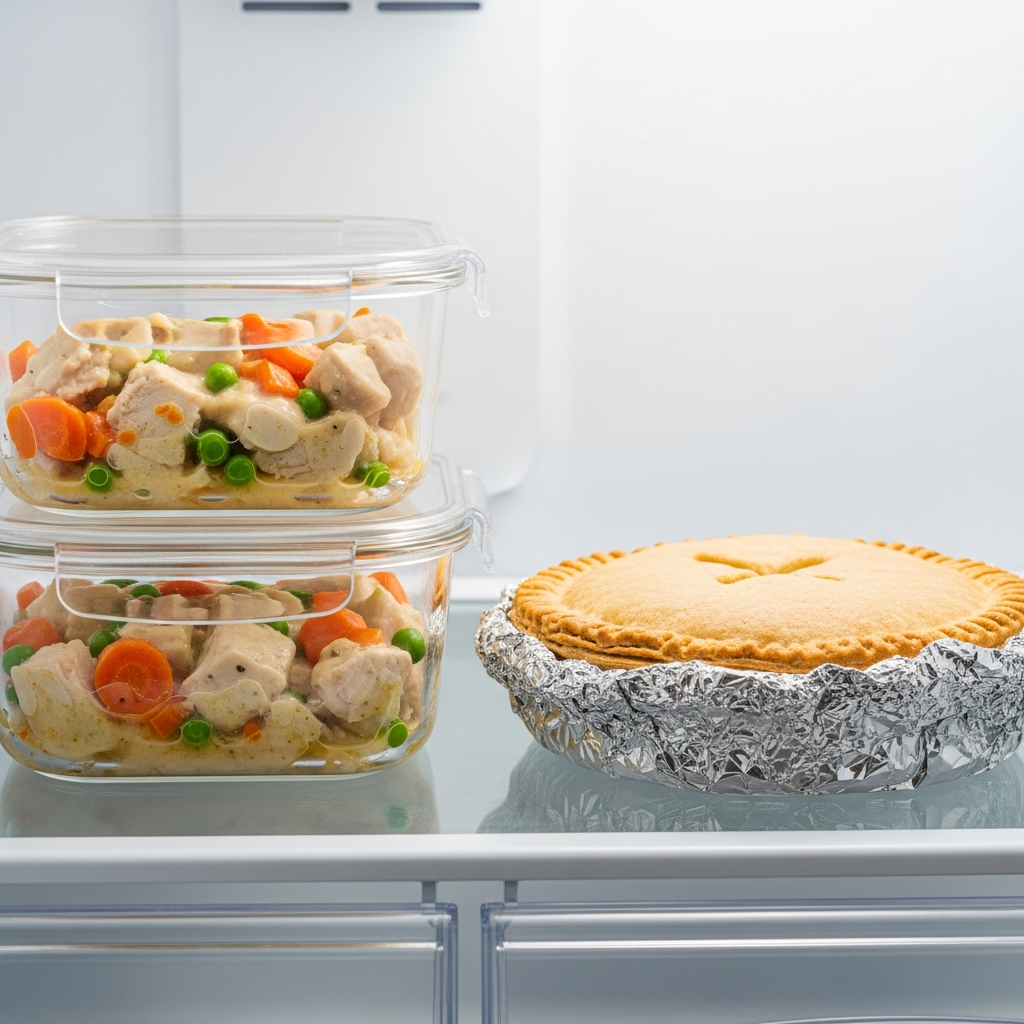
One of the best things about chicken pot pie is how well it stores, making it fantastic for meal prep or enjoying leftovers.
- Refrigeration: Leftover baked chicken pot pie can be stored in an airtight container in the refrigerator for 3-4 days. You can store individual slices or the entire remaining pie.
- Reheating: To reheat individual slices, the microwave works, but for a crispier crust, reheat in a preheated oven at 300°F (150°C) for 15-20 minutes, or until heated through. If reheating a whole pie, tent it loosely with foil to prevent the crust from over-browning, and bake at 325°F (160°C) for 20-30 minutes, or until bubbling and hot in the center.
Make-Ahead & Freezer Notes
- Prepare Components in Advance: You can cook the wild rice a day or two ahead and store it in the fridge. The chicken can also be cooked and shredded in advance. Chop all your vegetables and store them in an airtight container in the fridge.
- Make the Filling Ahead: The entire chicken and wild rice filling can be made up to 2 days in advance and stored in an airtight container in the refrigerator. Cool completely before storing. When ready to bake, gently reheat the filling on the stovetop until warm, then assemble and bake as usual.
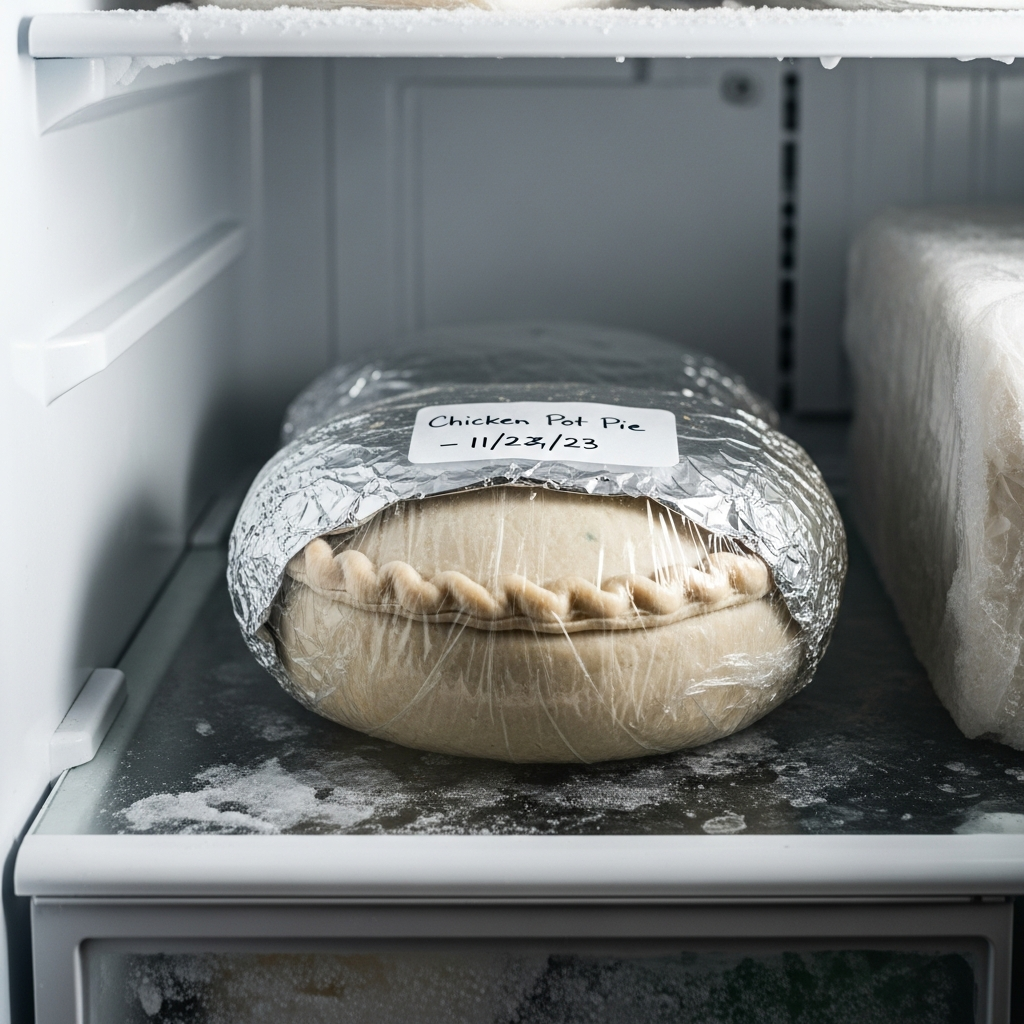
- Freeze Unbaked Pie: Assemble the entire pie as directed, but do not bake. Wrap the unbaked pie tightly with several layers of plastic wrap, then a layer of aluminum foil. Label with the date. Freeze for up to 3 months. When ready to bake, unwrap and bake from frozen at 400°F (200°C) for 60-90 minutes, or until the crust is golden brown and the filling is bubbly. You may need to tent with foil partway through baking to prevent over-browning.
- Freeze Baked Pie: Bake the pie completely, then let it cool entirely. Slice into individual portions or leave whole. Wrap tightly in plastic wrap and then foil. Freeze for up to 2-3 months. To reheat, thaw overnight in the refrigerator, then reheat in the oven as described above.
Serving Suggestions
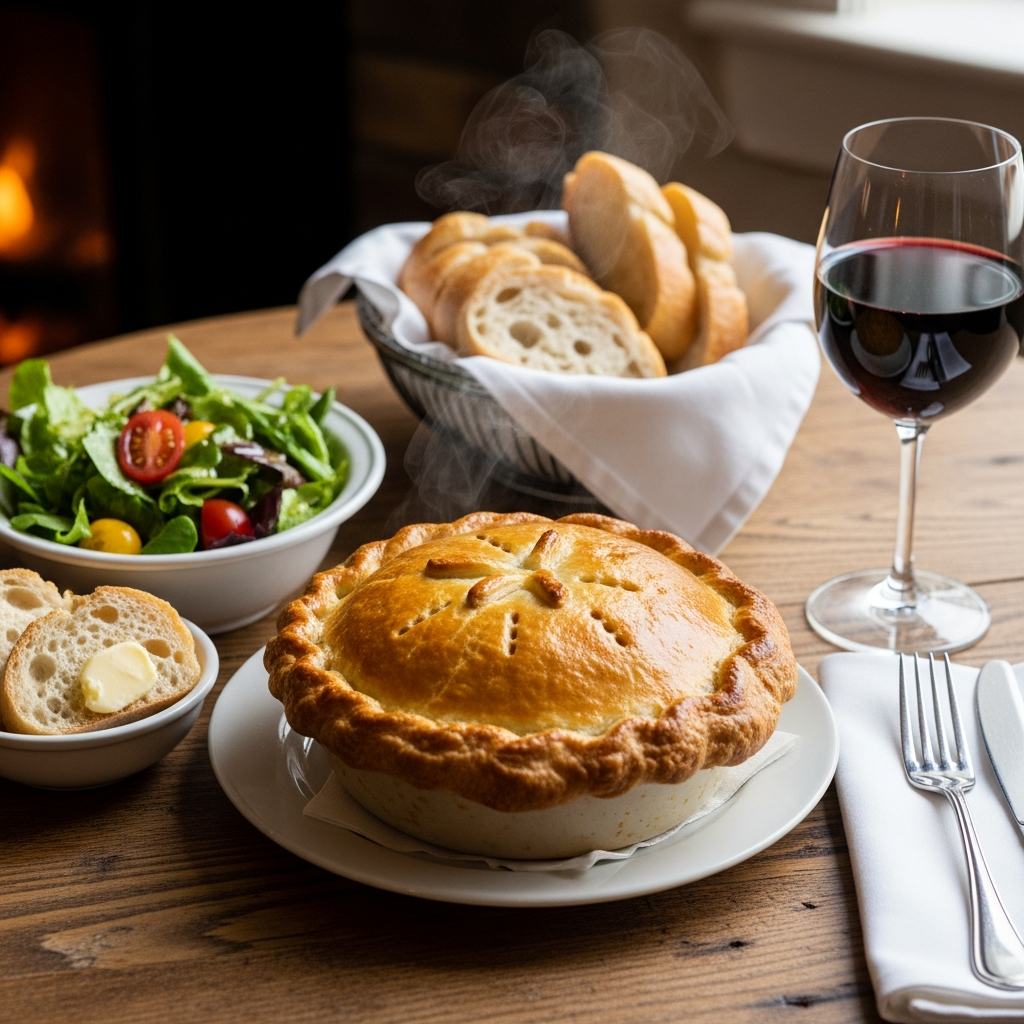
- Fresh Green Salad: A light, crisp green salad with a vinaigrette dressing cuts through the richness of the pot pie beautifully.
- Crusty Bread: Perfect for soaking up any extra creamy sauce.
- Roasted Vegetables: Simple roasted asparagus, broccoli, or Brussels sprouts make a great healthy side.
- Cranberry Sauce: A dollop of homemade cranberry sauce can add a lovely sweet-tart contrast, especially if you used leftover turkey.
- Warm Dinner Rolls: Another great option for a comforting, carb-filled accompaniment.