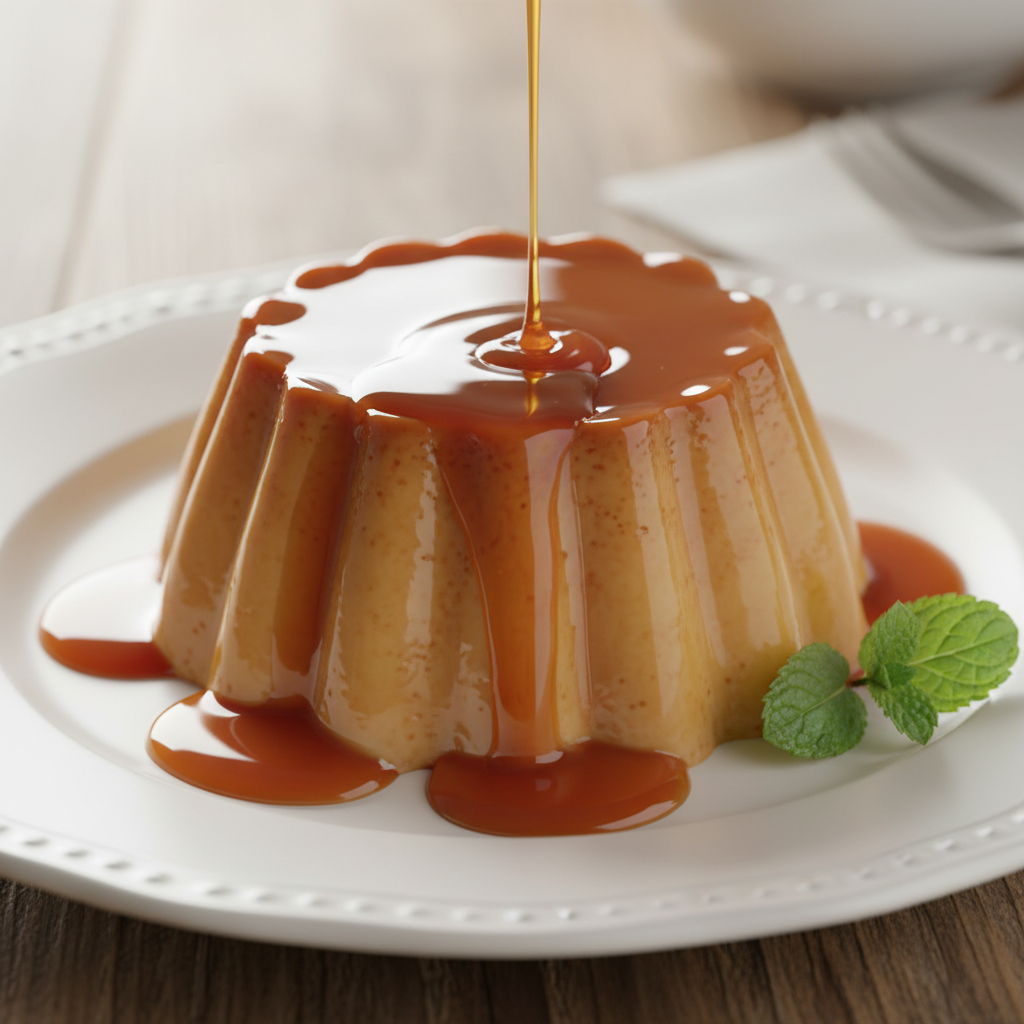
Welcome, fellow dessert lovers! If there’s one sweet treat that consistently brings a smile to faces and warmth to hearts, it’s a beautifully made caramel custard pudding. This isn’t just any dessert; it’s a silky, smooth, and utterly delightful experience, wrapped in a luscious blanket of golden caramel. Imagine a spoon gliding through a creamy, vanilla-infused custard, meeting that sweet, slightly bitter caramel sauce that pools at the bottom. Pure bliss, right?
For many, the idea of making such an elegant dessert at home might seem a bit daunting. Perhaps you’ve tried before and ended up with a less-than-perfect texture, or maybe the caramel didn’t quite behave. Don’t worry, you’re in the right place! This guide is crafted with you in mind—the home baker eager to master a classic without any fuss. We’re going to demystify the process, ensuring your first (or next) caramel custard pudding is a resounding success.
We’ll walk through every step, from creating that perfect, non-sticky caramel to achieving the smoothest custard texture. Get ready to impress your family and friends, or simply treat yourself, to a dessert that’s both sophisticated and incredibly comforting. Let’s get baking!
A Sweet Journey – The History of Custard Pudding

Custard puddings, in their many forms, boast a rich and fascinating history that spans centuries and continents. The concept of combining eggs, milk, and sugar to create a delicate, set dessert is far from new. Ancient Romans were known to prepare dishes similar to custards, often incorporating honey and spices. Throughout the Middle Ages, custards became a staple in European cuisine, evolving into both savory and sweet preparations.
The direct ancestor of our beloved caramel custard pudding, often known as ‘crème caramel’ or ‘flan,’ is believed to have originated in Europe, particularly gaining popularity in France and Spain. These early versions were celebrated for their simplicity and elegance, often served as a light finish to a meal. The genius addition of a caramelized sugar base, which melts into a rich sauce as the pudding bakes and chills, transformed a simple custard into the iconic dessert we cherish today.
As European culinary traditions spread globally, so did the love for caramel custard. It found new homes and interpretations in Latin America, Asia, and beyond, becoming a cherished dessert in diverse cultures. From the ‘leche flan’ of the Philippines to the ‘pudim de leite’ in Brazil, each region has embraced and adapted this classic, proving its universal appeal. Our recipe honors this timeless tradition, bringing you a perfect balance of history and modern home baking ease.
Why You’ll Adore This Recipe
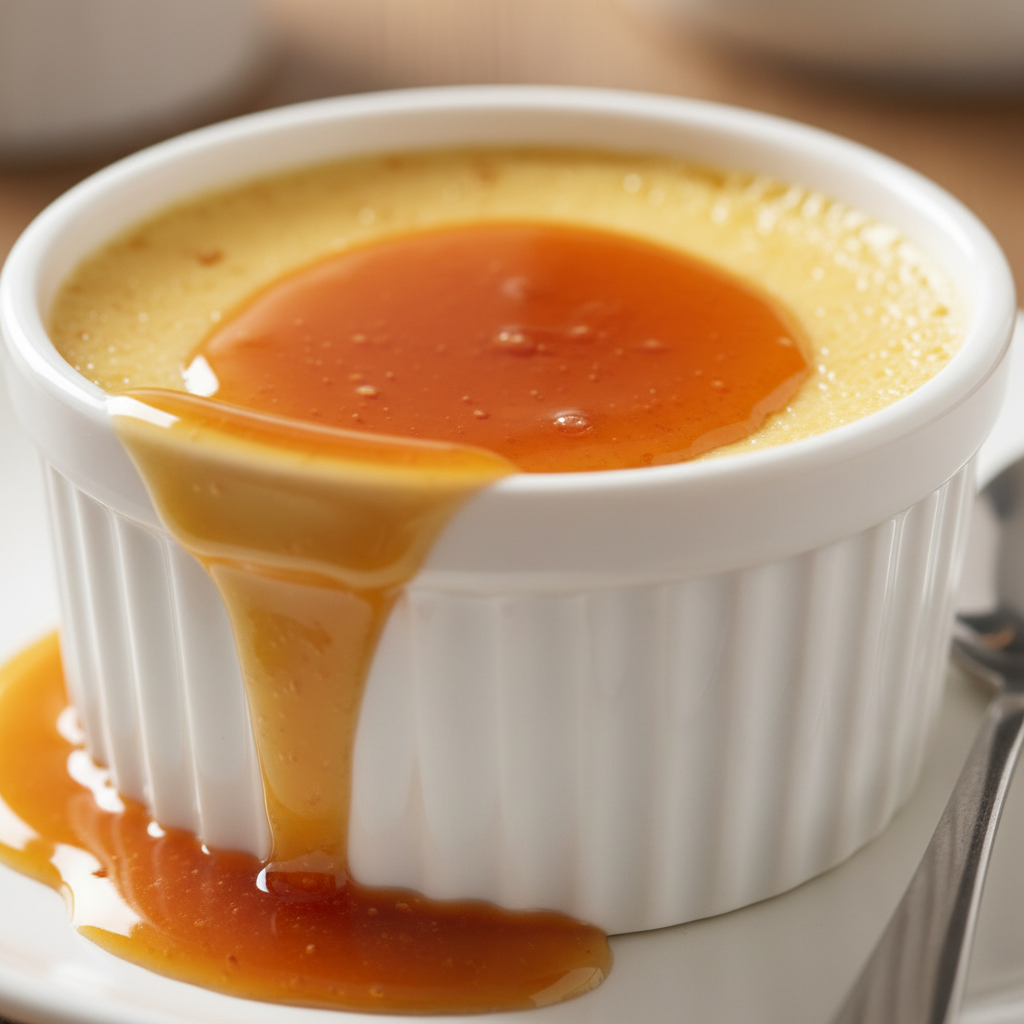
- Beginner-Friendly This recipe breaks down each step, making it accessible even for those new to baking.
- Silky Smooth Texture Learn the secrets to achieve a perfectly smooth, melt-in-your-mouth custard every time.
- Rich Caramel Flavor Master the art of making a deep, golden caramel sauce that beautifully complements the custard.
- Comforting Classic There’s a reason this dessert has stood the test of time—it’s pure comfort in every bite.
- Impressive Presentation With minimal effort, you’ll create a dessert that looks as stunning as it tastes.
- Simple Ingredients Uses everyday kitchen staples you likely already have on hand.
Essential Ingredients for Perfection
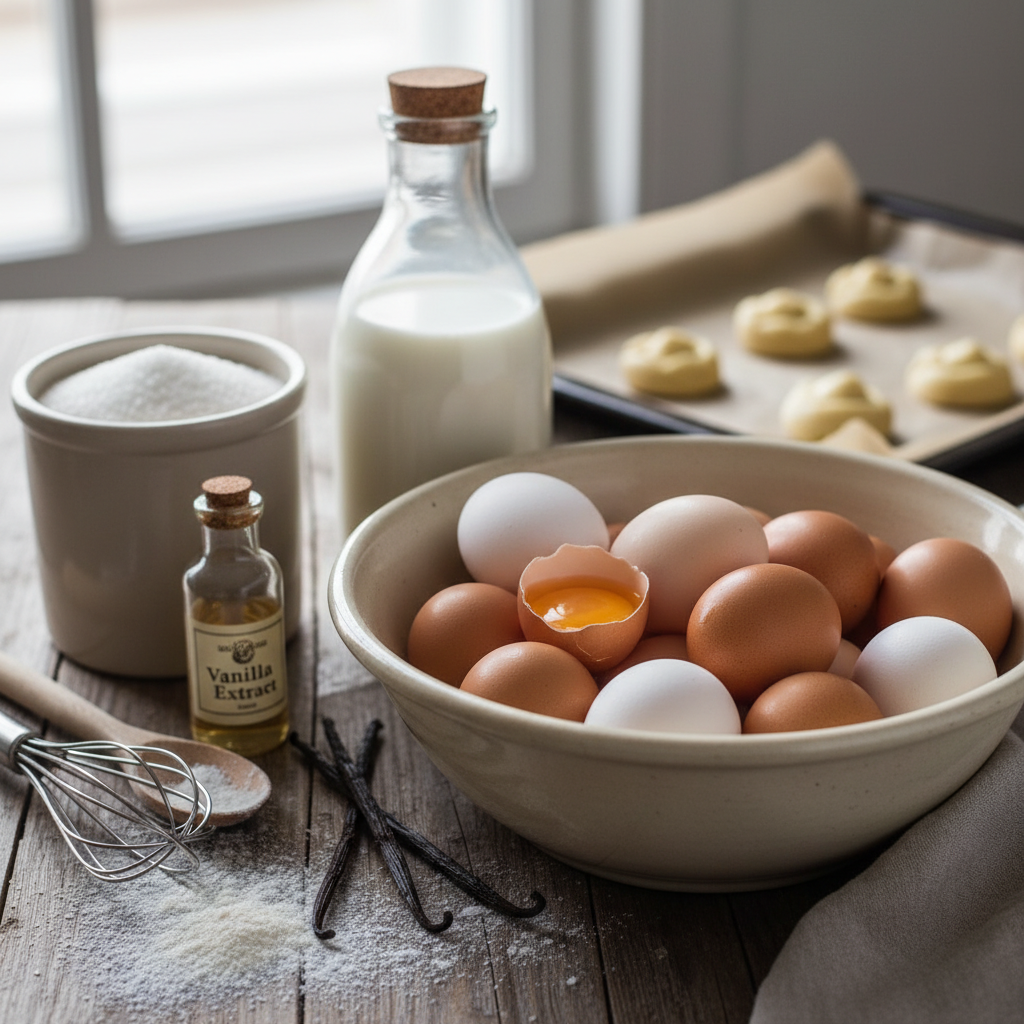
While the ingredient list for caramel custard pudding is wonderfully short, the quality and preparation of each component are key to its success. Let’s dive into what makes them so special:
- Granulated Sugar This is the star for both the caramel and the custard. For the caramel, it transforms into a beautiful amber liquid. In the custard, it provides sweetness and helps with texture.
- Large Eggs Eggs are the binding agent, giving the custard its structure and rich texture. Using large eggs ensures the right ratio of protein and fat for a creamy set.
- Whole Milk Full-fat whole milk is crucial for a truly rich and creamy custard. Avoid low-fat alternatives, as they can result in a less luxurious texture.
- Heavy Cream A touch of heavy cream elevates the richness and adds an extra layer of decadence to the custard. It contributes to that silky mouthfeel.
- Vanilla Extract Pure vanilla extract is essential for flavoring the custard. It provides a warm, aromatic base that complements the caramel beautifully. For an extra special touch, you could use a vanilla bean.
- Pinch of Salt A tiny pinch of salt in the custard might seem odd, but it helps to balance the sweetness and enhance all the other flavors, making them pop.
Your Kitchen Arsenal – Equipment for Success
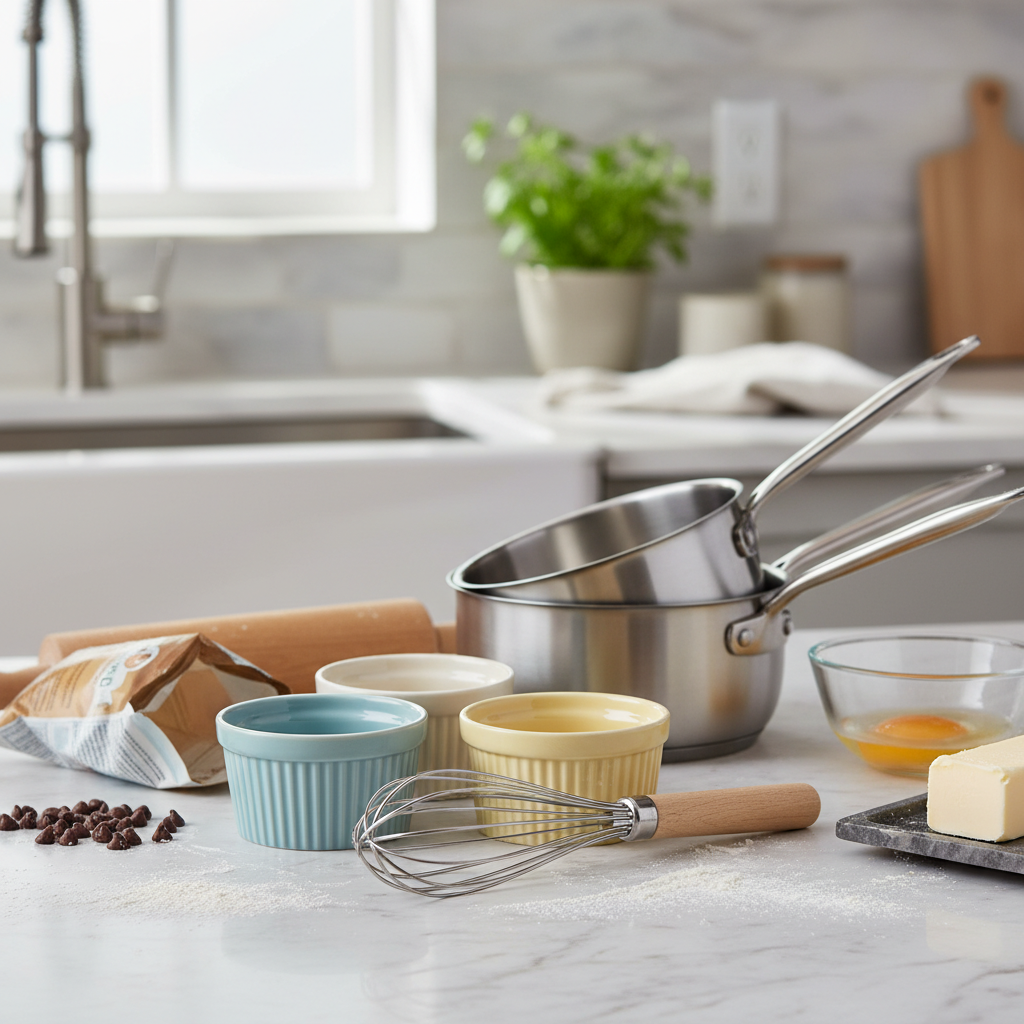
Having the right tools makes all the difference when tackling a recipe like caramel custard pudding. Here’s what you’ll need:
- Heavy-Bottomed Saucepan Essential for making the caramel. A heavy bottom ensures even heating, preventing the sugar from burning in spots.
- Heatproof Ramekins or Baking Dish Individual ramekins (4-6 oz) are perfect for single servings, or you can use a 6-8 inch round baking dish for a larger pudding. Make sure they are oven-safe.
- Large Roasting Pan or Casserole Dish This will be used for the water bath (bain-marie), which is crucial for even cooking and preventing cracks in your custard.
- Fine-Mesh Sieve Absolutely vital for straining the custard mixture. This removes any bits of cooked egg or undissolved sugar, ensuring a perfectly smooth, silky texture.
- Whisk For combining ingredients smoothly.
- Rubber Spatula For scraping down bowls and gently mixing.
- Measuring Cups and Spoons For accurate ingredient measurements.
- Oven Mitts For safe handling of hot dishes.
- Kettle or Pot for Hot Water For preparing the water bath.
The Ultimate Caramel Custard Pudding Recipe
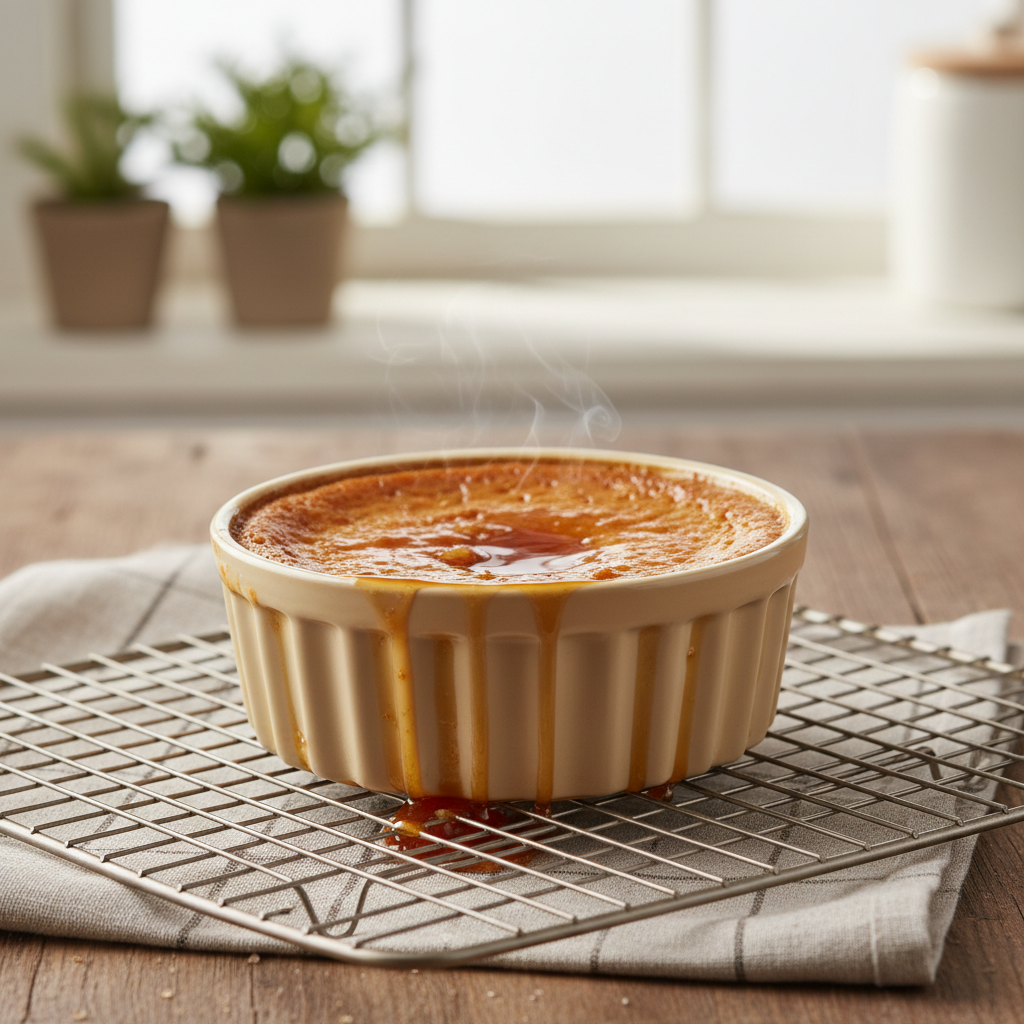
Ingredients
- 1 cup (200g) granulated sugar, divided
- 1/4 cup (60ml) water (for caramel)
- 2 cups (480ml) whole milk
- 1 cup (240ml) heavy cream
- 1 teaspoon pure vanilla extract
- Pinch of salt
- 4 large eggs
- 2 large egg yolks
Instructions
- Preheat Oven and Prepare Dishes Preheat your oven to 325°F (160°C). Arrange 4-6 (6-ounce) heatproof ramekins or one 8-inch round baking dish in a large roasting pan.
- Make the Caramel In a heavy-bottomed saucepan, combine 1/2 cup (100g) of the granulated sugar and 1/4 cup water. Cook over medium heat, stirring occasionally, until the sugar dissolves. Once dissolved, stop stirring. Continue to cook, swirling the pan occasionally, until the mixture turns a rich amber color. This usually takes 5-8 minutes. Be careful not to burn it.
- Pour the Caramel Immediately and carefully pour the hot caramel into the bottom of your prepared ramekins or baking dish, swirling each one to coat the bottom evenly. Set aside.
- Heat Milk and Cream In a separate saucepan, combine the whole milk and heavy cream. Heat over medium heat until small bubbles form around the edges, but do not boil. Remove from heat and stir in the vanilla extract and a pinch of salt.
- Whisk Eggs and Sugar In a large bowl, whisk together the remaining 1/2 cup (100g) granulated sugar, 4 large eggs, and 2 large egg yolks until just combined and pale yellow. Do not over-whisk, as this can incorporate too much air.
- Temper the Eggs Gradually pour the warm milk mixture into the egg mixture, whisking constantly to temper the eggs. This prevents the eggs from scrambling.
- Strain the Custard Pour the custard mixture through a fine-mesh sieve into a clean bowl or a large measuring cup with a spout. This step is crucial for a silky-smooth texture. Skim off any foam from the top.
- Fill the Dishes Carefully pour the strained custard mixture over the caramel in the prepared ramekins or baking dish.
- Create a Water Bath Carefully pour hot water into the roasting pan around the ramekins, coming about halfway up the sides of the dishes.
- Bake Carefully transfer the roasting pan to the preheated oven. Bake for 45-60 minutes for ramekins, or 60-75 minutes for a larger dish, or until the edges are set but the center still jiggles slightly when gently shaken.
- Cool and Chill Carefully remove the roasting pan from the oven. Using tongs, remove the ramekins from the water bath and let them cool completely on a wire rack. Once cooled, cover with plastic wrap and refrigerate for at least 4 hours, or preferably overnight, to allow them to set fully and for the flavors to meld.
- Serve To serve, run a thin knife around the edge of each ramekin or dish. Place a serving plate upside down over the top, then quickly and confidently invert the pudding onto the plate. The caramel sauce will flow over the custard. Enjoy!
Recipe Notes
Caramel Caution Making caramel requires attention. It goes from perfect to burnt very quickly. Watch it closely and remove from heat as soon as it reaches a rich amber. If it smokes or smells burnt, discard and start over. Water Bath is Key The water bath creates a gentle, even cooking environment, preventing the custard from curdling or cracking. Don’t skip this step! Chilling Time Adequate chilling is crucial for the custard to set properly and for the flavors to fully develop. Resist the urge to serve too early.
Elevate Your Pudding – Tips and Variations
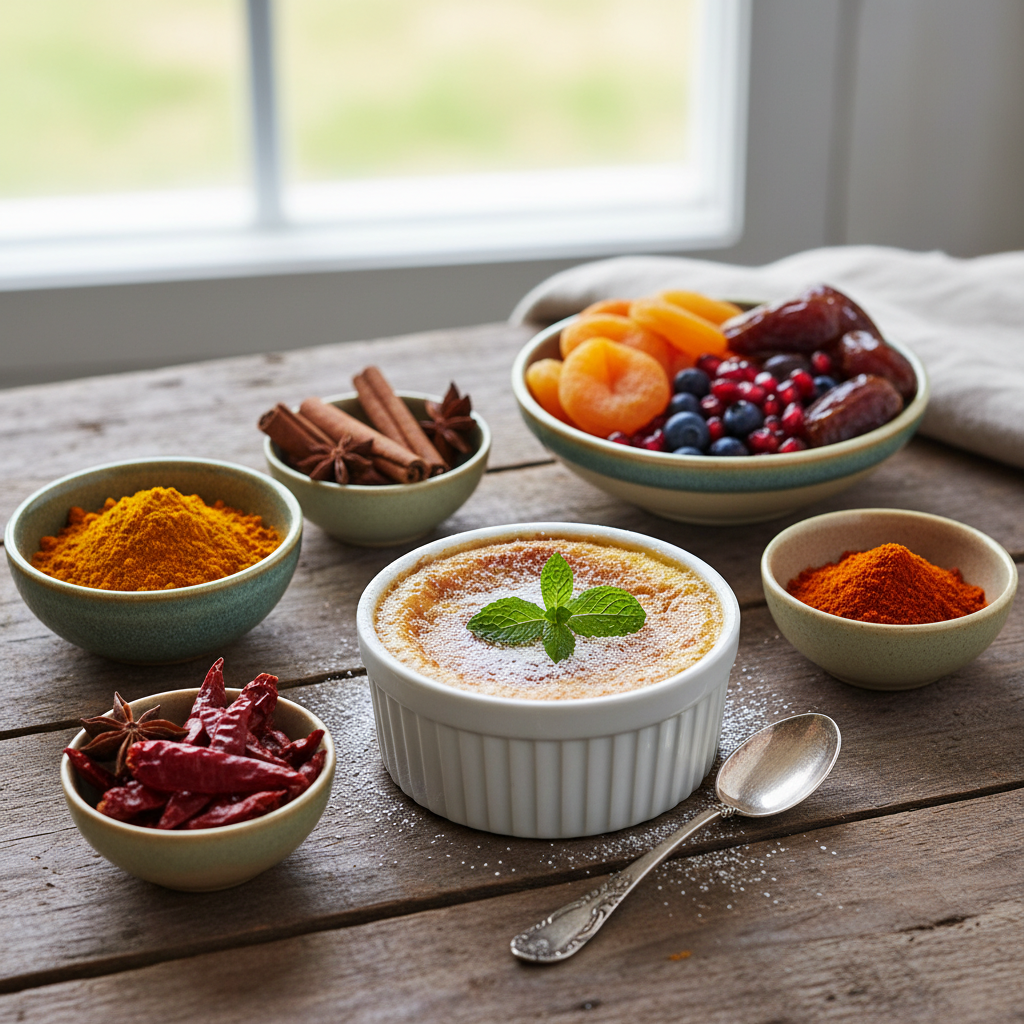
- Spiced Custard Infuse the milk and cream with a cinnamon stick, a few cardamom pods, or a star anise while heating. Strain them out before tempering the eggs.
- Citrus Zest Add a teaspoon of orange or lemon zest to the milk mixture for a bright, aromatic twist.
- Coffee Caramel For a sophisticated flavor, add a teaspoon of instant coffee granules to the sugar and water when making the caramel.
- Coconut Caramel Custard Substitute half of the whole milk with full-fat coconut milk for a tropical flair.
- Brown Sugar Caramel Experiment with using brown sugar for the caramel for a deeper, molasses-rich flavor.
- Individual vs. Large While individual ramekins offer elegant presentation, a single large baking dish is often easier for beginners and great for family-style serving.
Secrets from the Pros – Chef Tips
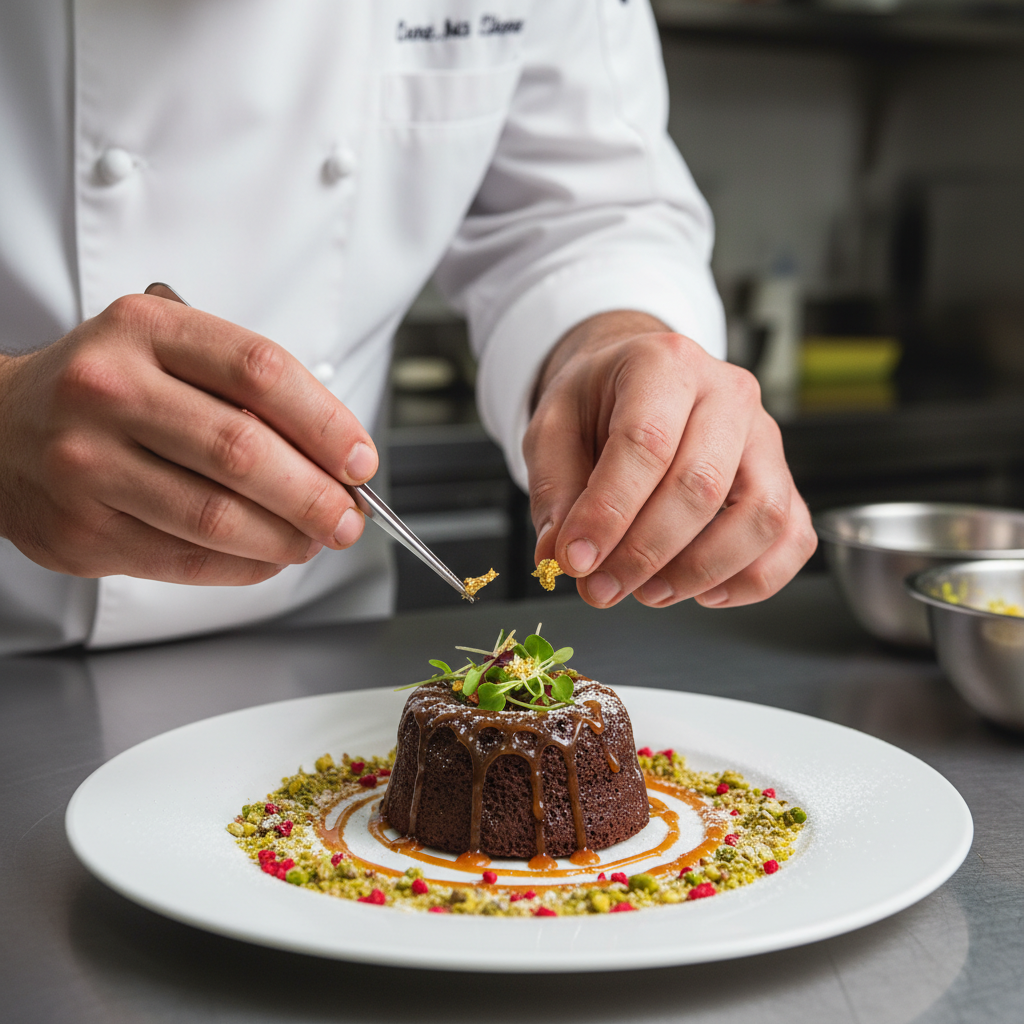
- Don’t Stir the Caramel (After Dissolved) Once the sugar has dissolved and is boiling, resist the urge to stir the caramel. Stirring can cause sugar crystals to form, leading to a grainy texture. Swirl the pan instead.
- Warm Your Ramekins If your ramekins are cold, the hot caramel might seize up too quickly. A quick rinse with warm water before pouring the caramel can help.
- Temper Eggs Slowly and Steadily The key to a smooth custard is slowly incorporating the hot milk into the eggs while whisking vigorously. This gradual heating prevents the eggs from scrambling.
- Skim the Foam After straining, if there’s any foam on top of your custard mixture, skim it off. This helps ensure a perfectly smooth surface on your baked pudding.
- Don’t Overbake Overbaking is the enemy of creamy custard. The pudding should still have a slight jiggle in the center when removed from the oven. It will continue to set as it cools.
- Patience with Inverting When inverting, be confident and swift. If it doesn’t release immediately, gently tap the bottom of the dish. A thin, flexible knife around the edges helps.
Smooth Sailing – Common Mistakes to Avoid
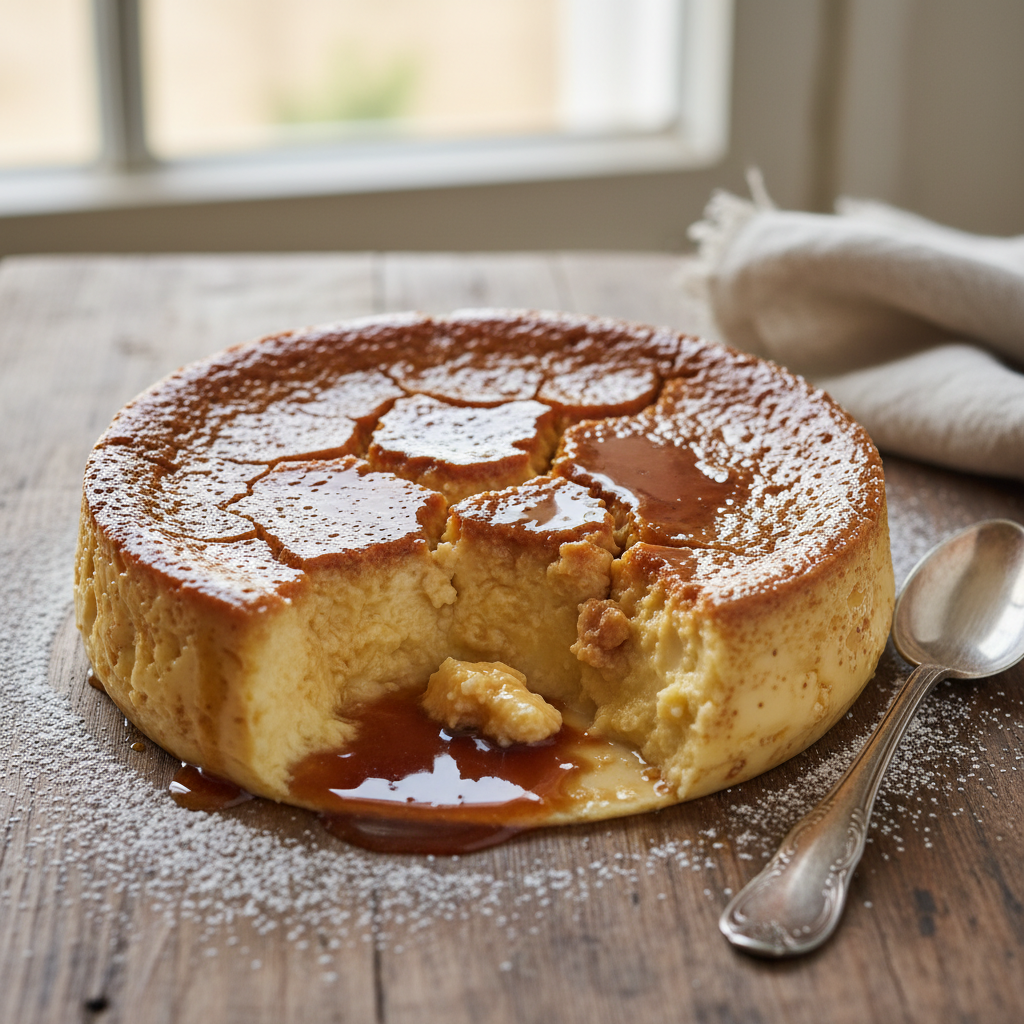
- Burning the Caramel This is a common pitfall. Caramel can go from perfect to bitter in seconds. Keep a close eye on it, and remove it from the heat as soon as it reaches that deep amber color.
- Scrambled Eggs in Custard This happens if you add hot milk to the eggs too quickly without tempering. Always pour slowly while whisking continuously.
- Custard with a Grainy Texture This is usually due to not straining the custard mixture. Small bits of cooked egg or undissolved sugar can ruin the texture. Always use a fine-mesh sieve.
- Cracked Custard Surface Overbaking or not using a water bath can cause the custard to crack. The water bath ensures gentle, even heat, and removing it when it’s just set prevents dryness.
- Pudding Sticking to the Dish Not properly greasing the dish (if necessary for certain recipes, though not typically for flan as the caramel acts as a release) or not running a knife around the edge before inverting can cause sticking. Ensure the caramel is fully melted and coating the bottom.
- Not Chilling Long Enough An insufficiently chilled pudding won’t be fully set and might fall apart when inverted. Give it ample time in the refrigerator.
Keeping it Fresh – Storage and Meal Prep
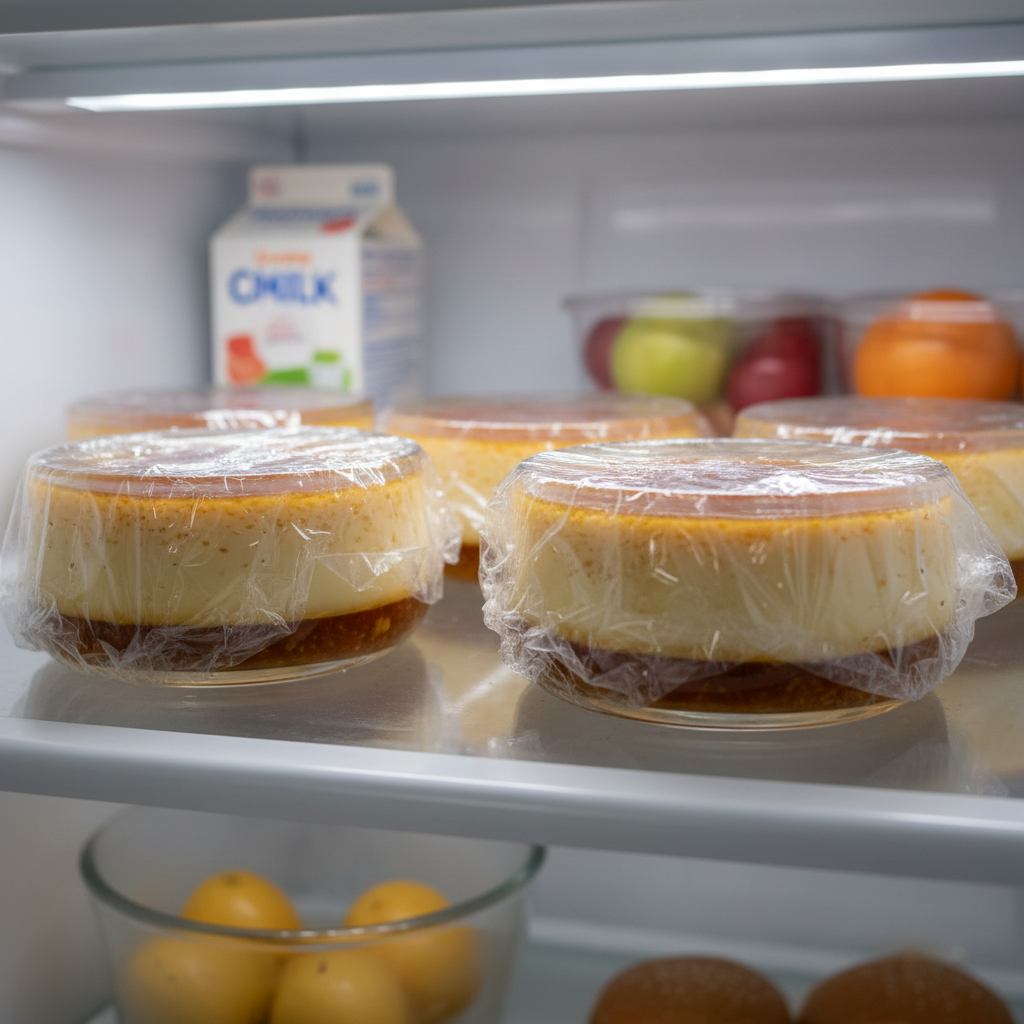
Caramel custard pudding is a fantastic make-ahead dessert, perfect for entertaining or enjoying throughout the week. Proper storage ensures it stays fresh and delicious.
- Refrigeration Once completely cooled, cover individual ramekins or the larger dish tightly with plastic wrap. Store in the refrigerator for up to 3-4 days. The caramel sauce will continue to develop flavor.
- Serving Cold This dessert is always best served chilled. Allow at least 4 hours of refrigeration, but overnight is ideal for optimal setting and flavor.
- Meal Prep You can prepare the entire pudding a day or two in advance. This makes it a stress-free option for dinner parties or busy weeknights. Just pull it out of the fridge when you’re ready to serve.
Plan Ahead – Make-Ahead and Freezer Notes
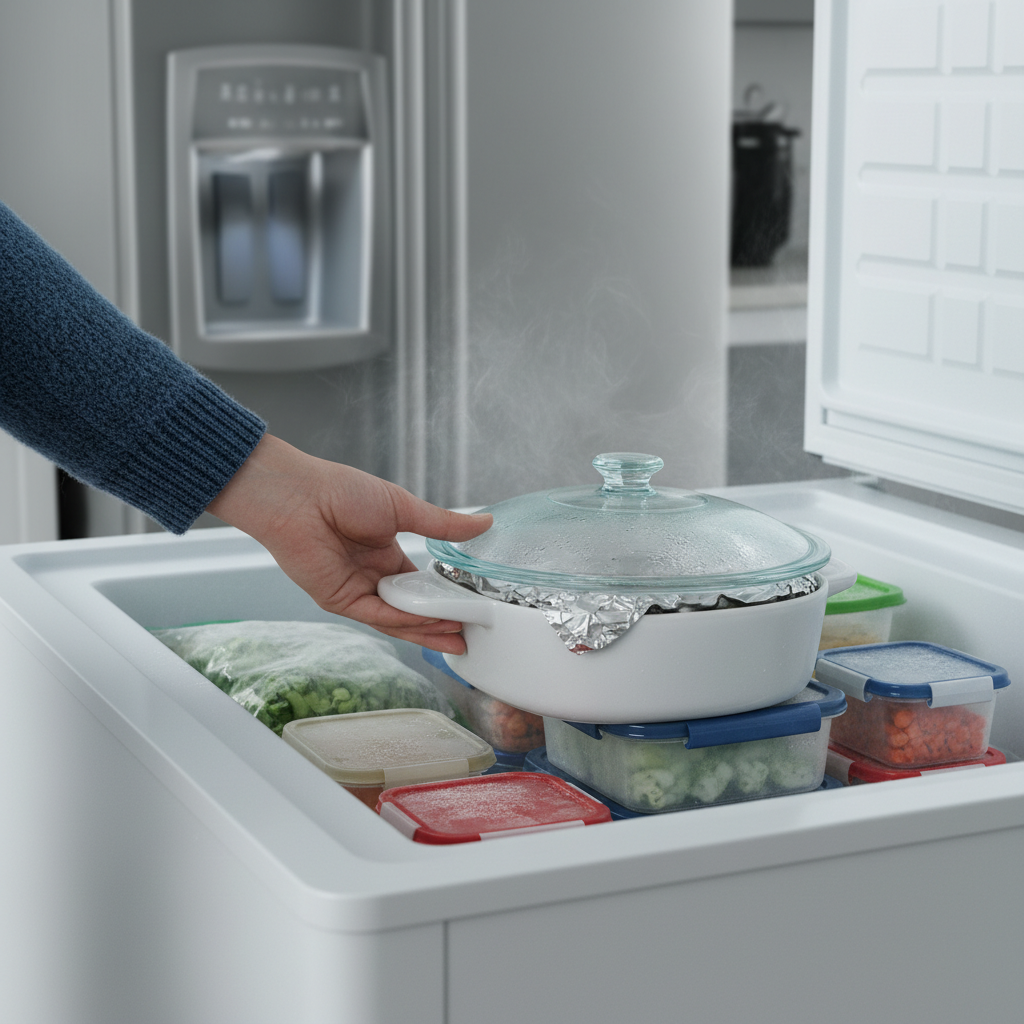
While caramel custard pudding excels as a make-ahead dessert for refrigeration, freezing is generally not recommended for the finished product.
- Make-Ahead (Refrigeration) This dessert is perfect for making ahead! Prepare it up to 2-3 days in advance and store it covered in the refrigerator. The flavors actually deepen and the texture becomes even more appealing after a day or two.
- Freezer Notes Freezing can significantly alter the delicate, creamy texture of the custard, making it watery or grainy upon thawing. The caramel might also crystalize. For best results, enjoy this pudding fresh from the refrigerator. If you must freeze, be aware that the quality will likely be compromised.
Delightful Pairings – Serving Suggestions
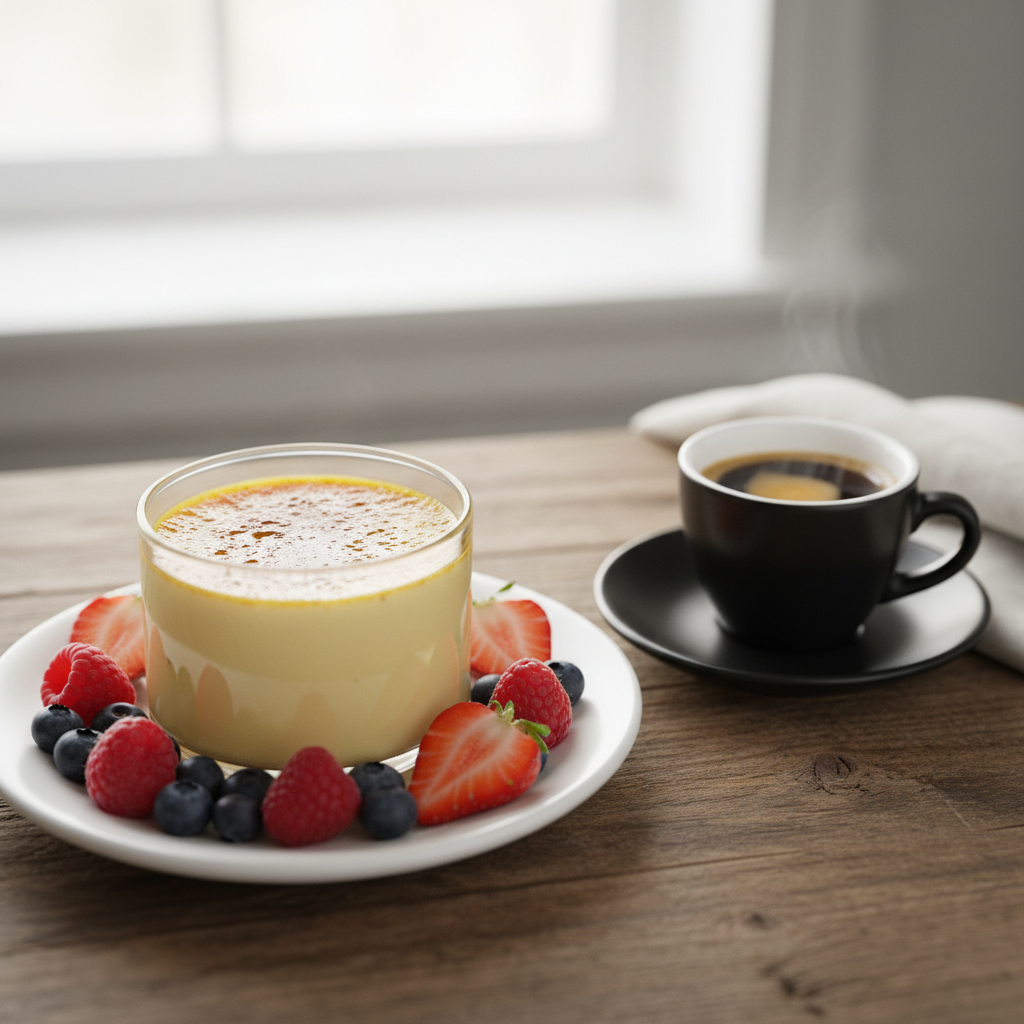
While rich caramel custard pudding is a star on its own, a few thoughtful accompaniments can elevate the experience even further.
- Fresh Berries A sprinkle of fresh raspberries, blueberries, or sliced strawberries adds a pop of color, a touch of tartness, and a refreshing contrast to the rich sweetness of the pudding.
- A Dollop of Cream A small spoonful of lightly sweetened whipped cream or crème fraîche can add another layer of creaminess and a slight tang.
- Coffee or Tea Serve alongside a freshly brewed cup of coffee, espresso, or your favorite herbal tea. The slight bitterness of coffee is a classic pairing with caramel.
- Nutty Crunch A light sprinkle of toasted slivered almonds or chopped pecans can add a delightful textural contrast.
- Simple Garnish A single mint leaf provides a beautiful visual touch and a hint of fresh aroma.