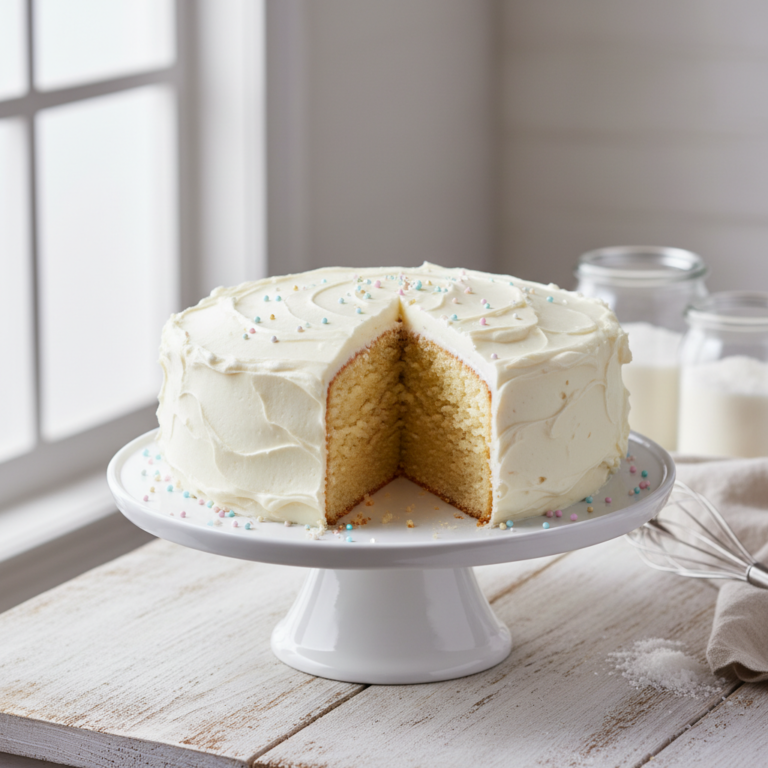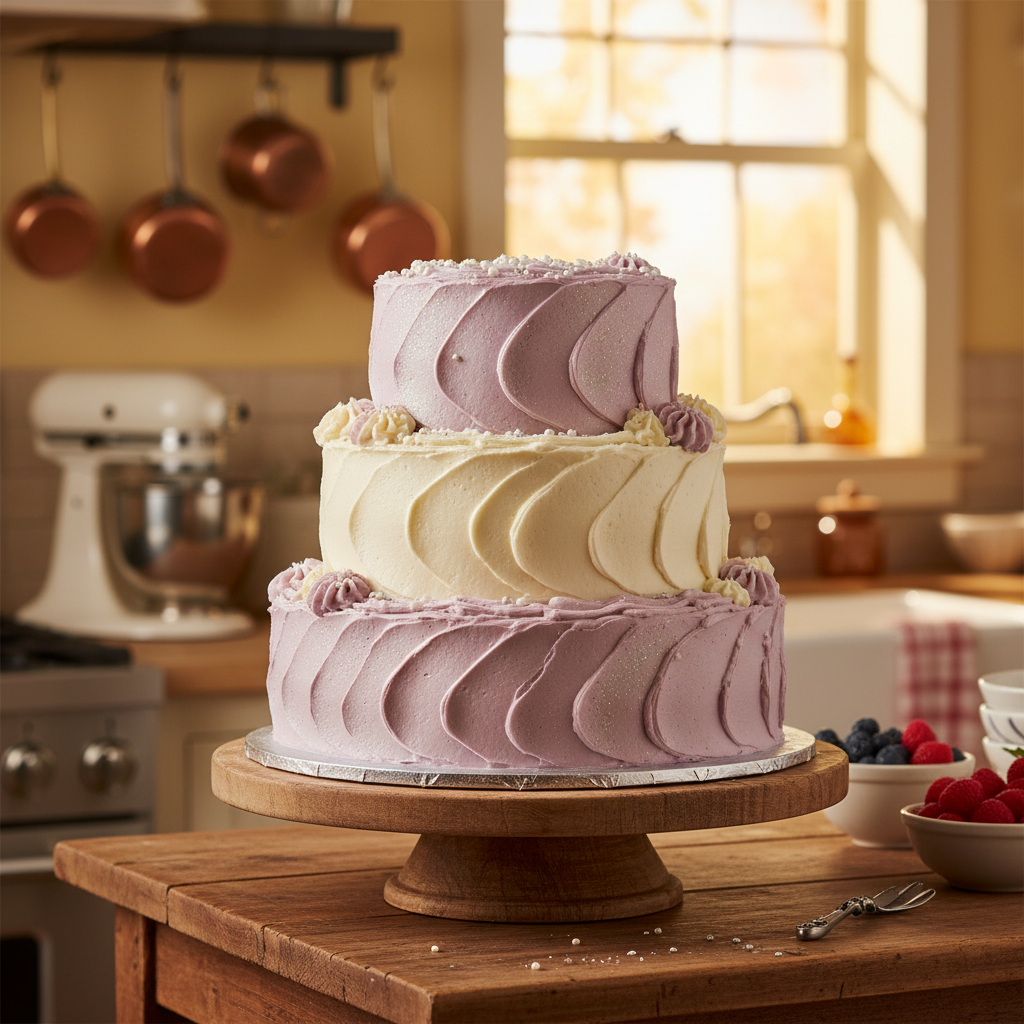
Welcome, fellow baking enthusiasts! There’s something truly magical about a beautifully frosted cake or a perfectly piped cupcake. And at the heart of many of these delightful creations lies one fundamental component: buttercream frosting. It’s the smooth, sweet, and versatile companion to countless desserts, transforming a simple baked good into a masterpiece. If you’ve ever dreamt of creating bakery-quality treats right in your own kitchen, then mastering buttercream is your golden ticket. This guide is designed to make that dream a delicious reality, offering a straightforward, beginner-friendly recipe that promises smooth, sweet perfection every time. Get ready to whip up some magic!
A Sweet History and Background

Buttercream, in its various forms, has been a staple in confectionery for centuries, evolving alongside baking techniques and tastes. While the exact origins are a bit hazy, the concept of enriching butter with sugar dates back to medieval times, when sugar became more widely available in Europe. Early versions were often quite simple, sometimes just butter and sugar mashed together.
The modern buttercream we know and love, particularly the American style, gained popularity in the 19th and 20th centuries. It became a hallmark of celebratory cakes, offering a stable and delicious medium for intricate decorations. As baking became more accessible to home cooks, so too did the desire to create stunning, frosted desserts. Today, buttercream remains a beloved classic, cherished for its rich flavor, adaptable texture, and endless possibilities for customization. It’s a testament to simple ingredients coming together to create something truly extraordinary.
Why You’ll Love This Recipe

- Beginner-Friendly This recipe is designed with simplicity in mind, perfect for those new to frosting.
- Smooth Texture Achieve that desirable silky, spreadable consistency without a fuss.
- Versatile Use Ideal for cakes, cupcakes, cookies, and more.
- Delicious Flavor A classic sweet and buttery taste that complements almost any dessert.
- Easy to Customize Simple to adjust for different colors and flavors.
Ingredient Notes
Crafting perfect buttercream starts with understanding your ingredients. Each plays a crucial role in achieving that dreamy texture and flavor.
- Unsalted Butter This is the star of the show. Using unsalted butter gives you control over the overall saltiness. Make sure it’s softened to room temperature – not melted, not cold. This is key for a smooth, lump-free frosting.
- Powdered Sugar (Confectioners’ Sugar) Also known as icing sugar, this finely ground sugar dissolves easily, preventing a grainy texture. Sifting it is a pro tip to avoid lumps.
- Heavy Cream or Milk A little liquid helps achieve the perfect consistency. Heavy cream adds richness, while milk (whole milk works best) makes it slightly lighter. You’ll add this gradually to get your desired thickness.
- Vanilla Extract A touch of pure vanilla extract enhances the flavor and provides that classic, comforting aroma. You can also experiment with other extracts like almond or peppermint.
- Pinch of Salt Don’t skip this! A tiny bit of salt balances the sweetness and brings out the buttery flavor, just like in any good recipe.
Equipment Needed
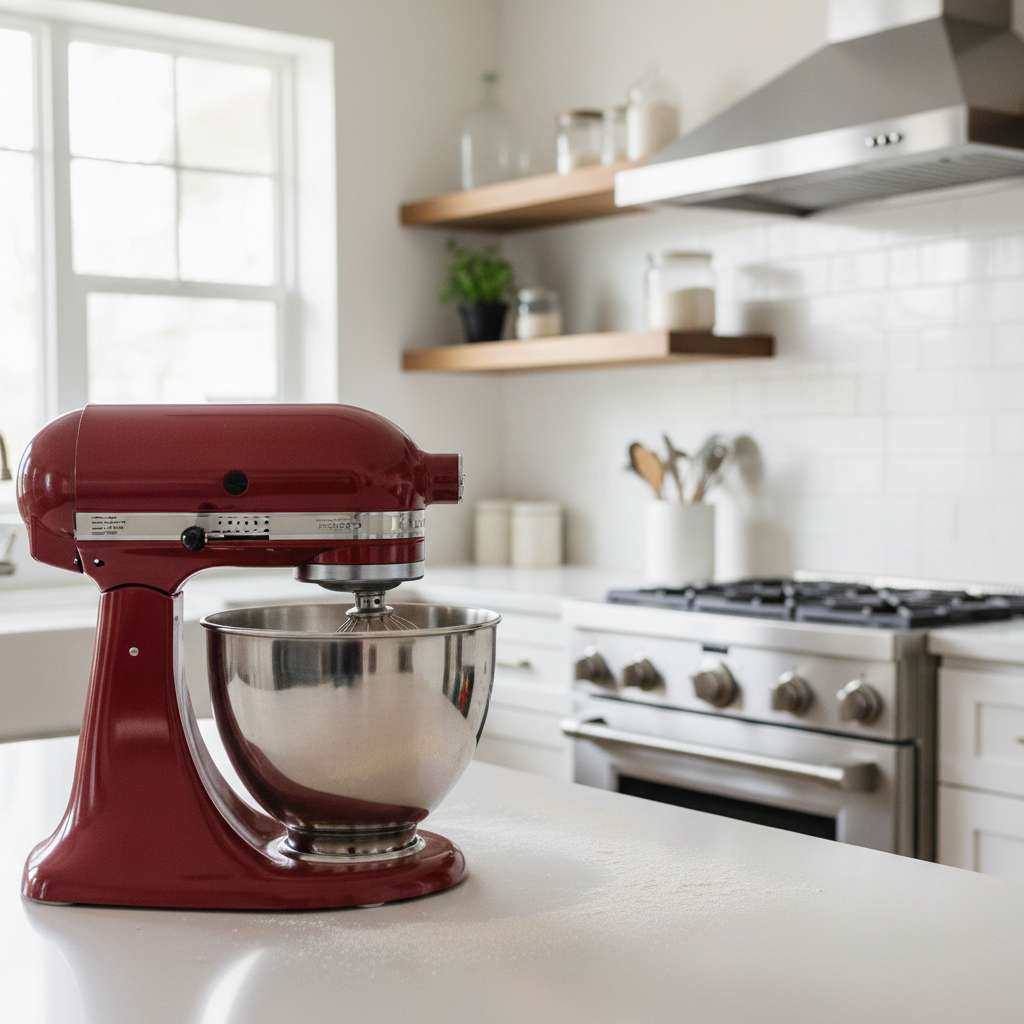
Having the right tools makes the process much smoother and more enjoyable.
- Electric Mixer A stand mixer with a paddle attachment is ideal, but a good hand mixer will also work wonderfully. This is essential for creaming the butter and incorporating air.
- Large Mixing Bowl You’ll need plenty of space for all that fluffy frosting.
- Rubber Spatula For scraping down the sides of the bowl and folding.
- Sifter or Fine-Mesh Sieve Highly recommended for sifting powdered sugar to prevent lumps.
- Measuring Cups and Spoons For accurate ingredient measurements.
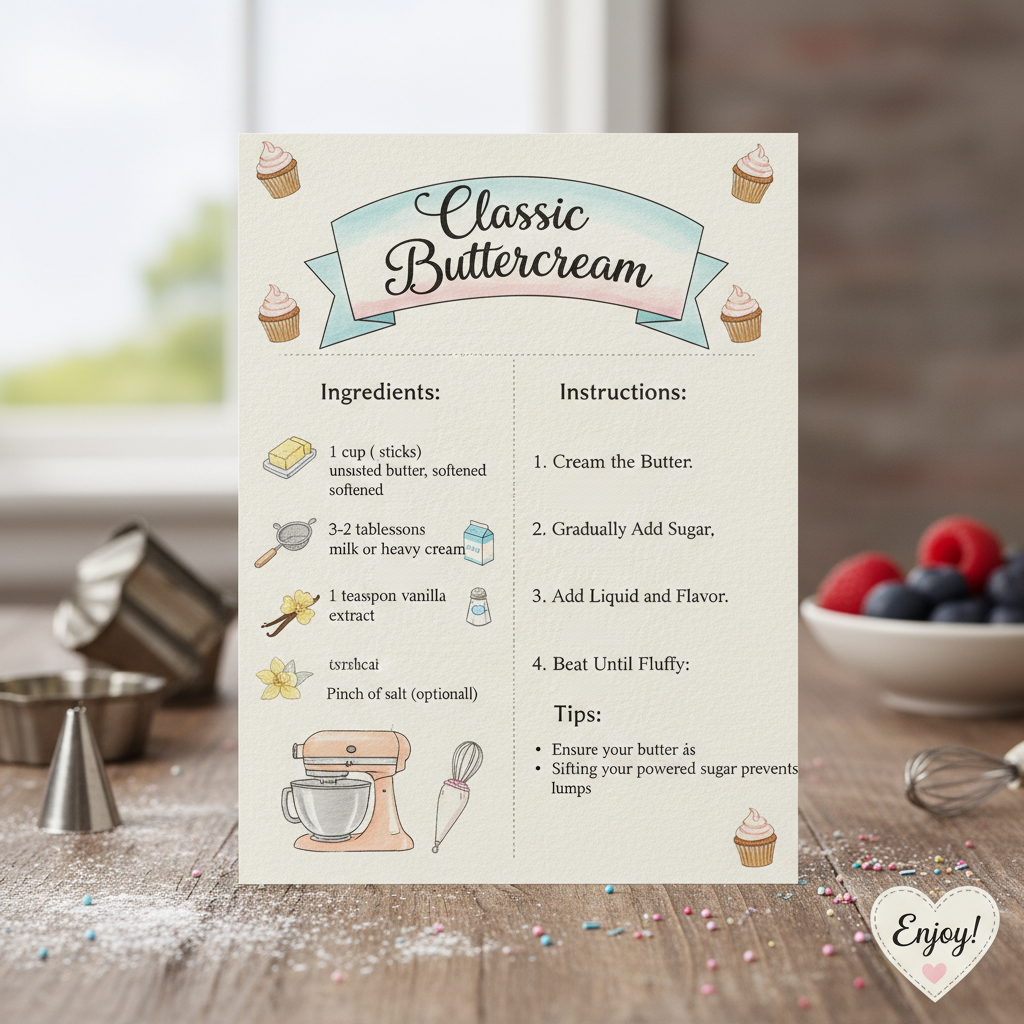
Full Recipe Card
Ingredients
- 1 cup (2 sticks or 226g) unsalted butter, softened to room temperature
- 3-4 cups (360-480g) powdered sugar, sifted
- 2-4 tablespoons heavy cream or whole milk
- 1 teaspoon pure vanilla extract
- Pinch of salt
Instructions
- Cream the Butter In a large mixing bowl, using an electric mixer with the paddle attachment (or a hand mixer), beat the softened butter on medium speed for 3-5 minutes until it is light, fluffy, and pale in color. Scrape down the sides of the bowl occasionally.
- Add Powdered Sugar Gradually With the mixer on low speed, gradually add the sifted powdered sugar, one cup at a time. Mix until each addition is fully incorporated before adding more. Once all the sugar is added, increase the speed to medium and beat for another 2-3 minutes until well combined.
- Add Liquid and Flavor With the mixer still on low, slowly add 2 tablespoons of heavy cream (or milk), vanilla extract, and a pinch of salt. Mix until combined.
- Adjust Consistency Increase the mixer speed to medium-high and beat for another 2-3 minutes until the frosting is light and fluffy. If the frosting is too thick, add more heavy cream or milk, one teaspoon at a time, until you reach your desired consistency. If it’s too thin, add a bit more sifted powdered sugar.
- Final Beat Give the frosting a final beat on medium-high speed for about 1 minute to ensure it’s super smooth and airy. Your perfect buttercream is ready to use!
Notes
- Ensure butter is truly at room temperature for best results.
- Sifting powdered sugar is crucial for a smooth frosting.
- Adjust liquid gradually to achieve desired thickness for piping or spreading.
- For chocolate buttercream, add 1/2 cup unsweetened cocoa powder along with the last cup of powdered sugar.
Tips and Variations
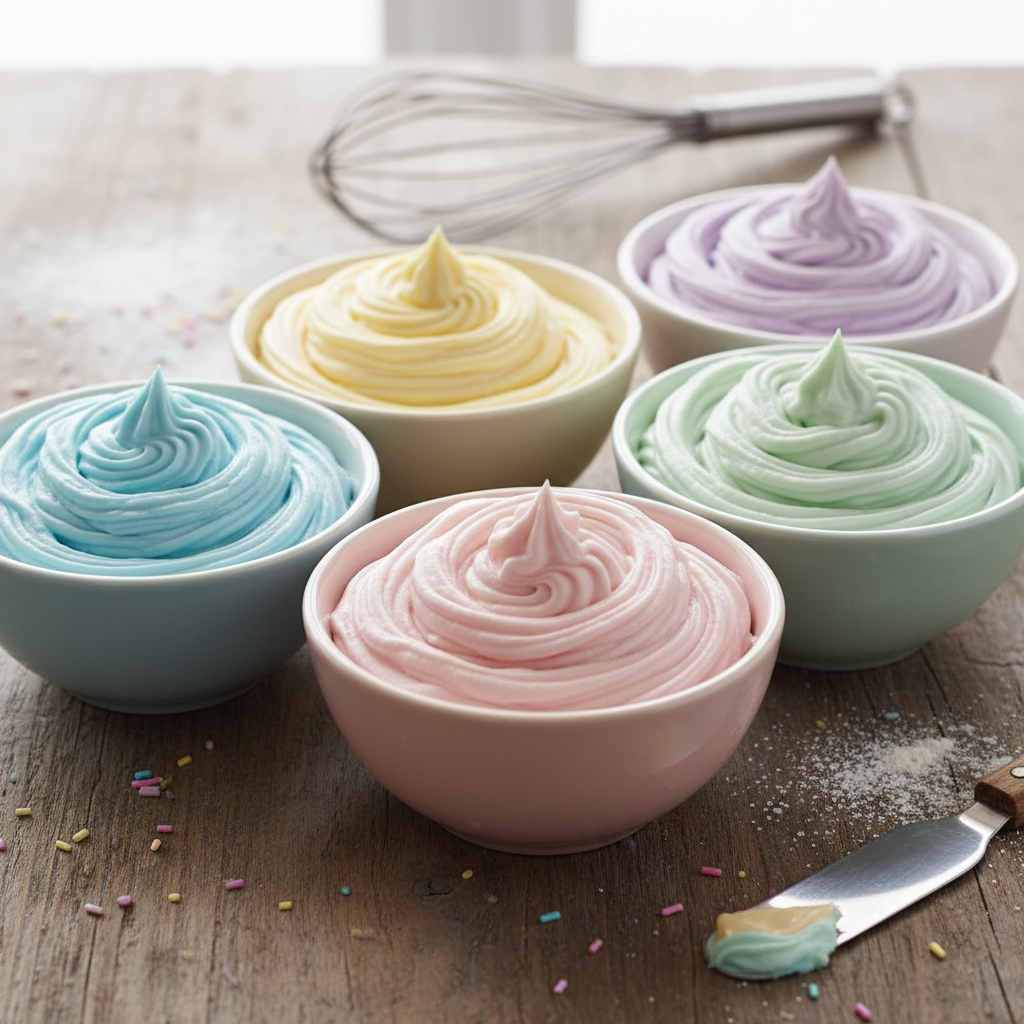
This basic buttercream recipe is a fantastic starting point, but don’t be afraid to get creative!
- Flavor Fun Beyond vanilla, try almond, lemon, coffee, or even a dash of cinnamon. For fruit flavors, use a tablespoon or two of fruit puree (make sure it’s thick and not too watery) or a concentrated fruit extract.
- Color Creations Add gel food coloring a little at a time until you achieve your desired hue. Gel colors are preferred over liquid for their intensity without adding too much moisture.
- Add-ins Fold in finely crushed cookies, sprinkles, or mini chocolate chips for added texture and flavor.
- Citrus Zest For a bright, fresh taste, add a teaspoon of finely grated lemon, lime, or orange zest.
- Spiced Buttercream Incorporate a pinch of ground cinnamon, nutmeg, or pumpkin spice for a warm, cozy flavor, perfect for fall desserts.
Pro Chef Tips
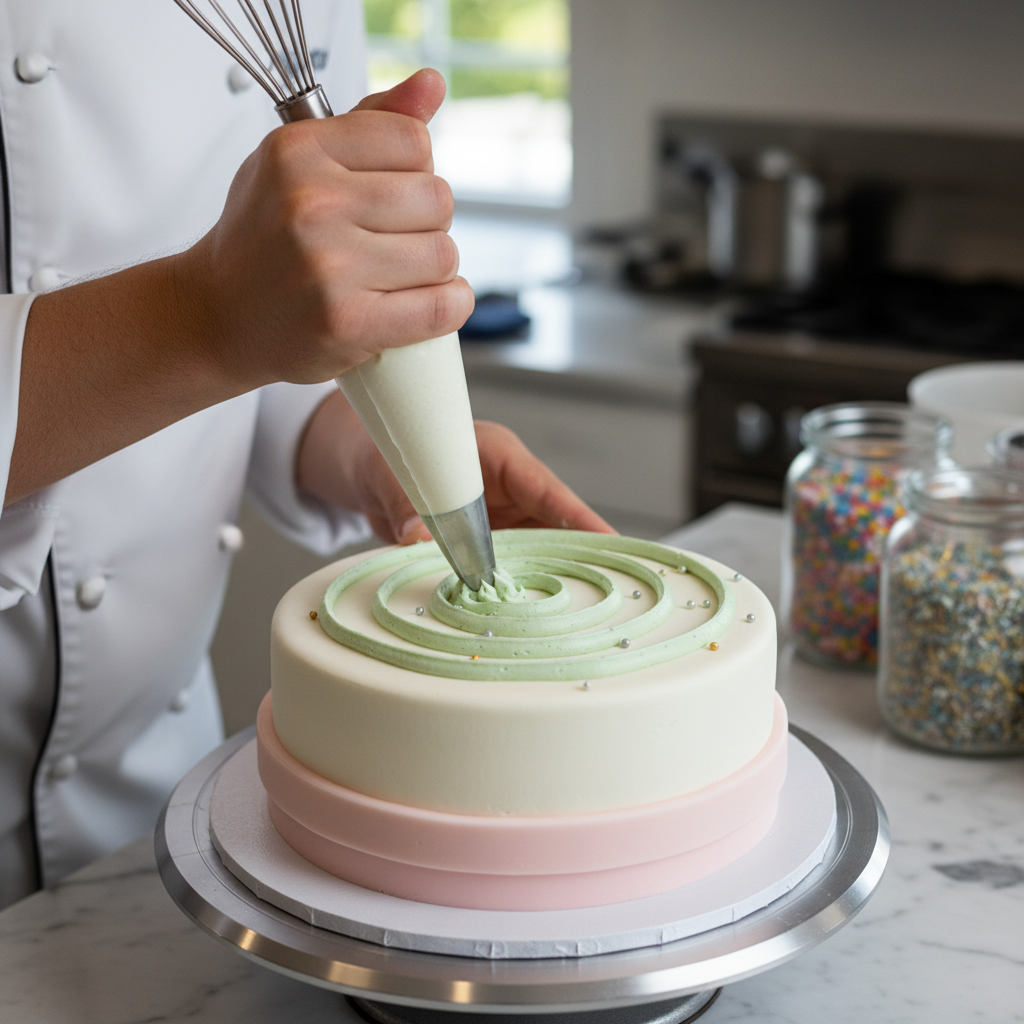
Elevate your buttercream game with these insider secrets from the pros:
- Temperature is Key Your butter should be soft enough to indent with a finger but not greasy or melted. If it’s too cold, your frosting will be lumpy. If it’s too warm, it will be runny.
- Sift, Sift, Sift Seriously, don’t skip sifting your powdered sugar. It’s the number one way to prevent a grainy frosting.
- Whip it Good Don’t be shy with the mixer. Beating the butter alone for a few minutes before adding sugar, and then beating the finished frosting for a final minute or two, incorporates air, making it light and fluffy.
- Taste and Adjust Always taste your frosting before you’re done. Does it need more vanilla? A touch more salt to cut the sweetness? Trust your palate.
- Use Quality Ingredients Good butter and pure vanilla extract make a noticeable difference in flavor.
Common Mistakes to Avoid
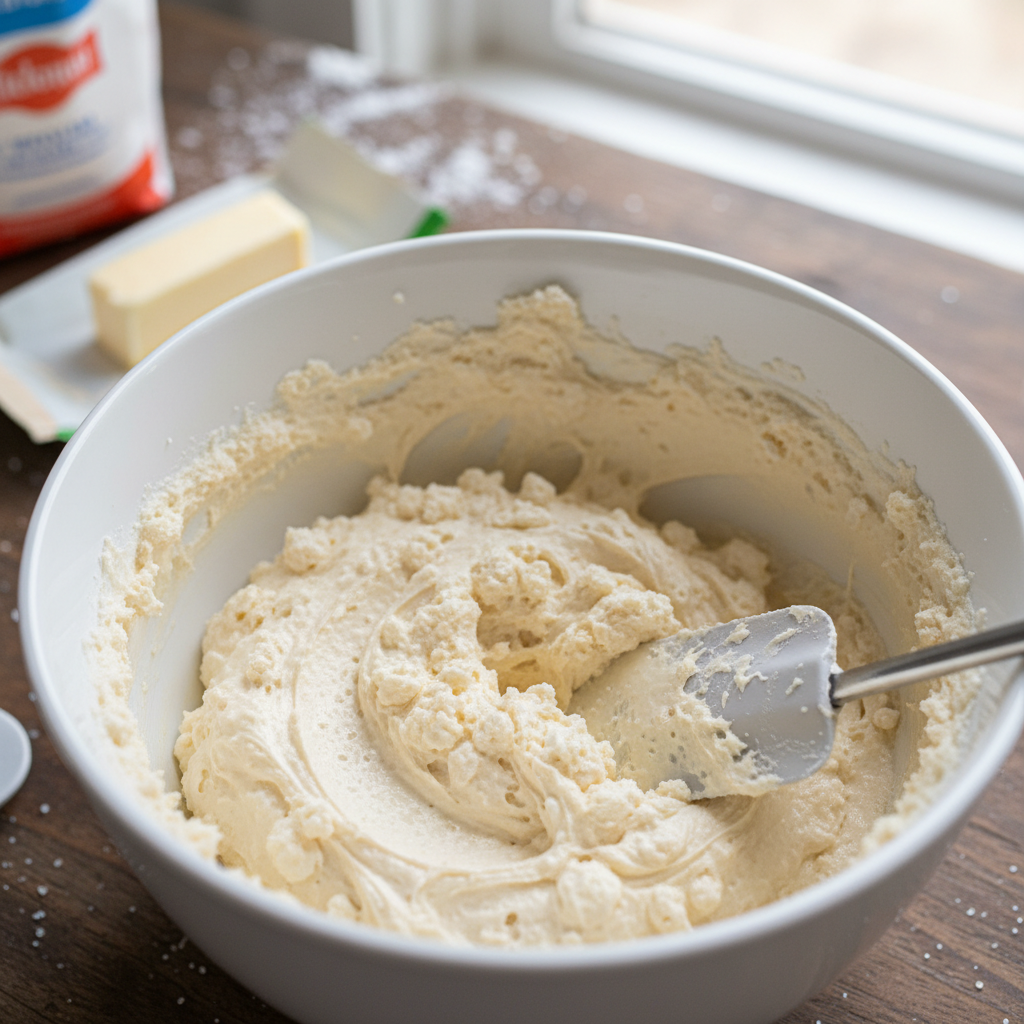
Even the pros encounter challenges. Here are some pitfalls to steer clear of:
- Using Cold Butter This is the most common mistake. Cold butter won’t cream properly, leading to a lumpy, dense frosting.
- Not Sifting Powdered Sugar Un-sifted sugar can leave you with a gritty texture, which is far from smooth.
- Adding Too Much Liquid Too Soon It’s easier to add more liquid than to fix a runny frosting. Add cream or milk gradually.
- Over-mixing After Adding Liquid While you want to beat it well for fluffiness, over-mixing once all ingredients are combined can sometimes incorporate too much air, making it difficult to smooth.
- Not Scraping the Bowl Ingredients can cling to the bottom or sides of the bowl, leading to uneven mixing. Scrape down frequently.
Storage and Meal Prep

Proper storage ensures your delicious buttercream stays fresh and ready for your next baking adventure.
- Countertop If using within a day or two, buttercream can be stored at cool room temperature (below 70°F/21°C) in an airtight container.
- Refrigerator For longer storage, place buttercream in an airtight container in the refrigerator for up to 1-2 weeks.
- Before Use When ready to use refrigerated buttercream, let it come to room temperature. Then, re-whip it with your electric mixer for a few minutes until it’s light and fluffy again, adding a teaspoon of cream or milk if needed to restore its perfect consistency.
Make-Ahead and Freezer Notes
Buttercream is wonderfully make-ahead friendly, a true lifesaver for busy bakers.
- Make-Ahead You can easily prepare buttercream a day or two in advance and store it in the refrigerator. Just remember to bring it to room temperature and re-whip before using.
- Freezing For even longer storage, buttercream can be frozen for up to 1 month. Place it in a freezer-safe, airtight container or a heavy-duty freezer bag, pressing out any excess air.
- Thawing To thaw, transfer the frozen buttercream to the refrigerator overnight. Once thawed, let it come to room temperature on the counter for an hour or two, then re-whip it thoroughly until it’s smooth and fluffy. You might need to add a splash of cream or milk to get the right consistency.
Serving Suggestions
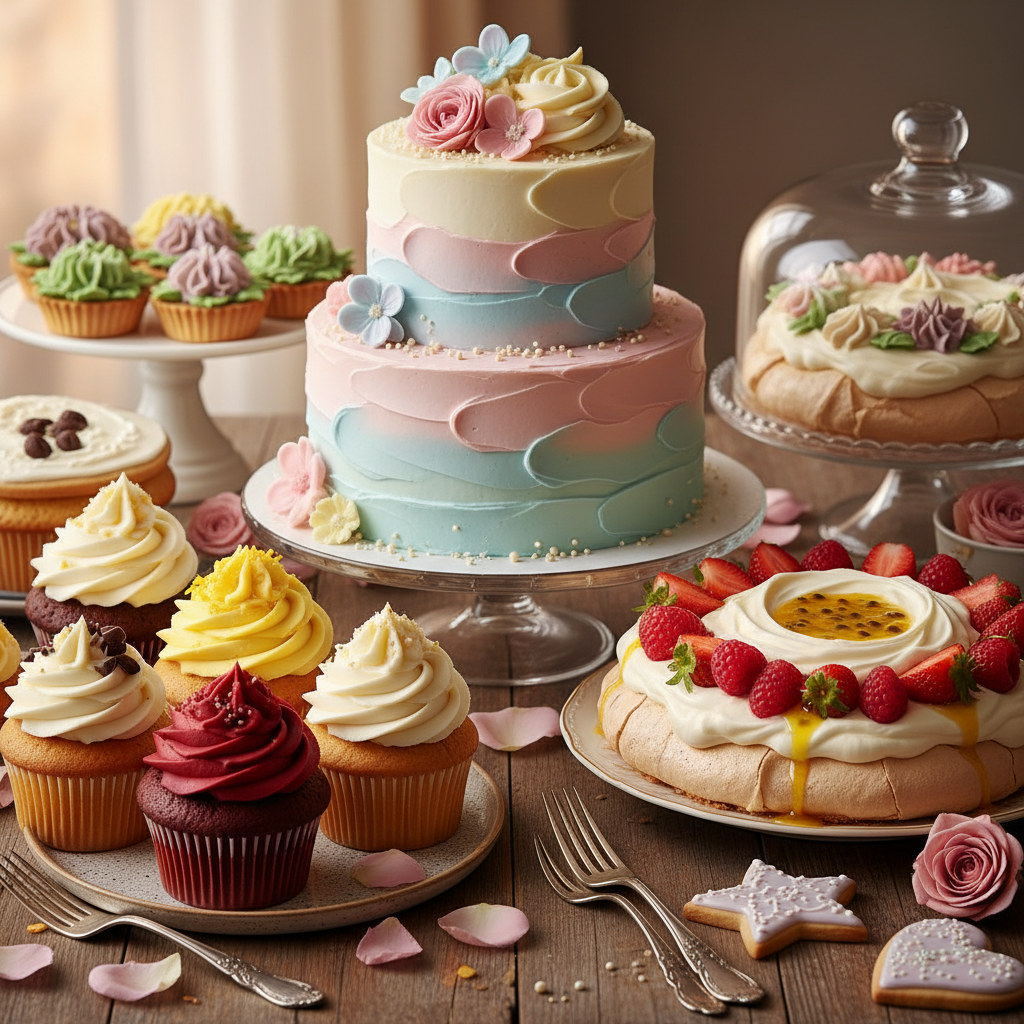
Now for the fun part! Your smooth and sweet buttercream is ready to elevate any dessert.
- Classic Cakes Frost birthday cakes, layer cakes, or sheet cakes.
- Cupcake Topping Pipe beautiful swirls onto cupcakes for an instant party upgrade.
- Cookie Decoration Use it to fill sandwich cookies or decorate sugar cookies.
- Brownie Bliss A dollop on top of warm brownies is pure indulgence.
- Dipping Sauce Believe it or not, a small bowl of buttercream can be a fun dip for fresh fruit or graham crackers.
- Filling Use it as a delicious filling for choux pastry, eclairs, or even crepes.