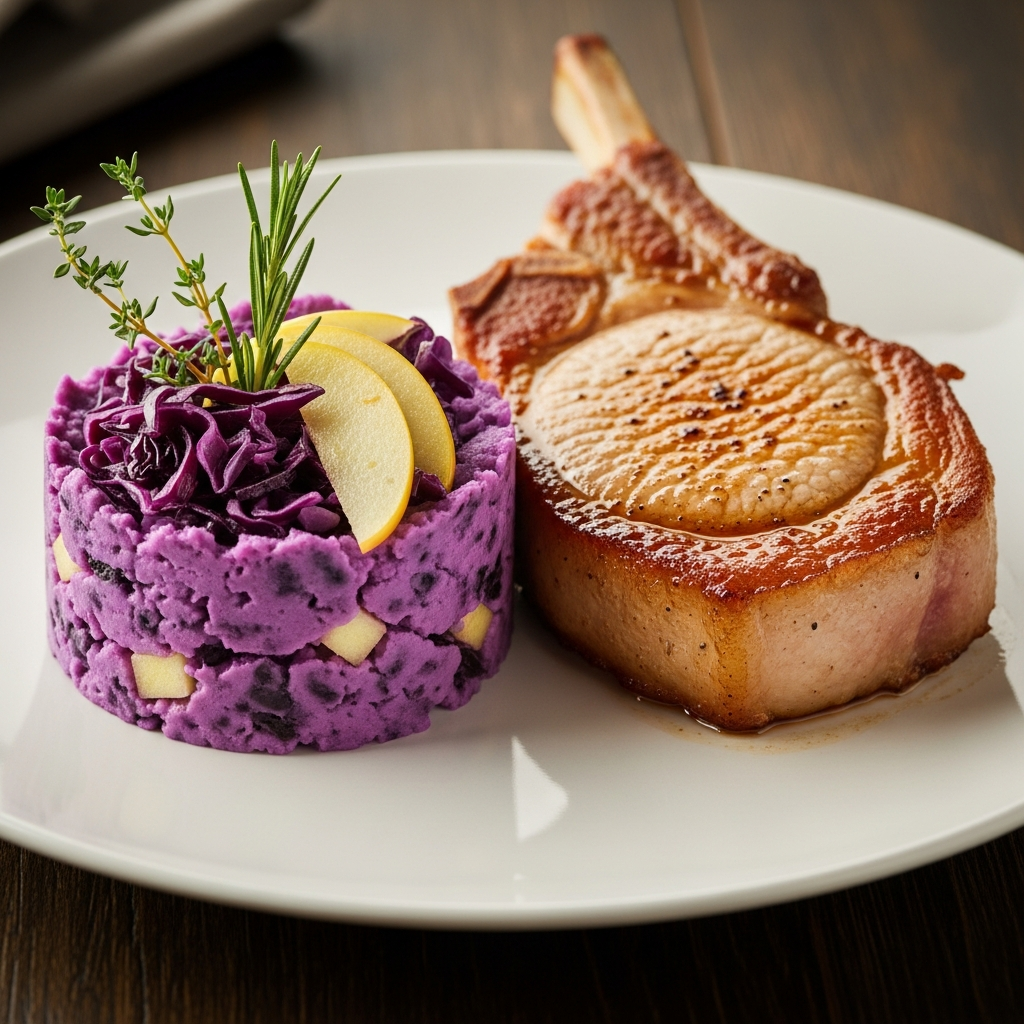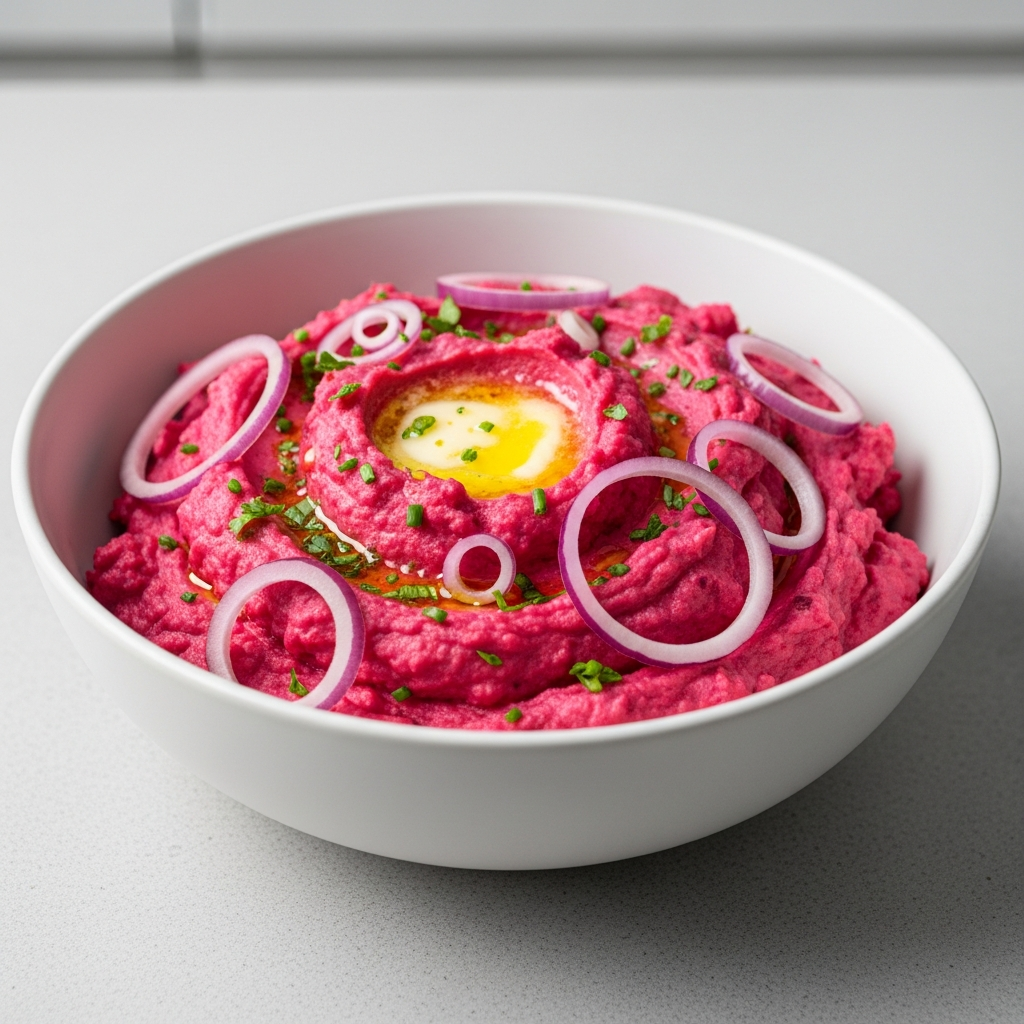
Welcome to the wonderful world of Stamppot! If you are looking for a meal that warms you from the inside out, feels like a hug on a plate, and is surprisingly easy to make, then you have come to the right place. Stamppot, a beloved Dutch national dish, is the ultimate comfort food, perfect for chilly evenings or simply when you need a hearty, satisfying meal.
Imagine a delicious mash of potatoes mixed with various vegetables, often served with a juicy smoked sausage. That’s Stamppot in a nutshell! It is simple, humble, yet incredibly flavorful and deeply comforting. Get ready to discover eight fantastic ideas for this traditional Dutch dish that will quickly become a favorite in your kitchen.
History / Background

Stamppot has a rich history rooted in the practical needs of Dutch farmers and laborers. It originated as a simple, affordable meal that could feed a family with readily available ingredients. Historically, it was a peasant dish, making good use of root vegetables and potatoes that grew well in the Dutch climate.
The name “Stamppot” literally means “mash pot” or “stomped pot,” referring to the method of mashing the ingredients together. Over centuries, it evolved from a basic sustenance meal to a cherished national dish, enjoyed by everyone. It represents a connection to Dutch heritage and a celebration of simple, wholesome food.
Why You’ll Love This Recipe

You are going to adore Stamppot for so many reasons! Here’s why:
* It is incredibly comforting and warming.
* It is super easy to make, even for beginners.
* It is very versatile; you can use almost any vegetable.
* It is a budget-friendly meal, using simple ingredients.
* It is packed with flavor and nutrition.
* It is a fantastic way to enjoy vegetables.
* It is a beloved classic that brings people together.
Ingredient Notes

While Stamppot is incredibly forgiving, a few notes on ingredients will help you make the best version possible.
For potatoes, starchy varieties like Russet or Yukon Gold are ideal. They mash beautifully, giving you a creamy, fluffy texture. Avoid waxy potatoes as they can become gummy when mashed.
Your chosen vegetable, whether it is kale, endive, or carrots, should be fresh and vibrant. Wash them thoroughly and chop them appropriately for even cooking.
Milk or cream and a touch of butter are key for achieving that rich, smooth mash. You can adjust the amount to your preferred creaminess. For a dairy-free version, use plant-based milk and butter.
Salt and pepper are your primary seasonings. Do not be shy – good seasoning is crucial for a flavorful Stamppot. A pinch of nutmeg is also a traditional addition, especially with kale or endive.
The traditional accompaniment is rookworst, a Dutch smoked sausage. It is flavorful and juicy. If you cannot find it, any good quality smoked sausage will work perfectly.
Equipment Needed

You do not need any fancy gadgets to make Stamppot. Here are the basic tools that will get the job done:
* A large cooking pot or Dutch oven for boiling potatoes and vegetables.
* A potato masher for achieving that perfect texture.
* A sharp knife and a cutting board for preparing your ingredients.
* A colander for draining the cooked potatoes and vegetables.
* A wooden spoon or spatula for mixing.
Full Recipe Card

Let’s start with a classic: Boerenkoolstamppot (Kale Stamppot) with Rookworst. This is one of the most popular and iconic versions of the dish.
Ingredients
* 2.5 lbs (about 1.2 kg) starchy potatoes (like Russet or Yukon Gold), peeled and quartered
* 1 lb (about 450g) fresh kale, tough stems removed, chopped
* 1/2 cup milk (whole milk or your preferred plant-based milk)
* 2 tablespoons butter (or dairy-free butter)
* Salt and freshly ground black pepper to taste
* A pinch of nutmeg (optional, but recommended)
* 1-2 smoked sausages (rookworst), prepared according to package instructions
Instructions
1. Place the peeled and quartered potatoes in a large pot. Add enough cold water to cover them. Add a generous pinch of salt to the water.
2. Bring the water to a boil, then reduce the heat to medium-low and simmer for about 10-15 minutes.
3. Add the chopped kale on top of the potatoes in the same pot. Make sure the kale is mostly submerged in the hot water. Continue to cook for another 10-15 minutes, or until both the potatoes and kale are fork-tender.
4. While the potatoes and kale are cooking, prepare your smoked sausage according to its package instructions. Usually, this involves simmering it in hot water for about 15-20 minutes until heated through.
5. Once the potatoes and kale are tender, carefully drain all the water from the pot. Return the pot to the stovetop over very low heat for about a minute to let any remaining moisture evaporate. This helps prevent a watery Stamppot.
6. Add the milk, butter, salt, pepper, and nutmeg (if using) to the drained potatoes and kale.
7. Using a potato masher, thoroughly mash the mixture until it reaches your desired consistency. Some people prefer it chunkier, while others like it very smooth. Taste and adjust seasoning as needed.
8. Serve the hot Stamppot immediately, making a well in the center of each serving for the smoked sausage. You can also drizzle with a little gravy or some fried bacon bits if desired.
Notes
* For an extra rich Stamppot, use a little more butter or a splash of cream.
* Do not over-mash your potatoes, as they can become gummy. Mash just until smooth enough.
* Always taste and adjust seasoning. Potatoes absorb a lot of salt!
* If your Stamppot is too thick, add a little more warm milk; if too thin, cook over low heat, stirring, to reduce moisture.
Tips & Variations

Now for the exciting part – the 8 Stamppot ideas! While the base of potatoes remains, the vegetable component is where the magic happens, offering endless delicious possibilities.
1. Boerenkoolstamppot (Kale Stamppot)
This is the classic Stamppot, as detailed in our recipe above. It features robust kale mashed with potatoes, often seasoned with a bit of nutmeg. It is traditionally served with rookworst and sometimes crispy fried bacon bits.
2. Hutspot (Carrot and Onion Stamppot)
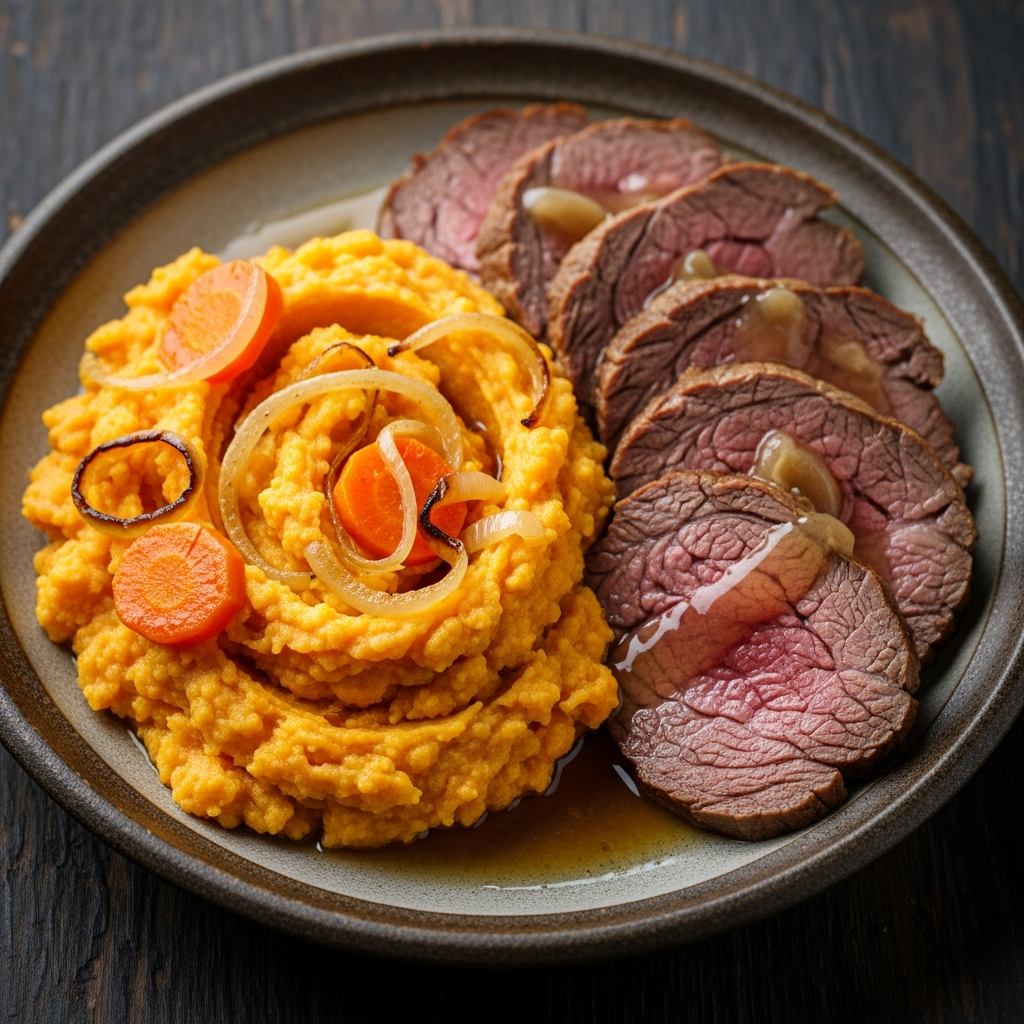
Hutspot is another immensely popular variation, especially around Leiden, where it is said to have originated. It combines carrots and onions, cooked and mashed with potatoes. The sweetness of the carrots balances wonderfully with the sharpness of the onions.
3. Andijviestamppot (Endive Stamppot)
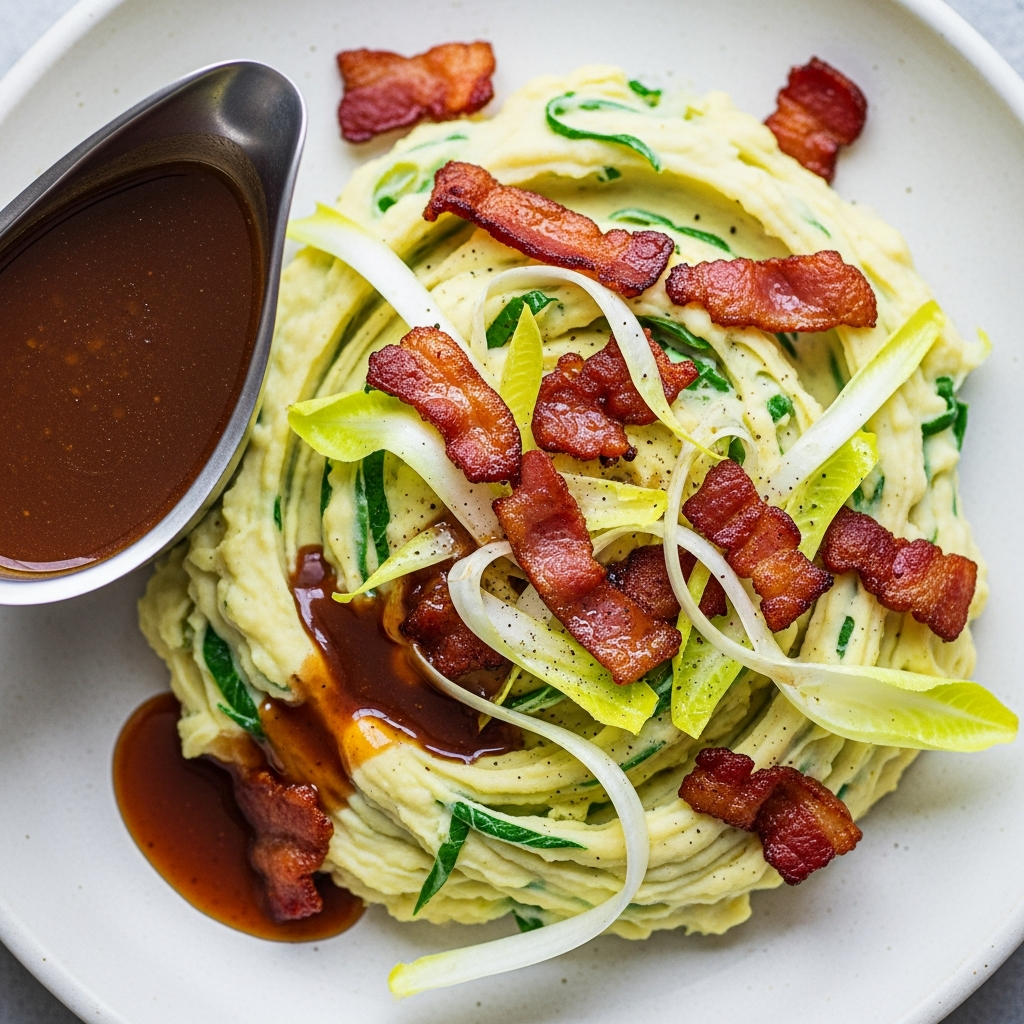
For a slightly bitter and refreshing twist, Andijviestamppot uses raw or lightly cooked endive leaves. The crispness of the endive, when mashed in at the last minute, adds a wonderful texture and a fresh, peppery flavor that contrasts nicely with the creamy potatoes.
4. Zuurkoolstamppot (Sauerkraut Stamppot)
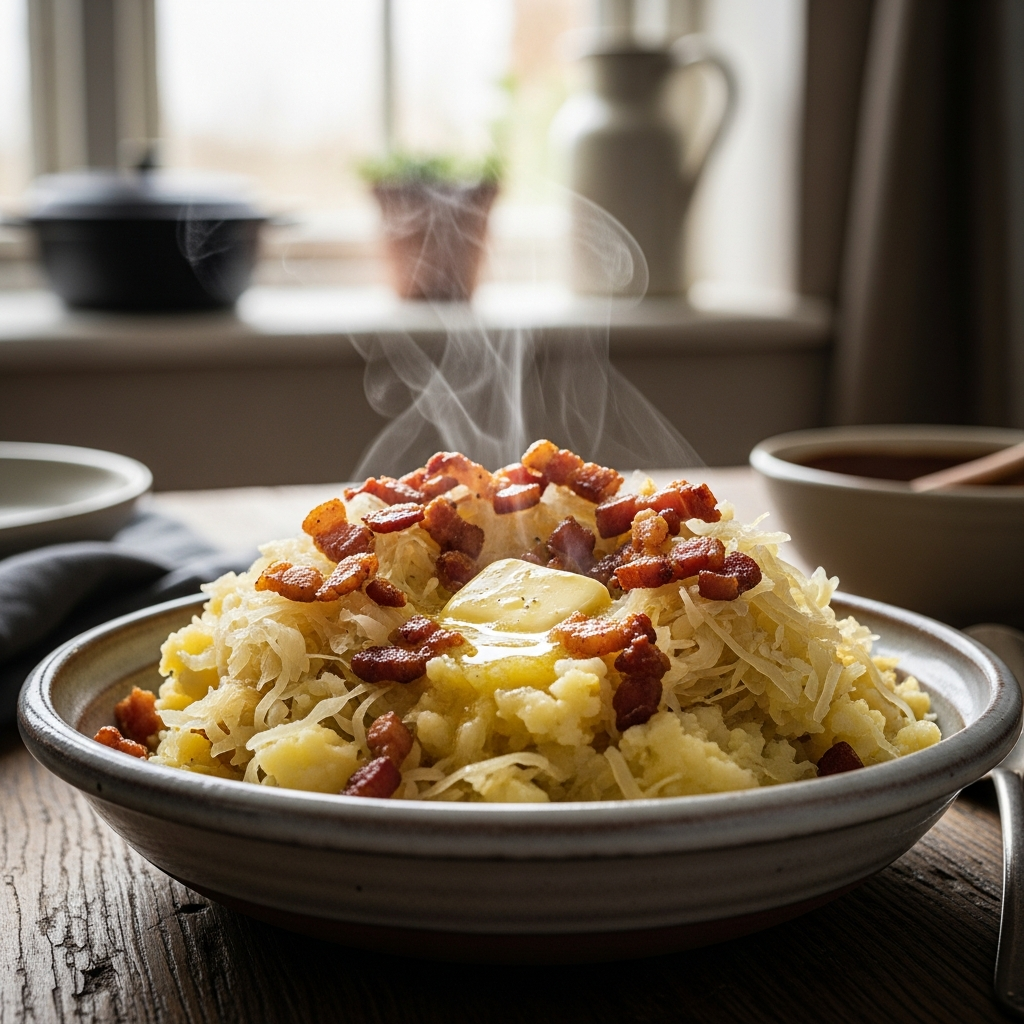
This hearty Stamppot combines potatoes with tangy sauerkraut. The fermented cabbage adds a distinct sour note and a comforting warmth. It pairs exceptionally well with smoked meats and a dollop of strong mustard.
5. Hete Bliksem (Hot Lightning – Apple and Potato Stamppot)
Do not let the name intimidate you; Hete Bliksem is a delightful sweet and savory Stamppot. It features tart apples (like Granny Smith) cooked and mashed with potatoes. The apples lend a lovely sweetness and a unique flavor profile that is surprisingly addictive.
6. Spruitjesstamppot (Brussels Sprouts Stamppot)
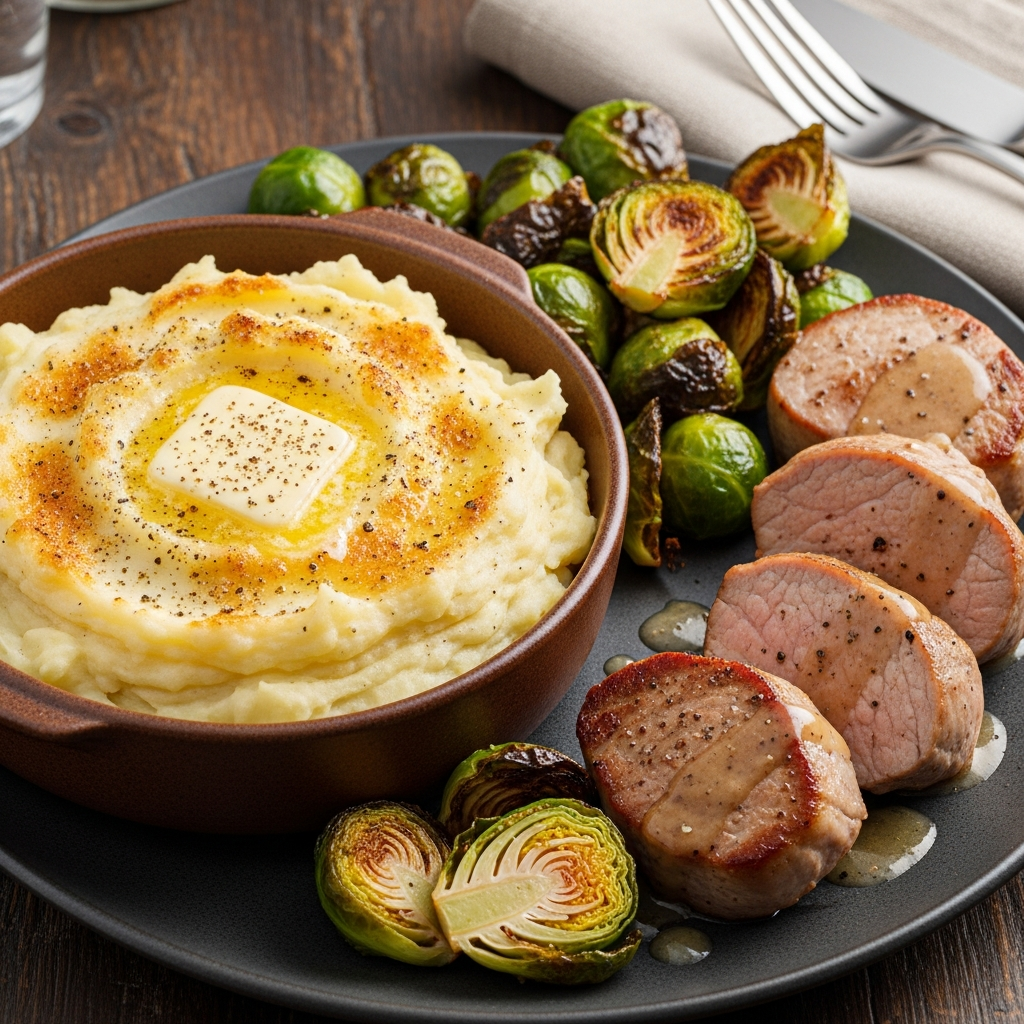
If you are a fan of Brussels sprouts, this Stamppot is for you. Cooked Brussels sprouts are mashed into the potatoes, offering their characteristic slightly bitter and earthy flavor. It is a fantastic way to enjoy this often-misunderstood vegetable.
7. Spinaziestamppot (Spinach Stamppot)
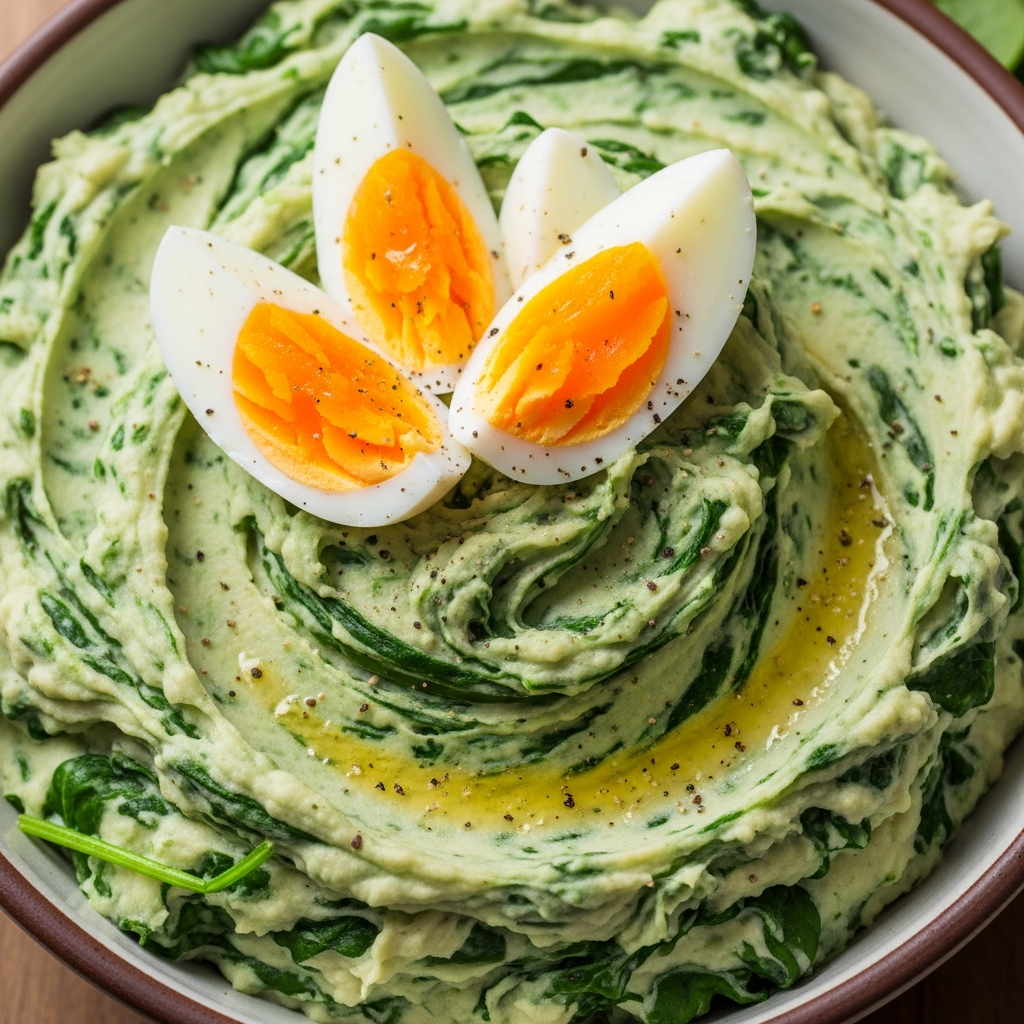
For a lighter, greener option, try Spinaziestamppot. Fresh spinach is quickly wilted and then mashed into the potatoes, giving the dish a vibrant color and a mild, earthy taste. It is excellent with a fried egg on top.
8. Preistamppot (Leek Stamppot)
Leek Stamppot offers a gentle, oniony flavor that is milder than raw onions but still very satisfying. Sautéed or boiled leeks are mashed with potatoes, creating a creamy and aromatic dish that is subtly sweet.
Pro Chef Tips

Want to elevate your Stamppot game? Here are some pro tips:
* Warm your milk and melt your butter before adding them to the mash. This ensures a smoother, creamier texture and helps the potatoes absorb the liquids better.
* Always season generously. Potatoes are bland on their own, so do not be afraid to add enough salt, pepper, and a pinch of nutmeg or other spices. Taste as you go!
* For extra flavor, cook your vegetables (especially onions or leeks) in a little bacon fat or butter before adding them to the potatoes.
* Do not be afraid to use a hand mixer on low speed if you want an extra-smooth Stamppot, but be careful not to overmix, as it can turn gummy.
* Make a ‘kuiltje’ (little well) in the center of your Stamppot serving and pour in a little warm gravy or the juices from your sausage. This is a classic Dutch presentation.
Common Mistakes to Avoid

Even a simple dish like Stamppot has a few pitfalls to watch out for:
* Over-mashing the potatoes: This can release too much starch, resulting in a gummy, gluey texture instead of light and fluffy. Mash just enough until smooth.
* Not draining properly: If there is too much water left on the potatoes and vegetables, your Stamppot will be watery and lack flavor. Return the drained pot to low heat for a minute or two to evaporate excess moisture.
* Under-seasoning: As mentioned, potatoes need a good amount of salt and pepper. Always taste and adjust before serving.
* Using waxy potatoes: Waxy potatoes hold their shape well but do not mash into the fluffy texture you want for Stamppot. Stick to starchy varieties.
* Cold milk/butter: Adding cold dairy to hot potatoes can cool them down too quickly and make them harder to mash smoothly.
Storage & Meal Prep

Stamppot is a fantastic meal prep option! Leftovers store beautifully in the refrigerator.
Once cooled, transfer your Stamppot to an airtight container. It will keep well in the fridge for up to 3-4 days. The flavors often deepen overnight, making it even more delicious the next day.
To reheat, you can gently warm it in a saucepan over low heat, stirring occasionally and adding a splash of milk or broth if it seems too dry. You can also microwave individual portions until heated through.
Make-Ahead & Freezer Notes

Stamppot is quite freezer-friendly, making it a great dish for batch cooking.
To freeze, allow the cooked Stamppot to cool completely. Then, transfer it to freezer-safe bags or containers. Label with the date. It can be stored in the freezer for up to 2-3 months.
When you are ready to enjoy it, thaw the Stamppot overnight in the refrigerator. Reheat gently on the stovetop over low heat, adding a little milk or water to restore its creamy texture. You may need to add a touch more seasoning after reheating. Freezing and thawing can sometimes make the vegetables a bit softer, but the flavor remains great.
Serving Suggestions

While Stamppot is often a meal in itself, there are many ways to enhance your dining experience:
* The classic pairing is with rookworst (smoked sausage).
* Crispy fried bacon bits (spekjes) are a popular topping, adding a salty crunch.
* A well (kuiltje) in the center of the Stamppot filled with warm gravy is traditional and delicious.
* A dollop of strong mustard or piccalilli (a Dutch pickled vegetable relish) provides a delightful tang.
* Some people enjoy a fried egg on top, especially with lighter versions like spinach Stamppot.
* Serve alongside some pickled gherkins or silverskin onions for a fresh contrast.