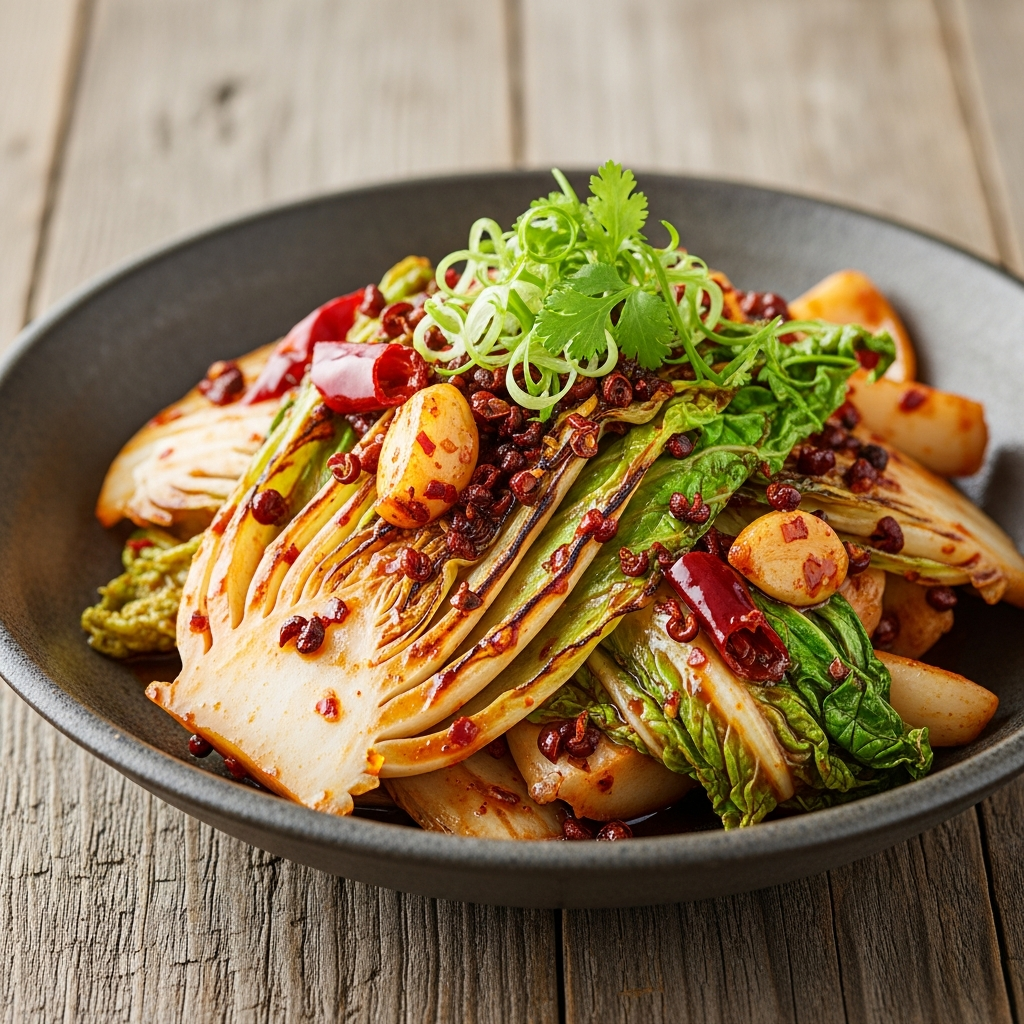
Hello, fellow food lovers! Are you ready to embark on a flavor journey that will awaken your taste buds? Today, we are diving deep into the exciting world of Sichuan cuisine, specifically focusing on how we can transform the humble Napa cabbage into an incredibly vibrant and irresistibly bold dish. If you love a good kick of spice paired with a unique numbing sensation, you’re in for a real treat.
Sichuan food is famous for its powerful and complex flavors, especially the iconic “mala” profile – a delightful combination of numbing (ma) from Sichuan peppercorns and spicy (la) from chilies. While many associate Sichuan cuisine with meat dishes, some of its most delicious and satisfying creations are actually vegetarian. And guess what? Napa cabbage, with its tender texture and slightly sweet taste, is the perfect canvas for these sensational spices. Let’s get cooking!
History / Background
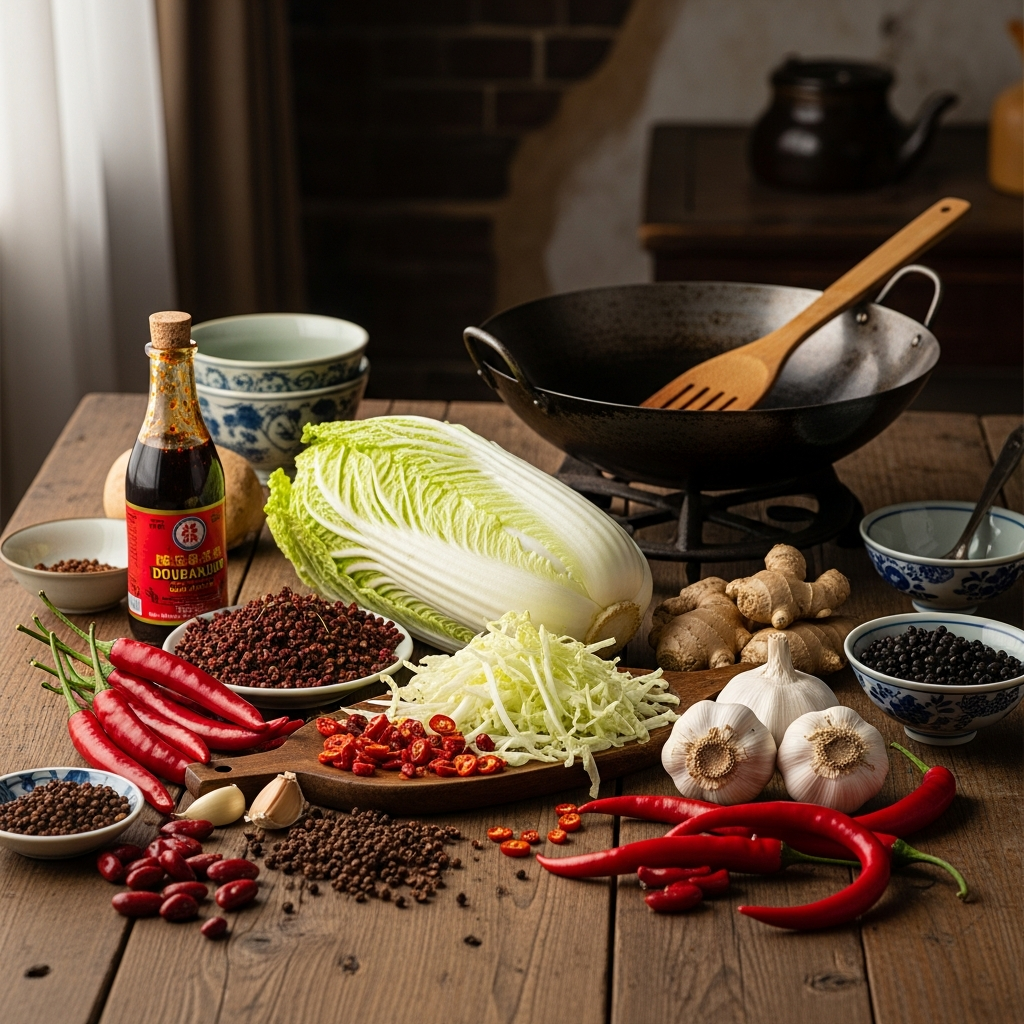
Sichuan cuisine, originating from the Sichuan Province in southwestern China, boasts a history stretching back thousands of years. It’s one of China’s “Eight Great Cuisines” and is renowned globally for its distinct and often fiery flavors. The region’s humid climate historically led people to embrace chilies and other warming spices, believed to help with moisture regulation in the body.
The use of Sichuan peppercorns dates back even further than chilies, which only arrived in China a few centuries ago. This combination, along with a rich pantry of ingredients like garlic, ginger, fermented broad bean paste, and black vinegar, creates a layered flavor experience unlike any other. Even simple vegetables like Napa cabbage are elevated to star status through masterful stir-frying techniques and the perfect balance of seasoning. This isn’t just spicy food; it’s a symphony of tastes and textures.
Why You’ll Love This Recipe
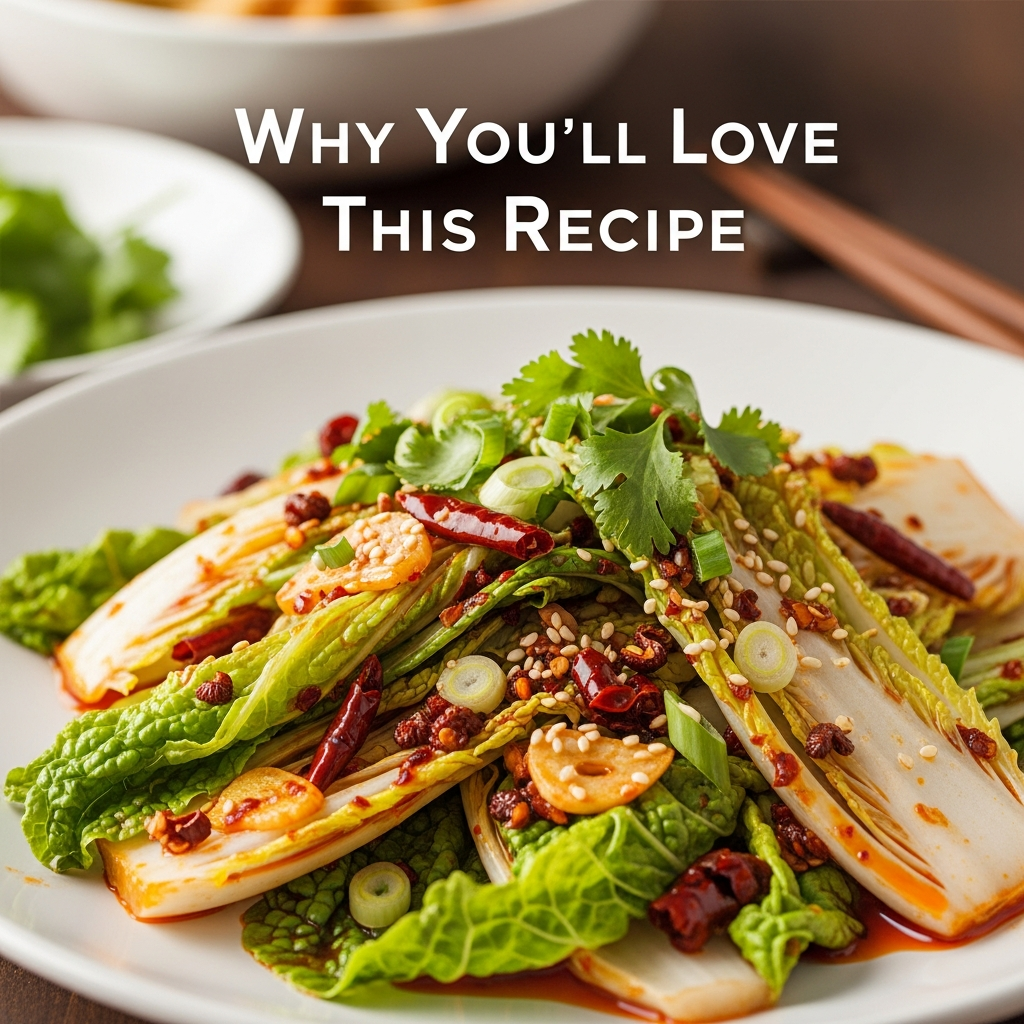
There are so many fantastic reasons to make this Sichuan Napa cabbage recipe a staple in your kitchen.
* Flavor Explosion: Get ready for that famous “mala” sensation – a tingling, numbing heat that’s utterly addictive. It’s a truly unique experience.
* Easy to Make: Don’t be intimidated by the exotic ingredients. This dish comes together quickly, making it perfect for weeknight meals.
* Healthy and Nutritious: Napa cabbage is packed with vitamins and fiber, and stir-frying with minimal oil keeps it light and fresh.
* Versatile Dish: It makes an excellent side dish for a larger Chinese meal, or a light and satisfying main course with some steamed rice.
* Unique Taste Experience: It’s a wonderful way to explore the depth of Sichuan flavors from the comfort of your home.
* Budget-Friendly: Napa cabbage is usually quite affordable, making this a delicious and economical option.
Ingredient Notes
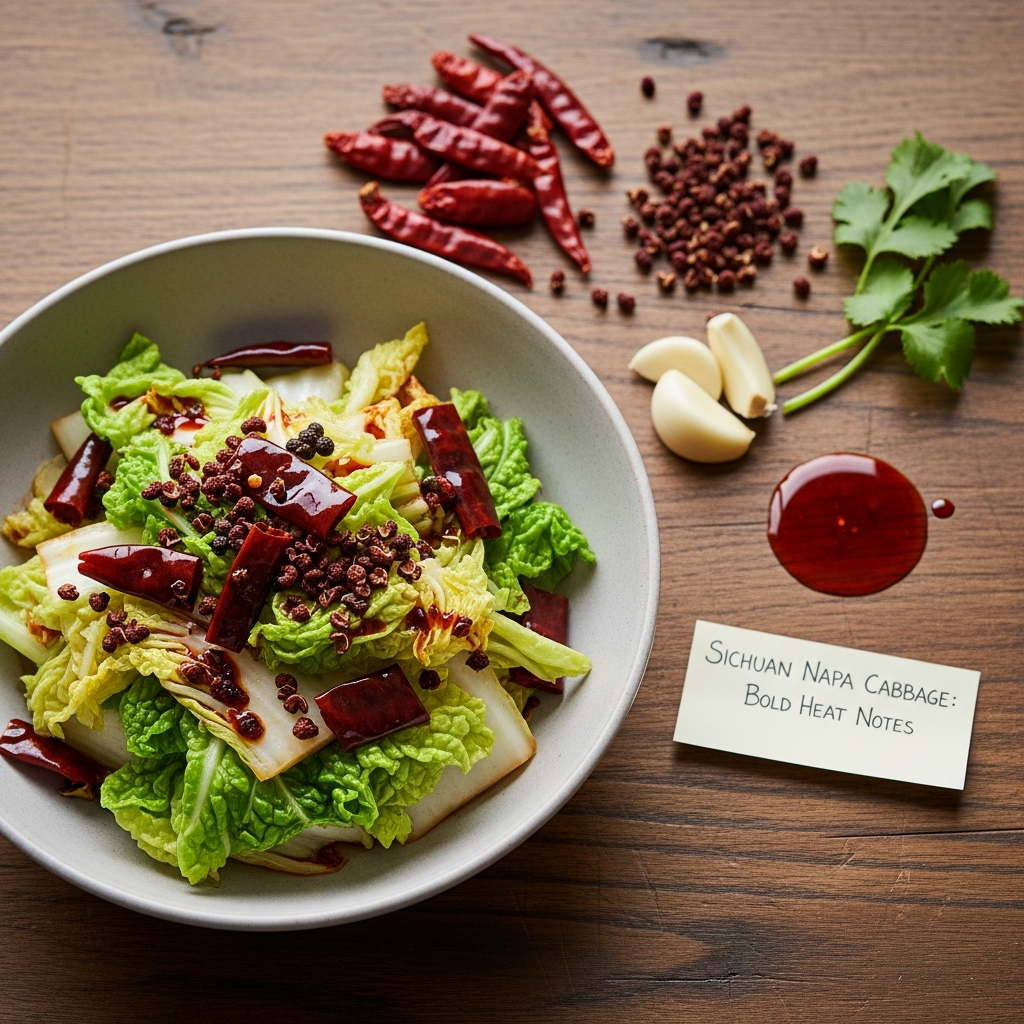
Using the right ingredients makes all the difference in achieving that authentic Sichuan taste.
Napa Cabbage
This is our star! Choose a firm, fresh head of Napa cabbage with crisp leaves and no visible wilting or blemishes. Its mild, slightly sweet flavor and tender-crisp texture make it ideal for soaking up the bold sauces.
Sichuan Peppercorns
These are non-negotiable for the “ma” (numbing) part of “mala.” They have a citrusy, woody aroma and create a unique tingling sensation on your tongue. Look for them in Asian grocery stores or online.
Dried Red Chilies
These provide the “la” (spicy) element. You can use common varieties like Tien Tsin chilies or just general dried red chilies. Adjust the quantity to your preferred heat level.
Garlic and Ginger
Fresh is always best for these aromatics. They add depth and freshness to the dish. Peel and mince them just before cooking.
Soy Sauce
Use a good quality light or regular soy sauce for the savory base of our sauce. Avoid dark soy sauce for this recipe, as it’s mainly for color.
Chinkiang Black Vinegar
This dark, aromatic vinegar has a complex, slightly sweet, and tangy flavor. It’s a cornerstone of Sichuan cooking and adds a wonderful brightness to the dish. Find it at Asian markets.
Sugar
Just a touch of sugar helps to balance the heat and acidity, creating a more well-rounded flavor profile.
Cooking Oil
Choose a neutral oil with a high smoke point, such as canola, vegetable, or peanut oil, for stir-frying.
Sesame Oil (Optional)
A drizzle of toasted sesame oil at the end adds a lovely nutty aroma, but it’s entirely optional.
Equipment Needed
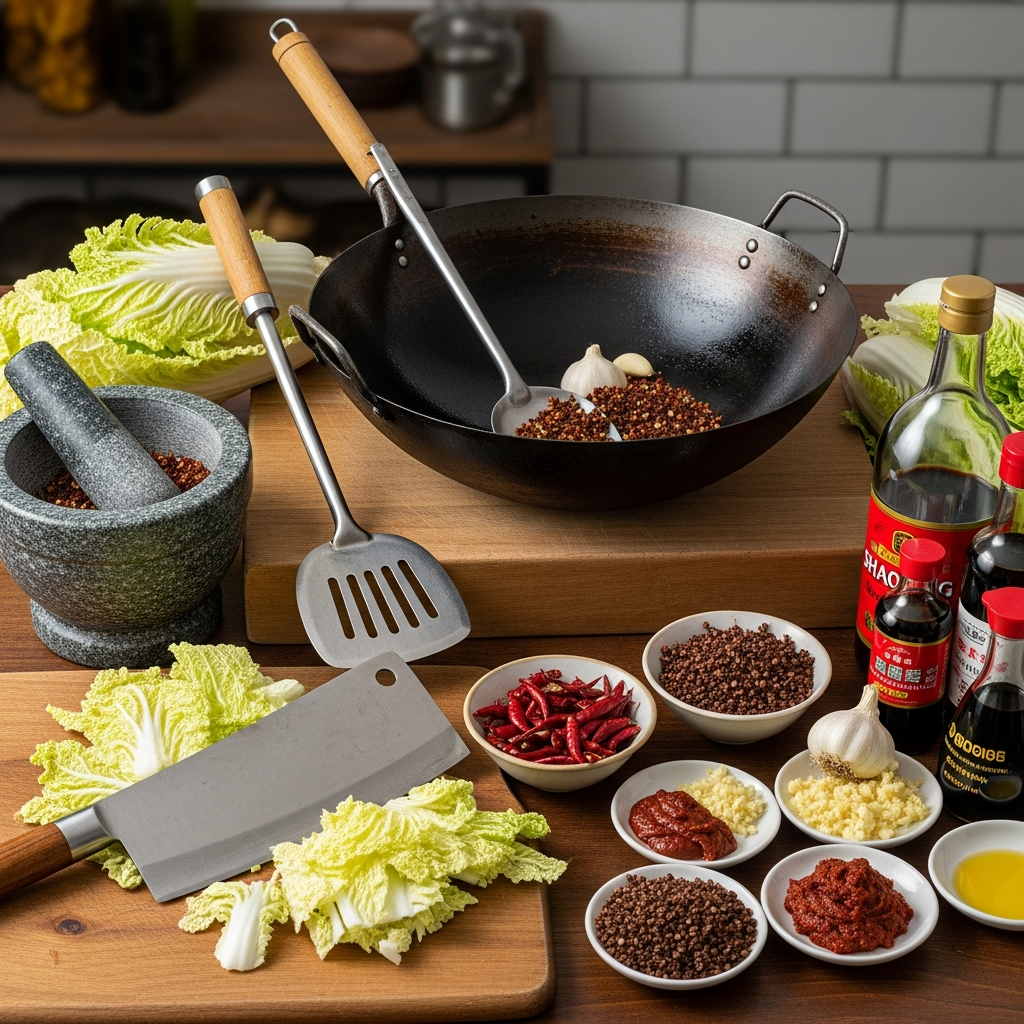
You don’t need a lot of fancy tools to make this dish. Just a few basics will do!
* Wok or Large Skillet: A wok is traditional for stir-frying, but a large, heavy-bottomed skillet works perfectly fine too. You need something that can get hot and hold a good amount of food.
* Cutting Board and Sharp Knife: For prepping your cabbage, garlic, and ginger.
* Spatula or Wok Spatula: To stir-fry and toss your ingredients efficiently.
* Small Bowl: For mixing your sauce ahead of time.
* Measuring Spoons and Cups: For accurate ingredient measurement.
Full Recipe Card
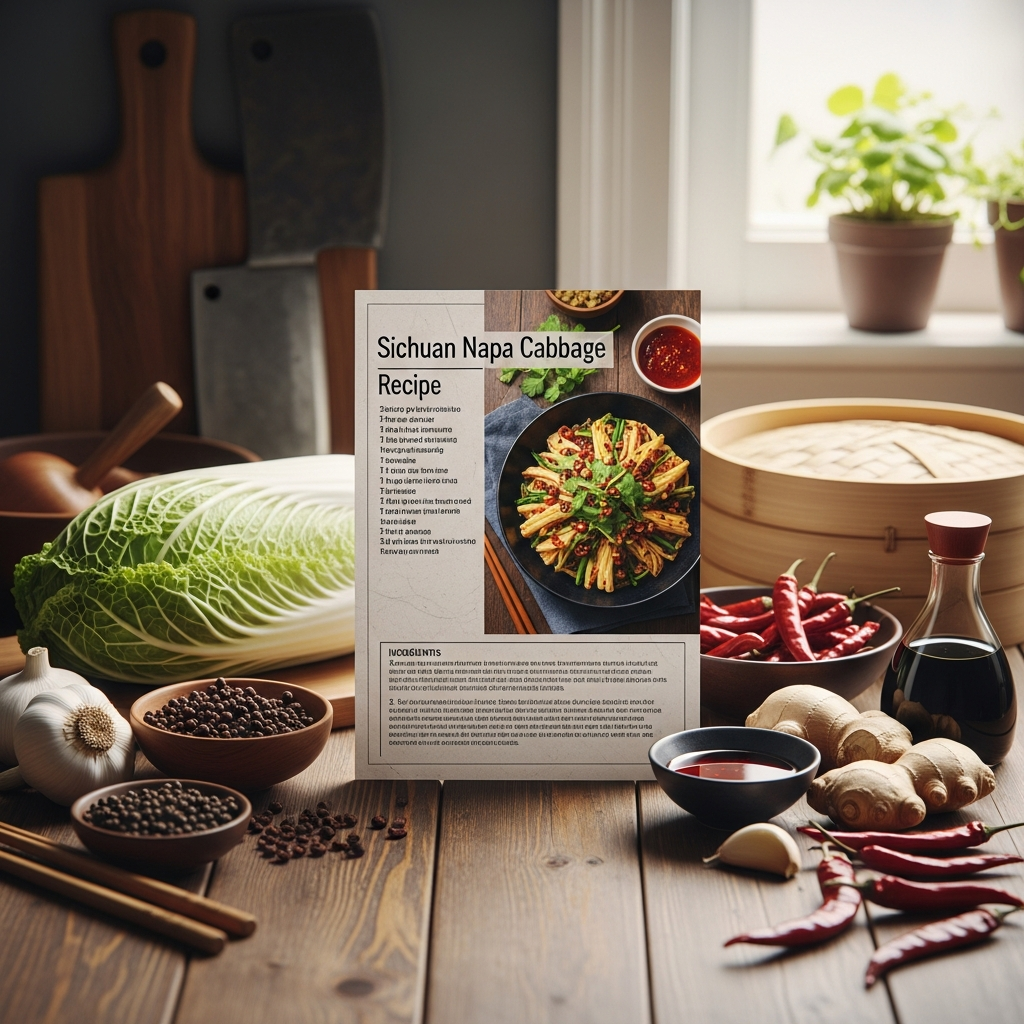
Here’s a detailed recipe for a classic Sichuan Stir-Fried Napa Cabbage with Bold Heat that you can easily recreate at home.
Sichuan Stir-Fried Napa Cabbage
Yield: 4 servings
Prep time: 15 minutes
Cook time: 8-10 minutes
Ingredients
* 1 medium head Napa cabbage (about 2 pounds), washed and chopped into 1-inch pieces
* 2 tablespoons neutral cooking oil (like canola or peanut oil)
* 1 tablespoon Sichuan peppercorns
* 8-10 dried red chilies (adjust to your heat preference), stems removed, halved
* 4 cloves garlic, minced
* 1-inch piece fresh ginger, minced
* 2 green onions, thinly sliced (for garnish, optional)
For the Sauce
* 2 tablespoons light soy sauce
* 1 tablespoon Chinkiang black vinegar
* 1 teaspoon granulated sugar
* 2 tablespoons water or vegetable broth
Instructions
1. Prepare the Cabbage: Wash the Napa cabbage thoroughly. Separate the leaves and chop them into roughly 1-inch pieces. Keep the white, firmer parts separate from the green, leafier parts for a moment.
2. Mix the Sauce: In a small bowl, whisk together the soy sauce, Chinkiang black vinegar, sugar, and water or broth. Set aside.
3. Heat the Wok: Heat a wok or large skillet over high heat until it just begins to smoke. Add the 2 tablespoons of cooking oil.
4. Infuse the Oil: Add the Sichuan peppercorns and dried red chilies to the hot oil. Stir-fry for about 15-30 seconds until fragrant and the chilies slightly darken. Be careful not to burn them.
5. Add Aromatics: Add the minced garlic and ginger. Stir-fry for another 15-20 seconds until fragrant, taking care not to burn the garlic.
6. Stir-Fry Cabbage: Add the firmer white parts of the Napa cabbage first. Stir-fry for 2-3 minutes until they start to soften slightly.
7. Add Remaining Cabbage: Now add the green, leafy parts of the cabbage. Continue to stir-fry for another 2-3 minutes until all the cabbage is tender-crisp.
8. Add Sauce: Give the pre-mixed sauce a quick stir and pour it over the cabbage. Toss quickly to coat everything evenly. Cook for 1-2 minutes until the sauce slightly thickens and coats the cabbage.
9. Serve: Remove from heat immediately. Garnish with sliced green onions if desired and serve hot with steamed rice.
Notes
* Adjust Heat: If you prefer less heat, use fewer dried chilies or remove the seeds before adding them. For more heat, add a few more!
* Don’t Overcook: Napa cabbage cooks quickly. You want it tender but still with a slight crispness, not mushy.
* Freshness is Key: Fresh garlic, ginger, and good quality Sichuan peppercorns truly make this dish shine.
Tips & Variations

Make this recipe your own with these helpful tips and variations!
Adjusting Heat and Numbness
To make it spicier, you can add more dried red chilies, or even a dash of chili oil at the end. For more numbing power, increase the amount of Sichuan peppercorns, or toast and grind some to sprinkle on top. If you prefer less heat, reduce the chilies or remove their seeds.
Adding Protein
This dish is wonderful on its own, but you can easily add protein.
* Tofu: Pan-fry or deep-fry cubes of firm tofu separately until golden, then add them in at the end with the sauce.
* Chicken or Pork: Thinly slice about 6-8 ounces of chicken breast or pork loin, marinate with a pinch of cornstarch, soy sauce, and sesame oil, then stir-fry it first until cooked through before adding the aromatics and cabbage.
Other Vegetables
Feel free to add other quick-cooking vegetables.
* Bell Peppers: Sliced bell peppers (red or green) add color and a touch of sweetness.
* Carrots: Thinly sliced carrots can be added with the white parts of the cabbage.
* Mushrooms: Sliced shiitake or cremini mushrooms are a great addition for extra umami.
Vegetarian and Vegan Options
This recipe is naturally vegetarian and vegan as long as you use vegetable broth instead of chicken broth for the sauce, and ensure your soy sauce doesn’t contain any animal products.
Thickening the Sauce
If you prefer a slightly thicker sauce, mix 1 teaspoon of cornstarch with 1 tablespoon of water and stir it into the sauce right before adding it to the wok.
Pro Chef Tips
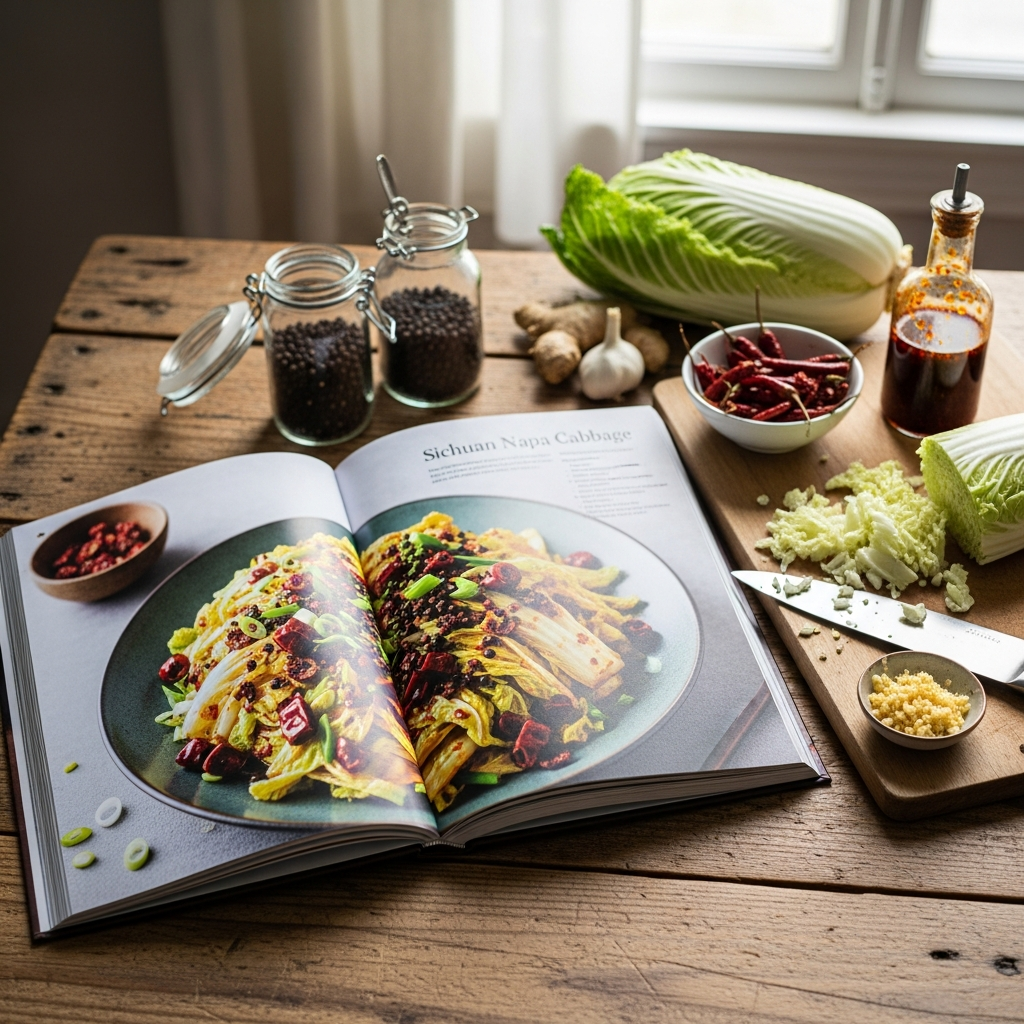
Want to take your stir-fry game to the next level? Here are some secrets from the pros.
High Heat for “Wok Hei”
The secret to a great stir-fry is high heat. Get your wok screaming hot before adding the oil. This helps create “wok hei” – the elusive charred aroma and flavor that’s a hallmark of authentic stir-fries.
Mise en Place (Everything in its Place)
Stir-frying is fast! Have all your ingredients prepped, measured, and within arm’s reach before you even turn on the heat. This prevents burning and ensures a smooth cooking process.
Don’t Overcrowd the Pan
Cooking in batches if your pan isn’t large enough ensures proper stir-frying. Overcrowding cools the pan down, leading to steaming instead of charring, and results in mushy vegetables.
Taste and Adjust
Always taste your food and adjust seasonings as needed. A little more vinegar for tang, a pinch more sugar for balance, or a splash more soy sauce for saltiness can make a huge difference.
Toasting Peppercorns
For maximum numbing power and aroma, you can lightly toast the Sichuan peppercorns in a dry pan for 1-2 minutes until fragrant before adding oil. You can even crush them slightly after toasting.
Common Mistakes to Avoid
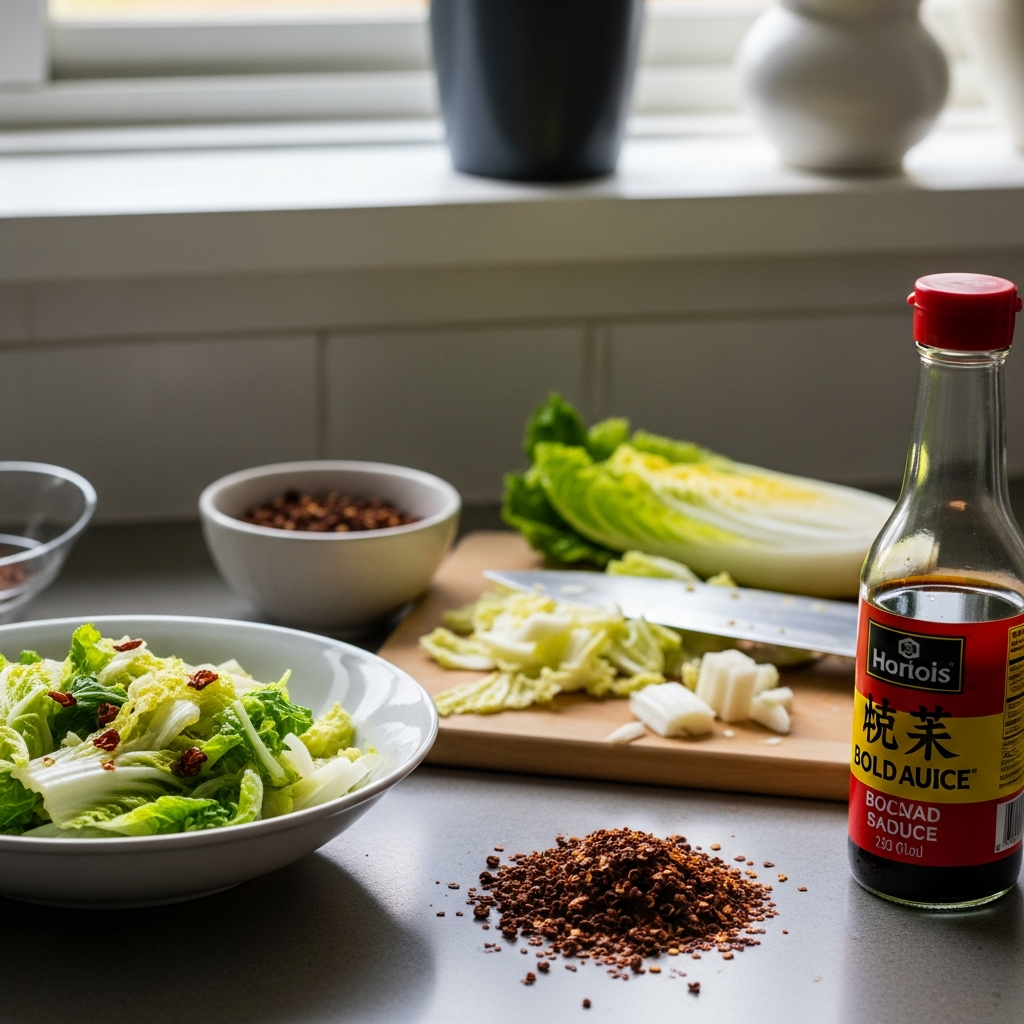
Even seasoned cooks can make mistakes. Here’s what to watch out for.
* Overcooking the Cabbage: This is the most common error. Napa cabbage wilts quickly. You want it tender-crisp, not soft and watery.
* Not Using High Heat: If your pan isn’t hot enough, the cabbage will steam rather than stir-fry, losing its vibrant color and texture.
* Skipping Sichuan Peppercorns: Without them, you miss the signature “ma” numbing sensation that defines Sichuan cuisine. Don’t substitute with black peppercorns.
* Not Prepping Ingredients First: Stir-fries cook very quickly. If you’re chopping as you go, ingredients will burn. Have everything ready.
* Adding Too Much Liquid: Too much liquid at once will steam the vegetables. The sauce should just coat the cabbage, not drown it.
Storage & Meal Prep
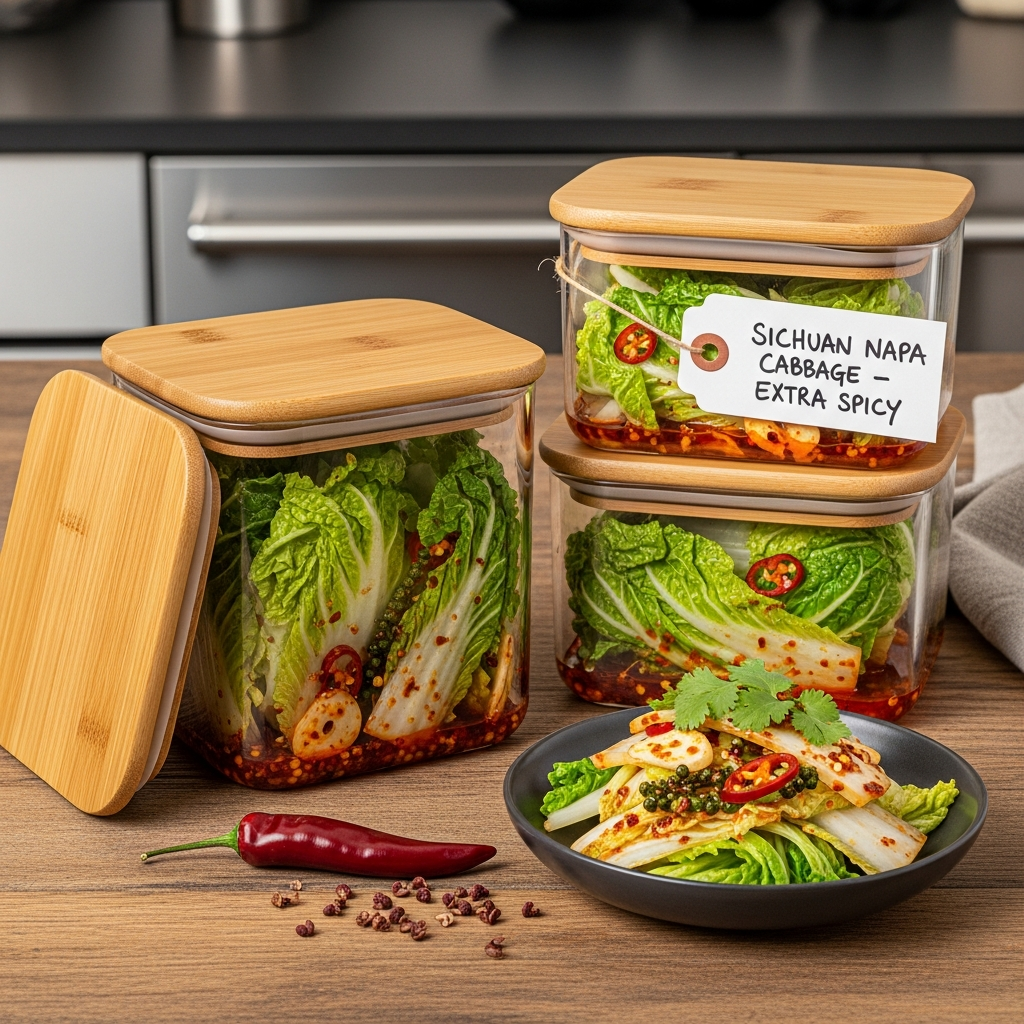
While this dish is best enjoyed fresh off the wok, you can certainly save leftovers.
Refrigeration
Store any leftover Sichuan Napa cabbage in an airtight container in the refrigerator for 2-3 days. The flavors tend to meld even more overnight.
Reheating
Gently reheat in a microwave or a skillet over medium heat. Be mindful not to overcook the cabbage further, as it can become too soft. The texture might be slightly less crisp than when freshly made, but the flavors will still be delicious.
Make-Ahead & Freezer Notes
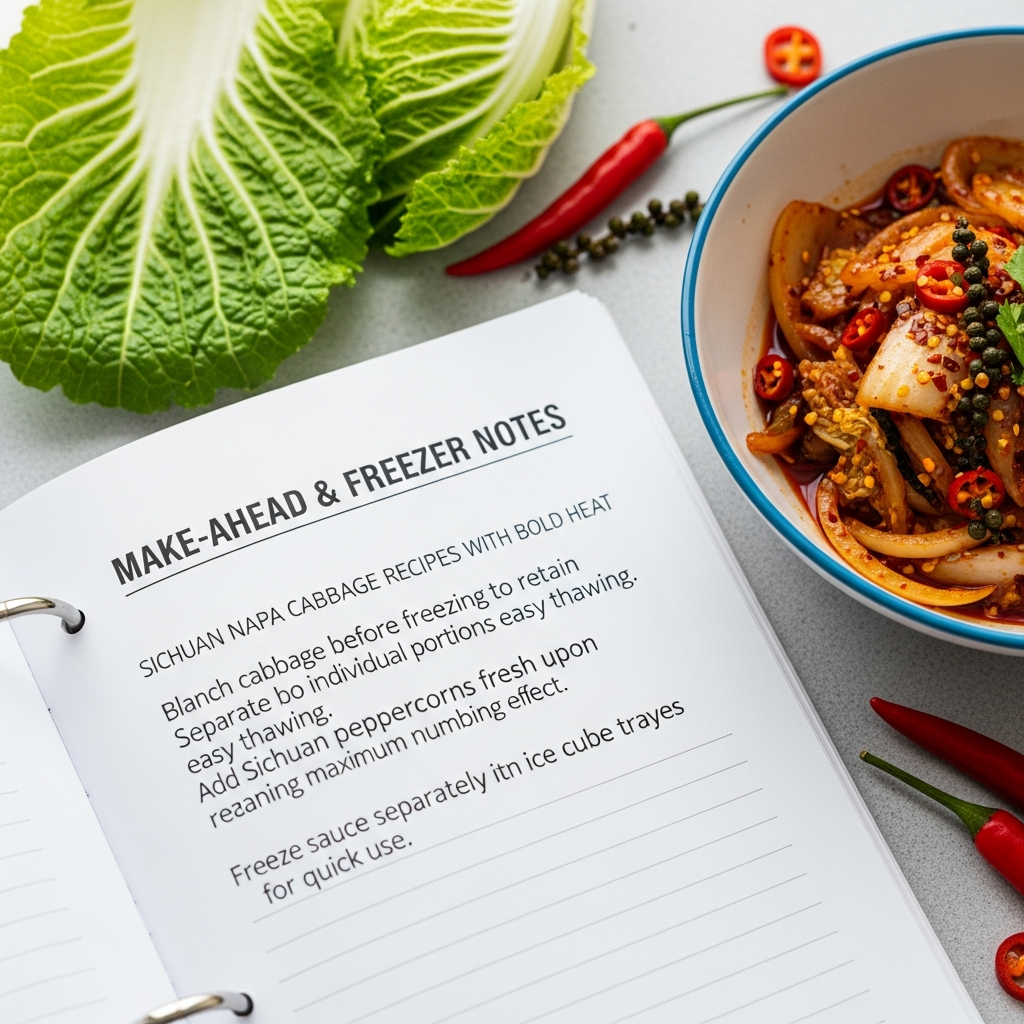
This recipe is fantastic for quick meal prep, but some components are better prepared fresh.
Freezing
Freezing is not recommended for this dish. Cabbage has a high water content, and freezing and thawing will make it watery and mushy, losing its appealing texture.
Make-Ahead Prep
You can do a good amount of prep work in advance:
* Wash and chop the Napa cabbage up to a day ahead and store it in an airtight container in the fridge.
* Mince the garlic and ginger and store them in separate small containers in the fridge.
* Mix the sauce ingredients in a small jar or container and keep it in the fridge. Give it a good shake before using.
With your ingredients prepped, this dish can come together in less than 10 minutes, making it a perfect quick meal!
Serving Suggestions
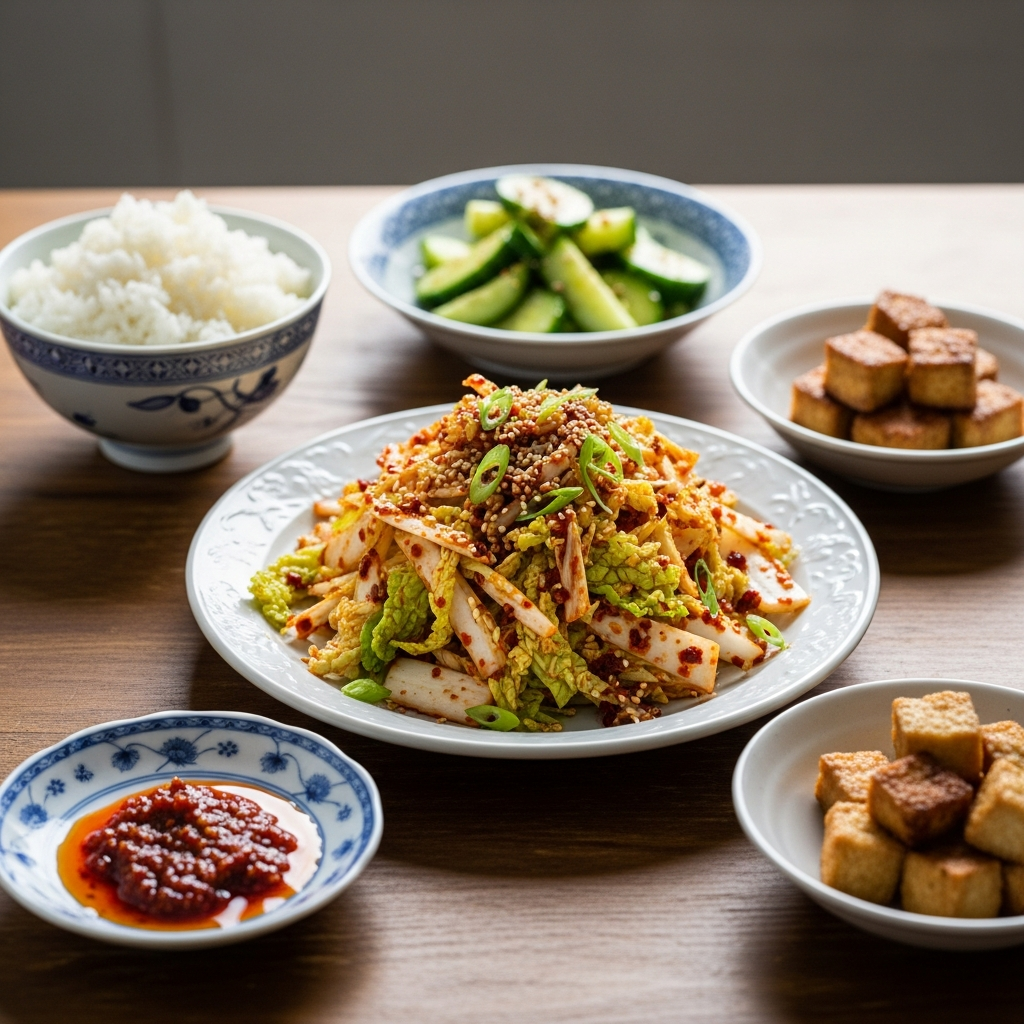
This flavorful cabbage dish is incredibly versatile and pairs well with many other dishes.
* Steamed Rice: The most classic pairing! A bowl of fluffy white rice is perfect for soaking up all the delicious sauce and balancing the heat.
* Noodles: Serve it alongside a simple bowl of plain stir-fried noodles or rice noodles.
* Grilled or Roasted Meats: Its bold flavors make it an excellent side dish for grilled chicken, roasted pork, or even a simple pan-fried fish.
* Part of a Larger Spread: Create a full Chinese banquet at home by serving it with other dishes like Mapo Tofu, Kung Pao Chicken, or a light soup.
* Light Lunch: Enjoy it as a light and satisfying meal on its own, especially if you’ve added some protein.