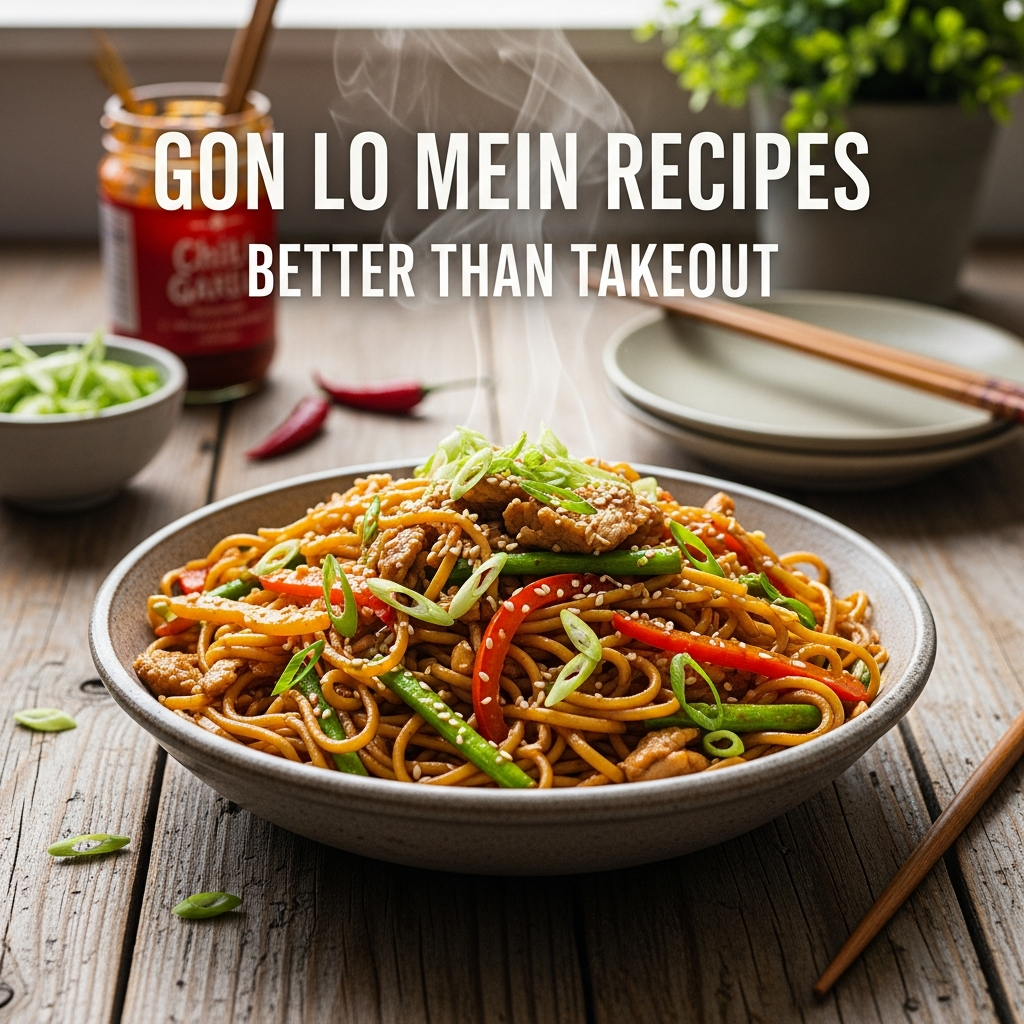
Oh, lo mein! Just the sound of it conjures up images of savory noodles, crisp-tender veggies, and juicy proteins, all coated in a rich, flavorful sauce. It’s a takeout classic for a reason, right? But what if I told you that making lo mein at home isn’t just easy, it can be downright better than anything you’ve ever picked up from your local Chinese restaurant? Yes, you read that right. Prepare to say goodbye to sad, greasy takeout and hello to your new favorite homemade “Gon” Lo Mein – because it will be gone before you know it!
Introduction
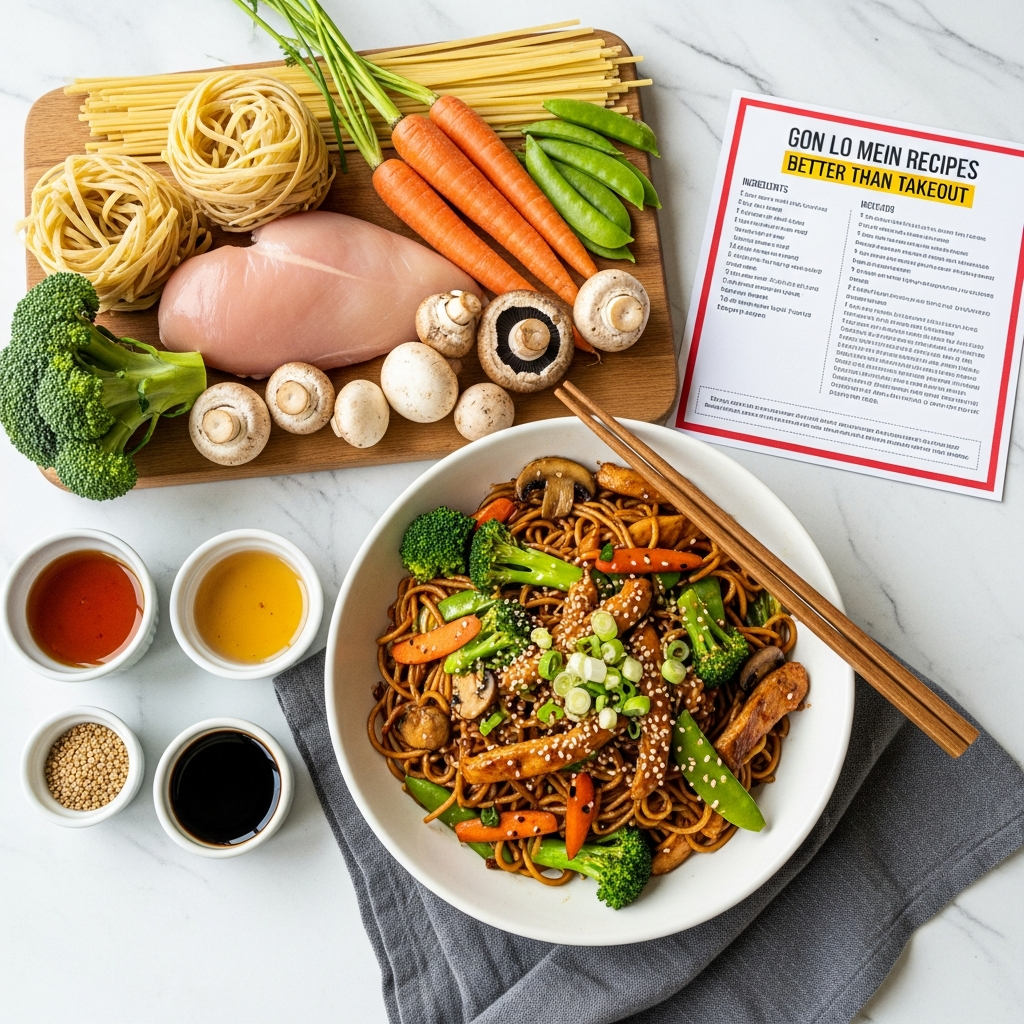
There’s something incredibly satisfying about whipping up your favorite restaurant-style dishes in your own kitchen. Lo mein is one of those meals that feels like a special treat, yet it’s surprisingly simple to master. Our “Gon Lo Mein” recipe is designed to be bursting with fresh flavors, perfectly cooked noodles, and just the right balance of sweet and savory. You get to control every ingredient, ensuring a healthier and tastier result tailored exactly to your liking. Get ready to impress yourself and your family with this fantastic, easy-to-follow recipe that truly outshines takeout.
History / Background
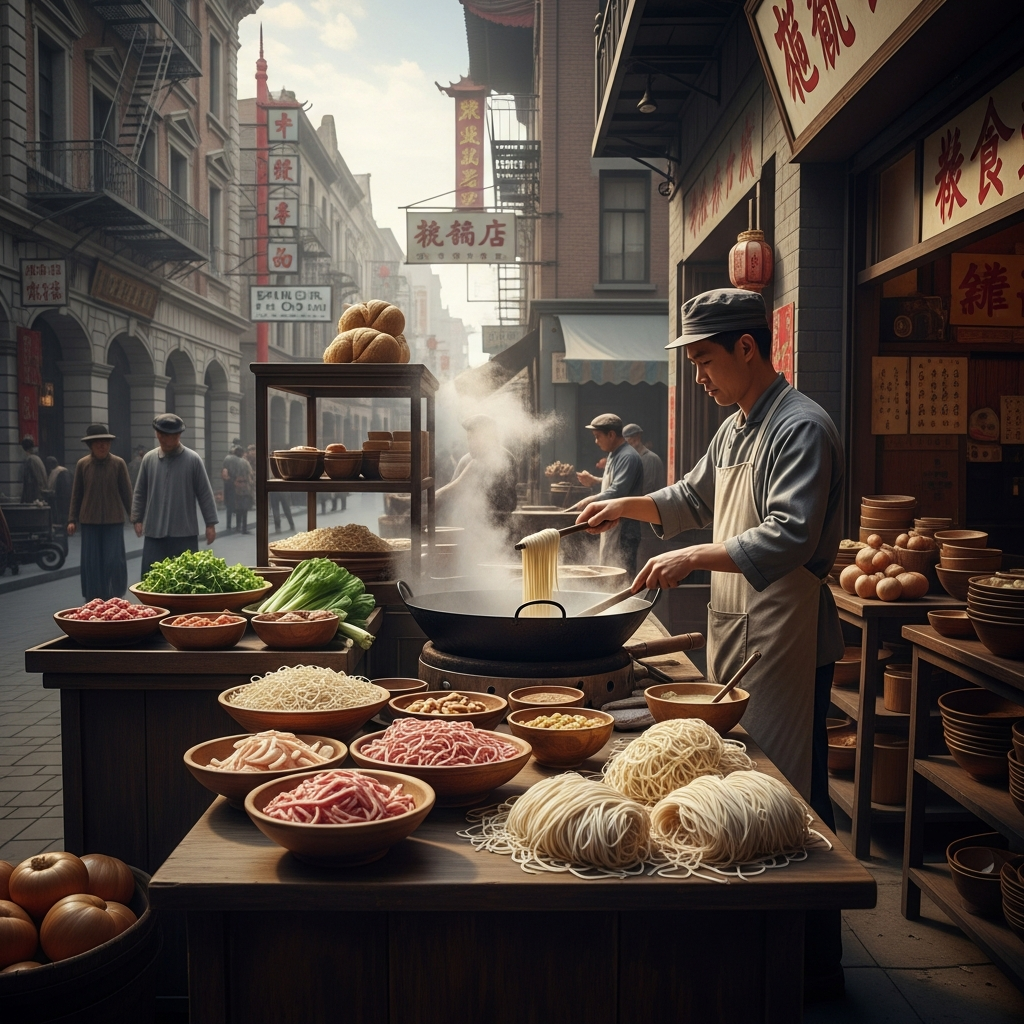
Lo mein has a rich history rooted in Chinese cuisine, literally translating to “tossed noodles.” It’s a staple in Cantonese cooking and has become incredibly popular worldwide, especially in North America. While it shares similarities with chow mein, lo mein typically features softer, chewier noodles that are tossed with the sauce and other ingredients after being cooked. Chow mein often involves pan-frying the noodles until they are crispy. This distinction is key to achieving that beloved tender, saucy lo mein texture we all crave. Over the years, countless variations have emerged, but the core idea of flavorful noodles remains.
Why You’ll Love This Recipe
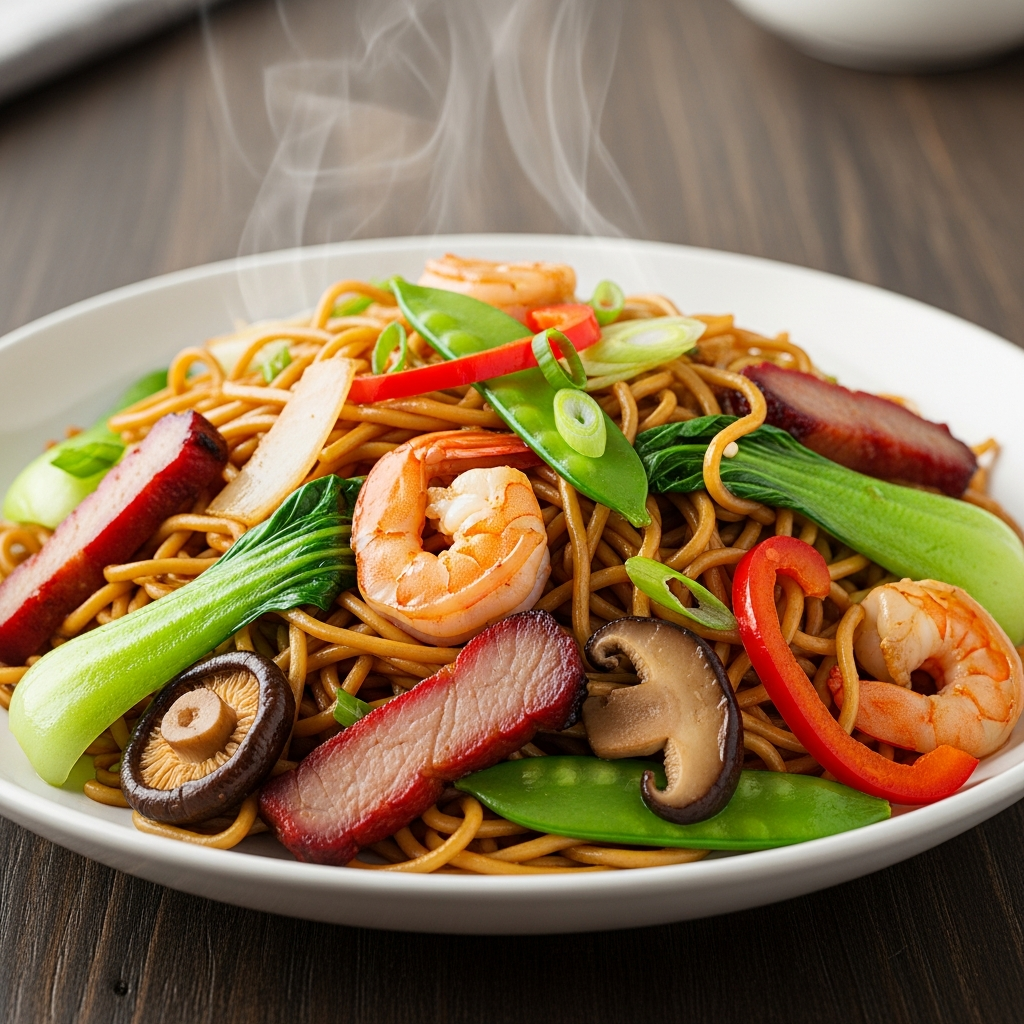
You’re about to discover why making lo mein at home is a game-changer.
* You control the ingredients: Say goodbye to mystery oils and excessive sodium.
* Freshness factor: Use the freshest vegetables and proteins for maximum flavor and nutrition.
* Cost-effective: Making it yourself is often much cheaper than ordering takeout for the whole family.
* Customizable: Adjust the veggies, protein, and spice level to suit your exact preferences.
* Quick and easy: This dish comes together faster than delivery can arrive.
* Deliciously satisfying: The flavors are so vibrant and comforting, you’ll be making it again and again.
* Healthier option: You can reduce oil, sugar, and salt without sacrificing taste.
Ingredient Notes
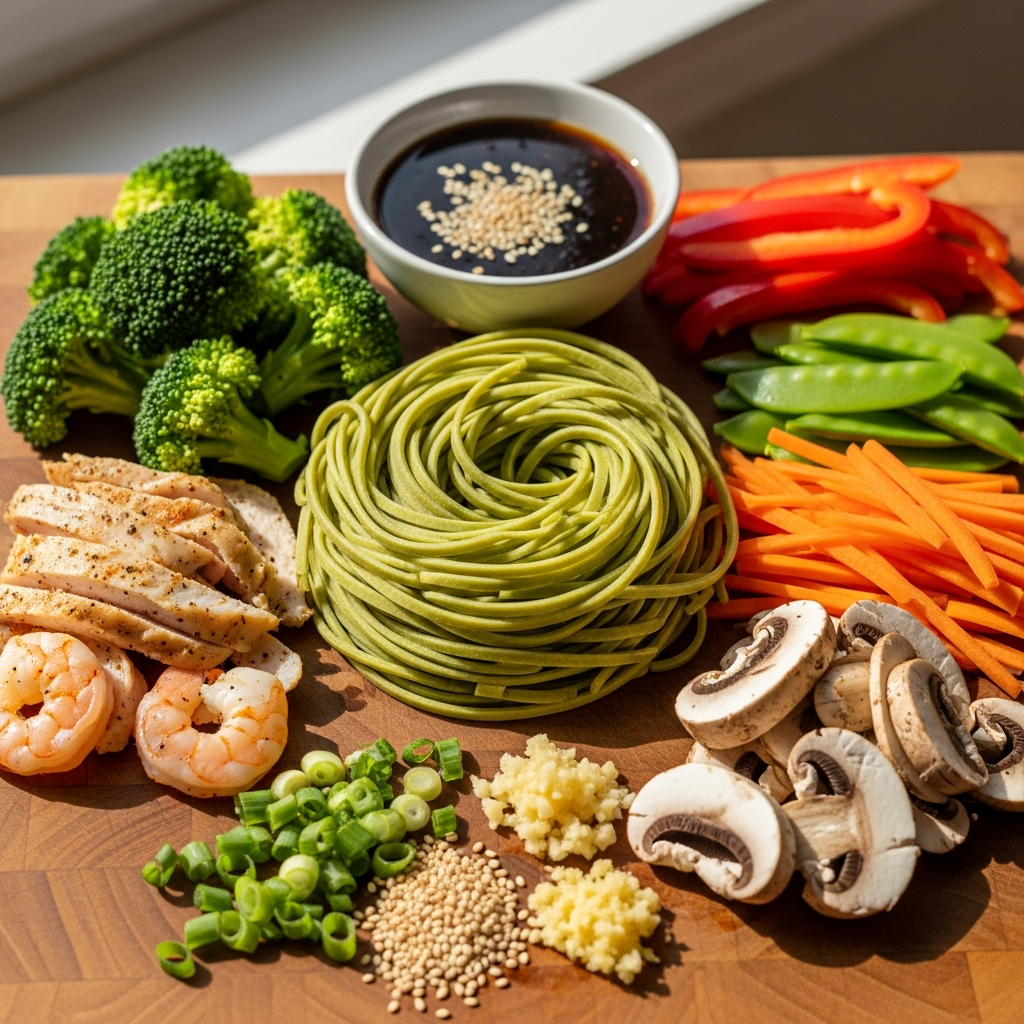
Choosing the right ingredients is half the battle when making amazing lo mein.
The Noodles
Authentic lo mein noodles are key. Look for fresh or dried egg noodles that are specifically labeled “lo mein” or “chow mein.” They are usually slightly thicker than spaghetti and have a wonderfully chewy texture. If you can’t find them, fresh ramen noodles (without the seasoning packet) or even spaghetti in a pinch can work, though the texture will be slightly different.
The Protein
Chicken, shrimp, beef, pork, or tofu are all fantastic choices. For chicken, boneless, skinless thighs or breasts cut into thin strips work best. For beef, flank steak or sirloin are great. Shrimp cooks quickly and adds a lovely flavor. Tofu can be pressed and cubed for a vegetarian option.
The Vegetables
This is where you can really customize! Common choices include shredded carrots, napa cabbage, bok choy, bell peppers, broccoli florets, snow peas, and sliced mushrooms. Don’t be shy about adding your favorites.
The Sauce
This is the heart of the lo mein! Our sauce typically includes:
* Soy sauce: Use a good quality regular soy sauce. You can also use a bit of dark soy sauce for color and a deeper umami flavor, but it’s optional.
* Oyster sauce: This adds a fantastic savory, slightly sweet, and umami depth. Don’t skip it if you’re not vegetarian!
* Sesame oil: A little goes a long way for that distinct nutty aroma.
* Rice vinegar: Adds a touch of tanginess to balance the richness.
* Brown sugar or honey: For a touch of sweetness to balance the savory notes.
* Garlic and ginger: Freshly minced garlic and grated ginger are non-negotiable for vibrant flavor.
* Cornstarch slurry: This helps thicken the sauce so it coats the noodles beautifully.
Equipment Needed
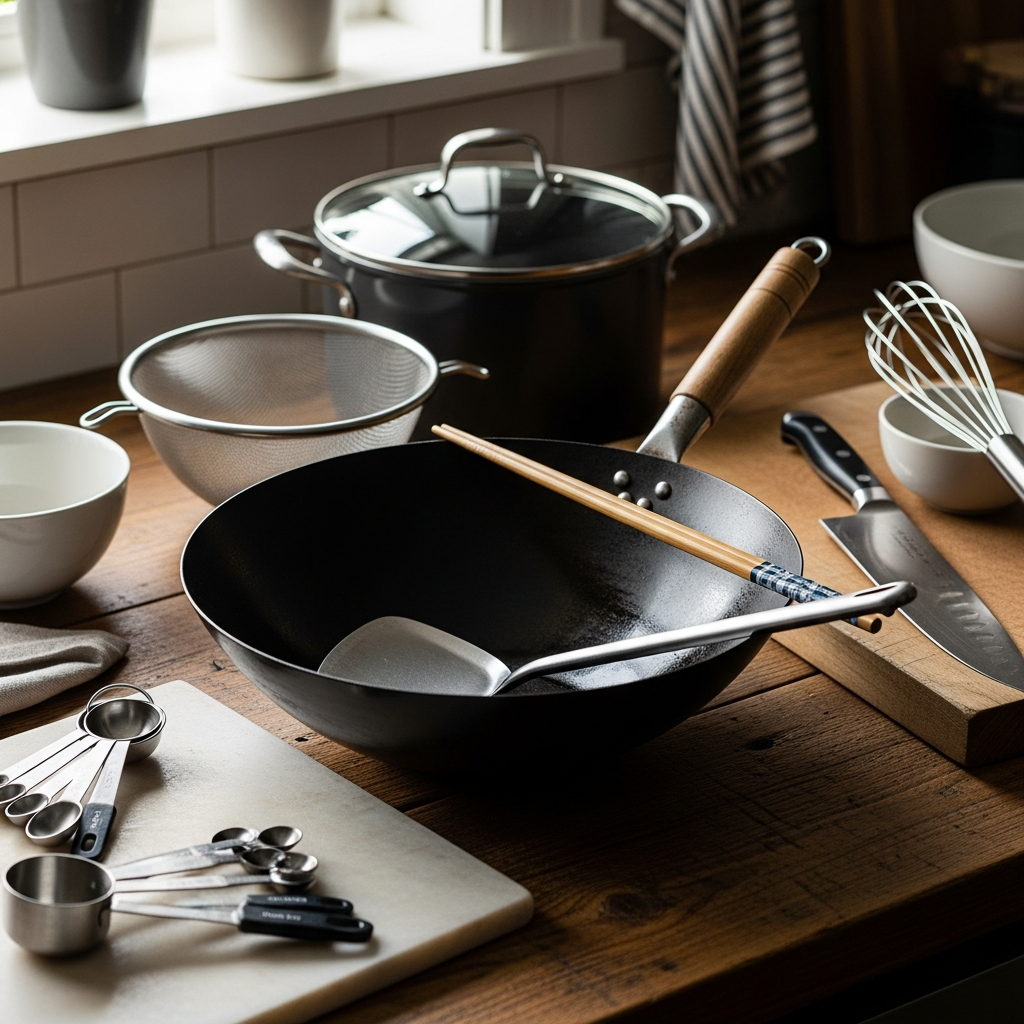
You don’t need a professional kitchen to make amazing lo mein.
* A large wok or a very large skillet: Essential for high-heat cooking and tossing.
* Large pot: For boiling the noodles.
* Cutting board and sharp knife: For all your veggie and protein prep.
* Measuring cups and spoons: For accurate sauce mixing.
* Tongs: Very helpful for tossing the noodles and ingredients in the wok.
* Small bowl or ramekin: For mixing your sauce ahead of time.
Full Recipe Card
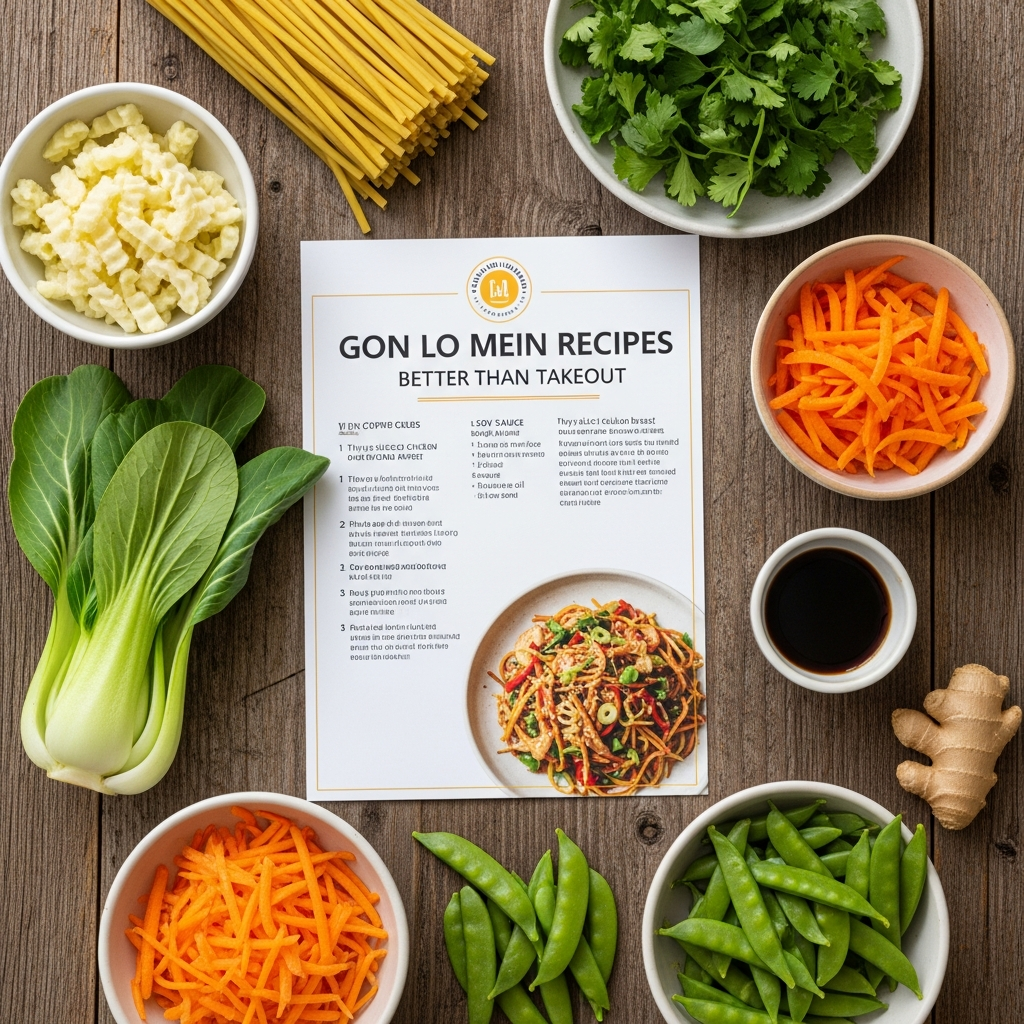
Let’s get cooking! This recipe serves 4-6 people.
Ingredients
For the Lo Mein
* 1 lb lo mein noodles (fresh or dried)
* 1 tbsp vegetable oil (for cooking noodles)
* 1 tbsp sesame oil (for noodles after cooking)
* 1 tbsp vegetable oil (for stir-frying)
* 1 lb protein of choice (chicken breast/thighs, shrimp, beef, or firm tofu), thinly sliced or cubed
* 2 cups mixed vegetables, thinly sliced (e.g., carrots, bell peppers, snow peas, napa cabbage, broccoli florets)
* 2 cloves garlic, minced
* 1-inch piece fresh ginger, grated
For the Sauce
* 1/2 cup regular soy sauce
* 2 tbsp oyster sauce (omit for vegetarian, use vegetarian stir-fry sauce)
* 1 tbsp dark soy sauce (optional, for color)
* 1 tbsp rice vinegar
* 1 tbsp brown sugar or honey
* 1 tsp sesame oil
* 1/2 tsp white pepper (optional)
* 1 tbsp cornstarch mixed with 2 tbsp cold water (cornstarch slurry)
Instructions
1. Cook the noodles: Bring a large pot of salted water to a boil. Add the lo mein noodles and cook according to package directions until al dente (usually 3-5 minutes for fresh, 6-8 for dried). Drain well and immediately toss with 1 tbsp vegetable oil and 1 tbsp sesame oil to prevent sticking. Set aside.
2. Prepare the sauce: In a small bowl, whisk together the soy sauce, oyster sauce, dark soy sauce (if using), rice vinegar, brown sugar, 1 tsp sesame oil, and white pepper (if using). Set aside.
3. Cook the protein: Heat 1 tbsp vegetable oil in your wok or large skillet over high heat until shimmering. Add your chosen protein and stir-fry until cooked through. If using chicken or beef, cook until no longer pink. If using shrimp, cook until pink and opaque (about 2-3 minutes). Remove the cooked protein from the wok and set aside.
4. Stir-fry aromatics and vegetables: Add a splash more oil to the wok if needed. Add the minced garlic and grated ginger and stir-fry for about 30 seconds until fragrant. Add your mixed vegetables and stir-fry for 3-5 minutes until crisp-tender. You want them cooked but still with a nice bite.
5. Combine everything: Return the cooked protein to the wok with the vegetables. Give the prepared sauce a quick whisk again, then pour it over the ingredients in the wok. Stir everything to combine.
6. Thicken the sauce: Quickly stir the cornstarch slurry once more, then pour it into the wok while stirring constantly. Cook for another 1-2 minutes until the sauce has thickened and coats the vegetables and protein nicely.
7. Add the noodles: Add the cooked and tossed lo mein noodles to the wok. Using tongs, thoroughly toss everything together, ensuring the noodles are fully coated with the sauce and mixed with the protein and vegetables.
8. Serve immediately: Transfer to serving plates and enjoy your homemade “Gon Lo Mein” right away!
Notes
* Mise en place (having all your ingredients prepped and ready) is crucial for stir-frying.
* Don’t overcrowd your wok, or the ingredients will steam instead of stir-fry. Cook in batches if necessary.
* Taste the sauce before adding to the wok and adjust seasoning if needed.
Tips & Variations
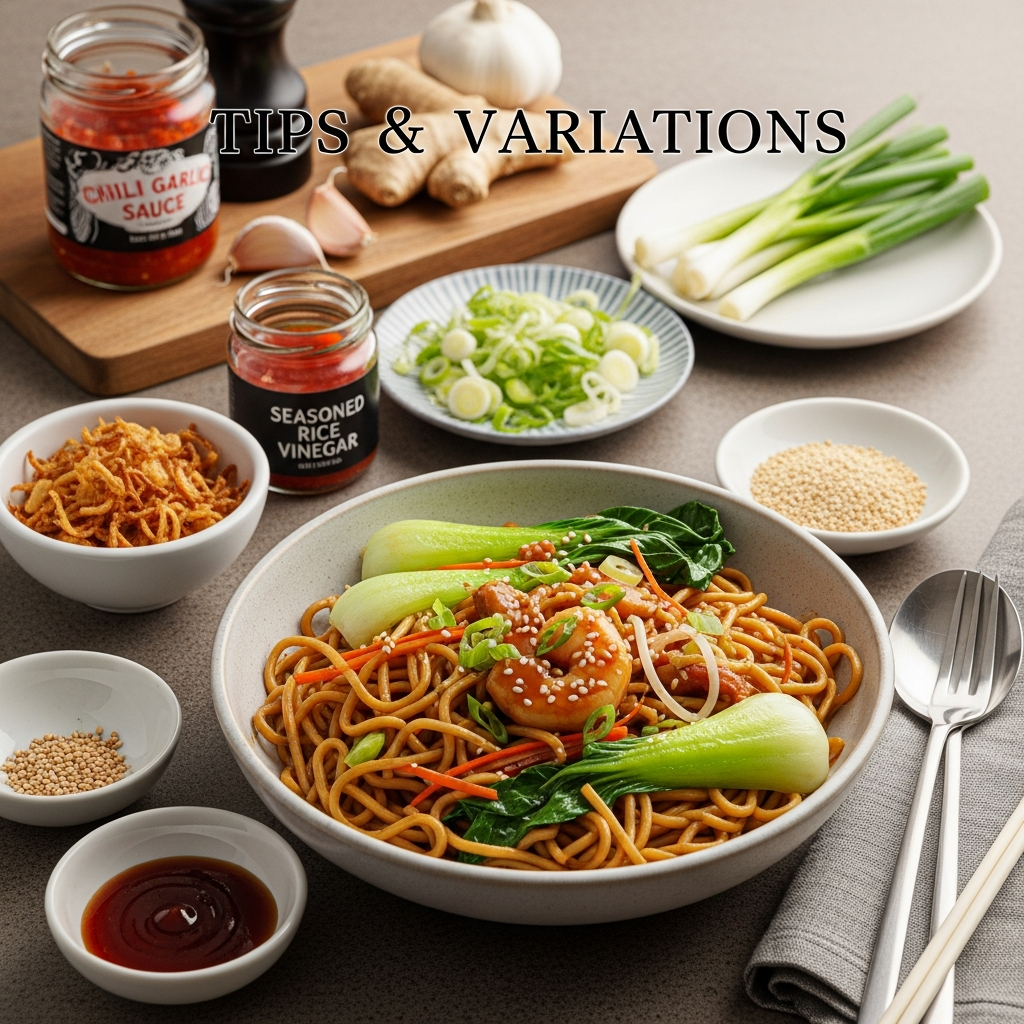
Make this recipe truly yours with these ideas!
Protein Power-Ups
* Spicy Pork Lo Mein: Marinate thinly sliced pork tenderloin in a bit of soy sauce, rice wine, and chili flakes before cooking.
* Tofu Lo Mein: Press firm tofu for at least 30 minutes, then cube and pan-fry until golden before adding to the wok.
* Mixed Seafood Lo Mein: Use a combination of shrimp, calamari, and scallops for a luxurious dish.
Veggie Extravaganza
* Mushroom Medley: Add shiitake, cremini, or oyster mushrooms for earthy flavors.
* Green Machine: Incorporate more greens like spinach, kale, or Gai Lan (Chinese broccoli).
* Color Pop: Include red, yellow, and green bell peppers for a vibrant and flavorful dish.
Sauce Adventures
* Spicy Kick: Add a dash of chili garlic sauce or sriracha to the sauce mixture for heat.
* Vegetarian/Vegan: Substitute oyster sauce with a vegetarian stir-fry sauce or mushroom-based umami sauce. Ensure your noodles are egg-free if strictly vegan.
* More Umami: A small pinch of MSG or a tiny splash of mushroom powder can enhance the savory depth.
Pro Chef Tips
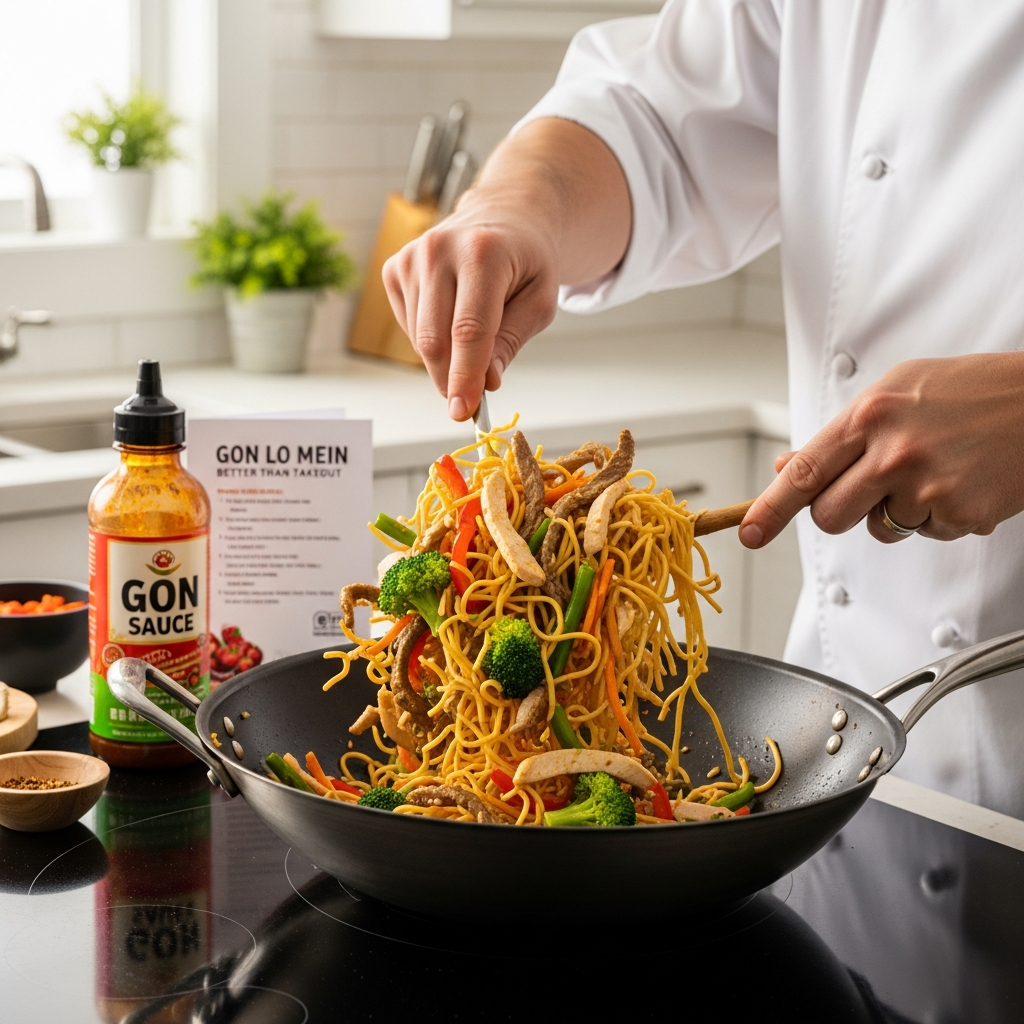
Elevate your home cooking with these insider tricks.
* High Heat is Your Friend: A super hot wok or skillet is essential for proper stir-frying. This creates that desirable “wok hei” (breath of the wok) flavor.
* Prep Everything First: “Mise en place” means having all your ingredients chopped, measured, and ready to go before you even turn on the stove. Stir-frying happens fast!
* Don’t Overcrowd the Pan: This is critical. Cooking in smaller batches allows ingredients to sear and caramelize instead of steam.
* Layer Your Flavors: Cook aromatics (garlic, ginger) first to build a flavor base before adding other ingredients.
* Taste and Adjust: Always taste your sauce before it goes into the wok, and again at the end, to adjust for salt, sweetness, or tanginess.
* Hot Noodles, Hot Sauce: Add the cooked, hot noodles to the hot wok with the hot sauce. This ensures everything melds together beautifully and the noodles absorb maximum flavor.
Common Mistakes to Avoid
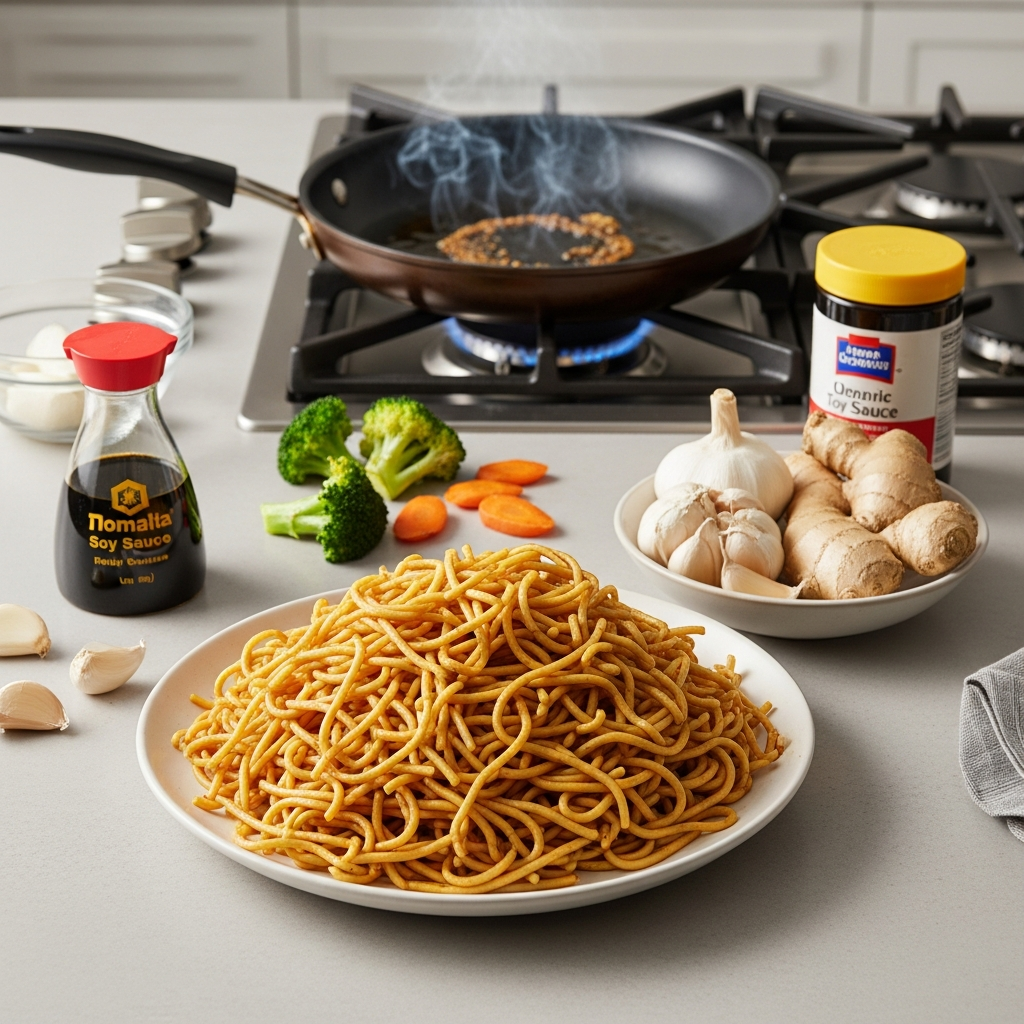
Steer clear of these pitfalls for perfect lo mein every time.
* Overcooking the Noodles: Mushy noodles are a sad sight. Cook them just until al dente, as they will continue to cook slightly in the wok.
* Undercooking Protein or Vegetables: Ensure your protein is cooked through and your vegetables are tender-crisp, not raw.
* Bland Sauce: Don’t skimp on the sauce ingredients. A well-balanced sauce is the soul of lo mein.
* Cold Noodles: Adding cold noodles to a hot wok can cool everything down and prevent proper absorption of the sauce.
* Overcrowding the Wok: As mentioned, this leads to steaming, not stir-frying. Cook in batches if your pan is not large enough for all ingredients.
* Forgetting to Prep: Rushing and chopping ingredients as you go will lead to burnt garlic or overcooked vegetables. Get organized!
Storage & Meal Prep
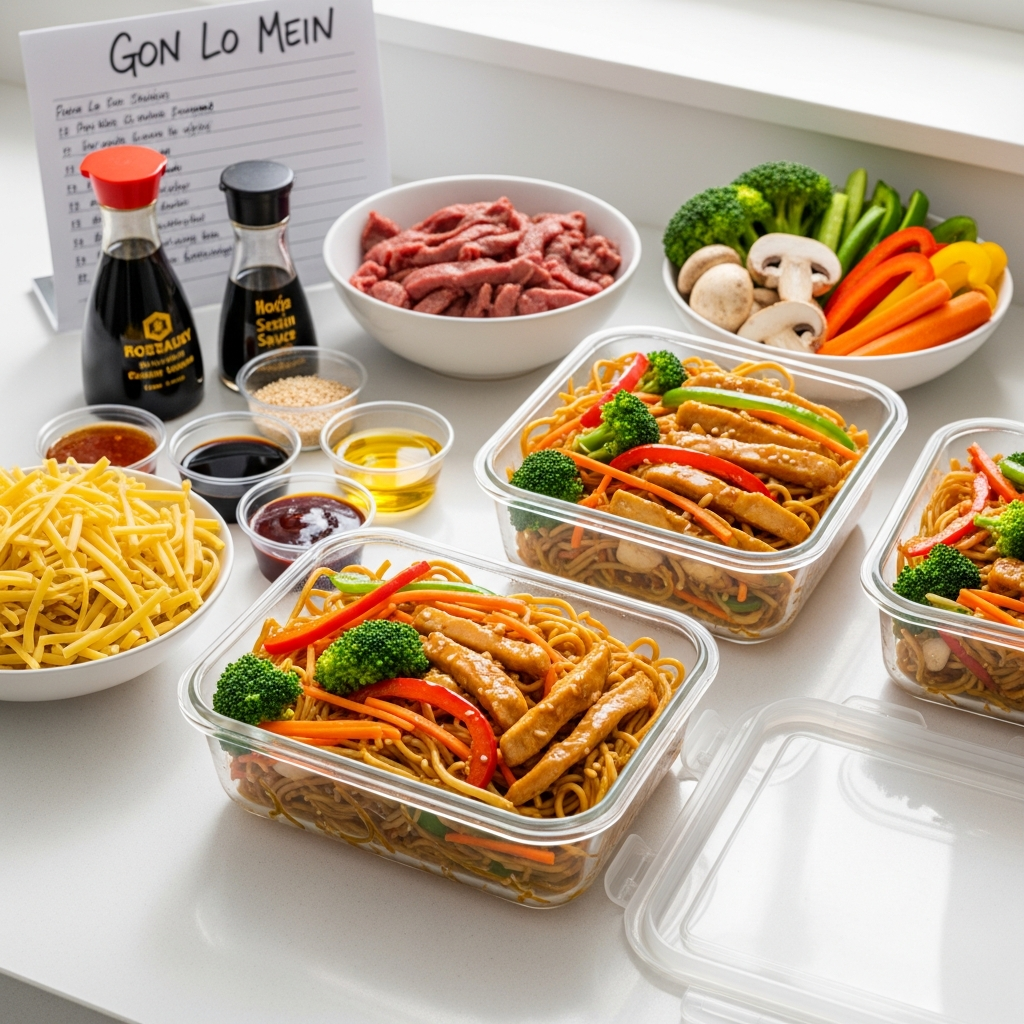
Making lo mein ahead or storing leftovers is easy.
Storing Leftovers
Allow any leftover lo mein to cool completely before transferring it to an airtight container. Store it in the refrigerator for up to 3-4 days.
Reheating
Lo mein reheats well in the microwave or a skillet. For best results, reheat in a skillet over medium heat with a tiny splash of water or broth to help loosen the noodles and prevent them from drying out. Stir occasionally until heated through.
Meal Prep
You can prep several components ahead of time:
* Slice your protein and vegetables up to a day in advance. Store them separately in airtight containers in the refrigerator.
* Mix the sauce ingredients together and store in a sealed jar in the fridge for up to 3 days. Give it a good shake before using.
* You can even cook the noodles ahead of time, toss them with a bit of oil, and store them in the fridge. When ready to cook, run them under hot water to loosen before adding to the wok.
Make-Ahead & Freezer Notes
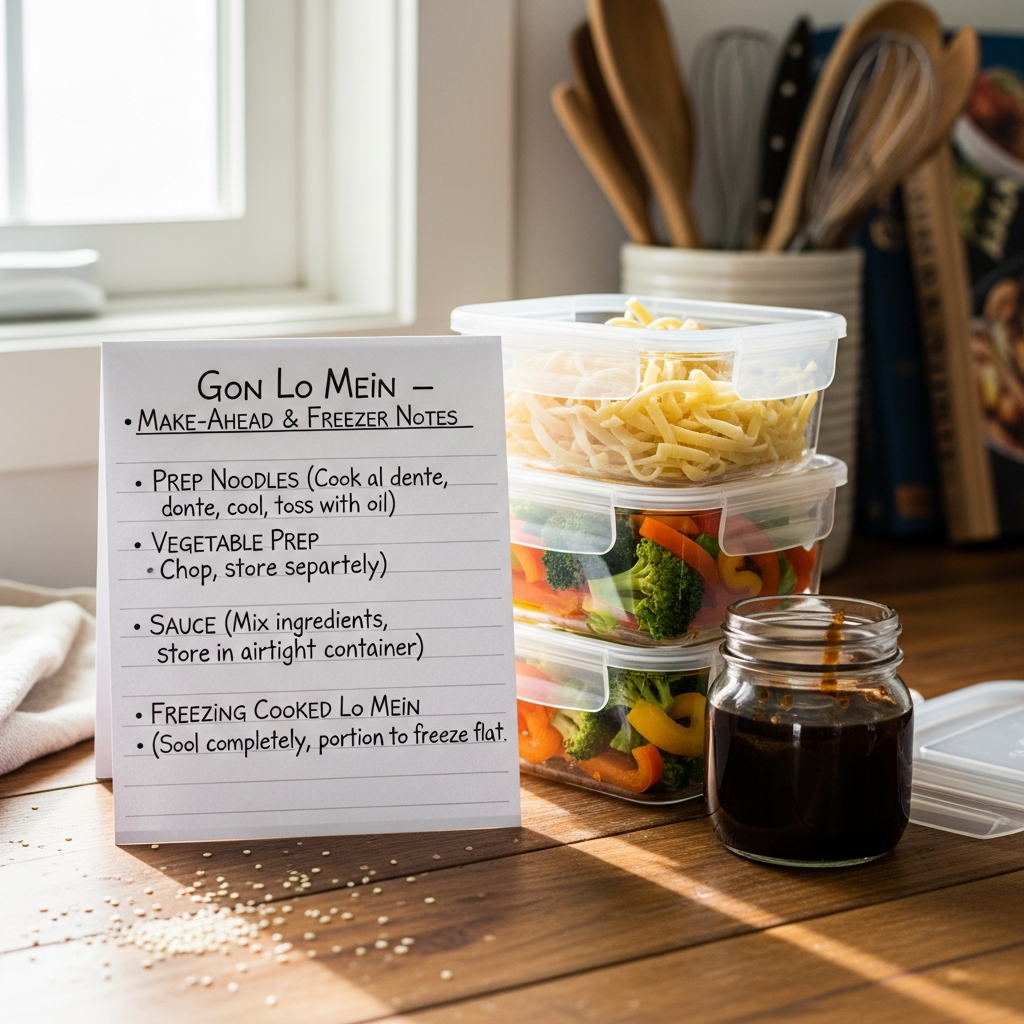
While freshly made lo mein is always best, some elements can be prepared in advance.
Sauce
The lo mein sauce can be made 2-3 days ahead of time and stored in a sealed container in the refrigerator. This is a great time-saver!
Cooked Lo Mein
Cooked lo mein can be frozen, though the texture of the vegetables may become softer upon thawing. Freeze cooled lo mein in airtight, freezer-safe containers for up to 2-3 months. Thaw overnight in the refrigerator before reheating.
Serving Suggestions
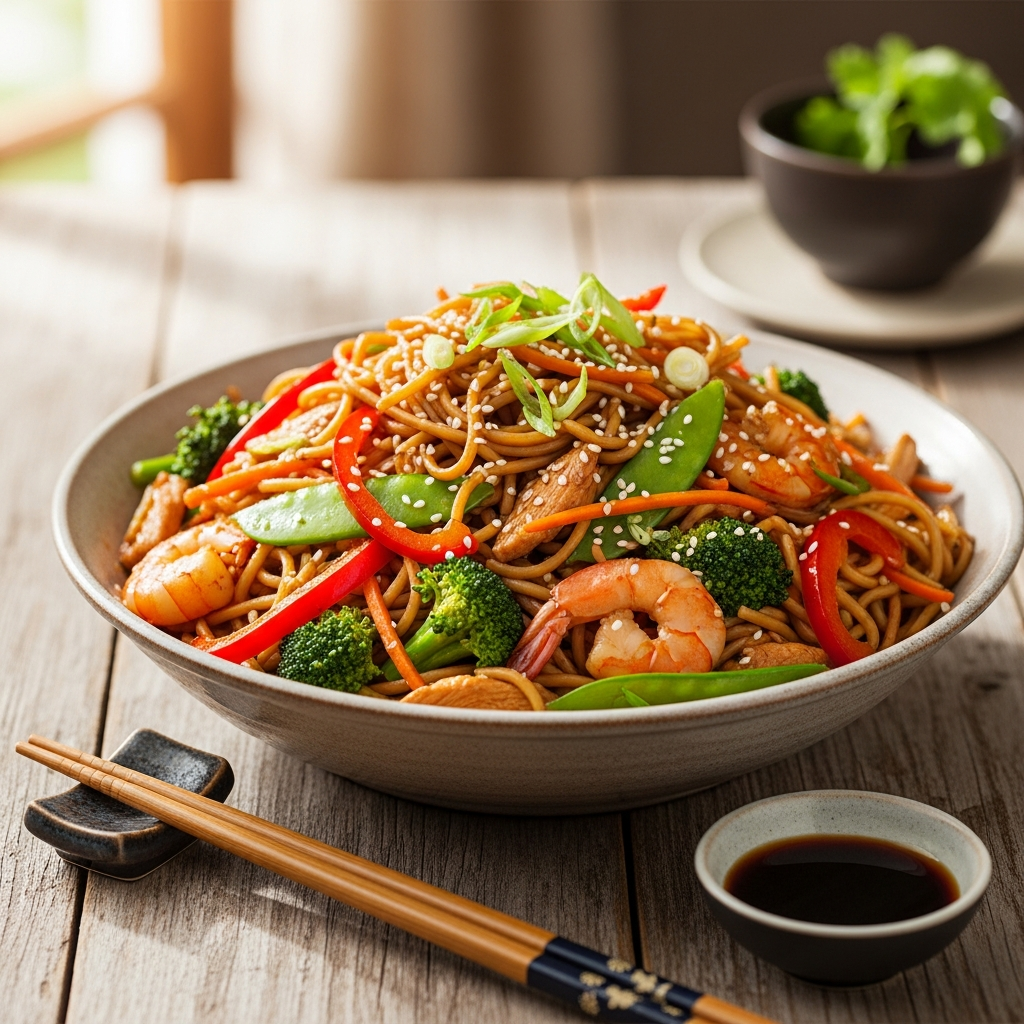
Your homemade “Gon Lo Mein” is fantastic on its own, but here are some ideas to make it a full meal.
* As a Main Dish: It’s hearty and satisfying enough to be the star of the show.
* Pair with Appetizers: Serve alongside spring rolls, egg rolls, crab rangoons, or potstickers for a complete takeout-style feast.
* Light Soup: A simple hot and sour soup or egg drop soup makes a lovely starter.
* Side Salad: A refreshing cucumber salad with a light vinaigrette can cut through the richness.
* Additional Protein: For extra protein, serve with some extra grilled chicken or steamed edamame.