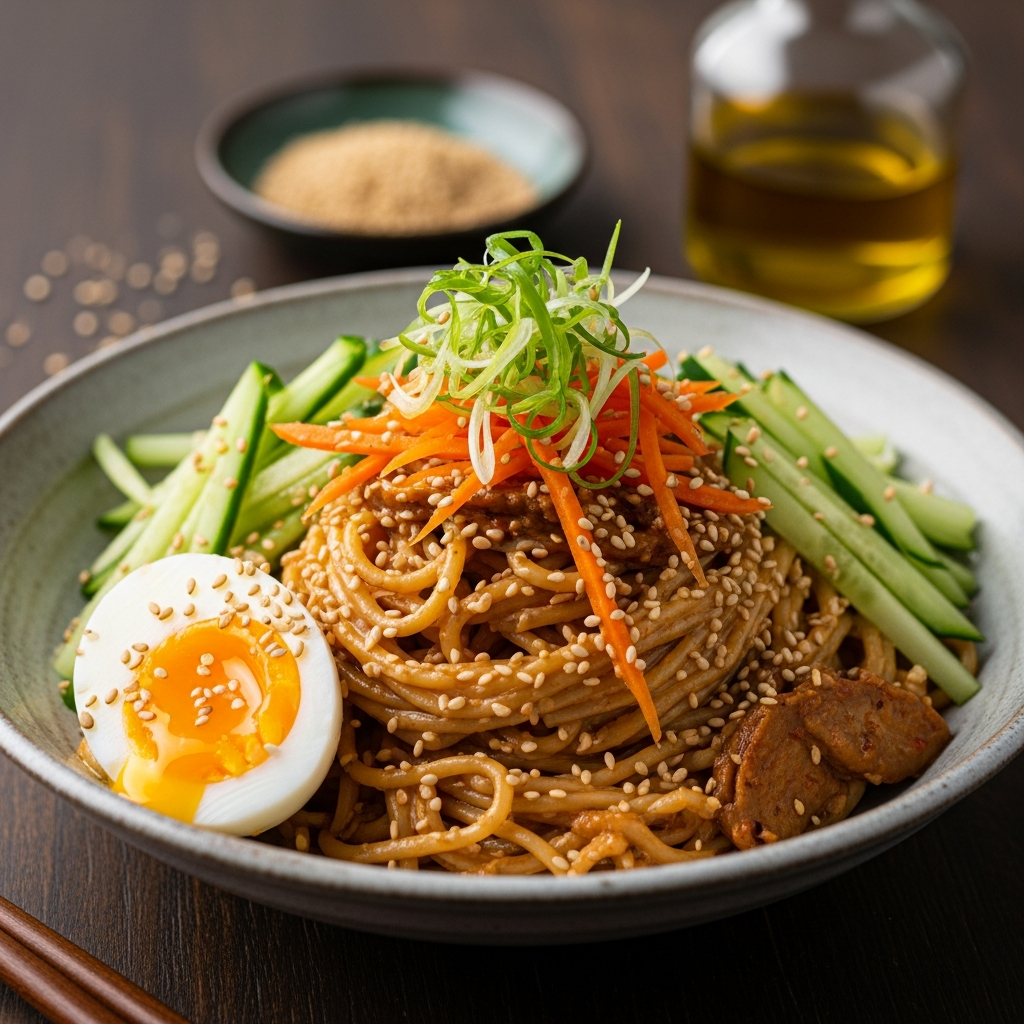
Hello, food lovers! Are you looking for a dish that is wonderfully flavorful, incredibly satisfying, and surprisingly easy to make? Well, get ready to discover your next favorite meal: Korean sesame noodles! These delightful dishes are a beautiful blend of chewy noodles, savory sesame sauce, and fresh toppings. Whether you like it hot or cold, spicy or mild, there’s a Korean sesame noodle recipe waiting to become a staple in your kitchen.
Imagine a bowl of perfectly cooked noodles, coated in a rich, nutty, and slightly sweet-and-savory sauce, often with a hint of tang and sometimes a kick of spice. It’s comfort food at its best, perfect for a quick lunch, a light dinner, or a delicious side dish. Let’s dive into the world of these amazing noodles!
History / Background
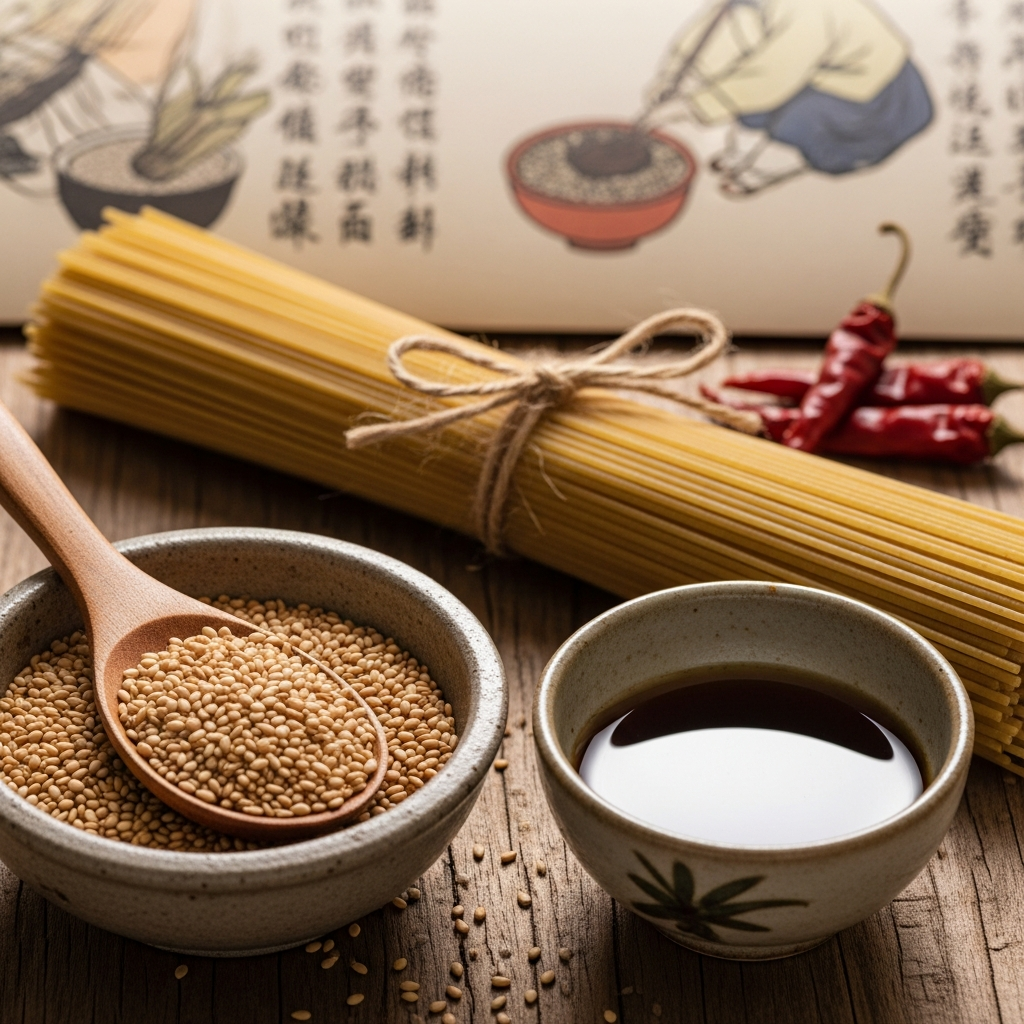
Noodles have been a cherished part of Korean cuisine for centuries, often symbolizing longevity and good fortune. While there isn’t one single “Korean sesame noodle” dish with an ancient history like some other traditional recipes, the use of noodles (guksu) in various preparations is deeply rooted.
Sesame, particularly sesame oil and toasted sesame seeds, is a cornerstone of Korean cooking. It provides a distinct nutty aroma and flavor that defines many Korean dishes, from marinades to side dishes. Combining these essential elements – noodles and sesame – naturally leads to the creation of delicious and comforting sesame noodle dishes. Many modern Korean sesame noodle recipes draw inspiration from traditional cold noodle dishes like bibim-guksu (spicy mixed noodles) or kong-guksu (soy milk noodles), adapting them with a focus on rich sesame flavors.
Why You’ll Love This Recipe
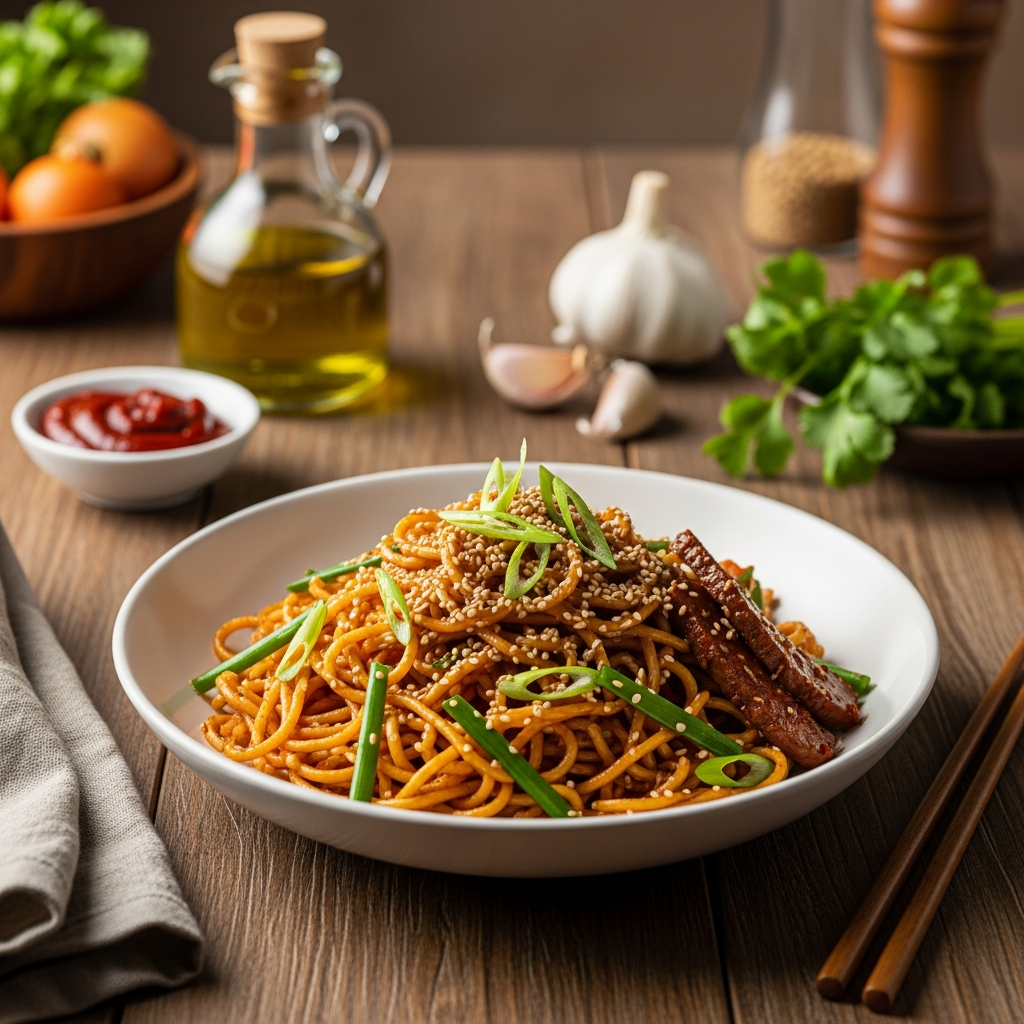
There are so many reasons to fall in love with Korean sesame noodles. Here are just a few:
* It’s incredibly quick to prepare, often ready in under 20 minutes.
* The flavors are wonderfully balanced – savory, nutty, a little sweet, and tangy.
* It’s highly customizable; you can easily add your favorite protein or veggies.
* It’s a perfect dish for meal prepping or busy weeknights.
* You can enjoy it hot or cold, making it versatile for any season.
* It uses simple ingredients that are easy to find.
* It’s a great way to introduce friends and family to Korean flavors.
Ingredient Notes
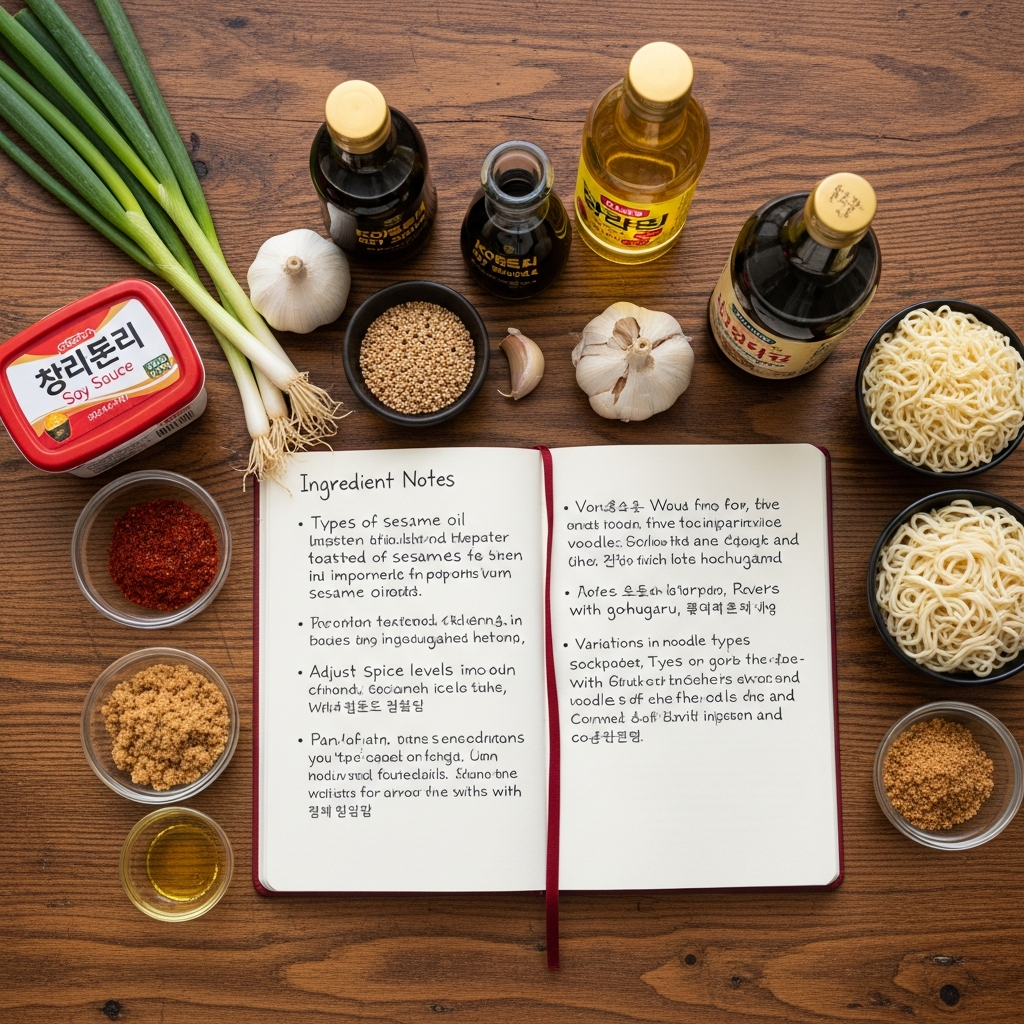
Let’s talk about the key ingredients that make these noodles so special. Using good quality ingredients will really make your dish shine.
Noodles
For Korean sesame noodles, you have a few great options.
* Somyeon: These are thin, wheat flour noodles, very popular in Korean cuisine for cold noodle dishes. They cook quickly and have a lovely chewy texture.
* Ramen Noodles: Instant ramen noodles (without the seasoning packet) can also be used for a quick and easy option.
* Kalguksu Noodles: These are thicker, hand-cut style noodles that offer a more substantial bite.
Sesame Oil
This is the star! Use Korean toasted sesame oil for the most authentic and deep flavor. It has a rich, nutty aroma. Make sure it’s “toasted” sesame oil, which is darker and more flavorful than regular sesame oil.
Sesame Seeds
Toasted sesame seeds add both flavor and a lovely crunchy texture. You can buy them pre-toasted or toast them lightly yourself in a dry pan for an even richer taste.
Soy Sauce
Use a good quality Korean or Japanese soy sauce (간장, ganjang). This forms the savory base of your sauce.
Gochujang (Korean Chili Paste)
If you like a bit of spice, gochujang is a must. It adds a complex sweet, savory, and spicy kick that is unique to Korean cuisine. Adjust the amount to your spice preference.
Sugar
A touch of sugar (white or brown) balances the savory and spicy notes in the sauce, creating a well-rounded flavor profile.
Garlic
Freshly minced garlic is always best for maximum flavor. It adds a pungent depth to the sauce.
Vinegar
Rice vinegar or apple cider vinegar adds a bright, tangy element that cuts through the richness of the sesame.
Equipment Needed
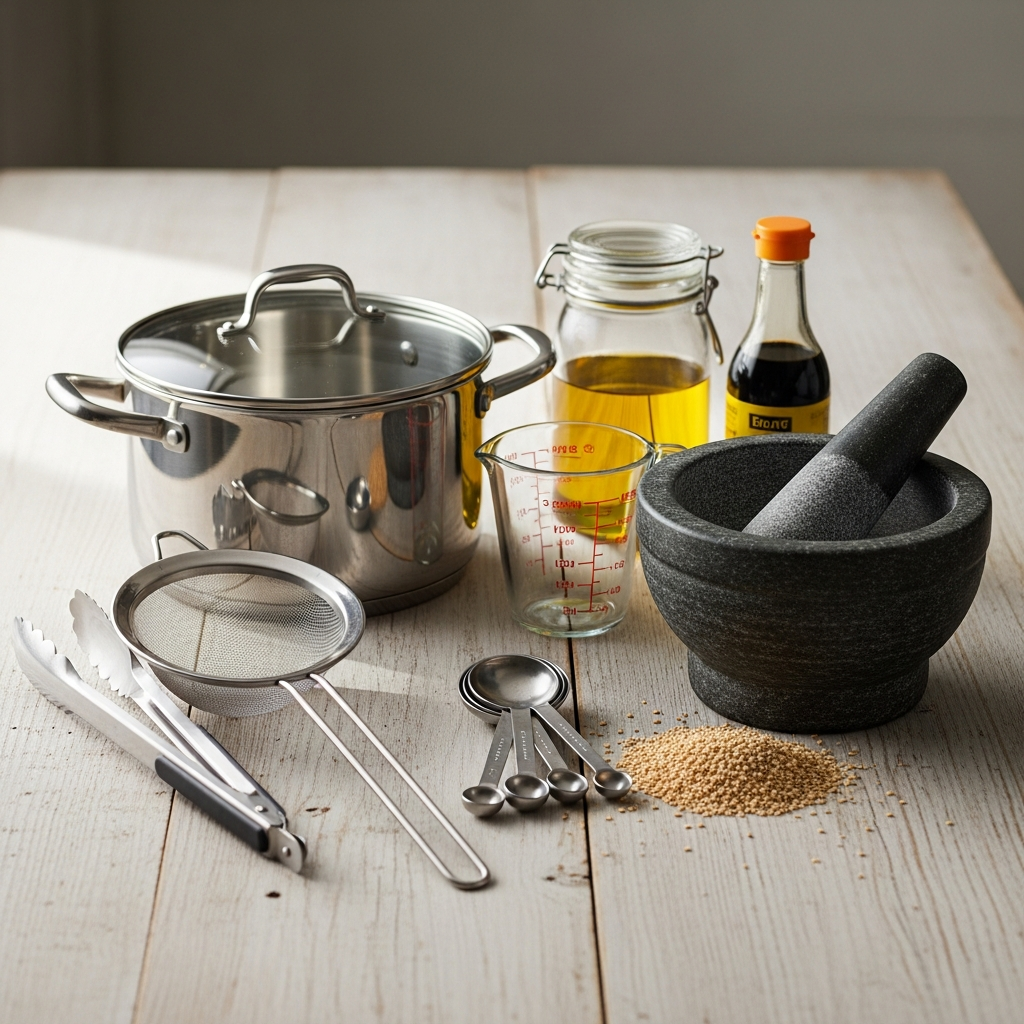
You don’t need any fancy gadgets to make delicious Korean sesame noodles. Here’s a basic list:
* Large pot: For cooking the noodles.
* Colander: To drain the cooked noodles.
* Large mixing bowl: For tossing the noodles with the sauce and toppings.
* Whisk or spoon: For mixing the sauce ingredients.
* Measuring cups and spoons: For accurate ingredient measurements.
* Cutting board and knife: For preparing any toppings.
Full Recipe Card: Cold Sesame Noodles with Veggies
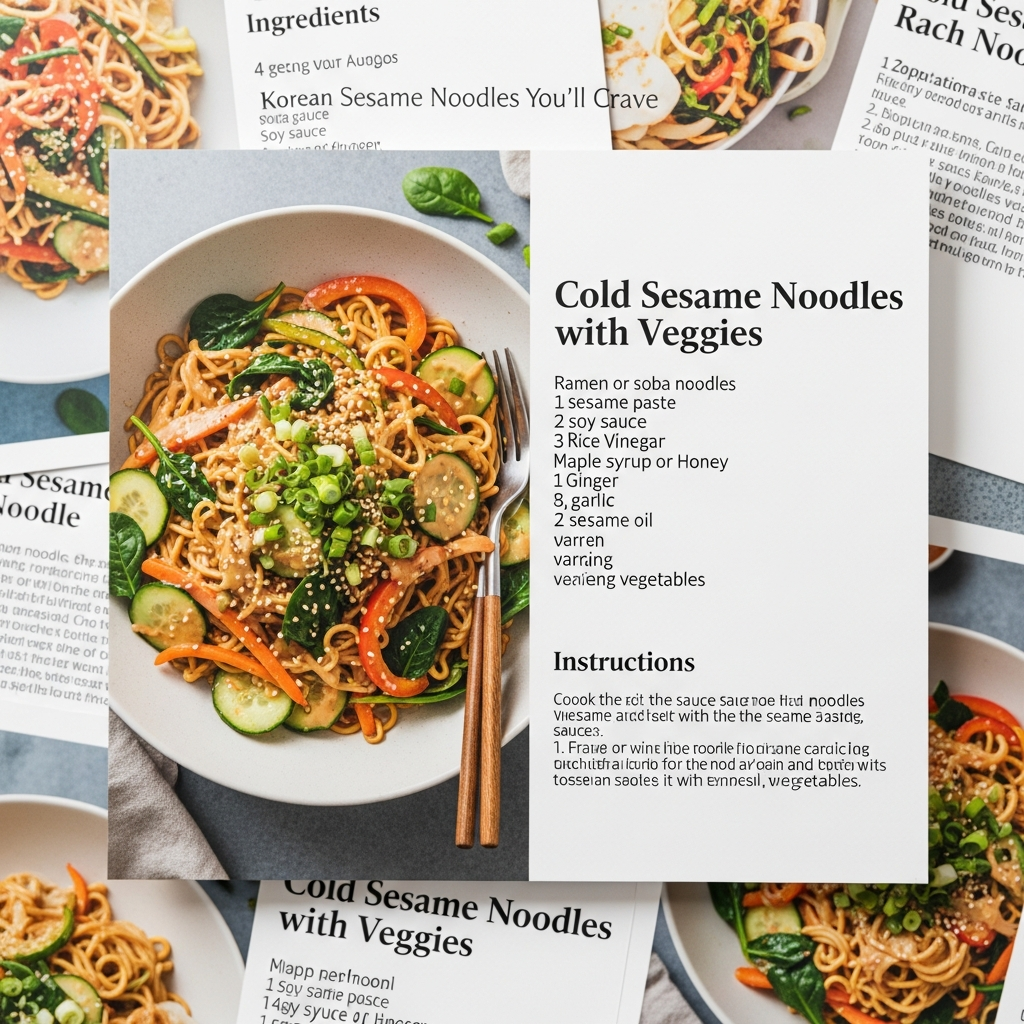
This recipe is for a delightful, refreshing cold sesame noodle dish, perfect for any time of year.
Yields: 2 servings
Prep time: 10 minutes
Cook time: 5-7 minutes
Ingredients
For the Noodles:
* 8 ounces (about 250g) somyeon (Korean thin wheat noodles) or ramen noodles
* Cold water, for rinsing noodles
For the Sesame Sauce:
* 4 tablespoons toasted sesame oil
* 3 tablespoons soy sauce
* 2 tablespoons gochujang (Korean chili paste), adjust to taste for spice
* 2 tablespoons sugar (or honey/maple syrup)
* 1 tablespoon rice vinegar
* 1 tablespoon minced garlic (about 2-3 cloves)
* 1 teaspoon toasted sesame seeds, plus more for garnish
For the Toppings (optional but recommended):
* 1/2 English cucumber, julienned
* 1/2 carrot, julienned
* 1 hard-boiled egg, halved or sliced
* Green onions, chopped, for garnish
Instructions
1. Cook the noodles: Bring a large pot of water to a rolling boil. Add the somyeon noodles and cook according to package directions, usually 3-5 minutes, until al dente. For ramen noodles, follow their package time.
2. Rinse the noodles: Drain the cooked noodles immediately in a colander. Rinse them thoroughly under cold running water, tossing them gently to remove excess starch and cool them down. This prevents them from sticking together and makes them wonderfully chewy for a cold dish. Drain very well.
3. Prepare the sauce: In a large mixing bowl, combine the sesame oil, soy sauce, gochujang, sugar, rice vinegar, minced garlic, and 1 teaspoon of toasted sesame seeds. Whisk well until all ingredients are fully combined and the sugar has dissolved.
4. Combine: Add the well-drained, cold noodles to the mixing bowl with the sauce. Toss gently with tongs or your hands until the noodles are evenly coated with the delicious sesame sauce.
5. Serve: Divide the noodles into two serving bowls. Arrange the julienned cucumber, carrot, and hard-boiled egg halves on top. Garnish generously with chopped green onions and an extra sprinkle of toasted sesame seeds. Serve immediately and enjoy!
Notes
* For a milder sauce, reduce or omit the gochujang.
* Taste the sauce before adding it to the noodles and adjust seasonings if needed. You might like more tang (vinegar) or sweetness (sugar).
* Always rinse cold noodles thoroughly to improve texture.
Tips & Variations
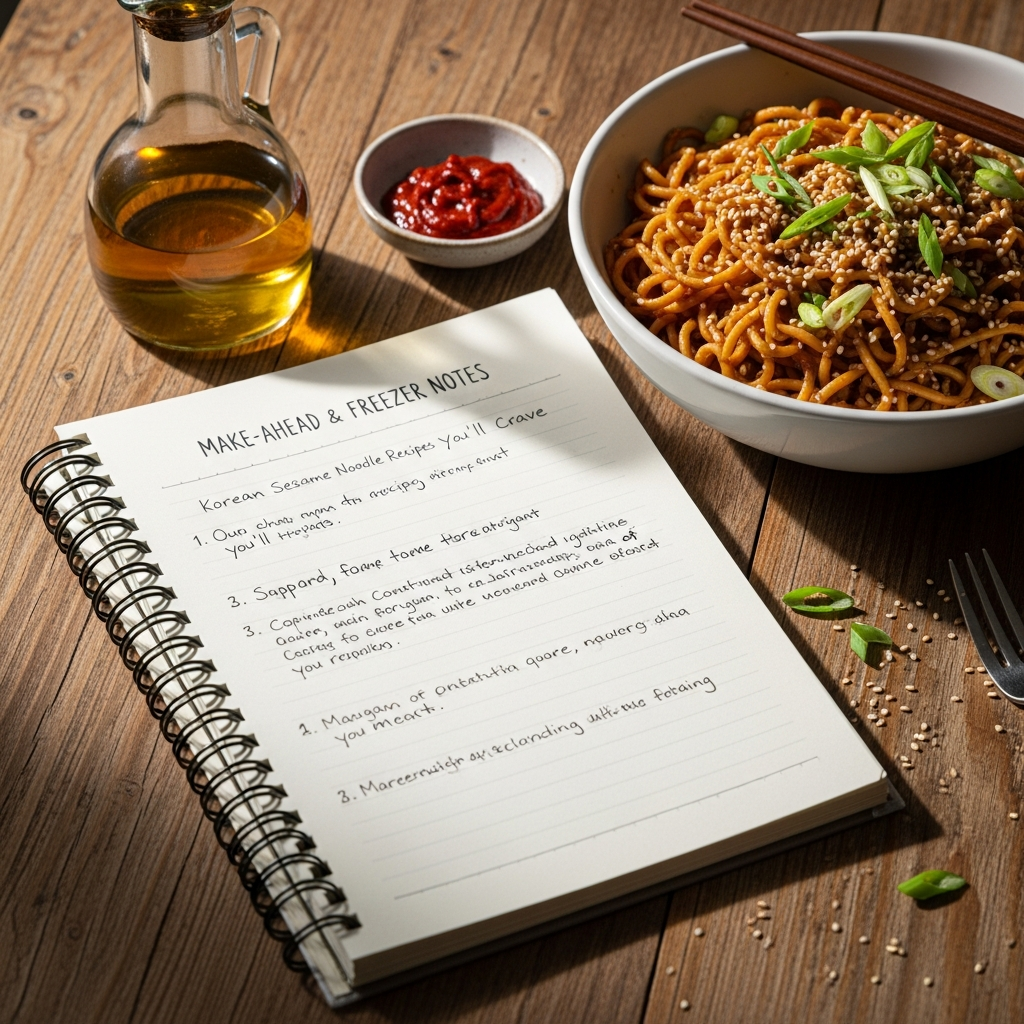
This recipe is a fantastic starting point. Feel free to get creative!
Add Protein
* Chicken: Cooked shredded chicken, grilled chicken, or pan-fried chicken breast strips are excellent.
* Beef: Thinly sliced bulgogi-style beef or ground beef can be added.
* Tofu: Pan-fried or baked tofu cubes add a great plant-based protein.
* Shrimp: Cooked shrimp can be a light and flavorful addition.
* Egg: A fried egg (sunny side up or over easy) or a soft-boiled egg is always a great choice.
Load Up on Veggies
* Spinach: Lightly blanched and squeezed dry.
* Mushrooms: Sautéed shiitake or cremini mushrooms.
* Bell Peppers: Thinly sliced red or yellow bell peppers for crunch and sweetness.
* Kimchi: A spoonful of delicious kimchi adds a fermented tang and spice.
* Bean Sprouts: Blanched bean sprouts for extra crunch.
Adjust the Spice
* Spicy lovers: Add more gochujang, a dash of gochugaru (Korean chili flakes), or a drizzle of chili oil.
* Mild preferences: Reduce or omit the gochujang entirely and focus on the nutty sesame flavor.
Different Noodle Types
* Experiment with buckwheat soba noodles for a different texture and flavor profile.
* Gluten-free option: Use 100% buckwheat noodles or rice vermicelli.
Pro Chef Tips
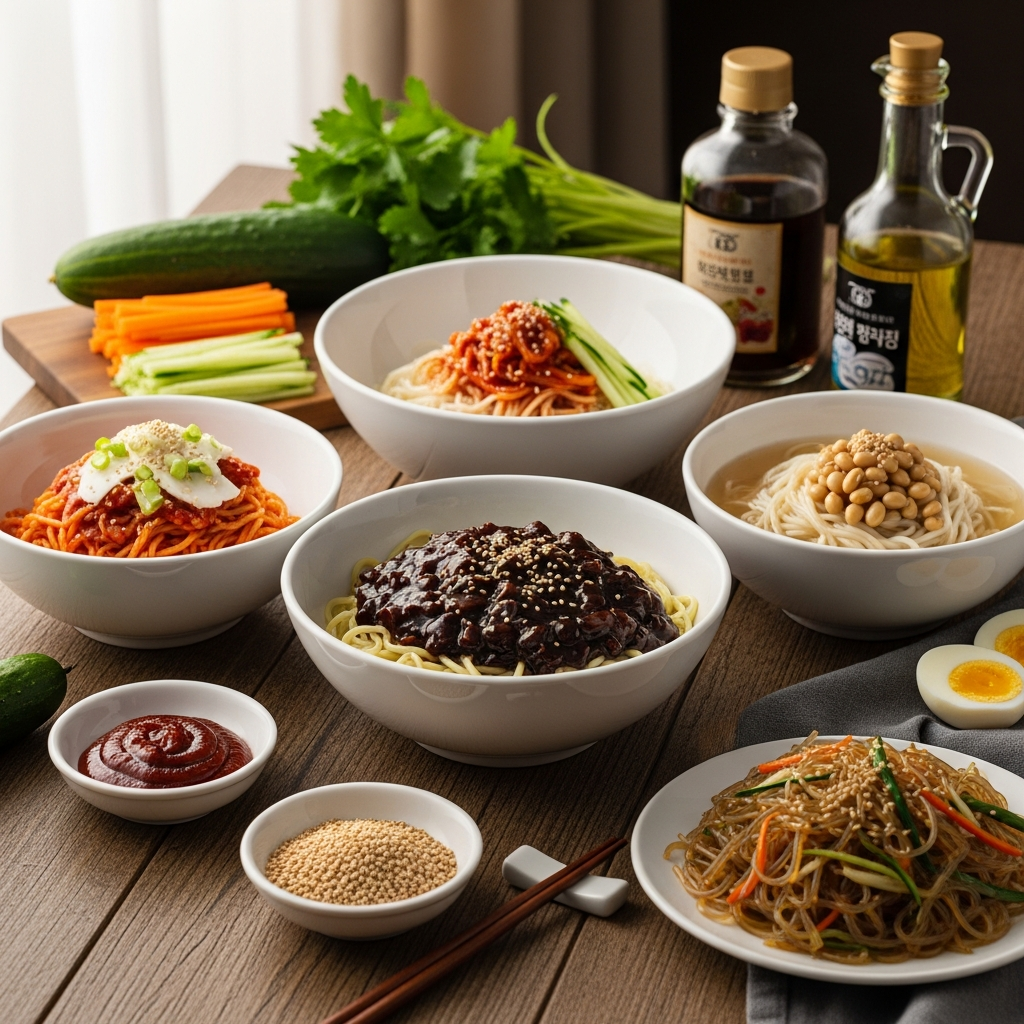
Want to take your Korean sesame noodles from good to absolutely amazing? Here are some insider tricks.
* Toast Your Own Sesame Seeds: If you have raw sesame seeds, quickly toast them in a dry pan over medium-low heat until fragrant and lightly golden. This boosts their flavor immensely.
* Balance is Key: Always taste your sauce before mixing. You’re looking for a balance of savory, sweet, tangy, and nutty. Don’t be afraid to adjust. A pinch of salt might be needed too.
* Perfect Noodle Texture: For cold noodles, cook them a tiny bit past al dente for extra chewiness, then shock them thoroughly in ice-cold water. This stops cooking and maintains that desired bouncy texture.
* Garnish Generously: Garnishes aren’t just for looks! Fresh green onions, more toasted sesame seeds, and even a drizzle of extra sesame oil right before serving enhance both flavor and presentation.
* Rest the Sauce: If you have time, let the sauce sit for 10-15 minutes before mixing it with the noodles. This allows the flavors to meld and deepen.
Common Mistakes to Avoid
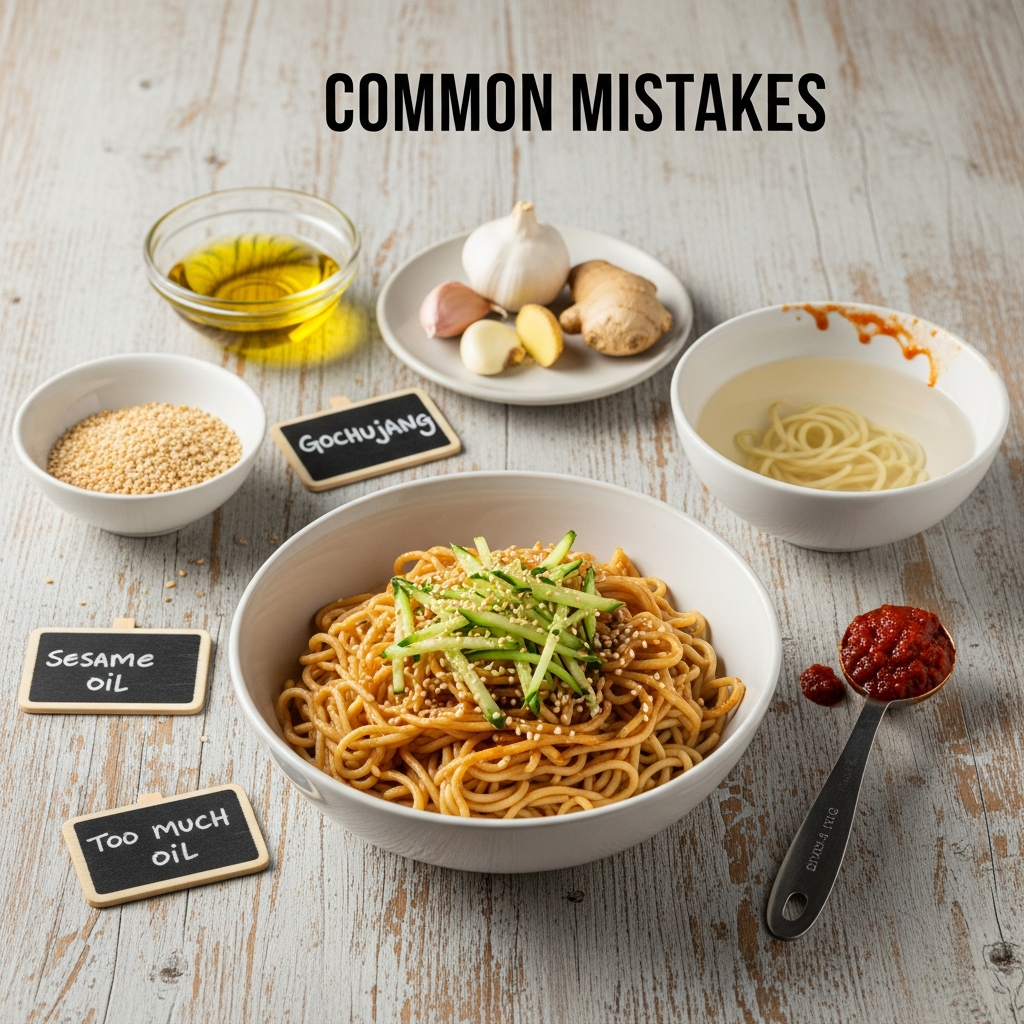
Even simple recipes can go wrong. Here are some pitfalls to steer clear of:
* Overcooking the Noodles: Mushy noodles are no fun. Follow package directions closely and taste test for doneness.
* Not Rinsing Cold Noodles: For cold noodle dishes, failing to rinse with cold water makes them sticky and gummy. Always rinse thoroughly.
* Bland Sauce: Don’t skimp on flavor. Ensure your sauce has enough soy sauce for savoriness, sugar for sweetness, vinegar for tang, and a good amount of sesame oil.
* Forgetting to Taste: Always taste the sauce and the finished dish. This is your chance to adjust seasoning (salt, sugar, vinegar) to your liking.
* Adding Hot Noodles to Cold Sauce: If making a cold dish, ensure your noodles are thoroughly cooled before mixing with the sauce. This prevents the sauce from thinning out and the dish becoming warm.
Storage & Meal Prep
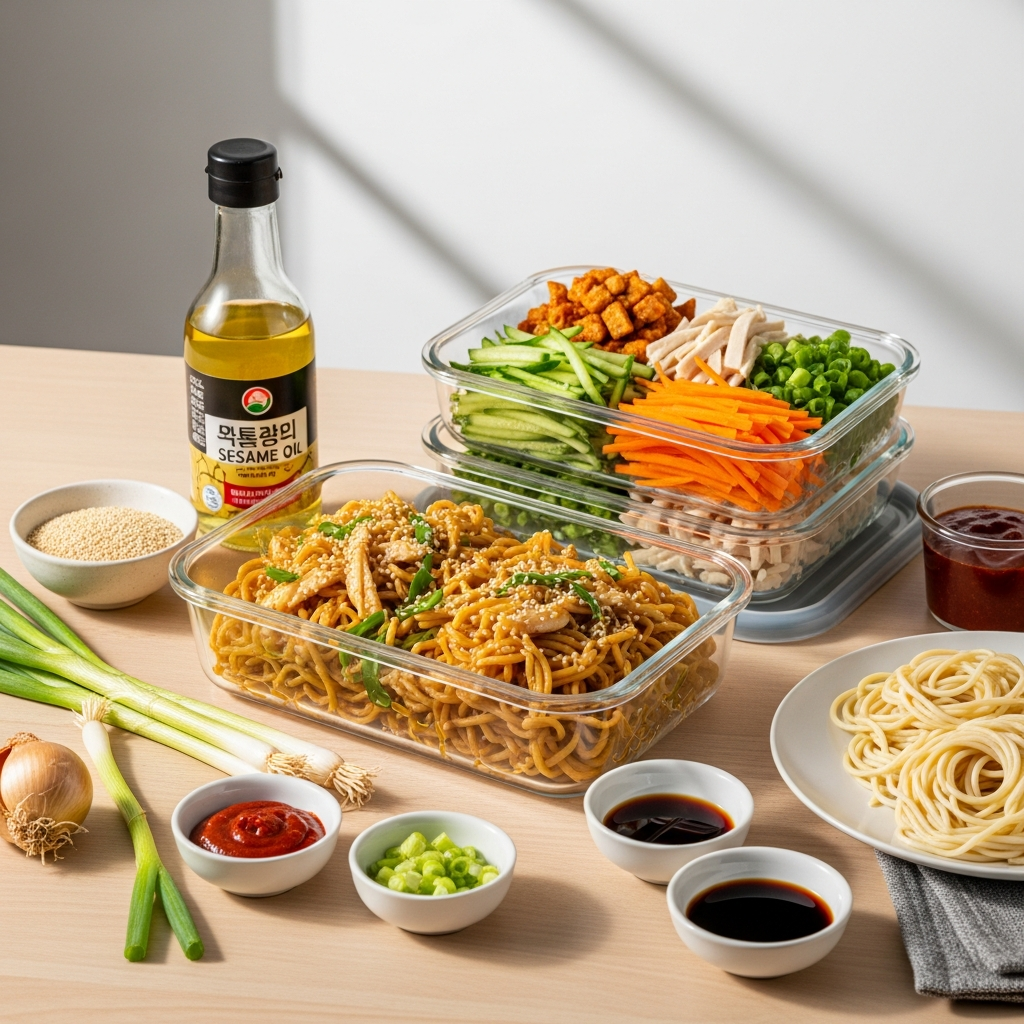
Korean sesame noodles are fantastic for meal prep, especially the cold versions!
* Storing Leftovers: If you have leftover mixed noodles, they can be stored in an airtight container in the refrigerator for up to 2-3 days. The noodles might absorb some sauce and become softer, but they’ll still be delicious.
* Meal Prepping Components: For best results, prepare the sauce, cook and cool the noodles, and chop your desired toppings separately. Store each in airtight containers in the fridge. When ready to eat, simply combine! This keeps the noodles from getting soggy and the vegetables fresh and crisp.
Make-Ahead & Freezer Notes
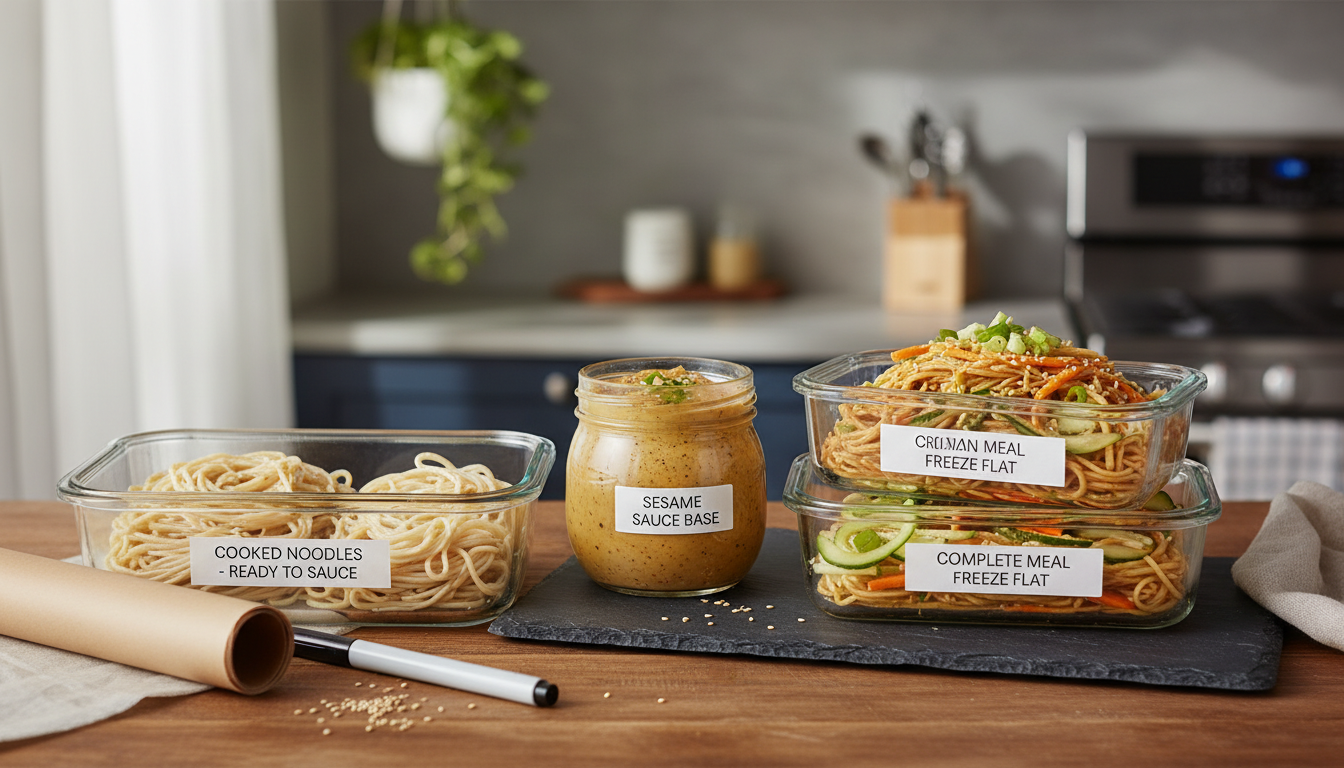
* Sauce: The sesame sauce can be made ahead of time and stored in a sealed jar in the refrigerator for up to a week. The flavors will actually deepen over time!
* Noodles: Cooked noodles, especially somyeon, are best enjoyed fresh. While you can cook them ahead and store them rinsed and lightly oiled in the fridge for a day, they generally have a better texture when freshly cooked.
* Freezing: Freezing cooked noodles is generally not recommended as they can become mushy upon thawing. The sauce, however, can be frozen in an airtight container for up to 1 month. Thaw in the refrigerator before using.
Serving Suggestions
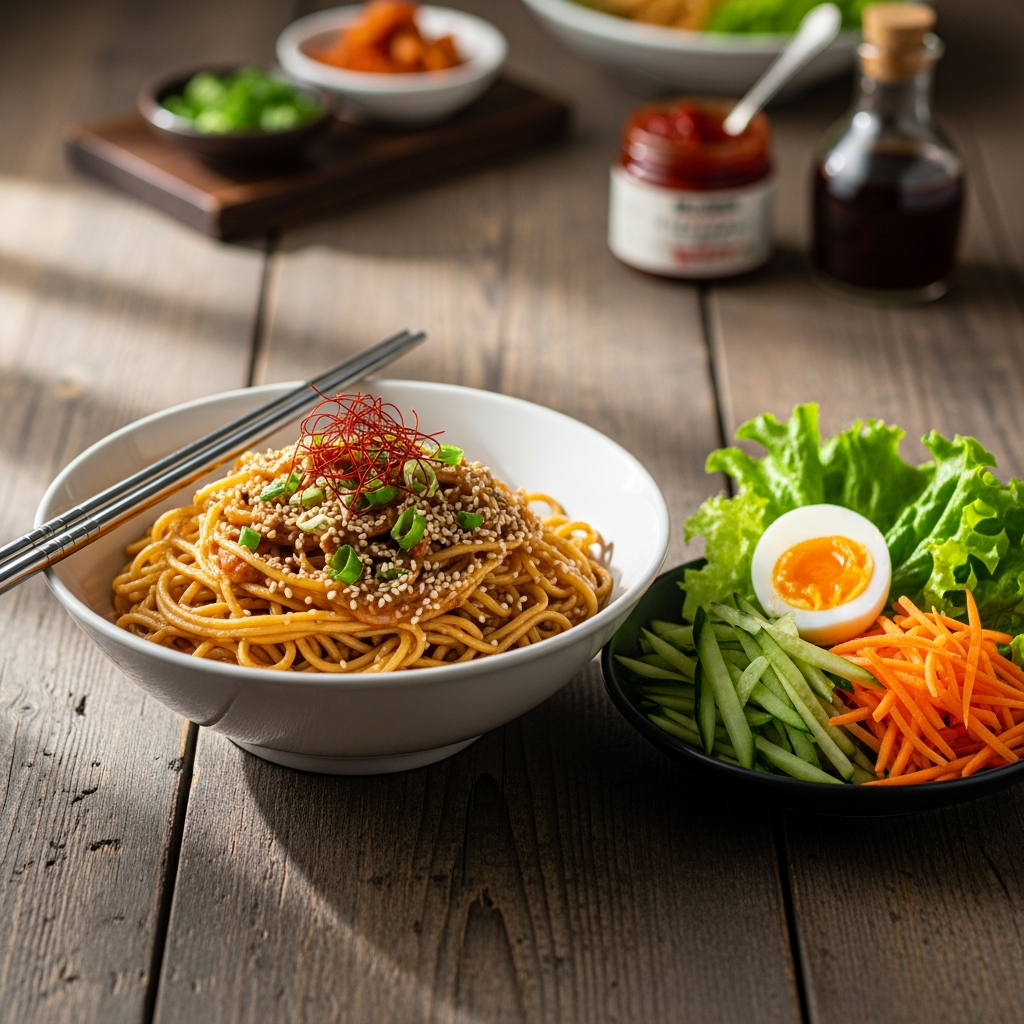
Korean sesame noodles can be a meal on their own, but they also pair wonderfully with other dishes.
* As a Main Course: With the added proteins and vegetables mentioned above, they make a complete and satisfying meal.
* Side Dish: Serve them alongside grilled meats like galbi (Korean short ribs) or bulgogi, or with pan-fried tofu.
* Light Lunch: Perfect on their own for a quick and flavorful lunch.
* With Soup: A warm bowl of seaweed soup (miyeokguk) or a clear vegetable broth makes a lovely contrast to cold sesame noodles.
* Korean Banchan: Pair with a variety of Korean side dishes like kimchi, pickled radishes, or seasoned spinach.