Welcome, food lovers! Today, we’re diving deep into the world of one of Sichuan cuisine’s most iconic and beloved dishes: Mapo Tofu. If you’ve ever craved a dish that’s incredibly flavorful, spicy, numbing, and utterly satisfying, you’ve come to the right place.
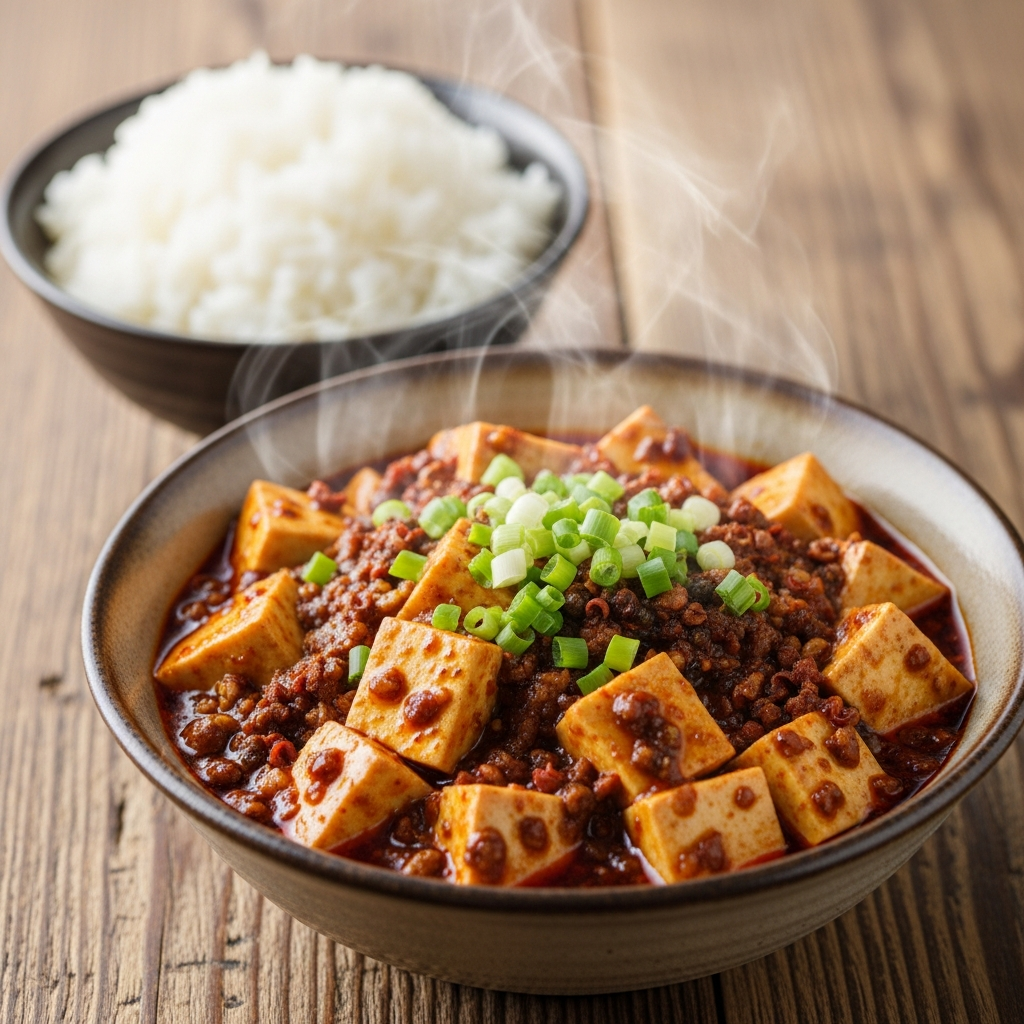
Mapo Tofu isn’t just a meal; it’s an experience. Its vibrant red sauce, silky tofu cubes, and savory ground meat create a symphony of textures and tastes that will tantalize your taste buds. Forget bland takeout versions; we’re talking about achieving that truly authentic, restaurant-quality flavor right in your own kitchen.
Don’t let the thought of making an authentic Chinese dish intimidate you. With our detailed guide, simple explanations, and a few key ingredients, you’ll be whipping up a mouth-watering bowl of Mapo Tofu that will impress everyone, including yourself. Let’s get cooking!
History / Background
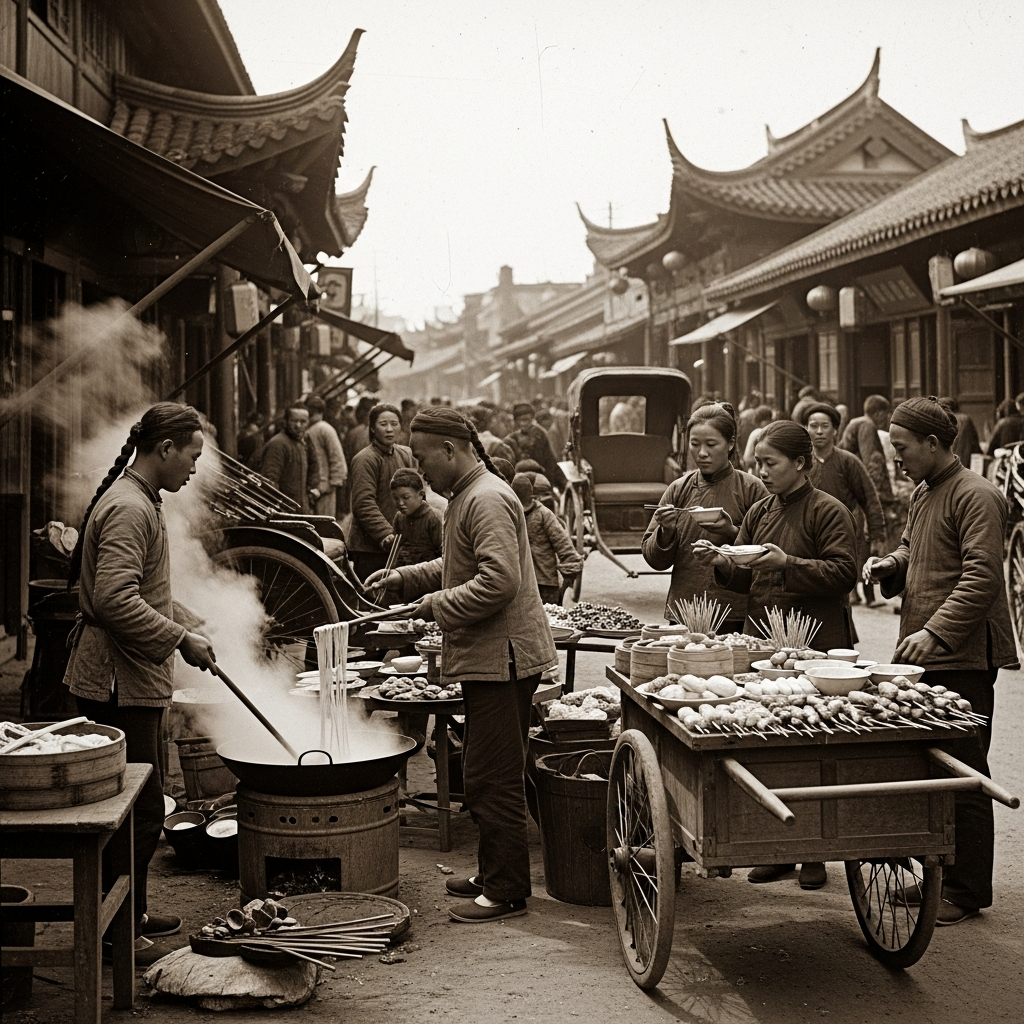
The story of Mapo Tofu is as rich and flavorful as the dish itself. Originating in Chengdu, the capital of Sichuan province in China, this dish dates back to the Qing Dynasty, around the mid-19th century. Its creation is often attributed to a pockmarked old woman, or ‘Ma Po’ in Chinese.
Legend has it that Chen Mapo, who ran a small restaurant, created this dish for laborers and porters. She used readily available ingredients like tofu, ground beef or pork, and a variety of fiery Sichuan spices. Her customers quickly fell in love with the dish’s potent flavors, and it gained immense popularity, eventually becoming known as ‘Ma Po Tofu’.
The dish is renowned for its ‘seven essential characteristics’ of Sichuan cuisine: ma (numbing), la (spicy), tang (hot), xiang (aromatic), su (flaky), nen (tender), and huo (fresh). These elements combine to create a deeply complex and addictive flavor profile that truly defines authentic Mapo Tofu.
Why You’ll Love This Recipe
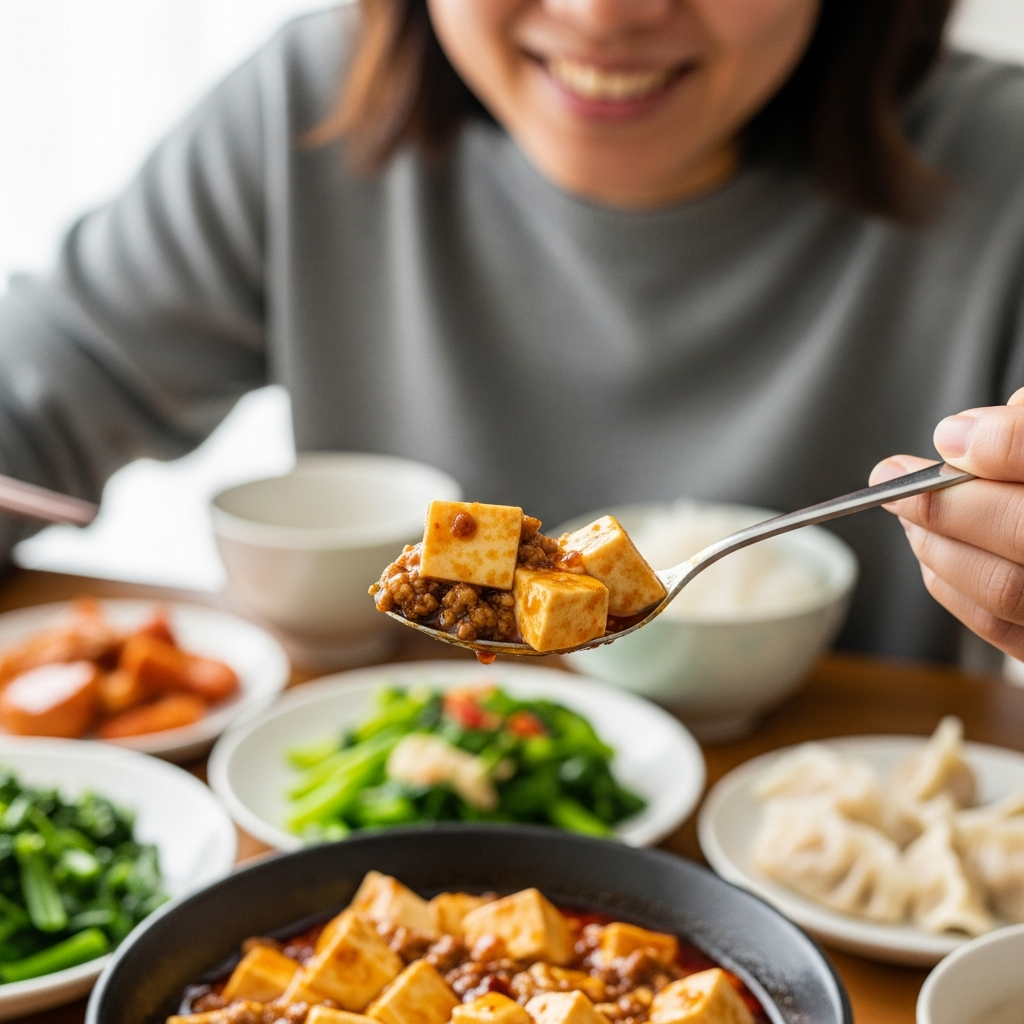
There are so many reasons to fall head over heels for this authentic Mapo Tofu recipe. It’s more than just a meal; it’s a comforting, exciting, and incredibly satisfying culinary adventure.
- Unforgettable Flavor: Experience the perfect balance of spicy, numbing, savory, and aromatic notes that make Mapo Tofu truly special.
- Quick and Easy: Despite its complex flavor, this dish comes together surprisingly fast, making it perfect for weeknight dinners.
- Customizable Spice Level: You can easily adjust the heat to suit your preference, from a gentle warmth to a fiery kick.
- Wholesome and Filling: Packed with protein from tofu and meat, it’s a hearty meal that will keep you satisfied.
- Impressive for Guests: Serve this dish, and your friends and family will be raving about your culinary skills.
- Versatile: Great with rice, noodles, or even on its own.
- Budget-Friendly: Uses common and affordable ingredients.
- Authentic Taste: We guide you through using the key ingredients that give it its true, traditional flavor.
Ingredient Notes
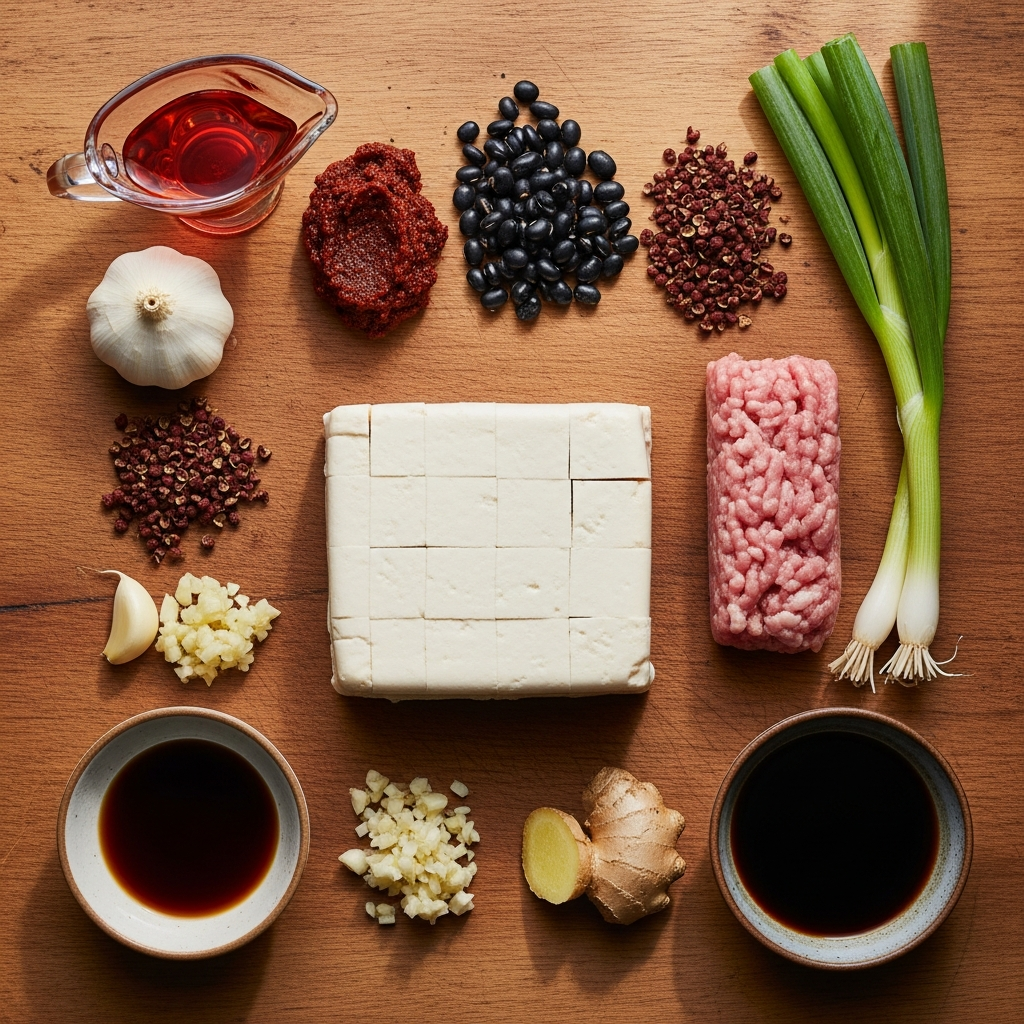
Achieving authentic Mapo Tofu hinges on a few key ingredients that might be new to some home cooks. Don’t worry, they’re widely available in Asian grocery stores or online, and they make all the difference!
Tofu
For Mapo Tofu, soft or medium-soft tofu is the way to go. Its delicate texture beautifully absorbs the rich sauce and provides that signature silky mouthfeel. Avoid firm or extra-firm tofu, as it won’t give you the desired tenderness. Gently blanching the tofu before adding it to the sauce helps it firm up slightly and removes any raw bean taste.
Doubanjiang (Sichuan Pixian Broad Bean Paste)
This is the soul of Mapo Tofu! Doubanjiang is a fermented broad bean and chili paste from Pixian, Sichuan. It provides the foundational savory, umami, and spicy flavor, along with that characteristic reddish-orange hue. Look for the Pixian variety for the most authentic taste. It’s truly irreplaceable.
Douchi (Fermented Black Beans)
These small, salty, and pungent fermented black soybeans add a deep layer of umami and complexity. A little goes a long way. They contribute to the savory depth that makes Mapo Tofu so addictive. Rinse them lightly before use to reduce excess saltiness.
Sichuan Peppercorns
The ‘ma’ in Mapo Tofu comes from these magical peppercorns. They don’t just add heat; they create a unique tingling, numbing sensation on your tongue. For the best flavor, lightly toast whole peppercorns in a dry pan until fragrant, then grind them yourself. Freshly ground is always best.
Ground Meat
Traditionally, Mapo Tofu uses ground beef or pork. The meat adds a wonderful savory richness and texture. If you prefer a vegetarian version, you can certainly omit it or substitute with finely minced mushrooms or plant-based ground meat.
Other Aromatics and Seasonings
Don’t forget fresh garlic, ginger, and green onions for aromatic brightness. Chinese chili powder or flakes, chili oil, soy sauce, Shaoxing wine (optional, for flavor depth), and a pinch of sugar balance the flavors. A cornstarch slurry is essential for thickening the sauce to its signature consistency.
Equipment Needed
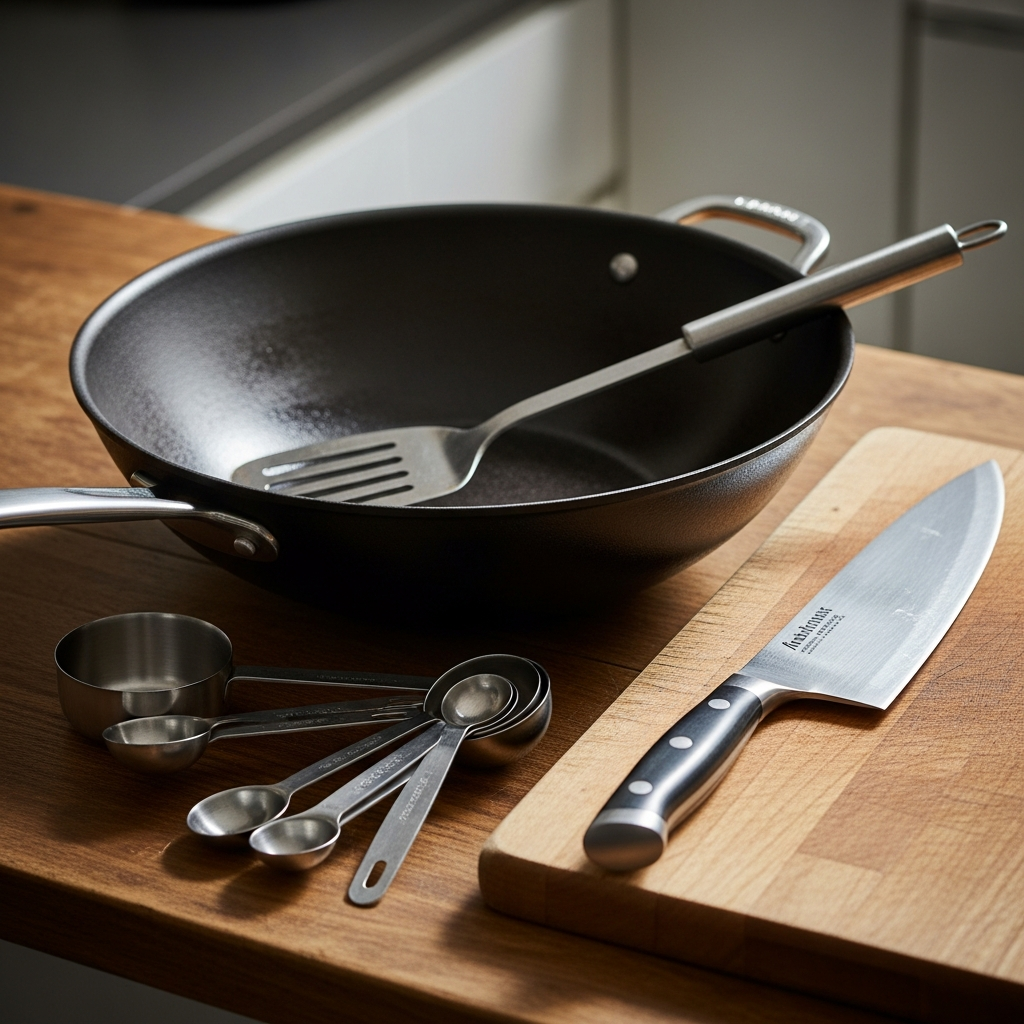
You don’t need fancy equipment to make fantastic Mapo Tofu. Most of these items are probably already in your kitchen.
- Wok or Large Skillet: A wok is ideal for stir-frying, but a large, deep skillet or Dutch oven works perfectly too.
- Cutting Board and Sharp Knife: For prepping your tofu and aromatics.
- Small Bowl: For mixing your cornstarch slurry.
- Strainer or Slotted Spoon: For blanching the tofu.
- Measuring Spoons and Cups: For accurate ingredient amounts.
- Mortar and Pestle or Spice Grinder: Recommended for freshly grinding Sichuan peppercorns.
Full Recipe Card
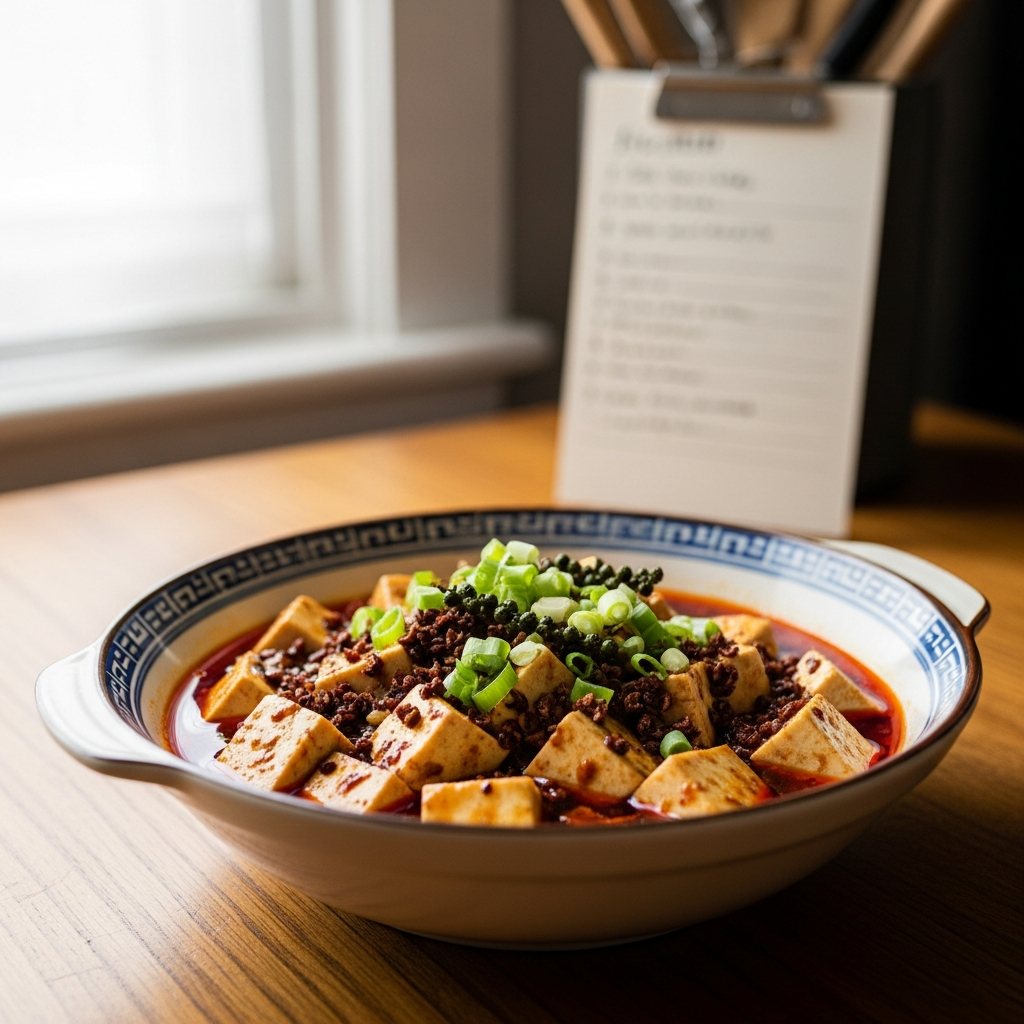
Ingredients
- 1 lb (about 450g) soft or medium-soft tofu, cut into 3/4-inch cubes
- 1/2 cup (120ml) chicken or vegetable broth (or water)
- 2 tablespoons Pixian Doubanjiang (Sichuan broad bean paste)
- 1 tablespoon Douchi (fermented black beans), rinsed and roughly chopped
- 1 tablespoon ground Sichuan peppercorns (freshly ground from toasted whole peppercorns preferred)
- 1 tablespoon Shaoxing wine (optional, but recommended)
- 1 tablespoon light soy sauce
- 1 teaspoon sugar
- 1/2 teaspoon dark soy sauce (for color, optional)
- 2 tablespoons cooking oil (vegetable or canola)
- 4 oz (115g) ground pork or beef
- 2 cloves garlic, minced
- 1 inch ginger, minced
- 1-2 tablespoons cornstarch mixed with 3 tablespoons cold water (cornstarch slurry)
- 2-3 green onions, chopped (white and green parts separated)
- 1-2 teaspoons chili oil (optional, for extra heat and aroma)
- Pinch of salt (to taste, if needed)
Instructions
- Prepare the Tofu: Bring a pot of lightly salted water to a boil. Gently add the tofu cubes and blanch for 2-3 minutes. This firms them up and removes any raw taste. Carefully remove with a slotted spoon and set aside.
- Prepare the Aromatics: Mince your garlic and ginger. Chop your green onions, separating the white and green parts. Rinse and roughly chop the fermented black beans.
- Cook the Meat: Heat 2 tablespoons of cooking oil in a wok or large skillet over medium-high heat. Add the ground pork or beef and stir-fry, breaking it up with your spatula, until it’s cooked through and slightly browned. Remove the meat from the wok and set aside, leaving any rendered fat in the pan.
- Build the Sauce Base: Reduce heat to medium. Add the Doubanjiang to the wok and stir-fry for about 1 minute until the oil turns red and fragrant. This ‘wakes up’ the flavors of the paste. Add the minced garlic, ginger, and the white parts of the green onions. Stir-fry for another 30 seconds until fragrant.
- Add Fermented Black Beans and Seasonings: Stir in the chopped Douchi. Add the Shaoxing wine (if using), light soy sauce, dark soy sauce (if using), and sugar. Stir well to combine.
- Combine and Simmer: Pour in the chicken or vegetable broth. Bring the sauce to a gentle simmer. Return the cooked ground meat to the wok. Gently add the blanched tofu cubes to the simmering sauce. Be careful not to break them. Gently stir or swirl the pan to coat the tofu.
- Thicken the Sauce: Let the mixture simmer for 3-5 minutes, allowing the tofu to absorb the flavors. Give the cornstarch slurry a quick stir, then slowly pour it into the simmering sauce while gently stirring. Continue to stir until the sauce thickens to your desired consistency. If it’s too thick, add a splash more broth or water. If it’s too thin, make a little more slurry.
- Final Touches: Stir in half of the freshly ground Sichuan peppercorns. Add the green parts of the green onions and chili oil (if using). Taste and adjust seasoning if necessary (you likely won’t need salt due to the Doubanjiang and soy sauce).
- Serve: Transfer the Mapo Tofu to a serving bowl. Garnish with the remaining freshly ground Sichuan peppercorns and a sprinkle of fresh green onions. Serve immediately with steamed white rice.
Recipe Notes
- Freshly Ground Sichuan Peppercorns: This makes a huge difference in the ‘ma’ (numbing) quality. Toast them briefly in a dry pan until fragrant, then grind.
- Gentle Handling of Tofu: Tofu can be delicate. Stir gently or swirl the pan to mix ingredients without breaking the cubes.
- Adjust Spice Level: For less heat, reduce the amount of Doubanjiang or omit chili oil. For more heat, add extra chili flakes or chili oil.
- Umami Boost: A tiny pinch of MSG can be added for an extra layer of savory depth, which is common in authentic Sichuan cooking.
- Don’t Skip Blanching: This step is crucial for firming the tofu and removing any unpleasant raw taste.
Tips & Variations
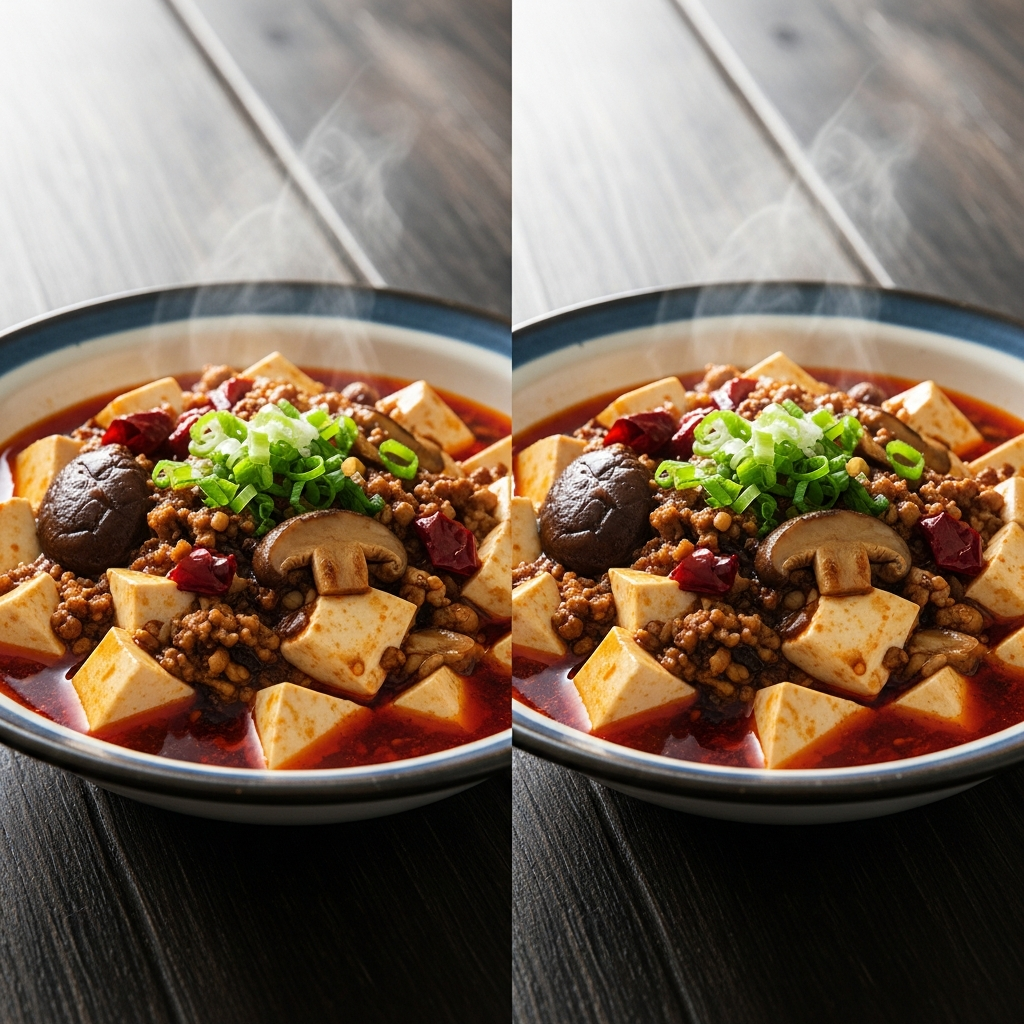
Once you’ve mastered the basic recipe, feel free to experiment! Mapo Tofu is wonderfully adaptable to your preferences and dietary needs.
Spice Level Adjustment
If you’re new to Sichuan spice, start with less Doubanjiang and Sichuan peppercorns. You can always add more chili oil or a dash of ground chili powder at the end. For heat seekers, don’t hold back! A generous sprinkle of freshly ground Sichuan peppercorns and extra chili oil will deliver that fiery, numbing punch.
Vegetarian / Vegan Mapo Tofu
It’s super easy to make this dish vegetarian or vegan. Simply omit the ground meat. You can replace it with finely minced mushrooms (shiitake or cremini work well) for a meaty texture and umami boost. Ensure you use vegetable broth instead of chicken broth.
Different Tofu Types
While soft or medium-soft tofu is traditional, some people prefer medium-firm for a slightly chewier texture. Avoid firm or extra-firm as they won’t absorb the sauce as well and will lack the delicate mouthfeel.
Adding Vegetables
While not traditional, you can add some quick-cooking vegetables like blanched broccoli florets, snow peas, or sliced bell peppers during the last few minutes of simmering. This is a great way to sneak in some extra greens.
Pro Chef Tips
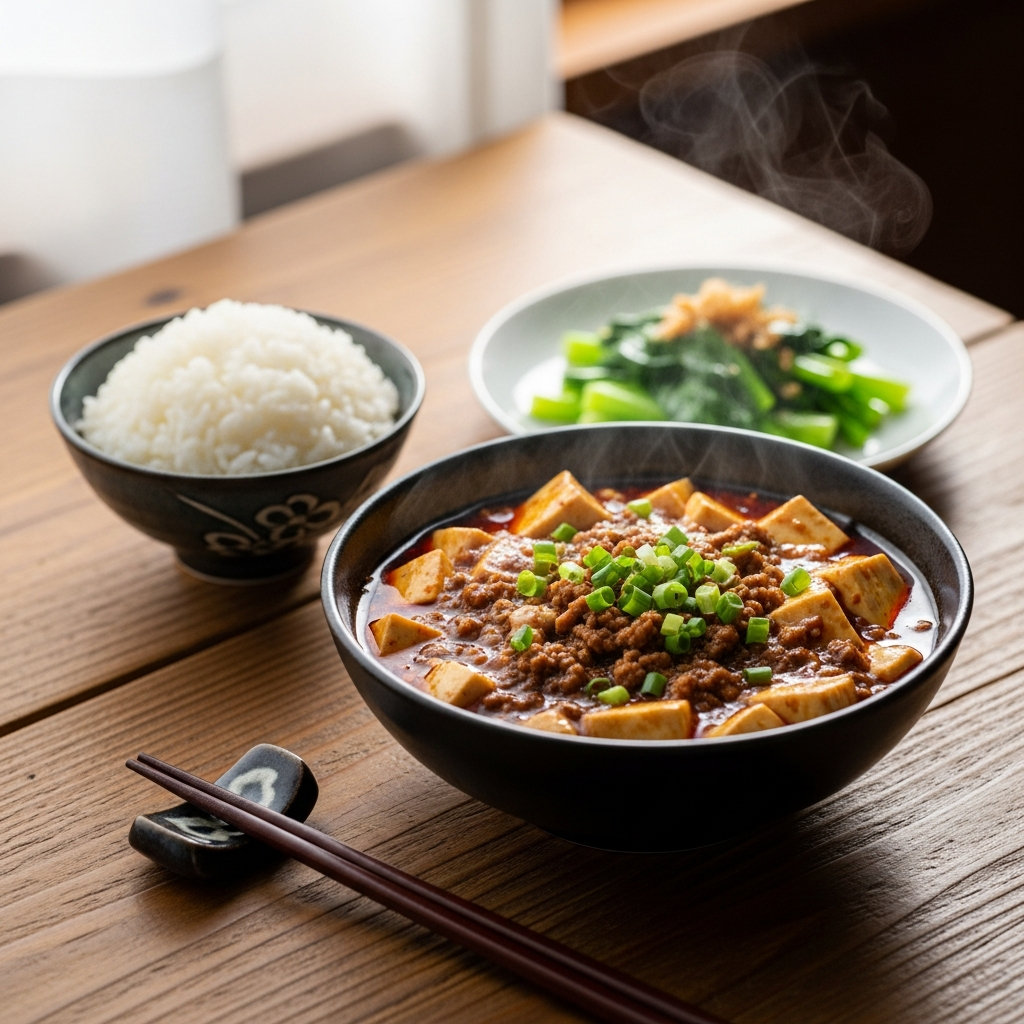
Want to elevate your Mapo Tofu even further? Here are some secrets from the pros that make a noticeable difference.
- Blooming the Doubanjiang: Don’t just toss it in. Stir-frying the Doubanjiang for a minute or two in hot oil (before adding other aromatics) is crucial. This process, called ‘blooming,’ releases its full aromatic and savory potential, coloring the oil beautifully.
- Freshly Ground Sichuan Peppercorns: Seriously, this is a game-changer. The aroma and numbing sensation from freshly toasted and ground peppercorns are far superior to pre-ground versions. Toast them until fragrant but not burnt.
- Cornstarch Slurry Control: Add the cornstarch slurry slowly, stirring constantly, until you reach your desired thickness. You might not need all of it. A perfect Mapo Tofu sauce is thick enough to cling to the tofu but still pourable.
- Velvet the Meat: For incredibly tender ground meat, you can ‘velvet’ it by tossing it with a little Shaoxing wine, soy sauce, and cornstarch before cooking. This creates a silkier texture.
- Don’t Overcrowd the Wok: If using a smaller pan, cook the meat in batches to ensure it browns properly and doesn’t steam. Overcrowding leads to less flavor development.
Common Mistakes to Avoid

Even experienced cooks can make small errors that impact the final dish. Here’s what to watch out for to ensure your Mapo Tofu is always a success.
- Using the Wrong Tofu: Firm or extra-firm tofu won’t give you the traditional silky texture. Stick to soft or medium-soft.
- Skipping the Blanching Step: This can lead to crumbly tofu and a slight raw bean taste. A quick blanch makes a big difference.
- Not Blooming the Doubanjiang: Just adding it straight into the liquid won’t develop its full flavor or color. Always stir-fry it first.
- Under-Seasoning: Mapo Tofu is meant to be bold. Don’t be shy with the Doubanjiang, Douchi, and Sichuan peppercorns.
- Over-Thickening the Sauce: Adding too much cornstarch at once can result in a gluey, unappetizing sauce. Add it gradually.
- Forgetting the ‘Ma’ (Numbing): The Sichuan peppercorns are essential for the signature numbing sensation. Don’t omit them!
- Stirring Too Vigorously: Handle the tofu gently to prevent it from breaking apart into mush.
Storage & Meal Prep
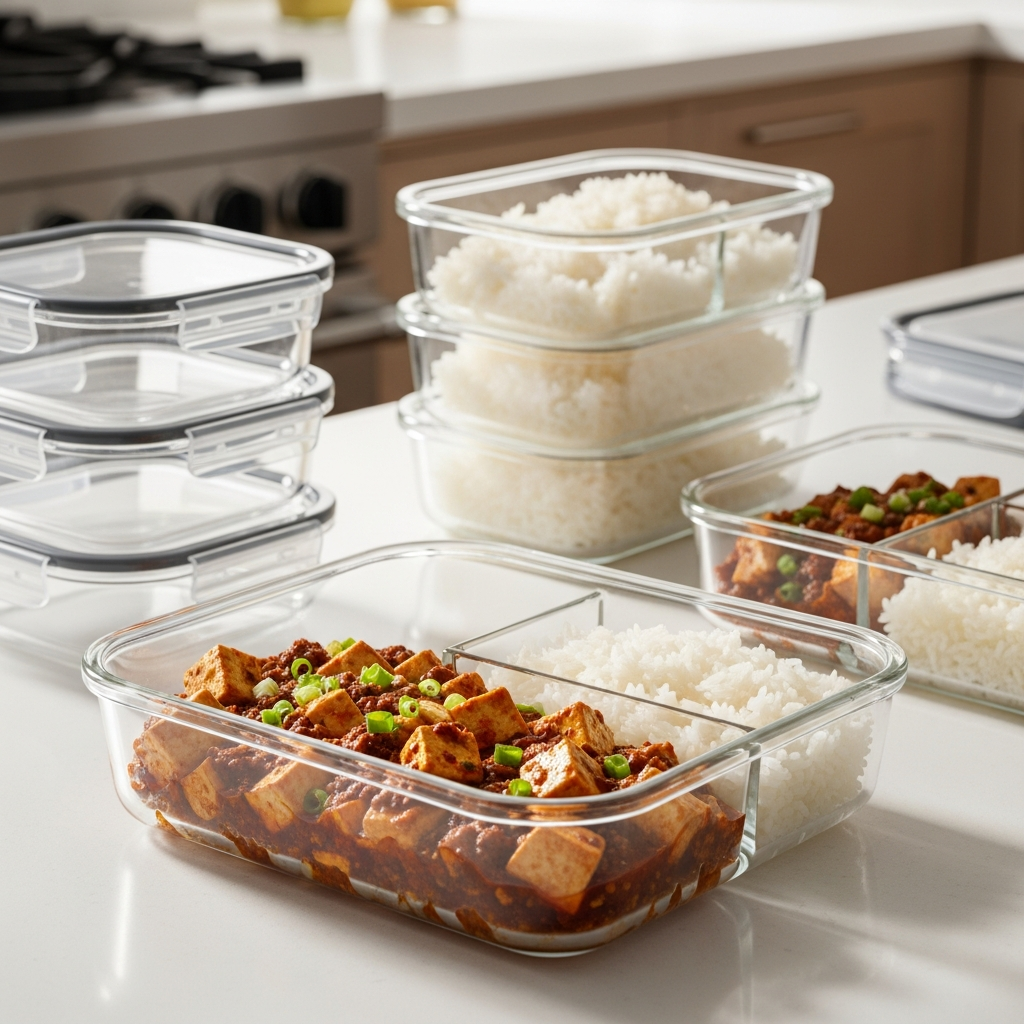
Mapo Tofu is fantastic as leftovers, and its flavors often deepen overnight. It’s a great dish for meal prepping, too!
Refrigeration
Store any leftover Mapo Tofu in an airtight container in the refrigerator for up to 3-4 days. Make sure it cools down completely before storing.
Reheating
To reheat, you can use the microwave or gently warm it in a saucepan on the stovetop over medium-low heat. If the sauce has thickened too much, add a splash of water or broth to loosen it up.
Make-Ahead & Freezer Notes
While Mapo Tofu is best enjoyed fresh, it can certainly be made ahead and even frozen, though the texture of the tofu might change slightly.
Make-Ahead
You can prepare the sauce base (cooking the meat, Doubanjiang, and aromatics) ahead of time and store it in the fridge. When ready to serve, simply add the broth, blanched tofu, and thicken with the cornstarch slurry. This saves time on busy weeknights.
Freezing
Yes, Mapo Tofu can be frozen! The tofu might become a bit spongier after freezing and thawing, but the flavor will still be fantastic. Let it cool completely, then transfer to freezer-safe containers or bags. It can be frozen for up to 2-3 months.
Thaw frozen Mapo Tofu overnight in the refrigerator. Reheat gently on the stovetop or in the microwave, adding a splash of water or broth if needed to restore the sauce consistency. You might want to add a fresh sprinkle of ground Sichuan peppercorns and green onions after reheating for a burst of freshness.
Serving Suggestions
Mapo Tofu is a hearty dish on its own, but it truly shines when paired with simple accompaniments that balance its bold flavors.
- Steamed White Rice: This is the classic pairing. The plain rice soaks up the flavorful sauce beautifully and provides a cooling contrast to the spice.
- Brown Rice: For a healthier, nuttier option, brown rice also works wonderfully.
- Noodles: Serve it over a bed of freshly cooked noodles for a different texture experience.
- Simple Green Vegetables: A side of blanched or stir-fried plain greens like bok choy, gai lan, or broccoli helps to cut through the richness and spice.
- Cucumber Salad: A refreshing, cool cucumber salad with a light dressing can be a great palate cleanser between bites of spicy tofu.
- Pickled Radishes or Cabbage: The tanginess provides a refreshing contrast.