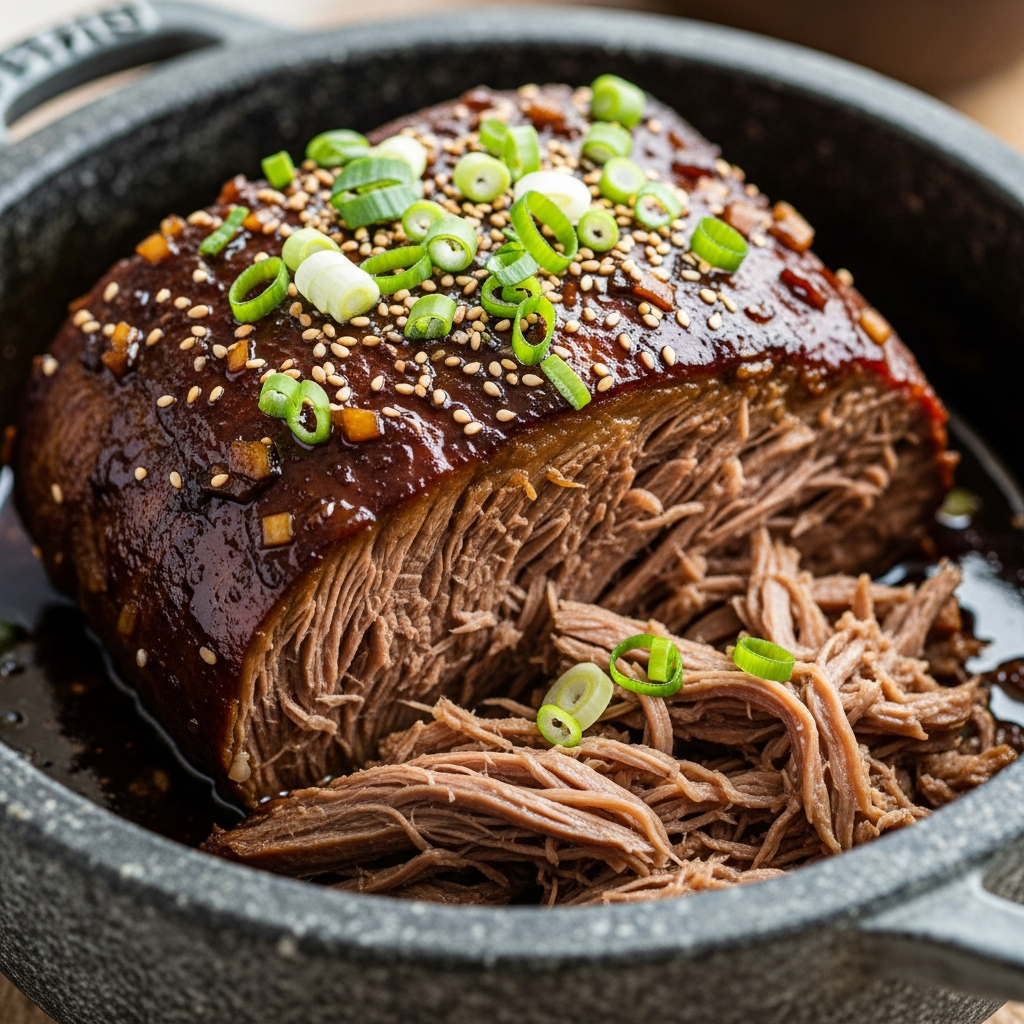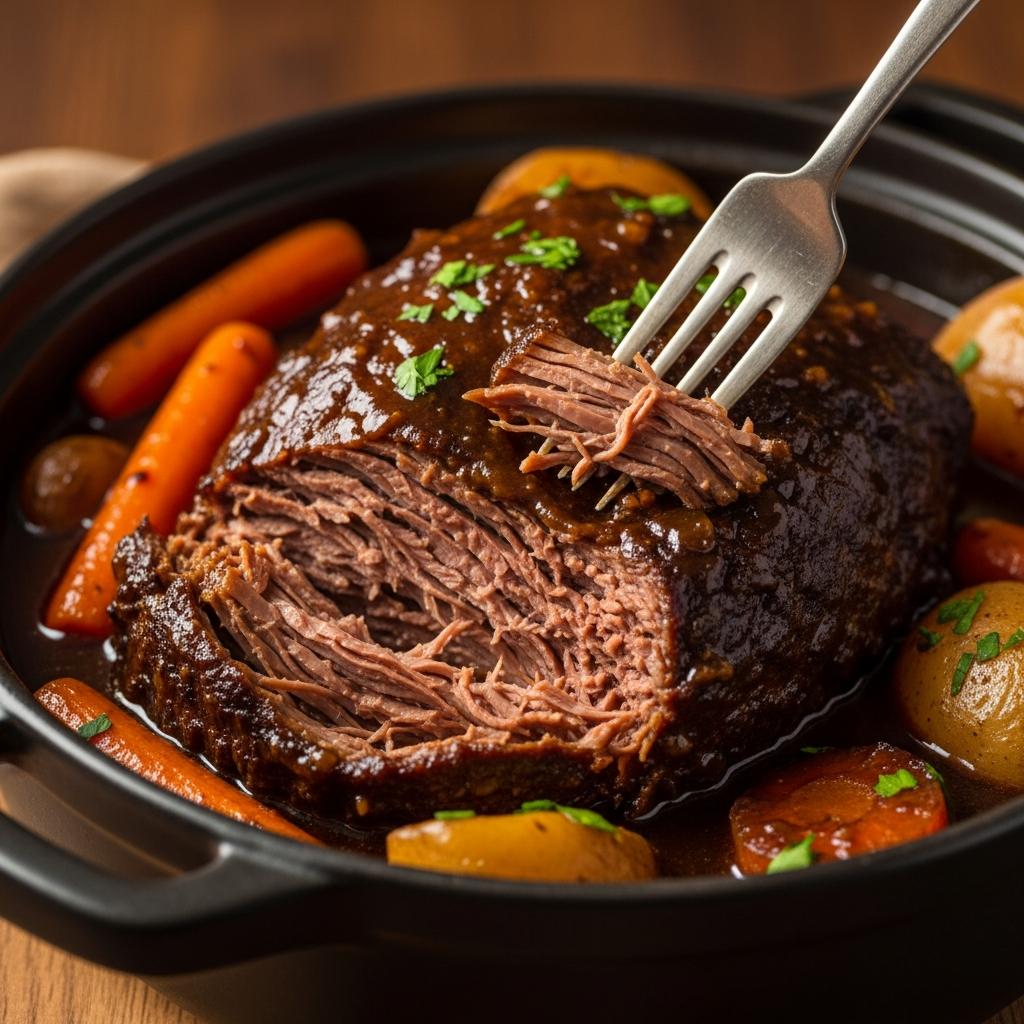
Get ready to dive into the wonderfully comforting world of Korean style pot roasts! If you love tender, fall-apart meat swimming in a rich, savory, and often slightly sweet sauce, then you are in for an absolute treat. These dishes are all about slow cooking, letting the flavors meld beautifully until every bite is pure bliss. We’re talking about meat so soft, it practically melts on your tongue, leaving you wanting more.
This article isn’t just about one recipe; it’s about a whole universe of delicious possibilities. We’ll explore the classic tastes and some creative twists that will make your kitchen smell incredible and your family cheer at dinner time. Let’s get cooking!
History / Background

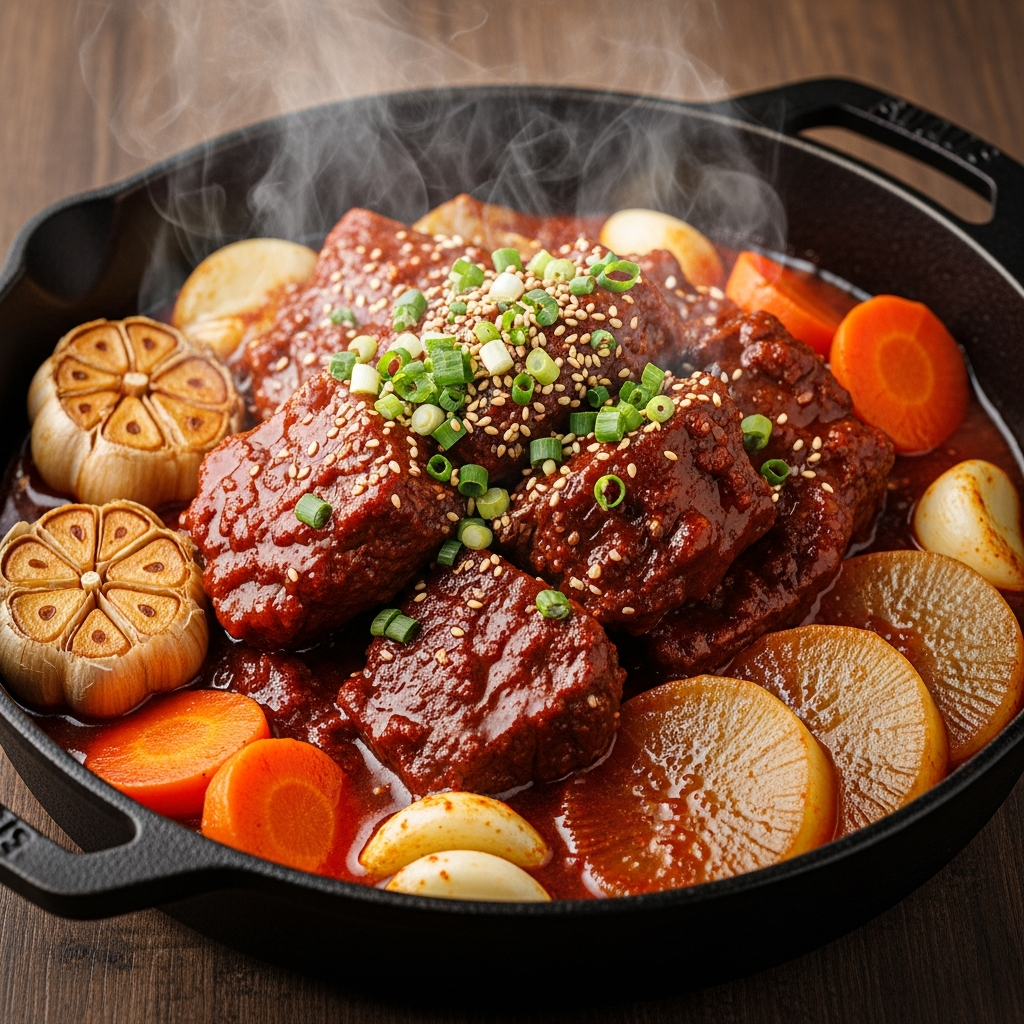
Korean cuisine boasts a rich history of braised and slow-cooked dishes, often reserved for special occasions or enjoyed as hearty comfort food. One of the most famous examples is Galbi Jjim, a beloved dish of braised short ribs. This classic, often prepared for holidays like Seollal (Korean New Year) and Chuseok (Harvest Festival), showcases the art of transforming tough cuts of meat into incredibly tender, flavorful masterpieces through long, gentle cooking.
The techniques often involve marinating the meat to infuse flavor, then simmering it with a blend of soy sauce, garlic, ginger, sesame oil, and often fruits like Asian pear for natural sweetness and tenderization. While traditional Galbi Jjim uses short ribs, the concept of a “pot roast” in Korean style embraces similar flavor profiles and slow-cooking methods applied to other cuts of beef or even pork, making it accessible and delicious for any home cook. It’s all about creating deep, satisfying flavors that warm you from the inside out.
Why You’ll Love This Recipe

You’re going to fall in love with Korean style pot roast for so many reasons. It’s more than just a meal; it’s an experience!
* Incredibly Tender: The long, slow cooking process breaks down tough cuts, resulting in meat that is unbelievably tender and juicy.
* Rich Flavor Profile: It combines savory soy sauce, aromatic garlic and ginger, a hint of sweetness, and sometimes a touch of spice for a truly balanced taste.
* Hearty & Satisfying: This is ultimate comfort food, perfect for a cozy night in or feeding a crowd.
* Easy to Make: While it takes time to cook, the hands-on prep is often quite simple, making it great for beginners.
* Feeds a Crowd: Pot roasts are wonderful for family dinners or entertaining guests, with plenty of leftovers.
* Versatile: You can easily adjust the flavors and ingredients to suit your taste, leading to endless delicious variations.
Ingredient Notes

Let’s chat about the key ingredients you’ll need to make your Korean style pot roast truly shine.
* Beef: A 3-4 pound boneless beef chuck roast is ideal. Its marbling and connective tissue break down beautifully with slow cooking, leading to a moist, flavorful result. Beef short ribs are also fantastic if you prefer, though they require a bit more trimming.
* Soy Sauce: Use a good quality regular or low-sodium soy sauce. It forms the savory base of our sauce.
* Sweetener: Brown sugar is common, but you can also use honey, maple syrup, or even a grated Asian pear for natural sweetness and extra tenderizing power.
* Aromatics: Fresh garlic and ginger are non-negotiable. Don’t skimp on these; they provide the signature Korean flavor.
* Sesame Oil: A drizzle of toasted sesame oil at the end adds a wonderful nutty aroma and deepens the flavor.
* Sesame Seeds: Toasted sesame seeds are perfect for garnish, adding a pleasant crunch and visual appeal.
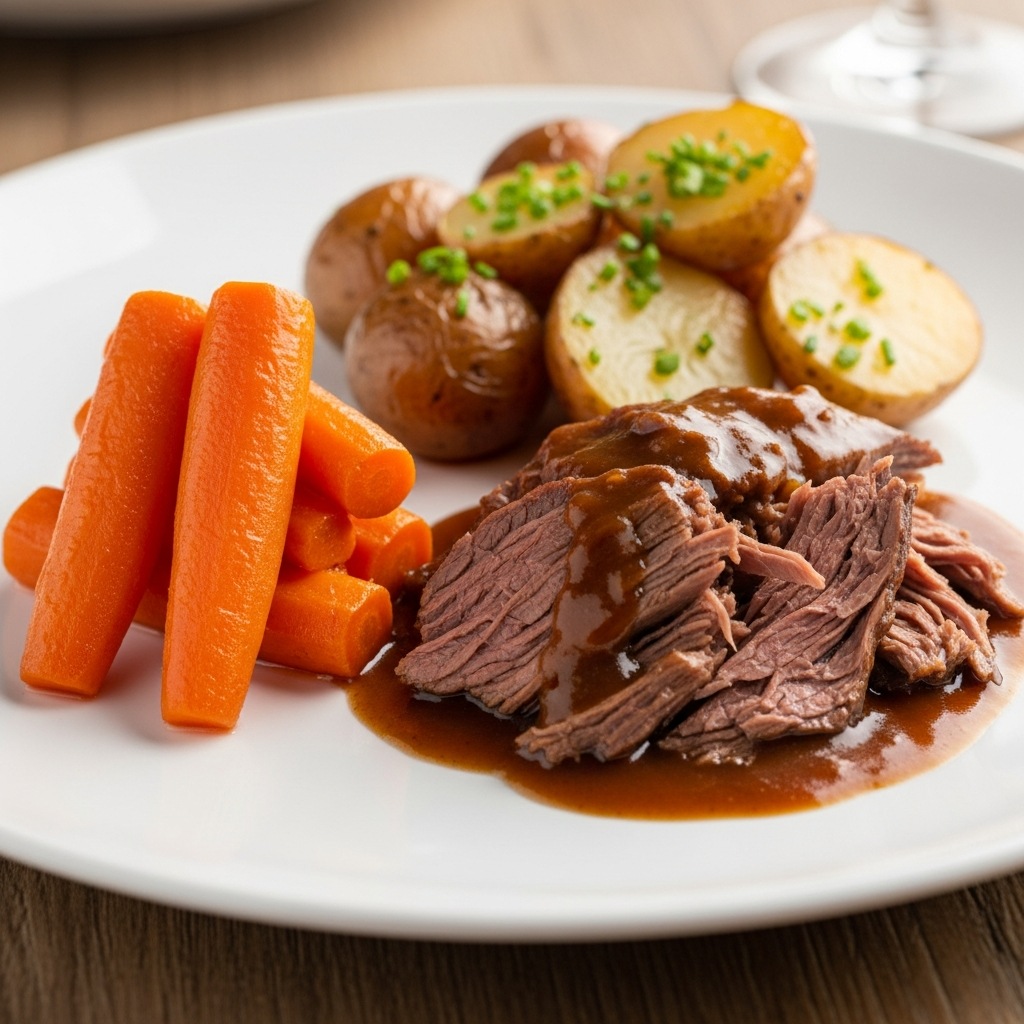
* Vegetables: Carrots, daikon radish, and potatoes are classic additions, absorbing the delicious sauce and becoming incredibly tender. Onions also add sweetness and depth.
* Water or Broth: Beef broth or even water can be used as the liquid for braising. Broth will add a bit more richness.
Equipment Needed

Good news! You don’t need a lot of fancy gadgets for a delicious pot roast. Here’s what will come in handy:
* Large Dutch Oven or Oven-Safe Pot: A heavy-bottomed pot with a tight-fitting lid is perfect for stovetop or oven braising.
* Slow Cooker: If you prefer the set-it-and-forget-it method, a large slow cooker is an excellent choice.
* Pressure Cooker (Instant Pot): For a faster cooking time, an electric pressure cooker works wonders.
* Cutting Board: For preparing your meat and vegetables.
* Sharp Knife: Essential for clean cuts.
* Measuring Cups and Spoons: For accurate ingredient measurements.
* Large Mixing Bowl: For marinating the beef.
* Whisk: To combine the sauce ingredients smoothly.
Full Recipe Card

This recipe provides a fantastic base for a classic, melt-in-your-mouth Korean style pot roast. Feel free to adjust to your taste!
Ingredients
* 3-4 pounds boneless beef chuck roast, trimmed of excess fat and cut into large 2-3 inch chunks
* 2 tablespoons neutral oil (like vegetable or canola oil)
For the Marinade/Braising Liquid:
* 1/2 cup soy sauce
* 1/4 cup brown sugar (packed)
* 1/4 cup mirin (sweet cooking wine) or extra brown sugar if you don’t have mirin
* 2 tablespoons sesame oil
* 8-10 cloves garlic, minced
* 1 piece (2-inch) fresh ginger, grated or finely minced
* 1/2 teaspoon black pepper
* 1/4 cup water or beef broth
* 1/2 an Asian pear, grated (optional, for tenderness and sweetness)
Vegetables (optional):
* 1 large onion, cut into large wedges
* 2 medium carrots, peeled and cut into 2-inch chunks
* 1/2 daikon radish, peeled and cut into 1-inch thick rounds or half-moons
* 2-3 medium potatoes (like Yukon Gold or red potatoes), peeled and quartered
Garnish:
* Toasted sesame seeds
* Chopped green onions
Instructions
1. Prepare the Beef: Pat the beef chunks dry with paper towels. Season lightly with salt and pepper.
2. Sear the Beef (Optional but Recommended): Heat the neutral oil in your Dutch oven or large pot over medium-high heat. Sear the beef in batches until browned on all sides. This adds a lot of flavor. Remove the beef and set aside.
3. Make the Marinade: In a large bowl, whisk together the soy sauce, brown sugar, mirin, sesame oil, minced garlic, grated ginger, black pepper, water or broth, and grated Asian pear (if using).
4. Marinate (Optional): Add the seared beef to the marinade. Toss to coat evenly. You can marinate for at least 30 minutes at room temperature, or for better flavor, cover and refrigerate for 2-4 hours, or even overnight.
5. Combine and Cook (Dutch Oven/Oven Method):
* If using the same Dutch oven, drain off any excess searing oil. Add the marinated beef and all the marinade to the pot.
* Add the onion wedges to the pot.
* Bring the liquid to a gentle simmer over medium heat on the stovetop.
* Once simmering, reduce heat to low, cover the pot tightly, and transfer to a preheated oven at 300°F (150°C).
* Braise for 2 to 2.5 hours.
* After this time, add the carrots, daikon, and potatoes to the pot, nestling them around the beef. Stir gently.
* Cover again and continue to braise for another 1 to 1.5 hours, or until the beef and vegetables are fork-tender.
6. Combine and Cook (Slow Cooker Method):
* If you seared the beef, add it to the slow cooker insert. Otherwise, add the raw beef.
* Pour the entire marinade over the beef.
* Add all the vegetables (onion, carrots, daikon, potatoes) at the beginning.
* Cover and cook on low for 6-8 hours, or on high for 3-4 hours, until the beef is fork-tender.
7. Combine and Cook (Instant Pot/Pressure Cooker Method):
* Select the “Sauté” function. Add oil and sear the beef in batches until browned. Remove beef.
* Deglaze the pot with a splash of water or broth, scraping up any browned bits.
* Return the beef to the pot. Pour in the marinade. Add all the vegetables (onion, carrots, daikon, potatoes).
* Close the lid, set the valve to sealing. Select “Manual” or “Meat/Stew” and cook on high pressure for 45-60 minutes (depending on beef chunk size).
* Allow for a natural pressure release for at least 15 minutes, then quick release any remaining pressure.
8. Serve: Once cooked, taste the sauce and adjust seasonings if needed. Ladle the beef and vegetables with plenty of sauce over steamed rice. Garnish with toasted sesame seeds and chopped green onions.
Notes
* Don’t skip the searing step if you can help it, as it adds incredible depth of flavor.
* The longer you marinate, the more flavor the beef will absorb.
* For a thicker sauce, you can remove the cooked beef and vegetables, then simmer the sauce uncovered for 10-15 minutes, or whisk in a cornstarch slurry (1 tbsp cornstarch mixed with 2 tbsp cold water) and simmer until thickened.
* Adjust sweetness and saltiness to your personal preference.
Tips & Variations

Here are the 11 Korean style pot roast ideas to spark your culinary imagination, building on the base recipe above!
1. Classic Soy-Garlic Galbi Jjim
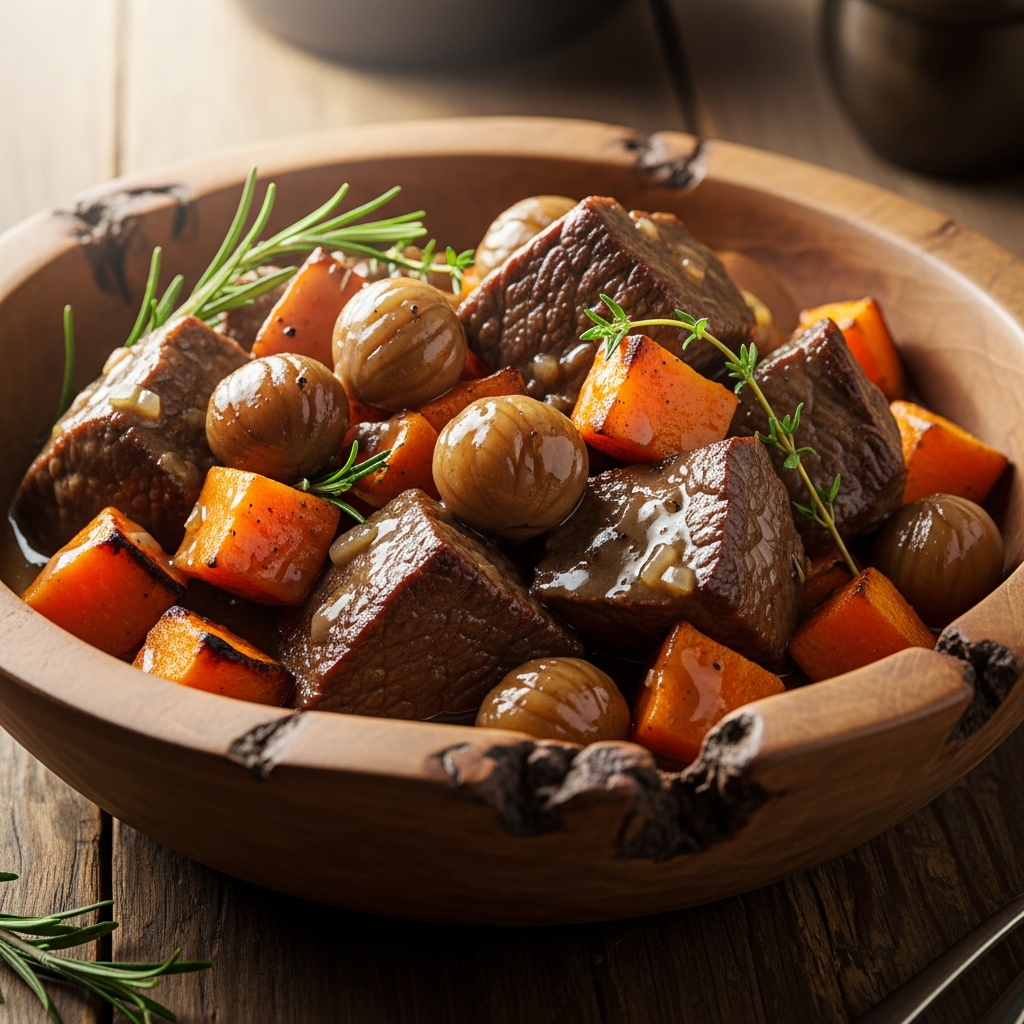
This is the foundational flavor. Ensure a good balance of soy sauce, brown sugar, lots of minced garlic, grated ginger, and a hint of sesame oil. Use bone-in short ribs if possible for authentic flavor, but chuck roast works beautifully. Add daikon radish, carrots, and chestnuts for traditional richness.
2. Spicy Gochujang Pot Roast
For those who love a kick! Add 2-4 tablespoons of gochujang (Korean chili paste) and 1-2 teaspoons of gochugaru (Korean chili flakes) to your marinade. Adjust to your desired spice level. It adds a beautiful red hue and a wonderful depth of heat.
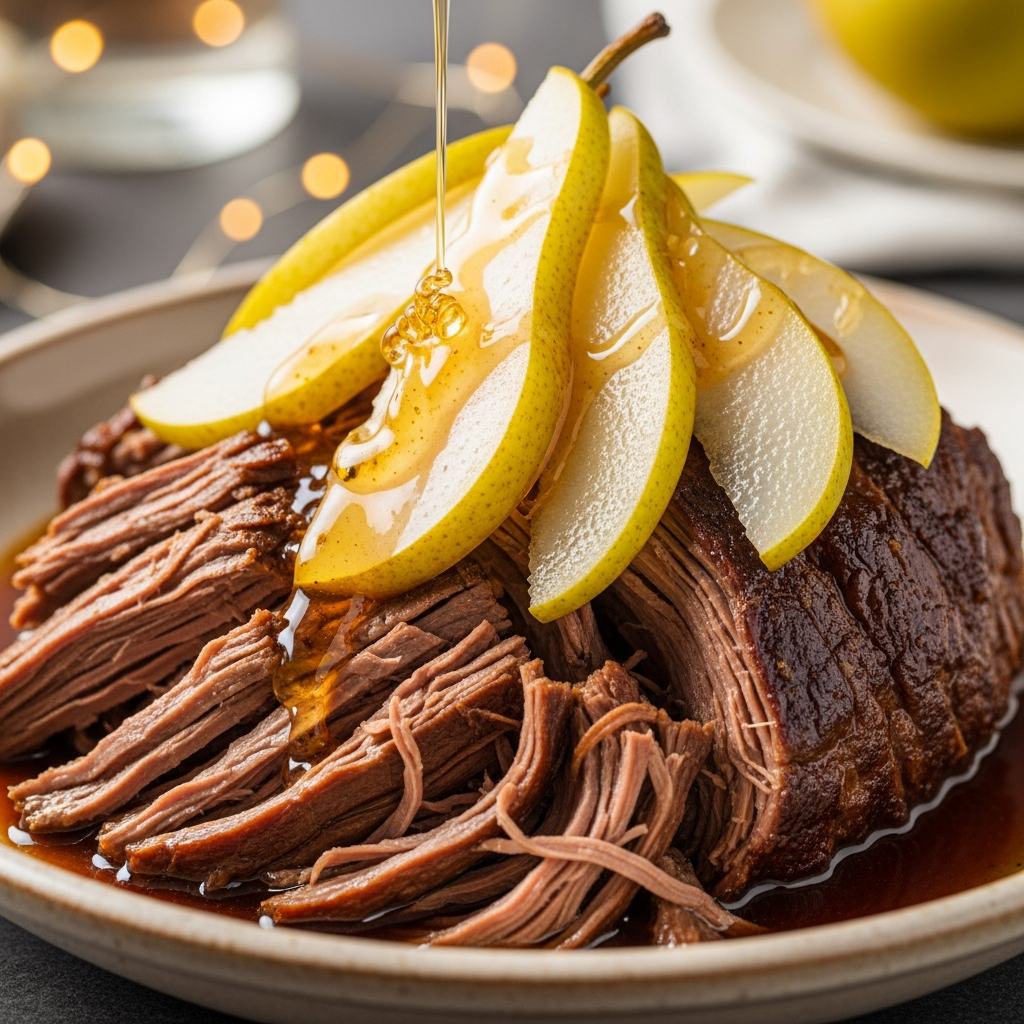
3. Sweet & Savory Apple/Pear Infusion
Beyond just grated Asian pear in the marinade, you can add chunks of apple or pear (like Fuji or Bosc) along with your vegetables during the last hour of cooking. They will soften and contribute a delicate sweetness to the sauce, making it incredibly aromatic.
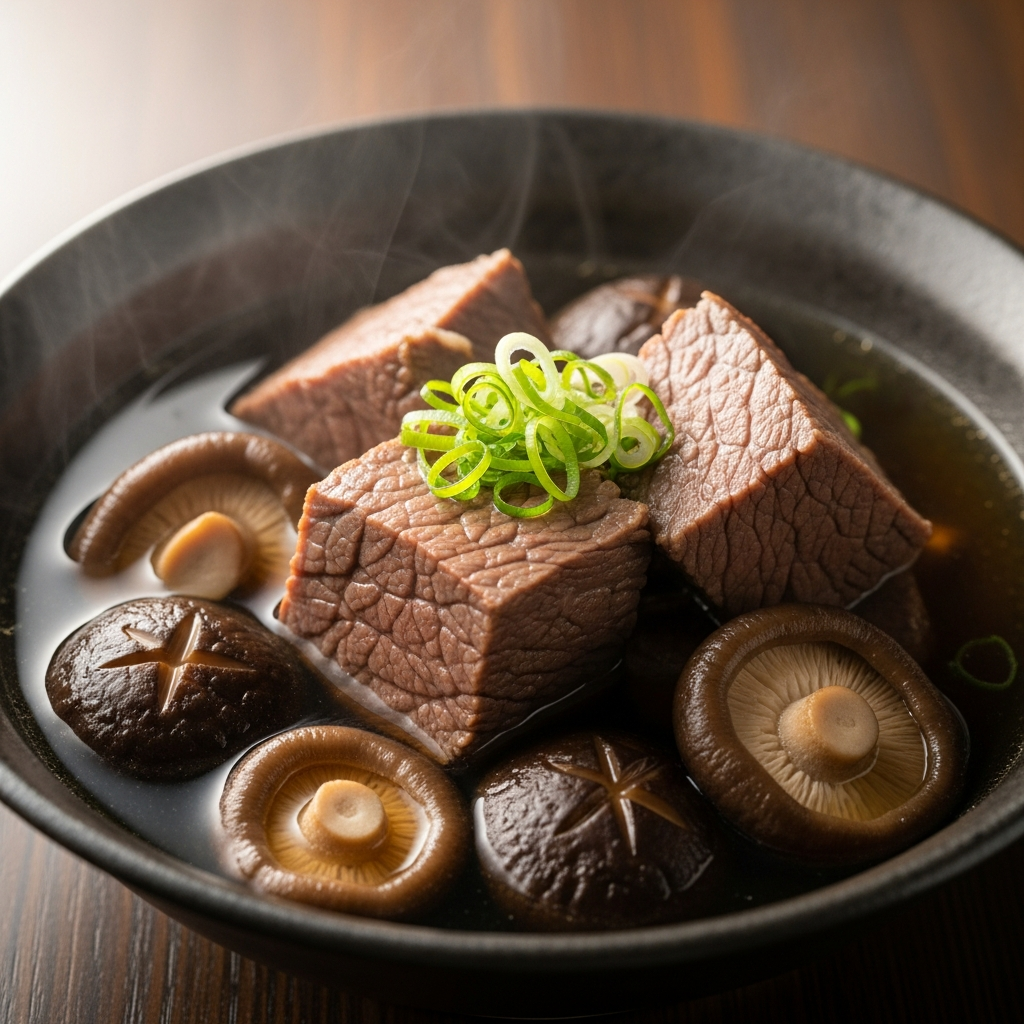
4. Umami Boost with Shiitake Mushrooms
Rehydrated dried shiitake mushrooms are an umami powerhouse. Add a handful of whole or sliced rehydrated shiitakes to the pot along with the beef. The mushroom soaking liquid can also be strained and added to the braising liquid for extra depth.
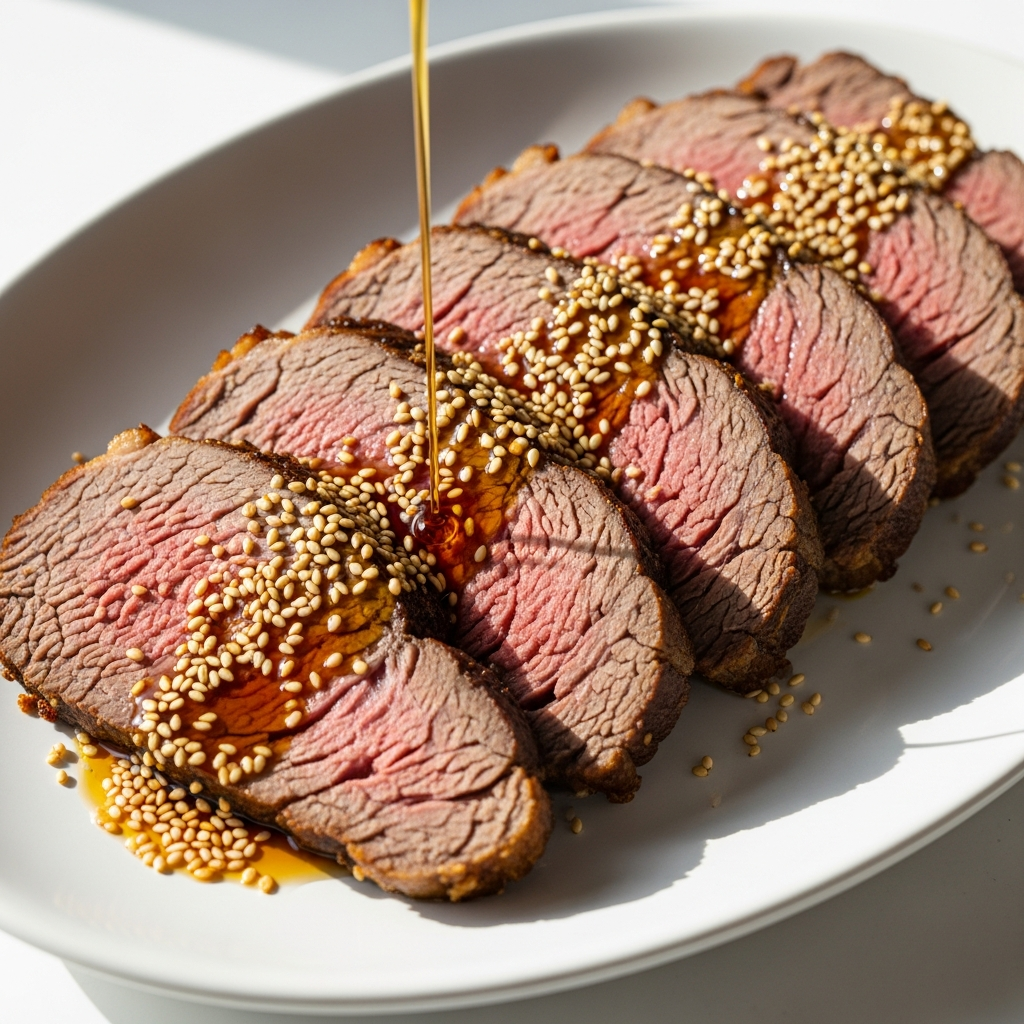
5. Ginger-Sesame Aroma Pot Roast
Really lean into the aromatics! Double the amount of fresh ginger in the marinade. Just before serving, drizzle with an extra teaspoon of toasted sesame oil and sprinkle with a generous amount of fresh julienned ginger and sesame seeds.
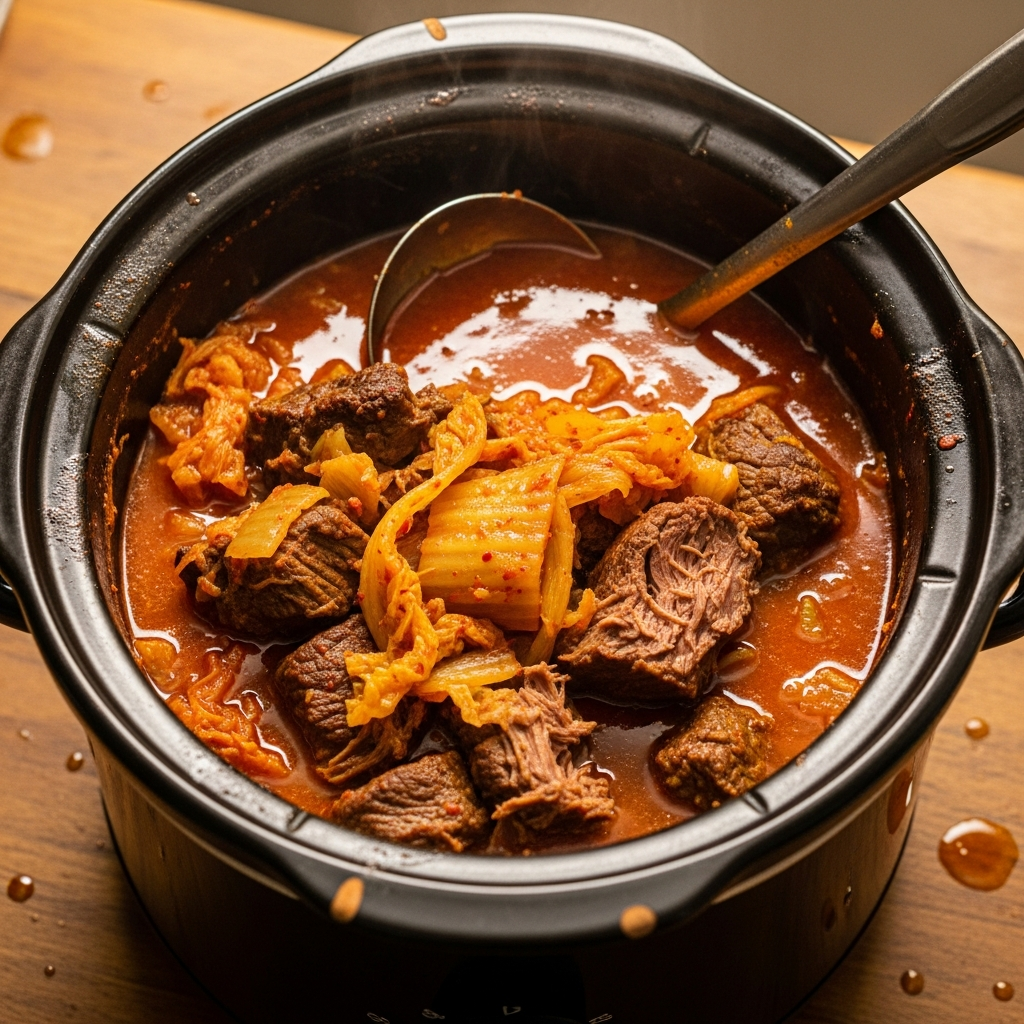
6. Kimchi Stew-Style Pot Roast
This variation adds a tangy, slightly spicy, and deeply fermented flavor. Stir in 1-2 cups of well-fermented kimchi (chopped) and a splash of kimchi juice during the last hour of cooking. The sourness of the kimchi will cut through the richness of the meat beautifully.
7. Bulgogi Inspired Pot Roast
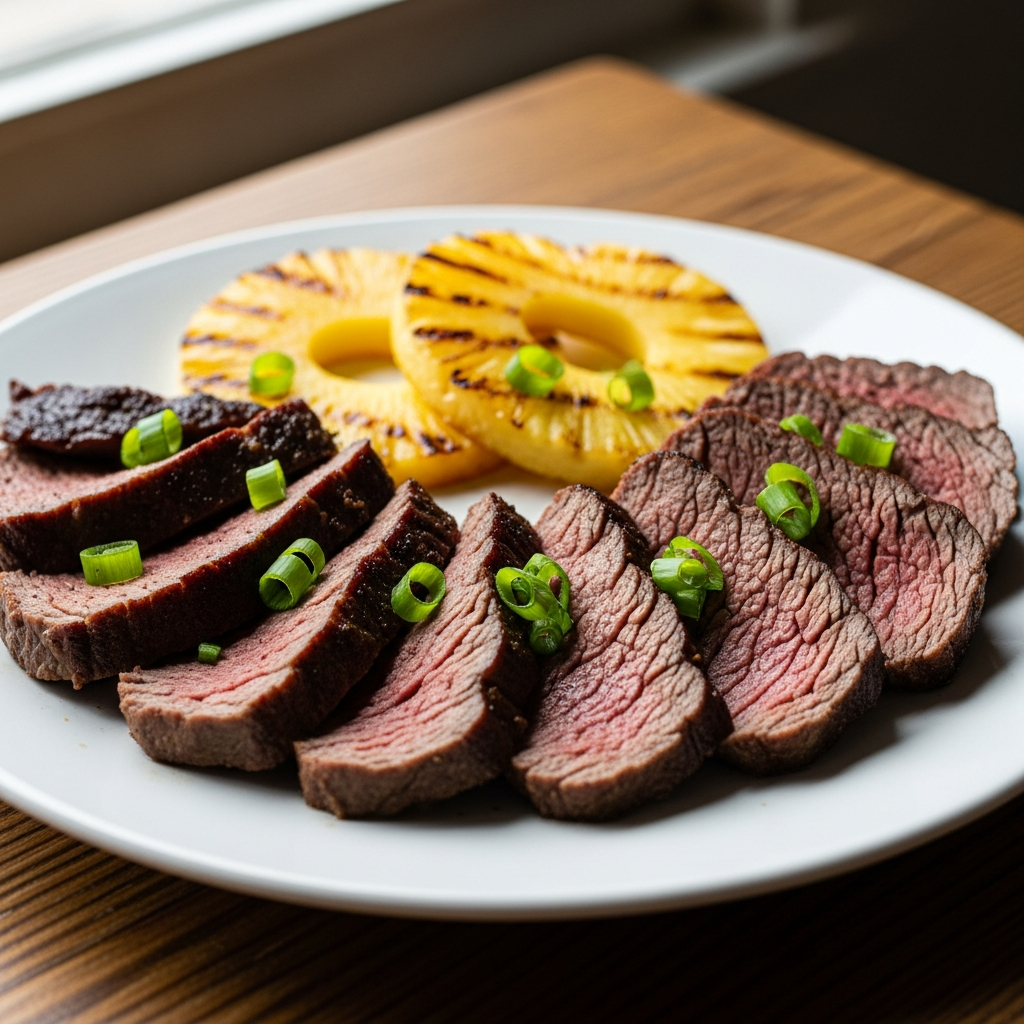
While Bulgogi is typically grilled, you can capture its essence. Ensure the beef is cut into thinner pieces (or shredded after cooking), increase the sweetness slightly, and perhaps add thinly sliced green onions and mushrooms (like enoki or oyster) right before serving.
8. Slightly Smoky Pot Roast
This is a subtle twist. Add just a tiny splash (1/4 teaspoon) of liquid smoke to the braising liquid, or a very small pinch of smoked paprika. This introduces a very gentle, earthy smokiness that complements the savory notes without overpowering the Korean profile.
9. Hearty Vegetable Loaded Pot Roast
Fill your pot! Beyond carrots, daikon, and potatoes, consider adding chunks of sweet potato, bell peppers, or even Napa cabbage wedges during the last phase of cooking. This makes it a complete, one-pot meal packed with nutrients.
10. Pork Belly Pot Roast
Not just for beef! Use thick slices or chunks of pork belly instead of beef chuck roast. The rich, fatty pork belly braises down into an incredibly tender and flavorful dish with the same Korean marinade. It’s wonderfully decadent.
11. Slow Cooker Simplified Pot Roast
For ultimate convenience, this idea emphasizes minimal effort. Skip the searing step altogether. Simply dump all the marinade ingredients, beef, and vegetables into your slow cooker, set it on low for 8 hours, and walk away. It still tastes amazing!
Pro Chef Tips

Want to elevate your Korean pot roast even further? Here are a few secrets from the pros:
* Deglaze the Pan: After searing the beef, add a splash of mirin or broth to the hot pan and scrape up all the browned bits (fond) from the bottom. This adds incredible flavor to your sauce.
* Rest the Meat: Once the pot roast is done, let it rest, covered, for at least 10-15 minutes before serving. This allows the juices to redistribute, ensuring a more tender and moist result.
* Adjust Seasoning at the End: Tastes can change during long cooking. Always taste your sauce at the very end and adjust for salt, sweetness, or spice.
* Use Quality Ingredients: A good quality soy sauce, fresh garlic, and ginger really make a difference in the final flavor.
* Pre-Sautée Vegetables: For extra flavor and to prevent watery vegetables, briefly sauté the hardier vegetables like carrots and daikon before adding them to the pot, especially if using a slow cooker.
Common Mistakes to Avoid

Even seasoned cooks can sometimes make these blunders. Steer clear of them for a perfect pot roast:
* Not Searing the Meat: Skipping the searing step means missing out on a huge layer of savory flavor and color (the Maillard reaction). Try not to skip it if you have the time.
* Overcrowding the Pot: When searing, don’t put too much meat in the pan at once. This steams the meat instead of browning it. Sear in batches.
* Not Enough Liquid: Ensure there’s enough liquid to mostly cover the meat and vegetables for proper braising. This prevents drying out.
* Cooking Too Fast: Pot roast needs low and slow heat to become tender. Rushing the process will result in tough meat.
* Adding Soft Vegetables Too Early: If you add delicate vegetables like bell peppers or mushrooms too early, they’ll turn to mush. Add them towards the end of the cooking time.
* Forgetting to Taste: The sauce is the heart of the dish. Always taste and adjust seasonings before serving.
Storage & Meal Prep

Korean pot roast is a fantastic dish for meal prepping, as it often tastes even better the next day!
* Cool Completely: Before storing, allow the pot roast to cool completely to room temperature. This prevents condensation and keeps it fresh.
* Airtight Containers: Transfer the beef, vegetables, and plenty of sauce into airtight containers.
* Refrigeration: It will keep well in the refrigerator for up to 3-4 days.
* Reheating: Reheat gently on the stovetop over low heat, or in the microwave. Add a splash of water or broth if the sauce has thickened too much.
Make-Ahead & Freezer Notes

This recipe is incredibly freezer-friendly, making it perfect for busy weeks.
* Cook and Cool: Prepare the pot roast fully, then let it cool completely.
* Portion and Freeze: Divide the pot roast (meat, vegetables, and sauce) into individual or family-sized portions in freezer-safe bags or containers.
* Label and Date: Clearly label each container with the date. It can be stored in the freezer for up to 3 months.
* Thawing: Thaw overnight in the refrigerator before reheating. You can also reheat directly from frozen on the stovetop over very low heat, adding a little liquid to prevent sticking.
* Marinade Only: You can also marinate the beef and then freeze it raw in the marinade. Thaw overnight, then proceed with the cooking steps.
Serving Suggestions

A delicious Korean style pot roast deserves to be served with equally delicious accompaniments.
* Steamed Rice: A classic pairing! The rice soaks up all the wonderful sauce.
* Kimchi: A side of spicy, tangy kimchi provides a refreshing contrast to the rich meat.
* Simple Green Salad: A light, fresh salad with a vinaigrette dressing can cut through the richness.
* Blanched Vegetables: Serve with blanched broccoli, spinach, or green beans for extra greens.
* Korean Pickled Radish: These crunchy, slightly sweet and sour pickles are a great palate cleanser.
* Soft Boiled Eggs: A few jammy soft-boiled eggs, sliced in half, can be a delightful addition, soaking up the sauce.
* Garnish: Don’t forget a sprinkle of toasted sesame seeds and fresh chopped green onions for color and flavor.