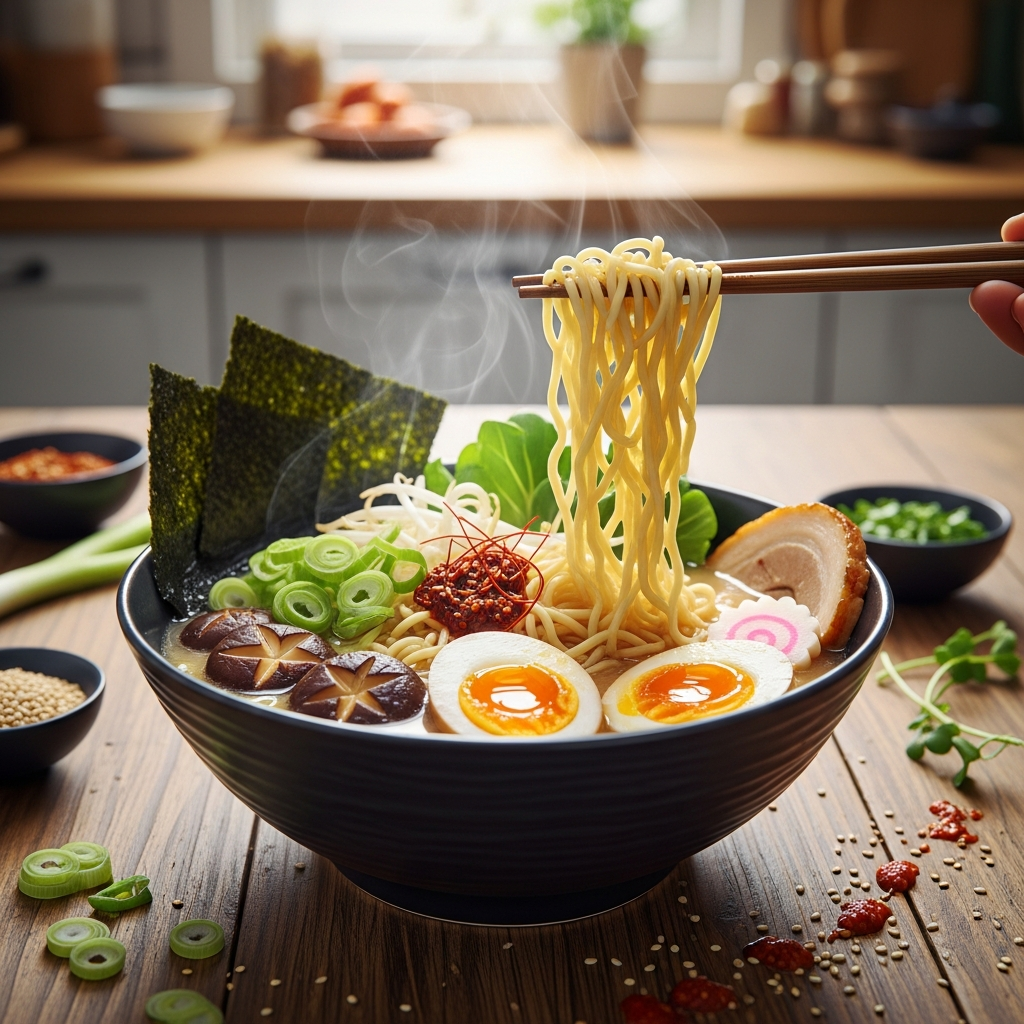
Are you craving something warm, comforting, and incredibly flavorful, but tired of the same old takeout? Well, you’ve come to the right place! Miso noodle bowls are truly a game-changer when it comes to quick, satisfying, and deeply delicious meals you can whip up right in your own kitchen.
Imagine a bowl brimming with slippery noodles, tender vegetables, your favorite protein, all swimming in a rich, umami-packed miso broth. It’s the kind of meal that hugs you from the inside out, and the best part is, it’s surprisingly easy to make.
Forget waiting for delivery or spending too much. With miso noodle bowls, you’re in control of the ingredients, the flavors, and even the speed. We’re about to dive into not just one, but eight amazing ideas that will make your homemade miso noodle bowls truly better than anything you could order out.
Get ready to slurp your way to happiness!
A Little History and Background on Miso

Before we start cooking, let’s appreciate the star of our show: miso. Miso is a traditional Japanese seasoning produced by fermenting soybeans with salt and koji (a fungus often used in Japanese fermentation processes, like making sake and soy sauce). Sometimes rice, barley, or other grains are also included in the fermentation.
This ancient ingredient has been a staple in Japanese cuisine for centuries, not just for its incredible flavor but also for its health benefits. The fermentation process makes miso rich in probiotics, which are fantastic for gut health. It’s a true powerhouse of flavor and nutrition.
There are several types of miso, each with its own unique characteristics. White miso (shiro miso) is typically lighter and sweeter, with a shorter fermentation period. Red miso (aka miso) is fermented longer, resulting in a deeper, saltier, and more robust flavor. Awase miso is a blend of both, offering a balanced profile.
Noodle bowls themselves have a long and storied history across East Asian cultures. From the iconic ramen of Japan to the pho of Vietnam and the countless Chinese noodle dishes, the combination of savory broth, tender noodles, and fresh toppings is a beloved comfort food worldwide. Miso provides a fantastic, deeply umami base for these comforting bowls.
Why You’ll Love These Miso Noodle Bowls

- Incredibly flavorful and comforting: The umami from miso transforms a simple broth into something truly special.
- Easier and faster than ordering takeout: Most of these bowls can be on your table in under 30 minutes.
- Highly customizable to your taste: Easily swap out proteins, veggies, and adjust spice levels.
- Packed with nutritious ingredients: Load up on fresh vegetables and healthy proteins.
- Budget-friendly and satisfying: Making it at home saves money and allows for generous portions.
- Perfect for meal prep: Cook components ahead of time for quick assembly during the week.
- A great way to use up leftover veggies: Almost any vegetable can find a home in a miso noodle bowl.
- Impress your friends and family with homemade deliciousness: They’ll never guess how simple it was!
Essential Ingredient Notes

Let’s talk about the key players that make these bowls so fantastic. Choosing the right ingredients can make all the difference in the final taste and texture of your miso noodle bowl.
Miso Paste
As mentioned, white (shiro), red (aka), and awase miso are your main choices. For a milder, sweeter flavor, go with shiro miso, which is excellent for a light and refreshing bowl. If you prefer a bolder, deeper, and saltier taste, aka miso is your friend. Awase miso offers a balanced, versatile option that works well in most recipes. Don’t be afraid to try different types to find your favorite!
Noodles
The world of noodles is vast and wonderful! Ramen noodles are classic for a reason – their chewy texture is perfect. Udon noodles are thick and wonderfully slurpable, while soba noodles (buckwheat noodles) offer a slightly nutty flavor. For gluten-free options, rice vermicelli or even konjac noodles work beautifully. Always check package directions for cooking times to avoid mushy noodles.
Broth Base
While miso paste is the flavor star, the broth provides the volume. Vegetable broth is a fantastic vegan and vegetarian base, lending a clean flavor. Chicken broth adds a bit more richness and depth. For an authentic Japanese touch, you could even use dashi, a traditional Japanese stock made from kombu (dried kelp) and bonito flakes, though good quality store-bought broth works just as well.
Proteins
This is where you can truly make the bowl your own. Cooked chicken breast, pan-fried tofu, succulent shrimp, thinly sliced pork, or even a perfectly soft-boiled egg are all excellent choices. For plant-based options, tempeh, edamame, or chickpeas also make great additions.
Vegetables
Think color and texture! Sliced mushrooms (shiitake, cremini), baby bok choy, spinach, snap peas, carrots, bell peppers, and corn are all wonderful. Don’t forget your aromatics like fresh ginger and garlic, which build a fantastic flavor foundation.
Toppings and Garnishes
These final touches elevate your bowl. Sliced scallions, toasted sesame seeds, a drizzle of chili oil, nori (seaweed) strips, or a dash of furikake (Japanese seasoning blend) add extra flavor, crunch, and visual appeal.
Equipment You’ll Need

Good news! You don’t need any fancy gadgets to make incredible miso noodle bowls. Chances are, you already have most of these items in your kitchen.
- Large pot or Dutch oven: For simmering your delicious broth.
- Smaller saucepan: Handy for cooking your noodles separately or boiling eggs.
- Sharp knife and cutting board: Essential for prepping all your veggies and protein.
- Strainer or colander: To drain your cooked noodles perfectly.
- Measuring cups and spoons: For precise ingredient measurements.
- Whisk: To smoothly dissolve the miso paste into the broth.
- Serving bowls: Large, deep bowls are ideal for noodle bowls, keeping everything warm and contained.
- Chopsticks or forks: Whatever your preferred utensil for slurping!
Our Base Miso Noodle Bowl Recipe

This recipe serves as your foundation. It’s a simple, delicious base that you can build upon with the exciting variations we’ll explore shortly. Think of it as your blank canvas for miso noodle bowl greatness!
Ingredients (Serves 2)
- 1 tablespoon sesame oil
- 2 cloves garlic, minced
- 1 inch fresh ginger, grated (about 1 tablespoon)
- 6 cups vegetable or chicken broth (low sodium preferred)
- 1/4 cup white (shiro) miso paste
- 1 tablespoon soy sauce (or tamari for gluten-free)
- 1 teaspoon rice vinegar
- 2 servings ramen or udon noodles (about 4-5 oz dried)
- 2 cups mixed vegetables (e.g., sliced mushrooms, baby bok choy, fresh spinach)
- 1 cup cooked protein (e.g., sliced chicken breast, firm tofu cubes, shelled edamame)
- For garnish: sliced scallions, toasted sesame seeds, a drizzle of chili oil (optional)
Instructions
- Get your prep done: Mince the garlic, grate the ginger, slice your chosen vegetables, and prepare your protein if it’s not already cooked.
- Start the broth: In a large pot or Dutch oven, heat the sesame oil over medium heat. Add the minced garlic and grated ginger. Sauté for about 1 minute until fragrant, being careful not to let them burn.
- Add the main broth: Pour in the 6 cups of vegetable or chicken broth. Bring the broth to a gentle simmer. Do not bring it to a rolling boil just yet.
- Prepare the miso: In a small bowl, scoop out your miso paste. Ladle a small amount (about 1/4 cup) of the warm broth from the pot into the bowl with the miso. Whisk vigorously until the miso paste is completely smooth and dissolved. This prevents lumps in your soup.
- Combine flavors: Stir the dissolved miso mixture back into the large pot of broth. Add the soy sauce and rice vinegar. Taste the broth and adjust seasonings as needed – perhaps a little more soy sauce or a splash more vinegar.
- Gentle simmer: Keep the broth warm over very low heat. It’s important not to boil the broth once the miso is added, as high heat can diminish the delicate flavor and beneficial probiotics of the miso.
- Cook the noodles: In a separate pot of boiling water, cook your ramen or udon noodles according to the package directions. Drain them well once cooked.
- Warm the additions: Add your mixed vegetables to the simmering miso broth and cook for 2-3 minutes, just until they are tender-crisp. If using, add your cooked protein to the broth during the last minute to warm through.
- Assemble and serve: Divide the cooked noodles evenly among two large serving bowls. Ladle the hot miso broth, vegetables, and protein over the noodles. Garnish generously with fresh sliced scallions, a sprinkle of toasted sesame seeds, and a drizzle of chili oil if you enjoy a little heat. Serve immediately and savor every delicious spoonful!
Recipe Notes
- Always dissolve miso paste in a small amount of broth first to ensure a smooth, lump-free soup base.
- Avoid boiling the broth once miso is added. High heat can reduce the probiotic benefits and alter miso’s delicate flavor profile.
- Feel free to experiment with different types of miso for varied flavor profiles. White miso is milder, while red miso offers a more intense, robust taste.
8 Miso Noodle Bowl Ideas Better Than Takeout: Tips and Variations

Now for the exciting part – taking our base recipe and turning it into something truly extraordinary! Here are 8 creative ideas to inspire your next miso noodle bowl masterpiece. You’ll be amazed at the variety you can achieve with just a few tweaks.
1. Spicy Kimchi & Pork Miso Noodle Bowl
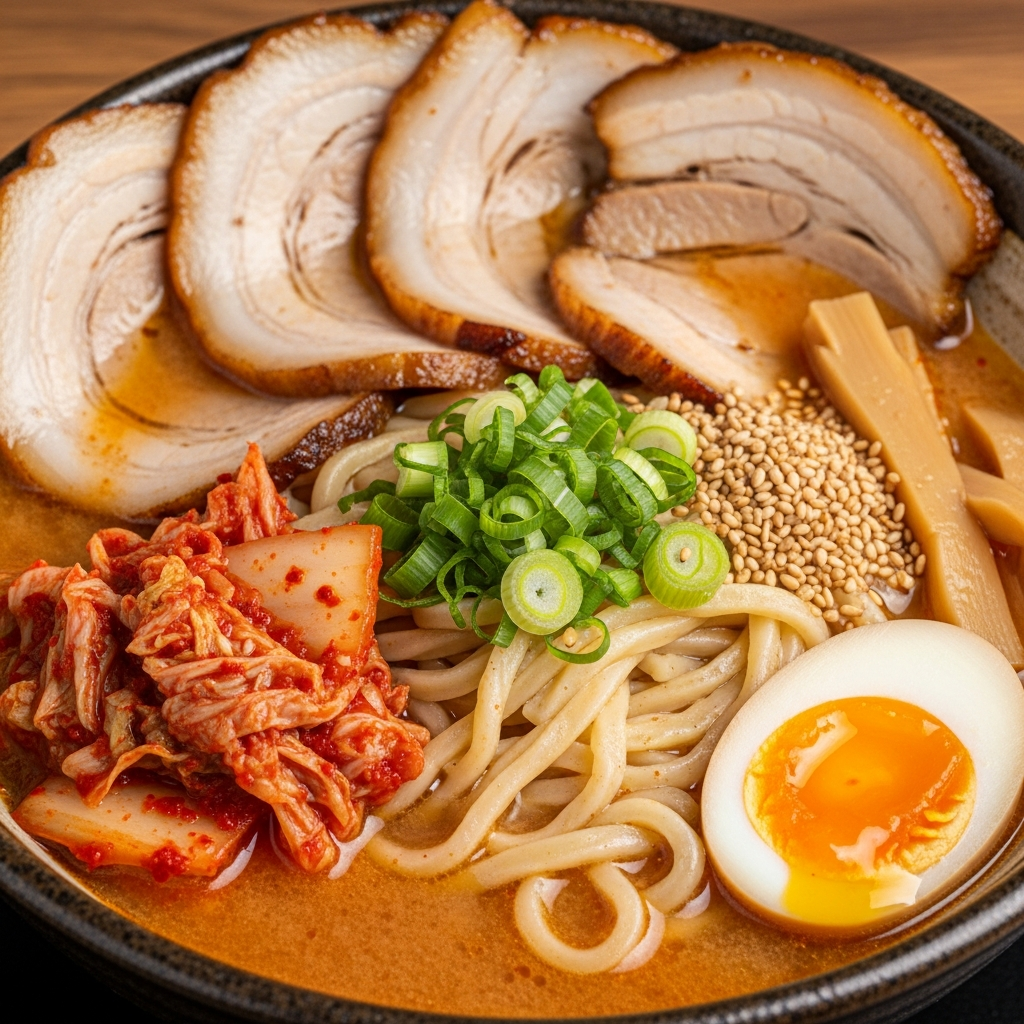
For those who love a bit of heat and fermented goodness, this variation is a winner. Start by adding 1-2 tablespoons of gochujang (Korean chili paste) to your aromatics along with the garlic and ginger, stirring it in for a minute before adding the broth. This ‘blooms’ the spice and deepens its flavor.
Once the broth is simmering with the miso, stir in 1/2 cup of kimchi and 1 cup of thinly sliced, cooked pork (pork belly or shoulder work wonderfully). Let it warm through. Garnish with extra kimchi, fresh cilantro, and a poached egg for an extra layer of richness.
2. Creamy Coconut Curry Miso Noodle Bowl
Transport your taste buds to Thailand with this rich and aromatic bowl. Reduce the regular broth to 4 cups, and add 1 can (13.5 oz) of full-fat coconut milk along with the broth. Before adding the miso, stir in 1-2 tablespoons of red or yellow curry paste with your ginger and garlic for a minute until fragrant.
This creates a wonderfully creamy and spicy-sweet base. Add cooked chicken, chickpeas, or shrimp as your protein. Finish with a squeeze of fresh lime juice and a generous sprinkle of chopped fresh cilantro for brightness.
3. Roasted Mushroom Umami Bomb
If you’re an umami enthusiast, this bowl is for you. Instead of just simmering the mushrooms, roast 2 cups of mixed mushrooms (shiitake, cremini, oyster) with a drizzle of olive oil, a pinch of salt, and a dash of soy sauce at 400F (200C) for 15-20 minutes until deeply golden and flavorful. Add these roasted mushrooms to your bowl at the very end.
For extra depth, consider using a red miso paste, and a tiny dash of truffle oil or a pinch of dried mushroom powder in the broth. This will truly amplify that savory, earthy goodness. Keep it vegetarian or add some seared scallops.
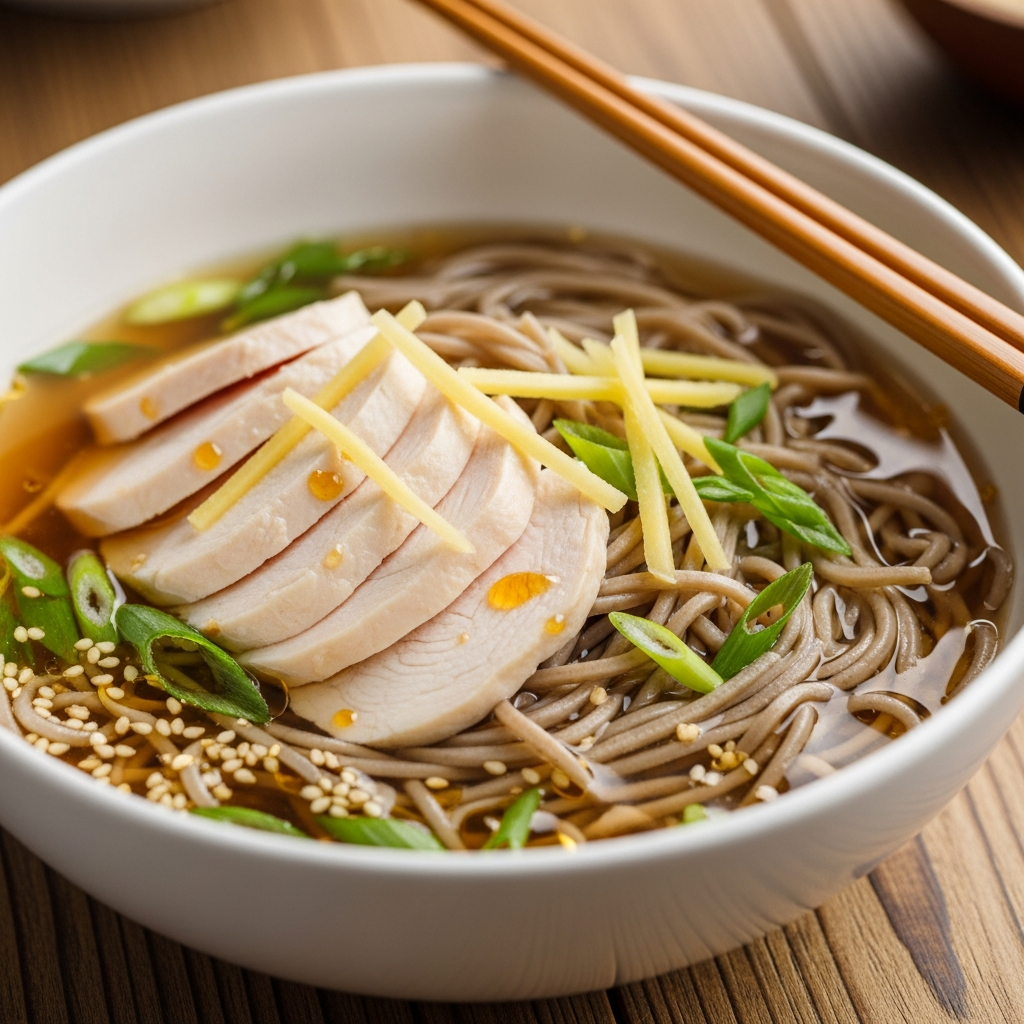
4. Tangy Lemon-Ginger Chicken Miso
This lighter, zesty option is perfect for when you want something refreshing but still comforting. Double the amount of grated ginger in the initial step (2 inches) and also add a tablespoon of fresh lemon zest with the aromatics.
Use shredded cooked chicken breast as your protein. Once the bowl is assembled, squeeze in the juice of half a lemon right before serving. Garnish with extra fresh ginger matchsticks and plenty of finely chopped fresh parsley or chives for a truly bright finish.
5. Tofu & Edamame Green Goddess Bowl
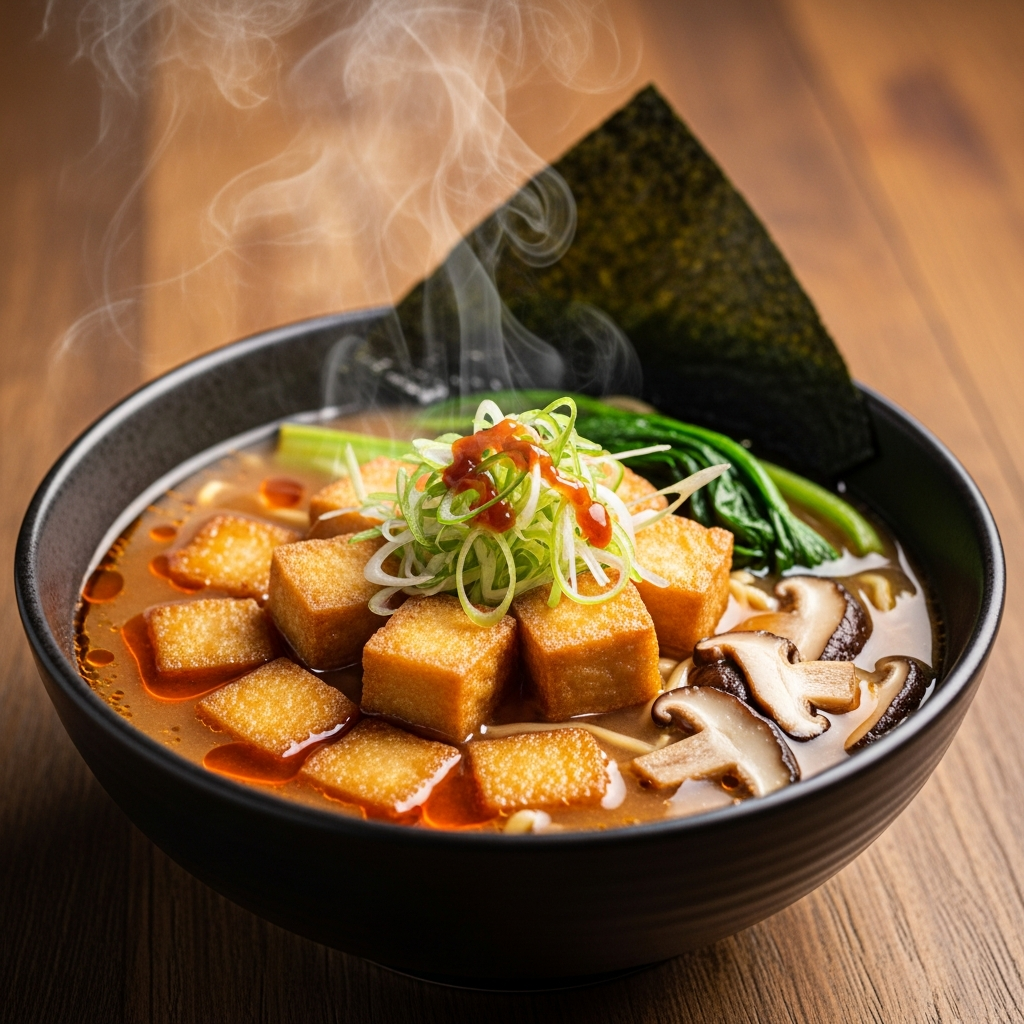
A beautiful and nutritious plant-based option. Press a block of firm or extra-firm tofu, then cut into cubes and pan-fry until golden and crispy. Add these to your bowl just before serving.
For the vegetables, focus on green powerhouses: shelled edamame (added with the other veggies), baby spinach, blanched broccoli florets, and extra bok choy. A lighter shiro miso works well here. Garnish with microgreens for an extra fresh pop.
6. Sesame Peanut Crunch Bowl
Turn your miso bowl into a creamy, nutty, and satisfying experience. After adding the miso mixture, whisk in 2 tablespoons of smooth peanut butter and 1 tablespoon of sesame paste (tahini works too) into the simmering broth until fully dissolved and smooth.
This will create a richer, thicker broth. Top with roasted peanuts for crunch, a swirl of sriracha or homemade chili oil, and a crisp slaw of shredded carrots and cucumbers for texture contrast. Cooked ground pork or chicken pairs well with this flavor profile.
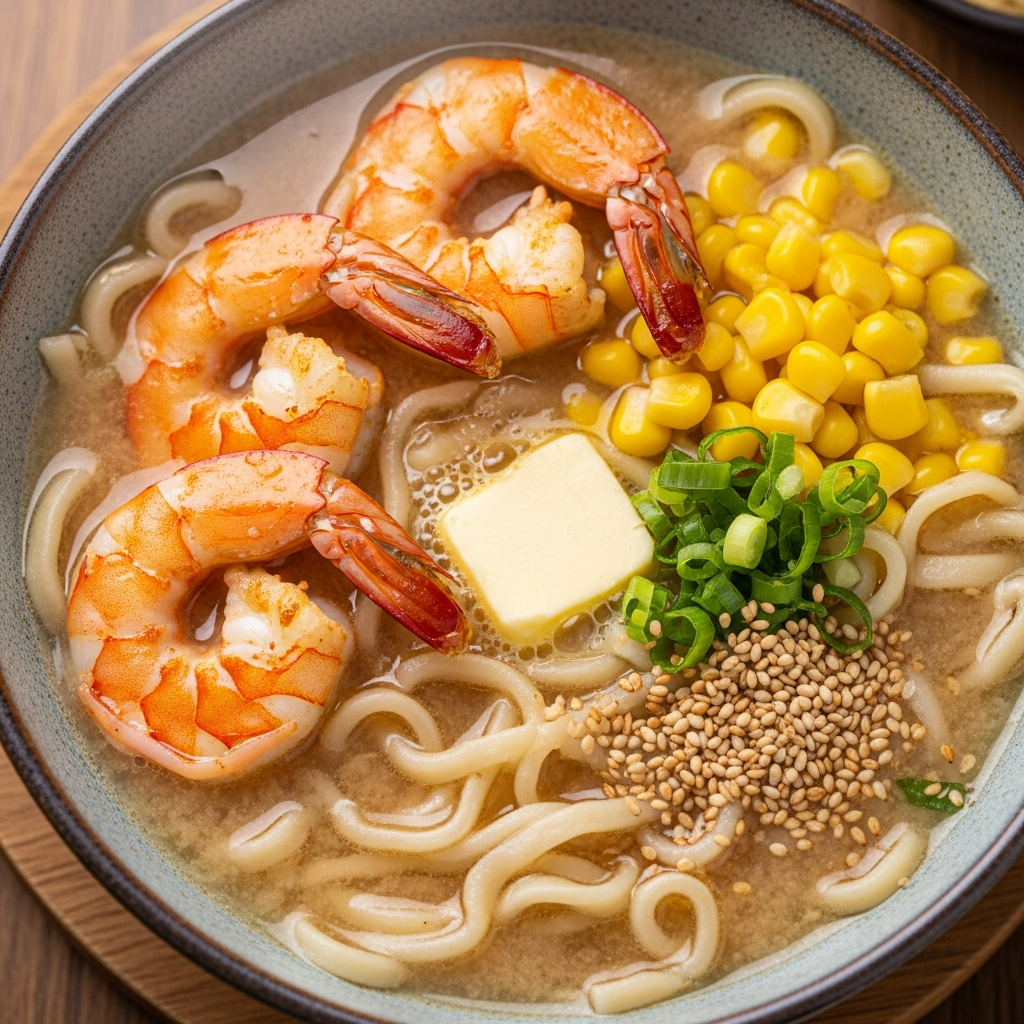
7. Shrimp and Scallion Delight
A quick and elegant option, perfect for seafood lovers. Sauté fresh shrimp separately with a little garlic and a splash of sake or white wine until just pink and cooked through, then add them to your assembled bowls.
This bowl thrives on freshness, so use plenty of sliced green scallions (both white and green parts) as a garnish. Strips of toasted nori seaweed and a sprinkle of shichimi togarashi (Japanese seven-spice blend) add an authentic touch.
8. Hearty Root Vegetable Harvest Bowl
For a truly warming and substantial meal, especially in colder months, embrace hearty root vegetables. Roast cubes of sweet potato, carrots, parsnips, and even turnips with a little olive oil, salt, and pepper until tender and caramelized.
Use a robust red (aka) miso paste for a deeper broth flavor that stands up to the earthy vegetables. Add a handful of fresh kale or collard greens to the broth for the last few minutes of cooking until wilted. This bowl is satisfying on its own, or you can add some grilled halloumi cheese for extra protein.
Pro Chef Tips for Next-Level Bowls

Want to elevate your miso noodle bowls from good to gourmet? Here are a few secrets from the pros that will make a noticeable difference in your cooking.
- Toast your aromatics: Don’t just cook garlic and ginger; let them gently toast in the oil until deeply fragrant. This builds a much richer base flavor.
- Bloom your spices: If you’re adding curry paste or any dry spices (like in the coconut curry variation), cook them briefly in the oil with the aromatics before adding liquid. This releases their full flavor potential.
- Layer your flavors: Good soup isn’t just about throwing ingredients together. Taste and adjust at every step. A little soy sauce, a touch of vinegar, a pinch of salt – these small adjustments build complex, well-rounded flavors.
- Miso quality matters: Just like coffee or wine, the quality of your miso paste can significantly impact the taste. Invest in a good brand from an Asian market or specialty grocery store for the best results.
- Fresh herbs are key: Adding fresh herbs like cilantro, scallions, or chives right at the end adds a burst of freshness and aroma that brightens the entire dish. Don’t skip them!
Common Mistakes to Avoid

Even the simplest recipes can have pitfalls. Steer clear of these common mistakes to ensure your miso noodle bowls are always a success.
- Boiling miso broth: As mentioned, never let your miso broth come to a rolling boil after the miso paste has been added. It will degrade the miso’s delicate flavor and beneficial enzymes.
- Overcooking noodles: Mushy noodles are nobody’s friend. Cook them separately according to package directions and drain immediately. They’ll continue to cook slightly when the hot broth is added.
- Skipping seasoning adjustments: Always taste your broth before serving. A little pinch of salt, a dash more soy sauce, or a squeeze of lime can transform a good broth into a great one.
- Using old or stale ingredients: While resourceful, ingredients past their prime, especially vegetables, can dull the flavor of your fresh bowl. Use fresh, vibrant produce whenever possible.
- Not dissolving miso properly: If you just plop miso paste directly into hot broth, it can clump up. Always whisk it with a small amount of warm broth first for a smooth consistency.
Storage & Meal Prep

Miso noodle bowls are fantastic for meal prepping, but there’s a trick to keeping everything fresh and delicious. The key is to store the components separately.
Store your prepared miso broth in an airtight container in the refrigerator for up to 3-4 days. Cooked noodles, vegetables, and protein should also be stored in separate airtight containers. This prevents the noodles from becoming soggy and the vegetables from getting too soft.
When you’re ready to enjoy, gently reheat the broth on the stovetop. Quickly cook fresh noodles (or briefly reheat pre-cooked ones), then assemble your bowl with the warmed protein and vegetables. Add fresh garnishes just before serving.
Make-Ahead & Freezer Notes

Making ahead can save you even more time during busy weeknights. Your miso broth is the best candidate for freezing. Prepare a larger batch of the broth (without adding noodles or vegetables), let it cool completely, then freeze it in individual portions in freezer-safe bags or containers for up to 2-3 months.
You can also chop all your vegetables in advance and store them in the fridge, ready to be added to the hot broth. Cooked proteins like shredded chicken or pan-fried tofu can also be prepped days ahead.
However, it is generally best to cook your noodles fresh just before serving. Freezing cooked noodles, especially thin ones, often results in a mushy texture when reheated.
Having these components ready means you can have a gourmet miso noodle bowl on the table almost instantly, making homemade even more convenient than takeout.
Perfect Serving Suggestions

A miso noodle bowl is a complete meal on its own, but a few thoughtful additions can make it an even more delightful experience.
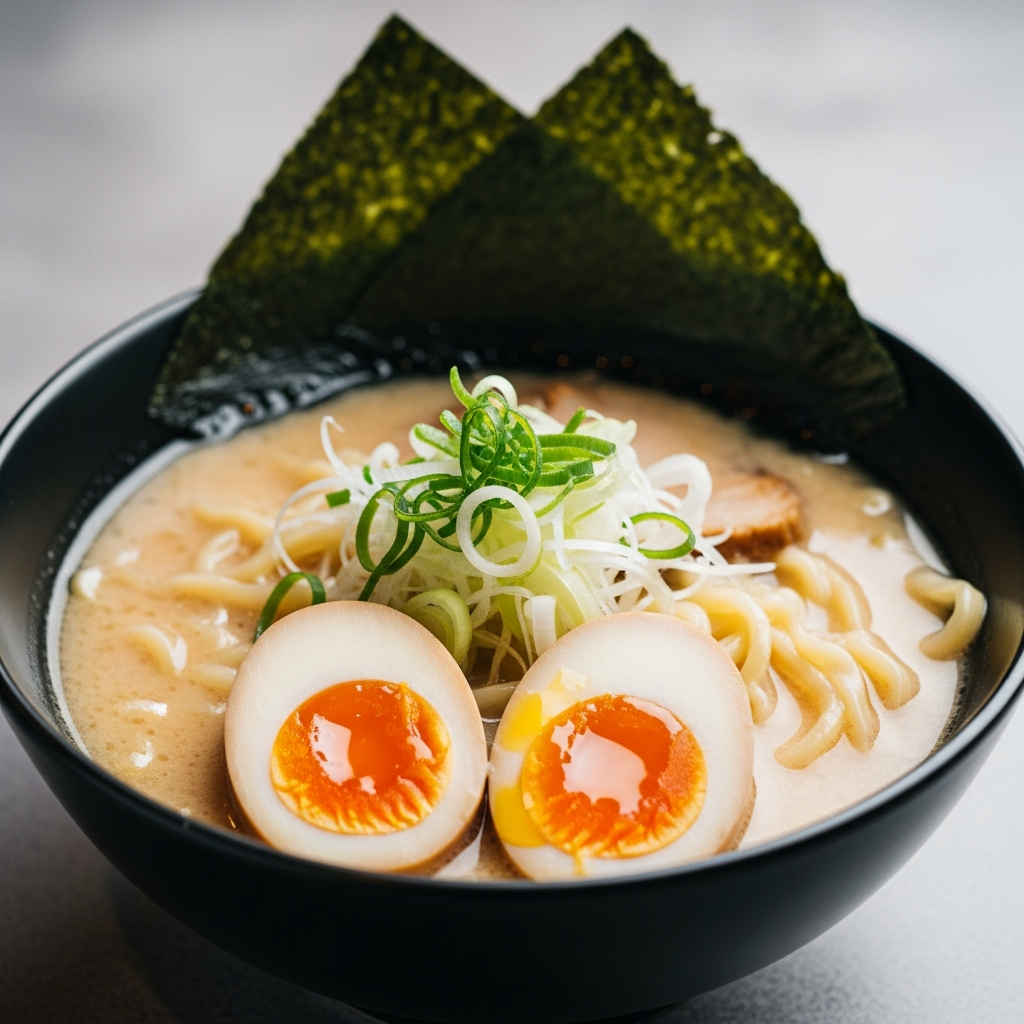
- A soft-boiled egg (Ajitama): Marinate a jammy soft-boiled egg in soy sauce and mirin for a few hours for a classic ramen topping.
- Steamed edamame: A simple, healthy, and satisfying appetizer to munch on before or with your bowl.
- Gyoza or dumplings: Pan-fried or steamed dumplings make an excellent side dish, perfect for dipping in the miso broth.
- Nori seaweed: A sheet of toasted nori, crumbled or cut into strips, adds a lovely oceanic flavor and crunch.
- Extra chili oil or sriracha: For those who crave more heat, a little extra spice is always welcome.