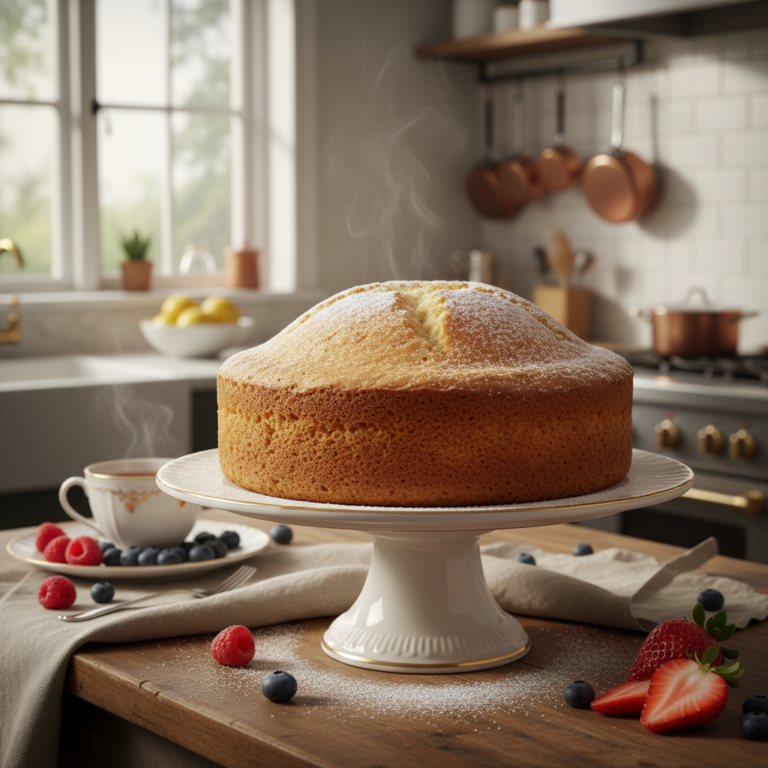
Easter is a time for joy, renewal, and, of course, delicious treats! And what could be more central to an Easter feast than a show-stopping cake? If the thought of baking a holiday centerpiece feels a little daunting, don’t worry. You’ve come to the right place! We’re here to guide you through creating an Easter cake that’s not just beautiful but also incredibly simple and satisfying to bake. Get ready to impress your family and friends with a dessert that tastes as good as it looks, bringing smiles and sweet memories to your celebration.
History and Background of Easter Cakes

The tradition of baking special cakes for Easter stretches back centuries, deeply rooted in various cultures and religious customs. Historically, cakes and sweet breads were often prepared after the Lenten fast, marking a joyous return to richer foods. Many early Easter cakes were symbolic, incorporating ingredients like eggs and butter that represented new life and abundance.
For instance, in some European traditions, cakes might be shaped like lambs or feature decorations symbolizing spring. Marzipan, a sweet almond paste, became a popular element, often molded into decorative figures. Over time, these traditions evolved, and while the specific recipes vary widely from country to country – from Italian Colomba di Pasqua to British Simnel cake – the spirit remains the same: to share a special, celebratory dessert that embodies the warmth and hope of the season. Our recipe draws on this rich history, offering a modern, approachable take on a timeless Easter delight.
Why You’ll Love This Recipe

- Beginner-Friendly This recipe is designed with simplicity in mind, perfect for new bakers.
- Deliciously Moist Every bite promises a tender, flavorful experience.
- Visually Stunning Easy decorating tips help you create a beautiful centerpiece.
- Customizable Endless possibilities for variations to suit your taste.
- Perfect for Sharing Large enough to serve a crowd at your Easter gathering.
Ingredient Notes

Great baking starts with great ingredients. Here’s a quick guide to what you’ll need and why each component is important for our Easter cake:
- All-Purpose Flour The structure of our cake. Sifting it ensures a lighter texture.
- Granulated Sugar Provides sweetness and helps with moisture and tenderness.
- Baking Powder and Baking Soda These leavening agents give the cake its lift and airy texture. Ensure they are fresh!
- Salt Balances the sweetness and enhances all the other flavors.
- Unsalted Butter Adds richness, flavor, and moisture. Make sure it’s softened to room temperature for easier creaming.
- Large Eggs Act as a binder, add richness, and contribute to the cake’s structure and moisture. Room temperature eggs emulsify better with butter and sugar.
- Whole Milk Contributes to the cake’s tenderness and moisture. Room temperature milk prevents the batter from seizing.
- Vanilla Extract A classic flavor enhancer that complements almost any cake. Use pure vanilla for the best taste.
- Lemon Zest (Optional but recommended) Brightens the flavor profile, adding a subtle spring-like tang.
- Powdered Sugar For the frosting. It dissolves easily, creating a smooth, creamy texture.
- Cream Cheese (For frosting) Gives the frosting its signature tangy flavor and rich creaminess. Ensure it’s softened.
Equipment Needed
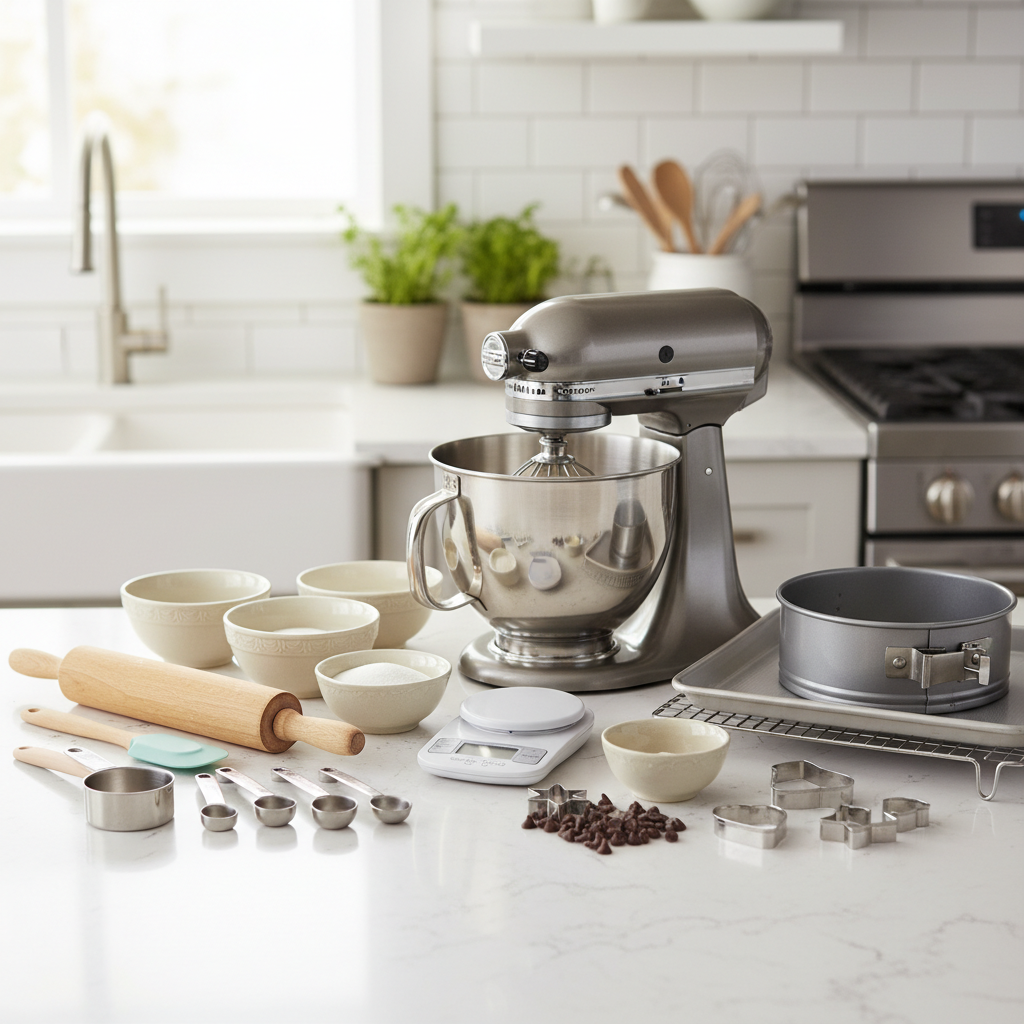
Having the right tools makes baking a breeze. Here’s what you’ll need to make your Easter cake a success:
- Two 8-inch or 9-inch Round Cake Pans Essential for baking even layers. Prepare them by greasing and flouring, or lining with parchment paper.
- Large Mixing Bowls You’ll need at least two—one for dry ingredients, one for wet.
- Electric Mixer (Stand or Handheld) Crucial for creaming butter and sugar and whipping up the frosting.
- Whisk For combining dry ingredients and light mixing.
- Rubber Spatula For scraping down bowls and gently folding ingredients.
- Measuring Cups and Spoons Accuracy is key in baking!
- Wire Rack For cooling the cake layers completely.
- Offset Spatula or Butter Knife For spreading frosting smoothly.
- Parchment Paper (Optional but highly recommended) For lining cake pans to prevent sticking.
- Sifter or Fine-Mesh Sieve For sifting flour and powdered sugar.
Full Recipe Card

Ingredients
- 2½ cups (300g) all-purpose flour, sifted
- 1½ cups (300g) granulated sugar
- 1 tablespoon baking powder
- ½ teaspoon baking soda
- ½ teaspoon salt
- 1 cup (226g) unsalted butter, softened
- 4 large eggs, room temperature
- 1 cup (240ml) whole milk, room temperature
- 2 teaspoons pure vanilla extract
- 1 tablespoon lemon zest (optional)
- For the Cream Cheese Frosting:
- 8 ounces (226g) cream cheese, softened
- ½ cup (113g) unsalted butter, softened
- 4-5 cups (480-600g) powdered sugar, sifted
- 1 teaspoon pure vanilla extract
- 1-2 tablespoons milk or cream (if needed)
Instructions
- Preheat Oven and Prepare Pans Preheat your oven to 350°F (175°C). Grease and flour two 8-inch or 9-inch round cake pans, or line the bottoms with parchment paper circles.
- Combine Dry Ingredients In a large bowl, whisk together the sifted flour, granulated sugar, baking powder, baking soda, and salt.
- Cream Butter and Sugar In a separate large bowl, using an electric mixer, cream the softened butter until light and fluffy (about 2-3 minutes). Gradually add the granulated sugar, beating until the mixture is pale and fluffy (another 3-5 minutes).
- Add Eggs and Vanilla Beat in the eggs one at a time, mixing well after each addition. Scrape down the sides of the bowl as needed. Stir in the vanilla extract and lemon zest (if using).
- Alternate Dry and Wet Ingredients With the mixer on low speed, gradually add the dry ingredients to the wet ingredients in three additions, alternating with the milk in two additions. Begin and end with the dry ingredients. Mix until just combined; do not overmix.
- Bake the Cake Divide the batter evenly between the prepared cake pans. Bake for 28-35 minutes, or until a wooden skewer inserted into the center comes out clean.
- Cool Completely Let the cakes cool in the pans for 10-15 minutes before inverting them onto a wire rack to cool completely. Ensure they are fully cooled before frosting.
- Make the Cream Cheese Frosting In a large bowl, beat the softened cream cheese and butter with an electric mixer until smooth and creamy. Gradually add the sifted powdered sugar, one cup at a time, beating until fully incorporated and smooth. Stir in the vanilla extract. If the frosting is too thick, add milk or cream one tablespoon at a time until desired consistency is reached.
- Assemble and Frost Once the cake layers are completely cool, place one layer on your serving plate. Spread a generous amount of frosting on top. Place the second cake layer on top and frost the top and sides of the entire cake.
- Decorate and Serve Decorate with your favorite Easter candies, edible flowers, or sprinkles. Chill for at least 30 minutes before slicing and serving. Enjoy your beautiful Easter creation!
Recipe Notes
- Room Temperature Ingredients This is key for a smooth, emulsified batter and fluffy cake.
- Do Not Overmix Overmixing develops gluten, leading to a tough cake. Mix until just combined.
- Sifting Flour Helps to aerate the flour, preventing lumps and resulting in a lighter cake.
- Cool Completely Before Frosting Frosting a warm cake will cause the frosting to melt and slide off.
Tips and Variations

Ready to make this Easter cake truly your own? Here are some delightful tips and variations to inspire you:
- Citrus Burst Add the zest of an orange or lime along with the lemon for a brighter, more complex citrus flavor. You can also add a tablespoon of fresh citrus juice to the batter.
- Almond Delight Replace half of the vanilla extract with almond extract for a delicate, nutty flavor. You can also add a few drops of almond extract to the frosting.
- Coconut Dream Fold in ½ cup of shredded unsweetened coconut to the batter for a tropical twist. Garnish the finished cake with toasted coconut flakes.
- Berry Bliss Gently fold in 1 cup of fresh or frozen (not thawed) berries like raspberries or blueberries into the batter just before baking.
- Carrot Cake Style Add 1 cup of finely grated carrots, ½ cup of chopped pecans or walnuts, and a teaspoon of cinnamon and a pinch of nutmeg to the dry ingredients for a subtle carrot cake vibe.
- Chocolate Swirl Swirl in ½ cup of melted and slightly cooled dark chocolate into a portion of the batter before pouring into pans for a marbled effect.
- Different Frostings While cream cheese frosting is classic, you could also use a simple buttercream, a lemon glaze, or even a rich chocolate ganache.
- Decorating Fun Use edible glitter, pastel sprinkles, mini chocolate eggs, fresh berries, or even edible flowers to make your cake extra festive. Consider piping decorative borders or creating a nest design on top.
Pro Chef Tips

Elevate your baking game with these insider tips from the pros:
- Measure Precisely For best results, use a kitchen scale to measure your dry ingredients, especially flour. Volume measurements can be inconsistent.
- Temperature Matters Ensure all your cold ingredients (butter, eggs, milk, cream cheese) are truly at room temperature. This allows them to emulsify properly, creating a smooth, homogenous batter and frosting.
- Don’t Peek Too Early Resist the urge to open the oven door during the first 20-25 minutes of baking. This can cause the cake to sink in the middle.
- Invest in Good Parchment Paper It’s a small investment that guarantees your cakes won’t stick, making removal and cooling much easier.
- Level Your Cakes For a professional look, once cooled, use a serrated knife or a cake leveler to gently trim any domed tops from your cake layers. This creates flat surfaces for stacking.