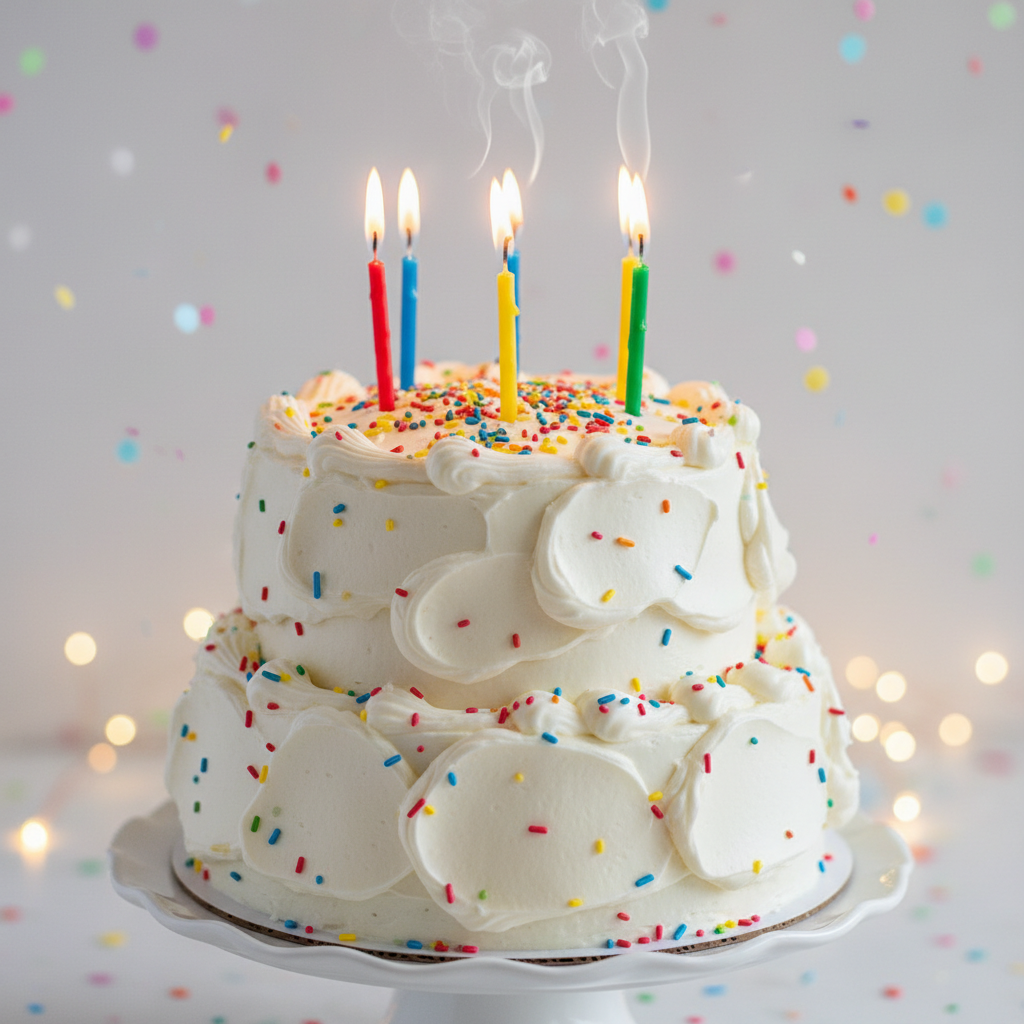
There’s something truly magical about a homemade birthday cake. It’s more than just a dessert; it’s a centerpiece of joy, a symbol of celebration, and a sweet memory in the making. And when it comes to classic birthday cakes, a soft, tender white cake topped with creamy frosting is an absolute timeless favorite. Forget those dry, crumbly cakes from the past; this recipe will guide you to baking a show-stopping, melt-in-your-mouth white cake that will have everyone asking for a second slice!
If you’ve ever felt intimidated by baking a cake from scratch, don’t worry! This recipe is designed with beginners in mind, breaking down each step into simple, easy-to-understand instructions. We’ll cover everything from selecting the right ingredients to frosting your masterpiece, ensuring your birthday cake dreams come true. Get ready to fill your kitchen with the irresistible aroma of vanilla and create a truly special treat for your next celebration!
History / Background of White Cake
The white cake, with its elegant appearance and delicate flavor, has a rich history deeply intertwined with celebratory traditions. Originally, cakes were often dense and fruit-laden, a far cry from the light, airy confections we enjoy today. The evolution of the white cake truly began with the refinement of ingredients like bleached flour and granulated sugar, which allowed for a lighter crumb and a purer white color.
In the 19th century, as baking soda and baking powder became more widely available, cakes became much fluffier and rose higher. White cakes, specifically, gained popularity as a symbol of purity and elegance, making them a popular choice for weddings and, of course, birthdays. The absence of egg yolks, which would add color, was key to achieving that pristine white hue. Over time, recipes were perfected, focusing on tender crumbs, balanced sweetness, and that beloved vanilla flavor, cementing the white cake’s status as a beloved classic.
Why You’ll Love This Recipe
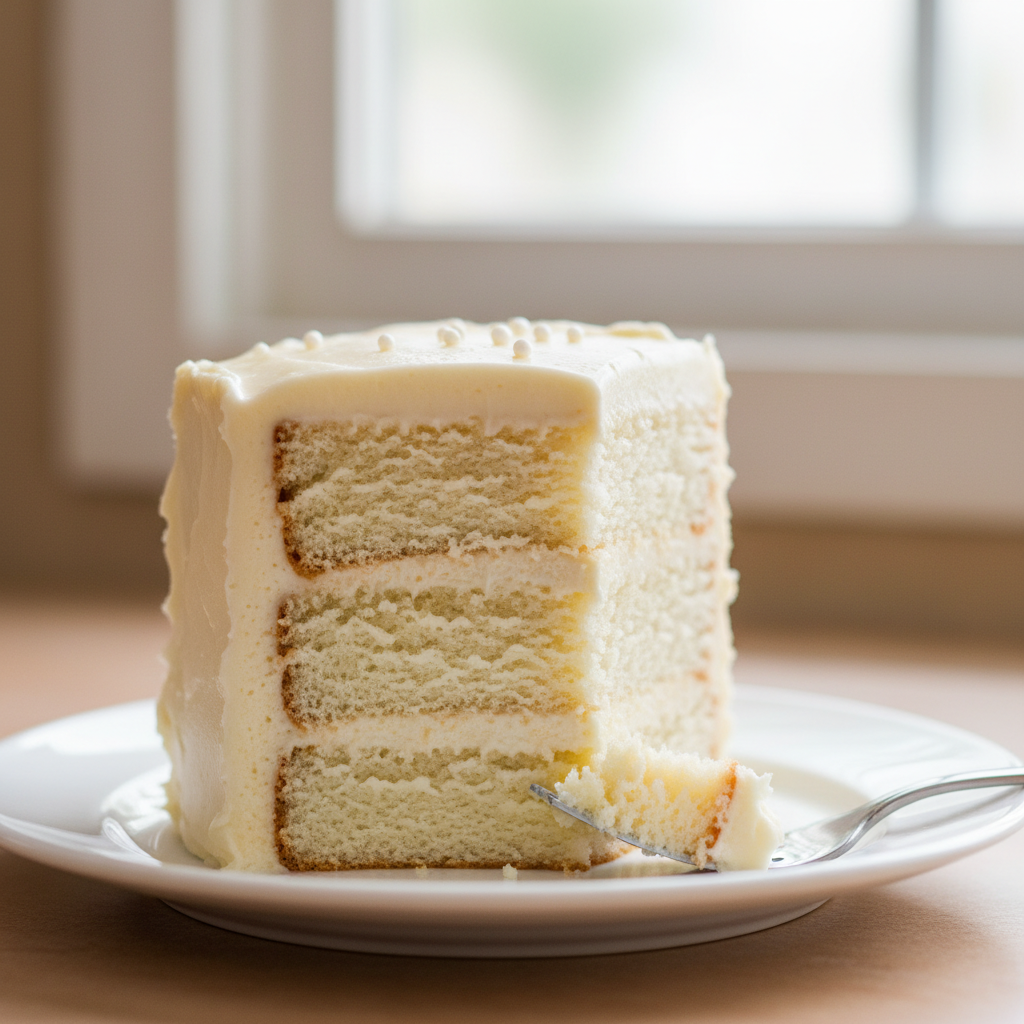
- Incredibly Soft and Moist No more dry cake disasters! This recipe yields a wonderfully tender crumb.
- Simple Ingredients You likely have most of these staples in your pantry already.
- Beginner-Friendly Detailed instructions make it easy for even novice bakers.
- Perfect for Any Occasion While ideal for birthdays, it’s great for any celebration.
- Customizable Easy to adapt with different frostings and decorations.
- Delicious Vanilla Flavor A classic taste that everyone adores.
Ingredient Notes
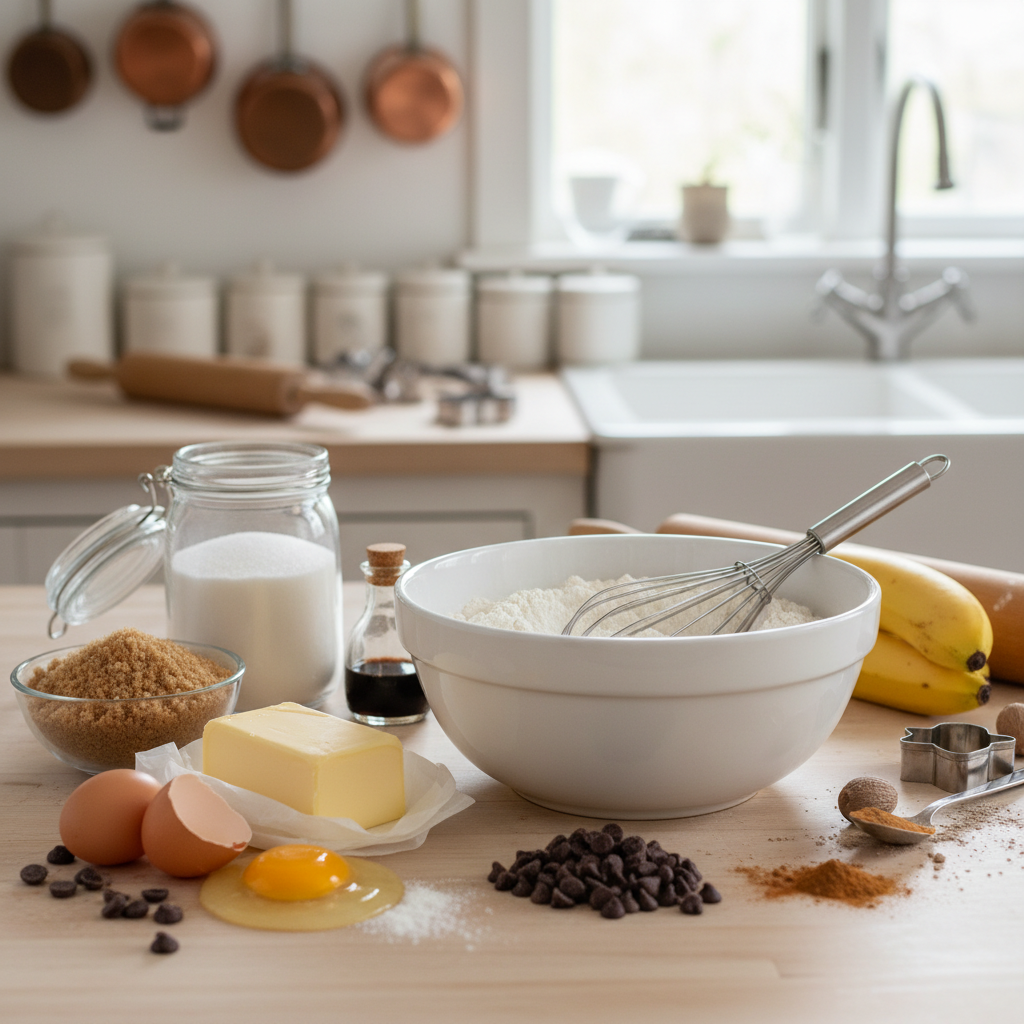
Using the right ingredients is key to a perfect white cake. Here’s a quick guide to help you out:
- All-Purpose Flour For the best results, use bleached all-purpose flour. It helps achieve that signature white color and delicate texture.
- Granulated Sugar Fine granulated sugar dissolves easily and contributes to the cake’s tenderness.
- Baking Powder & Baking Soda These leavening agents work together to give your cake its beautiful rise and airy texture. Make sure they are fresh!
- Salt Just a pinch enhances all the other flavors.
- Unsalted Butter Room temperature butter is crucial for creaming properly with sugar, creating air pockets for a light cake.
- Egg Whites This is what gives the cake its white color and contributes to its structure. Separate them carefully to avoid any yolk contamination.
- Whole Milk Also at room temperature, milk adds moisture and richness.
- Vanilla Extract Use good quality pure vanilla extract for the best flavor.
Equipment Needed
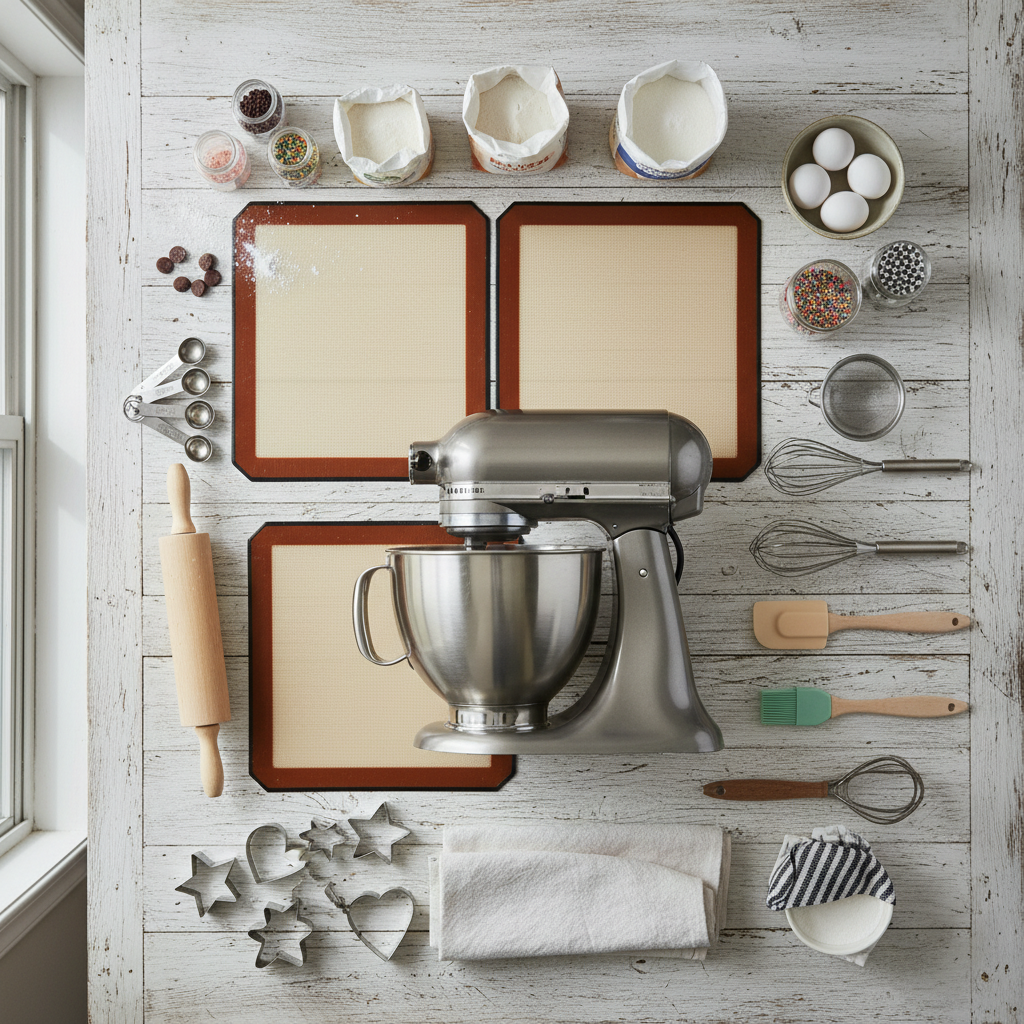
- Two 8-inch round cake pans
- Mixing bowls (large and medium)
- Electric mixer (stand or hand mixer)
- Rubber spatula
- Whisk
- Measuring cups and spoons
- Parchment paper
- Wire rack for cooling
Full Recipe Card
Ingredients
- 2 ¾ cups (330g) all-purpose flour, bleached
- 1 ½ cups (300g) granulated sugar
- 1 tablespoon baking powder
- ½ teaspoon baking soda
- ½ teaspoon salt
- ¾ cup (170g) unsalted butter, softened to room temperature
- 1 cup (240ml) whole milk, room temperature
- 1 teaspoon pure vanilla extract
- 4 large egg whites, room temperature
Instructions
- Prepare Pans Preheat your oven to 350°F (175°C). Grease and flour two 8-inch round cake pans. Line the bottoms with parchment paper circles.
- Combine Dry Ingredients In a large bowl, whisk together the flour, sugar, baking powder, baking soda, and salt. Set aside.
- Cream Butter In a separate medium bowl, or the bowl of a stand mixer, beat the softened butter with an electric mixer until light and fluffy (about 2-3 minutes).
- Add Wet Ingredients Gradually add the milk and vanilla extract to the creamed butter, mixing until just combined. The mixture might look slightly curdled, which is normal.
- Combine Wet and Dry Slowly add the dry ingredients to the wet ingredients in three additions, mixing on low speed until just combined after each addition. Be careful not to overmix.
- Whip Egg Whites In a clean, separate bowl, using clean beaters, whip the egg whites until soft peaks form.
- Fold Egg Whites Gently fold the whipped egg whites into the cake batter in two additions using a rubber spatula. Fold just until no streaks of egg white remain.
- Bake Divide the batter evenly between the two prepared cake pans. Bake for 28-32 minutes, or until a wooden skewer inserted into the center comes out clean.
- Cool Let the cakes cool in the pans for 10-15 minutes before inverting them onto a wire rack to cool completely.
- Frost Once completely cool, level the cakes if necessary and frost with your favorite white buttercream frosting.
Notes
Ensure all cold ingredients are at room temperature for a smooth, emulsified batter. Do not overmix the batter once the flour is added, as this can lead to a tough cake. For the whitest cake, ensure no egg yolk gets into the egg whites.
Tips & Variations
- Citrus Zest Add 1-2 teaspoons of lemon or orange zest to the batter for a bright, fresh flavor.
- Almond Extract Substitute half of the vanilla extract with almond extract for a delicate almond flavor.
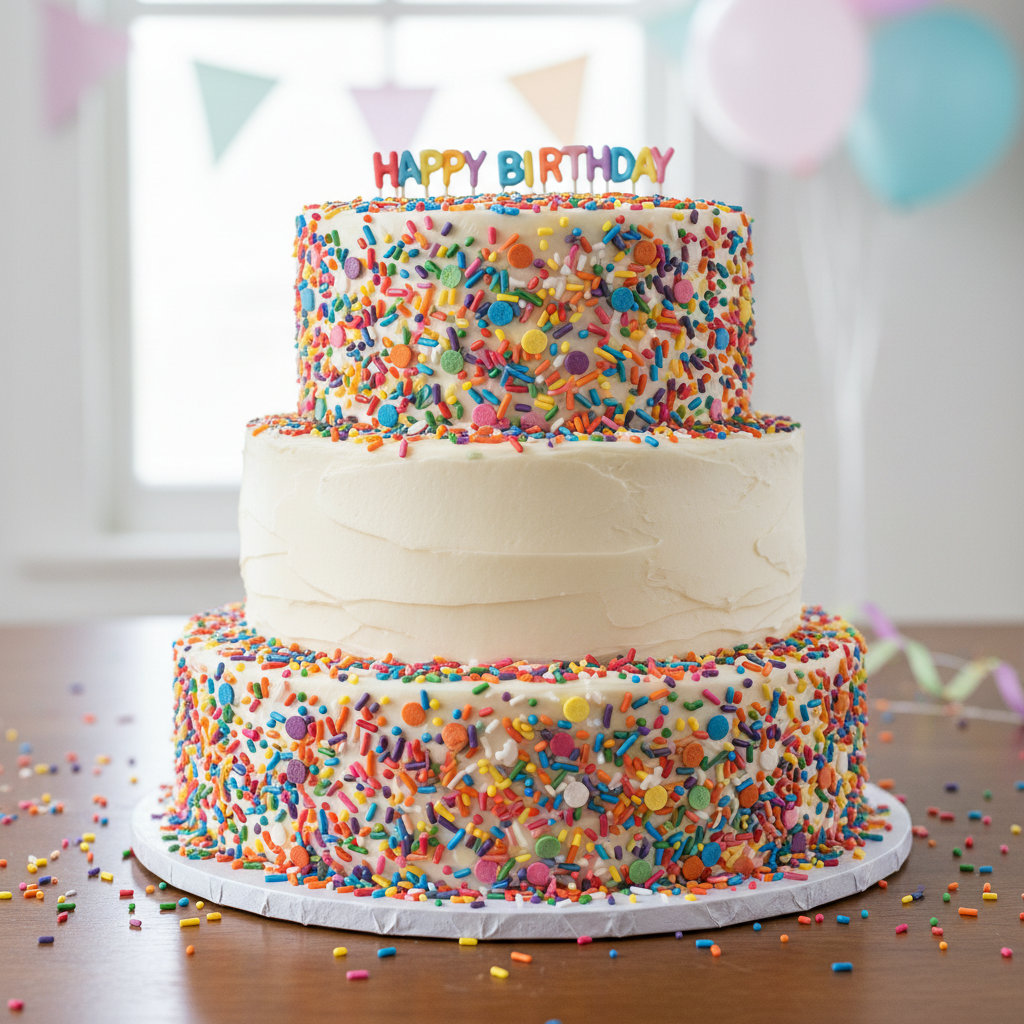
- Food Coloring Divide the batter and tint with gel food coloring for a fun rainbow cake.
- Different Frostings While buttercream is classic, try cream cheese frosting or whipped ganache for a change.
- Cupcakes This recipe can easily be adapted for cupcakes. Bake for 18-22 minutes.
Pro Chef Tips
- Sift Your Dry Ingredients Even if the recipe doesn’t explicitly say so, sifting flour, baking powder, and baking soda ensures a lump-free batter and a finer crumb.
- Don’t Overbake A common mistake! Check for doneness a few minutes before the minimum bake time. An overbaked cake will be dry.
- Room Temperature Matters This isn’t just a suggestion! Room temperature ingredients emulsify better, creating a smoother, more uniform batter that bakes evenly.
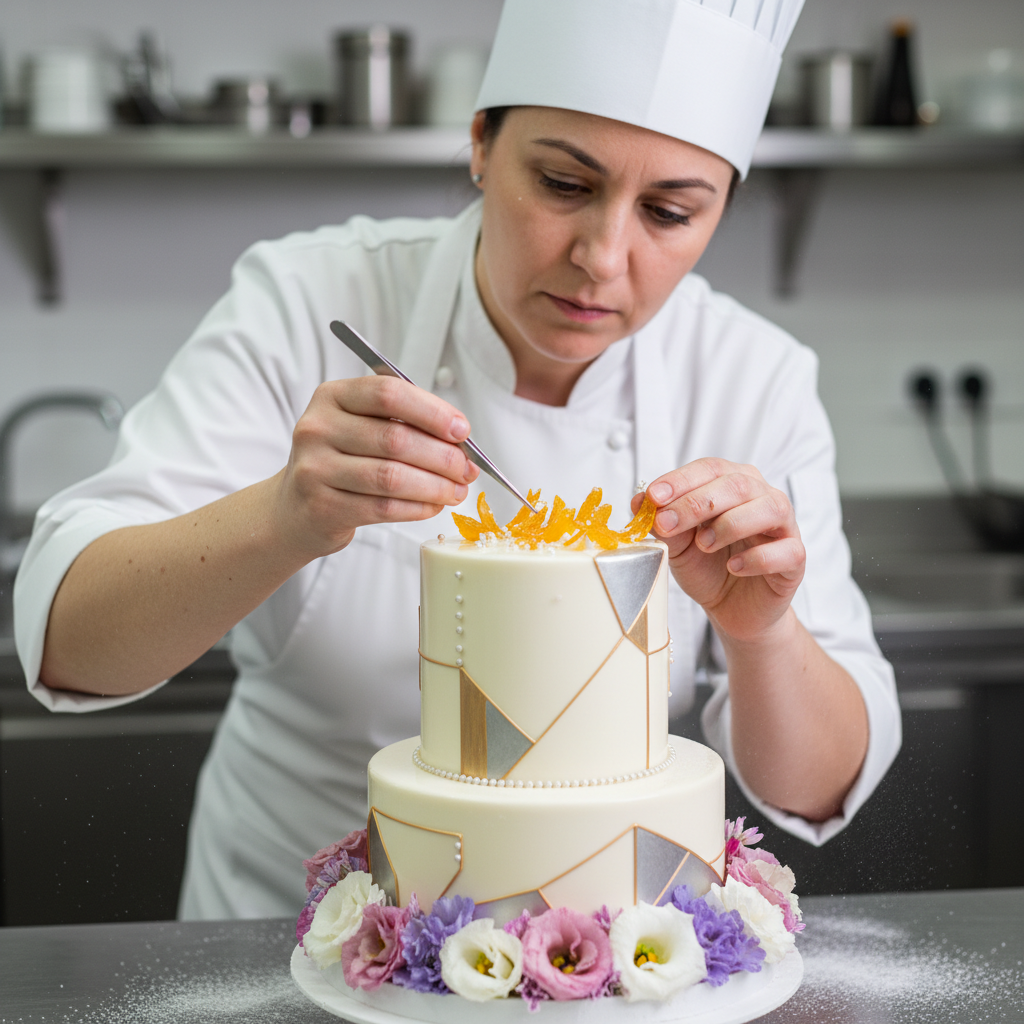
- Level Your Cakes For a professional look, use a serrated knife or a cake leveler to trim off any domed tops once the cakes are completely cool.
Common Mistakes to Avoid
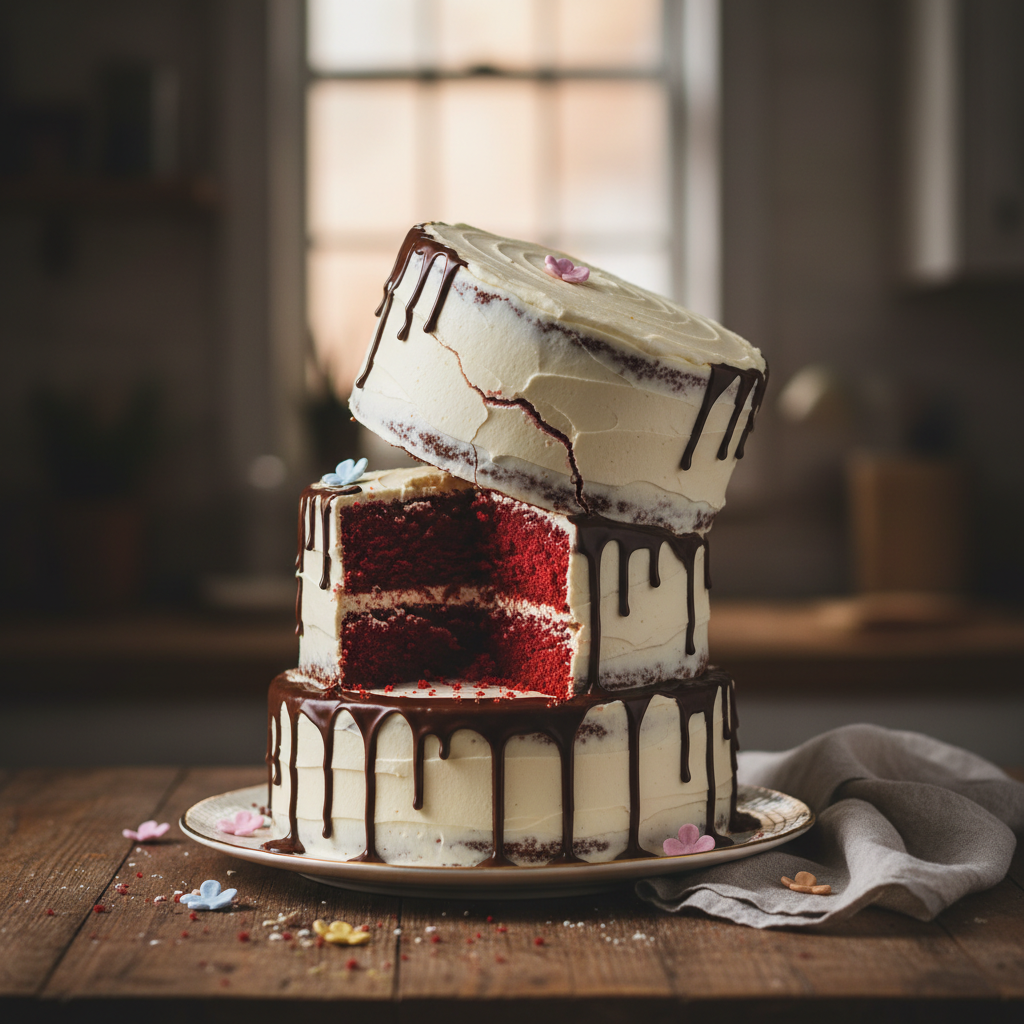
- Overmixing the Batter Once you add the flour, mix only until just combined. Overmixing develops gluten, leading to a tough, dense cake.
- Using Cold Ingredients Cold butter won’t cream properly, and cold egg whites won’t whip to their full volume, impacting the cake’s texture.
- Opening the Oven Door Too Early Resist the urge! Opening the oven door repeatedly can cause the cake to collapse, especially in the first 20 minutes of baking.
- Not Greasing and Flourishing Pans Properly This is crucial to prevent sticking. Don’t skip the parchment paper either!
Storage & Meal Prep
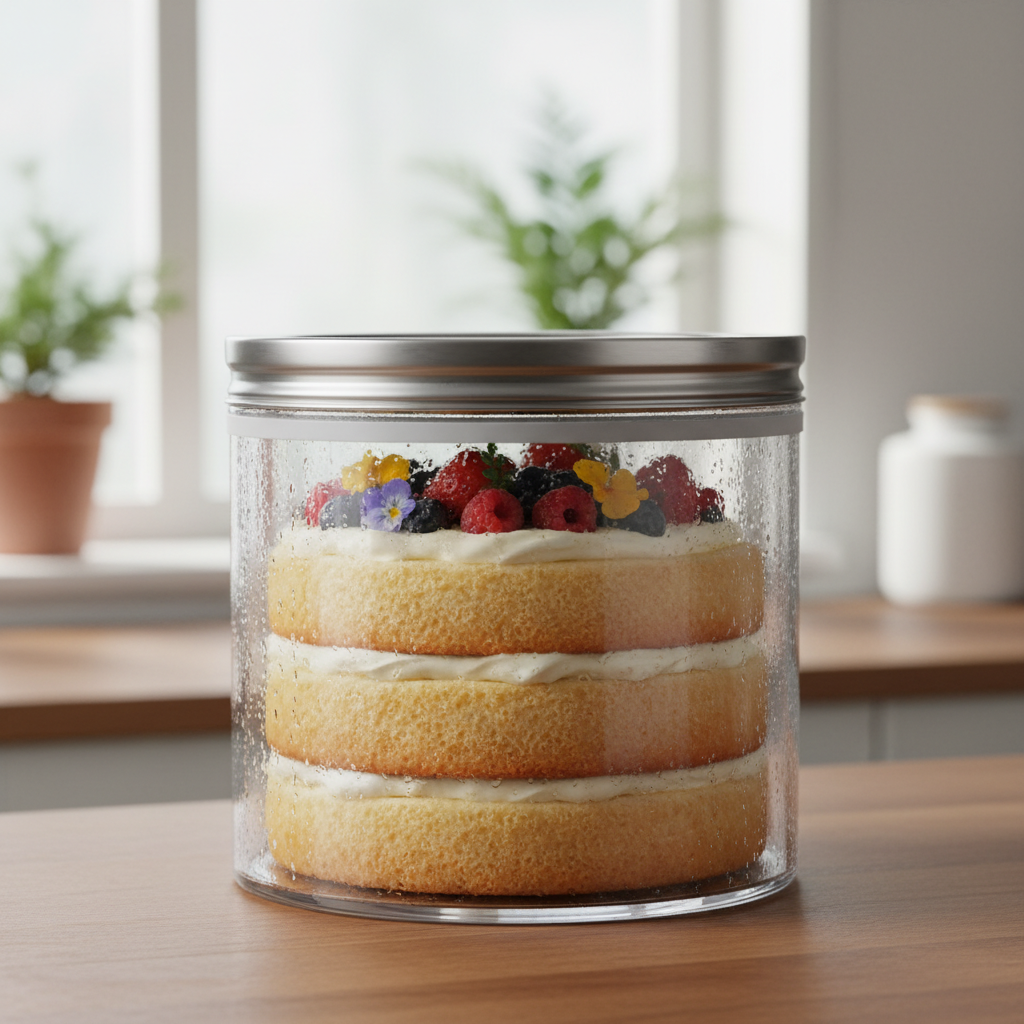
Unfrosted Cake Layers Once completely cooled, wrap individual cake layers tightly in plastic wrap. They can be stored at room temperature for up to 2 days, or in the refrigerator for up to 5 days.
Frosted Cake A frosted cake can be stored loosely covered at room temperature for 1-2 days, or in the refrigerator for up to 5 days. For best results, cover with a cake dome or an inverted bowl.
Make-Ahead & Freezer Notes
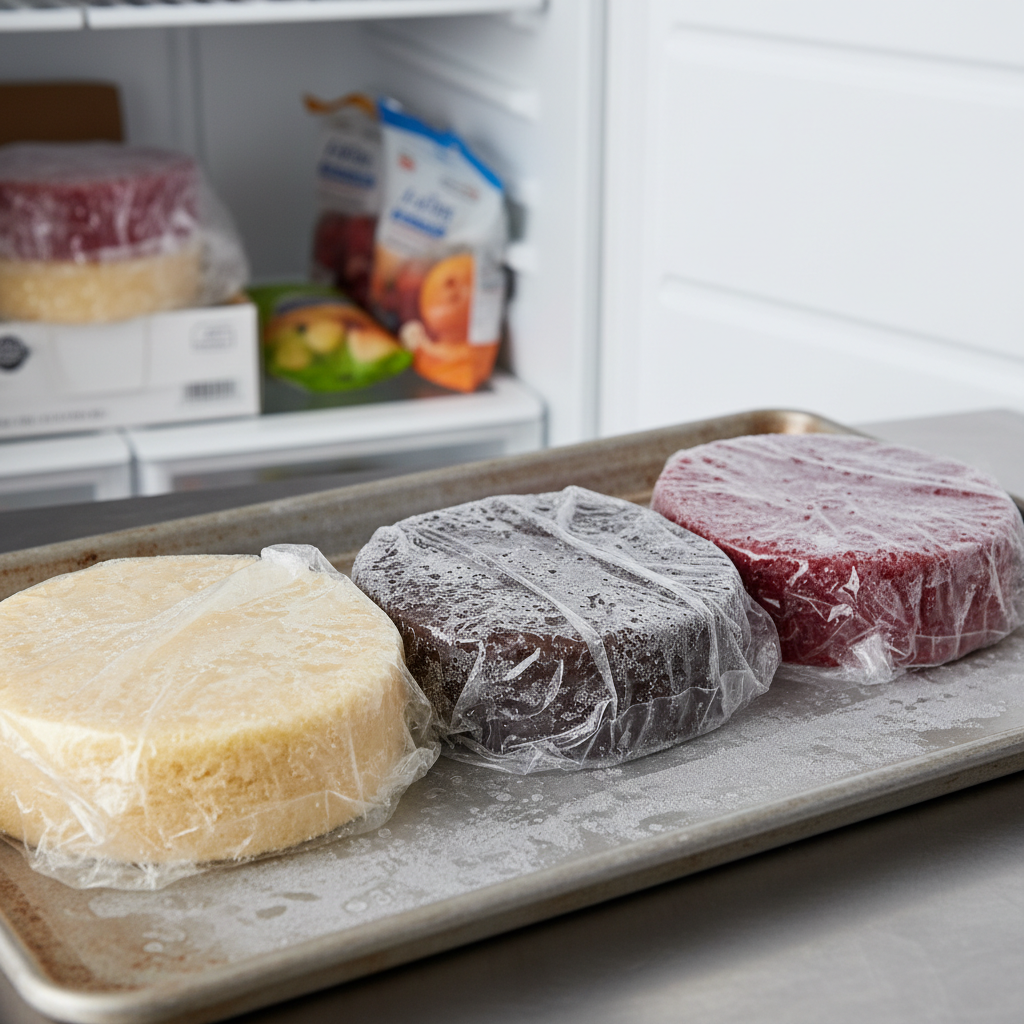
Make-Ahead You can bake the cake layers a day or two in advance. Once completely cool, wrap them tightly in plastic wrap and store at room temperature or in the fridge. Frost on the day of serving.
Freezing Unfrosted cake layers freeze beautifully! Wrap each cooled layer tightly in plastic wrap, then again in aluminum foil. Freeze for up to 2-3 months. Thaw overnight in the refrigerator before frosting. You can also freeze individual slices of frosted cake; wrap well and thaw as needed.
Serving Suggestions
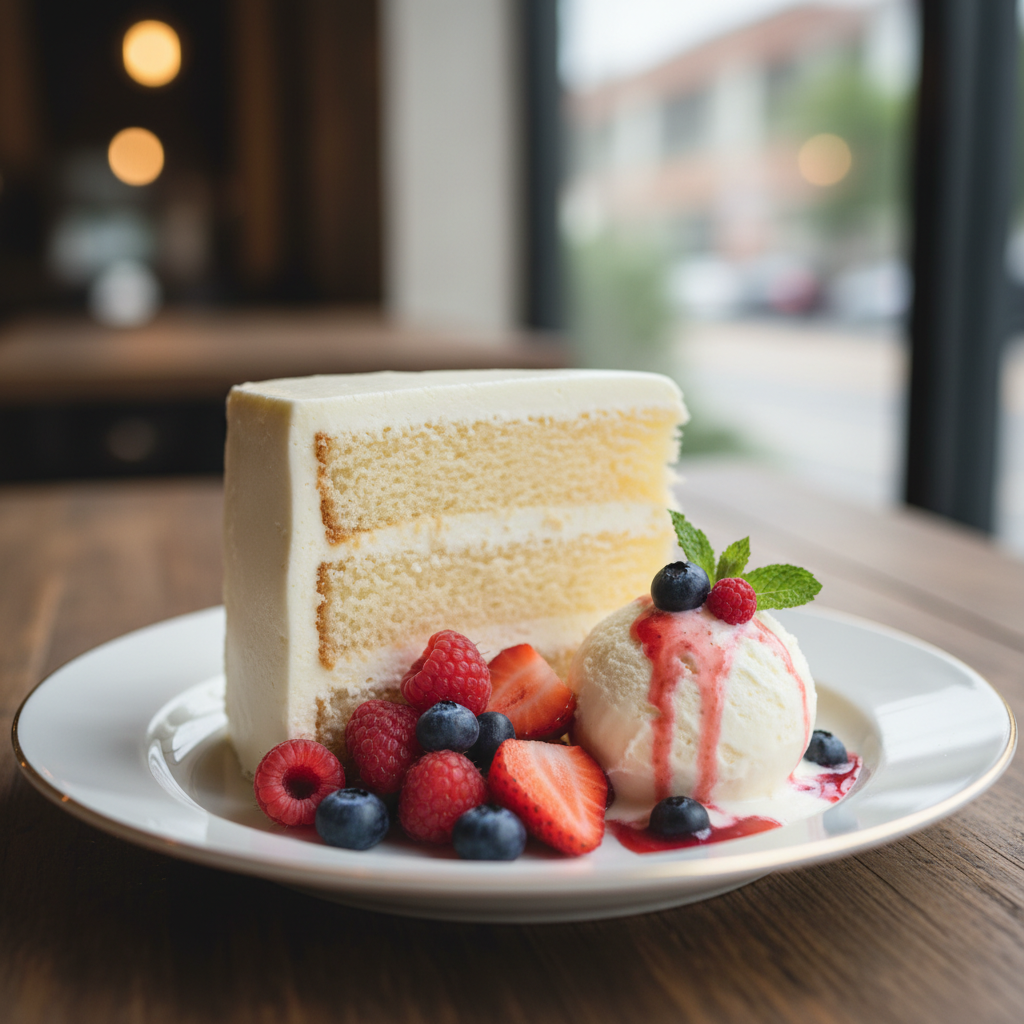
This soft white cake is perfect on its own, but you can elevate it with these serving suggestions:
- Fresh Berries A medley of fresh strawberries, blueberries, and raspberries adds a lovely tart contrast.
- Whipped Cream A dollop of homemade whipped cream is always a welcome addition.
- Ice Cream Serve alongside a scoop of vanilla bean or strawberry ice cream.
- Chocolate Sauce A drizzle of warm chocolate sauce can turn it into a decadent treat.
- Coffee or Tea The perfect accompaniment for an afternoon coffee break or evening tea.