Welcome, fellow baking enthusiasts! There’s something truly magical about a classic vanilla sponge cake. It’s the kind of dessert that brings back cherished memories, fills your home with an irresistible aroma, and tastes like pure comfort. It’s simple, elegant, and the perfect canvas for endless decorations and fillings. Whether you’re celebrating a birthday, a holiday, or just a Tuesday, a soft vanilla sponge cake is always a good idea. This recipe is designed to be super easy to follow, even if you’re new to baking, ensuring you get a light, airy, and utterly delicious cake every single time.
History / Background
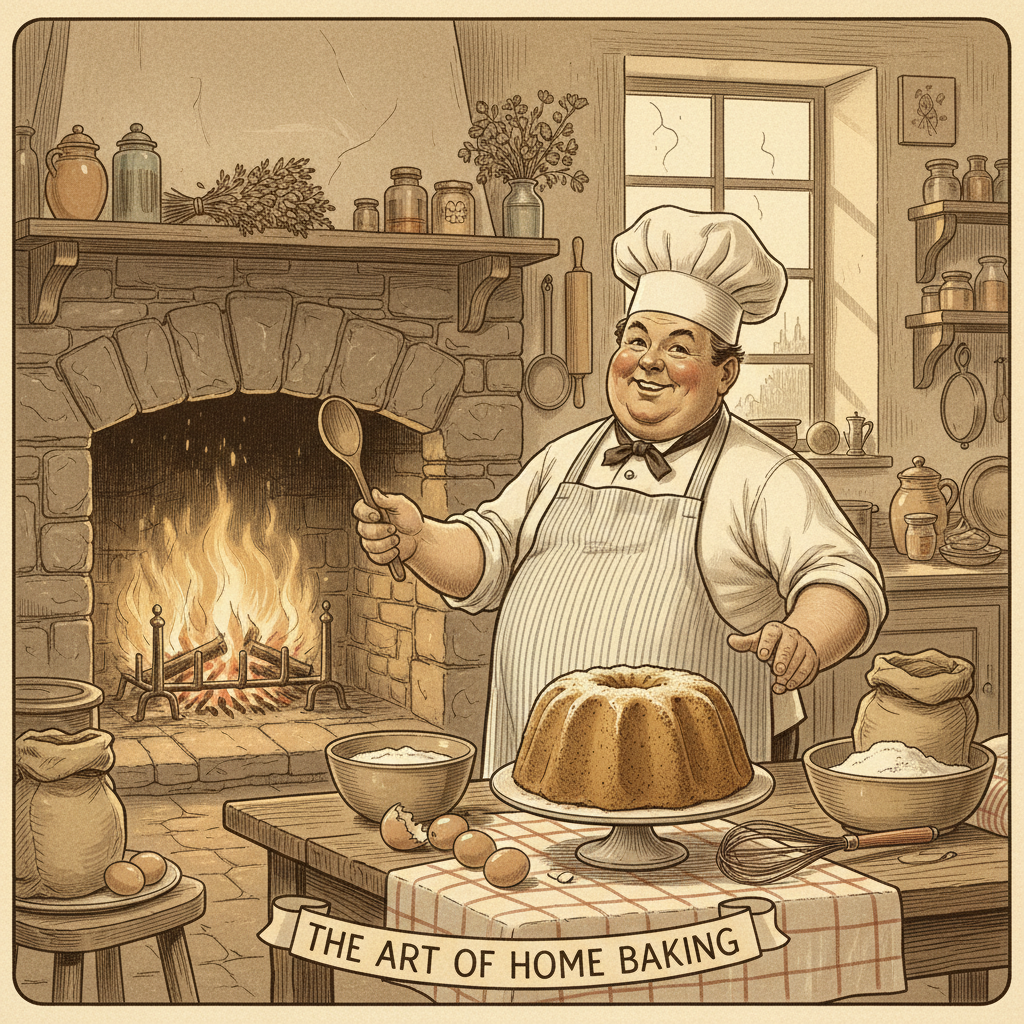
Sponge cakes have a fascinating history, dating back to the Renaissance era. Early versions were much simpler, often just eggs, sugar, and flour, relying solely on whipped eggs for their characteristic airy texture. Unlike butter cakes, sponge cakes contain no leavening agents like baking powder or soda in their most traditional form; the magic happens with air incorporated into the eggs. The term ‘sponge’ aptly describes its light, porous structure, perfect for soaking up syrups or pairing with creamy fillings. Over centuries, recipes evolved, becoming more refined and adaptable, leading to the beloved vanilla sponge we enjoy today. It’s a testament to timeless baking principles.
Why You’ll Love This Recipe
- Beginner-Friendly: Clear, step-by-step instructions make it easy for anyone to bake.
- Perfectly Soft and Fluffy: Achieves that ideal delicate, airy texture every time.
- Versatile: A fantastic base for various frostings, fillings, and decorations.
- Crowd-Pleaser: Vanilla is a universally loved flavor, making it perfect for any gathering.
- Simple Ingredients: Uses common pantry staples you likely already have.
Ingredient Notes
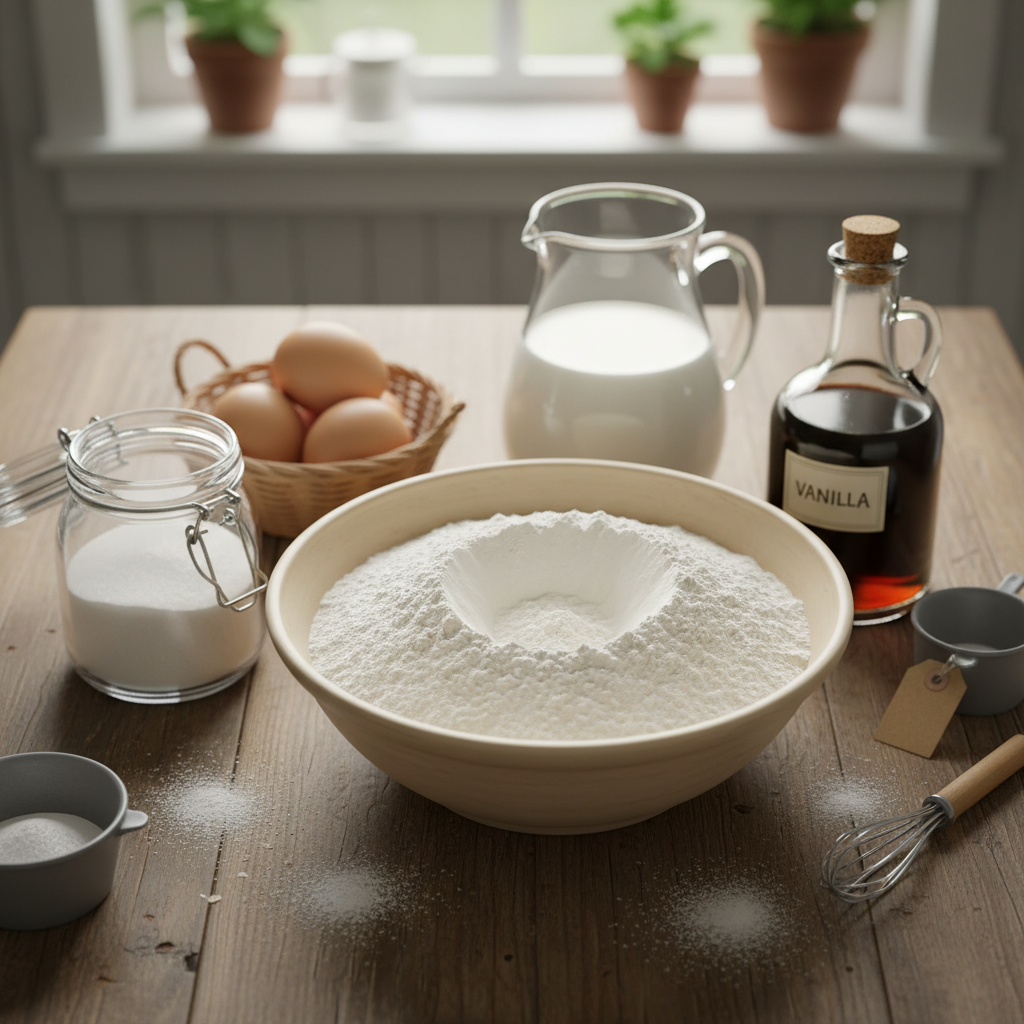
Getting to know your ingredients is the first step to baking success!
- All-Purpose Flour: Sift it for a lighter texture and to prevent lumps. Don’t overmix once added.
- Granulated Sugar: Provides sweetness and helps create a tender crumb.
- Eggs: Large eggs are standard. Ensure they are at room temperature for better emulsification and volume when whipped.
- Vanilla Extract: Use good quality pure vanilla extract for the best flavor. It’s the star here!
- Milk: Whole milk at room temperature is recommended for moisture and richness.
- Baking Powder: Our secret weapon for a reliable rise and extra fluffiness, even though it’s a sponge cake.
- Salt: A pinch of salt balances the sweetness and enhances all the flavors.
- Unsalted Butter: Melted and cooled slightly. This adds richness and tenderness without making the cake too dense.
Equipment Needed
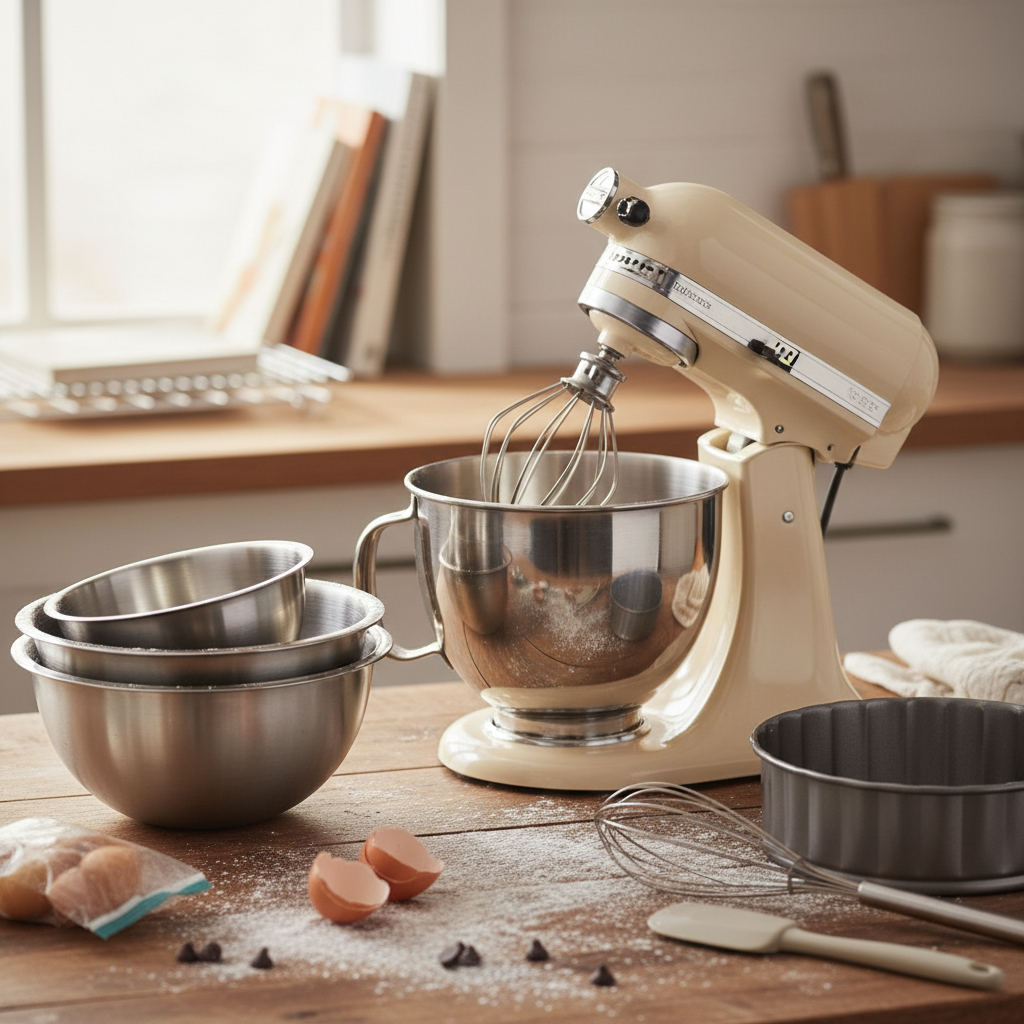
Having the right tools makes baking a breeze:
- 9-inch Round Cake Pan: Or two 8-inch pans for a layered cake. Grease and flour it well, or line with parchment paper.
- Electric Mixer: A stand mixer with a whisk attachment or a hand-held electric mixer is essential for whipping eggs and sugar to the correct consistency.
- Large Mixing Bowls: Several bowls for separating ingredients and mixing.
- Spatula: For gently folding ingredients.
- Whisk: For dry ingredients.
- Sifter or Fine-Mesh Sieve: To sift flour and baking powder.
- Measuring Cups and Spoons: Accuracy is key in baking!
Full Recipe Card
Ready to bake? Here’s your step-by-step guide to a perfect vanilla sponge cake.
Ingredients
- 1 ½ cups (180g) all-purpose flour, sifted
- 1 ½ teaspoons baking powder
- ¼ teaspoon salt
- ½ cup (113g) unsalted butter, melted and cooled
- 1 cup (200g) granulated sugar
- 3 large eggs, room temperature
- 1 teaspoon pure vanilla extract
- ½ cup (120ml) whole milk, room temperature
Instructions
- Preheat and Prep: Preheat your oven to 350°F (175°C). Grease and flour a 9-inch round cake pan (or two 8-inch pans). Alternatively, line the bottom with parchment paper.
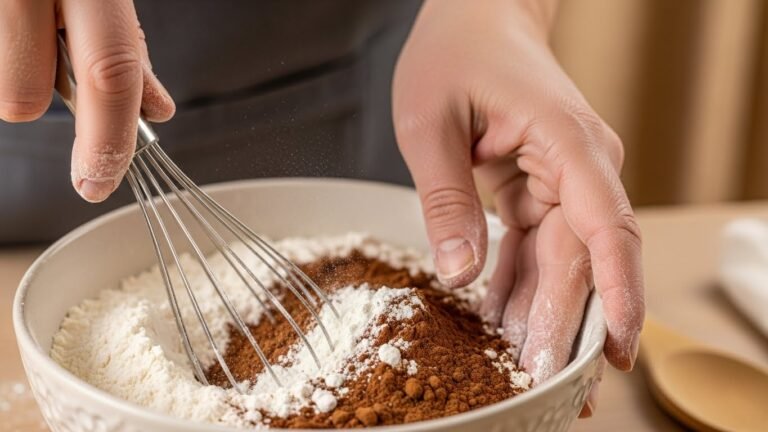
- Combine Dry Ingredients: In a medium bowl, whisk together the sifted flour, baking powder, and salt. Set aside.
- Cream Wet Ingredients: In a large mixing bowl, using an electric mixer, beat the granulated sugar and room temperature eggs on high speed for 5-7 minutes, until the mixture is pale, thick, and fluffy. It should hold a ribbon when the beaters are lifted.
- Add Vanilla and Milk: Reduce mixer speed to low. Gradually beat in the vanilla extract and then the milk until just combined. Do not overmix.
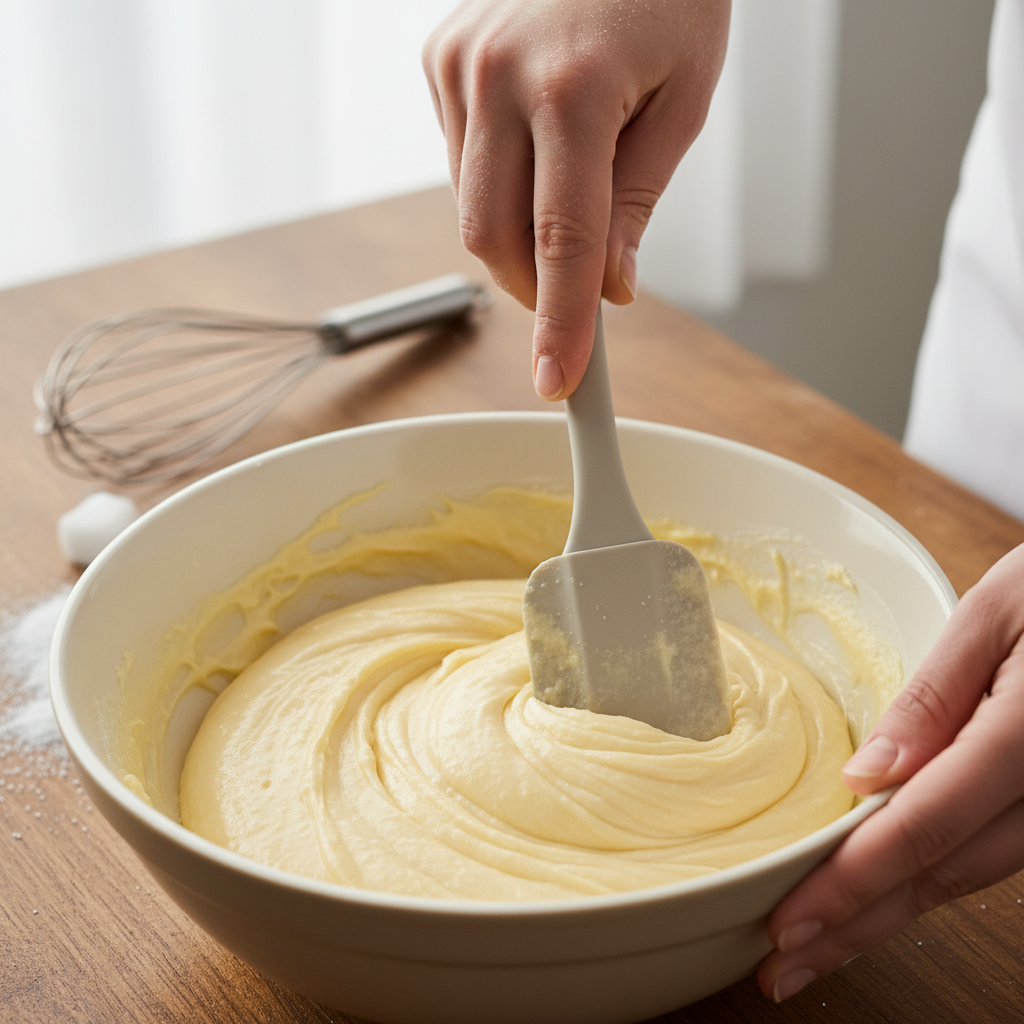
- Fold in Dry Ingredients: Gently fold the dry ingredient mixture into the wet ingredients in three additions, using a spatula. Fold until just combined, being careful not to deflate the egg mixture. Overmixing will result in a tough cake.
- Incorporate Butter: Slowly drizzle in the cooled melted butter while gently folding it into the batter. Mix until just incorporated, ensuring no streaks of butter remain.
- Bake: Pour the batter into the prepared cake pan. Bake for 25-30 minutes, or until a wooden skewer inserted into the center comes out clean. If using two 8-inch pans, baking time may be slightly less (around 20-25 minutes).
- Cool: Let the cake cool in the pan on a wire rack for 10-15 minutes before inverting it onto the rack to cool completely.
Recipe Notes
- Room Temperature Ingredients: This is crucial for a smooth, emulsified batter and a light texture.
- Do Not Overmix: Overmixing develops gluten, leading to a tough cake. Fold gently!
- Oven Temperature: Ovens can vary. Use an oven thermometer for accuracy.
Tips & Variations
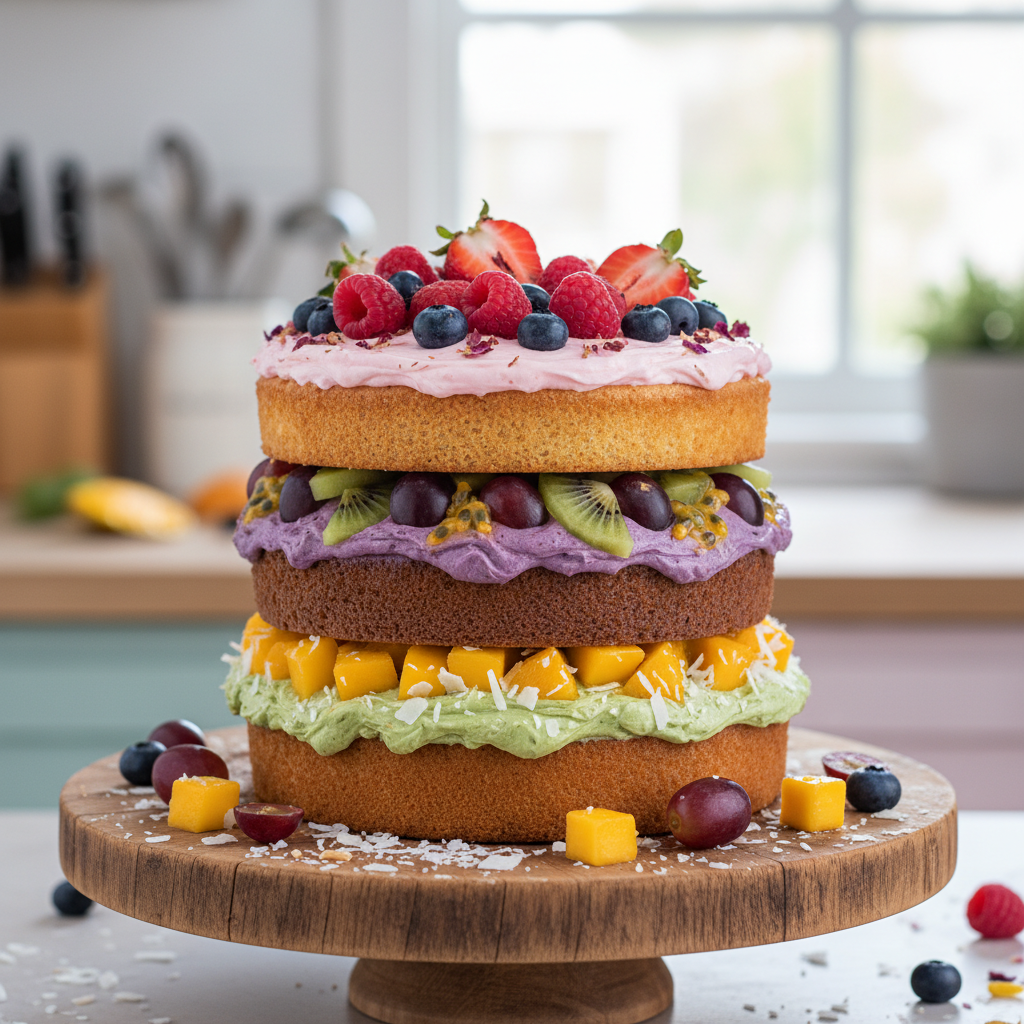
Once you’ve mastered the basic vanilla sponge, the possibilities are endless!
- Lemon Zest: Add 1-2 teaspoons of lemon zest to the batter for a bright, citrusy twist.
- Almond Extract: Substitute half of the vanilla extract with almond extract for a delicate nutty flavor.
- Coffee Sponge: Dissolve 1 tablespoon of instant coffee granules in the warm milk for a subtle coffee flavor.
- Layer Cake: Divide the batter between two 8-inch pans for a beautiful layered cake. Adjust baking time.
- Cupcakes: Pour batter into cupcake liners and bake for 18-22 minutes.
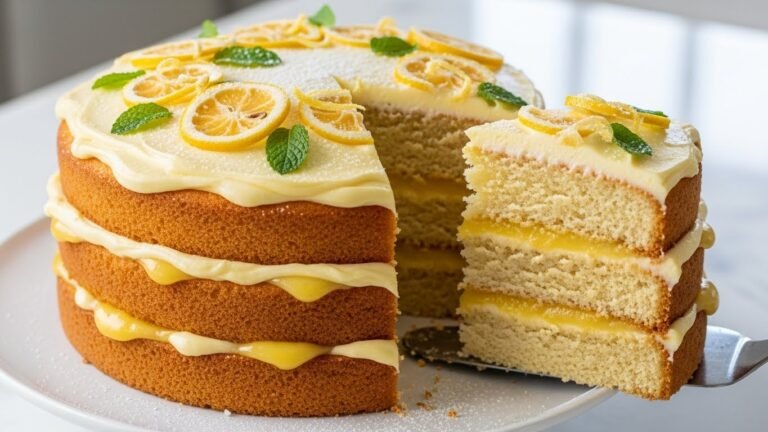
- Fillings: Pair with fresh berries and whipped cream, lemon curd, chocolate ganache, or your favorite buttercream.
Pro Chef Tips
Elevate your baking with these expert insights:
- Weigh Your Ingredients: For consistent results, especially with flour, using a kitchen scale is far more accurate than volumetric measuring cups.
- Whip Eggs Properly: The key to a light sponge is thoroughly whipped eggs and sugar. The mixture should be very pale, thick, and almost white, forming a ‘ribbon’ when the whisk is lifted.
- Gentle Folding: When incorporating dry ingredients and melted butter, use a light hand. Imagine you’re folding clouds! This preserves the air you’ve worked so hard to incorporate.
- Don’t Open the Oven Door Too Soon: Resist the urge to check the cake before at least 20 minutes have passed. A sudden drop in temperature can cause the cake to sink.
Common Mistakes to Avoid
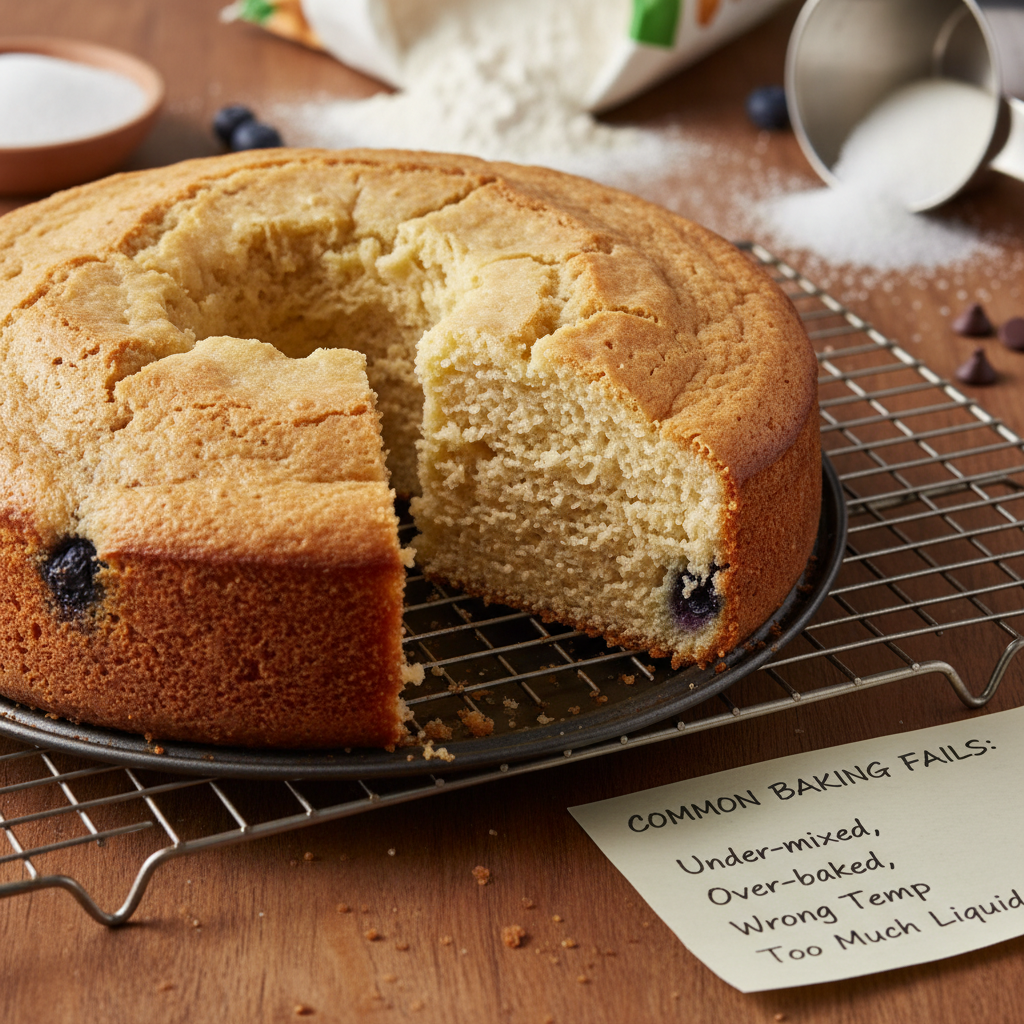
We all make mistakes, but knowing what to watch out for can save your cake!
- Cold Ingredients: Using cold eggs or milk can lead to a lumpy batter and a denser cake. Always bring them to room temperature.
- Overmixing the Batter: This is the number one culprit for a tough, dry cake. Mix just until ingredients are combined.
- Incorrect Oven Temperature: An oven too hot can burn the outside and leave the inside raw, while one too cool can result in a flat, dense cake. Invest in an oven thermometer.
- Not Greasing the Pan Properly: This is a sad mistake that results in a stuck cake. Grease and flour thoroughly, or use parchment paper.
- Opening Oven Door Too Early: As mentioned, this can cause the cake to collapse.
Storage & Meal Prep
Proper storage ensures your delicious cake stays fresh longer.
- Room Temperature: Store unfrosted sponge cake in an airtight container at room temperature for up to 2-3 days.
- Refrigeration: If frosted with a perishable frosting (like cream cheese or whipped cream), store in an airtight container in the refrigerator for up to 5 days. Bring to room temperature before serving for best flavor.
Make-Ahead & Freezer Notes
Planning ahead makes entertaining so much easier!
- Make-Ahead: You can bake the sponge cake a day or two in advance. Once completely cooled, wrap it tightly in plastic wrap and store at room temperature until ready to frost.
- Freezing: Unfrosted, cooled cake layers can be wrapped tightly in plastic wrap, then in foil, and frozen for up to 1 month. Thaw overnight in the refrigerator before unwrapping and frosting.
Serving Suggestions
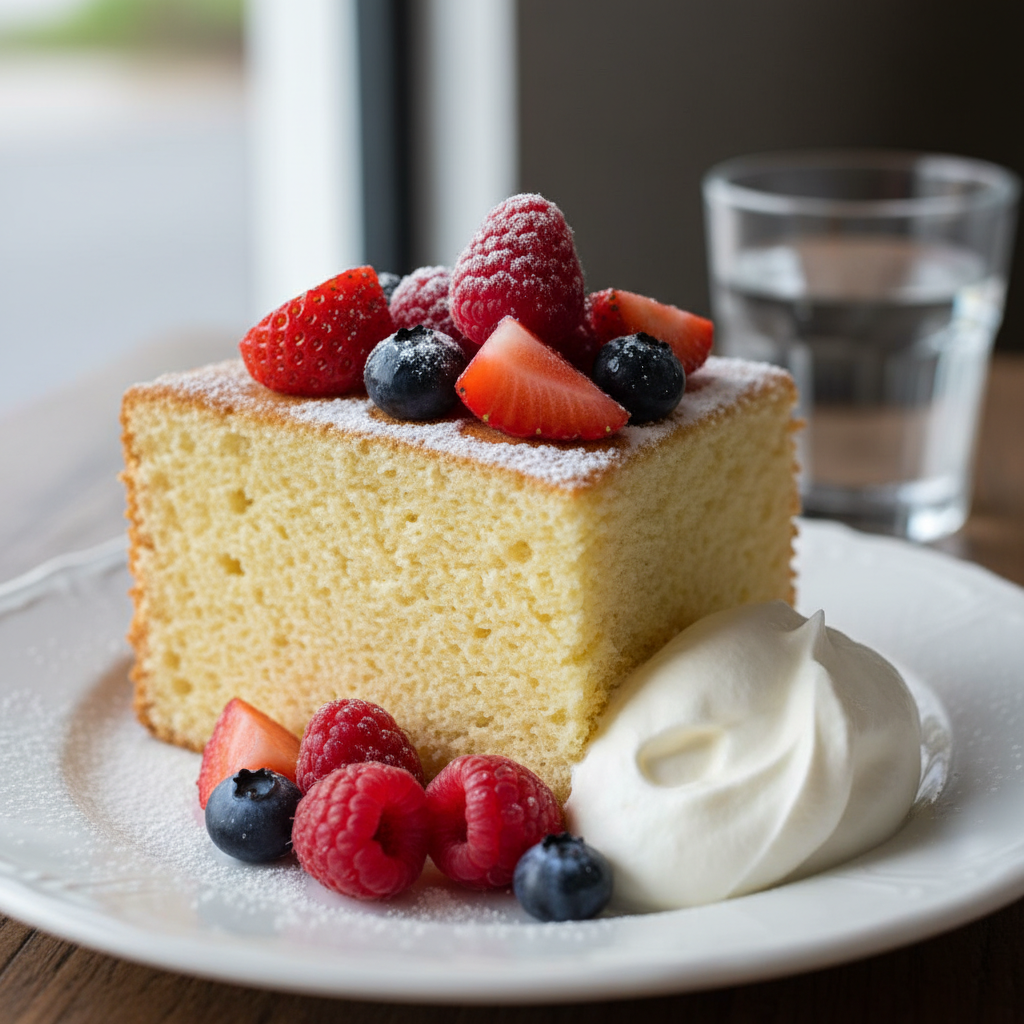
This humble vanilla sponge cake is incredibly versatile. Here are some delightful ways to serve it:
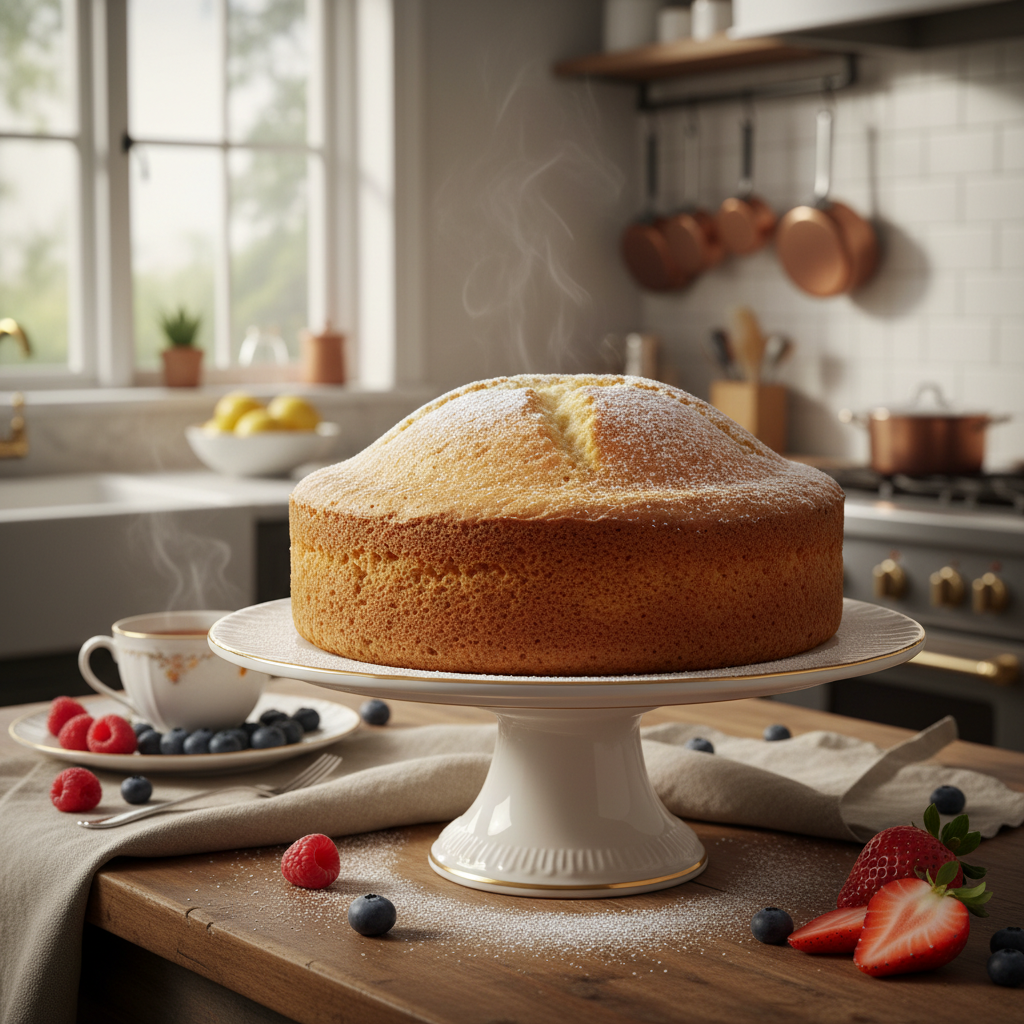
- Classic: Simply dust with powdered sugar for an elegant, understated dessert.
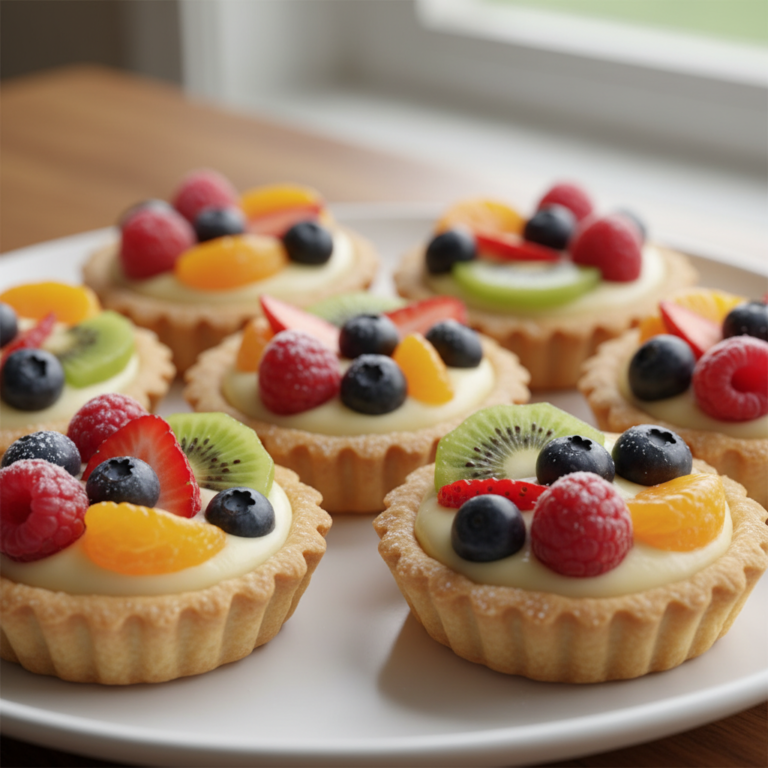
- Berries and Cream: Serve with fresh mixed berries (strawberries, raspberries, blueberries) and a dollop of homemade whipped cream.
- Lemon Curd: A layer of tangy lemon curd between cake layers or on top provides a wonderful contrast.
- Chocolate Ganache: Drizzle warm chocolate ganache over a slice for a rich treat.
- Fruit Compote: A warm fruit compote (like cherry or apple) makes a cozy pairing.
- Tea Time: It’s the quintessential cake for an afternoon tea party.