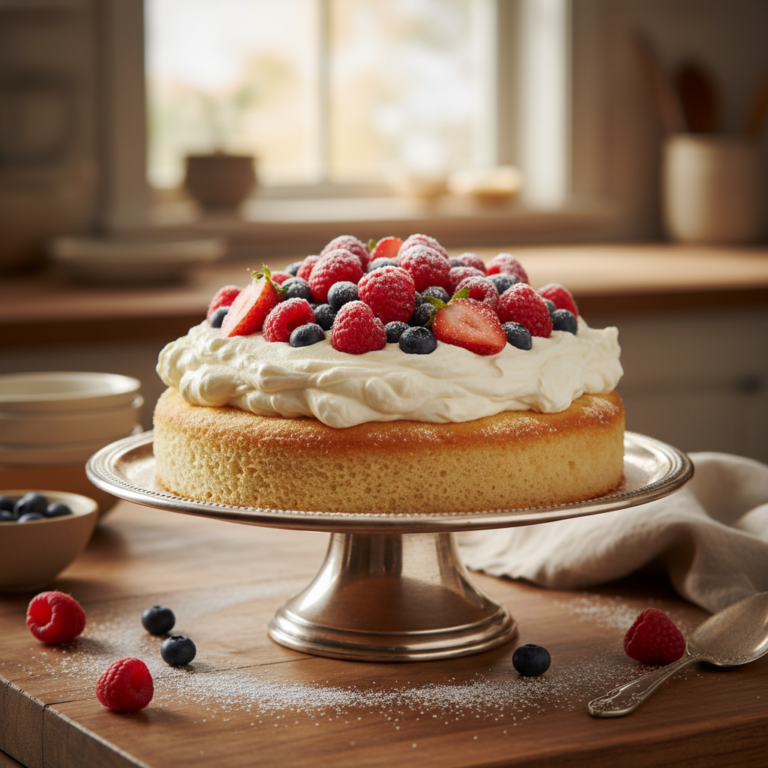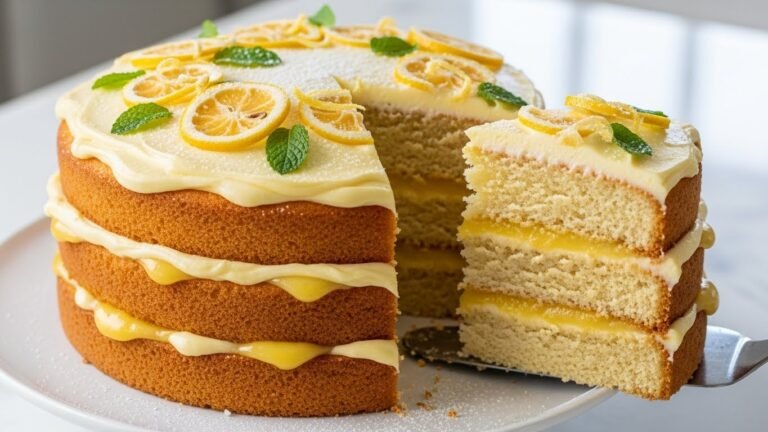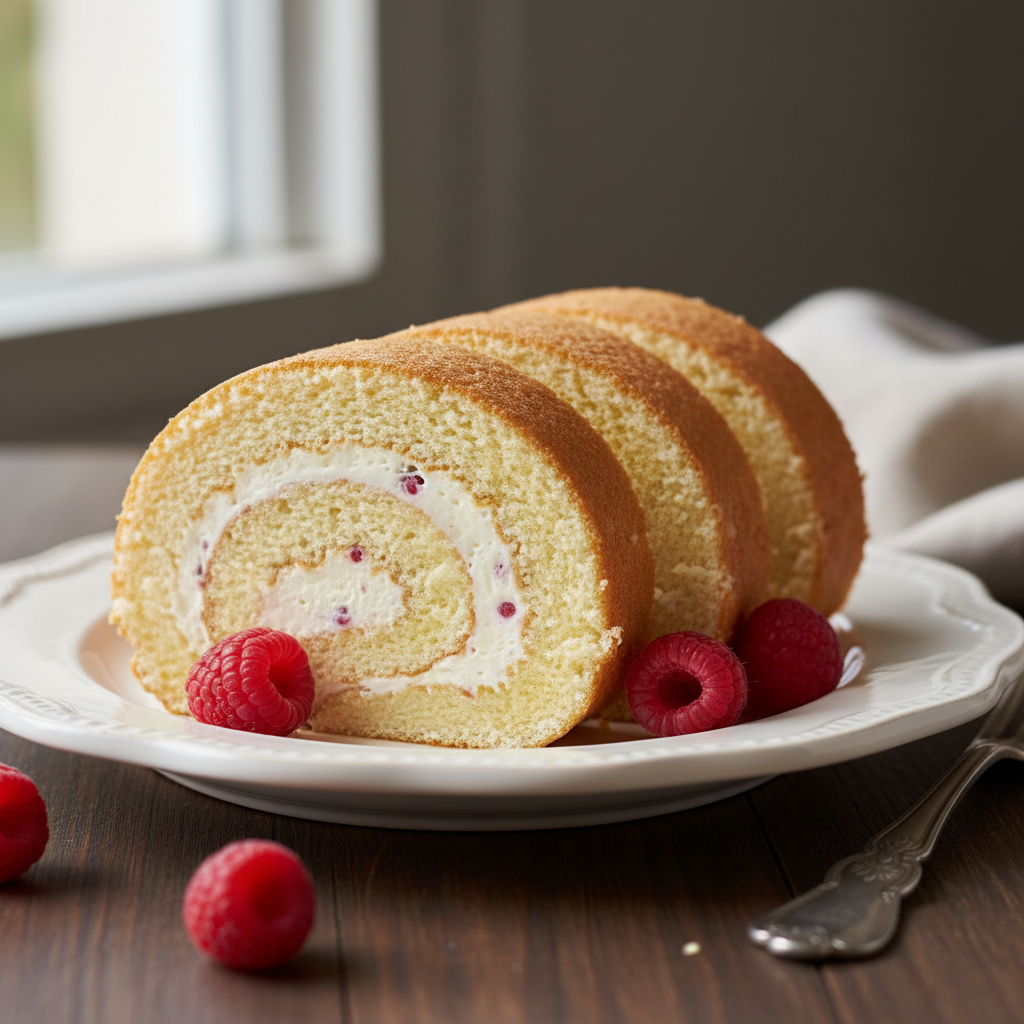
There’s something truly magical about a Swiss Roll. That perfect spiral of delicate sponge cake, generously filled with a luscious cream, looks like it came straight out of a professional bakery. But what if I told you that creating this show-stopping dessert at home is not only possible but also incredibly fun and rewarding? Get ready to impress your friends and family with a homemade Swiss Roll that’s wonderfully soft, light, and utterly irresistible.
History / Background

Despite its name, the Swiss Roll’s origins are a bit of a global mystery! While often associated with Switzerland, similar rolled cakes can be found in various culinary traditions across Europe and beyond, dating back to the 19th century. Early versions were likely simple sponge cakes spread with jam and rolled, becoming a popular treat for afternoon tea. Over time, fillings became more elaborate, incorporating creams, fruits, and chocolate, evolving into the beloved dessert we know today. Its widespread appeal speaks to the universal love for a light, sweet, and elegant confection.
Why You’ll Love This Recipe
- Beginner-Friendly This recipe breaks down each step, making it approachable for even novice bakers.
- Soft and Light Texture Achieve that signature airy sponge that melts in your mouth.
- Versatile Easily adapt the filling and flavors to suit your taste or the season.
- Impressive Presentation The beautiful spiral always earns compliments.
- Perfect for Any Occasion From casual gatherings to special celebrations, it’s always a hit.
Ingredient Notes

Let’s talk ingredients! While simple, each one plays a crucial role in achieving that perfect Swiss Roll. Always use fresh, good-quality ingredients for the best results.
- Eggs The star of our sponge cake! Use large eggs, preferably at room temperature, for maximum volume when whipping.
- Granulated Sugar Sweetens the cake and helps stabilize the egg foam, contributing to a tender crumb.
- All-Purpose Flour Sifted flour ensures a light, airy texture and prevents lumps.
- Baking Powder A touch of leavening helps the cake rise beautifully.
- Vanilla Extract Enhances the flavor of both the cake and the filling.
- Heavy Cream For the filling, ensures a rich, stable whipped cream. Look for cream with at least 36% milk fat.
- Powdered Sugar Sweetens the whipped cream and helps stabilize it without adding grit.
Equipment Needed

Having the right tools makes baking a Swiss Roll much smoother. Here’s what you’ll need:
- Jelly Roll Pan A 10×15-inch (25×38 cm) baking sheet with a rim is essential for this thin cake.
- Parchment Paper Lines the pan, preventing sticking and aiding in rolling.
- Electric Mixer A stand mixer or hand mixer is crucial for whipping eggs to the correct consistency.
- Spatula or Whisk For gently folding ingredients.
- Sifter or Fine Mesh Sieve For sifting flour, ensuring a lump-free batter.
- Clean Kitchen Towel Used for the initial roll, helping the cake retain its shape.
Full Recipe Card
Ingredients for the Cake
- 4 large eggs, room temperature
- 1/2 cup (100g) granulated sugar
- 1/2 cup (60g) all-purpose flour, sifted
- 1 teaspoon baking powder
- 1 teaspoon vanilla extract
- Pinch of salt
- Powdered sugar for dusting
Ingredients for the Cream Filling
- 1 cup (240ml) heavy cream, very cold
- 1/4 cup (30g) powdered sugar
- 1 teaspoon vanilla extract
Instructions
- Preheat Oven and Prepare Pan Preheat your oven to 375°F (190°C). Line a 10×15-inch (25×38 cm) jelly roll pan with parchment paper, leaving an overhang on the short sides. Grease the parchment paper lightly.
- Whip Eggs and Sugar In a large bowl, using an electric mixer, beat the eggs and granulated sugar on high speed for 7-10 minutes, until the mixture is very pale, thick, and tripled in volume. It should form a thick ribbon when the beaters are lifted.
- Fold in Dry Ingredients Sift the flour and baking powder over the egg mixture. Add the vanilla extract and a pinch of salt. Gently fold everything together with a spatula until just combined. Be careful not to deflate the egg mixture.
- Bake the Cake Pour the batter evenly into the prepared jelly roll pan. Gently spread it to the edges. Bake for 10-12 minutes, or until the cake springs back when lightly touched and the edges are lightly golden.
- Prepare for Rolling While the cake bakes, lay a clean kitchen towel flat and dust it generously with powdered sugar.
- Roll the Cake Immediately upon removing the cake from the oven, invert it onto the prepared kitchen towel. Carefully peel off the parchment paper. Trim the crusty edges of the cake if they are too stiff. Starting from one short end, tightly roll the warm cake and the towel together. Let it cool completely in this rolled position, seam-side down, on a wire rack (about 1-2 hours).
- Make the Filling Once the cake is completely cool, prepare the filling. In a cold bowl, whip the very cold heavy cream, powdered sugar, and vanilla extract on high speed until stiff peaks form.
- Unroll and Fill Gently unroll the cooled cake. Spread the whipped cream evenly over the cake, leaving a 1/2-inch border clean on one short end.
- Roll Again Starting from the short end with the filling, carefully and tightly re-roll the cake.
- Chill and Serve Wrap the rolled cake tightly in plastic wrap and refrigerate for at least 1 hour to allow the filling to set and the cake to firm up. Before serving, dust with extra powdered sugar if desired. Slice with a sharp, warm knife.
Notes
- Ensure eggs are at room temperature for optimal volume.
- Do not overbake the cake, as it will become dry and difficult to roll.
- The initial roll with the towel is crucial for preventing cracks later.
- Make sure the cake is completely cooled before spreading the cream filling.
Tips & Variations

Once you’ve mastered the classic, feel free to experiment!
- Chocolate Swiss Roll Replace 2 tablespoons of flour with cocoa powder in the cake batter. For the filling, add 2 tablespoons of cocoa powder to the whipped cream or use a chocolate ganache.
- Lemon Swiss Roll Add lemon zest to the cake batter and a squeeze of fresh lemon juice to the whipped cream filling.
- Berry Delight Fold fresh, finely diced berries (like strawberries or raspberries) into your whipped cream filling for a burst of fruitiness.
- Coffee Flavored Add a teaspoon of instant coffee dissolved in a tiny bit of hot water to both the cake batter and the whipped cream for a subtle coffee kick.
Pro Chef Tips
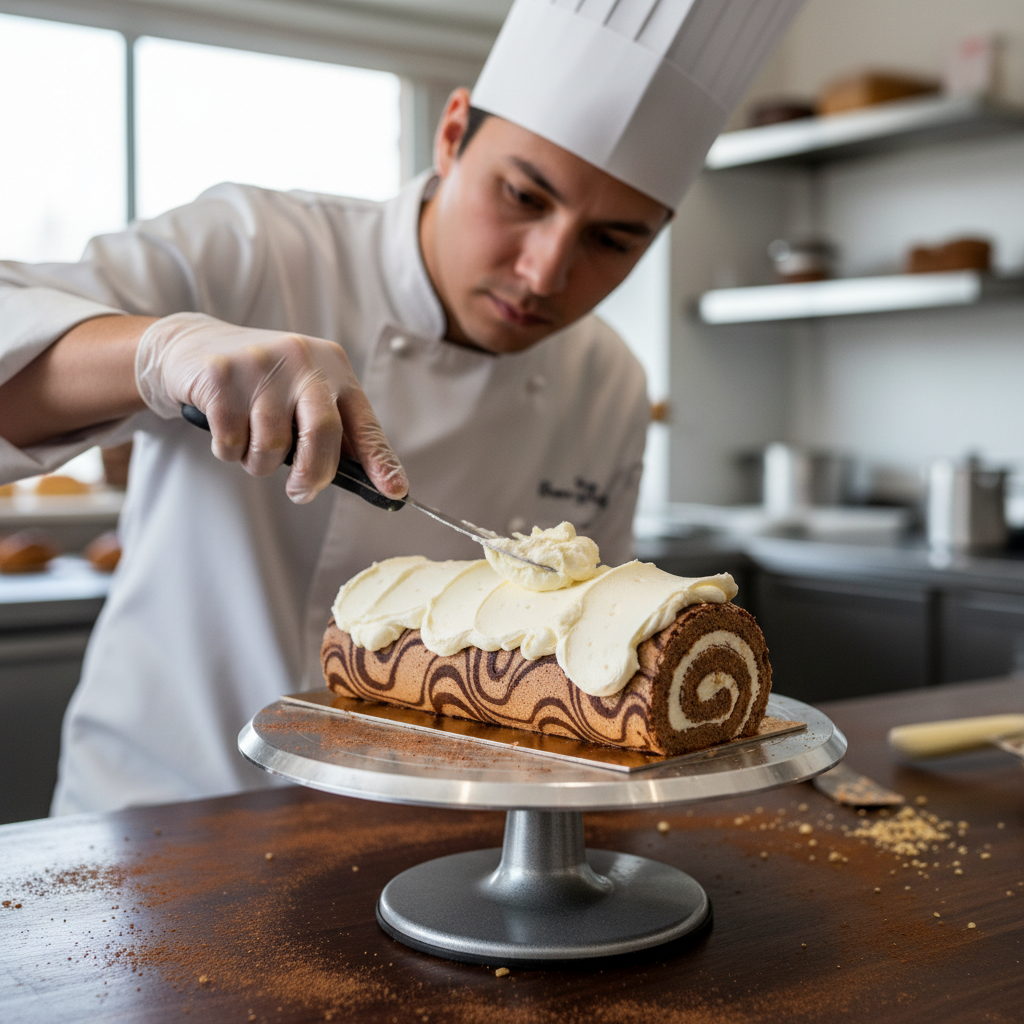
- Room Temperature Eggs are Key Cold eggs won’t whip up as voluminous, which means a less airy sponge. Plan ahead!
- Don’t Rush the Egg Whipping The eggs and sugar mixture needs to be very thick and pale. This is the foundation of your light cake.
- Gentle Folding Once the flour goes in, switch to a gentle folding motion with a spatula. Overmixing will deflate the air you’ve worked so hard to incorporate.
- Work Quickly While Warm The cake is most pliable when warm. Roll it immediately after it comes out of the oven to train it into its spiral shape, preventing cracks when it’s cold.
- Chill Thoroughly A well-chilled Swiss Roll is easier to slice cleanly and tastes even better as the flavors meld.
Common Mistakes to Avoid

Even experienced bakers make mistakes! Here are a few to watch out for:
- Overbaking the Cake This is the number one culprit for a cracking Swiss Roll. Keep an eye on it; it bakes quickly!
- Not Whipping Eggs Enough If the egg mixture isn’t thick and airy, your cake will be dense.
- Deflating the Batter Aggressive mixing after adding flour will knock out all the air, resulting in a flat cake.
- Rolling a Cold Cake Trying to roll a cake that hasn’t been pre-rolled while warm will almost certainly lead to cracks.
- Not Chilling the Cream Cold cream whips best and stays stable.
Storage & Meal Prep
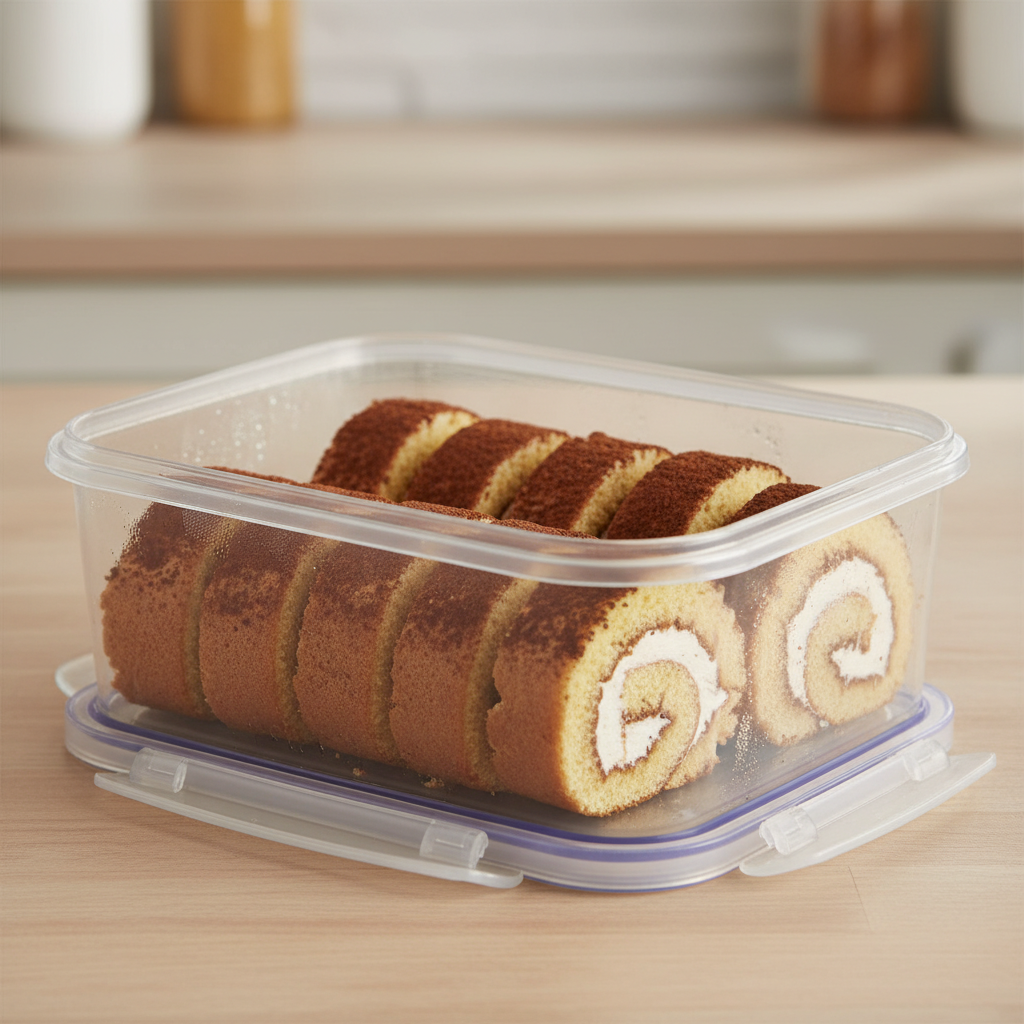
A Swiss Roll is best enjoyed fresh, but it can be stored to savor later.
- Refrigeration Store leftover Swiss Roll in an airtight container in the refrigerator for up to 3-4 days.
- Slicing For best presentation, slice only what you plan to serve. The exposed cake can dry out slightly.
Make-Ahead & Freezer Notes
This recipe is surprisingly good for making ahead!
- Make-Ahead You can bake the sponge cake a day in advance. Once it’s rolled in the towel and completely cooled, unroll it, fill it, re-roll it, and then wrap it tightly in plastic wrap. Refrigerate overnight.
- Freezing The plain, baked, and rolled sponge (without filling) can be frozen. Wrap it tightly in plastic wrap, then in foil, and freeze for up to 1 month. Thaw in the refrigerator before unrolling and filling. A filled Swiss Roll can also be frozen for up to 2 weeks, wrapped well. Thaw in the refrigerator for several hours before serving.
Serving Suggestions
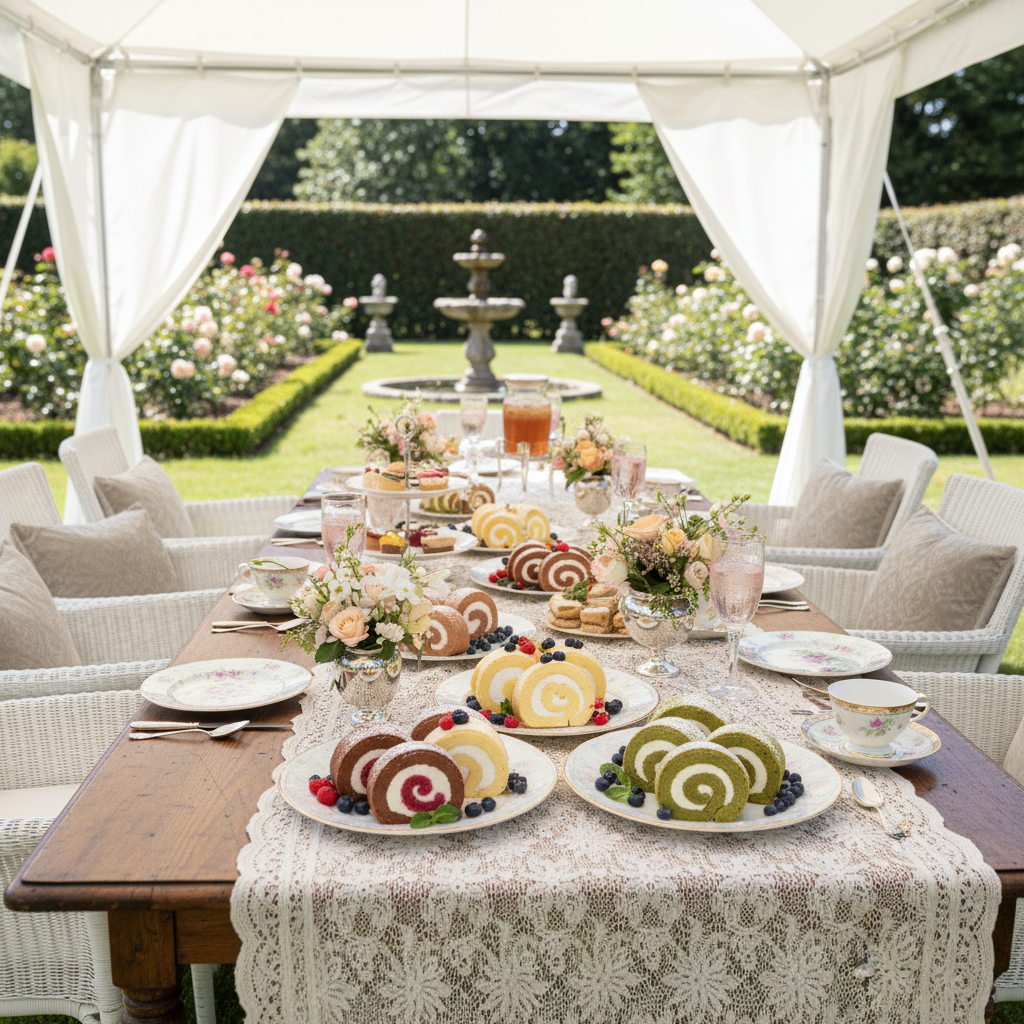
A slice of Swiss Roll is a delightful treat on its own, but here are a few ways to elevate the experience:
- Dust with Powdered Sugar A classic and elegant finish.
- Fresh Berries Garnish with fresh raspberries, strawberries, or blueberries for a pop of color and freshness.
- Drizzle of Chocolate Sauce A thin drizzle of warm chocolate sauce adds a touch of decadence.
- Alongside Coffee or Tea The perfect companion for your afternoon beverage.
- With a Scoop of Ice Cream A slice with a scoop of vanilla or berry ice cream makes a wonderful dessert.
Conclusion
Baking a Swiss Roll Cake might seem intimidating at first, but with this detailed guide, you’re now equipped to create a truly spectacular dessert. The joy of seeing that perfect spiral, knowing you made it from scratch, is incredibly rewarding. So, gather your ingredients, take a deep breath, and get ready to roll your way to baking success. Happy baking!