Welcome to the wonderful world of Italian desserts, where simplicity often yields the most extraordinary flavors! Today, we’re diving into the enchanting realm of Zabaglione, a classic Italian custard that’s surprisingly easy to make and utterly delightful to savor. If you’ve ever dreamt of whisking up a dessert that feels both elegant and comforting, you’ve found your new favorite.
Zabaglione, also known as Zabaione, is a light, airy, and creamy custard made with egg yolks, sugar, and a sweet wine, traditionally Marsala. It’s whipped until it’s frothy, golden, and incredibly smooth, perfect on its own or as a luxurious topping for fruits and pastries. Get ready to impress your taste buds and your guests with this timeless Italian treat!
History and Background

The origins of Zabaglione are steeped in delightful folklore and culinary history, tracing back centuries in Italy. While its exact birthplace is debated, many credit the Emilia-Romagna region in the 15th or 16th century. Legend has it that a captain named Giovanni Baglioni (or Zvan Bajoun) first prepared this concoction for his hungry troops, giving rise to its name. Another tale suggests it was created for Saint Paschal Baylon, a patron saint of cooks.
Originally, it was often prescribed as a restorative tonic, believed to possess invigorating properties. Over time, it evolved from a medicinal drink to a beloved dessert, cherished for its unique texture and delicate balance of sweetness and wine notes. It spread throughout Italy and beyond, becoming a staple in fine dining and home kitchens alike, proving that some culinary masterpieces truly stand the test of time.
Why You’ll Love This Recipe
- Effortlessly Elegant You’ll be amazed how such a simple recipe can produce such a sophisticated dessert.
- Quick to Prepare With just a few ingredients and a double boiler, Zabaglione comes together in under 20 minutes.
- Versatile Delight Enjoy it warm or chilled, on its own, or paired with countless accompaniments.
- Beginner-Friendly No advanced baking skills required – just a little whisking and patience!
- Pure Italian Flavor Experience the authentic taste of Italy with every light, airy spoonful.
Ingredient Notes
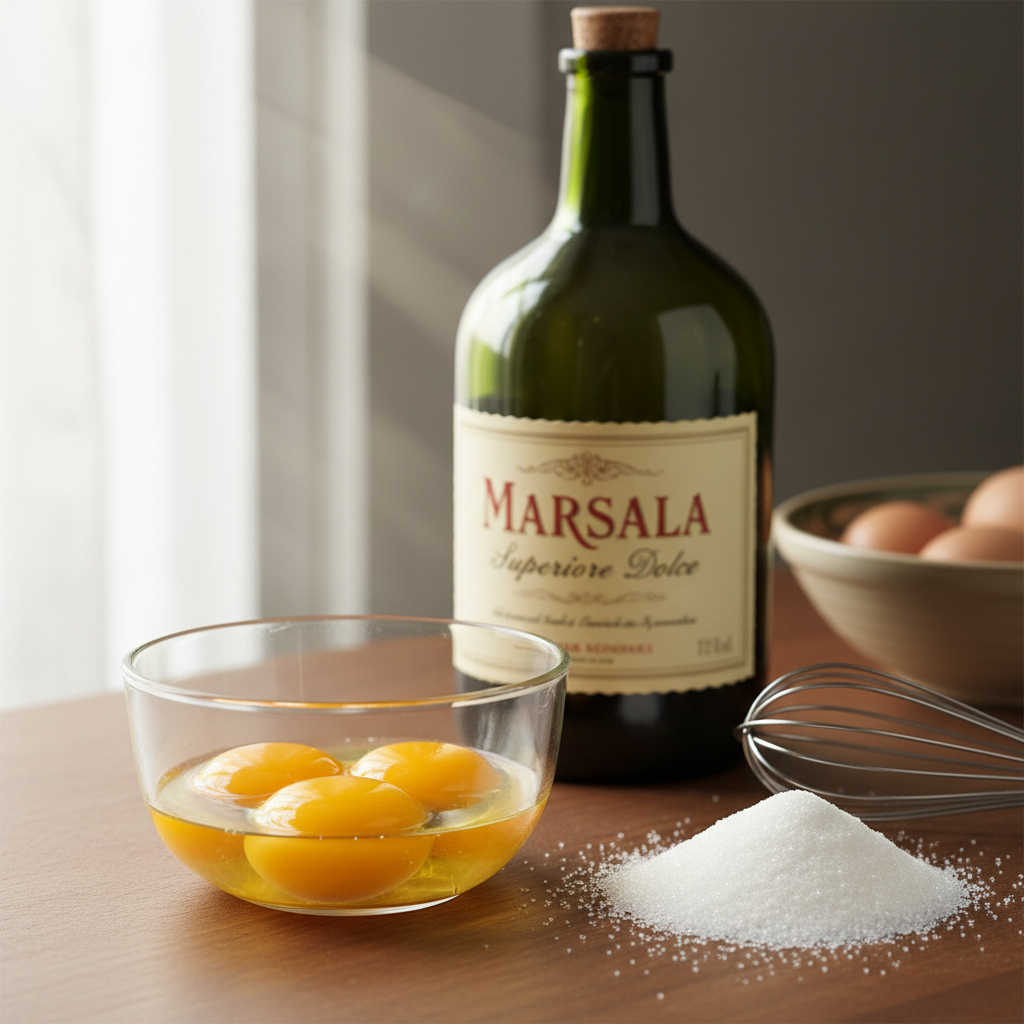
Creating the perfect Zabaglione requires attention to a few key ingredients:
- Egg Yolks Use fresh, large egg yolks. They are the heart of this custard, providing richness and structure. Separate them carefully from the whites.
- Granulated Sugar Fine granulated sugar dissolves easily and provides the perfect sweetness.
- Marsala Wine This is the traditional choice and provides that characteristic nutty, caramelized flavor. Use a dry or semi-dry Marsala, not cooking Marsala, for the best taste. If you prefer an alcohol-free version, you can substitute with grape juice or a non-alcoholic sweet wine, though the flavor profile will differ slightly.
- Pinch of Salt A tiny pinch enhances the flavors and balances the sweetness.
Equipment Needed
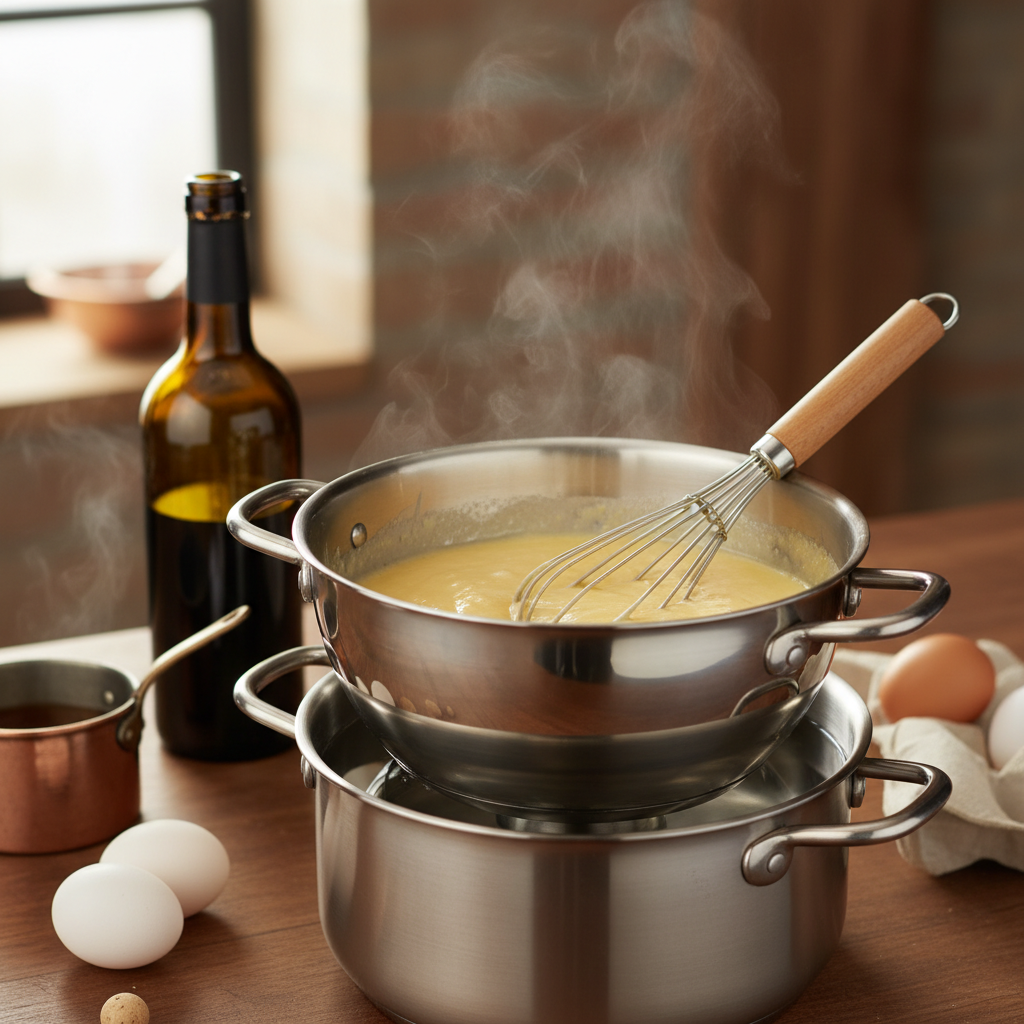
Having the right tools makes all the difference for this recipe:
- Heatproof Bowl A large metal or glass bowl that fits snugly over a saucepan without touching the water. This will be your double boiler.
- Medium Saucepan For the double boiler setup.
- Whisk A balloon whisk is essential for incorporating air and creating that signature frothy texture. An electric hand mixer can also be used for ease, but a good old whisk works perfectly.
- Measuring Cups and Spoons For accurate ingredient measurements.
- Serving Glasses Elegant stemmed glasses or small dessert bowls are ideal for serving.
Full Recipe Card
Ingredients
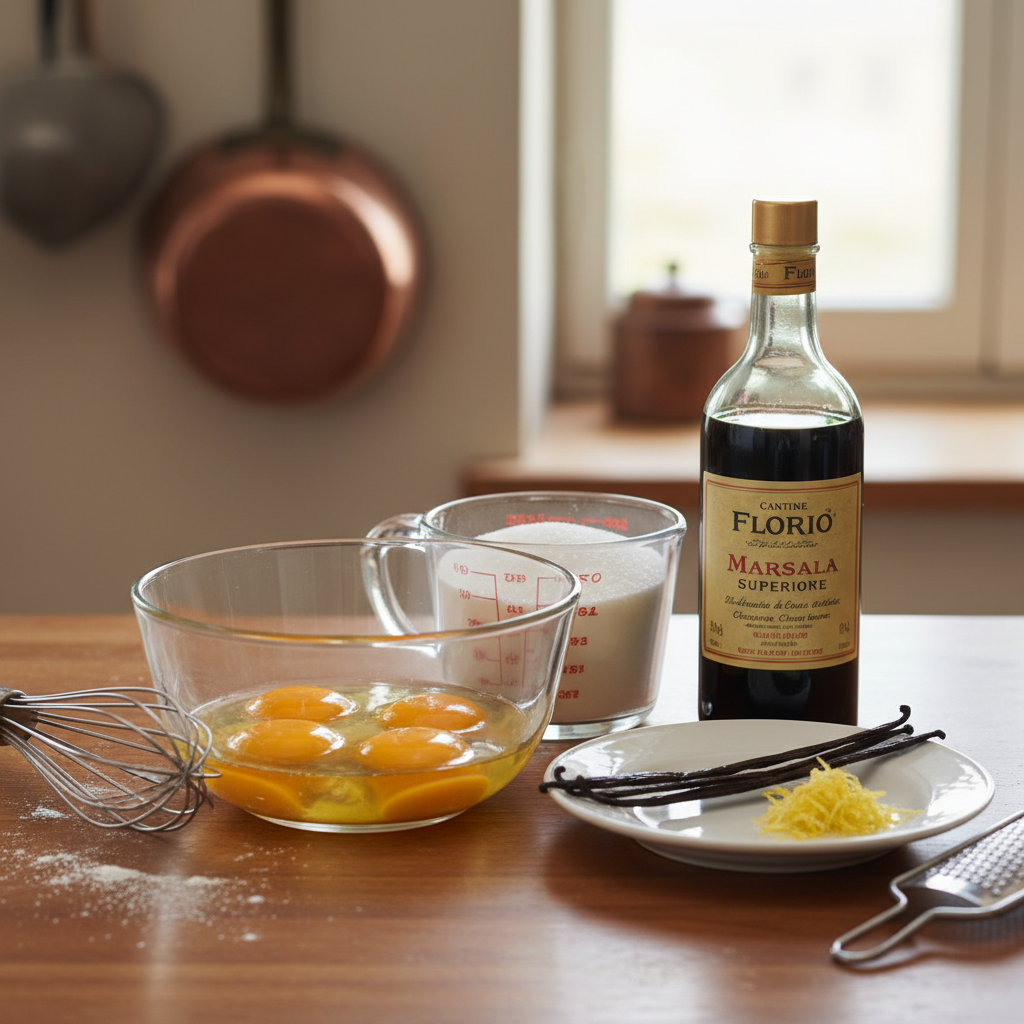
- 6 large egg yolks
- 1/2 cup (100g) granulated sugar
- 1/2 cup (120ml) Marsala wine (dry or semi-dry)
- Pinch of salt
Instructions
- Prepare Double Boiler Fill a medium saucepan with about 1-2 inches of water. Bring the water to a gentle simmer over medium heat. Make sure your heatproof bowl fits securely over the saucepan without the bottom of the bowl touching the simmering water.
- Combine Ingredients In the heatproof bowl, combine the egg yolks, granulated sugar, and a pinch of salt.
- Whisk Vigorously Place the bowl over the simmering water. Immediately begin whisking the mixture vigorously and continuously. The key is constant movement to prevent the eggs from scrambling and to incorporate air.
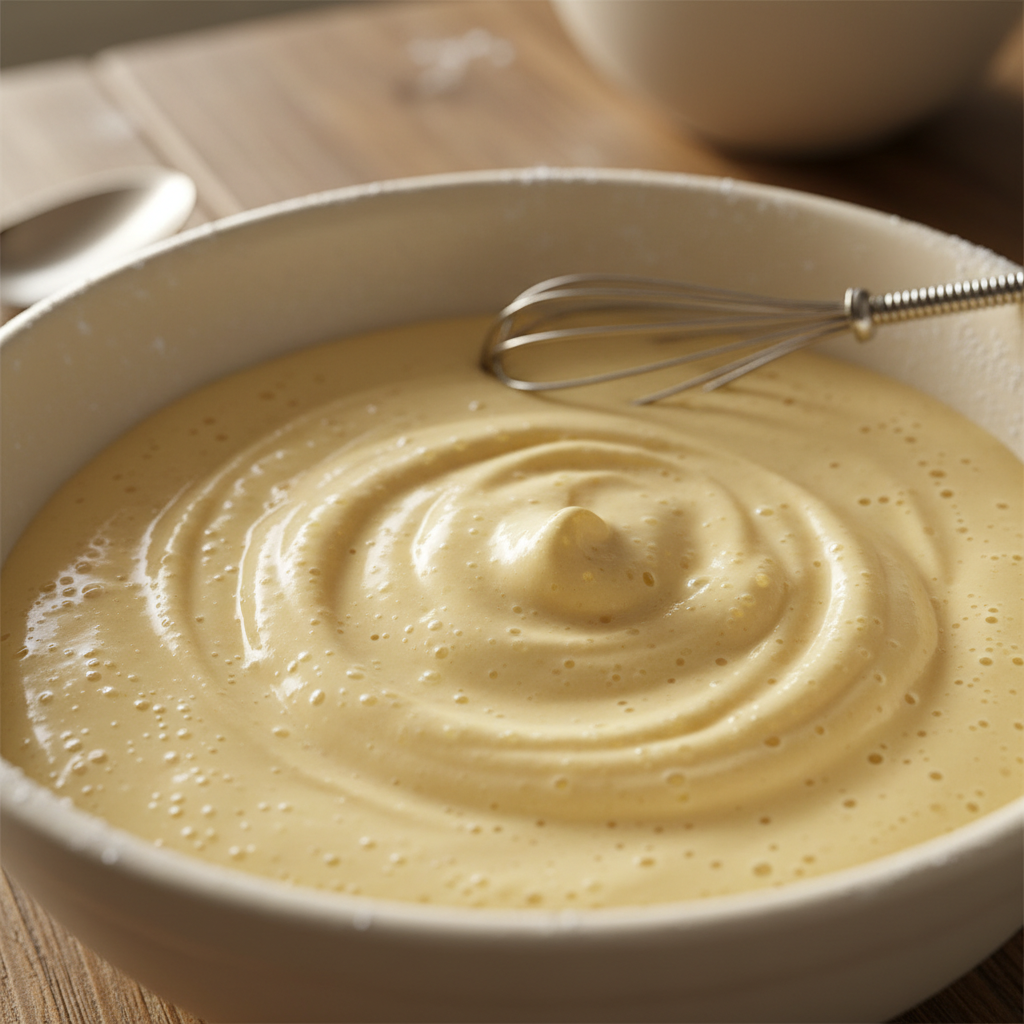
- Cook Until Thick and Frothy Continue whisking for 8-12 minutes. The mixture will gradually become pale yellow, thicken significantly, and increase in volume, becoming light, airy, and frothy. When lifted, the whisk should leave a ribbon-like trail on the surface of the custard that slowly disappears.
- Remove from Heat Once the Zabaglione reaches the desired consistency, immediately remove the bowl from the heat. You can continue to whisk for another minute or two off the heat to prevent overcooking and to help it cool slightly.
- Serve Immediately Zabaglione is best served warm, right after it’s made. Divide it among serving glasses and enjoy!
Notes
- For an extra rich flavor, you can add a teaspoon of vanilla extract at the end.
- If you don’t have Marsala, other sweet wines like Moscato or even dry sherry can be used, but Marsala is traditional.
- The consistency should be like a thick, flowing custard, not too stiff.
Tips and Variations

- Alcohol-Free Zabaglione Substitute Marsala with white grape juice or non-alcoholic sparkling cider for a family-friendly version.
- Citrus Zest Add a teaspoon of lemon or orange zest to the egg yolk mixture for a bright, aromatic twist.
- Spiced Zabaglione A tiny pinch of cinnamon or nutmeg can add a warm, cozy note, especially in cooler months.
- Chocolate Zabaglione Gently fold in a tablespoon of cocoa powder or finely grated dark chocolate at the end for a decadent treat.
- Coffee Zabaglione Add a teaspoon of instant espresso powder for a delightful mocha flavor.
Pro Chef Tips
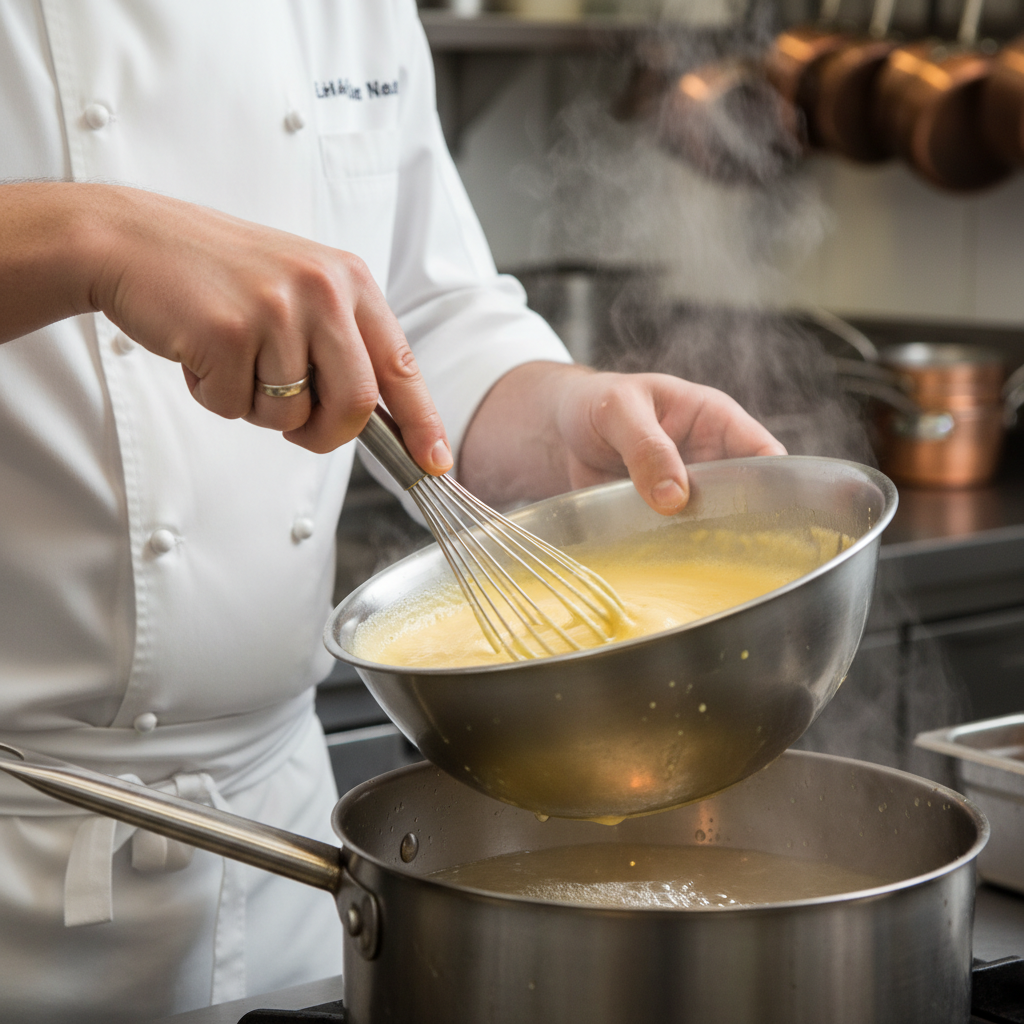
- Constant Whisking is Key This cannot be stressed enough. Continuous whisking prevents the eggs from cooking unevenly and creates the desired light, airy texture.
- Control the Heat The water in your saucepan should be a gentle simmer, not a rolling boil. Too much heat will scramble your eggs. Adjust the heat as needed.
- Don’t Overcook As soon as the Zabaglione forms a ribbon when the whisk is lifted, it’s done. Overcooking will result in a thicker, denser custard rather than a light foam.
- Use a Metal Bowl Metal bowls conduct heat more evenly and cool down faster than glass, making them ideal for double boiler cooking.
- Taste and Adjust Before serving, give it a taste. If you prefer it sweeter, a tiny bit more powdered sugar can be whisked in off the heat.
Common Mistakes to Avoid

- Scrambled Eggs The most common mistake! This happens when the heat is too high or whisking is not continuous. Ensure the bowl doesn’t touch the water and keep whisking!
- Thin, Runny Zabaglione This usually means it hasn’t been cooked long enough or not enough air has been incorporated. Keep whisking over the heat until it thickens.
- Not Using a Double Boiler Trying to cook this directly over heat is a recipe for disaster. The gentle, indirect heat of a double boiler is crucial.
- Overpowering Wine Flavor Using too much Marsala or a very strong, cheap cooking wine can make the flavor unbalanced. Stick to the recommended amount and use a good quality drinking Marsala.
Storage and Meal Prep
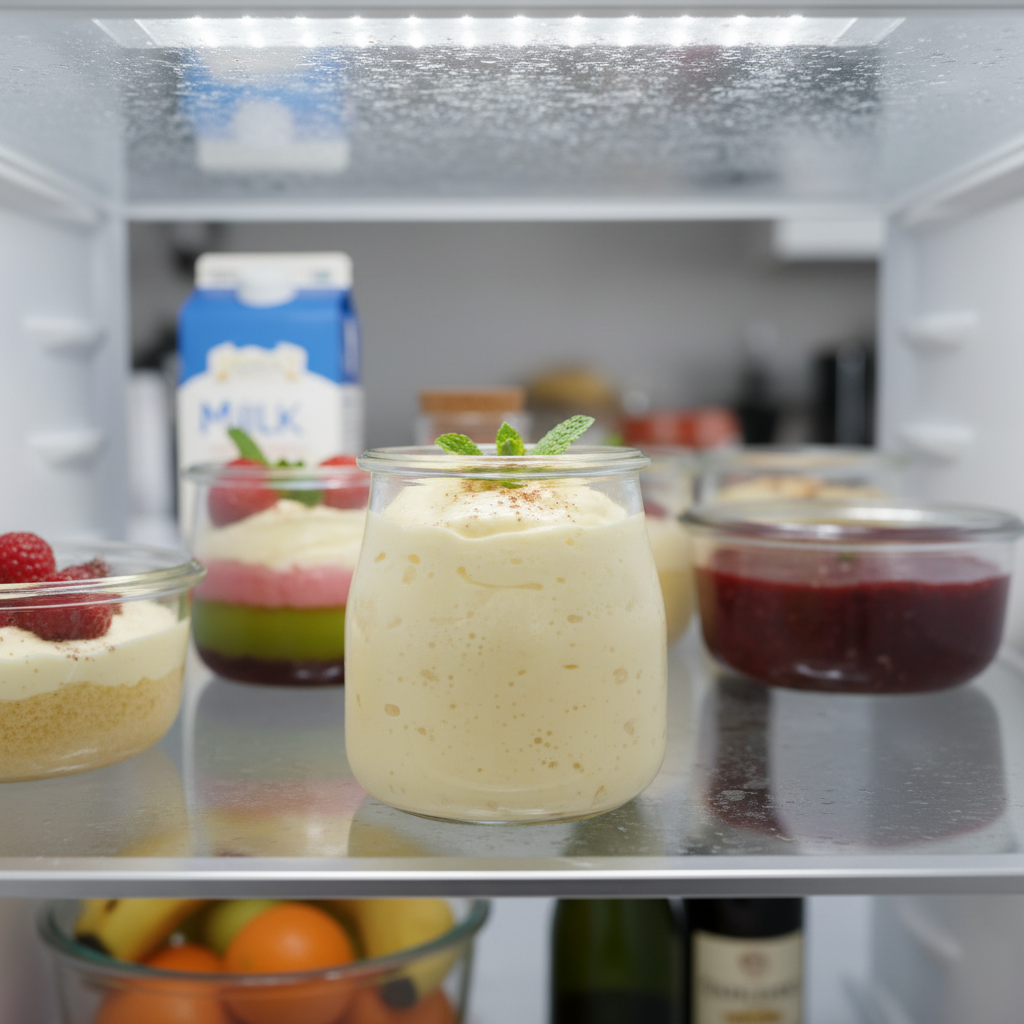
Zabaglione is truly best enjoyed immediately after preparation. Its light, airy texture is at its peak when warm and freshly made. However, if you have leftovers:
- Refrigeration Store any leftover Zabaglione in an airtight container in the refrigerator for up to 1 day.
- Reheating Reheating is not recommended as it can lose its airy texture and become runny or separate. It’s best served chilled as a custard or sauce if not consumed warm.
Make-Ahead and Freezer Notes
Due to its delicate, aerated structure, Zabaglione is not ideal for making ahead in large quantities or freezing. The texture will significantly degrade upon chilling or thawing, losing its characteristic lightness. It’s truly a ‘made-to-order’ dessert.
However, you can do some light prep:
- Separate Eggs Separate your egg yolks ahead of time and keep them covered in the refrigerator for up to 24 hours.
- Measure Ingredients Measure out your sugar and Marsala wine so they are ready to go when you begin cooking.
Serving Suggestions
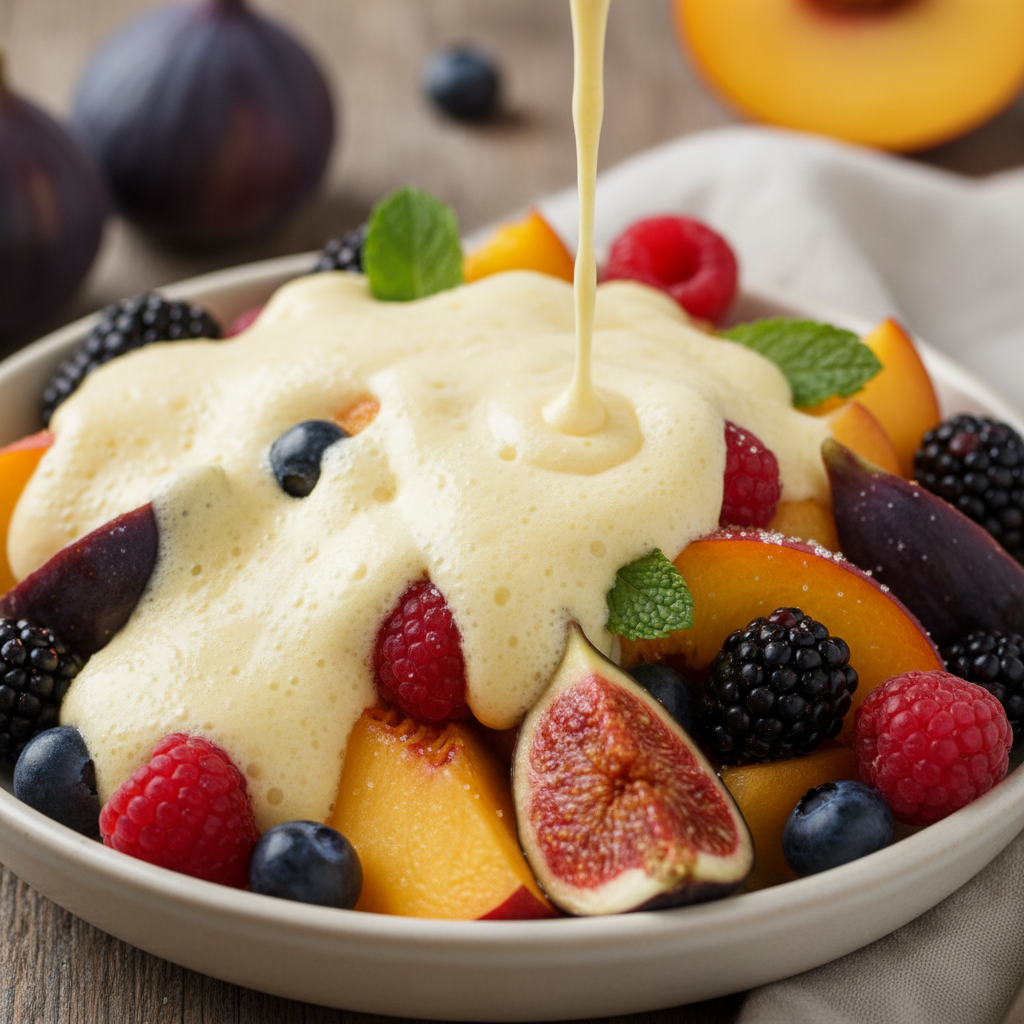
The beauty of Zabaglione lies in its versatility. Here are some delightful ways to serve it:
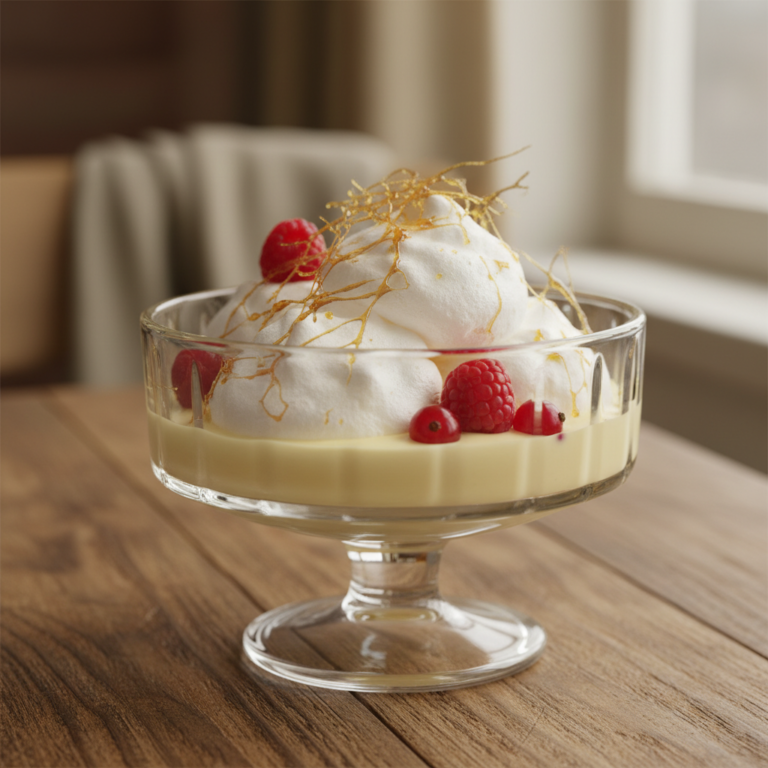
- With Fresh Berries A classic pairing! Strawberries, raspberries, blueberries, or a mix of seasonal berries are perfect.
- Over Cake or Pastries Drizzle warm Zabaglione over slices of pound cake, panettone, pandoro, or ladyfingers.
- With Cookies Serve alongside biscotti or amaretti cookies for dipping.
- Fruit Salad Topping Elevate a simple fruit salad into an extraordinary dessert.
- As a Sauce Use it as a luxurious sauce for tarts, crepes, or even plain vanilla ice cream.
- On its Own Sometimes, simplicity is best. Enjoy it warm, straight from the bowl, savoring every airy spoonful.