There’s something absolutely timeless about a beautiful vanilla bundt cake sitting on your kitchen counter. The gorgeous ridges, the golden-brown color, and that incredible aroma that fills your home while it bakes. This isn’t just any cake, this is the kind of cake that makes people stop and say “wow” before they even take a bite. And when they do? Pure heaven.
Today, I’m sharing my absolute best vanilla bundt cake recipe. This is the cake I make when I want to impress someone, celebrate something special, or simply treat myself to a slice of pure comfort with my afternoon coffee. It’s incredibly moist, perfectly buttery, and has that wonderful vanilla flavor that makes everyone ask for seconds. The best part? It’s actually really simple to make, and I’m going to walk you through every single step so you get perfect results every time.
History / Background
The bundt cake has a fascinating story that connects American baking culture with European heritage. The distinctive fluted tube pan we know today was actually inspired by traditional European ring-shaped cakes, particularly the German Gugelhupf, which has been baked for centuries in ornate ceramic molds. These cakes were often served at special occasions and holidays, bringing families together around something sweet and celebratory.
The modern bundt pan as we know it came into existence in 1950, when H. David Dalquist founded Nordic Ware in Minneapolis. The name “bundt” itself is a variation of the German word “bund,” meaning a gathering of people. Dalquist created the aluminum bundt pan at the request of the Hadassah Society of Minneapolis, a group of Jewish women who wanted to recreate the traditional cakes their ancestors made in Europe but needed a more practical, affordable pan.
The bundt cake didn’t become a household name until 1966, when a Texas homemaker named Ella Helfrich entered her “Tunnel of Fudge Cake” in the Pillsbury Bake-Off using a bundt pan. Her cake took second place, and suddenly everyone wanted to know what this beautiful, ridged cake was all about. Sales of bundt pans skyrocketed, and the bundt cake became an iconic part of American baking tradition.
Today, the bundt cake represents comfort, celebration, and home baking at its finest. A simple vanilla bundt cake like this one honors that tradition while being accessible to bakers of all skill levels. It’s the kind of cake that looks impressive but doesn’t require fancy decorating skills. The pan does all the work of making it beautiful!
Why You’ll Love This Recipe
- Incredibly Moist: This cake stays soft and tender for days thanks to the perfect balance of butter, eggs, and sour cream.
- Simple Ingredients: No exotic ingredients needed, just pantry staples you probably already have on hand.
- Foolproof Method: This recipe has been tested dozens of times and works perfectly every single time when you follow the instructions.
- Beautiful Presentation: The bundt pan creates such an elegant shape that you barely need any decoration. A simple glaze makes it bakery-worthy.
- Versatile: Serve it plain, glazed, dusted with powdered sugar, or dressed up with fresh berries and whipped cream.
- Perfect for Any Occasion: Whether it’s a birthday, potluck, afternoon tea, or just because, this cake fits the bill.
- Makes Your House Smell Amazing: The vanilla and butter combination creates an aroma that makes everyone feel right at home.
- Great Make-Ahead Dessert: This cake actually tastes better the next day, making it perfect for entertaining or meal prep.
- Beginner-Friendly: Even if you’re new to baking, you can absolutely master this recipe. The instructions are clear and detailed.
- Feeds a Crowd: One bundt cake serves 12 to 16 people, making it economical and practical for gatherings.
Ingredient Notes
All-Purpose Flour: This is your cake’s foundation. Make sure to measure it correctly by spooning it into your measuring cup and leveling it off with a knife. Don’t scoop directly from the bag, as this packs the flour and can make your cake dense.
Granulated Sugar: Provides sweetness and helps create that tender, moist crumb. The sugar also helps incorporate air when you cream it with the butter, which gives your cake lift and lightness.
Unsalted Butter: This is key! Use real butter, not margarine or spreads. Butter should be at room temperature, which means soft enough that you can press your finger into it but it still holds its shape. This usually takes about 1 hour sitting on the counter.
Eggs: Large eggs at room temperature work best. Room temperature eggs incorporate more easily into your batter and create a better texture. If you forgot to take them out, place them in a bowl of warm water for 5 minutes.
Sour Cream: This is the secret ingredient that makes this cake incredibly moist and gives it that slight tangy flavor that balances the sweetness. Full-fat sour cream works best. You can substitute with Greek yogurt if needed.
Whole Milk: Adds moisture and richness. Whole milk is preferred, but 2% will work in a pinch. Avoid skim milk as it doesn’t have enough fat to create the right texture.
Vanilla Extract: Use pure vanilla extract, not imitation. The quality of your vanilla really shines through in a simple cake like this. If you have vanilla bean paste, even better!
Baking Powder and Baking Soda: These work together to give your cake the perfect rise. Make sure they’re fresh! Check the expiration dates, as old leaveners won’t work properly.
Salt: Just a little bit enhances all the other flavors. It might seem like a small amount, but it makes a big difference in the final taste.
Equipment Needed
10 to 12-Cup Bundt Pan: This is essential! A standard 10-cup bundt pan is perfect, but 12-cup works too. Make sure it’s a good quality pan, preferably nonstick. Nordic Ware makes excellent bundt pans that last forever.
Stand Mixer or Hand Mixer: A stand mixer makes this recipe easiest, but a hand mixer works perfectly fine. You’ll need it for creaming the butter and sugar, which is crucial for a light, fluffy cake.
Large Mixing Bowls: You’ll need at least two, one for mixing dry ingredients and your mixer bowl for the wet ingredients.
Measuring Cups and Spoons: Accurate measurements are important in baking. Have both dry measuring cups and liquid measuring cups ready.
Whisk: For mixing your dry ingredients together evenly.
Rubber Spatula: Essential for scraping down the sides of your mixing bowl and ensuring everything is well incorporated.
Cooling Rack: You’ll need this to cool your cake properly. Cooling the cake in the pan for a bit, then inverting it onto a rack prevents it from getting soggy.
Pastry Brush: For greasing your bundt pan thoroughly. This ensures your cake releases perfectly.
Toothpick or Cake Tester: For checking if your cake is done. A wooden skewer works great too.
Small Saucepan (optional): If you’re making a glaze, you’ll need this for warming ingredients together.
Full Recipe Card
Classic Buttery Vanilla Bundt Cake
Prep Time: 20 minutes
Bake Time: 55 to 65 minutes
Cooling Time: 2 hours
Total Time: 3 hours 15 minutes
Yield: 12 to 16 servings
Difficulty: Easy
Ingredients
For the Cake:
- 3 cups (375g) all-purpose flour
- 2 teaspoons baking powder
- ½ teaspoon baking soda
- ¾ teaspoon salt
- 1 cup (2 sticks/226g) unsalted butter, room temperature
- 2 cups (400g) granulated sugar
- 4 large eggs, room temperature
- 1 cup (240ml) sour cream, room temperature
- ½ cup (120ml) whole milk, room temperature
- 2 tablespoons pure vanilla extract
For the Simple Vanilla Glaze (Optional):
- 2 cups (240g) powdered sugar
- 3 to 4 tablespoons milk
- 1 teaspoon vanilla extract
- Pinch of salt
Instructions
Step 1: Prepare Your Pan and Oven
Position your oven rack in the lower third of your oven and preheat to 325°F (163°C). This lower temperature helps the cake bake evenly without browning too quickly on top. Generously grease your bundt pan with butter or nonstick baking spray, making sure to get into every single groove and crevice. Then lightly dust with flour, tapping out the excess. This double coating ensures your cake will release perfectly. Don’t skip this step or rush it, it’s crucial!
Step 2: Mix Your Dry Ingredients
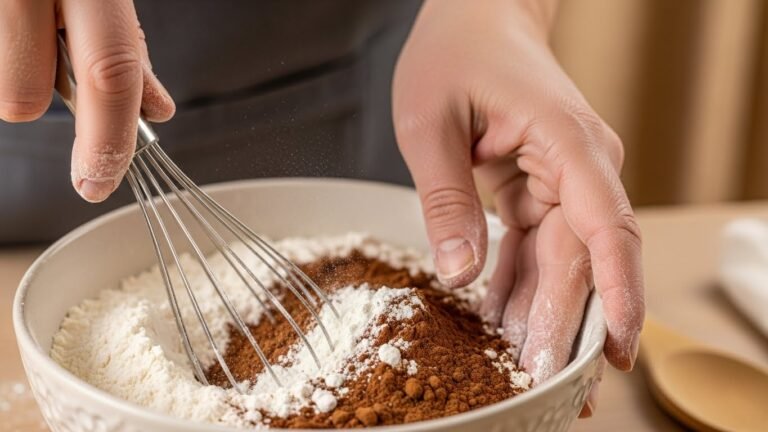
In a large bowl, whisk together the flour, baking powder, baking soda, and salt. Whisk for about 30 seconds to make sure everything is evenly distributed throughout the flour. This ensures your cake rises evenly and has consistent flavor throughout. Set this bowl aside.
Step 3: Cream the Butter and Sugar
In your stand mixer bowl fitted with the paddle attachment (or using a hand mixer in a large bowl), beat the softened butter on medium speed for about 1 minute until it’s smooth and creamy. Add the sugar and beat on medium-high speed for 4 to 5 minutes. Yes, really that long! This process incorporates air into the butter, which helps your cake rise and creates that light, fluffy texture. The mixture should look pale and fluffy, almost like frosting.
Step 4: Add the Eggs
Turn your mixer to medium-low speed. Add the eggs one at a time, beating well after each addition. Make sure each egg is fully incorporated before adding the next one. Scrape down the sides of the bowl with your rubber spatula after adding all the eggs to ensure everything is mixed evenly.
Step 5: Combine Wet Ingredients
In a liquid measuring cup or small bowl, whisk together the sour cream, milk, and vanilla extract until smooth and well combined. This pre-mixing ensures these ingredients distribute evenly throughout your batter.
Step 6: Alternate Adding Dry and Wet Ingredients
With your mixer on low speed, add about one-third of the flour mixture to the butter mixture. Mix just until you can’t see any more dry flour. Then add about half of the sour cream mixture. Mix until combined. Continue alternating, ending with the flour mixture. You’ll do this pattern: flour, sour cream, flour, sour cream, flour. After the last addition of flour, stop mixing as soon as you don’t see any more white streaks. Overmixing can make your cake tough, so don’t be tempted to mix more than necessary!
Step 7: Finish the Batter
Remove the bowl from your mixer and use your rubber spatula to give the batter a few gentle folds, scraping the bottom and sides of the bowl to make sure everything is incorporated. The batter should be thick, smooth, and creamy.
Step 8: Fill the Pan
Carefully pour the batter into your prepared bundt pan. Use your spatula to spread it evenly, making sure there are no air pockets. Gently tap the pan on your counter a few times to release any air bubbles. Smooth the top of the batter so it’s level.
Step 9: Bake
Place the pan in your preheated oven and bake for 55 to 65 minutes. The cake is done when it’s golden brown, pulling away slightly from the sides of the pan, and a toothpick or cake tester inserted into the center comes out clean or with just a few moist crumbs. Start checking at 55 minutes, but don’t be surprised if it needs the full 65 minutes. Every oven is different!
Step 10: Cool in the Pan
This is important! When your cake comes out of the oven, place the pan on a cooling rack and let it cool in the pan for exactly 15 minutes. Not more, not less. If you try to remove it too soon, it might break. If you leave it too long, it might stick.
Step 11: Invert and Cool Completely
After 15 minutes, place your cooling rack over the top of the bundt pan. Using oven mitts, carefully flip the whole thing over so the pan is now upside down on the rack. Gently lift the pan straight up. Your beautiful cake should release perfectly! If it seems stuck in one spot, gently tap that area of the pan. Let the cake cool completely on the rack before glazing or serving, at least 1 to 2 hours.
Step 12: Make the Glaze (Optional)
If you’re making the glaze, whisk together the powdered sugar, 3 tablespoons of milk, vanilla, and salt in a bowl until smooth. If it’s too thick, add the remaining tablespoon of milk. The glaze should be pourable but not too thin. Drizzle it over the completely cooled cake, letting it run down the sides beautifully.
Recipe Notes
- Room temperature ingredients are crucial for this recipe. They mix together more easily and create a better texture.
- Don’t open the oven door during the first 50 minutes of baking. This can cause your cake to sink in the middle.
- If your cake browns too quickly on top, tent it loosely with aluminum foil for the last 15 minutes of baking.
- The cake will continue to set as it cools, so don’t worry if a toothpick comes out with a few moist crumbs. That’s actually perfect!
- Store the cake covered at room temperature. It stays moist for up to 5 days.
Tips & Variations
Lemon Bundt Cake: Add the zest of 2 lemons to the batter and replace 1 tablespoon of vanilla with 1 tablespoon of lemon extract. For the glaze, use lemon juice instead of milk and add lemon zest. This creates a bright, refreshing cake perfect for spring and summer.
Almond Bundt Cake: Replace 1 tablespoon of vanilla extract with almond extract. Top with sliced almonds before baking or add ½ cup of finely chopped almonds to the batter.
Chocolate Chip Variation: Toss 1 cup of mini chocolate chips in 1 tablespoon of flour, then gently fold them into the finished batter. The flour coating helps prevent them from sinking to the bottom.
Brown Butter Version: For an extra nutty, complex flavor, brown your butter first, then let it cool to room temperature before using. This adds an incredible depth of flavor.
Cream Cheese Bundt: Replace the sour cream with softened cream cheese for an even richer, more tender cake. Make sure the cream cheese is very soft so it mixes smoothly.
Marble Bundt: Divide the batter in half. Mix 3 tablespoons of cocoa powder into one half. Alternate spoonfuls of vanilla and chocolate batter in the pan, then swirl gently with a knife.
Citrus Glaze Options: Try orange, lime, or grapefruit juice and zest in your glaze for different flavor profiles. Each citrus brings its own special character to the cake.
Spiced Version: Add 1 teaspoon of cinnamon and ¼ teaspoon of nutmeg to the dry ingredients for a warm, cozy spiced cake perfect for fall.
Pro Chef Tips
The Toothpick Test: Insert your toothpick in several places, not just one. Different spots in a bundt cake can bake at different rates due to the pan’s shape. If most spots come out clean with a few moist crumbs, you’re good to go.
Prevent Sticking: Even with a nonstick pan, always grease and flour thoroughly. For extra insurance, use Baker’s Joy spray or make your own “pan release” by mixing equal parts oil, flour, and shortening. Brush this mixture into every groove.
Room Temperature Matters: Set your ingredients out 1 to 2 hours before baking. This isn’t just a suggestion, it really affects how well everything mixes together and the final texture of your cake. In a pinch, microwave your milk for 10 seconds and place eggs in warm water.
Don’t Overmix: Once you add your flour, mix only until you can’t see white streaks. Overmixing develops gluten, which makes your cake tough instead of tender. It’s better to undermix slightly than overmix.
Oven Temperature Check: If you bake often, invest in an oven thermometer. Many home ovens run 25 degrees hotter or cooler than the dial says. This can be the difference between a perfectly baked cake and one that’s over or underdone.
The Tap Test: Before inverting your cake, gently tap the sides of the pan. If you hear a hollow sound, the cake has released from the sides. If it sounds dull or thuddy, give it another minute or two.
Achieve a Level Cake: If your cake domes in the middle, you can level it with a long serrated knife once it’s cooled. But honestly, a slight dome is normal and won’t show once you flip it over!
Glaze Timing: Always wait until the cake is completely cool before glazing. If the cake is even slightly warm, the glaze will soak in instead of creating that beautiful glossy coating on top.
Common Mistakes to Avoid
Using Cold Ingredients: This is the number one mistake! Cold butter won’t cream properly with sugar, and cold eggs can cause the batter to curdle or not mix smoothly. Always bring ingredients to room temperature.
Insufficient Greasing: If you don’t thoroughly grease every nook and cranny of your bundt pan, your cake will stick. Take your time with this step. Use a pastry brush to really get into all the details of the pan.
Opening the Oven Too Soon: Every time you open the oven door, the temperature drops dramatically. This can cause your cake to sink or bake unevenly. Trust your recipe’s timing and only check when suggested.
Not Measuring Flour Correctly: Scooping flour directly from the bag packs it down, giving you too much flour. Always spoon flour into your measuring cup and level it off for accurate measurements.
Overmixing the Batter: Once you add flour, mix gently and only until combined. Overmixing develops gluten strands that make your cake tough and dense instead of light and tender.
Wrong Pan Size: Using a pan that’s too small will cause overflow. Using one that’s too big will make your cake thin and dry. Stick with the recommended 10 to 12-cup size.
Removing from Pan Too Soon: If you try to unmold your cake before it’s set, it will break apart. Wait the full 15 minutes. Set a timer so you don’t forget!
Leaving in Pan Too Long: On the flip side, if you leave the cake in the pan too long, the steam it creates can make it stick. That 15-minute window is really the sweet spot.
Not Testing for Doneness: Visual cues alone aren’t enough. Always use a toothpick or cake tester to check the center. Different ovens bake at different rates.
Cutting While Warm: I know it’s tempting, but warm cake crumbles and doesn’t slice cleanly. Wait until it’s completely cool for beautiful, clean slices that hold together perfectly.
Storage & Meal Prep
Room Temperature Storage: Once completely cooled, cover your bundt cake tightly with plastic wrap or place it in a cake carrier. It will stay moist and delicious at room temperature for up to 5 days. In fact, many people think it tastes even better on day two or three as the flavors meld together.
Refrigerator Storage: While not necessary, you can refrigerate your cake if your kitchen is very warm or if you’ve used a perishable topping like cream cheese frosting. Wrap it tightly and it will keep for up to 1 week. Let it come to room temperature before serving for the best flavor and texture.
Slicing Tips: Use a serrated knife with a gentle sawing motion for the cleanest slices. Wipe your knife clean between cuts for those picture-perfect slices. A hot, wet knife also works beautifully.
Individual Portions: If you’re meal prepping, slice the cake and wrap individual pieces in plastic wrap or place them in airtight containers. This makes grabbing a portion for lunch or a snack incredibly easy.
Keeping It Moist: The sour cream in this recipe helps keep the cake moist for days. If you notice it starting to dry out, you can brush the top with a simple syrup (equal parts water and sugar, heated until dissolved) to refresh it.
Make-Ahead & Freezer Notes
Baking Ahead: This cake is actually perfect for baking a day or two ahead. The texture improves as it sits, becoming even more moist and tender. Just wrap it well and store at room temperature.
Freezing the Whole Cake: Wrap the completely cooled, unglazed cake tightly in plastic wrap, then wrap again in aluminum foil or place in a freezer bag. Freeze for up to 3 months. Thaw overnight in the refrigerator or for several hours at room temperature. Glaze after thawing.
Freezing Slices: Slice the cake, then wrap individual slices in plastic wrap and place in a freezer bag. This way you can thaw just one or two slices at a time for a quick treat. Slices thaw in about 30 minutes at room temperature.
Freezing with Glaze: You can freeze a glazed cake, but the glaze might look less glossy after thawing. If appearance matters, it’s better to freeze unglazed and add fresh glaze after thawing.
Thawing Tips: Never microwave a frozen cake to thaw it quickly. This creates uneven, rubbery spots. Always thaw slowly at room temperature or in the refrigerator for the best texture.
Refreshing Frozen Cake: If your thawed cake seems a bit dry (though it shouldn’t with this recipe), you can warm individual slices for 10 to 15 seconds in the microwave to refresh them.
Make-Ahead Glaze: You can make your glaze up to 3 days ahead and store it in the refrigerator in an airtight container. Whisk it well before using, and add a splash of milk if needed to return it to the right consistency.
Serving Suggestions
Classic Coffee Pairing: A slice of this vanilla bundt cake with your morning coffee or afternoon tea is pure bliss. The buttery vanilla flavor pairs beautifully with coffee’s slight bitterness.
With Fresh Berries: Serve slices topped with fresh strawberries, raspberries, or blueberries and a dollop of whipped cream. The fruit’s tartness balances the cake’s sweetness perfectly.
Warm with Ice Cream: Warm a slice for 15 to 20 seconds in the microwave and serve with a scoop of vanilla ice cream melting on top. This is comfort dessert at its finest.
Breakfast Cake: Yes, really! This cake is not overly sweet, making it perfect for breakfast or brunch. Serve it with fresh fruit and yogurt for a special weekend morning.
Trifle Base: Cube this cake and layer it with pudding, whipped cream, and fruit for an easy, impressive trifle. The sturdy texture holds up beautifully to the moisture.
Toasted Slices: Try toasting a slice in a pan with a little butter until golden and crispy on both sides. This creates an incredible texture contrast that’s absolutely addictive.
Tea Party Centerpiece: This cake is perfect for afternoon tea parties. Dust it with powdered sugar, arrange it on a pretty cake stand, and surround it with fresh flowers.
Holiday Presentation: During holidays, dress it up with seasonal decorations. Dust with powdered sugar for a snowy effect at Christmas, or top with pastel glaze and spring flowers for Easter.
With Lemon Curd: Serve slices with a spoonful of tangy lemon curd on the side. The citrus cuts through the richness beautifully.
Sundae Style: Top a slice with vanilla ice cream, chocolate sauce, whipped cream, and a cherry for a cake version of a sundae. Kids especially love this presentation!
FAQs
Can I use a different size bundt pan?
This recipe is designed for a standard 10 to 12-cup bundt pan. If you use a smaller pan, you’ll have too much batter and it will overflow. If you use a larger pan, your cake will be shorter and will need less baking time. Stick to the recommended size for best results.
Why did my cake stick to the pan?
This usually happens because the pan wasn’t greased well enough, especially in all the detailed grooves. Make sure to use a pastry brush to get into every crevice. Also, timing matters, don’t leave the cake in the pan for more than 15 minutes after baking, but don’t try to remove it sooner either.
Can I make this cake without sour cream?
You can substitute Greek yogurt for the sour cream in equal amounts. The texture will be very similar. You could also use buttermilk, but reduce it to ¾ cup and increase the milk to ¾ cup to maintain the right consistency.
My cake has a tunnel or large holes inside. What happened?
This usually means the batter was overmixed after adding the flour, which created too much gluten and air pockets. Mix only until you can’t see white streaks. Also make sure your leaveners are fresh and measured correctly.
Can I make this cake in a regular round pan instead?
While you can, the baking time will change significantly. This batter would work in two 9-inch round cake pans, but check for doneness starting at 30 to 35 minutes. The bundt pan’s shape is part of what makes this cake special, though!
Why is my cake dry?
The most common reason is overbaking. Start checking at 55 minutes and trust the toothpick test. Also make sure you measured your flour correctly, too much flour makes dry cake. Finally, make sure your oven temperature is accurate.
Can I use salted butter instead of unsalted?
You can, but you’ll need to reduce or eliminate the added salt in the recipe. Unsalted butter gives you better control over the salt level, which is why most baking recipes call for it.
How do I know when my butter is at the right temperature?
Room temperature butter should be soft enough that you can press your finger into it and leave an indentation, but it should still hold its shape. It shouldn’t be greasy or melty. This usually takes about 1 hour out of the refrigerator.
Can I double this recipe?
It’s better to make two separate cakes than to double the recipe. Doubled recipes can be tricky because mixing times change and it’s hard to ensure everything is properly incorporated. Plus, you probably don’t have a mixing bowl big enough!
Conclusion
You’ve just learned how to make the most perfect, buttery vanilla bundt cake that will become your go-to recipe for years to come. This isn’t just any cake, it’s the kind that creates memories, brings smiles to faces, and makes your house feel like a warm, welcoming home. Whether you’re baking for a special celebration or just because it’s Tuesday and you want something wonderful, this cake delivers every single time.
The beauty of this recipe is its simplicity combined with absolutely delicious results. You don’t need fancy techniques or expensive ingredients. Just good quality basics, a bit of patience, and the willingness to follow the steps. Even if you’re relatively new to baking, you can absolutely nail this cake. And once you make it the first time and see how easy it is, you’ll find yourself making it again and again.
Remember, baking is as much about the joy of the process as it is about the final result. Take your time greasing that pan. Enjoy the satisfaction of watching butter and sugar transform into something fluffy and beautiful. Breathe in that incredible vanilla aroma while your cake bakes. These are the simple pleasures that make baking at home so special.
Don’t be discouraged if your first attempt isn’t absolutely perfect. Even a slightly imperfect bundt cake tastes incredible! With each cake you bake, you’ll learn more about your oven, your pan, and your own baking rhythm. Before you know it, you’ll be the person everyone asks to bring dessert to every gathering.
So tie on that apron, preheat your oven, and get ready to create something truly special. Your family, friends, or just your future self will thank you. Happy baking, and may your kitchen always smell like vanilla and butter!